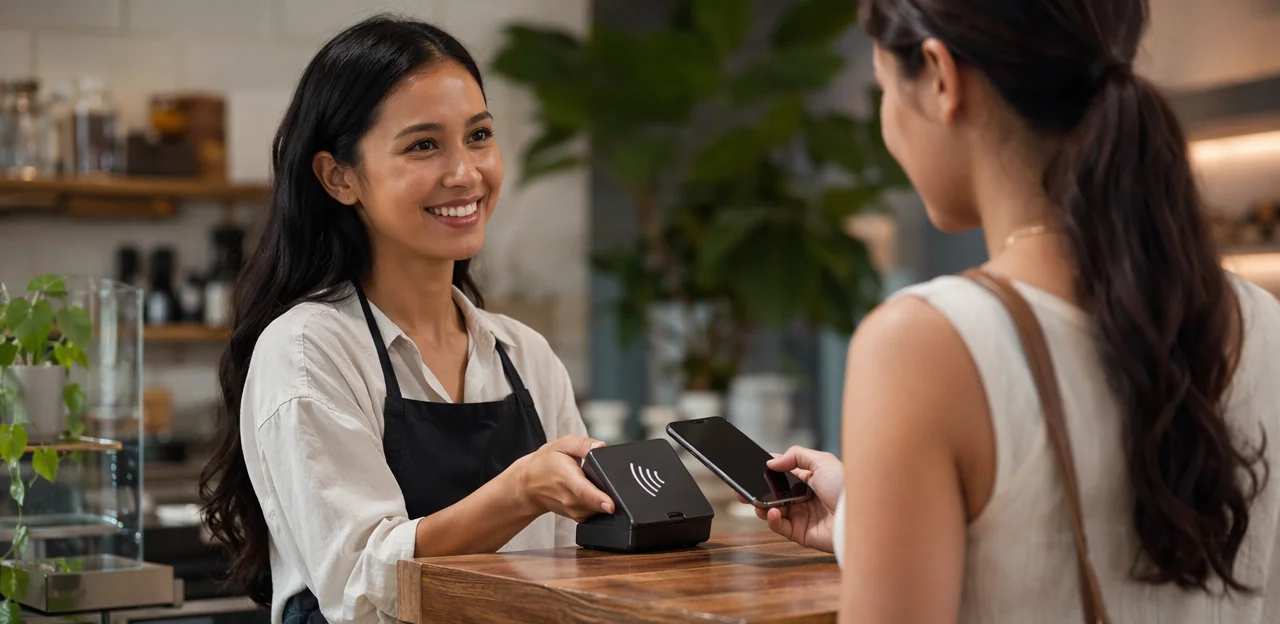
The words on a tap-to-give-feedback stand can make the difference between a quick scan and a missed opportunity. As more brands use contactless touchpoints to capture real-time sentiment, strong nfc feedback point copy has become essential for turning guest attention into useful insight. Whether placed on a restaurant table, hotel reception desk, retail counter, clinic waiting room, or event exit point, the right message must be clear, inviting, and easy to act on in seconds.
This article explores practical copy ideas and strategy for creating high-performing NFC and QR feedback prompts across industries. Along the way, you’ll find inspiration drawn from feedback questionnaire examples, feedback questions examples, and survey feedback examples that help businesses collect better responses without adding friction. We’ll also look at use cases such as feedback for client examples, event feedback examples, employee survey feedback examples, and customer feedback form examples to show how wording should change based on audience, setting, and goal.
From customer experience optimization to AI-powered analytics and smarter survey design, this guide will show you how to write concise, persuasive feedback copy that improves response rates, supports better decision-making, and helps every touchpoint deliver more value.
Why NFC Feedback Points Matter Across Industries

What nfc feedback point copy is and why it affects response rates
NFC feedback point copy is the short text placed on an NFC stand, card, table tent, kiosk, or QR touchpoint that tells people what to do and why it matters. In a tap-to-feedback journey, a guest taps or scans, opens a mobile browser, answers a few prompts, and may receive a reward or confirmation instantly.
Effective wording improves participation because it reduces hesitation and sets clear expectations. Strong nfc feedback point copy is:
- Action-led: “Tap to rate your visit”
- Benefit-driven: “Share feedback in 20 seconds”
- Specific: ideal for survey feedback examples, customer feedback form examples, and feedback questionnaire examples
- Contextual: works for event feedback examples, feedback for client examples, employee survey feedback examples, and other feedback questions examples across physical and digital touchpoints
Where NFC and QR feedback touchpoints appear in real customer journeys
Effective nfc feedback point copy depends on placement and timing across the journey:
- Tables, hotel rooms, clinic desks: Use NFC for instant tap-to-rate moments after dining, check-in, or treatment.
- Counters, kiosks, event signage: Use QR when people are standing back, moving fast, or scanning from a distance.
- Packaging and receipts: QR works best for post-purchase follow-up, linking to customer feedback form examples or short feedback questionnaire examples.
- Clinics and service exits: NFC suits private, one-touch responses; QR supports multilingual survey feedback examples.
- Events: Signage and badges can trigger event feedback examples.
- Internal spaces: Break rooms or staff portals can collect employee survey feedback examples and feedback for client examples using concise feedback questions examples.
How different industries use the same feedback framework
A strong nfc feedback point copy structure stays consistent: greet, ask 1–3 focused questions, offer an incentive, and route insights to action. The framework is the same; only tone, reward, and depth change by industry.
- Retail: quick satisfaction checks, coupon-based customer feedback form examples
- Hospitality: service recovery, loyalty perks, and richer survey feedback examples
- Healthcare: calm, trust-building feedback questions examples with privacy-first wording
- Education: class or campus event feedback examples with simple rating scales
- SaaS: onboarding and support feedback questionnaire examples
- Agencies: campaign review and feedback for client examples
- Internal HR: pulse checks and employee survey feedback examples
Keep wording short, context-specific, and easy to answer in under 30 seconds.
Core Principles for Writing High-Performing NFC Feedback Copy

Keep copy short, specific, and benefit-led
Strong nfc feedback point copy works best when it tells people exactly what to do and why they should do it now. Avoid vague prompts like “Leave feedback.” Instead, use clear, outcome-focused language that highlights the benefit to the customer and the business.
- Start with the action: “Tap to rate your visit in 10 seconds.”
- Add the reason: “Help us fix issues quickly.”
- Show the impact: “Your feedback shapes future experiences.”
This approach improves response rates across customer feedback form examples, survey feedback examples, and feedback questionnaire examples. It also works for feedback questions examples, feedback for client examples, event feedback examples, and even employee survey feedback examples. Keep every prompt short, direct, and tied to a real result customers care about.
Match the message to the moment and audience
Strong nfc feedback point copy works best when it reflects what the person just experienced and how they likely feel. Tailor prompts to the setting and intent:
- Post-purchase: Keep it fast and practical: “How was checkout today?” or “Did you find everything you needed?” These are effective customer feedback form examples for retail and service counters.
- Post-service: Use warm, experience-led wording: “How satisfied are you with today’s service?” Great for feedback questionnaire examples and feedback for client examples.
- Post-event: Capture emotion while it’s fresh: “What was the highlight of today’s event?” Strong event feedback examples often mix rating and open text.
- Employee check-in: Make language safe and direct: “How supported did you feel this shift?” Useful in employee survey feedback examples.
The best feedback questions examples, survey feedback examples, and prompts feel timely, specific, and effortless to answer.
Build trust with transparency and low-friction design
Strong nfc feedback point copy removes hesitation before the tap. Tell people exactly what to expect, using plain language and visible reassurance. This works across customer feedback form examples, event feedback examples, and even employee survey feedback examples.
- State the time upfront: “Takes 30 seconds” or “3 quick questions.”
- Clarify survey length: Let users know the form is short to reduce drop-off.
- Explain anonymity: Say “anonymous unless you choose to share contact details.”
- Be clear about data use: Briefly note how responses improve service, products, or support.
- Set expectations: Mention rewards, follow-up, or whether no response is required.
This approach strengthens trust and improves completion rates in feedback questionnaire examples, feedback questions examples, survey feedback examples, and feedback for client examples.
NFC Feedback Point Copy Examples by Industry

Retail, restaurants, and hospitality copy examples
Strong nfc feedback point copy should be short, specific, and matched to the moment. In high-traffic venues, the best prompts ask for one quick action first, then open a follow-up path for praise, recovery, or loyalty capture. Use these customer feedback form examples as adaptable templates:
- Retail store:
“How was your visit today? Tap to rate us in 5 seconds.”
Follow-up: “Could we have done anything better?”
Loyalty prompt: “Enter your email for 10% off your next visit.” - Cafe or coffee shop:
“Loved your drink? Tap to rate your order.”
Recovery prompt: “Not quite right? Tell us now so we can fix it fast.”
These work well as simple feedback questions examples and survey feedback examples. - Restaurant:
“How was your meal today?”
Follow-up: “Rate food, service, and speed.”
Recovery option: “If something missed the mark, alert the manager instantly.” - Hotel:
“How is your stay so far?”
Mid-stay prompts outperform checkout surveys and resemble practical feedback questionnaire examples.
Follow-up: “Need anything in your room? Tap here.”
This structure also inspires feedback for client examples, event feedback examples, and even employee survey feedback examples across service environments.
Healthcare, education, and public service copy examples
In sensitive settings, nfc feedback point copy should feel calm, respectful, and easy to act on. The best prompts use plain language, reassure people that responses are quick, and support accessibility for patients, students, and visitors. These feedback questions examples and survey feedback examples can help teams collect useful insight without adding stress.
- Healthcare: “Tap to share your visit experience. Your feedback helps us improve care, comfort, and communication.”
- Clinic or hospital discharge: “Before you leave, please tell us how supported you felt today.”
- School or university: “Tap to give feedback on today’s class, support services, or campus experience.”
- Library or student services: “Was it easy to get the help you needed? Share your thoughts in under 1 minute.”
- Public office or council building: “Help us improve wait times, service clarity, and accessibility by sharing feedback.”
- Museum, civic venue, or workshop: “Tell us about your visit today” works well as one of many adaptable event feedback examples.
For stronger results, use short prompts, 1–3 rating questions, and optional comments. Borrow ideas from feedback questionnaire examples, customer feedback form examples, employee survey feedback examples, and even feedback for client examples to keep wording inclusive and actionable.
Events, B2B services, and workplace feedback examples
Strong nfc feedback point copy should match the setting, the audience, and the action you want next. For live environments, keep prompts short, specific, and easy to answer in seconds.
- Events: Use event feedback examples at booth stands, session exits, and venue touchpoints.
- Booth: “Was this demo useful?”
- Session: “Did this talk meet your expectations?”
- Venue: “How easy was it to navigate today’s event?”
These feedback questions examples help organizers improve flow, speakers, and sponsor ROI.
- B2B services: For agencies and consultants, practical feedback for client examples include:
- “How satisfied are you with communication and response time?”
- “Did our recommendations feel actionable?”
- “What should we improve before the next milestone?”
These work well in customer feedback form examples and post-project check-ins.
- Workplaces: Effective employee survey feedback examples for offices and frontline teams focus on clarity, support, and tools.
- “Do you have what you need to do your job well?”
- “How supported do you feel by your manager?”
- “What is one change that would improve your shift?”
The best survey feedback examples combine quick ratings with one open-text prompt, creating useful feedback questionnaire examples without adding friction.
How to Pair Copy With Better Survey Questions

Best question formats for tap-to-feedback experiences
For effective nfc feedback point copy, keep questions fast, thumb-friendly, and easy to answer in seconds after an NFC tap or QR scan.
- Star ratings: Best for instant sentiment at tables, exits, or reception. Great in customer feedback form examples and simple survey feedback examples.
- NPS: Use when measuring loyalty with “How likely are you to recommend us?” Ideal for broader brand tracking and feedback questionnaire examples.
- CSAT: Best right after a service moment, purchase, or stay. Strong for feedback questions examples and feedback for client examples.
- CES: Use to learn how easy a process felt, especially check-in, booking, or support.
- Multiple choice: Perfect for quick diagnostics and structured event feedback examples or employee survey feedback examples.
- Open text: Use sparingly, usually after a low score, to capture context without slowing the mobile-first journey.
Feedback questionnaire examples for different goals
Use concise nfc feedback point copy so guests or customers can respond in seconds. These feedback questionnaire examples and survey feedback examples work well on NFC or QR touchpoints:
- Service quality: “How satisfied were you today?” “Was your issue resolved quickly?” “What should we improve first?”
- Product satisfaction: “Did the product meet expectations?” “How easy was it to use?” “Would you buy again?”
- Staff performance: “Was our team friendly and knowledgeable?” “Did any employee stand out?” Great for employee survey feedback examples.
- Event sessions: “Was the session useful?” “Was the speaker engaging?” Strong event feedback examples.
- Onboarding: “Was setup clear?” “What felt confusing?” Helpful customer feedback form examples.
- Client delivery reviews: “Was delivery on time?” “Did outcomes match scope?” Useful feedback for client examples and practical feedback questions examples.
How to avoid survey fatigue and low-quality responses
Strong nfc feedback point copy should make responding feel quick and worthwhile, not like a chore. Use these best practices:
- Keep it short: Aim for 1–3 core questions, then one optional comment box. The best customer feedback form examples and feedback questionnaire examples focus only on what the business can act on.
- Order questions carefully: Start with an easy rating question, follow with targeted feedback questions examples, then ask for detail only if needed.
- Make comments optional: Open text fields help collect richer survey feedback examples, feedback for client examples, and event feedback examples without forcing effort.
- Use branching logic: If a guest rates poorly, ask what went wrong; if they rate highly, ask what to repeat. This also works well for employee survey feedback examples.
Using AI and Analytics to Improve Feedback Performance

Track response rates by touchpoint, location, and copy variant
Analytics turn nfc feedback point copy into a measurable performance lever. Compare scans, starts, and completions by placement, wording, and audience to see which prompts actually work.
- By touchpoint: Test tables, exits, reception desks, packaging, or event booths using survey feedback examples tailored to each moment.
- By copy variant: Compare short CTAs against reward-led wording using feedback questions examples and feedback questionnaire examples.
- By segment: Review results across hospitality, retail, healthcare, and workplaces, including event feedback examples, employee survey feedback examples, feedback for client examples, and customer feedback form examples.
Use winners to standardize high-converting prompts across locations.
Use AI to summarize comments and detect themes
AI turns open-text responses from your nfc feedback point copy into clear, usable insight at scale. Instead of manually reading hundreds of comments, teams can:
- Cluster sentiment to separate praise, complaints, and mixed reactions
- Detect recurring issues like wait times, cleanliness, pricing, or staff helpfulness
- Surface operational insights by location, shift, product, or event type
This helps you improve feedback questionnaire examples, refine customer feedback form examples, and compare survey feedback examples, event feedback examples, and employee survey feedback examples. Use AI summaries to turn raw comments into action faster, especially when reviewing feedback questions examples or feedback for client examples across channels.
Turn feedback into action with closed-loop follow-up
Strong nfc feedback point copy should do more than collect responses—it should trigger action fast. Build a closed-loop process that helps teams resolve issues and prove improvement:
- Route low scores instantly to the right team with alerts by location, service type, or urgency.
- Use feedback questions examples and feedback questionnaire examples to capture context for better follow-up.
- Personalize outreach using names, visit details, or order history in feedback for client examples, event feedback examples, and employee survey feedback examples.
- Share outcomes with customers through updates, summaries, or improved customer feedback form examples and survey feedback examples.
Implementation Checklist and Copy Templates

A simple framework for writing your own NFC feedback point copy
Use this repeatable nfc feedback point copy formula: Audience + Context + Action + Value + Time.
- Audience: name the guest, diner, visitor, or employee.
- Context: mention the moment or location.
- Action: ask for one clear tap-and-answer step.
- Value: explain the benefit, such as improving service or unlocking a reward.
- Time: state the survey length, like “30 seconds” or “3 quick questions.”
This structure works for feedback questions examples, feedback questionnaire examples, survey feedback examples, feedback for client examples, event feedback examples, employee survey feedback examples, and customer feedback form examples.
Ready-to-adapt copy templates for common scenarios
Use nfc feedback point copy that matches the moment and keeps responses effortless. These reusable prompts work across industries and can inspire customer feedback form examples, survey feedback examples, and feedback questionnaire examples:
- Checkout counters: “How was your experience today? Tap to rate us in 10 seconds.”
- Hotel rooms: “Need anything improved? Tap to share your stay feedback now.”
- Delivery packaging: “How did your order arrive? Scan to review.”
- Event booths: “Loved the booth? Share quick event feedback examples here.”
- Service desks / client review touchpoints: “Tap to leave feedback for client examples and service quality.”
- Staff areas: Use simple employee survey feedback examples like “What would improve your shift today?”
Final optimization tips before launch
Before deploying your nfc feedback point copy, run through these final checks:
- Readability: Keep prompts short, plain-language, and inspired by proven survey feedback examples and feedback questionnaire examples.
- Accessibility: Use high contrast, large fonts, clear icons, and mobile-friendly layouts.
- Branding: Match tone, colors, and voice to your existing customer experience.
- CTA clarity: Make the action obvious with concise feedback questions examples and reward-led wording.
- Mobile usability: Test load speed, tap targets, and QR/NFC behavior on multiple devices.
- Analytics setup: Track scans, completions, drop-off points, and compare customer feedback form examples, event feedback examples, employee survey feedback examples, and feedback for client examples.
Conclusion
Strong nfc feedback point copy turns a simple tap or scan into a meaningful customer experience moment. Across industries, the best messaging is clear, fast, and benefit-led: it tells people exactly what to do, how long it will take, and why their opinion matters. Whether you are drawing inspiration from feedback questionnaire examples, refining feedback questions examples, or comparing survey feedback examples, the goal stays the same—remove friction and increase response quality at the point of experience.
The most effective copy also adapts to context. Hospitality brands may use warm, reward-driven prompts, retailers may focus on service improvement, and internal teams may learn from employee survey feedback examples to create more human, actionable language. In the same way, feedback for client examples, event feedback examples, and customer feedback form examples can all inform stronger NFC and QR touchpoints that feel relevant, timely, and easy to complete.
As a next step, audit your current touchpoint messaging, test multiple copy variations, and align each prompt with your survey design and analytics goals. Build a swipe file of top-performing examples, track completion rates, and keep optimizing. If you want to scale smarter, platforms such as Tapsy can help connect NFC feedback collection with real-time insights, rewards, and continuous improvement.
Frequently Asked Questions
- What is NFC feedback point copy?
NFC feedback point copy is the short message placed on an NFC stand, card, table tent, kiosk, or QR touchpoint that tells people what to do and why it matters. Its job is to reduce hesitation, set expectations, and make the tap-to-feedback journey feel quick and clear.
- Why does wording affect feedback response rates?
Clear wording improves participation because people instantly understand the action, the time required, and the benefit of responding. Strong copy is action-led, benefit-driven, specific, and matched to the context.
- What makes high-performing NFC feedback copy effective?
The strongest prompts are short, specific, and benefit-led. They usually start with the action, add a reason to respond, and show the impact, such as helping improve service or fixing issues quickly.
- When should a business use NFC instead of QR for feedback collection?
NFC works well for private, one-touch moments such as tables, hotel rooms, clinic desks, and service exits. QR is better when people are farther away, moving quickly, or scanning from packaging, receipts, counters, kiosks, or event signage.
- How should feedback prompts change based on the customer moment?
Post-purchase prompts should be fast and practical, such as asking about checkout or product availability. Post-service prompts can be warmer and experience-led, while post-event prompts should capture fresh emotion and employee check-ins should feel safe and direct.
- How can feedback copy build trust before someone taps or scans?
Trust improves when the prompt states the time upfront, explains that the survey is short, and clarifies whether responses are anonymous. It also helps to briefly explain how the feedback will be used and whether there is any reward or follow-up.
- What are good NFC feedback copy examples for retail and hospitality?
Retail can use prompts like, "How was your visit today? Tap to rate us in 5 seconds." Restaurants and hotels can use context-based prompts such as, "How was your meal today?" or "How is your stay so far?" followed by quick rating or recovery options.
- How should healthcare, education, and public service teams phrase feedback requests?
These settings benefit from calm, respectful, plain-language prompts that reduce stress and support accessibility. Examples include asking patients how supported they felt, students about their class or campus experience, or visitors about service clarity and wait times.
- What kinds of feedback questions work best for events, B2B services, and workplaces?
Events benefit from quick questions about usefulness, expectations, and venue navigation. B2B services can ask about communication, response time, and whether recommendations felt actionable, while workplaces should focus on support, tools, and what would improve the shift or job experience.
- Which survey formats are best for tap-to-feedback experiences?
Star ratings are useful for instant sentiment at exits, tables, or reception points. NPS works for loyalty, CSAT fits immediate service moments, CES measures ease, multiple choice helps diagnose issues quickly, and open text should be used sparingly for added context.
- How many questions should an NFC feedback survey include?
A short survey should usually contain 1 to 3 core questions plus one optional comment box. Starting with an easy rating question and only asking for more detail when needed helps reduce drop-off and keeps the experience mobile-friendly.
- How can businesses avoid survey fatigue and low-quality responses?
Keep the survey focused on questions the business can actually act on and avoid forcing long open-text responses. Branching logic also helps by asking follow-up questions only when a rating suggests more detail is useful.
- How can analytics improve NFC feedback performance?
Analytics let teams compare scans, starts, and completions by touchpoint, placement, wording, and audience segment. That makes it easier to identify which prompts perform best and standardize stronger copy across locations.
- What role can AI play in managing feedback from NFC and QR touchpoints?
AI can summarize open-text comments, cluster sentiment, and detect recurring themes such as wait times, cleanliness, pricing, or staff helpfulness. It also helps teams surface operational insights by location, shift, product, or event type so feedback can be acted on faster.
- Is there a simple formula for writing NFC feedback point copy?
A practical framework is Audience + Context + Action + Value + Time. Name who the prompt is for, mention the moment, ask for one clear action, explain the benefit, and state how long it will take.