
What if rewarding customers was as simple as a tap? As brands compete for attention in increasingly crowded markets, speed, convenience, and relevance have become essential to customer loyalty. That is exactly why the nfc rewards program is gaining traction across industries, from hospitality and retail to food service and events. By combining contactless NFC technology with real-time incentives, businesses can create smoother experiences, capture valuable first-party data, and encourage repeat visits without adding friction.
Unlike traditional loyalty systems that depend heavily on a rewards program app, NFC-based models let customers engage instantly at the point of experience. That makes them especially attractive as a rewards program for small business, a loyalty rewards program for restaurants, or even a b2b rewards program designed to strengthen partner relationships. The same principles can also support a travel rewards program or a referral rewards program, showing just how flexible this approach can be.
In this article, we’ll break down how an NFC rewards system works, where it fits best, and why it is becoming a smart investment for modern customer experience strategies. We’ll also explore key benefits, common use cases, AI and analytics opportunities, and practical loyalty rewards program examples that businesses can learn from.
What Is an NFC Rewards Program and Why It Matters
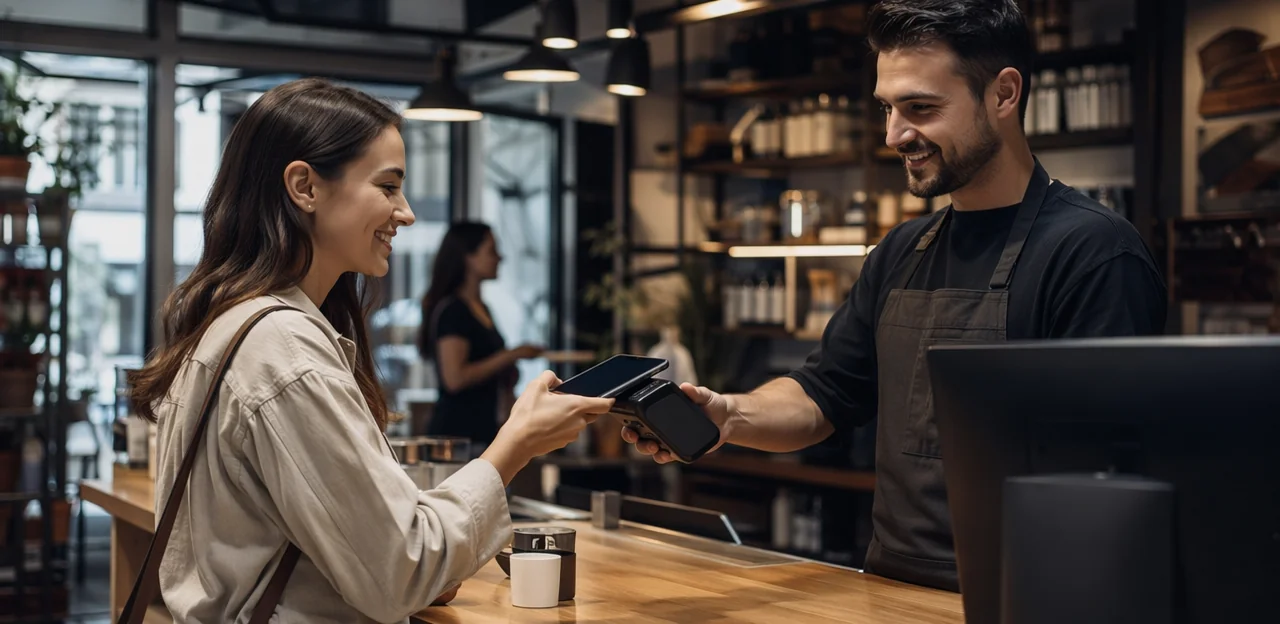
How NFC loyalty interactions work in real customer journeys
An nfc rewards program lets customers tap a phone, smartwatch, or NFC card at a physical touchpoint to interact instantly with a brand. Instead of carrying a paper punch card or opening a rewards program app, they simply tap to earn points, redeem offers, check in, or unlock perks.
Typical journey steps include:
- Tap to identify at a table, counter, hotel desk, or event stand.
- Earn rewards after a purchase or visit.
- Redeem instantly for discounts, upgrades, or freebies.
- Trigger follow-ups like a referral rewards program or personalized offer.
This works well for a loyalty rewards program for restaurants, a travel rewards program, a rewards program for small business, or even a b2b rewards program. Unlike punch cards, NFC is faster, harder to lose, and supports richer digital experiences—one of the best loyalty rewards program examples for blending in-person convenience with mobile loyalty.
Why brands are shifting from static loyalty to connected experiences
Brands are replacing old punch cards and delayed email offers with connected loyalty because customers expect instant, low-friction interactions. An nfc rewards program lets people tap, join, and redeem in seconds—often without filling long forms or downloading a full rewards program app first.
Key advantages include:
- Instant engagement: rewards appear at the moment of purchase, increasing participation and satisfaction.
- Less friction at checkout: faster than paper cards or manual sign-ups, which helps both large brands and any rewards program for small business.
- Faster enrollment: ideal for a loyalty rewards program for restaurants, retail, hospitality, or even a travel rewards program.
- Better first-party data: brands collect consented preferences and visit behavior, improving personalization, repeat visits, and even referral rewards program or b2b rewards program campaigns.
The best loyalty rewards program examples connect every touchpoint, making retention easier across industries.
NFC vs QR codes, apps, and legacy loyalty systems
An nfc rewards program is usually faster than QR, apps, or plastic cards because customers tap and engage instantly. QR codes remain useful where NFC adoption is mixed, while a rewards program app suits brands needing deeper personalization. Card-based systems still work, but they add friction and limited data capture.
- Use NFC alone when speed matters most: ideal for a loyalty rewards program for restaurants, events, and high-traffic counters.
- Use QR alone for budget-sensitive campaigns, printed promotions, and broader device compatibility.
- Use a hybrid NFC + QR approach for maximum accessibility and stronger conversion across industries, from a travel rewards program to a rewards program for small business.
For advanced campaigns like a referral rewards program or b2b rewards program, hybrid touchpoints often outperform legacy setups. Review loyalty rewards program examples to match the channel to customer behavior.
How an NFC Rewards Program Works Step by Step

Enrollment, identification, and reward tracking
A well-designed nfc rewards program should make loyalty effortless from first tap to final redemption. The typical flow looks like this:
- Enrollment: Customers tap an NFC tag or scan a QR code to join instantly in the browser or through a rewards program app. This works well for a rewards program for small business, a loyalty rewards program for restaurants, or even a travel rewards program.
- Identification: On future visits, the same tap identifies the customer via phone number, email, wallet pass, or device-linked profile.
- Points and tiers: Purchases sync from the POS, while profile data feeds the CRM. Customers earn points, unlock tier benefits, and can trigger a referral rewards program automatically.
- Redemption and re-engagement: Marketing tools use this data to send personalized offers, reminders, and win-back campaigns.
This closed-loop setup also supports b2b rewards program models and creates strong loyalty rewards program examples with measurable retention.
The role of NFC and QR touchpoints in omnichannel loyalty
An nfc rewards program connects physical moments to digital engagement without forcing customers into a bulky rewards program app. By placing NFC and QR touchpoints where decisions happen, brands can turn taps and scans into measurable loyalty actions across channels.
- Retail stores: shelf tags, fitting rooms, checkout counters, and receipts can unlock instant offers, product education, and a referral rewards program.
- Restaurants: table tents, menus, takeaway bags, and payment stations support a loyalty rewards program for restaurants with repeat-visit perks and quick feedback.
- Events: badges, booths, and swag can trigger lead capture, demos, and even a b2b rewards program flow.
- Packaging and post-purchase: boxes, inserts, and thank-you cards can deliver tutorials, reorders, surveys, and personalized recommendations.
- Hotels and travel: lobby stands, room cards, and attraction points can power a travel rewards program or a rewards program for small business.
These placements create practical loyalty rewards program examples that feel seamless, timely, and personal.
Using AI and analytics to personalize rewards and retention
AI turns an nfc rewards program from a simple tap-to-earn system into a smarter retention engine. By analyzing visit frequency, spend, redemption history, location, and product preferences, businesses can segment customers and automate offers that fit real behavior.
- Predict churn early: If a guest stops visiting, AI can trigger a comeback incentive before they disengage completely.
- Recommend better offers: A loyalty rewards program for restaurants might send dessert upgrades to frequent diners, while a travel rewards program could promote late checkout or spa credits.
- Optimize timing: Analytics identify when customers are most likely to respond, improving open, tap, and redemption rates across a rewards program app or NFC touchpoint.
- Increase profitability: Instead of blanket discounts, brands can tailor VIP perks, referral bonuses, or a referral rewards program to high-value segments.
These behavior-based automations create stronger loyalty rewards program examples for every model, from a rewards program for small business to a b2b rewards program.
Cross-Industry Use Cases and Loyalty Models

An nfc rewards program works especially well in customer-facing businesses because it removes friction at the moment of purchase or service.
- Retail stores: Shoppers tap at checkout or fitting rooms to collect points, unlock instant discounts, or join a referral rewards program. This is a smart rewards program for small business owners who want repeat visits without requiring a full rewards program app.
- Restaurants and cafés: A loyalty rewards program for restaurants can reward every tap with points, free add-ons, birthday perks, or limited-time upsells like desserts and premium drinks. Among the best loyalty rewards program examples, NFC makes reordering and return visits effortless.
- Hotels and entertainment venues: Guests tap in lobbies, bars, or exits to access VIP offers, upgrades, or a travel rewards program tied to future stays and experiences.
- B2B settings: A b2b rewards program can reward repeat corporate bookings, event referrals, or partner engagement.
Platforms such as Tapsy also help deliver these touchpoints without app downloads or registration.
Travel and service-based business applications
An nfc rewards program is especially effective for travel and service brands because it connects physical visits with instant digital benefits. In a travel rewards program, guests can tap at airport lounges, hotel desks, tour counters, or partner venues to unlock perks without friction.
- Lounge access and check-ins: NFC taps confirm entry, track visits, and trigger fast rewards through a rewards program app.
- Partner perks: Airlines, hotels, cafés, and transport providers can link benefits into a shared b2b rewards program.
- Personalized upgrades: Frequent travelers can receive room, seat, or amenity offers based on tap history.
- Referrals and retention: Add a referral rewards program to encourage repeat bookings and partner discovery.
The same model works as a rewards program for small business across salons, fitness studios, healthcare clinics, and local service providers. Common loyalty rewards program examples include visit-based upgrades, prepaid package bonuses, and even a loyalty rewards program for restaurants connected to nearby travel or wellness partners.
B2B, channel, and partner reward strategies
An nfc rewards program can do far more than drive consumer loyalty. In a b2b rewards program, NFC or QR touchpoints help motivate distributors, resellers, field teams, and referral partners at the exact moment of action—during training, store visits, demos, and events—without relying only on a rewards program app.
- Account-based rewards: Award points for revenue growth, product sell-through, account activation, or renewals. This works well as a rewards program for small business partners and larger channel networks alike.
- Training completion incentives: Use tap-to-complete product certifications, compliance modules, or onboarding milestones, then unlock tiered rewards.
- Event engagement touchpoints: At trade shows or partner roadshows, NFC badges and booths can trigger check-ins, content downloads, and instant prizes.
- Referral performance: A structured referral rewards program can reward qualified introductions, booked meetings, or closed deals.
Strong loyalty rewards program examples often borrow mechanics from a travel rewards program or even a loyalty rewards program for restaurants: simple actions, fast rewards, and measurable engagement.
Benefits, Challenges, and ROI of NFC Loyalty

Key business benefits: retention, data, and customer lifetime value
An nfc rewards program helps brands turn in-the-moment interactions into measurable growth. By letting customers tap and claim offers instantly, participation is typically higher than with a traditional rewards program app, especially for a rewards program for small business that needs low-friction engagement.
- Higher participation: NFC removes sign-up barriers, making it easier to join than many travel rewards program or referral rewards program flows.
- Richer first-party data: Each tap can capture preferences, visit frequency, and feedback, improving segmentation and personalization.
- Better retention: Timely rewards encourage repeat visits, whether in a loyalty rewards program for restaurants or a b2b rewards program.
- Stronger lifetime value: Using insights from successful loyalty rewards program examples, businesses can increase repeat spend, satisfaction, and long-term revenue.
Common implementation challenges and how to solve them
Launching an nfc rewards program is usually straightforward, but a few barriers can slow adoption:
- Customer uptake: Keep entry friction low with tap-or-scan access instead of forcing a rewards program app download. Use clear signage and instant incentives.
- Hardware compatibility: Choose NFC tags with QR backup so older devices still work—especially useful in a travel rewards program or loyalty rewards program for restaurants.
- Staff training: Give teams simple scripts and quick demos so they can explain benefits confidently.
- Privacy concerns: Be transparent about data use and collect only essential first-party data.
- System integration: Start with lightweight CRM/POS connections, then expand for a rewards program for small business, referral rewards program, or b2b rewards program. Reviewing loyalty rewards program examples also helps teams avoid rollout mistakes.
How to measure ROI and optimize performance over time
To judge whether an nfc rewards program is profitable, track the KPIs that connect engagement to revenue:
- Enrollment rate: taps that become member sign-ups
- Tap-to-conversion rate: taps that lead to a purchase, booking, or offer claim
- Repeat purchase frequency: how often members return
- Redemption rate: whether rewards are compelling and cost-effective
- Referral rate: vital for any referral rewards program
- Churn reduction: whether loyalty lowers customer drop-off
Use A/B testing on offers, timing, placement, and messaging to improve performance. Compare results across formats, from a travel rewards program to a loyalty rewards program for restaurants, a rewards program for small business, or even a b2b rewards program. Strong analytics—whether in a rewards program app or touchpoint platform like Tapsy—turn loyalty rewards program examples into measurable loyalty economics.
How to Build the Right Program for Your Business

Choosing the best reward structure and customer incentives
Match your nfc rewards program to how customers buy and return:
- Points: Best for frequent, lower-value purchases; ideal as a loyalty rewards program for restaurants or a rewards program for small business.
- Tiers: Work well when higher spend or status matters, such as a travel rewards program or premium retail.
- Cashback or credits: Clear and easy to value, especially for e-commerce and repeat-service brands.
- Perks and experiential rewards: Early access, upgrades, VIP service, or exclusive events can outperform discounts when margins are tight.
- Referral bonuses: A strong referral rewards program helps acquire similar customers at lower cost.
- B2B incentives: A b2b rewards program may favor account credits, training, or partner benefits.
Keep redemption simple, whether through a rewards program app or tap-to-claim flow. Review loyalty rewards program examples in your sector, then choose rewards that feel valuable without becoming operationally complex.
Selecting technology: app, wallet, NFC card, or hybrid setup
Choosing the right tech stack determines how easily customers use your nfc rewards program.
- Rewards program app: Best for enterprise brands needing rich data, personalization, push notifications, and advanced b2b rewards program or travel rewards program features. Downside: higher build cost and download friction.
- Mobile wallet passes: Fast, low-friction, and ideal for a rewards program for small business that wants digital convenience without full app development.
- NFC cards: Great for a loyalty rewards program for restaurants and in-store use where speed matters; simple for staff and guests.
- Hybrid setup: Combines app, wallet, and NFC for maximum reach—often the best choice for larger brands and strong referral rewards program growth.
Use loyalty rewards program examples from your industry to match complexity with budget.
Launch checklist and best practices for long-term success
- Place touchpoints strategically: Put NFC tags where intent is highest—tables, checkout counters, hotel desks, packaging, and exits. This is essential for any nfc rewards program, from a loyalty rewards program for restaurants to a travel rewards program or b2b rewards program.
- Train staff to prompt naturally: Give teams a one-line script and explain the reward clearly.
- Keep onboarding frictionless: Minimize steps, avoid forcing a rewards program app, and make offers instantly visible.
- Use clear messaging: Highlight value, timing, and reward type, including referral perks for a referral rewards program.
- Protect privacy: Use transparent consent, simple opt-ins, and compliant data handling.
- Optimize after launch: Track scans, completions, redemptions, and test offers regularly using proven loyalty rewards program examples for any rewards program for small business.
Real-World Inspiration and Future Trends

Loyalty rewards program examples that translate across industries
An nfc rewards program works best when rewards are simple, fast, and easy to repeat across locations and customer types. Use these adaptable loyalty rewards program examples as a model:
- Visit-based rewards: After 5 taps, unlock a free item, upgrade, or discount. This works as a loyalty rewards program for restaurants, salons, gyms, and even a travel rewards program for repeat stays or visits.
- Surprise-and-delight offers: Trigger instant perks after an NFC tap, such as a bonus dessert, late checkout, or limited-time coupon, without requiring a full rewards program app download.
- Referral loops: Build a referral rewards program where customers tap, share, and earn credits when friends redeem.
- Partner perks: Cross-promote with nearby brands, ideal for a rewards program for small business or even a b2b rewards program ecosystem.
- Gamified milestones: Reward streaks, badges, tiers, or seasonal challenges to encourage repeat engagement.
Where NFC loyalty is heading next
The next phase of the nfc rewards program is smarter, faster, and more measurable across industries. Expect brands to move beyond simple tap-to-earn models toward connected loyalty ecosystems that link in-person behavior with digital journeys.
- AI-driven personalization: Offers will adapt in real time based on visit history, spend, and preferences, improving everything from a travel rewards program to a loyalty rewards program for restaurants.
- Wallet-native loyalty: More brands will reduce dependence on a traditional rewards program app by delivering passes, points, and offers directly to Apple Wallet or Google Wallet.
- Deeper integrations: Tighter POS, CRM, and analytics connections will help a rewards program for small business, referral rewards program, or b2b rewards program track ROI more accurately.
- Privacy-first data: First-party, consent-based data collection will become essential.
- Connected experiences: The best loyalty rewards program examples will blend NFC, QR, and AI to make every touchpoint more contextual.
Conclusion
In today’s experience-driven market, an nfc rewards program gives brands a faster, simpler way to turn everyday touchpoints into measurable loyalty, feedback, and repeat business. By letting customers tap or scan to engage instantly, businesses can remove friction, increase participation, and connect rewards directly to real-world moments. That makes an nfc rewards program especially powerful across hospitality, retail, services, and events—whether you’re building a travel rewards program, a loyalty rewards program for restaurants, or a rewards program for small business that needs results without added complexity.
Unlike a traditional rewards program app that depends on downloads and logins, NFC-enabled experiences make participation immediate. They also create opportunities to layer in a referral rewards program, personalize offers with AI and analytics, and even support a b2b rewards program for partners or corporate clients. If you’re looking for inspiration, reviewing strong loyalty rewards program examples can help you identify the right mix of incentives, touchpoints, and customer data strategy.
The next step is to map your customer journey, choose the highest-impact NFC touchpoints, and test a reward flow that aligns with your goals. Explore proven frameworks, benchmark engagement metrics, and evaluate platforms such as Tapsy to see how contactless loyalty can work in practice. Start building an nfc rewards program that makes every interaction more rewarding.
Frequently Asked Questions
- What is an NFC rewards program?
An NFC rewards program lets customers tap a phone, smartwatch, or NFC card at a physical touchpoint to interact with a brand instantly. That tap can be used to earn points, redeem offers, check in, or unlock perks without relying on paper punch cards.
- How does an NFC rewards program work step by step?
Customers usually start by tapping an NFC tag or scanning a QR code to enroll in a browser or through a rewards app. On later visits, the same tap identifies them, purchases sync with POS and CRM systems, and rewards can be redeemed or followed by personalized offers.
- Why are brands moving from traditional loyalty programs to NFC-based rewards?
Brands are shifting because customers expect faster and lower-friction experiences. NFC makes it possible to join, earn, and redeem in seconds while also helping businesses collect consented first-party data for personalization and retention.
- Is NFC better than QR codes or a rewards program app?
NFC is usually faster because customers can tap and engage instantly. QR codes are useful for broader device compatibility and budget-sensitive campaigns, while a rewards app is better when a brand needs deeper personalization and richer features.
- When does a hybrid NFC and QR setup make sense?
A hybrid setup works well when a business wants both speed and accessibility. It helps cover customers with different devices and can improve conversion across industries such as travel, restaurants, small business loyalty, referral campaigns, and B2B programs.
- Which industries benefit most from an NFC rewards program?
Retail, restaurants, cafés, hotels, entertainment venues, events, and service businesses are strong fits because they have physical customer touchpoints. The same model also works for travel programs, local service providers, and B2B partner engagement.
- How can restaurants use NFC for loyalty rewards?
Restaurants can place NFC touchpoints on table tents, menus, takeaway bags, or payment stations. Customers can tap to collect points, receive repeat-visit perks, unlock birthday rewards, or get upsell offers like desserts and premium drinks.
- How is NFC useful for travel and hospitality loyalty?
Travel and hospitality brands can use taps at hotel desks, airport lounges, tour counters, and partner venues to deliver benefits with less friction. NFC can support check-ins, lounge access, partner perks, and personalized upgrades based on tap history.
- Can an NFC rewards program support B2B and partner incentives?
Yes, NFC can support B2B rewards by motivating distributors, resellers, field teams, and referral partners at the moment of action. Businesses can reward training completion, event engagement, referrals, account activation, renewals, or revenue growth.
- How can AI and analytics improve an NFC rewards program?
AI can analyze visit frequency, spend, redemption history, location, and preferences to segment customers and automate better offers. It can also predict churn, optimize timing, and tailor incentives such as VIP perks, referral bonuses, or comeback offers.
- What business benefits can an NFC rewards program deliver?
NFC loyalty can increase participation because it removes sign-up friction and makes rewards available at the moment of purchase. It also helps capture richer first-party data, improve retention, and increase customer lifetime value through more relevant engagement.
- What are the main challenges when launching an NFC rewards program?
Common challenges include customer uptake, device compatibility, staff training, privacy concerns, and system integration. These can be reduced by using tap-or-scan access, adding QR backup, training staff with simple scripts, being transparent about data use, and starting with lightweight CRM or POS connections.
- Which KPIs should businesses track to measure ROI?
Useful KPIs include enrollment rate, tap-to-conversion rate, repeat purchase frequency, redemption rate, referral rate, and churn reduction. A/B testing on offers, timing, placement, and messaging helps improve performance over time.
- How should a business choose the right reward structure?
The reward model should match how customers buy and return. Points fit frequent lower-value purchases, tiers suit higher-spend or status-driven programs, cashback or credits work for repeat services, and perks or referral bonuses can be effective when margins are tight.
- What technology options are available for running an NFC rewards program?
Businesses can choose from a rewards app, mobile wallet passes, NFC cards, or a hybrid setup. Apps are better for advanced personalization, wallet passes offer low-friction digital access, NFC cards are useful where speed matters, and hybrid models give broader reach.