
A delivery doesn’t end at the doorstep—it ends when you understand how the customer felt about the entire experience. In a market where convenience, speed, and reliability shape loyalty, capturing the right feedback after an order arrives can reveal exactly what drives repeat purchases and what quietly pushes customers away. That’s why post purchase feedback delivery has become a critical part of modern home delivery strategy.
The challenge is not simply asking for feedback, but asking at the right moment, with the right questions, in a way that turns responses into action. Send a survey too early and the experience is incomplete. Wait too long and details fade. Ask too many questions and response rates drop. Ask the wrong ones and you miss the operational insights that matter most.
This article explores how to design smarter post-delivery feedback programs that improve both customer experience and conversion. We’ll look at the best timing for delivery surveys, the most effective questions to ask, and how integrations can connect feedback directly to delivery operations, support, and marketing systems. We’ll also touch on how tools such as Tapsy can help brands capture real-time experience signals and respond faster. If you want to turn delivery feedback into a growth lever, this guide will show you where to start.
Why post purchase feedback delivery matters for customer experience

How delivery shapes the post-purchase journey
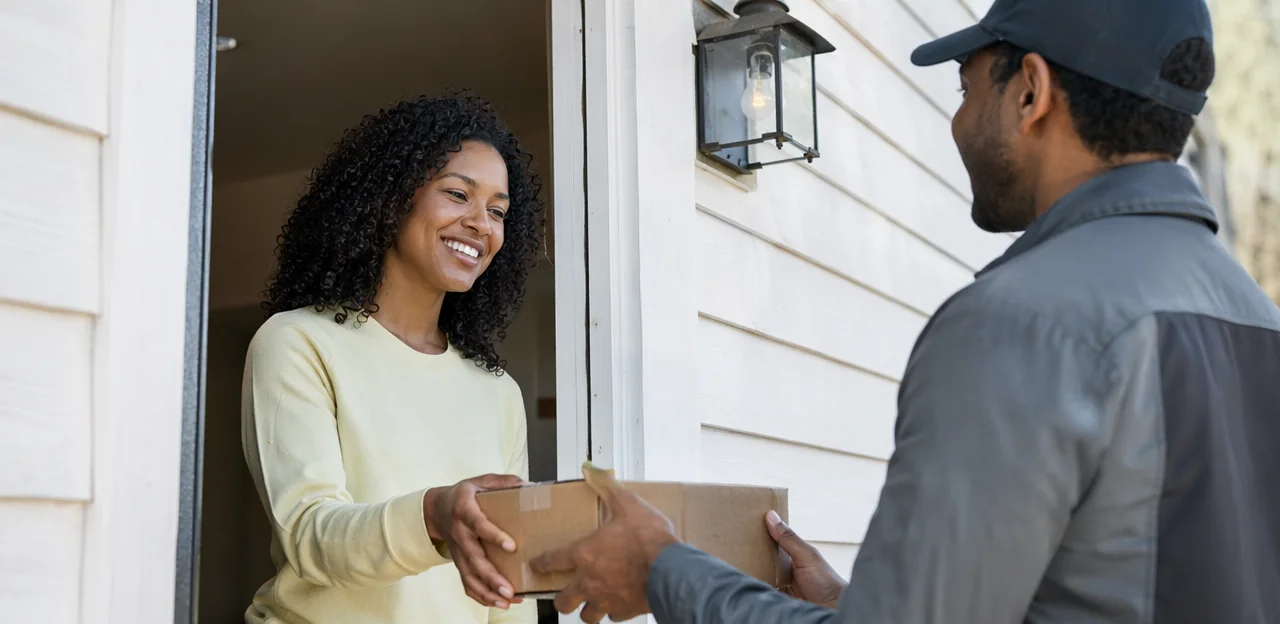
Delivery is often the most emotional part of the post purchase journey because it turns a promise into a real experience. A smooth delivery experience reinforces trust, while delays, poor communication, or damaged items can undo a great checkout in minutes.
- Speed and reliability shape first impressions after payment.
- Tracking and updates reduce anxiety and improve customer satisfaction delivery.
- Packaging and condition influence perceived quality and brand trust.
- Driver professionalism and handoff can make the experience feel premium or frustrating.
This is why post purchase feedback delivery matters: it helps brands identify friction quickly, recover issues, and protect repeat purchase behavior before dissatisfaction becomes churn or a negative review.
The business value of delivery feedback
Effective post purchase feedback delivery turns delivery performance into a measurable growth lever. By collecting delivery feedback quickly, brands can spot the issues that quietly erode revenue and loyalty before they become returns, complaints, or negative reviews.
A strong delivery satisfaction survey helps uncover:
- recurring delays by carrier, region, or time slot
- damaged packages linked to packaging or handling
- poor communication, such as missing updates or unclear ETAs
- unmet expectations around delivery speed, setup, or condition
This customer feedback after delivery gives teams clear actions: fix weak carriers, improve packaging, update messaging, and recover unhappy customers faster. Tools like Tapsy can help capture these insights in real time.
How feedback connects to conversion and retention
post purchase feedback delivery is more than a service metric—it directly influences conversion after delivery and long-term revenue. When brands collect feedback quickly and respond to issues fast, they turn delivery moments into retention opportunities.
- Recover at-risk customers: Resolve late, damaged, or confusing deliveries before they become returns or lost buyers.
- Increase repeat orders: A smooth delivery plus thoughtful follow-up builds trust, a core driver of customer retention ecommerce.
- Generate referrals and reviews: Satisfied customers are more likely to leave positive reviews and recommend your brand.
- Improve lifecycle metrics: Use delivery insights to reduce churn, lift second-purchase rates, and strengthen loyalty campaigns.
Tools like Tapsy can help capture and route feedback in real time.
Best timing for post purchase feedback delivery surveys

When to send feedback requests after delivery
Choosing the right delivery survey timing can dramatically improve response quality and completion rates. For effective post purchase feedback delivery, match the request to the customer’s actual experience stage:
- Immediately after confirmed delivery: Best for groceries, takeout, flowers, or urgent orders where the delivery experience is the main event. This is often the best moment when to ask for delivery feedback because details are still fresh.
- 24 hours after delivery: Ideal for standard ecommerce orders. Customers have had time to open the package, inspect condition, and notice any delivery issues.
- After setup or first use: For furniture, electronics, or appliances, send the post delivery survey after assembly, installation, or first use so feedback reflects the full handoff experience.
Use delivery confirmation data, product type, and customer behavior to trigger the right timing automatically.
How product category changes timing strategy
A strong delivery survey strategy starts with matching outreach to when the customer can fairly judge the experience. Survey timing by product type should reflect how quickly value is realized:
- Groceries: Send home delivery feedback within 1–3 hours of drop-off. Freshness, substitutions, missing items, and temperature issues are immediate.
- Furniture: Wait 24–72 hours so customers can unpack, inspect for damage, and assess room-of-choice delivery or assembly.
- Appliances: Trigger feedback after installation or first use, often 2–5 days later, when setup issues become clear.
- Subscription boxes: Ask for quick delivery feedback on arrival, then a second check-in after unboxing/use.
- High-consideration purchases: Use staged post purchase feedback delivery—delivery-day satisfaction first, then a follow-up 7–14 days later for product-condition, setup, and overall confidence.
If you automate category-based triggers in tools like Tapsy, timing stays relevant and response quality improves.
Avoiding survey fatigue and low response rates
To improve survey response rate without annoying customers, keep your post purchase feedback delivery strategy timely, short, and channel-aware. The goal is to send a delivery feedback request when the experience is still fresh, but only when it is relevant.
- Match timing to the journey: Send feedback soon after confirmed delivery, but delay slightly for complex orders that need setup or inspection.
- Limit frequency: Avoid sending a survey for every order. Use rules based on order value, customer history, or recent survey activity to reduce customer survey fatigue.
- Choose the right channel:
- Email for fuller responses
- SMS for fast, high-visibility check-ins
- App notifications for active users
- Embedded tracking prompts for in-the-moment feedback
- Keep it short: Ask 1–3 key questions first, then offer an optional comment box.
Tools like Tapsy can help trigger lightweight, context-based prompts at the right touchpoint.
What questions to ask in a delivery feedback survey
Core questions that measure delivery satisfaction
The best post purchase feedback delivery surveys stay short and focus on the moments that shape the customer’s experience. Use clear delivery survey questions such as:
- Was your order delivered on time?
Measure expected vs. actual arrival and identify delays. - Did your package arrive in good condition?
This reveals issues with handling, packaging, or carrier performance. - How clear and helpful were delivery updates?
Strong delivery satisfaction questions should assess tracking accuracy, ETA updates, and notification quality. - How easy was it to receive your order?
Ask about drop-off convenience, delivery instructions, missed attempts, or locker/pickup usability. - How satisfied are you with the overall delivery experience?
This gives you a top-line benchmark you can track over time.
For stronger post purchase survey questions, add an optional open-text prompt like: “What could we improve about delivery?” Tools like Tapsy can help capture this feedback quickly and route issues for follow-up.
Open-ended questions for richer customer insight
A strong delivery experience survey should go beyond ratings. Well-placed open ended survey questions reveal why a delivery felt smooth, frustrating, late, or better than expected—giving you usable insight for both operations and messaging.
Use prompts like:
- “What was the biggest issue, if any, with your delivery?”
Helps uncover root causes such as missed handoff instructions, packaging damage, or poor communication. - “What did you expect from the delivery experience that didn’t happen?”
Surfaces gaps between brand promise and reality. - “What stood out most about your delivery?”
Captures the customer’s own language for positive and negative moments. - “How could we improve future deliveries?”
Generates practical ideas you can turn into process fixes.
In post purchase feedback delivery, review comments by theme and wording. Repeated phrases can sharpen customer feedback questions, improve support scripts, and even strengthen marketing copy by reflecting what customers actually value.
Questions that support segmentation and conversion analysis
To make post purchase feedback delivery more useful, include conversion survey questions that reveal future buying intent, not just delivery satisfaction. The goal is to connect answers to customer profiles, channels, products, and later revenue outcomes.
- Ask direct intent questions such as:
- How likely are you to order from us again in the next 30 days?
- How likely are you to recommend us to a friend or colleague?
- Would you consider buying related products based on this delivery experience?
- Strengthen survey segmentation by tagging responses with:
- first-time vs. repeat customer
- delivery speed selected
- product category or basket size
- region, device, or acquisition source
- Track repeat purchase intent against actual behavior:
- reorder rate
- upsell or cross-sell conversion
- referral activity
- customer lifetime value
When integrated with your CRM or commerce platform, tools like Tapsy can help tie feedback signals to segments and conversion outcomes for clearer optimization.
Using integrations to collect and activate delivery feedback
Connecting survey tools with ecommerce and delivery platforms
Strong survey integrations turn delivery feedback into an automated workflow instead of a manual task. By connecting your survey tool to ecommerce, logistics, and customer data systems, you can trigger post purchase feedback delivery requests at the right moment.
- Ecommerce platforms: Sync Shopify, WooCommerce, or Magento order data to launch surveys after purchase, shipment, or delivery confirmation.
- Order management systems: Use fulfillment milestones like packed, dispatched, delayed, or returned to power ecommerce survey automation.
- Shipping carriers: Connect carrier tracking events so surveys send only after “delivered,” failed delivery, or exception scans.
- CRM and help desk tools: Push responses into customer profiles, segment promoters or detractors, and trigger recovery follow-ups.
A reliable delivery platform integration also improves timing, personalization, and closed-loop action.
Enriching feedback with operational delivery data
To make post purchase feedback delivery truly useful, connect survey answers to the operational context behind each order. This turns opinions into clear actions and strengthens customer feedback analytics.
- Tracking status: Compare feedback by delivered, delayed, failed, or rescheduled orders to spot where satisfaction drops.
- Delay reasons: Tag responses with carrier exceptions, weather, stock issues, or address problems to identify recurring root causes.
- Route data: Review depot, driver, route density, and delivery window performance to find location-based friction.
- Support tickets: Link complaints, chat logs, and resolution times to understand whether support recovery improved sentiment.
- Order value: Segment by basket size or customer lifetime value to prioritize the issues with the biggest revenue impact.
A strong delivery data integration setup helps teams fix operational problems, not just measure them.
Routing feedback to the right teams for action
To make post purchase feedback delivery useful, build clear rules that turn responses into action instead of leaving them in a dashboard.
- Send negative feedback to support immediately: Trigger alerts for low ratings, damaged items, missed time windows, or poor driver interactions. A strong customer support integration should create a ticket automatically, attach order details, and assign priority based on severity.
- Escalate recurring issues to operations: Use feedback workflow automation to group repeat complaints by route, carrier, warehouse, or region. Weekly trend reports help operations fix root causes and drive delivery experience improvement.
- Activate positive responses: Route high scores to review requests, loyalty offers, referral campaigns, or relevant upsell flows.
Tools like Tapsy can help automate this routing and speed up follow-up.
How to turn delivery feedback into higher conversion

Fixing delivery friction that blocks repeat purchases
Use post purchase feedback delivery data to spot the exact moments that make customers hesitate to order again. Look for patterns in complaints, low ratings, and support tickets, then rank issues by how often they occur and how strongly they affect satisfaction and reorder intent.
- Identify recurring delivery friction: late arrivals, missed time windows, poor communication, damaged items, and difficult returns.
- Segment by cause: carrier, region, product type, or delivery slot to find root problems faster.
- Prioritize high-impact fixes: start with issues tied to refunds, complaints, or low “would order again” scores.
- Close the loop quickly: notify customers about delays, offer proactive support, and confirm when fixes are made.
This approach helps improve repeat purchase rate, strengthens trust, and builds customer loyalty delivery by showing customers their feedback leads to better service.
Creating recovery flows for poor delivery experiences
When post purchase feedback delivery reveals a failed or frustrating shipment, speed matters. A strong service recovery ecommerce process can turn a negative moment into a loyalty opportunity and support your broader customer retention strategy.
- Trigger instant apology offers: For low delivery scores, automatically send a sincere apology with a relevant gesture such as a discount, refund credit, or free shipping on the next order.
- Route proactive support fast: Create alerts so support teams contact the customer before they chase help, improving delivery issue resolution and reducing chargebacks.
- Launch replacement workflows: For damaged, missing, or late items, offer one-click replacement or reship options with clear timelines.
- Personalize follow-up: Reference the exact issue, confirm the fix, and check satisfaction afterward.
Tools like Tapsy can help capture and route these signals quickly, making recovery more consistent and revenue-protective.
Using positive feedback for reviews, referrals, and upsells
Positive post purchase feedback delivery responses should trigger the next best action while satisfaction is highest. Instead of ending the survey at a high score, use that moment to grow retention and revenue.
- Ask for a public review: Send happy customers to Google, Trustpilot, or product pages with one-click links. This supports consistent review generation.
- Invite referrals: Pair strong satisfaction scores with a simple “share with a friend” offer, such as store credit or delivery discounts. This makes referral marketing ecommerce more timely and effective.
- Promote loyalty enrollment: Encourage customers to join your loyalty or VIP program immediately after a successful delivery.
- Recommend complementary products: Use the delivery context to suggest accessories, refills, or related items as a relevant post purchase upsell.
Tools like Tapsy can help automate these follow-up paths based on customer sentiment.
Measuring success and optimizing your feedback program

Key metrics to track
Track a focused set of post purchase feedback delivery KPIs to connect sentiment with revenue:
- Response rate: shows survey reach and timing effectiveness.
- Delivery CSAT: measures satisfaction with the delivery experience.
- NPS: indicates loyalty and referral intent.
- Issue rate: tracks damaged, late, or missing orders.
- Repeat purchase rate: links feedback quality to retention.
- Review rate: measures how often satisfied buyers leave public reviews.
- Conversion lift: quantify sales from follow-up actions, offers, or recovery messages.
These survey metrics reveal the most actionable post purchase feedback KPIs.
How to test and improve survey performance
Use A/B testing surveys to refine your post purchase feedback delivery process over time:
- Test send timing: immediately after delivery vs. 2–24 hours later
- Compare channels: email, SMS, or in-app
- Vary survey length: 1–2 questions vs. 5+
- Rewrite questions for clarity and neutrality
- Trial small incentives to improve survey completion rate
Track completion, drop-off, response quality, and sentiment accuracy to guide ongoing survey optimization.
Building a continuous delivery experience feedback loop
To turn post purchase feedback delivery into growth, build a simple customer feedback loop:
- Collect feedback after delivery and tag issues by carrier, product, location, and promise accuracy.
- Share insights weekly with operations, CX, marketing, and product teams.
- Act on recurring friction with clear owners and deadlines.
- Measure recovery rates, repeat purchase, and review lift.
This makes delivery experience management a driver of continuous improvement ecommerce.
Conclusion
Effective post-purchase surveys don’t happen by accident. The best results come from asking for feedback at the right moment, keeping questions short and relevant, and connecting responses to actions that improve both the delivery experience and future conversions. When brands get the timing right, customers are more likely to share honest impressions while the experience is still fresh. When the questions are focused on delivery speed, communication, packaging, and overall satisfaction, the feedback becomes far more useful. And when survey data is integrated into your CRM, support, and marketing workflows, it turns into a real growth asset.
That’s why a strong post purchase feedback delivery strategy matters. It helps you identify delivery friction, recover poor experiences quickly, strengthen customer trust, and uncover opportunities to increase repeat purchases. In other words, better feedback loops lead to better service and better conversion outcomes.
The next step is to audit your current delivery feedback flow: review when you send surveys, simplify your question set, and make sure responses reach the teams that can act on them. If you want to go further, explore survey design best practices, delivery experience optimization, and integration tools that streamline response collection. Solutions like Tapsy can also help brands capture timely feedback and turn insights into action.
Frequently Asked Questions
- Why is post-purchase delivery feedback important for customer experience?
Delivery is often the most emotional part of the post-purchase journey because it turns a brand promise into a real experience. Feedback helps uncover friction such as delays, poor communication, damaged items, or frustrating handoffs before they lead to churn, returns, or negative reviews.
- When should a delivery feedback survey be sent?
The best timing depends on when the customer can fairly judge the experience. Immediate surveys work well for groceries, takeout, flowers, or urgent orders, while standard ecommerce orders often perform better around 24 hours after delivery. For furniture, electronics, or appliances, feedback should wait until setup, installation, or first use.
- How should survey timing change by product category?
Groceries should usually be surveyed within 1–3 hours because freshness, substitutions, and missing items are obvious right away. Furniture often needs 24–72 hours for unpacking and inspection, while appliances may need 2–5 days so setup issues can surface. High-consideration purchases can benefit from a staged approach with a delivery-day check and a later follow-up.
- What causes low response rates in delivery surveys?
Response rates often drop when surveys are sent too early, too late, too often, or with too many questions. Survey fatigue also grows when every order triggers outreach. Keeping requests short, relevant, and aligned to the delivery stage helps improve completion.
- Which channels work best for requesting delivery feedback?
Email is useful when you want fuller responses, while SMS is better for quick, high-visibility check-ins. App notifications fit active users, and embedded prompts in tracking flows can capture feedback in the moment. The right channel depends on the customer relationship and how lightweight the request needs to be.
- What are the most useful questions to include in a delivery satisfaction survey?
Strong surveys focus on whether the order arrived on time, whether the package arrived in good condition, how clear delivery updates were, how easy the handoff was, and overall delivery satisfaction. An optional open-text question such as asking what could be improved adds context without making the survey too long.
- Why should open-ended questions be included in delivery feedback forms?
Open-ended questions reveal why a delivery felt smooth, frustrating, late, or better than expected. They help uncover root causes such as missed instructions, packaging damage, or communication gaps, and repeated phrases can guide support scripts, process fixes, and messaging improvements.
- How can delivery feedback support conversion and retention analysis?
Feedback becomes more valuable when it includes future-intent questions like likelihood to order again, recommend the brand, or consider related products. Responses can then be segmented by customer type, delivery speed, product category, region, device, or acquisition source and compared with reorder rate, referral activity, and customer lifetime value.
- What systems should delivery surveys connect with?
Survey tools should connect with ecommerce platforms, order management systems, shipping carriers, CRM tools, and help desk platforms. These integrations make it easier to trigger surveys from real delivery events, personalize outreach, and route responses into follow-up workflows.
- How does operational delivery data make feedback more actionable?
Linking feedback to tracking status, delay reasons, route data, support tickets, and order value turns opinions into specific actions. Teams can then see whether satisfaction drops around delayed, failed, or rescheduled orders and identify recurring causes such as carrier exceptions, weather, stock issues, or address problems.
- What should happen after a customer leaves negative delivery feedback?
Low ratings, damaged items, missed time windows, or poor driver interactions should be sent to support immediately. A strong workflow creates a ticket, attaches order details, and prioritizes the case based on severity. Recurring issues should also be escalated to operations so root causes can be fixed.
- How can brands recover from a poor delivery experience?
Fast recovery matters when a shipment is late, damaged, missing, or frustrating. Useful responses include a sincere apology, a relevant gesture like discount or refund credit, proactive support outreach, and replacement or reship options with clear timelines. Follow-up should reference the exact issue and confirm the fix.
- How can positive delivery feedback be used to increase revenue?
High satisfaction moments can trigger review requests, referral offers, loyalty enrollment prompts, or relevant upsell recommendations. This works best when the next step is simple and closely tied to the successful delivery experience.
- What metrics should be tracked in a post-delivery feedback program?
Key metrics include response rate, delivery CSAT, NPS, issue rate, repeat purchase rate, review rate, and conversion lift from follow-up actions. Together, these show whether the feedback program is reaching customers, capturing useful sentiment, and contributing to retention and revenue.
- How can a delivery feedback program be improved over time?
A/B testing can refine send timing, channel choice, survey length, question wording, and small incentives. Ongoing improvement also requires a feedback loop: collect responses, share insights across teams, act on recurring friction, and measure recovery, repeat purchase, and review lift.