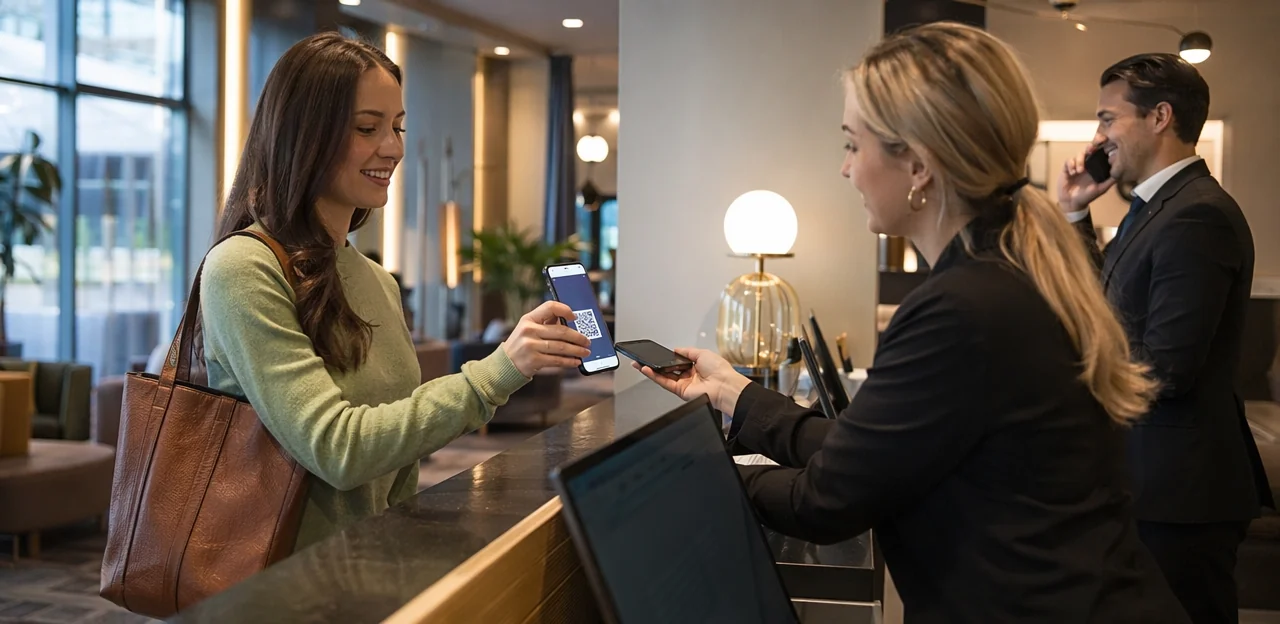
Guest expectations in hospitality have changed. Travelers no longer want to wait for a post-stay email to share feedback or unlock perks—they respond best to instant, seamless experiences delivered at the moment of service. That shift is why qr code rewards are becoming such a powerful tool for hotels, resorts, serviced apartments, and other accommodation providers looking to strengthen guest engagement, loyalty, and repeat bookings.
With the right strategy, simple touchpoints such as qr code stickers on room desks, reception counters, elevators, or restaurant tables can turn everyday interactions into measurable engagement opportunities. From choosing the right qr code sticker format to planning effective qr code printing, hospitality teams can use these materials to encourage feedback, promote offers, and reward participation without adding friction to the guest journey. Practical details also matter, including whether to print qr code stickers for indoor or outdoor use, what qr code paper performs best, and how qr code sticker size affects scan rates and visibility. For branded properties, custom qr code stickers can also support a more polished and consistent guest experience.
This article explores how QR-based rewards programs work in hospitality, where to place them for the best results, how AI and analytics improve performance, and what to consider when selecting software and touchpoint solutions for long-term loyalty and retention.
Why QR Code Rewards Matter in Modern Hospitality

How guest expectations are shifting toward frictionless engagement
Today’s travelers expect mobile-first, low-friction interactions at every stage: booking, check-in, in-stay service, and post-stay follow-up. In hotels hospitality, guests increasingly prefer scanning over waiting, tapping over downloading, and instant value over delayed emails.
- QR code rewards support self-service by letting guests access offers, feedback forms, and loyalty perks in seconds.
- Well-placed qr code stickers on doors, tables, key wallets, or welcome materials reduce pressure on staff while improving guest engagement.
- Practical execution matters: use custom qr code stickers, choose the right qr code sticker size, and invest in clear qr code printing on durable qr code paper.
- Teams can also print qr code stickers for different touchpoints, making each interaction faster, more relevant, and easier to track.
Where QR-based loyalty fits across the guest journey
QR code rewards work best when placed at natural decision points, turning NFC & QR touchpoints into a connected loyalty retention system:
- Front desk: let guests scan on arrival to join rewards, claim welcome perks, or receive personalized offers.
- Rooms: use custom qr code stickers on key cards, bedside stands, or minibar menus for upsells and point earning.
- Elevators and corridors: a well-chosen qr code sticker size keeps codes visible without clutter.
- Restaurants, spa, and pool: qr code stickers can unlock menu specials, treatment upgrades, or repeat-visit incentives.
- Checkout: capture final feedback and reward the next booking instantly.
For execution, prioritize durable qr code printing, print qr code stickers suited to each surface, and avoid low-quality qr code paper in wet or high-touch areas.
Business outcomes: retention, upsells, and better first-party data
Well-designed qr code rewards programs turn simple scans into measurable revenue and loyalty gains. When guests scan qr code stickers in rooms, at reception, or by the bar, hotels can reward repeat actions and capture useful, consented data.
- Increase repeat stays: offer instant perks, loyalty points, or bounce-back discounts after a scan to encourage direct rebooking.
- Drive ancillary revenue: place a qr code sticker near spa menus, late checkout offers, dining specials, or upgrades to prompt high-intent upsells.
- Strengthen first-party data: use AI & analytics to segment guests by behavior, preferences, and spend for smarter remarketing and service improvements.
Execution matters: invest in durable custom qr code stickers, thoughtful qr code printing, the right qr code sticker size, and even temporary qr code paper placements where needed. Clear placement and well-timed offers improve guest experience and conversion.
Designing a QR Code Rewards Program That Guests Actually Use

Choosing reward mechanics that feel simple and worthwhile
Strong qr code rewards work best when guests understand the benefit immediately and can join in seconds. Keep loyalty program design friction-free by linking each scan to one clear outcome:
- Scan-to-join: one scan enrolls the guest with no lengthy form.
- Scan-to-earn: every tap on qr code stickers at check-in, breakfast, or checkout adds points.
- Tiered milestones: reward repeat visits with visible progress toward the next perk.
- Instant coupons: deliver a drink, late checkout, or dining discount right after the first scan.
- Partner perks: extend value through nearby attractions or transport offers.
- Surprise-and-delight: occasional mystery rewards boost engagement and guest retention.
Make rewards visible on the landing page and ensure qr code printing is clear. Use durable custom qr code stickers, test qr code sticker size, and choose materials like qr code paper when appropriate.
Matching rewards to hotel touchpoints and guest intent
Effective qr code rewards work best when the offer matches the guest’s location and mindset. In hospitality marketing, timing and relevance drive action and improve the guest experience.
- In-room: Use discreet qr code stickers or a branded qr code sticker on bedside tables or welcome folders to offer room service upgrades, late checkout, or spa add-ons.
- Bar and restaurant: Promote beverage incentives, happy-hour rewards, or dessert offers where guests are already deciding what to order.
- Pool, gym, or spa: Place custom qr code stickers near amenities to encourage activity bookings, cabana reservations, or treatment upgrades.
- Checkout and reception: Use review requests, loyalty sign-ups, or bounce-back offers when satisfaction is freshest.
For consistency, plan qr code printing carefully, choose the right qr code sticker size, and test durable materials like qr code paper before you print qr code stickers at scale.
Avoiding common adoption barriers
Even well-designed qr code rewards programs fail when the path from scan to reward feels confusing or slow. Common friction points include vague signage, too many form fields, weak incentives, poor mobile UX, and loyalty tools that do not sync with the guest database.
- Make instructions obvious: Use clear CTAs like “Scan for 10% off your next stay.” Ensure qr code stickers are visible and readable.
- Reduce steps after the scan: Keep landing pages fast, mobile-first, and limited to 1–2 actions.
- Offer immediate value: Strong instant rewards improve scan rates and loyalty retention.
- Optimize physical materials: Choose the right qr code sticker size, test custom qr code stickers, and use durable qr code paper where suitable.
- Improve production quality: Prioritize sharp qr code printing and print qr code stickers that work in low light.
- Connect systems: Link scans to loyalty, CRM, and guest profiles for seamless follow-up.
Physical QR Deployment: Stickers, Printing, and Placement Best Practices
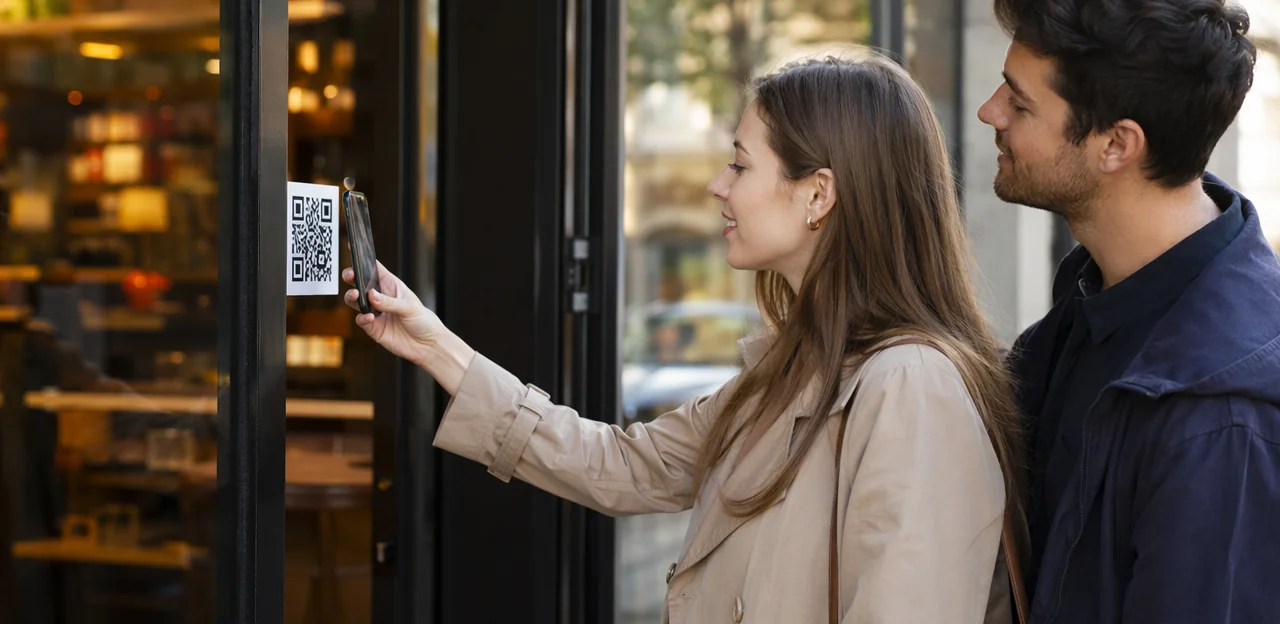
When to use qr code stickers, table tents, cards, or signage
Choosing the right format for qr code rewards depends on placement, traffic, and brand standards:
- QR code stickers: Best for doors, mirrors, kiosks, elevators, and amenity areas where guests pause briefly. A well-placed qr code sticker increases visibility, but use waterproof, fade-resistant materials in humid or outdoor zones. Get the qr code sticker size right so scans work from a comfortable distance.
- Printed cards: Ideal for guestrooms, welcome desks, and in-room dining trays. They feel more premium than qr code paper sheets and support stronger brand presentation.
- Table tents or durable signage: Better for lobbies, breakfast areas, gyms, and other high-traffic spaces where sturdiness matters.
For consistency, invest in quality qr code printing and custom qr code stickers when you print qr code stickers at scale.
QR code printing tips for durability, scanability, and brand consistency
For qr code rewards to work reliably in hospitality settings, production quality matters as much as design. Use these qr code printing best practices:
- Prioritize contrast: Print dark codes on a light, matte background. Avoid metallic inks, low-contrast brand colors, or busy artwork behind the code.
- Choose durable materials: For rooms, spas, pools, and outdoor areas, use synthetic stock instead of standard qr code paper to resist moisture, tearing, and cleaning chemicals.
- Use the right finish: Matte lamination improves scanability by reducing glare; glossy finishes can hurt performance under hotel lighting.
- Check adhesive strength: When you print qr code stickers, select hospitality-grade adhesive that withstands heat, humidity, and frequent wiping.
- Size for distance: Pick an appropriate qr code sticker size for tables, doors, and counters, and test all custom qr code stickers before rollout.
Getting qr code sticker size and placement right
For qr code rewards to work consistently, visibility and scanability matter as much as the offer itself. The right qr code sticker size depends on expected scan distance, lighting, and placement height. A small qr code sticker may work on a bedside table, while lobby signage or outdoor displays often need larger custom qr code stickers to scan quickly from farther away.
- Match size to distance: As a rule, larger qr code stickers improve first-time scans.
- Check lighting: Avoid glare, shadows, and reflective surfaces when planning qr code printing.
- Set practical height: Place codes at natural eye or hand level in rooms, restaurants, and reception areas.
- Test before rollout: Print qr code stickers in multiple sizes and materials, including durable qr code paper, then trial placements in guest rooms, lobbies, restaurants, and outdoor areas.
Using AI and Analytics to Improve QR Code Rewards Performance

What data to track from scan to redemption
To make qr code rewards profitable, track the full journey from first scan to final redemption using strong AI & analytics and reliable conversion tracking.
- Scan volume: total scans by day, campaign, and touchpoint.
- Unique users: separate repeat scans from first-time guests.
- Location-based engagement: compare lobby, room, spa, bar, and table placements; even qr code stickers on menus or doors can perform differently.
- Conversion rate: scans to sign-up, claim, and redemption.
- Reward redemption: measure which offers drive action.
- Repeat participation: identify loyalty growth over multiple stays.
- Revenue per touchpoint: connect each qr code sticker to ancillary spend.
Also track setup variables like custom qr code stickers, qr code sticker size, qr code printing, print qr code stickers, and qr code paper durability, since placement and material affect performance.
How AI can personalize offers and timing
AI & analytics help qr code rewards feel useful rather than generic. By combining stay type, guest segment, on-property behavior, and past redemptions, AI models can predict the next-best offer and the best moment to show it.
- Stay type: business guests may value late checkout; families may respond better to dining or attraction perks.
- Behavior signals: spa visits, bar spend, or repeat scans from qr code stickers can trigger relevant offers.
- Redemption history: if a guest ignores breakfast deals but redeems wellness perks, future rewards can adjust automatically.
- Low-friction delivery: place a qr code sticker on menus, room cards, or signage using thoughtful qr code printing, qr code paper, and practical qr code sticker size choices, including custom qr code stickers.
This creates a more personalized guest experience without feeling intrusive, because offers are timely, contextual, and easy to ignore.
Testing, attribution, and continuous optimization
To improve qr code rewards performance, hotels should treat every deployment as an ongoing experiment:
- Run A/B testing on CTA wording, incentive type, landing page layout, and placement location.
- Compare offers like free coffee vs. late checkout, and test whether a table tent outperforms a lift poster or room card.
- Use unique links or dynamic codes for each department, property, and campaign to attribute scans accurately.
- Standardize qr code printing specs, including qr code sticker size, material, and visibility, so results reflect offer and placement, not production differences.
- Track performance by source using custom qr code stickers, qr code stickers, or even temporary qr code paper pilots before scaling.
- Review scan-to-redemption rates weekly, then refine each qr code sticker campaign.
Software Selection for Hospitality QR Rewards Programs

Core platform features to prioritize
When evaluating qr code rewards platforms for software selection in hospitality technology, prioritize features that improve agility, visibility, and guest conversion:
- Dynamic QR management: update destinations, offers, and expiry rules without replacing qr code stickers or redoing qr code printing.
- Fast campaign editing: launch seasonal promos, room-specific rewards, or outlet-based incentives in minutes.
- Loyalty and CRM integration: connect scans to guest profiles, points, and follow-up journeys.
- Analytics dashboards: track scans, redemptions, repeat visits, and location performance.
- Role-based permissions: control access for property, marketing, and corporate teams.
- Multilingual, mobile-first pages: ensure every qr code sticker experience loads fast and converts across devices.
Also check support for custom qr code stickers, practical qr code sticker size, durable qr code paper, and easy workflows to print qr code stickers at scale.
Integration needs across PMS, CRM, POS, and marketing tools
For qr code rewards to deliver a stronger guest experience, they must connect cleanly with core systems. Strong PMS CRM POS integration allows hotels to recognize the guest, trigger the right reward, and track outcomes without manual reconciliation.
- PMS: links room, stay dates, and guest profile for accurate recognition.
- POS: confirms purchases so rewards can be issued instantly at restaurants, bars, or spas.
- CRM and marketing tools: segment guests by behavior and send relevant follow-up offers.
- Analytics/reporting: combine touchpoint, redemption, and spend data for clearer ROI.
This also makes qr code stickers, custom qr code stickers, and in-room signage more useful across the property. During software selection, check support for qr code printing, print qr code stickers, qr code paper, and practical qr code sticker size options for each placement.
Questions vendors should answer before you commit
Before choosing a qr code rewards platform, use this quick software selection checklist:
- Security: How are guest data, scans, and rewards protected? Is data encrypted and privacy-compliant?
- Uptime: What uptime SLA is guaranteed, and what happens if codes fail during peak service?
- Support: Is onboarding included, and is live support available across properties and time zones?
- Implementation: How long from approval to launch, including setup, testing, and qr code printing?
- Analytics: Do reports go beyond scans to conversions, repeat visits, and location-level performance?
- Dynamic QR codes: Can you edit destinations without reprinting qr code stickers or custom qr code stickers?
- Branding: Can you control design, qr code sticker size, and materials like qr code paper or print qr code stickers for each venue?
- Scalability: Can the system support multi-property groups with centralized reporting and local flexibility?
Implementation Roadmap and Hospitality-Specific Best Practices

Launching a pilot program without overwhelming operations
Start your pilot program small to protect hotel operations while proving value. Focus on three touchpoints: the lobby, guest rooms, and one F&B outlet. This keeps training, tracking, and adjustments manageable.
- Choose placements: Use qr code rewards at reception, on in-room collateral, and on table tents or check presenters. Select the right qr code sticker size for each surface and use durable custom qr code stickers where traffic is high.
- Prepare materials: Align qr code printing, print qr code stickers, or qr code paper inserts with your brand.
- Train staff: Give front desk, housekeeping, and restaurant teams a simple script and escalation process.
- Launch signage and messaging: Explain the reward clearly and keep scan instructions visible on every qr code sticker or qr code stickers placement.
- Measure a baseline: Track scan rate, redemption rate, guest feedback volume, and staff-reported friction before expanding.
Compliance, privacy, and brand trust considerations
For qr code rewards to strengthen loyalty, hospitality brands must protect guest trust at every step. Keep participation optional, clearly explain the benefit, and collect only the data needed for reward delivery.
- Get clear consent: State what guests receive, what data is collected, and whether follow-up marketing is optional.
- Be transparent: Whether using qr code stickers, a single qr code sticker, or custom qr code stickers, add short privacy language near the scan point.
- Secure fulfillment: Use encrypted forms, limited-access databases, and verified delivery flows for vouchers or perks to support privacy compliance.
- Design for accessibility: Ensure qr code printing is readable, qr code sticker size is large enough, and backup links work on qr code paper or when you print qr code stickers for varied surfaces.
Scaling across properties and maintaining quality
To scale qr code rewards across multiple properties, build a central playbook that keeps execution consistent while giving local teams room to adapt offers.
- Standardize core assets: Create approved templates for custom qr code stickers, landing pages, reward copy, and CTAs. Define qr code sticker size, brand colors, logo placement, and qr code printing requirements so every site can reliably print qr code stickers with the same quality.
- Set print specs: Use durable materials suited to placement, from waterproof labels to qr code paper for short-term campaigns. Test each qr code sticker for scan speed, contrast, and readability before rollout.
- Allow local flexibility: Keep the QR destination and reporting structure centralized, but let teams tailor rewards by season, audience, or property type.
- Govern and optimize: Use approval workflows, audit checklists, and shared dashboards to compare performance of qr code stickers across locations and refine underperforming offers.
Conclusion
In a market where every interaction shapes perception, qr code rewards give accommodation and hospitality brands a simple, scalable way to turn guest touchpoints into loyalty, feedback, and repeat visits. From hotel rooms and reception desks to restaurant tables and spa areas, strategically placed qr code stickers make engagement immediate and frictionless. When paired with thoughtful incentives, the right qr code sticker design and clear qr code printing can increase participation while helping teams collect valuable first-party insights.
To get the best results, focus on practical execution: choose durable materials, test the right qr code sticker size for visibility and scan accuracy, and invest in custom qr code stickers that align with your brand. Whether you print qr code stickers for temporary campaigns or use premium qr code paper for indoor placements, consistency and ease of use matter just as much as the reward itself.
The next step is to map your guest journey, identify high-impact scan locations, and launch a pilot program with measurable goals tied to guest experience, loyalty, and analytics. If you’re evaluating platforms, look for solutions that combine QR and NFC touchpoints, real-time feedback, and reward automation, such as Tapsy. Start building a smarter qr code rewards strategy now to create more engaged guests and stronger long-term retention.
Frequently Asked Questions
- What is a QR code rewards program in hospitality?
A QR code rewards program lets guests scan codes at key moments to join loyalty offers, give feedback, unlock perks, or earn rewards. It is designed to make engagement immediate and low-friction across hotels, resorts, serviced apartments, and similar accommodation settings.
- Why are QR code rewards useful for guest engagement?
They match modern guest expectations for mobile-first, instant interactions instead of delayed follow-up emails. Well-placed QR touchpoints can reduce staff pressure while increasing participation in offers, feedback, and loyalty actions.
- Where should hotels place QR codes for the best results?
Strong placements include the front desk, guest rooms, elevators, corridors, restaurants, spa areas, pool zones, and checkout points. The best locations are natural decision points where guests can quickly scan and act without interrupting their stay.
- What types of rewards tend to work best with QR codes?
Simple rewards with immediate value perform best, such as scan-to-join enrollment, scan-to-earn points, instant coupons, tiered milestones, partner perks, and surprise rewards. Guests are more likely to participate when the benefit is clear right after the scan.
- How can hotels match rewards to different guest touchpoints?
The offer should fit the guest's location and intent. In-room codes can promote room service upgrades or late checkout, while restaurant and bar codes can highlight beverage, dessert, or happy-hour incentives, and checkout codes can drive reviews or bounce-back offers.
- What common mistakes reduce QR code rewards adoption?
Confusing instructions, too many form fields, weak incentives, poor mobile experience, and disconnected systems can all hurt performance. Clear calls to action, fast landing pages, immediate value, and links to loyalty or CRM systems help remove friction.
- Should a hotel use QR code stickers, printed cards, or table tents?
QR code stickers work well on doors, mirrors, kiosks, elevators, and amenity areas where guests pause briefly. Printed cards feel more premium in guestrooms and welcome desks, while table tents or durable signage are better for high-traffic spaces like lobbies, breakfast areas, and gyms.
- What printing choices improve QR code durability and scanability?
Dark codes on a light matte background are easier to scan, while metallic inks, low contrast, and busy artwork should be avoided. For humid, outdoor, or high-cleaning areas, synthetic materials, matte lamination, and strong adhesive are better than standard paper.
- How does QR code sticker size affect performance?
Sticker size should match the expected scan distance, lighting conditions, and placement height. Small codes may work on bedside tables, but larger formats are usually needed for lobby signage or outdoor displays so guests can scan quickly on the first try.
- What data should hotels track in a QR rewards program?
Useful metrics include scan volume, unique users, location-based engagement, conversion from scan to sign-up or claim, reward redemption, repeat participation, and revenue per touchpoint. It is also helpful to track material and setup variables such as sticker format, size, printing quality, and durability.
- How can AI improve QR code rewards in hotels?
AI can use stay type, guest segment, on-property behavior, and past redemptions to predict the next-best offer and the best time to show it. That allows rewards to feel more relevant, such as adjusting offers based on spa visits, bar spend, or previous reward choices.
- How should hotels test and optimize QR reward campaigns?
A/B testing can compare CTA wording, incentive type, landing page layout, and placement location. Using unique links or dynamic codes for each department or campaign makes attribution clearer, and weekly scan-to-redemption reviews help refine underperforming touchpoints.
- What software features matter most for a hospitality QR rewards platform?
Important features include dynamic QR management, fast campaign editing, loyalty and CRM integration, analytics dashboards, role-based permissions, and multilingual mobile-first pages. These capabilities help properties update offers quickly, connect scans to guest profiles, and measure results across locations.
- Which hotel systems should connect to a QR rewards program?
The most important integrations are PMS, POS, CRM, marketing tools, and reporting systems. Together they help recognize the guest, confirm purchases, trigger the right reward, and combine touchpoint, redemption, and spend data for better visibility.
- What is the best way to launch a pilot QR rewards program?
Start small with three touchpoints such as the lobby, guest rooms, and one food and beverage outlet. Prepare branded materials, train staff with simple scripts, make the reward message obvious, and measure baseline scan rates, redemptions, guest feedback, and operational friction before expanding.