
A packed venue and a polished agenda no longer guarantee a successful event. What matters just as much is how attendees feel in the moment—while sessions are live, queues are forming, speakers are presenting, and conversations are unfolding across digital channels. That is where event sentiment analysis becomes a powerful advantage. By turning real-time reactions into actionable insight, organizers can move beyond post-event surveys and start improving the audience experience while the event is still happening.
Today’s leading teams use sentiment analysis software and every type of sentiment analysis tool available to capture feedback from live polls, chat streams, surveys, reviews, and online conversations. From social media sentiment analysis and broader social sentiment analysis to on-site feedback collection, these insights help event planners understand satisfaction, frustration, excitement, and engagement at scale. With advances in AI sentiment analysis, businesses can also detect patterns faster, respond to issues sooner, and strengthen both attendee trust and brand sentiment analysis outcomes.
This article explores how real-time sentiment tracking is transforming events and conferences, the most effective sentiment analysis techniques being used today, and how organizers can apply these insights to enhance audience experience, customer experience, and event performance from start to finish.
What Is Event Sentiment Analysis and Why It Matters

Defining event sentiment analysis in the conference context
Event sentiment analysis is the process of gathering and interpreting attendee opinions across surveys, event apps, live chat, reviews, polls, and on-site comments to understand how people feel during a conference, not just after it ends. Unlike basic feedback reporting, which often summarizes responses later, ai sentiment analysis detects emotional signals in real time and turns them into actionable insights organizers can use immediately.
A strong sentiment analysis tool or sentiment analysis software helps teams:
- Track positive, negative, and neutral reactions as sessions unfold
- Combine survey data with social media sentiment analysis and social sentiment analysis
- Spot service issues, speaker concerns, or queue frustration early
- Support brand sentiment analysis around sponsors, sessions, or the event itself
Using modern sentiment analysis techniques, event teams can respond faster, improve attendee experience, and make smarter in-event decisions.
How sentiment data improves audience and customer experience
Event sentiment analysis helps organizers spot attendee mood shifts as they happen, so they can act before minor issues affect the overall experience. Using sentiment analysis software and ai sentiment analysis across surveys, apps, chats, and social media sentiment analysis, teams can turn feedback into fast improvements.
- Reduce friction: Identify complaints about queues, check-in, seating, Wi-Fi, or navigation and resolve them quickly.
- Improve session quality: Use a sentiment analysis tool to track reactions to speakers, topics, and formats, then adjust agendas or room setups in real time.
- Support sponsors: Brand sentiment analysis reveals how attendees feel about sponsor activations, helping partners optimize messaging and ROI.
- Personalize journeys: Apply sentiment analysis techniques and social sentiment analysis to tailor content, offers, and follow-up based on attendee preferences.
The result is stronger audience experience, better customer experience, and more successful event outcomes.
Key event channels where sentiment appears
Effective event sentiment analysis starts by tracking feedback wherever attendees naturally interact. The strongest insights come from combining structured ratings with open-text comments and conversations.
- Event apps: Session ratings, agenda clicks, and in-app feedback reveal immediate reactions.
- Live polls and Q&A feeds: Great for spotting mood shifts during keynotes, panels, and workshops in real time.
- Social posts: Social media sentiment analysis and social sentiment analysis help measure buzz, complaints, and brand perception across public channels.
- Support chats and help desks: Useful for identifying friction points and urgent service issues.
- Email feedback and post-event surveys: Capture reflective, detailed responses after the event ends.
Using sentiment analysis software or a sentiment analysis tool with AI sentiment analysis features improves brand sentiment analysis and supports stronger sentiment analysis techniques across every channel.
How Real-Time Sentiment Analysis Works at Events

Data collection from live event touchpoints
Effective event sentiment analysis starts with capturing signals from every attendee interaction, not just post-event surveys. A unified workflow should pull data from:
- Registration flows: form drop-offs, ticket changes, and pre-event questions reveal early friction and intent.
- Mobile apps: clicks, agenda saves, polls, chat activity, and push-notification responses feed ai sentiment analysis models.
- Badge scans: entry, booth visits, and dwell patterns add behavioral context to feedback.
- Session ratings: real-time scores and comments support fast action using proven sentiment analysis techniques.
- Social mentions: social media sentiment analysis and broader social sentiment analysis track public reactions as they happen.
- Help desk interactions: support tickets, complaint themes, and resolution times highlight service pain points.
When one sentiment analysis software or sentiment analysis tool combines online and on-site data, teams get clearer brand sentiment analysis, faster issue detection, and better event decisions in real time.
AI models, natural language processing, and scoring
At the core of event sentiment analysis, AI models use natural language processing to read attendee comments, survey responses, chat messages, and posts in real time. A strong sentiment analysis tool classifies feedback as positive, negative, or neutral, then applies deeper sentiment analysis techniques to uncover meaning beyond simple polarity.
- Theme detection: Groups comments around topics like registration, speakers, venue, or catering.
- Urgency and intent: Flags issues that need immediate action, such as safety concerns, long queues, or technical failures.
- Context handling: Distinguishes sarcasm, mixed sentiment, and event-specific language.
- Multilingual analysis: Essential for global conferences, where ai sentiment analysis and social media sentiment analysis must interpret multiple languages consistently.
The best sentiment analysis software also supports social sentiment analysis and brand sentiment analysis, helping teams respond faster and improve audience experience.
Dashboards, alerts, and decision-making in the moment
With event sentiment analysis, incoming feedback becomes a live operating system for the venue. A strong sentiment analysis tool turns survey responses, chat messages, app interactions, and social media sentiment analysis into dashboards that show mood by session, room, speaker, or sponsor zone. Using ai sentiment analysis and proven sentiment analysis techniques, teams can spot friction before it spreads.
- Staffing adjustments: If lines, cleanliness, or check-in sentiment drops, managers can redeploy staff immediately.
- Room changes: Negative social sentiment analysis around crowding, temperature, or audio can trigger a room swap or AV fix.
- Speaker support: A dip in engagement can prompt coaching, timing changes, or better moderation.
- Sponsor issue resolution: Brand sentiment analysis helps teams identify booth complaints and protect sponsor value fast.
The best sentiment analysis software also creates trend reports for post-event planning and smarter resource allocation.
Top Use Cases for Event Sentiment Analysis
Monitoring session quality and speaker performance
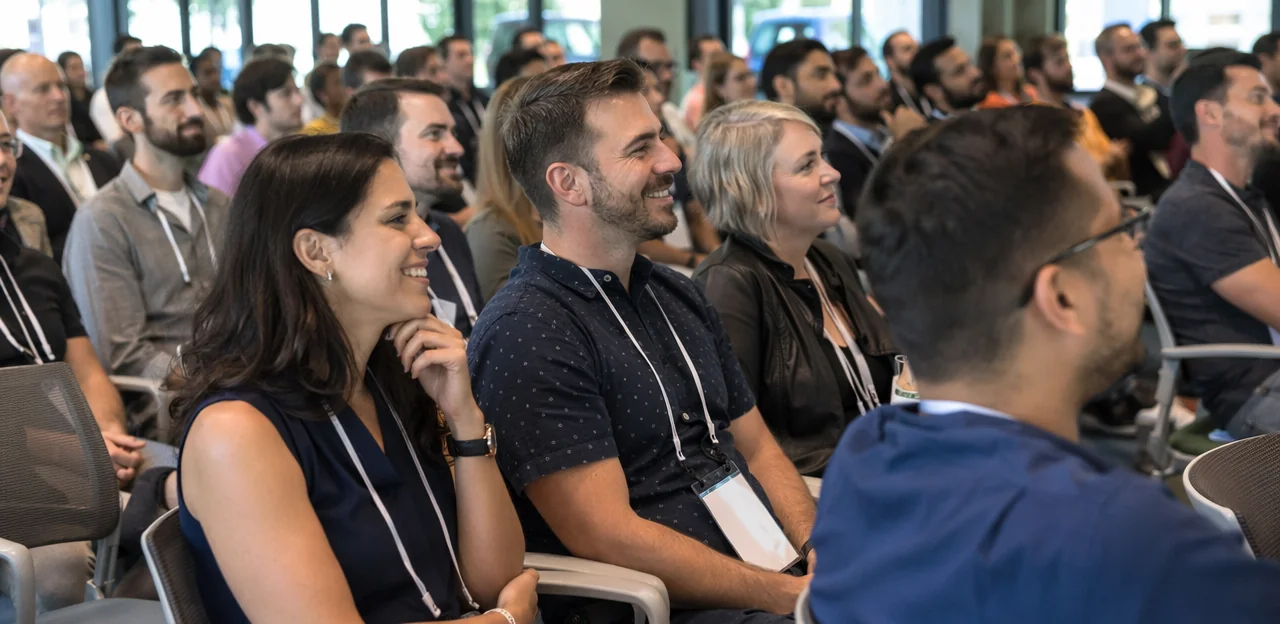
Real-time event sentiment analysis helps organizers measure how audiences respond to keynote speakers, panels, and breakout sessions while the event is still in progress. By combining live comments, instant ratings, and social sentiment analysis, teams can spot what resonates and what needs adjustment fast.
- Track keynote reactions: Use a sentiment analysis tool to monitor applause trends, audience feedback, and live chat sentiment during major presentations.
- Measure breakout engagement: Apply sentiment analysis software to compare session ratings, participation levels, and recurring themes across rooms.
- Evaluate speaker effectiveness: With AI sentiment analysis and proven sentiment analysis techniques, identify which speakers drive positive energy, clarity, and audience interaction.
- Monitor online conversation: Social media sentiment analysis and brand sentiment analysis reveal how attendees discuss sessions beyond the venue.
These insights help organizers refine schedules, coach speakers, and improve programming both during and after the event.
Managing attendee satisfaction and operational issues
Event sentiment analysis gives organizers a live view of friction points across the attendee journey, helping protect customer experience before small issues escalate. Using sentiment analysis software and an ai sentiment analysis workflow, teams can spot recurring complaints tied to:
- registration delays and check-in bottlenecks
- poor wayfinding and unclear signage
- food quality, lines, or dietary gaps
- weak networking flow or session overcrowding
- venue logistics such as seating, temperature, or Wi-Fi
- slow staff or support response times
A strong sentiment analysis tool combines survey feedback, chat, help-desk notes, and social media sentiment analysis for a fuller picture. With social sentiment analysis and practical sentiment analysis techniques, teams can route issues instantly, deploy staff where needed, and adjust operations in real time. This also strengthens brand sentiment analysis by resolving problems before they affect more attendees.
Measuring sponsor, exhibitor, and brand perception
Event sentiment analysis helps organizers understand how attendees feel about sponsors, exhibitors, activations, and branded experiences in real time. Using a sentiment analysis tool or broader sentiment analysis software, teams can combine survey responses, session feedback, booth interactions, app comments, and social media sentiment analysis to uncover what audiences actually think.
Key ways to use brand sentiment analysis include:
- Track positive, neutral, and negative reactions to sponsor booths, demos, and giveaways
- Compare exhibitor performance across locations, time slots, or audience segments
- Use ai sentiment analysis and other sentiment analysis techniques to identify recurring themes, complaints, and standout moments
- Monitor social sentiment analysis to measure brand lift beyond the venue
This data proves ROI to sponsors, improves renewal conversations, and helps shape stronger future sponsorship packages, pricing, and activation strategies.
Choosing the Right Sentiment Analysis Software for Events

Must-have features in a sentiment analysis tool
For effective event sentiment analysis, event teams should choose sentiment analysis software that turns fast-moving feedback into clear action. Key capabilities include:
- Real-time dashboards to monitor attendee mood during sessions, networking, and keynotes.
- Channel integrations that unify surveys, chat, reviews, apps, and social media sentiment analysis in one view.
- Multilingual support so global audiences are accurately captured through ai sentiment analysis.
- Topic clustering and advanced sentiment analysis techniques to reveal recurring themes, complaints, and highlights.
- Customizable alerts that flag sudden drops in sentiment, speaker issues, or service problems instantly.
- Segmented reporting by attendee type, ticket tier, sponsor group, or event format for stronger brand sentiment analysis and social sentiment analysis insights.
The best sentiment analysis tool helps teams respond in real time, not just report later.
Evaluating accuracy, usability, and integrations
When comparing platforms for event sentiment analysis, focus on three essentials:
- Accuracy: Test whether the sentiment analysis software understands event-specific language, abbreviations, speaker names, venue issues, and slang. Strong ai sentiment analysis should detect context, sarcasm, and shifting tone across sessions, surveys, and live chat. Ask vendors which sentiment analysis techniques they use and whether models can be trained on your event data.
- Usability: A good sentiment analysis tool should offer simple dashboards, clear alerts, and easy filtering by session, audience segment, or channel.
- Integrations: Check CRM, event app, ticketing, and marketing platform connections, plus API access. The best tools combine survey feedback, social media sentiment analysis, social sentiment analysis, and brand sentiment analysis in one view.
Questions to ask vendors before implementation
Before choosing a platform for event sentiment analysis, ask vendors questions that reveal fit, not just features:
- What data trains the model? Check whether the ai sentiment analysis engine is trained on event, hospitality, or industry-specific language and which sentiment analysis techniques it uses.
- How is privacy handled? Confirm data storage, consent, anonymization, and compliance for attendee feedback and social media sentiment analysis.
- How fast is setup? Ask how quickly the sentiment analysis software can be deployed for live events, integrations, and dashboards.
- What support is included? Clarify onboarding, live-event assistance, and post-event help.
- How customizable is the sentiment analysis tool? Ensure it supports your event goals, audience segments, and brand sentiment analysis needs.
- How deep is reporting? Look for actionable insights, trend analysis, and social sentiment analysis across event size and complexity.
Best Practices for Accurate and Actionable Sentiment Insights

Relying on a single feedback channel creates blind spots. Social posts capture public emotion fast, but they skew toward vocal attendees; surveys add structure, yet often miss in-the-moment issues. Stronger event sentiment analysis comes from triangulating signals across channels.
- Use social media sentiment analysis and social sentiment analysis to spot live buzz, complaints, and share-of-voice shifts.
- Layer in survey responses, event app ratings, live polls, and help-desk or support logs for context and validation.
- Apply ai sentiment analysis with proven sentiment analysis techniques to detect recurring themes, urgency, and sentiment by session, speaker, or venue area.
- A unified sentiment analysis tool or sentiment analysis software improves reliability and supports sharper brand sentiment analysis and faster event decisions.
Use the right sentiment analysis techniques for context
Basic positive-negative scoring rarely captures what attendees actually mean. For accurate event sentiment analysis, combine multiple sentiment analysis techniques to reveal context, urgency, and themes.
- Topic analysis: Group comments by sessions, speakers, catering, check-in, or venue logistics so teams know what needs attention.
- Aspect-based sentiment: Measure sentiment on specific event elements, not just the overall experience.
- Sarcasm detection: A strong ai sentiment analysis model can flag misleading praise like “Great, another 30-minute queue.”
- Trend comparison: Use a sentiment analysis tool or sentiment analysis software to compare live feedback with past events, social media sentiment analysis, and broader brand sentiment analysis.
This layered social sentiment analysis approach improves insight quality and supports faster, smarter event decisions.
Turn insights into workflows and measurable outcomes
To create real business value, event sentiment analysis must trigger action, not just dashboards. Build rules inside your sentiment analysis software so negative feedback is assigned to the right owner in real time, while urgent themes escalate automatically.
- Assign owners by category: route venue issues to operations, speaker complaints to programming, and sponsor concerns to partnerships.
- Create escalation paths: if ai sentiment analysis detects repeated negative sentiment, alert managers instantly.
- Tie trends to KPIs: connect your sentiment analysis tool to attendee satisfaction, NPS, retention, sponsor value, and repeat registrations.
- Combine sources: blend survey data with social media sentiment analysis, social sentiment analysis, and brand sentiment analysis for a fuller customer experience view.
Using strong sentiment analysis techniques makes analytics operational, measurable, and revenue-focused.
The Future of Event Sentiment Analysis

Predictive insights and proactive event management
Modern event sentiment analysis is moving beyond dashboards that only flag problems after they happen. With ai sentiment analysis, organizers can spot early risk signals—such as repeated negative feedback, declining session ratings, or sudden drops in app activity—and act before they affect the attendee experience.
- Use a sentiment analysis tool to combine live polls, chat, surveys, and social media sentiment analysis
- Apply sentiment analysis techniques to detect patterns linked to churn, dissatisfaction, or engagement decline
- Track brand sentiment analysis and social sentiment analysis during keynote moments or sponsor activations
- Let sentiment analysis software trigger alerts so teams can adjust staffing, messaging, content, or room flow in real time
This predictive approach helps event teams prevent issues, not just document them.
Personalization, automation, and smarter attendee journeys
With event sentiment analysis, organizers can turn live feedback into better decisions at every stage of the attendee journey. A strong sentiment analysis tool helps teams personalize content, detect friction early, and improve the overall audience experience across in-person and hybrid events.
- Use ai sentiment analysis and proven sentiment analysis techniques to recommend sessions, networking matches, or exhibitors based on attendee mood, interests, and engagement.
- Combine social media sentiment analysis and social sentiment analysis with app, chat, and survey signals to trigger targeted outreach, such as VIP follow-ups or tailored reminders.
- Deploy sentiment analysis software for automated service recovery: if negative feedback spikes around check-in, streaming quality, or venue logistics, staff can intervene immediately.
Over time, this also strengthens brand sentiment analysis, loyalty, and repeat attendance.
Why event teams should invest now
Investing in event sentiment analysis now gives teams a clear competitive edge as attendee expectations rise and event choices expand. Early adopters of sentiment analysis software can spot friction points in real time, improve sessions before negative feedback spreads, and deliver more personalized experiences.
- Use a reliable sentiment analysis tool to monitor live feedback, app responses, and surveys.
- Combine social media sentiment analysis and social sentiment analysis to understand audience mood beyond the venue.
- Apply AI sentiment analysis and advanced sentiment analysis techniques to uncover trends faster.
- Track brand sentiment analysis to protect reputation and strengthen sponsor value.
The result: faster decisions, better experiences, and stronger event ROI.
Conclusion
In today’s fast-moving event landscape, event sentiment analysis is no longer a nice-to-have—it’s a strategic advantage. By capturing attendee reactions in real time, organizers can move beyond post-event guesswork and make informed decisions while the experience is still unfolding. From session feedback and speaker performance to crowd energy and service quality, the right sentiment analysis software helps teams uncover what audiences truly think and feel.
Whether you rely on a dedicated sentiment analysis tool, social media sentiment analysis, or broader social sentiment analysis across multiple channels, the goal is the same: turn live feedback into better event outcomes. With advances in ai sentiment analysis, event teams can process high volumes of comments quickly, identify emerging issues, measure brand sentiment analysis more accurately, and apply proven sentiment analysis techniques to improve engagement, satisfaction, and loyalty.
The next step is to assess your current feedback process and identify where real-time insight can have the biggest impact. Explore platforms that combine on-site feedback capture, analytics dashboards, and actionable reporting—solutions such as Tapsy may be worth reviewing if you want a no-app approach. Start by piloting event sentiment analysis at your next conference, benchmark results, and build a smarter, more responsive attendee experience from there.
Frequently Asked Questions
- What is event sentiment analysis?
Event sentiment analysis is the process of collecting and interpreting attendee opinions from surveys, event apps, live chat, reviews, polls, and on-site comments to understand how people feel during an event. It helps organizers detect positive, negative, and neutral reactions in real time instead of waiting for post-event summaries.
- Why is real-time sentiment analysis important for conferences and live events?
Real-time sentiment analysis helps teams act while sessions are live, queues are forming, and service issues are still fixable. It allows organizers to improve attendee experience immediately rather than relying only on feedback collected after the event ends.
- Which event channels should be monitored for sentiment?
Useful channels include event apps, live polls, Q&A feeds, social posts, support chats, help desks, email feedback, and post-event surveys. Combining structured ratings with open-text comments and public conversations creates a more complete view of attendee mood.
- How does AI sentiment analysis work at an event?
AI sentiment analysis uses natural language processing to read attendee comments, survey responses, chat messages, and social posts in real time. It classifies feedback as positive, negative, or neutral and can also detect themes, urgency, mixed sentiment, sarcasm, and multilingual context.
- What data sources can feed a sentiment analysis tool during an event?
Common inputs include registration flows, mobile app activity, badge scans, session ratings, social mentions, and help desk interactions. Bringing online and on-site data together gives teams better visibility into attendee behavior, friction points, and brand perception.
- How can sentiment analysis improve attendee and customer experience?
It helps organizers identify complaints about check-in, seating, Wi-Fi, navigation, food, and support response times before those issues spread. Teams can also use live reactions to improve session quality, personalize follow-up, and make the overall event journey smoother.
- Can sentiment analysis be used to evaluate speakers and sessions?
Yes, it can track live comments, instant ratings, and social conversation around keynotes, panels, and breakout sessions. That helps organizers measure engagement, identify strong speakers, and adjust schedules, moderation, or room setups when needed.
- How does social media sentiment analysis support event planning?
Social media sentiment analysis captures public reactions, buzz, complaints, and brand perception as they happen across digital channels. It is especially useful for understanding how attendees discuss sessions, sponsors, and the event beyond the venue itself.
- What is brand sentiment analysis in the event context?
Brand sentiment analysis measures how attendees feel about sponsors, exhibitors, activations, sessions, or the event brand itself. It helps teams identify positive moments, recurring complaints, and sponsor issues quickly so they can protect value and improve ROI conversations.
- What features should event teams look for in sentiment analysis software?
Key features include real-time dashboards, channel integrations, multilingual support, topic clustering, customizable alerts, and segmented reporting. These capabilities help teams monitor mood, detect issues quickly, and act on feedback while the event is still underway.
- How should organizers compare different sentiment analysis platforms?
They should focus on accuracy, usability, and integrations. A strong platform should understand event-specific language, provide clear dashboards and alerts, and connect with CRM, event app, ticketing, marketing, survey, and social channels.
- What questions should be asked before choosing a vendor?
Important questions include what data trains the model, how privacy and consent are handled, how quickly the platform can be deployed, what support is included, and how customizable reporting is. It is also useful to ask whether the models can be trained on event data and how deeply they report on trends across channels.
- Why is it risky to rely on only one feedback channel?
A single channel creates blind spots because each source captures only part of the attendee experience. Social posts may reflect the loudest voices, while surveys add structure but can miss immediate issues, so combining multiple sources improves reliability.
- Which sentiment analysis techniques add more context than simple positive or negative scoring?
Topic analysis, aspect-based sentiment, sarcasm detection, and trend comparison provide deeper insight than basic polarity alone. These techniques help teams understand exactly what attendees are reacting to and whether the issue is urgent or part of a larger pattern.
- How is event sentiment analysis evolving in the future?
It is moving toward predictive and proactive event management, where early risk signals such as declining ratings or drops in app activity trigger action before problems grow. It is also supporting more personalization, automation, and smarter attendee journeys through targeted outreach and faster service recovery.