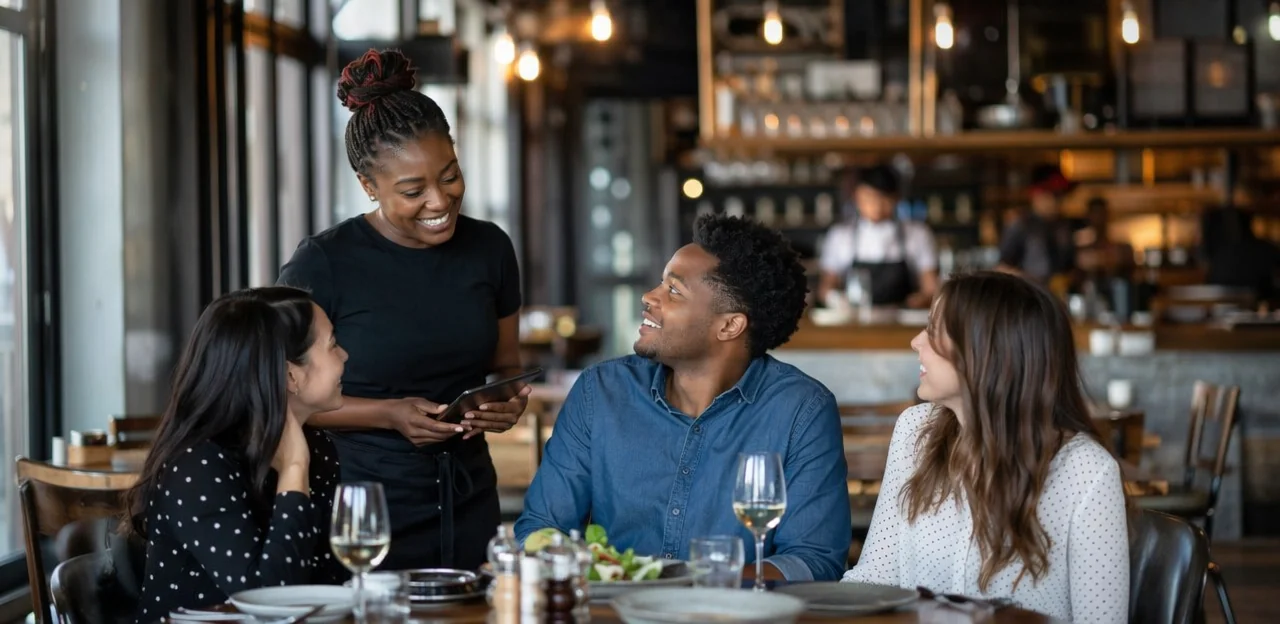
Word-of-mouth has always been one of the most powerful growth drivers in hospitality, but today’s restaurants and venues need a more structured way to turn happy guests into repeat customers and active promoters. That’s where smart referral program examples come in. From casual cafés and neighborhood restaurants to multi-location venue groups, a well-designed referral program can help increase bookings, boost repeat visits, and strengthen guest relationships without relying solely on costly advertising.
In this article, we’ll explore practical referral program examples that show how a customer referral program can work alongside a loyalty rewards program for restaurants to create steady, measurable growth. We’ll also look at loyalty rewards program examples that combine discounts, points, exclusive perks, and limited-time incentives to encourage both referrals and repeat spending. For operators looking beyond consumer-facing campaigns, we’ll touch on b2b referral program examples relevant to event venues, catering partnerships, and local business collaborations.
Along the way, we’ll break down what makes a referral loyalty program successful, share customer referral program ideas that fit different hospitality models, and highlight how restaurants can use guest feedback, data, and timing to improve results. Whether you’re building your first customer referral program or refining an existing strategy, this guide will help you find ideas that are practical, effective, and tailored to modern restaurant operations.
Why Referral Programs Work for Restaurants and Venues

How a referral program supports restaurant growth
In hospitality, trust drives decisions. People are far more likely to try a café, bar, or restaurant based on a friend’s recommendation than an ad, which is why referral program examples often outperform broad promotions. A well-designed referral program turns happy guests into active advocates and helps venues capture high-intent, local traffic.
- Builds trust fast: Personal recommendations feel credible and reduce hesitation for first-time visits.
- Boosts local discovery: A strong customer referral program helps restaurants reach nearby diners most likely to return.
- Increases repeat traffic: Pairing a referral loyalty program with a loyalty rewards program for restaurants encourages both the referrer and new guest to come back.
Use simple customer referral program ideas like “give $5, get $5,” and review loyalty rewards program examples or even b2b referral program examples for partnership inspiration.
A strong referral loyalty program works best when paired with a loyalty rewards program for restaurants. While loyalty points drive repeat visits and higher average spend, referrals turn satisfied guests into advocates who bring in new diners at a lower cost than paid ads. That combination improves both acquisition efficiency and long-term customer value.
- Use referral program examples that reward both the referrer and the new guest with points, discounts, or free items.
- Build customer referral program ideas into existing loyalty flows so guests can share after a positive visit.
- Track which loyalty rewards program examples lead to the most repeat spending and referrals.
- Even b2b referral program examples show the same principle: trusted recommendations convert better and retain longer.
An effective customer referral program strengthens retention by making loyalty more social and rewarding.
Where restaurants, cafés, and venues benefit most
The best referral program examples match how often guests visit, how much they spend, and what motivates them to return.
- Quick-service restaurants: Use simple, instant offers like “give $3, get $3” to drive repeat visits fast.
- Full-service dining: A customer referral program can reward higher-value actions, such as appetizer or dessert credits after a referred booking.
- Cafés: Frequent visits suit stamp-style referral loyalty program mechanics paired with a loyalty rewards program for restaurants.
- Bars and event venues: Focus on group bookings, VIP perks, and shareable event invites.
- Multi-location brands: Standardize core rewards, but localize offers by audience and store behavior.
Strong customer referral program ideas often blend referral incentives with smart loyalty rewards program examples and even b2b referral program examples for catering or private events.
Referral Program Examples Restaurants Can Adapt

Simple guest-to-guest referral program examples
The best referral program examples for restaurants and cafés are easy for guests to understand, share, and redeem on the spot. Keep the offer clear, the reward immediate, and the rules minimal.
- Give $10, get $10: A classic customer referral program where the referrer earns $10 after a friend’s first qualifying visit, and the new guest gets $10 off.
- Free appetizer referral: Great for casual dining. When a referred guest books or orders, both parties receive a free starter.
- Drink upgrade offer: Perfect for cafés, bars, and brunch spots. Refer a friend and they get a free size upgrade; the sender earns one too.
- Birthday referral bonus: Add seasonal excitement with a birthday-month reward for referring friends.
- First-order discount: Simple customer referral program ideas like 15% off a first order work well for dine-in, takeaway, or delivery.
These loyalty rewards program examples fit naturally into a broader referral loyalty program or loyalty rewards program for restaurants. Even teams researching b2b referral program examples can apply the same principle: make the value obvious and frictionless.
Loyalty-led referral loyalty program examples
Among the most effective referral program examples are offers tied to an existing loyalty ecosystem, because rewards feel valuable without requiring heavy discounting. A smart referral loyalty program gives both the advocate and the new guest a reason to return while protecting margins.
- Points-for-both model: Give the referrer bonus points after the friend’s first qualifying purchase, and award the new guest a smaller welcome points boost. This is one of the easiest loyalty rewards program examples to launch.
- Tier acceleration: Let successful referrals unlock faster progress to Gold or VIP status. This works well in a loyalty rewards program for restaurants where status can mean priority booking or birthday perks.
- Exclusive menu access: Offer referral-only tastings, secret menu items, or chef events instead of deep discounts.
- Spend thresholds: Reward only after the referred guest spends a minimum amount, improving ROI.
These customer referral program ideas also adapt well from b2b referral program examples: reward behavior that drives long-term value, not one-time redemptions.
Venue and event-focused referral models
Strong referral program examples for restaurants and venues work best when they match the booking type and decision-maker. For events, a smart customer referral program should reward both the referrer and the new guest while encouraging higher-value reservations.
- Private dining: Give party hosts a dining credit, complimentary welcome drinks, or a waived room fee when they refer another private event.
- Catering: Use customer referral program ideas like 10% off a future order for clients who refer weddings, office lunches, or family celebrations.
- Live music venues: Build a referral loyalty program where promoters, bands, or regular guests earn VIP seating, ticket bundles, or bar credit for group referrals.
- Wineries: Offer tasting upgrades, bottle discounts, or members-only experiences for referrals that convert into tours or event bookings.
- Group bookings and corporate events: These are ideal b2b referral program examples—reward event planners and repeat corporate clients with account credits, priority dates, or added catering perks.
To strengthen results, connect referrals to a loyalty rewards program for restaurants and track which loyalty rewards program examples drive repeat event revenue.
How to Design a High-Performing Customer Referral Program

Choose rewards that fit margins and guest behavior
Strong referral program examples start with unit economics, not guesswork. Match incentives to average check size, visit frequency, and profit margin so your customer referral program drives repeat visits without eroding revenue.
- Cash discounts work best for higher-ticket meals, but cap them carefully to protect margins.
- Menu credits are often safer than straight discounts because they encourage a return visit and higher basket size.
- Loyalty points fit a loyalty rewards program for restaurants with frequent guests, especially cafés and fast-casual brands.
- Freebies like dessert, coffee, or appetizers are strong customer referral program ideas when food cost is low and perceived value is high.
- Experiential rewards—VIP seating, chef tastings, or early access—work well for premium venues and standout referral loyalty program offers.
Among loyalty rewards program examples, the best structure rewards both advocate and friend. Even b2b referral program examples show the same rule: choose incentives customers actually value and your business can sustainably afford.
Build a frictionless referral journey
The best referral program examples remove every extra step between invitation and reward. If guests have to search, sign up, or ask for help, your referral program will lose momentum. Keep the flow simple, visible, and fast:
- Invite at the right moment with table-top QR codes, receipt links, SMS follow-ups, email campaigns, app links, and cashier prompts.
- Make sharing effortless by auto-generating a personal referral link guests can send in one tap.
- Track redemption instantly through POS integration, so staff can apply the reward without manual checks.
- Explain the value clearly: “Share with a friend, they get 10% off, you get a free drink.”
Strong customer referral program ideas often connect to a loyalty rewards program for restaurants or a referral loyalty program, turning one-time advocates into repeat visitors. Even when reviewing b2b referral program examples or other loyalty rewards program examples, the lesson is the same: a great customer referral program must be easy to understand, easy to share, and easy to redeem.
Use survey design and customer experience insights
Smart referral program examples start with knowing which guests are most likely to recommend you. Use short post-visit surveys, NPS-style questions, and sentiment analysis to identify promoters, then invite them into a customer referral program while the experience is still fresh.
- Time surveys carefully: Send feedback requests within a few hours of the visit, or capture responses on-site at checkout or table-side.
- Find promoters fast: Ask “How likely are you to recommend us?” and segment high scorers for a referral loyalty program offer.
- Personalize the message: Match rewards to guest behavior, such as dessert offers for café regulars or event perks for venue guests.
- Align rewards with retention: The best customer referral program ideas often connect to a loyalty rewards program for restaurants.
This approach improves conversion more effectively than generic b2b referral program examples or broad loyalty rewards program examples.
Using AI and Analytics to Improve Referral Results

Identify your best referral audiences
Strong referral program examples start with smart segmentation, not broad blasts. Use AI and analytics to identify guests most likely to refer and tailor each customer referral program to their behavior:
- Loyal guests: regular diners with high visit frequency and strong satisfaction scores
- High-value diners: guests with above-average spend, premium menu choices, or wine pairings
- Frequent visitors: customers returning weekly or monthly who fit a natural referral loyalty program
- Event bookers: private dining, birthdays, and corporate hosts—ideal for b2b referral program examples
Helpful triggers include a 5-star survey response, three visits in 30 days, repeat event inquiries, or high NPS. This makes your loyalty rewards program for restaurants and customer referral program ideas more relevant, timely, and effective.
Measure performance beyond basic redemptions
The best referral program examples track more than coupon use. To improve any referral program or customer referral program, monitor:
- Referral rate: How many guests actively share your offer
- Conversion rate: How many referred guests actually visit or order
- Cost per acquired guest: Total reward and promo cost divided by new customers gained
- Repeat visit rate: Whether referred guests return again
- Average order value: If referrals spend more or less than other diners
- Customer lifetime value: Long-term revenue from each referred guest
These metrics help refine customer referral program ideas, compare loyalty rewards program examples, and strengthen a referral loyalty program or loyalty rewards program for restaurants over time. Even b2b referral program examples rely on this same performance lens.
Personalize offers without overcomplicating operations
The best referral program examples keep personalization simple enough for busy teams to run consistently. Instead of creating endless offer variations, build a few smart rules around guest behavior, channel, or location:
- By segment: reward first-time diners with a bounce-back offer, and regulars with VIP-style perks. This works well in a loyalty rewards program for restaurants.
- By channel: use one incentive for dine-in referrals and another for online orders in your customer referral program.
- By location: tailor promotions by venue, daypart, or neighborhood demand.
Strong loyalty rewards program examples and customer referral program ideas rely on automation, not complexity. A simple referral loyalty program with 3–4 core offers is easier to train, track, and scale than overly customized b2b referral program examples or consumer campaigns.
B2B Referral Program Examples for Restaurant and Venue Partnerships
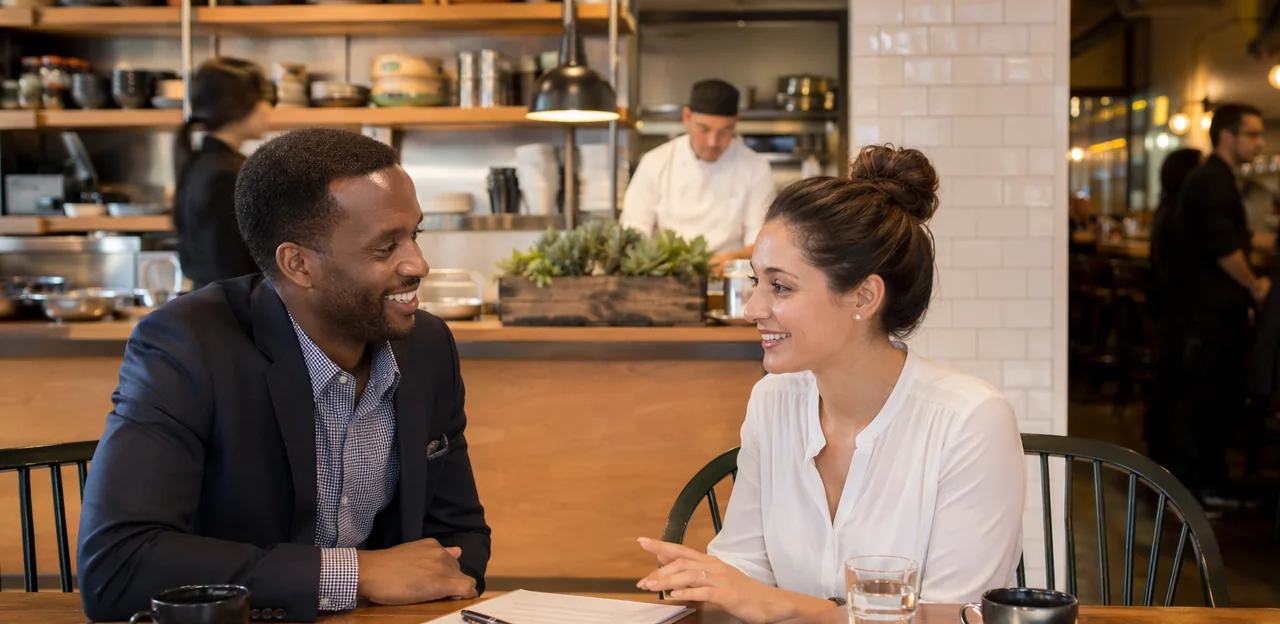
B2B referral program examples for local partnerships
Strong referral program examples often come from local partnerships that already share the same audience. Restaurants and venues can build a simple referral program with:
- Hotels: concierge teams refer guests for lunch, dinner, or happy hour in exchange for tracked perks or revenue share.
- Offices and coworking spaces: offer team dining codes, meeting packages, or a customer referral program for staff events.
- Tour operators and attractions: bundle meal vouchers into local experiences.
- Nearby retailers and event vendors: exchange leads for private dining, catering, and celebrations.
Use unique QR codes, landing pages, or partner-specific promo codes to track covers, spend, and repeat visits. This turns b2b referral program examples into measurable customer referral program ideas, and can connect naturally with a referral loyalty program or loyalty rewards program for restaurants inspired by proven loyalty rewards program examples.
Corporate, catering, and private event referrals
Among the most effective referral program examples for restaurants and venues are B2B partnerships tied to repeat bookings and higher-value events. Strong b2b referral program examples often reward both the referrer and the booked client.
- Office catering: Offer account credits after a referred company places its first qualifying order.
- Wedding planners: Provide venue fee discounts, tasting upgrades, or VIP coordination perks for each confirmed referral.
- Conference organizers and corporate event managers: Use tiered incentives such as complimentary add-ons, priority dates, or bundled AV discounts.
For stronger results, build a referral loyalty program into your wider loyalty rewards program for restaurants. Add reciprocal promotion through preferred-vendor lists, social features, and co-branded packages—one of the most practical customer referral program ideas and loyalty rewards program examples for event-driven growth.
How to formalize partner referral agreements
To turn referral program examples into a repeatable growth channel, document every partner referral program in writing. Keep terms simple, measurable, and easy to scale:
- Define the incentive: flat fee, revenue share, or venue credit tied to qualified referrals.
- Set attribution rules: use unique promo codes, tracked links, and a clear attribution window such as 30–90 days.
- Confirm what counts as a conversion: booked event, signed catering contract, or enrolled customer referral program lead.
- Track everything in your CRM so finance, sales, and marketing see the same data.
- Outline partner communication: reporting cadence, payout dates, brand guidelines, and approval rules.
This structure supports transparent b2b referral program examples, stronger referral loyalty program execution, and even future customer referral program ideas or loyalty rewards program for restaurants extensions.
Common Mistakes and Best Practices for Long-Term Success

Mistakes that weaken referral performance
Even strong referral program examples fail when execution is poor. Common issues include:
- Confusing rules: If guests do not understand how the referral program works, they will not share it.
- Weak incentives: Low-value offers reduce motivation in a customer referral program or referral loyalty program.
- Poor staff training: Teams who cannot explain benefits miss referral opportunities.
- Delayed rewards: Slow delivery damages trust and lowers repeat participation.
- Lack of promotion: Even great customer referral program ideas fail without visibility across menus, receipts, email, and in-store signage.
The best loyalty rewards program for restaurants and loyalty rewards program examples keep rewards simple, fast, and visible. Even b2b referral program examples show that clarity and consistency drive action.
Best practices for launching and promoting the program
Use the strongest referral program examples as a rollout checklist:
- Promote your referral program everywhere guests interact: table tents, window signage, receipts, email, SMS, loyalty apps, and social posts.
- Train staff with short scripts that explain the benefit in one sentence for both the referrer and the new guest.
- Keep value messaging consistent: make the customer referral program reward simple, visible, and time-sensitive.
- Align the offer with your loyalty rewards program for restaurants so the referral loyalty program feels seamless.
- Test creative using customer referral program ideas, loyalty rewards program examples, and even b2b referral program examples for event or catering partnerships.
How to keep improving over time
The best referral program examples evolve through steady testing, not guesswork. Use a simple review cycle to improve your customer referral program and uncover stronger customer referral program ideas:
- Test reward types: discounts, free add-ons, points, VIP perks, or partner offers inspired by loyalty rewards program examples.
- Refine messaging: compare value-led, urgency-led, and social-proof copy.
- Vary channels and timing: in-store, email, SMS, receipts, QR codes, or post-visit prompts.
- Combine analytics, guest feedback, and staff observations to improve your referral loyalty program and loyalty rewards program for restaurants.
Even b2b referral program examples show that small, consistent optimizations drive better results.
Conclusion
The best referral program examples do more than offer a one-time discount—they turn satisfied guests into active promoters, strengthen repeat visits, and create a more predictable growth engine for restaurants and venues. Whether you’re exploring simple customer referral program ideas like “give $10, get $10,” VIP invite-only perks, group booking incentives, or a referral loyalty program tied to points, the most effective strategies are easy to understand, simple to redeem, and aligned with your guest experience.
As you build your own referral program, focus on clear rewards, frictionless sharing, measurable results, and a strong connection to your broader loyalty rewards program for restaurants. Looking at both restaurant-focused campaigns and even b2b referral program examples can spark ideas for partnerships, private events, catering, and venue bookings. The strongest customer referral program is one that feels natural to your brand and gives guests a compelling reason to return—and bring others with them.
If you’re ready to move from inspiration to execution, start by reviewing proven loyalty rewards program examples, mapping your referral journey, and testing one offer with a small segment of loyal customers. From there, refine based on feedback, conversion rates, and retention. For restaurants and cafés that want to pair referrals with real-time guest insight and retention tools, platforms like Tapsy can support a more connected loyalty strategy.
Frequently Asked Questions
- What is a referral program for restaurants and venues?
A referral program encourages existing guests to recommend a restaurant or venue to friends, colleagues, or other potential customers. In return, the referrer and the new guest can receive rewards such as discounts, points, free items, or booking perks.
- Why do referral programs work well in hospitality?
Hospitality decisions are strongly influenced by trust, and personal recommendations often feel more credible than ads. Referral programs help restaurants and venues turn satisfied guests into advocates while attracting high-intent local traffic.
- How is a referral program different from a loyalty rewards program for restaurants?
A referral program focuses on bringing in new guests through trusted recommendations. A loyalty rewards program encourages repeat visits and higher spending from existing customers, and the strongest results often come from combining both.
- What are some simple referral offer ideas restaurants can launch quickly?
Clear offers such as “give $10, get $10,” free appetizer rewards, drink upgrades, birthday referral bonuses, and first-order discounts are practical starting points. The most effective offers are easy to understand, easy to share, and easy to redeem.
- Which referral model fits quick-service restaurants best?
Quick-service restaurants benefit from simple, instant offers like “give $3, get $3.” These low-friction rewards support fast repeat visits and are easy for guests and staff to understand.
- How can full-service restaurants use referrals without relying on deep discounts?
Full-service restaurants can reward higher-value actions with appetizer credits, dessert rewards, or perks tied to referred bookings. They can also use experiential rewards such as priority booking or exclusive menu access to protect margins.
- What makes a referral loyalty program effective?
An effective referral loyalty program rewards both the advocate and the new guest, fits guest behavior, and connects naturally to repeat visits. It also works best when sharing, tracking, and redemption are frictionless.
- How should restaurants choose referral rewards that fit their margins?
Rewards should match average check size, visit frequency, and profit margin. Menu credits, loyalty points, low-cost freebies, and experiential perks are often safer than uncapped cash discounts because they can encourage return visits without eroding revenue as quickly.
- When is the best time to ask guests to refer someone?
The best moment is shortly after a positive experience, when satisfaction is still fresh. Good touchpoints include checkout, receipt links, table-top QR codes, SMS follow-ups, email campaigns, app links, and cashier prompts.
- How can guest feedback and surveys improve referral conversion?
Short post-visit surveys and NPS-style questions help identify guests who are most likely to recommend the business. High scorers can then receive referral offers that match their behavior, such as dessert rewards for café regulars or event perks for venue guests.
- What metrics should be tracked beyond basic referral redemptions?
Useful metrics include referral rate, conversion rate, cost per acquired guest, repeat visit rate, average order value, and customer lifetime value. Tracking these measures helps operators compare offers and improve long-term performance.
- How can restaurants personalize referral offers without making operations too complex?
A practical approach is to use a few simple rules based on guest segment, channel, or location. Running three or four core offers is easier to train, track, and scale than building too many customized variations.
- What are examples of B2B referral programs for restaurants and venues?
Common B2B models include partnerships with hotels, offices, coworking spaces, tour operators, retailers, wedding planners, and corporate event managers. These programs can reward referrals with account credits, revenue share, venue fee discounts, priority dates, or bundled perks.
- How should partner referral agreements be structured?
Partner agreements should clearly define the incentive, attribution rules, conversion criteria, reporting cadence, payout timing, and brand guidelines. Using tracked links, promo codes, and CRM records helps keep results measurable and transparent.
- What common mistakes reduce referral program performance?
Confusing rules, weak incentives, poor staff training, delayed rewards, and low visibility can all weaken results. Strong programs keep the offer simple, promote it across guest touchpoints, and make sure staff can explain the value quickly.