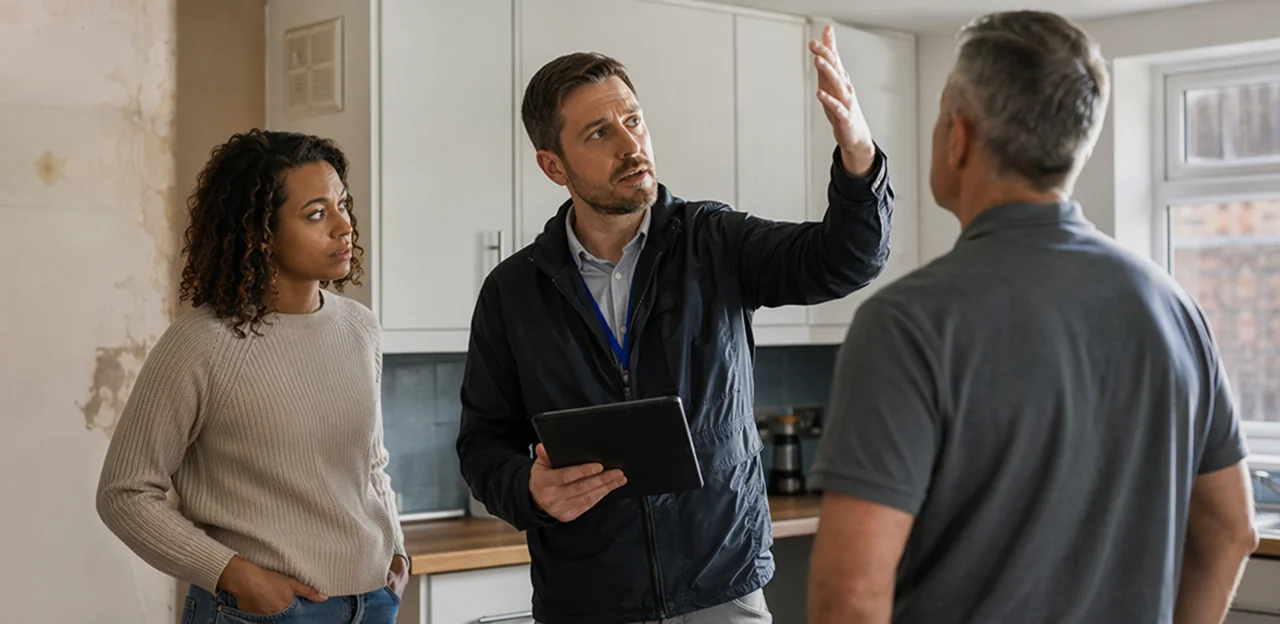
A single unresolved leak, repeated noise complaint, or ongoing cleanliness issue can quickly become more than a minor inconvenience. For housing providers and property teams, recurring problems erode trust, increase operational pressure, and damage the overall resident experience. That is why effective resident complaint management is not just about responding faster, but about identifying patterns, fixing root causes, and preventing the same issues from happening again.
In today’s housing environment, residents expect clear communication, timely action, and visible follow-through when they raise concerns. When complaints are handled inconsistently or without proper tracking, small service failures can turn into long-term dissatisfaction, higher complaint volumes, and reputational risk. A structured approach helps teams move from reactive firefighting to proactive service recovery.
This article explores how better resident complaint management can help housing and property organisations reduce repeat issues, improve service standards, and strengthen trust across the resident journey. It will cover the common causes of recurring complaints, the operational processes that make complaint resolution more effective, and the role of feedback tools and real-time insight in spotting issues early. Where relevant, solutions such as Tapsy can support teams by capturing resident feedback at key touchpoints and helping them act before problems escalate.
Why resident complaint management matters in housing operations
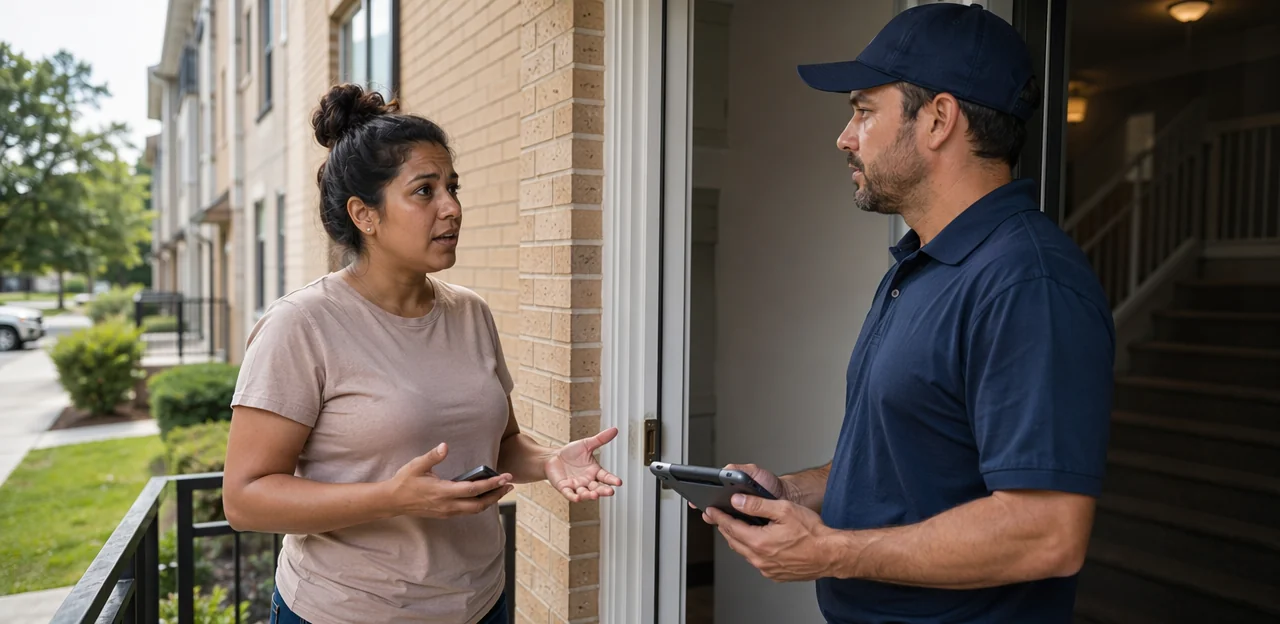
The cost of unresolved and repeat complaints
When recurring property issues are not fixed at the root cause, costs rise quickly across operations, service quality, and resident trust. Effective resident complaint management helps teams stop this cycle before it becomes expensive.
- Higher operational costs: Repeat visits, duplicate admin work, contractor callouts, and emergency repairs all increase spend.
- Lower resident satisfaction: Repeat resident complaints make residents feel ignored, which weakens confidence and increases churn risk.
- Reputational damage: Ongoing unresolved issues can lead to poor reviews, complaints to housing bodies, and negative word of mouth.
- More service requests over time: Small unresolved faults often escalate, creating additional maintenance tickets and avoidable pressure on teams.
Use root-cause tracking, clear ownership, and fast follow-up to prevent repeat failures.
How complaints shape resident experience
How you handle issues often matters as much as the issue itself. Strong resident complaint management directly influences the resident experience by showing whether your team listens, acts, and follows through at every stage of the tenancy.
- Builds trust early: Fast acknowledgement and clear timelines reassure new residents that concerns will not be ignored.
- Improves housing service recovery: Quick fixes, regular updates, and visible accountability reduce frustration and prevent small issues from becoming repeat complaints.
- Supports retention and renewals: Residents are more likely to stay when they feel heard, respected, and confident problems will be resolved fairly.
- Shapes perceptions of care: Consistent communication across move-in, maintenance, shared spaces, and renewals signals a resident-first culture.
Using real-time feedback tools such as Tapsy can help teams spot patterns sooner and respond before dissatisfaction grows.
Common complaint categories in housing and property
Effective resident complaint management starts with identifying the patterns behind the most common housing complaints and property management complaints. In most communities, recurring issues usually fall into a few operational categories:
- Maintenance delays: slow repairs for leaks, heating, lifts, lighting, or appliances
- Noise disturbances: neighbours, communal areas, building works, or late-night activity
- Cleanliness concerns: bins, corridors, shared bathrooms, pests, and outdoor areas
- Safety issues: broken locks, poor lighting, access control, fire risks, or anti-social behaviour
- Communication gaps: unclear updates, missed callbacks, or inconsistent information
- Amenity disruptions: laundry rooms, parking, gyms, elevators, or internet outages
Tracking complaints by category helps teams spot repeat failures, assign ownership faster, and prioritise fixes before problems escalate. Tools like Tapsy can also help capture issue trends in real time.
Building an effective resident complaint management process
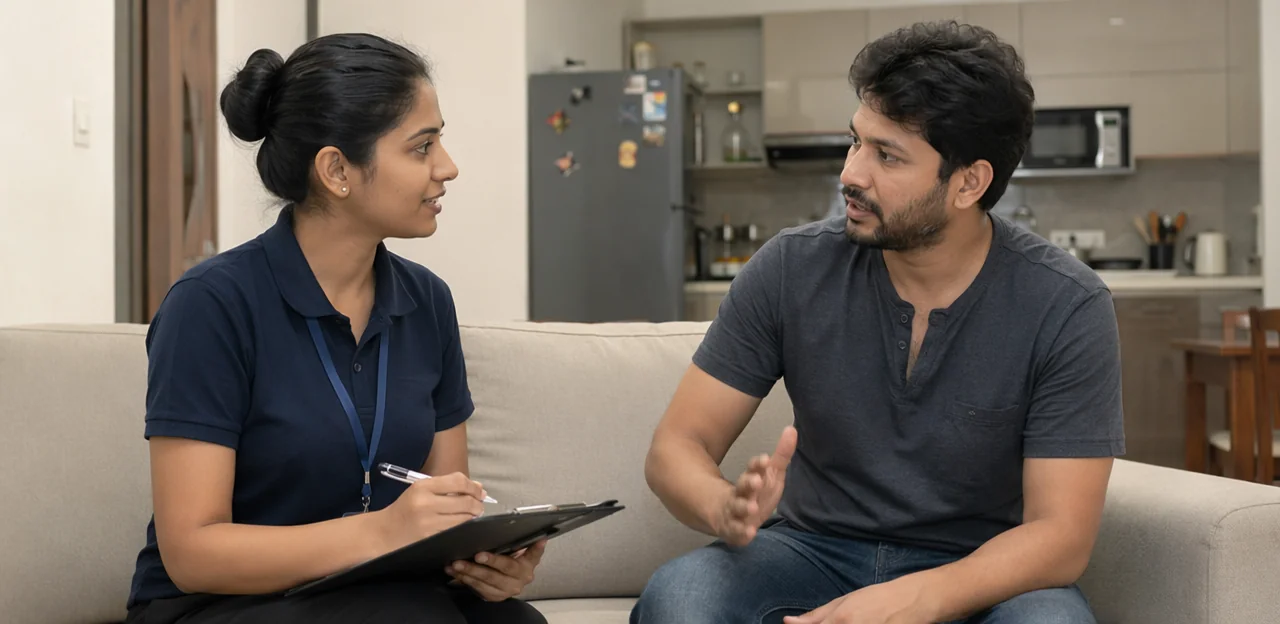
Create clear intake and triage workflows
Strong resident complaint management starts with a consistent complaint intake process across every channel. Whether a resident calls, emails, submits a portal form, or speaks to an onsite team member, staff should capture the same core details:
- Resident name, unit, and contact information
- Issue category and location
- Time reported and supporting photos or notes
- Immediate safety or service risks
- Preferred follow-up method
Then apply a simple complaint triage framework so cases are routed fast and fairly:
- Urgency: active leaks, power loss, lockouts, or no heat
- Risk: health, safety, security, or compliance concerns
- Resident impact: number of residents affected, repeat disruption, or vulnerability factors
Use shared forms, standard tags, and escalation rules to reduce delays. Tools like Tapsy can also help capture issues quickly at physical touchpoints and route alerts in real time.
Set response times and ownership rules
Clear rules prevent complaints from stalling and help resident complaint management stay consistent across teams. Define a realistic complaint response time for each issue type, then assign one person to drive the case from start to finish.
- Set service levels: For example, acknowledge within 1 business day, inspect within 48 hours, and provide an update every 3–5 days until resolved.
- Assign named case ownership: Every complaint should have a single accountable owner, even if multiple contractors or departments are involved.
- Create escalation paths: Flag overdue cases, repeat complaints, safety risks, and vulnerable resident situations for fast escalation to senior staff.
- Track follow-up accountability: Use dashboards, reminders, and audit trails to confirm updates happen on time.
Tools such as Tapsy can also help route issues quickly and support faster follow-up.
Document every interaction consistently
Consistent documentation is the backbone of effective resident complaint management. When every call, email, portal message, inspection note, and repair update is stored in one shared system, teams can pick up cases without asking residents to repeat the same story.
- Use a centralized resident complaint log to record:
- date and time
- issue type and location
- resident comments
- actions taken
- owner, status, and follow-up date
- Standardize complaint tracking fields so nothing important is missed during handoffs or shift changes.
- Review records regularly to spot patterns, such as repeated leaks in one building, recurring noise complaints at certain times, or delays linked to specific contractors.
A clear, searchable history improves continuity, supports faster resolutions, and helps teams address root causes instead of repeatedly treating symptoms.
Preventing recurring property issues through root-cause analysis
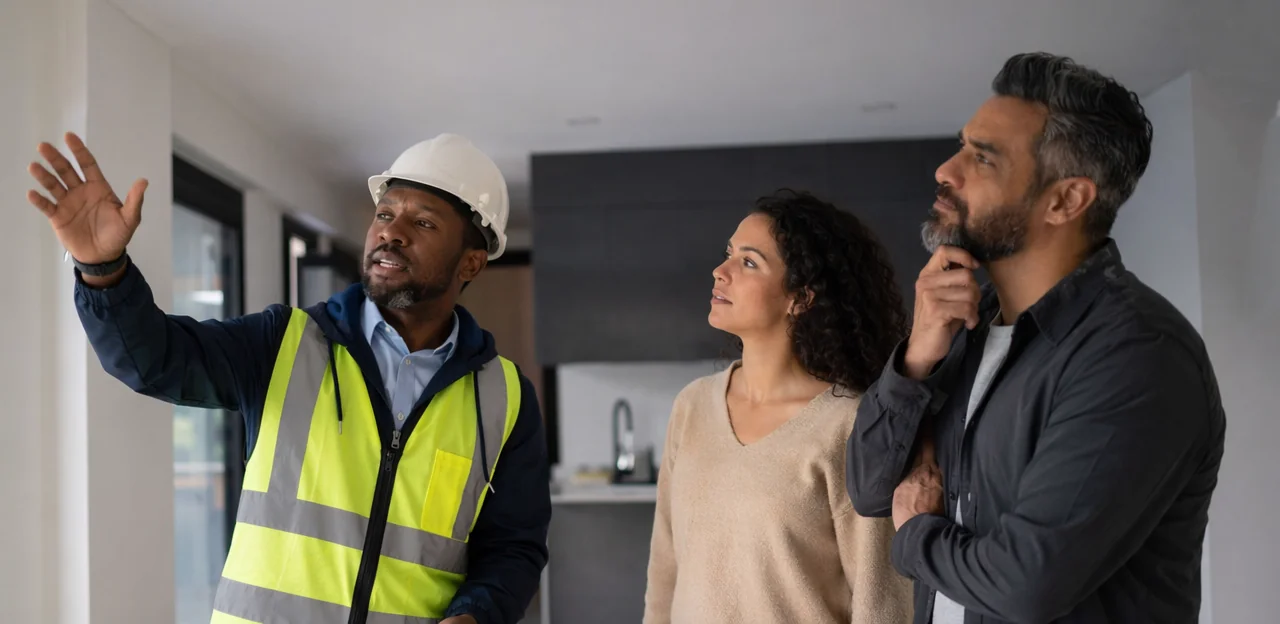
Move beyond symptom-based fixes
In effective resident complaint management, fast responses matter, but patching the visible problem rarely solves it for good. A hallway cleaned once, a leaking pipe temporarily sealed, or a noise complaint handled case by case may reduce immediate frustration, yet the same issue often returns when teams fail to address the deeper cause.
To prevent recurring issues, investigate patterns behind repeat complaints:
- Maintenance: Are assets aging, inspections missed, or repairs only temporary?
- Staffing: Are teams understaffed, poorly trained, or unclear on escalation steps?
- Vendors: Are contractors missing service levels or closing jobs without resolution?
- Policies: Do outdated rules create delays, confusion, or inconsistent follow-up?
Use root cause analysis to connect complaints to operational failures, then assign corrective actions, owners, and review dates. Tools like Tapsy can help capture recurring feedback trends earlier, so teams fix systems, not just symptoms.
Use complaint data to spot patterns
Strong resident complaint management depends on turning reports into operational insight, not just closing tickets. Use complaint analytics to review complaints across five key dimensions:
- Volume: Track spikes in total complaints by week or month to flag worsening service areas.
- Location: Compare buildings, floors, blocks, or shared spaces to uncover hotspots.
- Asset type: Group issues by lifts, plumbing, heating, lighting, access control, or waste systems to reveal recurring failures.
- Timing: Look for patterns by season, day, or time to identify staffing gaps or demand peaks.
- Resolution history: Measure repeat complaints, reopen rates, and time to resolve to find fixes that are only temporary.
When these data points are reviewed together, property issue trends become clearer, helping teams identify systemic maintenance, contractor, or process problems earlier. Tools like Tapsy can support faster issue capture at key resident touchpoints.
Turn findings into preventive action plans
Effective resident complaint management should not end with case closure. The real value comes from turning repeat complaint patterns into a practical service improvement plan that reduces future issues.
- Build preventive maintenance schedules: If complaints repeatedly mention leaks, lighting failures, or HVAC breakdowns, group them by asset type and set inspection, servicing, and replacement intervals.
- Update processes: Map where delays or miscommunication happen, then revise handoff steps, response times, escalation rules, and resident updates.
- Train frontline teams: Use complaint themes to coach staff on diagnosis, empathy, follow-up, and documenting root causes accurately.
- Strengthen vendor accountability: Track contractor performance by repeat issue rates, completion quality, and missed SLAs, then use scorecards in reviews.
- Monitor results: Compare complaint volume before and after each change to confirm your preventive maintenance strategy is working.
Tools like Tapsy can help capture recurring issues faster across residential touchpoints.
Communication and service recovery best practices

Acknowledge concerns with empathy and clarity
Strong resident complaint management starts with how staff respond in the first few moments. In sensitive situations, frontline teams should:
- Validate the concern clearly: Use phrases like “I understand why this is frustrating” to show the resident has been heard.
- Explain next steps specifically: Outline what will happen, who owns the issue, and when the resident can expect an update.
- Avoid defensive language: Don’t shift blame, minimise the problem, or rely on vague statements such as “we’re looking into it.”
- Document and confirm details: Repeat key facts back to the resident to prevent misunderstandings and improve resident communication.
This approach strengthens service recovery, builds trust, and reduces the risk of repeat complaints.
Provide proactive updates during resolution
In resident complaint management, silence often creates more frustration than the delay itself. When a repair needs multiple visits, special-order parts, landlord approvals, or outside vendor coordination, residents want clear repair communication and reliable complaint follow-up.
- Send an update at every milestone: inspection booked, diagnosis confirmed, part ordered, vendor assigned, and next visit scheduled.
- Explain why there is a delay, not just that one exists.
- Give realistic timelines and name the next action owner.
- Notify residents immediately if appointments change or access is needed again.
Proactive updates show accountability, reduce repeat calls, and help residents feel their issue is being actively managed rather than ignored.
Close the loop after the issue is resolved
Closing the loop is a critical step in resident complaint management because it proves the issue was not just logged, but fully addressed. After complaint resolution, follow up with the resident to confirm the fix worked and ask whether they are satisfied with the outcome.
- Confirm the resolution: Verify the repair, service correction, or policy action is complete.
- Check resident satisfaction: Use a quick call, email, or SMS to learn whether the resident feels heard and supported.
- Document lessons learned: Record root causes, response gaps, and preventive actions to reduce repeat issues.
This final step strengthens trust, improves resident satisfaction, and helps teams prevent recurring property problems.
Training teams and aligning operations for better outcomes

Equip staff with complaint handling skills
Strong resident complaint management starts with practical, repeatable staff training. Effective complaint handling training should cover:
- Active listening: teach teams to acknowledge concerns, avoid interrupting, and confirm understanding by summarizing the issue back to the resident.
- De-escalation: use calm language, empathy, and solution-focused responses to support de-escalation in housing situations before frustration grows.
- Clear documentation: record the complaint, actions taken, timelines, and follow-up commitments in a consistent format.
- Expectation setting: explain what will happen next, who owns the issue, and realistic resolution times.
- Cross-functional coordination: align housing, maintenance, cleaning, and customer service teams so residents receive one consistent response.
Tools like Tapsy can also help teams capture and route complaints faster.
Coordinate property, maintenance, and service teams
Strong resident complaint management depends on connected teams, not isolated handoffs. When leasing, concierge, cleaning, and repair staff share the same workflow, property operations become faster and more consistent, reducing repeat complaints and missed updates.
- Use one intake system so every issue is logged once, categorized correctly, and visible across departments.
- Assign clear ownership for each task, with deadlines, escalation rules, and status updates residents can understand.
- Hold short cross-team reviews to spot recurring faults, vendor delays, or communication gaps.
- Standardize handoffs between front-of-house and maintenance coordination teams to prevent duplicate work.
Tools like Tapsy can also help route real-time feedback to the right team quickly.
Use technology to support visibility and accountability
Technology gives resident complaint management the structure needed to resolve issues faster and stop repeat failures. The right property management software should connect complaints, repairs, and follow-up in one workflow.
- CRM systems centralize resident history, so teams can see past complaints, communication logs, and recurring patterns.
- A complaint management system linked to work order platforms ensures every issue is assigned, tracked, and closed with clear ownership.
- Dashboards help managers monitor response times, open cases, repeat locations, and contractor performance.
- Automated alerts flag overdue repairs, repeated complaints, or high-risk categories before they escalate.
Tools like Tapsy can also support real-time issue capture at key resident touchpoints.
Measuring success and continuously improving complaint management

Track the right KPIs
To improve resident complaint management, measure the metrics that show both speed and quality:
- First response time: How quickly staff acknowledge a complaint
- Resolution time: Time taken to fully fix the issue
- Repeat complaint rate: How often the same problem is reported again
- Escalation rate: Percentage of cases needing manager or specialist intervention
- Resident satisfaction metrics: Post-resolution ratings, CSAT, or short feedback scores
- Closure quality: Whether the fix was complete, documented, and confirmed by the resident
These complaint management KPIs help teams spot bottlenecks, reduce recurring issues, and improve accountability. Use dashboards by property, issue type, and contractor to turn data into action.
Gather feedback and audit closed cases
Closing a ticket should not end the resident complaint management process. To prevent repeat issues, teams need structured resident feedback and consistent quality assurance checks after work is marked complete.
- Send short surveys within 24–48 hours to confirm whether the fix solved the problem and whether communication met expectations.
- Use follow-up callbacks for complex, high-risk, or repeat complaints to verify the resident’s experience directly.
- Audit closed cases by reviewing notes, photos, contractor updates, and timelines to spot missed steps or weak handoffs.
- Track patterns in reopened cases, low survey scores, and recurring locations to identify service gaps.
Tools like Tapsy can help capture fast, real-time feedback at key housing touchpoints.
Create a culture of continuous improvement
Leadership should treat resident complaint management as a strategic source of insight, not just a service desk function. To build a culture of continuous improvement and support operational excellence, turn complaint data into clear action:
- Review patterns regularly: Track repeat issues by property, contractor, team, or asset type.
- Assign ownership: Give leaders clear accountability for root-cause fixes, not just case closure.
- Share lessons across teams: Use complaint trends to improve maintenance, communication, and frontline training.
- Measure prevention, not only response: Monitor whether recurring complaints decline over time.
Tools like Tapsy can help capture real-time resident feedback, making it easier to spot issues early and improve the overall resident experience.
Conclusion
Effective resident complaint management is not just about responding faster. It is about identifying patterns, fixing root causes, and creating a better living experience before small frustrations become recurring property issues. When housing teams centralize complaints, track trends across locations, assign clear ownership, and close the loop with residents, they move from reactive service to proactive improvement.
The strongest approach combines consistent reporting processes, timely communication, and data-driven follow-up. Whether the issue is maintenance delays, cleanliness, noise, safety concerns, or shared-space problems, resident complaint management helps teams spot repeat failures early and prevent them from damaging trust, satisfaction, and retention. Just as importantly, it gives residents confidence that their feedback leads to action.
Now is the time to review your current complaint workflows, identify recurring issues, and strengthen your service recovery strategy. Start by auditing complaint categories, response times, escalation paths, and resolution quality. Then invest in tools and processes that make it easier to capture real-time feedback and act on it quickly. Solutions such as Tapsy can support this by helping housing providers collect feedback at key touchpoints and respond before issues escalate.
If you want to reduce repeat complaints and improve resident experience, make resident complaint management a core operational priority.
Frequently Asked Questions
- What is resident complaint management in housing and property operations?
Resident complaint management is the process of capturing, tracking, resolving, and learning from resident concerns. It goes beyond replying quickly by identifying patterns, fixing root causes, and preventing the same property issues from happening again.
- Why do recurring resident complaints create bigger operational problems?
Repeat complaints increase operational costs through duplicate admin work, repeat visits, contractor callouts, and emergency repairs. They also reduce resident trust, raise dissatisfaction, and can damage reputation through poor reviews and formal complaints.
- Which complaint types most often repeat in residential communities?
Common recurring categories include maintenance delays, noise disturbances, cleanliness concerns, safety issues, communication gaps, and amenity disruptions. Tracking complaints by category helps teams spot repeat failures and prioritize preventive action.
- How should a property team set up a complaint intake process?
Use a consistent intake workflow across calls, emails, portal forms, and onsite conversations. Capture the resident name, unit, contact details, issue category, location, time reported, supporting notes or photos, any immediate risks, and the preferred follow-up method.
- What is the best way to triage resident complaints?
A simple triage framework should assess urgency, risk, and resident impact. Active leaks, power loss, lockouts, no heat, safety concerns, and issues affecting multiple or vulnerable residents should be routed faster and escalated when needed.
- How can teams prevent complaints from stalling after they are logged?
Set clear service levels, such as acknowledging within 1 business day, inspecting within 48 hours, and sending updates every 3 to 5 days until resolution. Each case should also have one named owner, plus escalation rules for overdue, repeat, or high-risk issues.
- Why is a centralized complaint log important?
A centralized log gives every team access to the same case history, so residents do not have to repeat their issue. It also makes it easier to track actions taken, follow-up dates, ownership, and recurring patterns across buildings, times, or contractors.
- What does root-cause analysis look like for repeat property issues?
Root-cause analysis means looking beyond the visible symptom to find the operational reason the issue keeps returning. Teams should review whether the problem is linked to aging assets, missed inspections, staffing gaps, poor training, vendor performance, or outdated policies.
- How can complaint data be used to spot patterns early?
Review complaint data by volume, location, asset type, timing, and resolution history. Looking at these dimensions together helps reveal hotspots, recurring failures, seasonal spikes, staffing gaps, and fixes that are only temporary.
- What should be included in a preventive action plan after repeat complaints are identified?
A preventive action plan should include maintenance schedules, process updates, staff training, vendor accountability, and result monitoring. The goal is to turn complaint trends into specific actions with owners and review points, rather than simply closing cases.
- How should staff communicate when a resident first raises a complaint?
Staff should acknowledge the concern with empathy, validate the frustration, and explain the next steps clearly. They should avoid defensive language, confirm key details, and tell the resident who owns the issue and when an update will come.
- Why are proactive updates so important during complaint resolution?
Silence often creates more frustration than the delay itself. Sending updates at key milestones, explaining the reason for delays, and confirming the next action helps residents feel the issue is actively managed and reduces repeat calls.
- What does it mean to close the loop after resolving a complaint?
Closing the loop means confirming the repair or corrective action is complete and checking whether the resident is satisfied with the outcome. It should also include documenting lessons learned, root causes, and preventive steps to reduce future repeat issues.
- What skills should frontline teams be trained on for better complaint handling?
Training should cover active listening, de-escalation, clear documentation, expectation setting, and cross-functional coordination. These skills help teams respond consistently, reduce misunderstandings, and improve service recovery across housing, maintenance, cleaning, and customer service functions.
- How can tools like Tapsy support resident complaint management?
Tools such as Tapsy can help capture resident feedback at key touchpoints and route issues in real time. They can also support faster issue visibility, earlier pattern detection, and quicker follow-up before problems escalate.