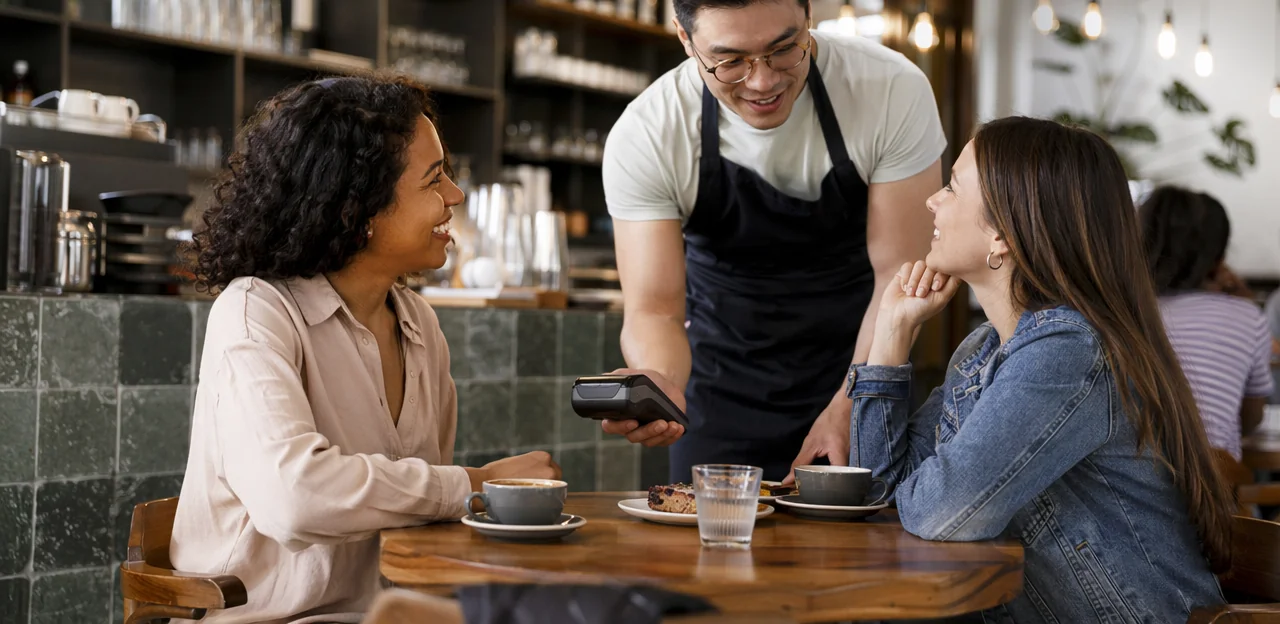
A traditional restaurant loyalty card once felt like a simple, effective way to bring guests back. But in today’s fast-moving hospitality landscape, paper stamp cards and basic points systems often fall short of what modern diners expect. Restaurants and cafés now need smarter, more flexible ways to build restaurant loyalty, capture useful customer insights, and create experiences that feel seamless rather than transactional.
That shift is driving interest in restaurant loyalty programs that go beyond the wallet. From the digital loyalty card and loyalty card app to AI-powered rewards, feedback tools, and personalized offers, businesses are rethinking how restaurant loyalty schemes should work in a mobile-first, data-driven world. The goal is no longer just repeat visits—it’s stronger restaurant customer loyalty, better retention, and more meaningful engagement at every touchpoint.
In this article, we’ll explore the most effective alternatives to the traditional restaurant loyalty card, including digital-first solutions, integrated platforms, and loyalty card marketing strategies that support both growth and guest satisfaction. We’ll also look at what makes the best restaurant loyalty programs stand out, how to choose the right software for your venue, and how emerging tools are helping operators turn loyalty into a measurable part of the customer experience.
Why Restaurants Are Reconsidering the Traditional Restaurant Loyalty Card
Traditional restaurant loyalty card systems are simple, but they create real limits for growth and retention:
- Easy to misuse: Paper stamps and punch cards can be copied, over-stamped, or redeemed without clear controls, weakening trust in your restaurant loyalty schemes.
- Frequently lost or forgotten: When guests misplace cards, visits go untracked and rewards feel frustrating rather than motivating.
- No useful customer data: Basic cards rarely capture purchase history, visit frequency, or preferences, making restaurant customer loyalty hard to measure.
- Weak personalization: Without data, restaurant loyalty programs cannot tailor offers, timing, or rewards the way a digital loyalty card or loyalty card app can.
- Limited marketing value: Old-school cards support poor loyalty card marketing and fall short of the best restaurant loyalty programs, which drive modern restaurant loyalty through smarter engagement.
How guest expectations have changed
Today’s diners expect restaurant loyalty to feel as smooth as ordering and paying. A traditional restaurant loyalty card can seem slow, easy to forget, and disconnected from the overall customer experience. In contrast, modern restaurant loyalty programs are increasingly digital, instant, and personalized.
- Convenience comes first: Guests want rewards tracked automatically, not stamped manually.
- Mobile habits drive behavior: Online ordering, QR menus, and contactless payments make a digital loyalty card or loyalty card app feel like the natural next step.
- Personalization matters: The best restaurant loyalty programs use purchase history to send relevant offers, improving restaurant customer loyalty.
- Speed boosts engagement: Smart loyalty card marketing and digital restaurant loyalty schemes reduce friction and increase repeat visits.
Restaurants that remove manual steps are better positioned to build lasting loyalty.
When a classic loyalty card still makes sense
A restaurant loyalty card can still be a smart choice in specific situations, especially for small cafés, bakeries, and neighborhood takeaway spots that want simple restaurant loyalty without added tech costs.
- Low transaction complexity: If guests mainly buy one repeat item, a stamp-based card is easy to understand and use.
- Regular local traffic: Classic restaurant loyalty programs work best when the same customers visit often and staff recognize them.
- Limited budget or time: Printed cards can support basic loyalty card marketing without needing a loyalty card app or staff training.
The tradeoff: manual cards offer limited data, weaker personalization, and no real-time insight into restaurant customer loyalty. Compared with a digital loyalty card, they are easier to lose and harder to scale. For many operators, traditional restaurant loyalty schemes are a starting point, not the long-term answer used in the best restaurant loyalty programs.
Top Restaurant Loyalty Card Alternatives to Consider

Digital loyalty cards and mobile wallet passes
A restaurant loyalty card no longer needs to be plastic. Today, a digital loyalty card can be delivered by SMS link, accessed through a QR code, stored in Apple Wallet or Google Wallet, or tied directly to a POS-linked customer profile. Guests simply scan, tap, or enter their phone number to collect points and redeem rewards—no separate loyalty card app is always required.
Benefits for restaurant loyalty include:
- Greater convenience: Customers are less likely to lose a phone-based card than a paper stamp card.
- Better tracking: Restaurants can monitor visits, reward redemptions, and spending patterns across restaurant loyalty programs.
- More repeat visits: Automated offers, birthday rewards, and bounce-back incentives support stronger restaurant customer loyalty.
- Smarter marketing: Personalized promotions make loyalty card marketing more effective than generic discounts.
For operators comparing restaurant loyalty schemes, mobile wallet passes are often among the best restaurant loyalty programs because they reduce friction while making rewards easy to use.
App-based rewards and branded loyalty experiences
A restaurant loyalty card can evolve into a full loyalty card app or branded mobile app, giving restaurants more control over restaurant loyalty than paper stamps or basic QR offers. This model works well when you want to combine a digital loyalty card with mobile ordering, stored offers, points tracking, and push notifications in one place.
Pros
- Stronger brand visibility on the customer’s phone
- Richer data for restaurant customer loyalty campaigns
- Easier upselling through app-only deals, reactivation offers, and loyalty card marketing
- Can support advanced restaurant loyalty programs with tiers, birthdays, referrals, and order history
Cons
- Higher setup and maintenance costs
- Requires ongoing app downloads and user adoption
- Push notifications can feel intrusive if overused
This approach performs best for multi-location groups, high-frequency cafés, and operators building some of the best restaurant loyalty programs. For smaller venues, simpler restaurant loyalty schemes may deliver better ROI unless app engagement is consistently high.
CRM, email, and SMS-driven retention programs
A restaurant loyalty card is no longer the only way to build repeat visits. Modern CRM-based restaurant loyalty programs let cafés and restaurants replace punch cards with customer profiles, automated messaging, and behavior-based rewards that feel more personal and measurable.
- Build customer profiles: Capture visit frequency, average spend, favorite items, and channel preferences to strengthen restaurant customer loyalty.
- Segment campaigns: Send tailored offers to lunch regulars, lapsed guests, high spenders, or weekend diners instead of using one-size-fits-all loyalty card marketing.
- Automate key moments: Trigger birthday rewards, anniversary offers, post-visit thank-yous, and win-back messages after 30–60 days of inactivity.
- Personalize by behavior: Recommend dishes based on past orders or offer upgrades tied to visit patterns, improving restaurant loyalty and conversions.
Compared with traditional restaurant loyalty schemes, a digital loyalty card or loyalty card app gives operators clearer data, easier testing, and more flexibility—key traits of the best restaurant loyalty programs.
How to Choose the Right Restaurant Loyalty Model
Match the program to your service style and audience
The best restaurant loyalty card alternative depends on how often guests visit, how much they spend, and how comfortable they are with digital tools. Strong restaurant loyalty programs should fit real customer behavior, not just copy competitors.
- Cafés: High-frequency, lower-spend visits often suit a simple digital loyalty card or points model. Fast rewards help build restaurant customer loyalty.
- Quick-service restaurants: Choose low-friction restaurant loyalty schemes with mobile ordering, QR scan, or a loyalty card app to match speed and convenience.
- Casual dining: Visit frequency is lower, so focus on higher-value rewards, personalized offers, and smart loyalty card marketing tied to average spend.
- Multi-location brands: The best restaurant loyalty programs need centralized data, consistent branding, and location-level insights.
If your audience prefers tap-and-go feedback and rewards, tools like Tapsy can support digital engagement without adding friction.
Compare software features, integrations, and data access
When replacing a restaurant loyalty card with digital tools, strong software selection matters as much as the offer itself. Compare platforms on the features that improve restaurant customer loyalty and day-to-day usability:
- POS integration: Ensure the system connects with your POS to track visits, spend, redemptions, and reward triggers automatically.
- CRM syncing: A good loyalty card app should sync customer profiles, preferences, and consent data for better follow-up.
- Analytics dashboards: Look for clear AI & analytics tools that show repeat visits, campaign performance, and member value.
- Offer automation: The best restaurant loyalty programs automate birthday rewards, win-back offers, and post-visit promotions.
- Segmentation and reporting: Choose software that supports targeted loyalty card marketing, audience segments, and exportable reports.
The right digital loyalty card platform makes restaurant loyalty programs and restaurant loyalty schemes easier to scale, measure, and improve.
Calculate cost, ROI, and operational impact
When replacing a restaurant loyalty card with a more advanced digital loyalty card or loyalty card app, assess value beyond software price alone:
- Setup costs: Compare hardware, platform fees, integrations with POS, and migration from legacy restaurant loyalty schemes.
- Training time: Estimate staff hours needed to explain the new restaurant loyalty process, redeem rewards, and troubleshoot guest issues.
- Redemption rates: Higher redemption can signal stronger restaurant customer loyalty, but also increases reward costs.
- Margin impact: Measure whether offers drive profitable repeat visits, larger baskets, or discount-heavy behavior that hurts margins.
- Retention value: Track 30-, 60-, and 90-day repeat visits, customer lifetime value, and campaign response.
The best restaurant loyalty programs improve efficiency, simplify loyalty card marketing, and create measurable ROI instead of just digitizing old restaurant loyalty programs.
Using AI and Analytics to Improve Restaurant Loyalty
Turn transaction data into actionable customer insights
A restaurant loyalty card should do more than track stamps. With AI & analytics, restaurants can turn POS and ordering data into smarter restaurant loyalty programs that improve restaurant customer loyalty and revenue.
- Spot visit patterns: Identify peak days, average spend, favorite items, and time between visits.
- Find top segments: Separate regulars, deal-seekers, families, lunch crowds, and high-value guests for targeted loyalty card marketing.
- Predict churn risk: Flag customers whose visit frequency or spend is dropping, then trigger timely offers through a digital loyalty card or loyalty card app.
- Reward high-value behaviors: Incentivize add-ons, off-peak visits, referrals, and repeat purchases—not just transactions.
This makes restaurant loyalty schemes more personalized, measurable, and effective than traditional stamp cards, helping build the best restaurant loyalty programs for lasting restaurant loyalty.
Personalize offers without overcomplicating operations
A restaurant loyalty card works best when rewards are simple for staff and relevant for guests. Instead of broad discounts, use data-driven loyalty card marketing to match offers to actual behavior and improve redemption.
- Offer targeted discounts based on order history, such as 10% off lunch for weekday regulars.
- Use item-based rewards in your digital loyalty card, like a free pastry after five coffee purchases.
- Set visit triggers that activate rewards after a second or third visit to strengthen restaurant customer loyalty.
- Run time-sensitive promotions during slow hours to support restaurant loyalty programs without cutting margins all day.
The best restaurant loyalty schemes and loyalty card app tools keep personalization automated, making restaurant loyalty more effective and easier to manage.
Measure success with the right loyalty KPIs
To judge whether a restaurant loyalty card or digital loyalty card is working, track the metrics that directly affect revenue and retention. Strong restaurant loyalty programs focus on:
- Repeat visit rate: how often guests return after joining your restaurant loyalty offer
- Average order value: whether members spend more per visit
- Customer lifetime value: total long-term value created through restaurant customer loyalty
- Redemption rate: how often rewards are claimed in your restaurant loyalty schemes
- Inactive customer reactivation: how many lapsed diners return after a campaign
- Campaign performance: opens, clicks, redemptions, and revenue from each loyalty card marketing push or loyalty card app
These KPIs help identify the best restaurant loyalty programs and show what actually drives profitable growth.
Best Practices for Launching and Promoting Loyalty Alternatives

Design rewards customers actually value
A successful restaurant loyalty card should reward behavior customers already want to repeat while protecting your margins. The strongest restaurant loyalty programs keep the offer easy to understand and easy to redeem.
Consider rewards such as:
- a free coffee, soft drink, or dessert after a set number of visits
- low-cost upgrades, like extra toppings or a larger size
- exclusive menu items or limited-time specials
- early access to seasonal dishes or events
These options often outperform complicated restaurant loyalty schemes because guests instantly understand the value. Simplicity improves adoption, redemption, and overall restaurant customer loyalty.
Whether you use a digital loyalty card or loyalty card app, track which rewards drive repeat visits, not just redemptions. The best restaurant loyalty programs balance clear value, strong loyalty card marketing, and sustainable restaurant loyalty economics.
Train staff and integrate loyalty into the guest journey
Even the best restaurant loyalty card strategy fails if staff do not introduce it naturally. Strong execution turns restaurant loyalty programs into a seamless part of the customer experience, not a forced sales script.
- At ordering: Train servers and baristas to mention the benefit first: “Would you like to collect points on today’s order?” This makes restaurant loyalty feel helpful and immediate.
- At checkout: Cashiers should offer a fast sign-up option through a digital loyalty card or loyalty card app, especially for first-time guests.
- After the visit: Use follow-up SMS or email to reinforce rewards, promote offers, and support loyalty card marketing.
Keep messaging consistent, simple, and reward-led. The best restaurant loyalty programs improve restaurant customer loyalty because they feel easy, relevant, and well-timed within everyday service.
Promote across in-store, online, and owned channels
To grow adoption, promote your restaurant loyalty card everywhere guests already interact with your brand. Strong loyalty card marketing combines in-person prompts with digital reminders so sign-ups feel effortless.
- In-store: Add table tents, window decals, counter signage, and receipt messages with a QR code linking to your digital loyalty card or loyalty card app. Train staff to mention it at payment and highlight the first reward.
- Online: Feature your restaurant loyalty programs on your website homepage, ordering pages, and booking confirmations.
- Owned channels: Use email and SMS to announce launch offers, bonus points days, birthday rewards, and win-back campaigns.
- Social media: Share short videos, reward explainers, and customer success posts to support restaurant customer loyalty.
Consistent promotion helps restaurant loyalty schemes compete with the best restaurant loyalty programs.
Examples of What the Best Restaurant Loyalty Programs Get Right
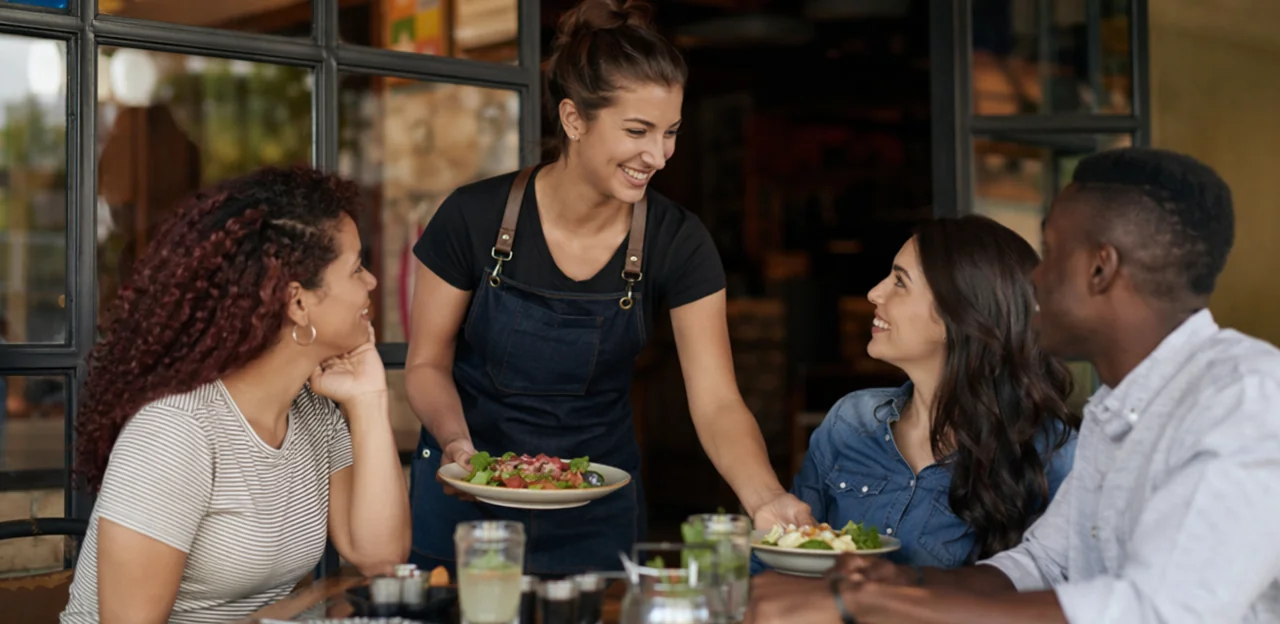
High-performing restaurant loyalty programs tend to share a few essentials:
- Easy enrollment: Guests join in seconds, whether through a digital loyalty card, SMS, QR code, or a simple loyalty card app instead of a traditional restaurant loyalty card.
- Low-friction redemption: Rewards should feel instant and easy to claim.
- Strong branding: The experience should reflect your venue’s identity, not feel generic.
- Useful data capture: The best restaurant loyalty programs support restaurant customer loyalty by collecting preferences and visit behavior.
- Consistent communication: Effective loyalty card marketing connects in-store, email, SMS, and social channels to strengthen restaurant loyalty schemes and long-term restaurant loyalty.
Mistakes to avoid when replacing a loyalty card
When replacing a restaurant loyalty card, avoid common mistakes that weaken adoption and results:
- Overcomplicated rewards: If guests struggle to understand points, tiers, or expiry rules, restaurant loyalty programs lose appeal fast.
- Poor POS integration: Weak software selection creates staff friction, missed redemptions, and unreliable data.
- Too many app requirements: A bulky loyalty card app can reduce sign-ups; a simple digital loyalty card often performs better.
- Weak staff adoption: Train teams to explain benefits clearly and support loyalty card marketing.
- No retention tracking: Measure repeat visits, spend, and restaurant customer loyalty to improve restaurant loyalty schemes and identify the best restaurant loyalty programs.
A practical roadmap for restaurants and cafés
- Audit your current restaurant loyalty card: Review sign-up friction, redemption rates, repeat visits, and costs. Identify what weakens restaurant customer loyalty.
- Choose the right alternative: Compare a digital loyalty card, loyalty card app, or broader restaurant loyalty programs based on ease, data capture, and scalability.
- Run a pilot: Test one location or segment, promote it with smart loyalty card marketing, and track uptake.
- Optimize with AI & analytics: Use feedback, visit patterns, and reward performance to refine restaurant loyalty schemes and build one of the best restaurant loyalty programs for lasting restaurant loyalty.
Conclusion
As customer expectations evolve, the traditional restaurant loyalty card is no longer the only—or always the best—way to build repeat visits. Today’s most effective restaurant loyalty strategies combine convenience, personalization, and real-time insight, whether through a digital loyalty card, a mobile-first loyalty card app, QR-based rewards, or integrated feedback and retention tools. For restaurants and cafés, the goal is not simply handing out points, but creating memorable experiences that strengthen restaurant customer loyalty and turn occasional guests into regulars.
The strongest restaurant loyalty programs are easy to join, simple to use, and backed by data that helps operators refine offers, improve service, and measure results. From modern restaurant loyalty schemes to smarter loyalty card marketing, choosing the right approach can help you stand out in a crowded market while reducing friction for both staff and guests. If you’re comparing the best restaurant loyalty programs, focus on solutions that fit your service model, support long-term restaurant loyalty, and adapt as your business grows.
Next, audit your current retention strategy, identify where a physical restaurant loyalty card may be falling short, and explore digital alternatives that better match how customers engage today. For deeper guidance, review your POS and CRM capabilities, compare software vendors, and consider platforms such as Tapsy that connect engagement, feedback, and rewards in one experience.
Frequently Asked Questions
- Why are many restaurants moving away from traditional loyalty cards?
Paper stamp cards and basic punch systems are easy to misuse, often get lost, and provide little useful customer data. They also make personalization difficult and limit marketing options compared with digital loyalty tools.
- When does a classic restaurant loyalty card still make sense?
A traditional card can still work for small cafés, bakeries, and neighborhood takeaway spots with simple repeat purchases. It is most suitable when regular local customers visit often and the business wants a low-cost option without extra technology or training.
- What is a digital loyalty card for restaurants?
A digital loyalty card is a phone-based reward system that can be delivered by SMS link, QR code, mobile wallet pass, or a POS-linked customer profile. Guests can scan, tap, or enter their phone number to collect points and redeem rewards without relying on a physical card.
- How do mobile wallet passes help improve restaurant loyalty?
Mobile wallet passes reduce friction because customers are less likely to lose them than paper cards. They also help restaurants track visits, redemptions, and spending patterns while supporting automated offers like birthday rewards and bounce-back incentives.
- What are the pros and cons of a branded loyalty app?
A branded app can increase visibility on the customer’s phone, support richer data collection, and combine ordering, offers, points tracking, and notifications in one place. However, it usually costs more to build and maintain, depends on customer downloads, and can feel intrusive if push notifications are overused.
- How can CRM, email, and SMS replace a punch card system?
CRM-based retention programs build customer profiles and use automated messaging to encourage repeat visits. Restaurants can segment audiences, send birthday or win-back offers, and personalize promotions based on visit frequency, spending, and order history.
- How should a restaurant choose the right loyalty model?
The best model depends on service style, visit frequency, average spend, and how comfortable guests are with digital tools. Cafés often benefit from simple digital rewards, quick-service venues need low-friction mobile options, and casual dining may need higher-value personalized offers.
- What software features matter most when replacing a physical loyalty card?
Key features include POS integration, CRM syncing, analytics dashboards, offer automation, and audience segmentation. These tools make it easier to track visits and spend, automate rewards, and measure campaign performance over time.
- How can restaurants evaluate the ROI of a digital loyalty program?
Restaurants should look beyond subscription cost and review setup expenses, staff training time, redemption rates, and margin impact. It is also important to track repeat visits, customer lifetime value, and whether offers drive profitable behavior instead of excessive discounting.
- How can AI and analytics improve restaurant loyalty efforts?
AI and analytics can reveal visit patterns, average spend, favorite items, and time between visits. They also help identify customer segments, predict churn risk, and trigger more targeted rewards based on behavior rather than generic discounts.
- What types of personalized offers work without making operations too complex?
Simple targeted offers tend to work best, such as lunch discounts for weekday regulars or a free pastry after several coffee purchases. Restaurants can also use visit-based triggers and time-sensitive promotions during slow hours to improve relevance without adding operational friction.
- Which loyalty KPIs should restaurants track?
Important metrics include repeat visit rate, average order value, customer lifetime value, redemption rate, inactive customer reactivation, and campaign performance. These indicators show whether the program is improving retention and generating profitable growth.
- What rewards usually perform well in restaurant loyalty programs?
Clear and easy-to-understand rewards often perform best, such as a free coffee, dessert, soft drink, low-cost upgrade, or early access to special menu items. Simple rewards improve adoption and redemption because customers quickly understand the value.
- How should staff introduce a new loyalty program to guests?
Staff should present the benefit naturally during ordering or checkout, using simple reward-led language. Restaurants can support this with fast sign-up options and follow-up email or SMS after the visit to reinforce rewards and future offers.
- What mistakes should restaurants avoid when replacing a loyalty card?
Common mistakes include overcomplicated rewards, poor POS integration, requiring too much from customers through a heavy app, weak staff adoption, and failing to track retention results. A practical rollout starts with auditing the current setup, choosing the right alternative, piloting it, and then refining it with data.