Winning a guest once is hard enough. Getting them to come back again and again is what turns a restaurant or café into a profitable, memorable brand. That is why restaurant loyalty programs have become a core part of modern restaurant operations, helping businesses increase repeat visits, grow first-party customer data, and build stronger relationships in an increasingly competitive market.
But not all loyalty programs deliver the same results. The best restaurant loyalty programs do more than hand out occasional discounts—they create meaningful reasons for customers to return, spend more, and engage with your brand across every touchpoint. From points-based rewards and personalized offers to tiered loyalty programs examples that encourage higher-value behavior, today’s strategies are smarter, more data-driven, and easier to manage with the right software.
In this article, we’ll break down what makes top restaurant loyalty programs effective, explore practical restaurant loyalty programs ideas, and highlight real-world loyalty programs that restaurants can learn from. We’ll also look at broader inspiration, including b2b loyalty programs examples and b2b customer loyalty programs examples, to uncover retention tactics that can be adapted for hospitality. Whether you’re refining an existing restaurant loyalty strategy or choosing a new platform, this guide will help you identify best practices that drive lasting customer loyalty and measurable growth.
Why Restaurant Loyalty Programs Matter for Growth
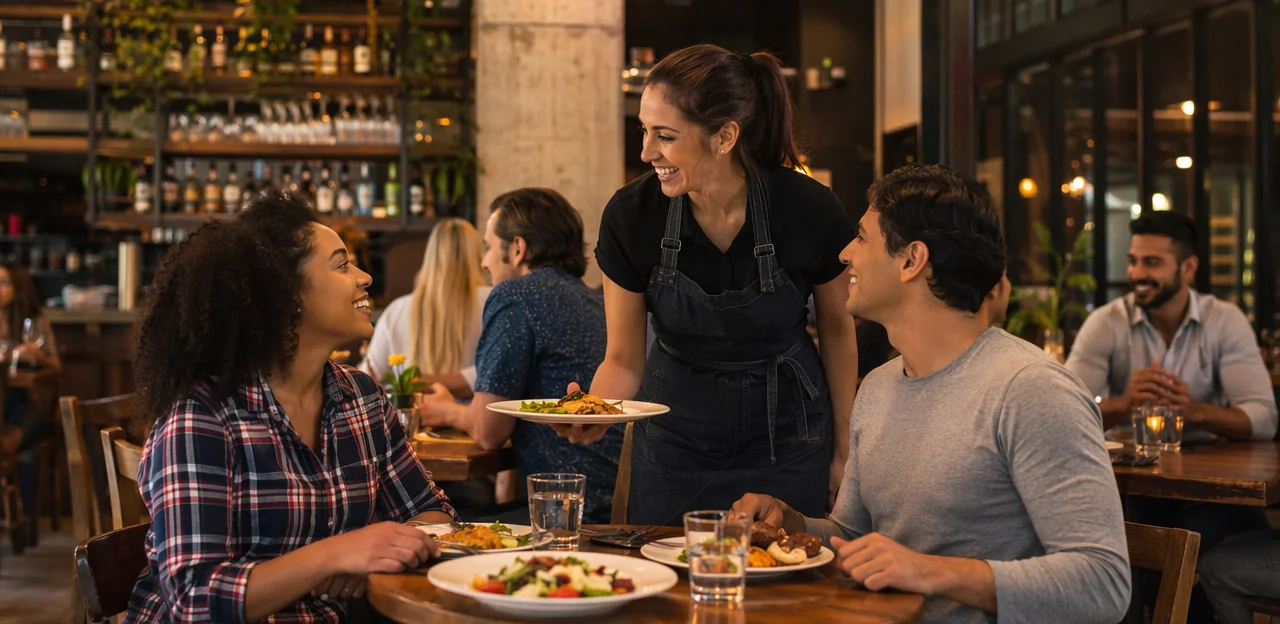
How restaurant loyalty drives repeat visits and higher lifetime value
Restaurant loyalty programs directly improve revenue by increasing visit frequency, average spend, and long-term retention. Winning back a lapsed guest usually costs more than keeping an existing one, so strong loyalty programs protect margin while building predictable repeat business.
- Higher retention, better economics: Even small gains in repeat visits can raise customer lifetime value significantly.
- Frequency growth: Timely rewards, points, or bounce-back offers give guests a reason to return sooner.
- Average ticket lift: The best restaurant loyalty programs encourage add-ons, upgrades, and higher-value orders.
- Stronger brand affinity: Personalized rewards make guests feel recognized, turning occasional diners into regulars.
The top restaurant loyalty programs are now operational tools, not just promotions. Use restaurant loyalty programs ideas like personalized offers and tiered loyalty programs examples to drive measurable restaurant loyalty. Even lessons from b2b loyalty programs examples and b2b customer loyalty programs examples show that consistent value deepens repeat behavior.
Key benefits for restaurants, cafés, and multi-location brands
Well-designed restaurant loyalty programs do more than drive repeat visits; they create a measurable engine for growth across both independent venues and expanding groups.
- Own more first-party data: Capture guest preferences, visit frequency, and purchase behavior to build smarter segmentation and stronger restaurant loyalty without relying only on third-party apps.
- Run targeted promotions: Use personalized offers, birthday rewards, and visit-based incentives as practical restaurant loyalty programs ideas that increase redemption and return rates.
- Improve the guest experience: The best restaurant loyalty programs make earning and redeeming simple, fast, and relevant at every touchpoint.
- Measure performance across locations: Multi-unit brands can compare campaign results, identify winning offers, and scale what works—one reason top restaurant loyalty programs often outperform generic loyalty programs.
For inspiration, borrow from tiered loyalty programs examples and even b2b loyalty programs examples or b2b customer loyalty programs examples to structure smarter rewards.
Today’s diners expect restaurant loyalty programs to feel as seamless as ordering a coffee or paying the bill. The best restaurant loyalty programs typically include:
- Mobile-first enrollment: join in seconds with a phone number, QR code, or tap—no lengthy forms.
- Instant rewards: points, freebies, or surprise perks delivered immediately, not weeks later.
- Personalized offers: promotions based on visit time, favorite items, spend level, or channel.
- Frictionless redemption: rewards that work automatically at checkout, whether in-store or online.
- Omnichannel access: one experience across dine-in, takeout, delivery, kiosks, and apps.
For operators, strong restaurant loyalty programs ideas often borrow from tiered loyalty programs examples and even b2b loyalty programs examples: clear value, simple rules, and consistent engagement. That’s why top restaurant loyalty programs strengthen restaurant loyalty by making every interaction easy, relevant, and rewarding.
Types of Restaurant Loyalty Programs and Real-World Examples

Points-based, visit-based, and spend-based models
The most effective restaurant loyalty programs usually follow three simple structures, each suited to different service styles and guest habits:
- Points-based: Guests earn points per order and redeem rewards later. Best for fast-casual and full-service brands with varied ticket sizes.
Pros: flexible, data-rich, easy to personalize.
Cons: can feel complicated if rewards are unclear.
Idea: offer double points on slow days or for trying new menu items. - Visit-based: Guests earn a reward after a set number of visits. Ideal for cafés and quick-service concepts with frequent repeat traffic.
Pros: simple, easy to explain, strong habit-builder.
Cons: less effective for low-frequency diners.
Idea: “Buy 7 coffees, get the 8th free.” - Spend-based: Rewards unlock after guests spend certain amounts. Often among the best restaurant loyalty programs for higher-check full-service venues.
Pros: directly drives revenue.
Cons: may discourage lower-spend guests.
Idea: combine with VIP tiers; use tiered loyalty programs examples from hospitality rather than generic b2b loyalty programs examples.
Tiered loyalty programs examples that increase engagement
Tiered restaurant loyalty programs work best when they give higher-value guests a clear reason to visit more often and spend more per order. Unlike flat loyalty programs, tiers add momentum: the more customers engage, the better the perks.
Tiered loyalty programs examples:
- Bronze/Silver/Gold: Earn points per visit, then unlock bigger rewards like free add-ons, priority reservations, or birthday gifts.
- Spend-based VIP tiers: Guests who spend above a threshold get exclusive menu previews, invite-only tastings, or faster reward earning.
- Visit-frequency tiers: Ideal for cafés—after 10, 25, or 50 visits, members receive status perks such as free size upgrades or members-only offers.
These are among the best restaurant loyalty programs because they combine rewards with recognition. For restaurant loyalty, tiers make sense when you have repeat traffic, varied customer value, and enough margin to offer escalating benefits. Among top restaurant loyalty programs, the strongest restaurant loyalty programs ideas keep tiers simple, visible, and genuinely aspirational.
Lessons from b2b loyalty programs examples and adjacent industries
Restaurants can strengthen restaurant loyalty programs by borrowing proven tactics from retail, subscription brands, and b2b loyalty programs examples. The best ideas reward not just transactions, but long-term relationship value.
- Account-based rewards: Like many b2b customer loyalty programs examples, track rewards by household, office, or catering account rather than only by individual purchase. This works well for family dining, team lunches, and repeat corporate orders.
- Milestone incentives: Use tiered loyalty programs examples such as “5 visits unlock dessert” or “$250 catering spend earns VIP perks.” These are common in the best restaurant loyalty programs because they create clear progress.
- Referral mechanics: Retail and SaaS brands grow through give-and-get offers. Adapt this into restaurant loyalty programs ideas like “Refer a friend, both get a free drink.”
- Personalized retention journeys: Trigger offers based on behavior—lapsed guests, high spenders, or brunch regulars. This is how top restaurant loyalty programs make restaurant loyalty feel relevant, not generic.
Best Practices for Designing High-Performing Loyalty Programs
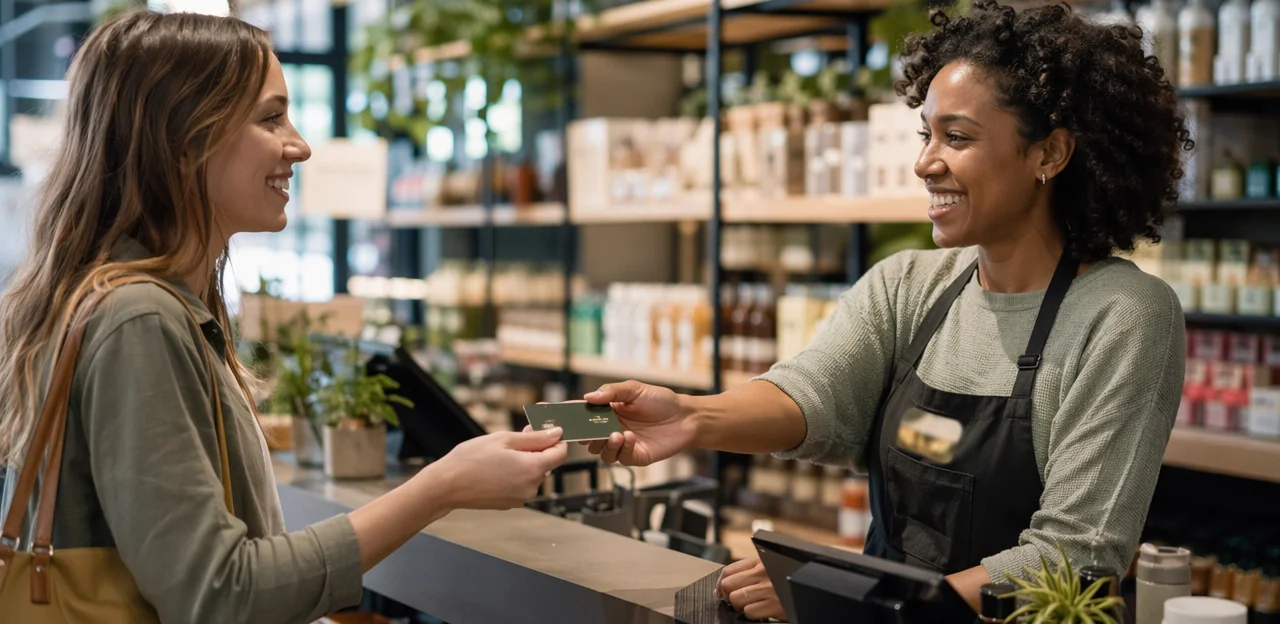
Choose rewards customers actually value
The most effective restaurant loyalty programs reward behaviors that increase frequency, spend, and retention without eroding margin. Start by matching incentives to guest preferences, average check size, and your brand position.
- Discounts work well for price-sensitive audiences, but use them carefully to avoid training guests to wait for deals.
- Free items like coffee, dessert, or appetizers often outperform cash discounts because they feel generous while protecting margins.
- Experiential perks such as priority seating, chef tastings, or VIP event invites fit premium brands and often appear in the best restaurant loyalty programs.
- Birthday rewards create emotional connection and drive celebratory visits.
- Early access to seasonal menus or limited drops builds exclusivity.
- Members-only offers can increase repeat visits and first-party data capture.
Among practical restaurant loyalty programs ideas, test rewards by segment and track redemption, upsell, and repeat rate. Many top restaurant loyalty programs borrow from tiered loyalty programs examples and even b2b loyalty programs examples: reward profitable behavior, not just transactions.
Keep enrollment, earning, and redemption simple
The most effective restaurant loyalty programs are easy to join, easy to understand, and easy to use. If guests have to download an app, fill out long forms, or ask staff how rewards work, adoption drops fast. Many of the best restaurant loyalty programs succeed because they remove friction at every step.
- Simplify sign-up: Use phone number, QR, or tap-to-join enrollment in seconds.
- Make rewards visible: Show points, perks, and progress clearly on receipts, kiosks, and mobile ordering screens.
- Keep rules clear: Avoid confusing thresholds and strict expiration terms; explain any deadlines upfront.
- Train staff well: Teams should confidently explain earning and redemption in one sentence at checkout.
- Reduce redemption friction: Let guests redeem instantly in-store, at self-service kiosks, and during mobile orders.
Strong restaurant loyalty strategies often borrow from tiered loyalty programs examples: simple structure, visible value, and fast rewards. That’s what separates average offers from top restaurant loyalty programs and smarter restaurant loyalty programs ideas.
Balance profitability with retention goals
The most effective restaurant loyalty programs reward behavior that grows lifetime value, not just short-term redemptions. Start by setting clear economics for every offer:
- Protect margins: Favor high-perceived-value, low-cost rewards such as a free side, dessert, priority access, or bonus points instead of blanket discounts.
- Use breakage wisely: Some points or rewards will go unused, but don’t rely on excessive breakage. The best restaurant loyalty programs make redemption achievable enough to feel valuable.
- Set visit frequency targets: If regular guests visit twice a month, design rewards that encourage a third visit rather than discounting the first two.
- Avoid over-discounting: Use thresholds, limited-time offers, and personalized rewards based on spend or visit history.
Strong restaurant loyalty programs ideas often borrow from tiered loyalty programs examples and even b2b loyalty programs examples: reward consistency, not just spending. That’s how top restaurant loyalty programs strengthen restaurant loyalty while staying profitable.
Using AI, Analytics, and Software to Improve Restaurant Loyalty

How AI and analytics personalize offers and timing
AI & analytics make restaurant loyalty programs far more precise by turning guest data into timely, relevant actions. Instead of sending the same reward to everyone, restaurants can use:
- Segmentation: Group guests by visit frequency, average spend, favorite items, dayparts, and channel behavior to tailor offers.
- Churn prediction: Flag regulars whose visits are slowing, then trigger win-back rewards before they lapse.
- Next-best offers: Recommend discounts, upgrades, or bundles based on order history, making restaurant loyalty feel personal rather than generic.
- Timing optimization: Send campaigns when guests are most likely to respond, such as their usual lunch day or just before a typical reorder window.
The best restaurant loyalty programs use these insights to test smarter restaurant loyalty programs ideas, similar to tiered loyalty programs examples and even b2b loyalty programs examples where behavior-driven targeting improves retention.
What to look for in loyalty software selection
When comparing software for restaurant loyalty programs, use a practical checklist to avoid costly gaps later:
- POS integration: Sync orders, spend, visits, and rewards automatically.
- CRM capabilities: Build guest profiles, segment audiences, and capture first-party data for smarter restaurant loyalty campaigns.
- Mobile support: Look for app, wallet, SMS, or no-app options to support different loyalty programs styles.
- Omnichannel tracking: Connect dine-in, takeout, delivery, kiosk, and online ordering in one view.
- Reporting depth: Measure redemption, repeat visits, lifetime value, and campaign ROI to identify the best restaurant loyalty programs.
- Automation: Trigger offers for birthdays, lapsed guests, or VIP milestones.
- Scalability: Support multi-location growth and flexible rules, including tiered loyalty programs examples.
- Ease of use: Staff should launch offers fast without technical help.
The top restaurant loyalty programs balance simplicity, analytics, and long-term flexibility.
Metrics that show whether a loyalty program is working
To judge whether restaurant loyalty programs are delivering real value, track a focused set of KPIs:
- Enrollment rate: How many guests join after being invited. Strong sign-up rates show your offer and onboarding are compelling.
- Active member rate: Measures how many members actually engage, separating vanity sign-ups from real participation.
- Repeat visit frequency: One of the clearest indicators of stronger restaurant loyalty and habit formation.
- Redemption rate: Shows whether rewards feel relevant and achievable; the best restaurant loyalty programs balance use with profitability.
- Average order value: Effective loyalty programs often increase spend through upsells and add-ons.
- Churn rate: Reveals how many members stop visiting or engaging.
- Customer lifetime value: Essential for comparing top restaurant loyalty programs and testing new restaurant loyalty programs ideas.
- Campaign ROI: Track revenue generated versus reward and promotion costs.
These KPIs also apply when evaluating tiered loyalty programs examples, b2b loyalty programs examples, and b2b customer loyalty programs examples.
Survey Design and Customer Feedback for Better Loyalty Results

How to use surveys to improve rewards and messaging
Smart survey design helps restaurants uncover what drives sign-ups, repeat visits, and redemptions in restaurant loyalty programs. Ask guests:
- which rewards they value most: discounts, freebies, exclusives, or points
- what blocks participation: unclear rules, weak offers, or too many messages
- which moments shape satisfaction: speed, service, food quality, or convenience
Use this feedback to test restaurant loyalty programs ideas, refine timing and tone, and segment offers by guest preference. The best restaurant loyalty programs evolve from real guest insight, much like tiered loyalty programs examples in other industries.
Questions to ask loyalty members and non-members
Use short, targeted questions to improve restaurant loyalty programs and spot what separates active guests from at-risk ones:
- Joining triggers: What made you sign up, or what would convince you?
- Preferred rewards: Discounts, free items, points, VIP perks, or birthday offers?
- Communication channels: Email, SMS, app, QR, or in-store prompts?
- Redemption pain points: Was earning or using rewards confusing, slow, or limited?
- Inactivity reasons: Fewer visits, weak value, irrelevant offers, or forgotten points?
Compare answers by loyal, inactive, and non-member groups to refine restaurant loyalty programs ideas and build the best restaurant loyalty programs.
- Use loyalty surveys to connect restaurant loyalty programs to measurable restaurant operations improvements. If guests repeatedly mention slow pickup, confusing rewards, or unappealing offers, adjust menu bundles, redemption rules, and service steps quickly.
- Refine app usability by simplifying sign-up, reward tracking, and checkout if feedback shows friction.
- Update staff scripting so servers explain benefits clearly and promote the right offers at the right moment.
- Review response trends weekly to optimize campaign cadence, since the best restaurant loyalty programs evolve continuously. This is how top restaurant loyalty programs turn feedback into smarter loyalty programs and stronger restaurant loyalty.
Common Mistakes to Avoid and a Practical Launch Framework

Mistakes that weaken restaurant loyalty programs
Even well-designed restaurant loyalty programs fail when execution is weak. Common mistakes include:
- Overly complex rules: If guests can’t quickly understand how to earn or redeem, adoption drops.
- Weak reward value: Low-impact perks don’t motivate repeat visits or stronger restaurant loyalty.
- Poor promotion: Many loyalty programs underperform because staff, menus, and digital channels don’t explain them clearly.
- Disconnected systems: POS, CRM, and rewards tools must work together.
- Lack of staff buy-in: Teams drive sign-ups and redemptions.
- No measurement: Track enrollment, redemption, visit frequency, and retention.
The best restaurant loyalty programs stay simple, visible, and measurable.
A step-by-step rollout plan for restaurants and cafés
- Set goals: Define whether your restaurant loyalty programs should drive repeat visits, higher spend, or more reviews.
- Segment guests: Separate lunch regulars, families, and high-value diners.
- Design offers: Test points, perks, or tiered loyalty programs examples that fit your brand.
- Choose software: Pick tools that track visits, rewards, and feedback.
- Train staff: Ensure teams can explain benefits clearly.
- Launch marketing: Promote in-store, online, and via SMS/email using strong restaurant loyalty programs ideas.
- Optimize: Review redemption, visit frequency, and feedback to build the best restaurant loyalty programs.
How to continuously optimize after launch
Treat restaurant loyalty programs as living systems, not set-and-forget campaigns. To keep restaurant loyalty relevant and profitable:
- Run A/B tests on rewards, timing, messaging, and sign-up offers to see what drives repeat visits.
- Use cohort analysis to compare new, repeat, VIP, and lapsed members.
- Refresh seasonal campaigns with timely restaurant loyalty programs ideas tied to holidays, local events, or menu launches.
- Collect member feedback through quick surveys and redemption data to refine benefits.
The best restaurant loyalty programs evolve constantly, and even insights from tiered loyalty programs examples, top restaurant loyalty programs, or b2b customer loyalty programs examples can inspire smarter updates.
Conclusion
In a crowded dining market, restaurant loyalty programs are no longer a nice-to-have—they’re a practical way to increase repeat visits, strengthen guest relationships, and turn everyday transactions into long-term value. The best restaurant loyalty programs are simple to join, easy to use, and built around rewards customers actually want, whether that means points, exclusive offers, birthday perks, or personalized promotions. As we’ve seen, the top restaurant loyalty programs also rely on smart data, clear communication, and ongoing optimization to keep engagement high.
If you’re exploring restaurant loyalty programs ideas, start with your customer behavior, average spend, and visit frequency. From there, test formats inspired by proven loyalty programs, including points-based systems, subscriptions, and tiered loyalty programs examples that encourage higher-value visits over time. Looking beyond hospitality can help too—b2b loyalty programs examples and b2b customer loyalty programs examples often show how segmentation, incentives, and retention strategy can be applied in fresh ways to restaurant loyalty.
The next step is to audit your current guest experience, choose software that supports tracking and personalization, and measure what drives retention. If you want to go further, explore tools that combine feedback, rewards, and analytics in one flow, such as Tapsy. Build smarter restaurant loyalty programs now, and you’ll create stronger retention, better insights, and more profitable customer relationships.
Frequently Asked Questions
- What makes restaurant loyalty programs important for growth?
They help increase repeat visits, average spend, and long-term retention. They also protect margins by keeping existing guests engaged instead of relying only on winning back lapsed customers.
- What do the best restaurant loyalty programs usually include?
Strong programs typically offer mobile-first enrollment, instant rewards, personalized offers, frictionless redemption, and omnichannel access. The goal is to make joining and using rewards feel as easy as ordering or paying.
- How do points-based, visit-based, and spend-based loyalty models differ?
Points-based programs reward guests per order and work well for varied ticket sizes. Visit-based programs reward frequency and suit cafés or quick-service concepts, while spend-based programs unlock rewards after certain spending levels and often fit higher-check full-service venues.
- When should a restaurant use a tiered loyalty program?
Tiered programs make sense when a business has repeat traffic, varied customer value, and enough margin to offer escalating benefits. They work best when tiers are simple, visible, and give guests a clear reason to visit more often or spend more.
- What are examples of tiered rewards for restaurants and cafés?
Common examples include Bronze, Silver, and Gold levels with bigger perks at each stage. Restaurants can also use spend-based VIP tiers, priority reservations, birthday gifts, free upgrades, exclusive menu previews, or members-only offers.
- Can restaurants learn anything from B2B loyalty programs?
Yes, useful ideas include account-based rewards, milestone incentives, referral mechanics, and personalized retention journeys. These approaches can be adapted for family dining, office catering, team lunches, and other repeat group orders.
- Which rewards tend to work better than simple discounts?
Free items like coffee, dessert, or appetizers often perform well because they feel generous while helping protect margins. Experiential perks, birthday rewards, early access, and members-only offers can also create stronger engagement than blanket discounts.
- How can a restaurant make loyalty enrollment and redemption easier?
Use fast sign-up methods such as phone number, QR code, or tap-to-join enrollment. Keep rules clear, show progress visibly on receipts or ordering screens, train staff to explain the program simply, and allow instant redemption across in-store and digital channels.
- How do restaurants balance profitability with retention in a loyalty program?
They should reward behaviors that increase lifetime value without over-discounting. High-perceived-value, low-cost rewards, realistic redemption, visit frequency targets, and personalized offers help keep the program attractive while protecting margins.
- How can AI and analytics improve restaurant loyalty offers?
AI and analytics support segmentation, churn prediction, next-best offers, and timing optimization. That allows restaurants to send more relevant rewards based on visit frequency, spend, favorite items, dayparts, and reorder patterns.
- What should restaurants look for when choosing loyalty software?
Key features include POS integration, CRM capabilities, mobile support, omnichannel tracking, reporting depth, automation, scalability, and ease of use. Good software should help staff launch offers quickly while giving operators clear visibility into performance.
- Which metrics show whether a restaurant loyalty program is working?
Important KPIs include enrollment rate, active member rate, repeat visit frequency, redemption rate, average order value, churn rate, customer lifetime value, and campaign ROI. Together, these show whether the program is driving real participation, retention, and revenue.
- How can surveys improve a restaurant loyalty program?
Surveys help identify which rewards guests value, what blocks participation, and which moments shape satisfaction. Restaurants can use that feedback to refine offers, adjust messaging, improve app usability, and update staff scripting.
- What questions should restaurants ask loyalty members and non-members?
Useful questions cover joining triggers, preferred rewards, communication channels, redemption pain points, and reasons for inactivity. Comparing answers from loyal, inactive, and non-member groups helps reveal what to improve.
- What are the most common mistakes when launching restaurant loyalty programs?
Frequent problems include overly complex rules, weak reward value, poor promotion, disconnected systems, lack of staff buy-in, and no measurement plan. A stronger rollout starts with clear goals, guest segmentation, suitable offers, staff training, marketing support, and ongoing optimization.