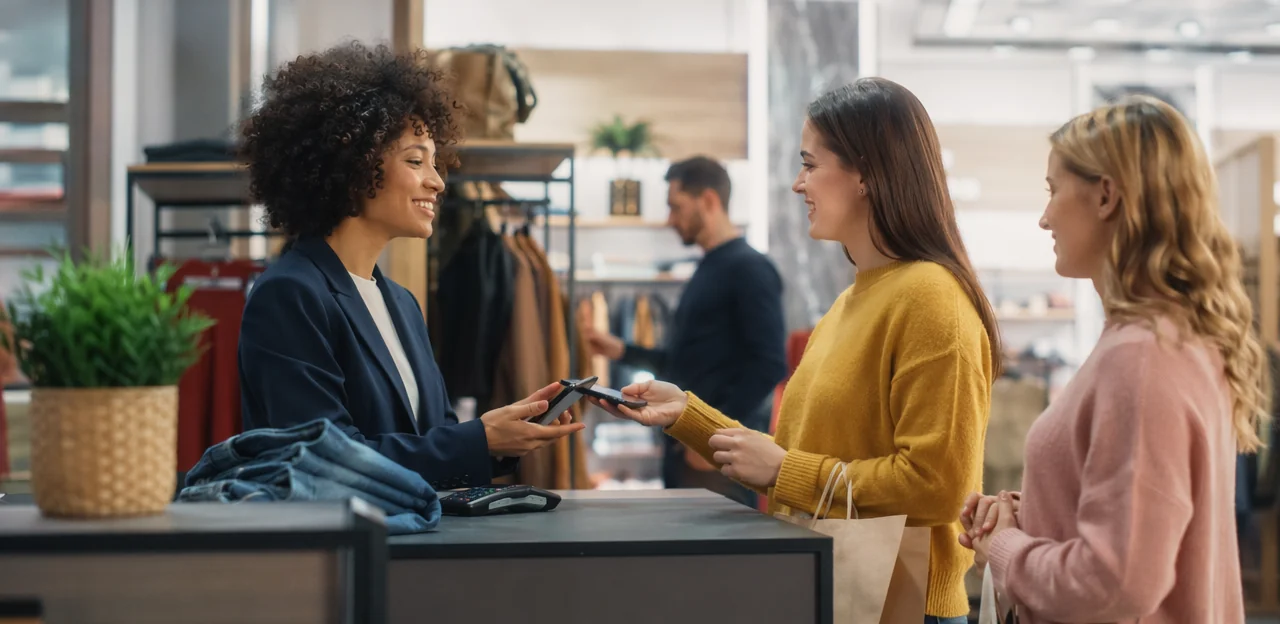
Winning a customer once is valuable. Getting them to come back again and again is what drives sustainable retail growth. In today’s competitive market, return visits are shaped by more than product selection or pricing alone—they depend on how shoppers feel at every touchpoint, from store layout and staff interactions to checkout speed and post-purchase communication. That’s where retail loyalty feedback becomes essential.
When retailers can capture customer sentiment in real time and connect it to loyalty-building actions, they gain a clearer view of what encourages repeat visits—and what quietly pushes customers away. Feedback is no longer just a tool for measuring satisfaction after the fact; it can become a practical driver of retention, service improvement, and stronger customer relationships. Solutions such as Tapsy, for example, show how instant, touchpoint-based feedback can help brands respond faster and create more rewarding in-store experiences.
This article explores how retail businesses can link customer experience data with loyalty strategies to increase return visits. We’ll look at why timely feedback matters, how in-store insights reveal opportunities for improvement, and how retailers can turn everyday interactions into moments that build trust, satisfaction, and long-term loyalty.
Why retail loyalty feedback matters for modern stores

The link between customer experience and repeat visits
Retail loyalty feedback is the process of collecting shopper opinions, satisfaction signals, and in-store experience data, then using those insights to improve future visits. In physical retail, customer experience retail performance often determines whether a shopper returns, recommends the store, or leaves for a competitor.
Why it drives repeat store visits:
- Convenience builds habit: Fast checkout, clear layouts, and helpful staff reduce friction.
- Emotional connection increases retention: Friendly service and personalized interactions make shoppers feel valued.
- Quick issue recovery protects loyalty: Acting on complaints in real time can turn a poor visit into a saved relationship.
- Better experiences raise lifetime value: Satisfied customers buy more often and are more likely to join loyalty programs.
Use touchpoint feedback at entrances, fitting rooms, and checkout to identify what keeps customers coming back.
How loyalty and feedback data work better together
When retail loyalty feedback connects purchase history with surveys, reviews, and in-store comments, retailers gain a clearer view of what drives repeat visits. Loyalty data shows what shoppers do; customer feedback data explains why they do it.
- Match behavior to sentiment: Compare visits, basket size, and redemption patterns with loyalty program feedback to spot what motivates high-value customers.
- Identify friction fast: Link low survey scores or poor in-store feedback to churn, fewer visits, or lower spend.
- Personalize smarter: Use combined retail customer insights to tailor offers, rewards, and service recovery by segment.
- Improve store operations: If reviews mention wait times or stock issues, check whether loyalty members reduce visits afterward.
Tools like Tapsy can help capture real-time touchpoint feedback that strengthens this view.
Common gaps that prevent retailers from improving retention
Many retailers struggle with customer loyalty challenges not because they lack data, but because they fail to connect it to action. Common feedback gaps in retail include:
- Siloed data: Store, ecommerce, CRM, and support insights sit in separate systems, making it hard to build a unified retail retention strategy.
- Delayed follow-up: When complaints are reviewed days later, the chance to recover the experience — and the customer — is often gone.
- Poor staff visibility: Frontline teams may not see recurring issues by location, shift, or touchpoint, so the same problems repeat.
- Feedback without action: Collecting surveys alone does not improve outcomes. Strong retail loyalty feedback programs assign ownership, trigger fast responses, and track resolution.
Tools like Tapsy can help capture real-time feedback at key touchpoints and support faster service recovery.
How to collect feedback that strengthens loyalty

Best feedback channels across retail spaces
The most effective retail feedback channels make it easy for shoppers to respond at the right moment, with minimal friction. To strengthen retail loyalty feedback, combine digital and in-store methods:
- Post-purchase survey retail emails: Best for detailed responses after delivery or store visits.
- SMS surveys: High open rates make SMS ideal for quick ratings and fast issue recovery.
- Receipt links: Add a short URL or prompt on printed and digital receipts for immediate action.
- QR codes in store: Place codes at exits, fitting rooms, counters, and product displays to capture in-store customer feedback while the experience is fresh.
- Feedback kiosks: Useful in high-traffic areas for one-tap sentiment collection.
- Staff-led requests: Train associates to invite feedback personally after checkout or service interactions.
Tools like Tapsy can support QR-based, no-app collection at key touchpoints.
When to ask for feedback during the customer journey
To make retail loyalty feedback useful, ask at moments when the experience is still fresh and tied to specific retail touchpoints:
- Before the visit: Use short pre-visit polls in SMS, email, or app messages to learn intent, product interest, or store expectations. This helps personalize offers and improve planning.
- During the visit: Capture customer journey feedback at high-impact moments like entry, fitting rooms, service desks, checkout, or after staff assistance. Keep questions fast and relevant to the interaction.
- After the visit: Send follow-up surveys within 24 hours to measure overall satisfaction, likelihood to return, and unresolved issues. Good timing customer surveys here improves response quality.
For in-store speed, tools like Tapsy can collect real-time feedback directly at physical touchpoints.
How to encourage more responses from loyalty members
To improve retail loyalty feedback, make the ask feel valuable, relevant, and easy to complete.
- Offer low-friction incentives: Small rewards like bonus points, instant discounts, or sweepstakes entries can lift survey response rates retail without biasing answers when offered for participation, not positive ratings.
- Use personalized feedback requests: Reference recent purchases, store visits, or membership tier so the request feels timely and specific. Strong personalized feedback requests increase trust and relevance.
- Keep surveys short: Aim for 2–5 questions, mobile-friendly design, and one optional open-text field. Short formats improve completion while preserving useful loyalty member feedback.
- Make it member-exclusive: Frame surveys as VIP input that shapes perks, products, or in-store experiences. Exclusive requests strengthen loyalty and encourage thoughtful responses.
Tools like Tapsy can also help capture quick, touchpoint-based feedback with simple reward flows.
Turning feedback into better retail experiences

Using feedback to improve store layout, service, and convenience
Strong retail loyalty feedback programs turn recurring complaints into clear operational fixes that make shoppers more likely to return. Review comments weekly and group them by issue type to spot patterns that affect convenience and satisfaction.
- Navigation: Use store layout feedback to identify confusing aisles, poor signage, or hard-to-find categories. Then adjust wayfinding, product grouping, and endcap placement.
- Checkout speed: If customers mention long lines, open more tills at peak times, expand self-checkout, or simplify payment steps.
- Product availability: Repeated stock complaints should trigger tighter inventory checks, shelf audits, and better demand forecasting.
- Cleanliness: Comments about untidy floors, carts, fitting rooms, or restrooms should lead to stricter cleaning schedules and visible standards.
- Staff helpfulness: Use coaching, product training, and floor coverage plans to strengthen customer service retail performance.
Acting quickly on these insights helps improve retail experience and supports repeat visits.
Personalizing offers and engagement with loyalty insights
The strongest loyalty programs do more than issue generic discounts. By combining purchase history with retail loyalty feedback, retailers can create personalized loyalty offers that feel timely, useful, and worth returning for.
- Use buying patterns: Identify favorite categories, average spend, purchase frequency, and seasonal habits to tailor rewards shoppers are more likely to redeem.
- Match offers to feedback themes: If customers praise product variety, promote new arrivals. If feedback highlights price sensitivity, send value bundles or points boosters.
- Segment communications: Build messages around shopper intent, such as VIP early access for high-value customers or replenishment reminders for repeat buyers.
- Trigger recovery offers: When feedback signals friction, follow up with a relevant incentive to rebuild trust and encourage another visit.
This approach strengthens retail personalization, improves customer engagement retail, and turns insights into repeat traffic. Tools like Tapsy can help capture feedback at key touchpoints and connect it to smarter reward flows.
Closing the feedback loop to build trust
To close the feedback loop, retailers need to do more than collect opinions—they need to show customers that their input leads to action. Strong retail loyalty feedback programs turn comments into visible improvements, which strengthens customer trust retail efforts over time.
- Acknowledge feedback quickly: Send a thank-you message, confirm the issue or suggestion was received, and set expectations for next steps.
- Communicate changes clearly: Tell customers what was improved, whether it is faster checkout, better stock availability, or staff training. This shows feedback has value.
- Follow up personally when possible: Reaching out after a complaint or suggestion can recover satisfaction and deepen loyalty.
- Track recurring themes: Use feedback trends to guide your broader retail loyalty strategy and prioritize fixes that affect repeat visits most.
Tools like Tapsy can help retailers capture real-time input and respond faster at key touchpoints.
Building a retail loyalty feedback strategy that scales

Aligning store teams, marketing, and operations
Retail loyalty feedback creates value only when ownership is shared across the business. If store managers, marketers, and operations teams work from separate dashboards, insights stall and customers see no change. Strong cross-functional retail teams turn feedback into action by linking comments, visit patterns, and campaign results to clear responsibilities.
- Store teams spot frontline issues like checkout delays, staffing gaps, or product availability.
- Marketing adjusts offers, messaging, and loyalty journeys based on what customers actually value.
- Operations fixes root causes through process changes, training, and service standards.
As part of a stronger retail operations strategy, set shared KPIs, review feedback weekly, and assign owners for every recurring issue. This approach strengthens customer experience management retail efforts and makes improvements visible enough to increase trust, satisfaction, and return visits.
Choosing the right tools and integrations
To turn retail loyalty feedback into repeat visits, choose tools that share data across the customer journey:
- CRM + loyalty platform: Your CRM should connect purchase history, preferences, and reward activity, while retail loyalty software tracks points, offers, and redemptions in one profile.
- Survey and feedback tools: A strong customer feedback platform retail setup should capture in-store, post-purchase, and digital feedback, then route low scores or comments to the right team fast.
- POS and CRM integration: With reliable POS and CRM integration, retailers can link transactions to feedback and loyalty behavior, making it easier to personalize follow-ups and recovery offers.
- Analytics integrations: Dashboards that combine sales, retention, NPS, and sentiment help teams spot which experiences actually drive return visits.
If useful, tools like Tapsy can add real-time, touchpoint-level feedback collection.
Creating a repeatable process for testing and improvement
To turn retail loyalty feedback into measurable gains, build a simple feedback action plan your team can repeat weekly:
- Prioritize issues by impact and frequency
Focus first on problems that affect many shoppers or directly reduce return visits, basket size, or satisfaction. - Test one change at a time
Use a clear retail testing strategy: adjust signage, staffing, checkout flow, rewards, or service scripts in one location or time period first. - Review results consistently
Track complaint volume, satisfaction scores, repeat visits, and redemption rates before and after each change. - Standardize what works
Roll out successful fixes across stores and document them for teams. - Keep refining
This cycle is the foundation of continuous improvement retail. Tools like Tapsy can help capture real-time feedback and speed up response.
Metrics to measure the impact on retention and return visits

Core KPIs for loyalty and feedback performance
To measure retail loyalty feedback effectively, track a focused set of retail loyalty metrics that connect experience to repeat revenue:
- Repeat visit rate: Shows how often customers return after a purchase or feedback interaction.
- Redemption rate: Measures whether rewards and offers actually motivate action.
- Retention rate: One of the most important customer retention KPIs, revealing how well you keep shoppers over time.
- NPS retail: Gauges likelihood to recommend your store and helps identify brand advocates.
- CSAT: Captures satisfaction with a specific visit, service moment, or campaign.
- Customer lifetime value (CLV): Links loyalty performance to long-term profitability.
Review these KPIs together, not in isolation, to spot what truly drives return visits.
How to connect feedback trends to business outcomes
To turn retail loyalty feedback into action, connect experience signals to customer behavior in your CRM, POS, and loyalty data:
- Map sentiment and satisfaction scores to repeat visits, average basket size, and time between purchases to see which stores, teams, or touchpoints drive stronger retail business outcomes.
- Tag issue categories such as checkout delays, stock availability, or staff service, then compare them with churn, refund rates, and declining visit frequency.
- Use feedback analytics retail dashboards to track whether fixing recurring problems improves conversion and spend over time.
- Segment by customer type, location, and campaign to uncover patterns in customer sentiment retail and prioritize the highest-value improvements.
Tools like Tapsy can help capture and route touchpoint-level feedback in real time.
Reporting insights for store-level and executive decisions
To make retail loyalty feedback useful, build reporting views that translate the same customer signals into action at different levels:
- For frontline teams: use retail dashboards with daily sentiment, low-score alerts, repeat complaint themes, and touchpoint trends by shift, department, or associate.
- For regional and executive leaders: create store performance reporting that compares locations on loyalty sign-ups, return-visit intent, issue resolution speed, and reward redemption.
- For both audiences: standardize KPIs and definitions so customer insight reporting stays consistent from store to boardroom.
A platform like Tapsy can help capture real-time feedback and turn it into role-based dashboards that support faster decisions.
Best practices and mistakes to avoid

What successful retailers do consistently
Successful brands follow retail loyalty best practices by turning every interaction into a reason to return:
- Respond fast: Act on complaints and low ratings quickly to recover trust before customers leave for competitors.
- Offer targeted rewards: Use purchase history and preferences to deliver relevant incentives, not generic discounts.
- Train frontline staff: Equip teams to solve issues, personalize service, and ask for input naturally.
- Review insights regularly: Track patterns in retail loyalty feedback to refine promotions, service, and store experience.
These customer feedback best practices and retail retention tactics drive stronger repeat visits.
Mistakes that weaken loyalty despite good intentions
Even strong retail loyalty feedback programs can fail when execution creates friction instead of value. Common retail loyalty mistakes include:
- Over-surveying customers: too many requests cause survey fatigue retail teams often underestimate, reducing response rates and goodwill.
- Offering generic rewards: irrelevant discounts feel transactional, not personal.
- Ignoring frontline context: feedback without staff insight leads to poor fixes and repeated customer retention errors.
- Failing to close the loop: tell customers what changed after their input, or they may assume feedback was ignored.
Keep surveys short, rewards relevant, and improvements visible.
A practical next-step checklist for retailers
Use this quick retail loyalty checklist to audit your current retail loyalty feedback approach and spot fast improvements:
- Map every feedback touchpoint: in-store, checkout, email, SMS, and post-purchase.
- Check whether loyalty rewards are tied to meaningful actions, not just transactions.
- Review response times for low ratings or complaints.
- Identify one friction point causing drop-off or fewer return visits.
- Test a simple incentive for feedback completion.
- Track which changes actually improve repeat visits retail.
This feedback strategy checklist helps retailers turn insights into retention wins quickly.
Conclusion
In today’s competitive store environment, winning repeat business takes more than discounts or punch cards. It requires a clear connection between what shoppers experience in the moment and how retailers respond afterward. That’s where retail loyalty feedback becomes so valuable. By collecting feedback at key touchpoints, acting on issues quickly, and using those insights to personalize rewards and service, retailers can turn everyday interactions into lasting customer relationships.
The most effective strategies combine convenience, speed, and relevance. When customers can easily share their opinions and see that their input leads to meaningful improvements, trust grows. That trust fuels stronger engagement, better retention, and more frequent return visits. In other words, retail loyalty feedback is not just a measurement tool—it’s a driver of customer experience and long-term revenue.
The next step is to audit your current feedback and loyalty journey. Identify where customers interact with your brand, where friction occurs, and how feedback can trigger timely recovery or rewards. Retailers looking for a simple way to connect in-store feedback with engagement incentives may also explore tools like Tapsy.
Now is the time to make feedback a core part of your loyalty strategy. Start small, measure consistently, and build a retail loyalty feedback loop that keeps customers coming back.
Frequently Asked Questions
- What is retail loyalty feedback?
Retail loyalty feedback is the process of collecting shopper opinions, satisfaction signals, and in-store experience data, then using those insights to improve future visits. It helps retailers understand not just what customers do, but why they return, recommend the store, or stop visiting.
- Why does customer experience have such a strong effect on repeat store visits?
Repeat visits are shaped by how shoppers feel at each touchpoint, including store layout, staff interactions, checkout speed, and post-purchase communication. Convenient, friendly, and low-friction experiences build habit, trust, and stronger retention over time.
- How do loyalty data and customer feedback work better together?
Loyalty data shows what shoppers do, such as visit frequency, basket size, and reward redemption. Feedback explains why they behave that way, making it easier to identify friction, personalize offers, and improve store operations based on real customer sentiment.
- What common gaps stop retailers from improving retention?
Common problems include siloed data across store, ecommerce, CRM, and support systems, delayed follow-up on complaints, limited visibility for frontline staff, and collecting feedback without assigning action. These gaps make it harder to recover poor experiences and prevent repeat issues.
- Which feedback channels are most useful in physical retail?
Useful channels include post-purchase email surveys, SMS surveys, receipt links, in-store QR codes, feedback kiosks, and staff-led requests. The best mix makes it easy for shoppers to respond quickly at the right moment with minimal friction.
- When should retailers ask customers for feedback during the journey?
Retailers can ask before the visit to understand intent and expectations, during the visit at key touchpoints like fitting rooms or checkout, and after the visit within 24 hours. Timing matters because feedback is more accurate and actionable when the experience is still fresh.
- How can retailers get more feedback responses from loyalty members?
Keep surveys short, mobile-friendly, and relevant to a recent visit or purchase. Small participation-based incentives, personalized requests, and member-exclusive framing can increase response rates without requiring long or complicated surveys.
- How can feedback improve store layout, service, and convenience?
Recurring comments can reveal issues with navigation, checkout delays, stock availability, cleanliness, and staff helpfulness. Retailers can use those patterns to adjust signage, staffing, payment flow, inventory checks, cleaning schedules, and coaching plans.
- How should retailers personalize offers using loyalty insights and feedback?
Retailers can combine purchase history with feedback themes to make offers more relevant. For example, shoppers who value variety may respond to new-arrival promotions, while price-sensitive customers may prefer value bundles, points boosters, or recovery offers after a poor experience.
- What does it mean to close the feedback loop in retail?
Closing the feedback loop means acknowledging customer input, communicating what changed, and following up when possible. This shows that feedback leads to action, which helps build trust and encourages customers to keep engaging with the brand.
- How can store teams, marketing, and operations align around feedback?
Each group should work from shared goals and clear ownership instead of separate dashboards. Store teams can flag frontline issues, marketing can adjust offers and messaging, and operations can fix root causes through process changes, training, and service standards.
- What tools and integrations matter most for a scalable retail loyalty feedback strategy?
A strong setup connects CRM, loyalty platforms, survey tools, POS systems, and analytics dashboards. This allows retailers to link transactions, preferences, rewards, and feedback so they can personalize follow-ups, route issues quickly, and measure which experiences drive return visits.
- What is a simple process for testing and improving retail experiences with feedback?
Start by prioritizing issues based on impact and frequency, then test one change at a time in a specific store or time period. Review results using complaint volume, satisfaction, repeat visits, and redemption rates, then standardize what works and keep refining.
- Which KPIs best show whether feedback is improving retention?
Key metrics include repeat visit rate, redemption rate, retention rate, NPS, CSAT, and customer lifetime value. Looking at these together helps retailers connect experience improvements to customer behavior and long-term revenue.
- What mistakes can weaken loyalty even when a retailer is trying to improve it?
Over-surveying customers, offering generic rewards, ignoring frontline context, and failing to show what changed after feedback can all reduce trust and participation. Strong programs keep surveys short, make rewards relevant, and turn customer input into visible improvements.