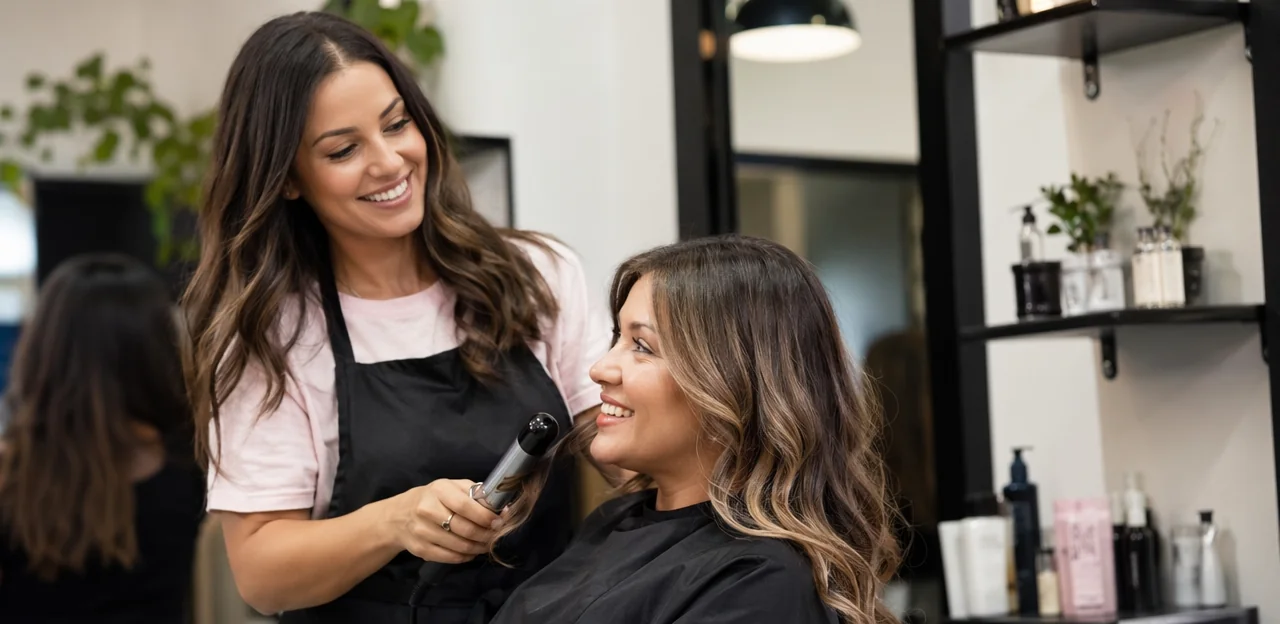
A great salon experience doesn’t end when the appointment does. From the ease of booking to the quality of the service and the likelihood of a client returning, every touchpoint shapes how people remember your brand. That’s why smart beauty and wellness businesses are turning to salon feedback templates to capture timely, useful insights that improve both customer satisfaction and long-term loyalty.
Well-designed feedback templates help salons go beyond generic surveys. They make it easier to understand whether clients found online booking simple, felt welcomed during their visit, loved their treatment results, or need an extra nudge to rebook. When feedback is collected consistently, salons can spot service gaps, strengthen the client journey, and create a smoother path from first appointment to repeat visit.
In this article, we’ll explore how salon feedback templates can be used across the full client experience, including service feedback, booking feedback, and rebooking feedback. You’ll learn what to ask, when to ask it, and how to structure templates that encourage responses without overwhelming clients. We’ll also look at practical ways salons can use feedback to improve operations, recover negative experiences early, and increase retention—whether through simple survey workflows or real-time tools such as Tapsy.
Why salon feedback templates matter for client experience

Structured salon feedback templates turn casual opinions into measurable insights that drive growth for salons, spas, and wellness providers. Consistent salon client feedback helps teams spot patterns early, improve the customer experience, and strengthen salon retention.
- Identify service gaps: Regular surveys reveal issues with wait times, treatment quality, staff communication, or checkout friction.
- Improve satisfaction fast: Standardized questions make it easier to compare responses, fix recurring problems, and coach staff.
- Increase repeat visits: When clients feel heard and see improvements, they are more likely to rebook.
- Boost referrals: Positive experiences backed by follow-up feedback often lead to stronger reviews and word-of-mouth.
Tools like Tapsy can help capture timely feedback at key touchpoints.
Key touchpoints: service, booking, and rebooking
Use salon feedback templates at three moments to capture a full client journey:
- After the appointment: This is the best time for service feedback on stylist skill, staff friendliness, cleanliness, wait time, and overall satisfaction. Insights here show what happened in the chair.
- After the booking process: Ask for booking feedback right after online, phone, or in-person scheduling. This reveals friction around availability, ease of use, confirmation, and communication.
- After checkout or follow-up: Focus on the rebooking experience when clients are most likely to decide whether to return. You’ll learn if pricing, checkout speed, loyalty offers, or reminders influence repeat visits.
Together, these touchpoints uncover different issues and improvement opportunities.
What makes a feedback template effective
Effective salon feedback templates are simple enough to complete quickly but structured enough to reveal clear improvement opportunities. The best templates include:
- Concise wording: Keep each question short and specific so clients can respond in under a minute.
- Mobile-friendly format: Use tap-based answers, large buttons, and minimal scrolling for easy completion on phones.
- Clear rating scales: A consistent 1–5 scale helps compare results across service, booking, and rebooking experiences.
- Action-driven questions: Strong client survey questions focus on measurable areas like wait time, stylist communication, cleanliness, and likelihood to rebook.
A useful feedback form template should make trends easy to spot and turn client opinions into practical service improvements.
How to structure salon feedback templates
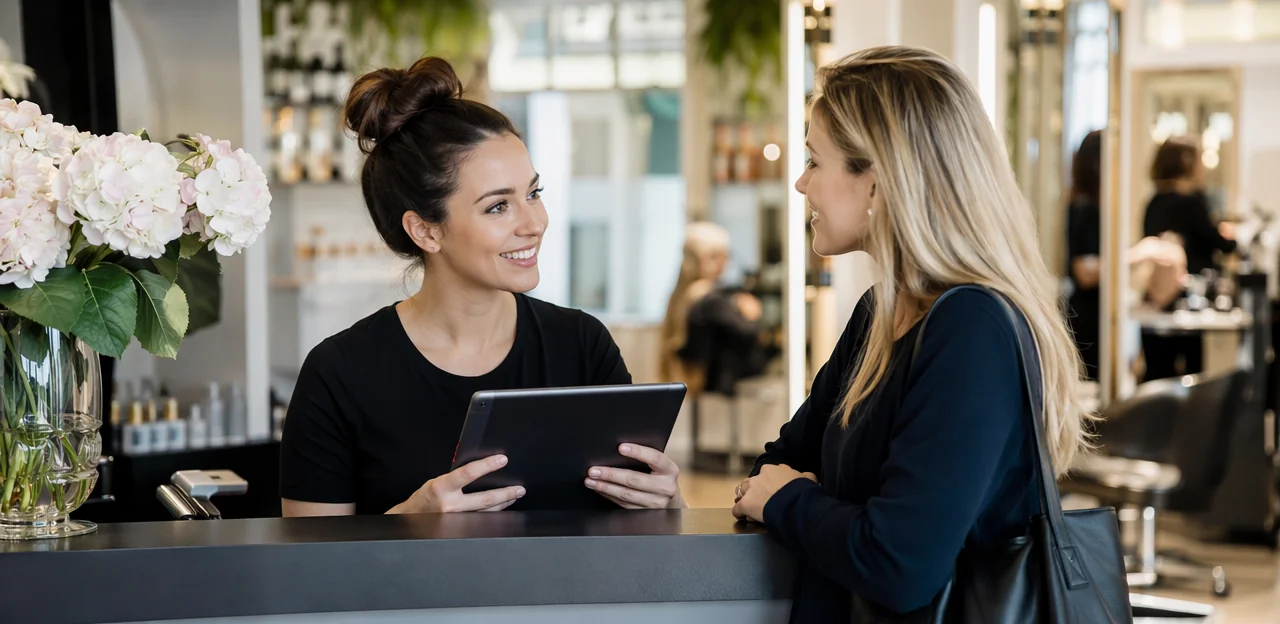
Core question types to include
Strong salon feedback templates should mix question formats so your team can spot patterns and understand the story behind them.
- Rating questions: Use 1–5 scales for service quality, cleanliness, wait time, and likelihood to rebook. These salon survey questions make it easy to track trends over time and compare staff, services, or locations.
- Multiple-choice prompts: Ask what influenced the visit most, such as stylist communication, booking ease, pricing, or atmosphere. In a customer feedback form, this helps categorize issues quickly and identify recurring friction points.
- Open-ended responses: Include one or two comment boxes for details on what went well or what could improve. A client satisfaction survey needs this qualitative input to reveal context, emotions, and specific suggestions behind the scores.
Best practices for tone, length, and timing
Use salon feedback templates that feel personal, calm, and easy to answer. To lift your survey response rate, keep every message aligned with your wellness brand voice: warm, polished, and never pushy.
- Keep it short: Aim for 1–3 questions in a post-appointment survey. Ask about service quality, staff experience, and likelihood to rebook.
- Use friendly language: Write like a caring follow-up, not a formal audit. Example: “We’d love your quick feedback after your visit.”
- Match channel to timing:
- SMS: Send within 1–3 hours for fast replies
- Email: A salon email survey works best the same day or next morning
- In-app prompts: Trigger immediately after checkout or rebooking
- Make action easy: Include one clear link or tap-to-rate option.
Metrics salons should track from feedback
To make salon feedback templates useful, tie responses to clear, repeatable KPIs your team can act on:
- Client satisfaction score: Track overall ratings by service, stylist, and visit type to spot strengths and weak points quickly.
- NPS for salons: Measure how likely clients are to recommend your salon. This helps gauge loyalty, word-of-mouth potential, and long-term brand health.
- Booking ease score: Ask how simple it was to book online, by phone, or in person. Friction here often leads to lost appointments.
- Rebooking intent: Monitor whether clients plan to return or pre-book their next visit.
- Recurring complaint categories: Group comments into themes like wait time, pricing, cleanliness, or service consistency.
Tools like Tapsy can help capture these salon feedback metrics in real time.
Salon feedback templates for service quality
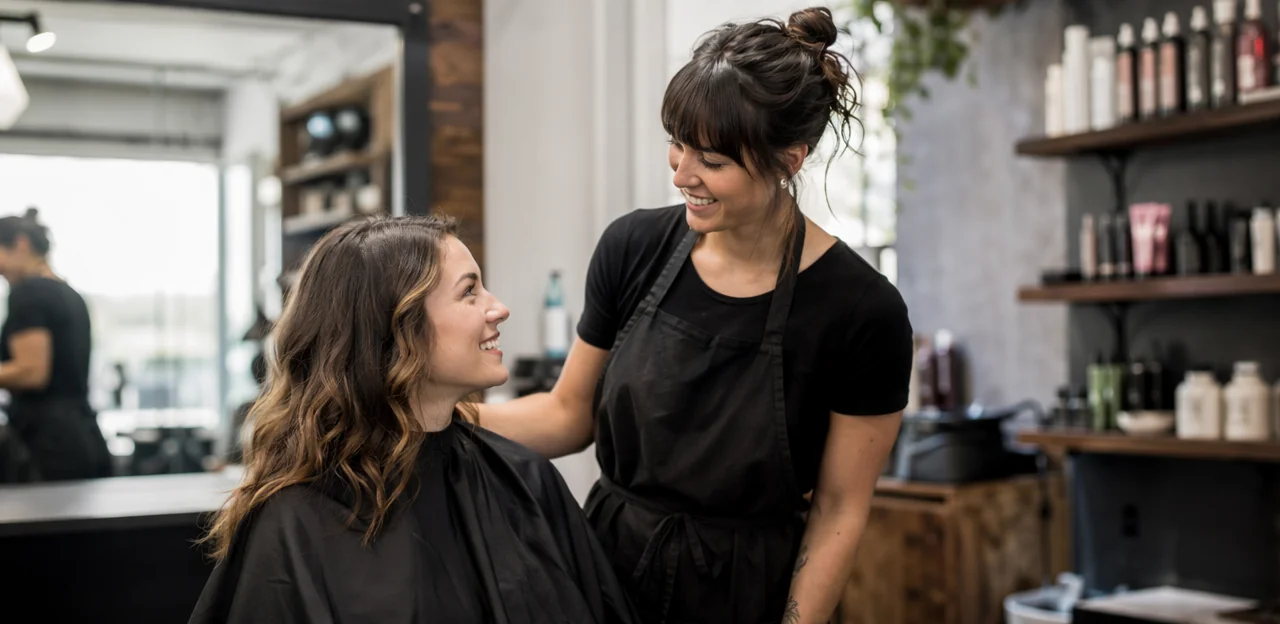
Template questions for the in-salon experience
Use salon feedback templates to capture what clients notice most during their visit. A strong salon experience survey should keep questions short, specific, and easy to rate.
- Cleanliness: How would you rate the cleanliness of the salon, including the reception area, styling stations, and tools?
- Ambiance: Did the lighting, music, scent, and overall atmosphere make your visit enjoyable and relaxing?
- Wait time: Were you seen on time for your appointment? If not, was the delay communicated clearly?
- Staff professionalism: How would you rate the friendliness, courtesy, and professionalism of our team?
- Consultation quality: Did your stylist or therapist listen carefully, explain options clearly, and understand your preferences?
- Comfort during service: Did you feel comfortable, welcomed, and well cared for throughout your appointment?
- Overall satisfaction: How satisfied were you with your full visit experience today?
- Open comment: What is one thing we did well, and one thing we could improve?
This service feedback template helps turn in-salon feedback into practical improvements.
Template questions for treatment results and staff performance
Strong salon feedback templates should help you measure both the outcome of the appointment and the quality of the client-staff interaction. Use a mix of rating-scale and open-ended questions in your beauty service feedback flow, such as:
- Did your treatment or service meet your expectations?
- How satisfied are you with the final result?
- Did your stylist or therapist clearly explain the process, products, or aftercare?
- Did you feel listened to when discussing your preferences, concerns, or goals?
- Did you feel cared for, comfortable, and understood throughout the appointment?
- How would you rate your overall experience with your stylist or therapist?
To make your stylist feedback form more useful, add one open comment like: “What could we have done better today?” This gives context behind scores. A well-structured treatment satisfaction survey helps identify training needs, improve communication, and confirm whether staff are delivering consistent, personalized care.
How to act on service feedback quickly
To improve salon service, managers need a simple process for turning feedback into action. Using salon feedback templates makes it easier to spot patterns and respond consistently.
- Categorize responses fast: Sort feedback into clear buckets such as service quality, wait times, cleanliness, booking issues, and staff friendliness. Tag urgent complaints for same-day review.
- Create a clear negative feedback response workflow: Reach out quickly, thank the client, apologize where appropriate, and offer a practical resolution such as a redo, refund, or direct call with the manager. A fast negative feedback response can prevent public complaints from escalating.
- Coach team members with specifics: Use repeated comments to guide one-to-one coaching, refresh consultation steps, or improve timing and communication.
- Amplify positive feedback: Turn glowing reviews into testimonials for your website and social channels, and share them internally for staff recognition and motivation.
Strong salon review management helps protect reputation while building a better client experience.
Salon feedback templates for booking and scheduling
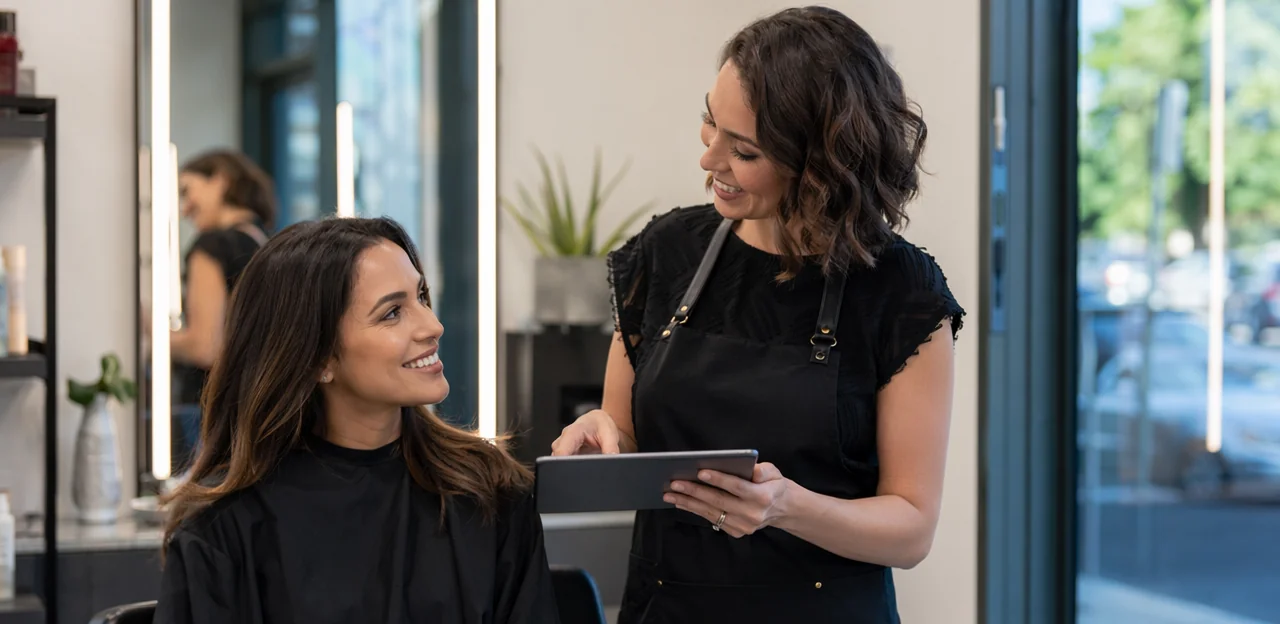
Template questions for online and phone booking
Use this section of your salon feedback templates to uncover friction in the booking journey and improve conversions. A strong booking feedback template or appointment scheduling survey should ask:
- How easy was it to book your appointment online or by phone?
- Was the website or booking page simple to navigate on your device?
- Did you find available appointment times that suited your schedule?
- If you called, was the team easy to reach, polite, and helpful?
- Were service descriptions, pricing, and duration clear before booking?
- Did your confirmation message clearly show the date, time, stylist, and next steps?
- Did anything slow down or interrupt your online booking experience?
Tools like Tapsy can help collect this feedback quickly after booking.
Identifying friction in the booking journey
Use salon feedback templates to spot where clients drop off before confirming an appointment. Short post-inquiry or abandoned-booking surveys can reveal patterns behind booking friction and recurring appointment booking issues.
- Ask whether clients found enough time slots that matched their schedule.
- Check if your service menu was easy to understand, compare, and select from.
- Measure response times for calls, DMs, texts, or online booking requests.
- Track when clients start but do not finish booking to uncover abandonment points.
Review feedback weekly and group comments by theme to identify repeat salon scheduling problems. If needed, tools like Tapsy can help capture real-time feedback at key touchpoints.
Using booking feedback to improve conversions
Use salon feedback templates to spot where clients drop off before confirming an appointment. Short post-booking or abandoned-booking surveys can reveal friction points and help you increase salon bookings with targeted fixes:
- Refine booking flows: Reduce steps, remove unnecessary clicks, and make mobile booking faster.
- Optimize service descriptions: Clarify treatment length, pricing, add-ons, and who each service is best for to improve booking conversion.
- Simplify forms: Ask only for essential details at checkout, then collect extras later.
- Improve appointment reminders: Send clear SMS or email appointment reminders with date, time, location, and reschedule links.
Tools like Tapsy can help capture real-time feedback at key client touchpoints.
Salon feedback templates for rebooking and loyalty

Template questions that measure rebooking intent
Strong salon feedback templates should go beyond satisfaction and uncover true return intent. In your rebooking survey or client retention survey, include questions like:
- Do you plan to book your next appointment with us?
Use answer choices such as “yes,” “maybe,” or “no.” - Did your stylist or front desk invite you to rebook today?
This helps identify missed retention opportunities. - What most affects your decision to return?
Offer options like results, price, availability, staff experience, convenience, or atmosphere. - If you did not rebook, why not?
This captures valuable repeat appointment feedback for follow-up and service improvements.
Keep questions short and easy to answer so you can spot patterns and increase future bookings.
Understanding why clients do or do not rebook
To improve retention, salons need to identify why clients do not rebook instead of assuming it is only about satisfaction. Use salon feedback templates to uncover the most common rebooking barriers, such as:
- Price sensitivity: clients may love the service but feel the visit is hard to justify regularly.
- Scheduling conflicts: limited availability, long wait times, or inconvenient hours can block rebooking.
- Unclear maintenance timelines: if clients do not know when to return, they often delay too long.
- Inconsistent service experiences: uneven results between visits or staff reduce trust.
A strong salon retention strategy turns this insight into action: clarify aftercare timing, offer flexible booking options, and track patterns in feedback to fix repeat friction points.
Turning feedback into loyalty and repeat revenue
Use salon feedback templates to spot what drives satisfaction, then connect those insights to retention tactics that increase rebooking and create more repeat salon clients.
- Reward the right behaviors: Add points, discounts, or upgrade perks to your salon loyalty program when clients leave feedback, pre-book, or refer a friend.
- Personalize follow-ups: If feedback mentions color, scalp care, or styling goals, send tailored aftercare tips and a rebooking reminder for the ideal return date.
- Offer memberships strategically: Invite high-satisfaction clients into monthly blowout, facial, or maintenance memberships.
- Equip staff with scripts: Train teams to say, “Based on your feedback, I’d love to reserve your next visit now so we keep your results on track.”
Tools like Tapsy can help connect feedback and rewards in real time.
Implementation tips, examples, and conclusion

Where to use feedback templates in your workflow
To get better response rates, place salon feedback templates at the moments clients already interact with your business:
- SMS after appointments: Send a short SMS survey for salons within 1–2 hours while the service is still fresh.
- Email follow-ups: Use branded post-visit emails for service ratings, staff feedback, and rebooking intent.
- QR codes at checkout: Add a checkout feedback form to receipts, mirrors, or the front desk.
- In-salon kiosks: Capture quick ratings before clients leave.
- CRM and booking integrations: Connect salon CRM feedback flows to profiles, automations, and rebooking campaigns. Tools like Tapsy can also support QR-based collection.
Example template framework salons can customize
Use salon feedback templates as a short, 4-step flow to keep responses high and client effort low:
- Booking experience
Rate ease of booking: 1–5 scale
Optional: “What could make booking easier?” - Service visit
Rate stylist, cleanliness, wait time, and overall satisfaction: 1–5 scale
Add one open text field for specific comments. - Rebooking intent
Ask: “How likely are you to rebook?” 0–10 scale
Follow with yes/no: “Would you like a rebooking link?” - Client profile add-on
Use optional checkboxes for service type or staff member on custom salon forms.
This salon survey template doubles as a practical feedback questionnaire example.
Common mistakes to avoid when collecting feedback
Even the best salon feedback templates can fail if the process is poorly designed. Avoid these common feedback survey mistakes to protect the salon client experience:
- Asking too many questions: Long surveys reduce completion rates. Keep it short and focused.
- Ignoring responses: If clients share concerns and hear nothing back, trust drops quickly.
- Failing to close the loop: Follow up on low ratings, fix issues, and thank clients for useful input.
- Collecting data without an action plan: Feedback should guide training, booking improvements, and rebooking strategies.
Strong customer survey best practices always connect feedback to visible improvements.
Conclusion
In a competitive beauty business, every client interaction matters—from the first booking to the final checkout and the next appointment on the calendar. That’s why effective salon feedback templates are so valuable. They help you collect consistent insights at the moments that shape loyalty most: service quality, booking ease, and rebooking intent. With the right questions, salons can uncover what clients love, identify friction points, and respond quickly before small issues turn into lost revenue or negative reviews.
The best salon feedback templates are simple, timely, and action-oriented. Whether you’re measuring satisfaction after a treatment, evaluating the booking experience, or learning why a guest did or didn’t rebook, structured feedback gives your team the clarity to improve client experience and increase retention. Over time, these insights can guide staff training, streamline operations, and strengthen long-term customer relationships.
Now is the time to put feedback into practice. Start by choosing or customizing salon feedback templates for each key touchpoint, then review responses regularly and turn patterns into action. For even faster, real-time feedback collection at service touchpoints, tools like Tapsy can support a more responsive client experience. Explore more feedback best practices, survey examples, and customer experience resources to build a salon journey that keeps clients coming back.
Frequently Asked Questions
- What are salon feedback templates used for?
Salon feedback templates help beauty and wellness businesses collect consistent feedback across booking, service, and rebooking touchpoints. They turn client opinions into measurable insights that can improve satisfaction, fix service gaps, and support long-term loyalty.
- Why should salons collect feedback at different stages of the client journey?
Different touchpoints reveal different problems and opportunities. Service feedback shows what happened during the visit, booking feedback uncovers scheduling friction, and rebooking feedback explains what influences a client’s decision to return.
- What makes a salon feedback template effective?
An effective template is short, mobile-friendly, and easy to complete in under a minute. It should use clear rating scales, concise wording, and action-focused questions about areas like wait time, cleanliness, communication, and likelihood to rebook.
- Which question types should a salon include in a feedback form?
A strong feedback form should combine rating questions, multiple-choice prompts, and one or two open-ended responses. This mix helps salons track trends over time while also understanding the reasons behind client scores.
- How many questions should a post-appointment salon survey have?
A post-appointment survey should usually include 1 to 3 questions to keep response rates high. Focusing on service quality, staff experience, and likelihood to rebook gives useful insight without overwhelming clients.
- When is the best time to send salon feedback requests?
SMS works best within 1 to 3 hours after the appointment for quick responses. Email is most effective the same day or the next morning, while in-app prompts can appear immediately after checkout or rebooking.
- What service quality questions should salons ask after an appointment?
Useful service questions cover cleanliness, ambiance, wait time, staff professionalism, consultation quality, comfort during the service, and overall satisfaction. Adding one open comment such as what went well and what could improve gives helpful context.
- How can salons use negative feedback to improve quickly?
Managers should sort responses into clear categories like service quality, wait times, cleanliness, booking issues, and staff friendliness. Urgent complaints should be reviewed the same day, followed by a quick response that thanks the client, apologizes when appropriate, and offers a practical resolution such as a redo, refund, or manager call.
- What should a booking feedback survey ask?
A booking survey should ask how easy it was to book, whether the website or booking page was simple to use, and if suitable appointment times were available. It can also check whether service descriptions, pricing, duration, and confirmation details were clear.
- How can salons identify friction in the booking process?
Salons can ask whether clients found enough time slots, understood the service menu, and received timely responses to calls, texts, DMs, or booking requests. Tracking where people start but do not finish booking also helps uncover abandonment points.
- How does booking feedback help increase conversions?
Booking feedback shows where the process feels slow, confusing, or unnecessary. Salons can use that insight to reduce steps, simplify forms, improve mobile booking, clarify service descriptions, and send clearer appointment reminders.
- What questions help measure rebooking intent?
Useful rebooking questions include whether the client plans to book again, whether the team invited them to rebook, and what most affects their decision to return. Asking why they did not rebook, if applicable, gives direct insight into retention barriers.
- Why might a satisfied client still not rebook?
Rebooking decisions are not based on satisfaction alone. Common barriers include price sensitivity, scheduling conflicts, unclear maintenance timelines, and inconsistent service experiences between visits or staff members.
- Where should salons place feedback templates in their workflow?
Good placement includes SMS after appointments, email follow-ups, QR codes at checkout, in-salon kiosks, and CRM or booking integrations. These moments fit naturally into the client journey and make feedback easier to collect.
- How can tools like Tapsy support salon feedback collection?
Tools like Tapsy can help salons capture timely feedback at key touchpoints such as after booking, after service, or at checkout. They can also support real-time collection, QR-based feedback flows, and tracking of metrics like satisfaction, booking ease, and rebooking intent.