Winning customer loyalty is no longer just about points and punch cards. Today, brands across hospitality, retail, services, and attractions need faster, smarter ways to turn everyday interactions into lasting relationships. That is where tapsy ai digital loyalty enters the conversation, combining real-time engagement, contactless touchpoints, and data-driven personalization to help businesses build stronger connections at the exact moment customers are most likely to respond.
As expectations rise, traditional customer loyalty campaigns often fall short. Consumers want convenience, instant rewards, and seamless experiences, whether they are tapping an NFC stand, scanning a QR code, or accessing a digital loyalty card on their phone. At the same time, businesses want measurable results, better first-party data, and practical ways to understand what drives repeat visits. This growing demand is also accelerating interest in ai in loyalty programs, ai customer loyalty strategies, and smarter methods for designing the best loyalty campaigns across industries.
In this article, we will explore how tapsy ai digital loyalty supports modern customer loyalty efforts, how NFC and QR touchpoints improve participation, how brands can approach how to create a digital loyalty card, and why AI-powered analytics are becoming essential for retention, personalization, and long-term growth.
Why Tapsy AI Digital Loyalty Matters Across Industries

The shift from traditional rewards to digital-first loyalty
Paper punch cards and disconnected reward systems no longer match how customers shop, book, and engage. Businesses across retail, hospitality, beauty, healthcare, fitness, and service sectors are replacing them with tapsy ai digital loyalty because it makes customer loyalty campaigns faster, smarter, and easier to use.
Digital-first loyalty improves results by offering:
- Instant access: a digital loyalty card can be tapped or scanned without apps, paperwork, or delays.
- Real-time engagement: rewards, feedback, and offers can be triggered at the moment of service.
- Better personalization: ai in loyalty programs helps tailor incentives based on behavior and visit patterns.
- Stronger retention: connected data supports ai customer loyalty strategies that keep customers coming back.
For brands asking how to create a digital loyalty card, the best loyalty campaigns remove friction, unify touchpoints, and turn every interaction into measurable customer loyalty growth.
Modern brands can use one flexible framework to run customer loyalty campaigns across very different journeys. With tapsy ai digital loyalty, the same engine can power:
- Retail: repeat-purchase rewards, tiered offers, and a mobile-friendly digital loyalty card for basket growth
- Restaurants and cafés: visit-based stamps, instant QR/NFC rewards, and personalized bounce-back offers
- Salons and clinics: appointment milestones, referral perks, and reminders shaped by ai in loyalty programs
- Events and attractions: check-in rewards, VIP upgrades, and post-visit engagement
The key is adaptability: brands can tailor triggers, rewards, and messaging by location, service type, or customer behavior. That’s how to create the best loyalty campaigns without rebuilding from scratch. For growing businesses, ai customer loyalty tools also help segment audiences, predict repeat visits, and improve customer loyalty at scale.
How customer experience drives retention and revenue
Strong customer loyalty starts with a frictionless journey: easy access, fast feedback, and rewards that feel relevant in the moment. That’s why tapsy ai digital loyalty matters—it helps brands turn everyday interactions into smarter customer loyalty campaigns across touchpoints.
- Reduce friction: Simple tap, scan, or claim experiences outperform clunky sign-ups. A seamless digital loyalty card removes barriers and answers how to create a digital loyalty card that customers will actually use.
- Personalize rewards: AI in loyalty programs helps brands match offers to behavior, timing, and preferences, improving ai customer loyalty outcomes.
- Build memorable value: The best loyalty campaigns go beyond discounts. Convenience, recognition, and relevant experiences create stronger customer loyalty, higher repeat visits, and more revenue over time.
How AI Improves Customer Loyalty Campaigns

Using AI to personalize offers and rewards
tapsy ai digital loyalty helps brands move beyond generic discounts by using AI to study real customer behavior in real time. Instead of sending the same reward to everyone, AI can analyze:
- Purchase frequency to identify loyal buyers, lapsing customers, or first-time visitors
- Visit patterns such as time of day, day of week, or seasonal habits
- Preferences based on products viewed, ordered, or redeemed
- Response history to see which incentives actually drive action
This makes ai in loyalty programs far more effective. Businesses can deliver a free upgrade, limited-time perk, or personalized digital loyalty card reward that fits each customer’s habits. Stronger relevance improves redemption, retention, and overall customer loyalty campaigns. For brands learning how to create a digital loyalty card, AI adds the intelligence that turns standard programs into the best loyalty campaigns and strengthens ai customer loyalty results.
Predictive insights for retention and re-engagement
Predictive analytics helps brands move from reactive offers to smarter customer loyalty campaigns. With tapsy ai digital loyalty, businesses can detect churn risk by tracking declining visit frequency, lower spend, weaker feedback scores, or reduced engagement with a digital loyalty card. It also highlights high-value segments and the best moments to re-engage, such as after a positive visit, a missed repeat window, or a drop in activity.
Actionable uses of ai in loyalty programs include:
- flagging customers likely to lapse and triggering win-back rewards
- identifying top-spending or highly engaged segments for VIP offers
- timing outreach based on real behavior, not fixed schedules
- testing which incentives drive stronger customer loyalty
This is what makes the best loyalty campaigns effective: real signals, not guesswork. Brands learning how to create a digital loyalty card should pair it with ai customer loyalty insights to personalize every touchpoint.
Measuring campaign performance with actionable analytics
To build the best loyalty campaigns, brands need more than launches and rewards—they need clear measurement. With tapsy ai digital loyalty, analytics help teams see which customer loyalty campaigns actually drive behavior and which need refinement.
Track these core metrics:
- Repeat visit rate: shows whether your offers increase return frequency and strengthen customer loyalty.
- Redemption rate: measures how often a reward, coupon, or digital loyalty card benefit is used.
- Customer lifetime value (CLV): reveals long-term revenue gained from loyal customers.
- Campaign ROI: compares reward and promotion costs against incremental sales.
- Engagement by touchpoint: identifies whether NFC or QR interactions convert best.
Using ai in loyalty programs makes optimization faster by spotting trends, predicting churn, and personalizing rewards. That’s essential for ai customer loyalty strategies and for brands learning how to create a digital loyalty card that performs over time.
Building a Digital Loyalty Card Experience That Converts

What makes a digital loyalty card effective
An effective digital loyalty card removes friction and makes rewards feel immediate. The strongest customer loyalty campaigns share a few essentials:
- Easy enrollment: let customers join in seconds with a tap, scan, or simple form.
- Mobile accessibility: the card should work instantly on any phone, with no app required where possible.
- Clear reward progress: show points, stamps, tiers, and next rewards visually so customers know exactly what to do next.
- Seamless redemption: rewards must be fast to claim at checkout, online, or in venue.
Usability drives customer loyalty because people return to systems that are simple and rewarding. Brands exploring how to create a digital loyalty card should also use ai in loyalty programs for personalized offers and smarter timing. That’s where tapsy ai digital loyalty supports ai customer loyalty strategies and helps build the best loyalty campaigns.
How to create a digital loyalty card step by step
If you’re asking how to create a digital loyalty card, start with a clear framework that connects rewards, customer actions, and measurement. A strong tapsy ai digital loyalty strategy should be simple for customers and easy for teams to optimize.
- Define the reward logic: Choose points, stamps, tiers, or instant perks based on purchase frequency and margin.
- Map customer actions: Decide what earns progress—visits, referrals, reviews, QR/NFC taps, or spend.
- Brand the experience: Match colors, tone, and offer design to your wider customer loyalty campaigns.
- Automate journeys: Use ai in loyalty programs to trigger reminders, rewards, and win-back offers.
- Track performance: Measure redemption, repeat visits, engagement by touchpoint, and retention.
The best loyalty campaigns continuously refine the digital loyalty card using reporting, making ai customer loyalty and long-term customer loyalty more scalable.
Designing rewards customers actually want
Strong customer loyalty campaigns match rewards to real behavior, not guesswork. With tapsy ai digital loyalty, businesses can shape offers around visit frequency, spend, timing, and preferences to improve participation and repeat visits.
- Points: Reward high-value actions like repeat purchases, referrals, or off-peak visits.
- Stamps: Keep it simple for routine habits, making a digital loyalty card ideal for cafés, salons, and quick-service brands.
- Tiers: Add status-based perks for VIP customers, such as early access or exclusive upgrades.
- Perks: Tie benefits to business goals, like larger basket sizes or weekday traffic.
- Surprise rewards: Use ai in loyalty programs to trigger timely bonuses when engagement drops or milestones are reached.
The best loyalty campaigns balance predictability with delight. Brands learning how to create a digital loyalty card should use ai customer loyalty insights to personalize rewards, strengthen customer loyalty, and increase retention.
Using NFC and QR Touchpoints to Increase Engagement

Why NFC and QR make loyalty easier to join and use
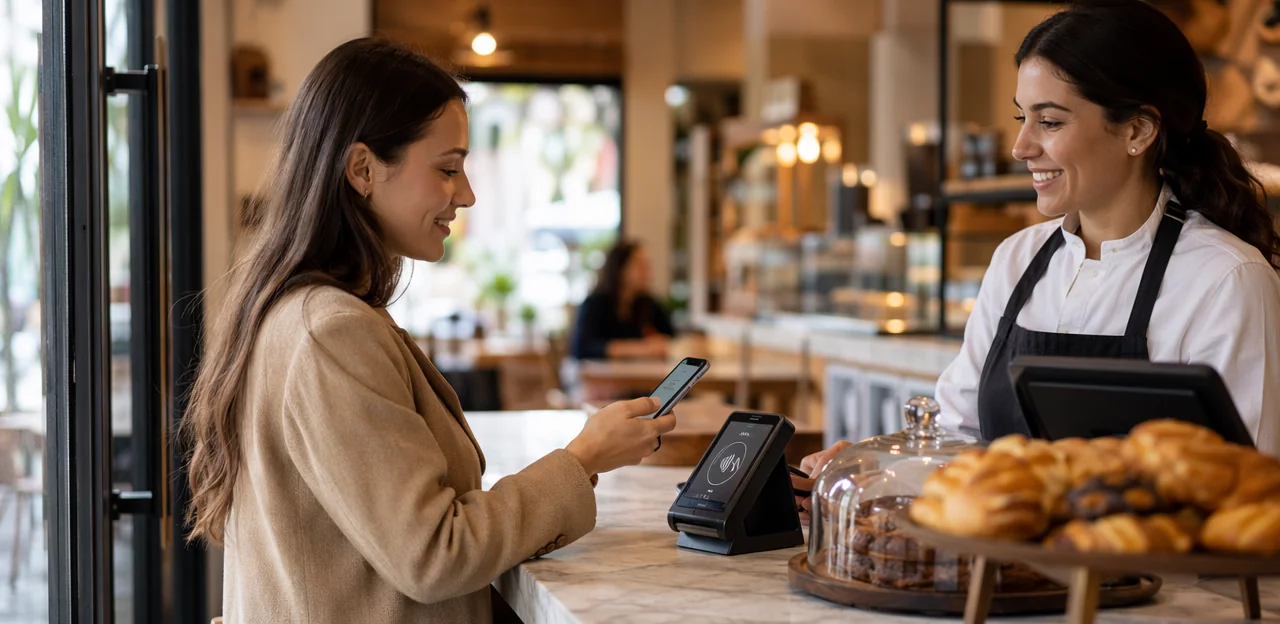
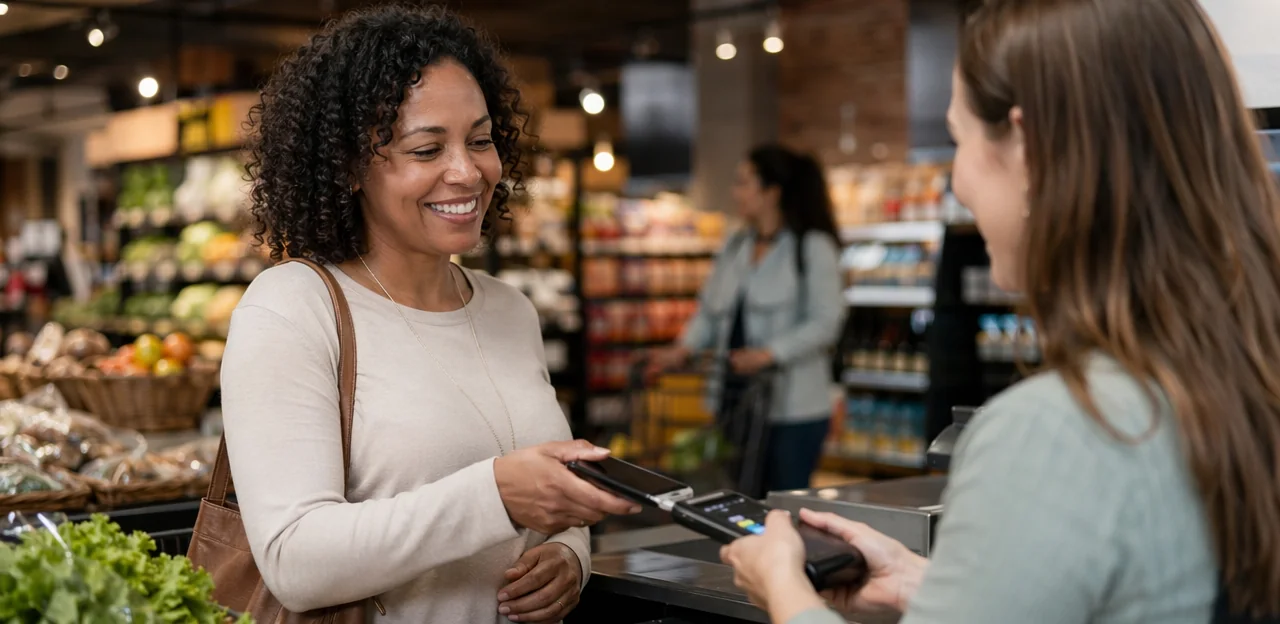
NFC taps and QR scans remove the biggest barrier in customer loyalty campaigns: friction. Instead of asking people to download an app, fill out forms, or remember passwords, tapsy ai digital loyalty lets them join, collect points, and redeem rewards in seconds at the exact moment of purchase.
- Instant access: a tap or scan opens the offer or digital loyalty card immediately.
- Faster participation: fewer steps mean more sign-ups and repeat use.
- Better redemption rates: customers act while interest is highest.
- Stronger experience: convenience makes customer loyalty feel rewarding, not complicated.
For brands exploring how to create a digital loyalty card, NFC and QR are often the smartest foundation. Combined with ai in loyalty programs and ai customer loyalty insights, they help power some of the best loyalty campaigns across industries.
Where to place touchpoints for maximum campaign impact
For tapsy ai digital loyalty, placement matters as much as the offer. The most effective customer loyalty campaigns put NFC and QR touchpoints exactly where intent is highest:
- Counters and checkout desks: capture sign-ups at payment, ideal for a digital loyalty card launch.
- Tables and packaging: drive repeat orders with scan-to-reward prompts during the experience.
- Receipts and post-purchase messages: extend engagement after checkout and support ai customer loyalty follow-up.
- Windows and entry points: attract walk-ins with instant offers.
- Events and pop-ups: collect first-party data fast.
The best loyalty campaigns match touchpoints to customer behavior. If you’re learning how to create a digital loyalty card, use ai in loyalty programs to test placements, improve conversion, and increase repeat visits through smarter customer loyalty journeys.
Connecting offline interactions with digital loyalty data
Connecting in-person actions to digital profiles gives brands a clearer view of the full customer journey. With tapsy ai digital loyalty, every NFC tap, QR scan, in-store feedback submission, or reward claim can enrich a customer record and improve campaign analytics in real time.
- Link store visits, product interest, and redemptions to a digital loyalty card
- Use ai in loyalty programs to identify patterns, predict repeat visits, and personalize offers
- Turn offline engagement into smarter customer loyalty campaigns based on actual behavior
- Learn how to create a digital loyalty card strategy that captures first-party data at the point of interaction
This is how best loyalty campaigns are built: by combining physical engagement with ai customer loyalty insights that strengthen long-term customer loyalty.
Best Practices for Launching the Best Loyalty Campaigns
Choosing the right campaign model for your audience
The best loyalty campaigns match buying habits, margins, and what customers expect from your brand. With tapsy ai digital loyalty, businesses can test and optimize customer loyalty campaigns using real behavior data, not guesswork.
- Points-based: Best for frequent, lower-value purchases like cafés or retail. A flexible digital loyalty card makes earning and redeeming simple.
- Visit-based: Ideal for repeat footfall businesses such as salons, quick-service restaurants, and fitness studios.
- Tiered: Works well for brands with strong lifetime value and aspirational perks, such as hospitality or beauty.
- Cashback: Effective when customers expect direct savings, but requires healthy margins.
- Referral: Great for service businesses where trust drives acquisition.
- VIP campaigns: Best for high-spend segments seeking exclusivity.
Using ai in loyalty programs supports smarter segmentation, while ai customer loyalty insights help brands learn how to create a digital loyalty card strategy that strengthens long-term customer loyalty.
Common mistakes that weaken loyalty performance
Many customer loyalty campaigns underperform because the experience feels confusing, generic, or invisible. Common mistakes include:
- Overcomplicated rewards: If customers struggle to understand points, tiers, or redemption rules, engagement drops. The best loyalty campaigns keep value simple and immediate, whether through a reward code or a digital loyalty card.
- Poor onboarding: If people do not instantly understand how to create a digital loyalty card or join, they abandon the process.
- Weak promotion: Even strong offers fail when touchpoints, staff prompts, and post-visit reminders are missing.
- Lack of personalization: Generic offers weaken customer loyalty; ai customer loyalty tools can tailor rewards by behavior and preferences.
- Failure to measure results: Without tracking redemptions, repeat visits, and drop-off points, ai in loyalty programs cannot optimize performance.
A strong tapsy ai digital loyalty strategy uses AI to simplify journeys, personalize incentives, and improve results continuously.
A rollout checklist for sustainable retention growth
Before launching tapsy ai digital loyalty, use this checklist to build stronger customer loyalty campaigns with measurable results:
- Set clear goals: Define whether you want more repeat visits, higher spend, better feedback, or stronger customer loyalty.
- Segment your audience: Group customers by visit frequency, spend, location, or preferences to personalize offers.
- Design reward rules: Keep earning and redemption simple. A clear digital loyalty card structure is often what makes the best loyalty campaigns easy to join.
- Train staff: Make sure teams can explain benefits and prompt participation at the right moment.
- Deploy touchpoints: Place NFC/QR prompts where engagement is highest.
- Refine messaging: Answer how to create a digital loyalty card value clearly and show instant rewards.
- Track KPIs: Monitor sign-ups, redemption, repeat visits, and retention to improve ai in loyalty programs and ai customer loyalty outcomes.
The Future of Tapsy AI Digital Loyalty

How loyalty programs are evolving with AI and automation
Loyalty is moving beyond static points and generic discounts. Today, tapsy ai digital loyalty reflects a smarter model where brands use real-time data to shape more relevant, profitable customer loyalty campaigns across every touchpoint.
Key shifts include:
- Real-time personalization: With ai in loyalty programs, businesses can tailor rewards, offers, and messages based on recent behavior, visit frequency, spend, and feedback.
- Automated retention journeys: AI can trigger win-back offers, milestone rewards, or service recovery messages automatically, helping strengthen ai customer loyalty without adding manual workload.
- Dynamic rewards: Instead of one-size-fits-all perks, the best loyalty campaigns adjust incentives by customer value, timing, and channel.
- Omnichannel integration: Modern loyalty connects in-store, web, mobile, NFC, and QR interactions, turning each scan or tap into actionable insight.
For brands planning how to create a digital loyalty card, the next step is choosing tools that combine automation, analytics, and frictionless access. A modern digital loyalty card should support instant engagement, stronger customer loyalty, and measurable campaign optimization—similar to what platforms like Tapsy enable through touchpoint-driven experiences.
Why brands need a connected loyalty strategy now
Brands that connect customer experience, analytics, and every digital touchpoint are in a stronger position to grow customer loyalty and lifetime value. Today’s consumers move between in-store, mobile, web, NFC, and QR interactions, so disconnected systems create friction, missed data, and weaker customer loyalty campaigns.
A connected approach powered by tapsy ai digital loyalty helps brands act on real behavior, not guesswork. Instead of running generic offers, businesses can use ai in loyalty programs to personalize rewards, identify churn risk, and improve timing across channels. That is how brands build ai customer loyalty strategies that feel relevant and immediate.
Key advantages include:
- Unified data: Combine feedback, visits, purchases, and engagement into one view
- Smarter rewards: Turn a digital loyalty card into a dynamic retention tool
- Faster optimization: Learn what drives the best loyalty campaigns and adjust quickly
- Early-mover advantage: Brands that invest now gain first-party data and stronger habits before competitors do
If you are evaluating how to create a digital loyalty card, start with connected touchpoints and measurable outcomes, not just points and discounts.
Conclusion
In a market where every interaction matters, tapsy ai digital loyalty gives brands a smarter way to turn everyday touchpoints into lasting relationships. By combining NFC and QR access, real-time engagement, and actionable analytics, businesses across industries can launch more effective customer loyalty campaigns without adding friction for the customer. Instead of relying on outdated systems, brands can use AI-driven insights to personalize offers, refine rewards, and build stronger customer loyalty at every stage of the journey.
What sets this approach apart is how it connects convenience with intelligence. From understanding how to create a digital loyalty card experience that customers actually use, to applying ai in loyalty programs for better targeting and retention, the result is a more agile strategy built for modern expectations. Whether you’re exploring a simple digital loyalty card solution or aiming to develop one of the best loyalty campaigns in your category, ai customer loyalty tools can help you respond faster, reward smarter, and grow repeat business more efficiently.
Now is the time to evaluate your loyalty strategy, identify key customer touchpoints, and invest in tools that make engagement measurable. Explore platforms like Tapsy, review your current campaign performance, and start building a data-driven loyalty program designed for long-term growth.
Frequently Asked Questions
- What is Tapsy AI digital loyalty?
Tapsy AI digital loyalty is a digital-first approach to customer loyalty that combines AI, digital loyalty cards, and NFC or QR touchpoints. It helps brands create faster, more personalized loyalty experiences with measurable engagement and retention data.
- Why are digital loyalty programs replacing paper punch cards?
Paper punch cards and disconnected reward systems no longer match how customers shop and engage. Digital loyalty programs offer instant access, real-time rewards, easier participation, and better personalization through connected data.
- Which types of businesses can use Tapsy AI digital loyalty?
The approach is positioned for hospitality, retail, services, and attractions, with examples including restaurants, cafés, salons, clinics, events, and fitness businesses. It is designed to adapt rewards, triggers, and messaging to different customer journeys without rebuilding the whole system.
- How does AI improve customer loyalty campaigns?
AI improves loyalty campaigns by analyzing purchase frequency, visit patterns, preferences, and response history. That allows brands to personalize rewards, predict churn risk, and time outreach based on real behavior instead of fixed schedules.
- What metrics should brands track in a digital loyalty campaign?
Key metrics include repeat visit rate, redemption rate, customer lifetime value, campaign ROI, and engagement by touchpoint. These measurements help brands understand which rewards and channels are driving stronger loyalty performance.
- What makes a digital loyalty card effective?
An effective digital loyalty card is easy to join, works well on mobile, clearly shows reward progress, and makes redemption simple. The goal is to remove friction so customers can access and use rewards quickly.
- How do you create a digital loyalty card step by step?
Start by defining the reward logic, such as points, stamps, tiers, or instant perks. Then map the customer actions that earn progress, brand the experience, automate journeys with AI, and track performance so the program can be refined over time.
- What reward models work best for digital loyalty programs?
The main models described are points, stamps, tiers, perks, surprise rewards, cashback, referral campaigns, and VIP offers. The best choice depends on buying habits, margins, visit frequency, and the type of value customers expect from the brand.
- Why do NFC and QR touchpoints increase loyalty participation?
NFC taps and QR scans reduce friction by letting customers join, collect rewards, or redeem offers in seconds. Because access happens at the moment of purchase or engagement, participation and redemption are more likely to happen immediately.
- Where should NFC and QR loyalty touchpoints be placed?
High-intent placements include counters, checkout desks, tables, packaging, receipts, post-purchase messages, windows, entry points, events, and pop-ups. These locations help capture sign-ups and encourage repeat engagement when customer attention is strongest.
- How does offline activity connect to digital loyalty data?
Offline actions such as NFC taps, QR scans, feedback submissions, and reward claims can be linked to a customer profile. That creates a clearer view of visits, product interest, and redemptions, which supports better personalization and campaign analytics.
- What are common mistakes that weaken loyalty performance?
Common problems include overcomplicated rewards, poor onboarding, weak promotion, lack of personalization, and failure to measure results. When customers do not quickly understand the value or how to join, engagement drops.
- How can brands choose the right loyalty campaign model?
Brands should match the model to customer behavior, margins, and purchase patterns. Points-based programs suit frequent lower-value purchases, visit-based models fit repeat footfall businesses, and tiered or VIP structures work better when lifetime value and exclusivity matter.
- What does a strong loyalty campaign rollout checklist include?
A strong rollout starts with clear goals, audience segmentation, and simple reward rules. It also includes staff training, strategic NFC or QR placement, clear messaging, and KPI tracking for sign-ups, redemption, repeat visits, and retention.
- Why is a connected loyalty strategy important now?
Customers move across in-store, mobile, web, NFC, and QR interactions, so disconnected systems create friction and missed data. A connected strategy brings visits, purchases, feedback, and engagement into one view, making rewards smarter and optimization faster.