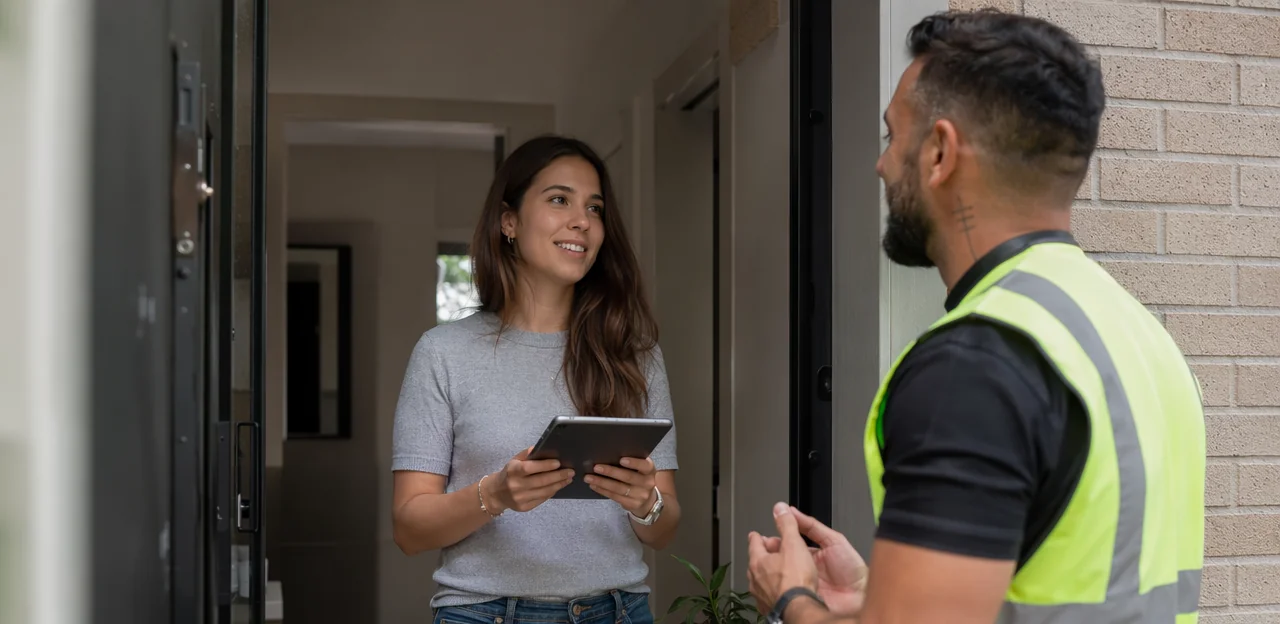
In residential buildings, resident satisfaction is shaped by dozens of everyday moments, from maintenance response times and cleanliness to communication, amenities, and community management. When tenants feel unheard, small frustrations can quickly turn into formal complaints, negative reviews, or higher turnover. That is why choosing the right tenant feedback system is no longer just a nice-to-have for housing providers and property managers; it is a practical part of delivering a better resident experience.
A well-designed tenant feedback system helps building operators collect timely, actionable insights instead of relying on occasional surveys or delayed complaints. The right approach can reveal recurring issues, highlight service gaps, and create opportunities to resolve problems before they escalate. Some modern tools, including solutions like Tapsy, also make it easier to capture feedback in real time at key touchpoints, helping teams respond faster and improve satisfaction.
This article explores the main feedback options available for residential buildings, from traditional surveys to digital, real-time systems. It will look at what features matter most, how different models support customer experience goals, and what housing organizations should consider when selecting a solution that fits their properties, residents, and operational workflows.
Why a tenant feedback system matters in residential housing

A strong tenant feedback system helps residential teams move from reactive problem-solving to proactive communication. When residents can share concerns, suggestions, and service ratings easily, property managers can respond faster and build confidence over time.
- Improves communication: Centralised feedback highlights recurring issues, from maintenance delays to shared-space cleanliness, so teams can act quickly and keep residents informed.
- Strengthens relationships: Consistent listening shows residents their opinions matter, which supports a better resident experience and more respectful landlord-tenant interactions.
- Builds trust and retention: Closing the loop on feedback increases tenant satisfaction, reduces frustration, and encourages lease renewals.
Simple listening programs, including real-time tools such as Tapsy, can help communities spot issues early and improve satisfaction before problems escalate.
Operational and compliance benefits for housing providers
A well-designed tenant feedback system gives landlords and managing agents a practical way to strengthen operations and meet compliance expectations across social and private housing.
- Spot issues early: Real-time housing provider feedback helps teams identify recurring problems such as cleaning, antisocial behaviour, safety concerns, or delays before they escalate into formal tenant complaints.
- Support complaint handling: Clear records of comments, response times, and actions taken create an audit trail for fairer, faster resolutions.
- Improve repairs communication: Property management feedback highlights where updates are unclear, helping providers keep residents informed on repair status, access arrangements, and completion times.
- Evidence performance: Dashboards and trend reports provide measurable proof for service monitoring, contractor oversight, and regulatory reporting.
Common challenges without a structured feedback process
Without a clear tenant feedback system, property teams often rely on scattered emails, phone calls, and informal conversations. This weakens the resident feedback process and makes it harder to improve customer experience in housing.
- Low visibility: Feedback stays buried in inboxes or with individual staff members, so trends are missed.
- Inconsistent follow-up: Some issues get resolved quickly, while others are forgotten, damaging trust and tenant communication.
- Duplicated issues: Multiple residents may report the same problem separately, creating extra admin and slowing action.
- Missed improvement opportunities: Without centralised data, recurring pain points are harder to spot and prioritise.
A structured platform, such as Tapsy, can help capture, track, and route feedback more consistently.
Types of tenant feedback system options available

Surveys, SMS, email, and phone-based feedback tools
Traditional channels still play an important role in a tenant feedback system, especially when you need broad coverage across different resident groups.
- Post-service surveys: Good for maintenance follow-up and structured resident satisfaction survey data. They are low-cost and easy to standardize, but response rates can be modest if sent too long after the issue is resolved.
- SMS tenant feedback: Often delivers higher open rates and faster replies than email. SMS works well for short pulse checks, urgent service verification, and tenants who prefer mobile-first communication, though per-message costs can add up.
- Email questionnaires: Best for longer-form feedback and detailed tenant survey tools. They are cost-effective at scale, but can be ignored by busy residents.
- Phone follow-ups: More expensive, but valuable for older tenants, vulnerable residents, or complex complaints where empathy and clarification matter.
For best results, match the channel to the tenant profile, service type, and urgency.
Resident portals, mobile apps, and omnichannel platforms
Digital-first tools work best when tenants want one simple place to report issues, track progress, message staff, and share feedback. A modern tenant feedback system often combines a resident portal, a tenant feedback app, and an omnichannel feedback platform so residents can respond through web, mobile, SMS, or email.
An integrated platform is usually more effective than standalone survey tools when you need to:
- Link feedback to service requests so complaints about repairs, noise, or cleanliness trigger action
- Give real-time updates on maintenance status, appointments, and resolution times
- Centralize communication between residents, site teams, and property managers
- Track the full resident journey rather than isolated survey scores
Standalone surveys suit occasional benchmarking. Integrated systems are better for high-volume buildings, ongoing engagement, and faster issue resolution. Solutions such as Tapsy can also support real-time, touchpoint-based feedback where immediate action matters.
Always-on feedback versus event-triggered feedback
A tenant feedback system should match how and when you need insight.
- Always-on feedback gives residents a permanent way to share comments anytime, often through portals, QR codes, or kiosks. It is best for spotting recurring issues, monitoring building sentiment, and capturing concerns before they escalate.
- Transactional feedback is sent after specific moments such as move-in, completed repairs, inspections, or complaint resolution. It helps you measure service quality at key touchpoints and hold teams accountable.
A practical way to choose:
- Use always-on feedback if your goal is continuous listening and early issue detection.
- Use tenant journey feedback if you want to understand satisfaction across important stages of the resident experience.
- Use transactional feedback if you need clear, comparable data on operational performance.
Many residential buildings benefit from combining both: continuous listening for trends, plus event-based surveys for precise service improvement.
How to choose the right tenant feedback system

Define goals, users, and priority use cases
Before you choose tenant feedback system options, define exactly what success looks like. A clear brief helps you align your resident engagement strategy with operational needs and wider housing customer experience goals.
Start by setting 3–4 measurable objectives, such as:
- improving repairs satisfaction scores
- reducing repeat complaints and escalation rates
- increasing resident response rates and engagement
- meeting resident experience, compliance, or service KPIs
Next, identify who will use the tenant feedback system and what actions it should trigger:
- Housing officers: spot tenancy concerns and follow up with residents
- Repairs teams and contractors: track satisfaction by job type, operative, or location
- Customer service teams: identify complaint trends and service gaps
- Managers and leadership: monitor performance, allocate resources, and report on outcomes
Finally, prioritise use cases. For example, do you need post-repair surveys, communal-area feedback, complaint recovery alerts, or estate-level sentiment tracking? Tools such as Tapsy may suit real-time, touchpoint-based feedback where fast issue resolution matters.
Assess accessibility, inclusion, and ease of use
A strong tenant feedback system should work for the full range of residents in a building, not just those who are confident online. Prioritising accessible feedback tools improves response rates and supports better service decisions.
- Offer multilingual support: Let residents choose their preferred language for surveys, forms, and follow-up messages. This is essential for inclusive tenant engagement in diverse communities.
- Make mobile access simple: Use mobile-friendly forms, QR codes, SMS links, or no-app options so residents can respond quickly from any device.
- Reduce friction: Keep questions short, allow one-tap ratings, and make written comments optional. The easier it is to respond, the more representative your feedback becomes.
- Support digitally excluded residents: Provide paper forms, phone lines, reception-based feedback, or staff-assisted options for older residents and those without reliable internet access.
- Check accessibility standards: Ensure screen-reader compatibility, clear language, high contrast, and easy navigation.
Platforms such as Tapsy can support low-friction, mobile-first feedback collection, but the key goal is digital inclusion housing strategies that reach everyone.
Review integrations, reporting, and data security
A tenant feedback system delivers far more value when it connects to the tools your teams already use. Strong housing CRM integration means resident comments, complaints, and satisfaction scores can be linked to tenancy records, while connections to repairs, housing management, and case management platforms help staff act quickly instead of copying data manually.
Look for:
- System integrations: Sync feedback into CRM, repairs, and case workflows so issues are assigned, tracked, and resolved in one place.
- Feedback reporting: Use dashboards to monitor trends by building, scheme, issue type, response time, and resident sentiment.
- Alert workflows: Trigger automatic alerts for low scores, safeguarding concerns, urgent repairs, or repeated complaints.
- Tenant data security: Check how the provider handles encryption, access controls, audit trails, and secure data storage.
- Privacy and consent: Make sure residents understand what data is collected, why it is used, and how consent is recorded and managed.
For example, platforms such as Tapsy can support real-time alerts and dashboard visibility when immediate action matters.
Features that deliver the most value in residential buildings

Real-time alerts, case routing, and closed-loop follow-up
A strong tenant feedback system should help teams move from insight to action fast. Look for features that support:
- Real-time feedback alerts for low ratings, safety concerns, or urgent comments, so staff can intervene before frustration escalates.
- Smart case routing that sends repairs, cleaning, security, or leasing issues directly to the right department.
- Closed-loop feedback workflows that log ownership, deadlines, and status updates until the issue is resolved.
- Automated follow-up messages confirming what was done and when, improving trust and transparency.
This structure speeds up tenant issue resolution, reduces repeat complaints, and shows residents their feedback leads to visible action. Tools such as Tapsy can support faster response at key touchpoints.
Segmentation, benchmarking, and trend analysis
A strong tenant feedback system should do more than collect comments; it should turn them into clear feedback analytics for action. Segment responses to compare:
- Buildings: identify which sites consistently outperform or underperform
- Service types: track cleaning, maintenance, security, and communication separately
- Contractors: measure response quality, speed, and repeat issues
- Tenant groups: compare families, seniors, students, or long-term residents
Dashboards make resident satisfaction metrics easier to monitor over time, helping property managers spot recurring complaints, seasonal shifts, and service gaps early. With housing performance benchmarking, teams can set baselines, rank properties fairly, and prioritize improvements where they will have the biggest effect on resident experience and operational performance.
Automation without losing the human touch
A strong tenant feedback system should save time without making residents feel ignored. The best approach uses feedback automation for speed, then adds human support where it matters most.
- Automate routine tasks: Schedule surveys after move-in, maintenance visits, or lease renewals using tenant communication tools.
- Set smart alerts: Flag low scores, safety concerns, or vulnerable resident issues for immediate staff review.
- Keep messages personal: Use residents’ names, clear language, and explain why feedback matters.
- Follow up with empathy: In sensitive housing situations, replace automated replies with a phone call or personal email from a named team member.
- Use reporting wisely: Customer experience automation should highlight trends, not replace conversations.
Platforms like Tapsy can support fast issue routing while preserving meaningful communication.
Implementation best practices and common mistakes to avoid

Launching with clear governance and staff ownership
To make a tenant feedback system part of daily operations, set clear rules from day one:
- Assign ownership: define who monitors incoming feedback, who responds, and who closes the loop. This strengthens feedback governance across site teams and head office.
- Set response times: create service standards for routine issues, urgent complaints, and safety concerns, then build them into property management workflows.
- Train frontline staff: give teams simple scripts, escalation criteria, and dashboard training so they can act confidently and consistently.
- Create escalation paths: route unresolved, high-risk, or repeat issues to managers quickly.
Strong tenant feedback implementation turns insights into action, not just reports.
Improving response rates and feedback quality
To increase survey response rates and improve feedback quality, make your tenant feedback system easy, timely, and clearly useful:
- Ask at the right moment: send requests after key touchpoints, such as move-in, maintenance completion, or renewal discussions, when experiences are fresh.
- Keep surveys short: 3–5 questions often work best and reduce survey fatigue.
- Use plain language: avoid jargon so tenants can respond quickly and confidently.
- Choose the right channel: email suits detailed feedback, while SMS, QR codes, or tools like Tapsy can boost convenience and tenant engagement.
- Close the loop: show what changed based on feedback to build trust and encourage future participation.
Mistakes that reduce trust and limit ROI
A poorly planned tenant feedback system can damage tenant trust and weaken feedback ROI. Common mistakes include:
- Collecting feedback without follow-up: If residents report issues and hear nothing back, they quickly stop engaging. Always close the loop with updates, actions, or timelines.
- Over-surveying residents: Too many requests create survey fatigue, lowering response quality and participation. Keep surveys short, relevant, and timed to key moments.
- Ignoring vulnerable groups: Feedback methods must be accessible for older residents, disabled tenants, and people with limited digital access or language barriers.
- Choosing on price alone: Low-cost tools may lack usability, reporting, and action tracking. Prioritize long-term insight value, not just upfront savings.
Measuring success and building a long-term feedback strategy

Key metrics to track after rollout
To measure whether your tenant feedback system is delivering value, track a focused set of KPIs:
- Response rate: shows participation levels across buildings, channels, or touchpoints.
- Resident satisfaction KPI: monitor average satisfaction scores, trends, and low-score hotspots.
- Complaint reduction: compare complaint volume before and after launch.
- Issue resolution time: measure how quickly teams close reported problems.
- Retention indicators: track lease renewals, churn, and referral signals.
- Housing service improvement: link feedback themes to completed actions, such as faster repairs or cleaner shared spaces.
Together, these tenant feedback metrics reveal both engagement and operational impact.
Turning insights into service and policy improvements
A strong tenant feedback system should turn recurring comments into clear action across every building. Use tenant insight to spot patterns, prioritise causes, and assign owners through service improvement planning.
- Repairs: flag repeated delays, missed appointments, or poor first-time fixes, then update workflows and SLAs.
- Communication: set response-time standards, clearer updates, and consistent complaint handling.
- Contractors: track recurring issues by supplier, strengthen KPIs, and review contract performance.
- Engagement: refresh resident engagement plans by block or scheme to support targeted housing policy improvement and local trust-building.
Creating a continuous listening culture
To get more value from a tenant feedback system, housing providers should move beyond annual surveys and build continuous listening into everyday operations. This helps keep the resident voice visible, strengthens accountability, and improves service over time.
- Capture feedback at key moments: move-in, repairs, complaints, and tenancy renewals
- Share themes, actions, and progress with residents to build transparency
- Assign owners for follow-up and track response times
- Use insights to refine your customer experience strategy, not just report scores
Tools such as Tapsy can support real-time, touchpoint-based feedback collection.
Conclusion
Choosing the right tenant feedback system is ultimately about more than collecting comments—it’s about creating a better resident experience, resolving issues faster, and building trust across your residential building or portfolio. The best solutions are easy for tenants to use, simple for teams to manage, and capable of turning feedback into clear, actionable insights. From real-time issue reporting and satisfaction tracking to automated alerts and performance benchmarking, a well-designed tenant feedback system helps property managers move from reactive problem-solving to proactive service improvement.
As you evaluate your options, focus on the essentials: accessibility, response workflows, reporting capabilities, data privacy, and integration with your existing property management processes. A tenant feedback system should not add complexity; it should make it easier to listen, respond, and improve continuously.
The next step is to assess your building’s needs, map key tenant touchpoints, and compare vendors based on usability, speed, and measurable outcomes. If you want a modern, touchpoint-based approach, solutions like Tapsy may be worth exploring. You can also review case studies, request demos, and gather input from on-site teams before making a decision. Invest in the right tenant feedback system now, and you’ll be better positioned to increase satisfaction, retention, and long-term property value.
Frequently Asked Questions
- What is a tenant feedback system for residential buildings?
A tenant feedback system is a structured way for residents to share concerns, suggestions, and service ratings across touchpoints such as repairs, cleanliness, communication, and amenities. It helps property teams collect feedback centrally, identify recurring issues, and respond before problems escalate.
- Why do residential building operators need a formal feedback process?
A formal process helps teams move from reactive complaint handling to proactive communication and service improvement. It also supports trust, tenant satisfaction, and retention by making it easier to close the loop on resident concerns.
- What problems happen when feedback is managed through emails and informal conversations only?
Feedback can stay buried in inboxes or with individual staff members, which makes trends hard to spot. Follow-up becomes inconsistent, duplicate reports increase admin work, and recurring service issues are easier to miss.
- How do post-service surveys, SMS, email, and phone feedback compare?
Post-service surveys are useful for standardized maintenance follow-up, while SMS often gets faster replies and works well for short pulse checks. Email is better for longer-form feedback at scale, and phone follow-ups are more suitable for older tenants, vulnerable residents, or complex complaints that need empathy and clarification.
- When is an integrated resident portal or feedback app better than standalone surveys?
Integrated tools are better when residents need one place to report issues, track progress, message staff, and share feedback. They are especially useful for high-volume buildings and ongoing engagement because they can link feedback to service requests and support real-time updates.
- What is the difference between always-on feedback and transactional feedback?
Always-on feedback gives residents a permanent way to comment at any time, which helps detect patterns and building-wide sentiment early. Transactional feedback is triggered after specific events such as move-in, completed repairs, inspections, or complaint resolution, making it better for measuring service quality at key moments.
- How should a housing provider choose the right tenant feedback system?
Start by defining measurable goals such as improving repairs satisfaction, reducing repeat complaints, or increasing response rates. Then identify who will use the system, what actions it should trigger, and which use cases matter most, such as post-repair surveys, communal-area feedback, or estate-level sentiment tracking.
- What accessibility and inclusion features matter most in a tenant feedback system?
Useful features include multilingual support, mobile-friendly forms, SMS links, QR codes, and no-app options to reduce friction. It is also important to support digitally excluded residents through paper forms, phone lines, reception-based feedback, or staff-assisted options, while meeting accessibility standards like screen-reader compatibility and clear navigation.
- Why are integrations, reporting, and data security important when comparing systems?
Integrations help connect feedback with CRM, repairs, housing management, and case workflows so teams can act without manual copying. Reporting and dashboards make it easier to track trends and performance, while strong security, privacy, and consent controls protect tenant data and create a clearer audit trail.
- Which features deliver the most value after a system is launched?
High-value features include real-time alerts for low ratings or safety concerns, smart routing to the right department, and closed-loop workflows that track ownership and status until resolution. Automated follow-up messages and dashboards for segmentation, benchmarking, and trend analysis also help teams turn feedback into action.
- How can automation improve feedback handling without making responses feel impersonal?
Automation works best for routine tasks such as scheduling surveys, sending alerts, and highlighting trends. Sensitive situations should still receive a personal phone call or email from a named team member, so speed does not replace empathy.
- What are the best ways to improve tenant response rates and feedback quality?
Ask for feedback soon after key touchpoints like move-in, maintenance completion, or renewal discussions, when the experience is still fresh. Keep surveys short, use plain language, choose the right channel for the audience, and show residents what changed based on their feedback.
- What common mistakes reduce trust and limit return on investment?
Collecting feedback without follow-up quickly discourages residents from participating again. Other common mistakes include over-surveying, ignoring vulnerable or digitally excluded groups, and choosing a tool based on price alone instead of usability, reporting, and action tracking.
- Which KPIs should property managers track to measure success?
Useful KPIs include response rate, satisfaction scores, complaint reduction, issue resolution time, and retention indicators such as lease renewals or churn. It is also important to connect feedback themes to completed service improvements, such as faster repairs or cleaner shared spaces.
- How can tenant feedback shape long-term service and policy improvements?
Recurring comments can be used to improve repairs workflows, communication standards, contractor oversight, and resident engagement plans. A continuous listening approach keeps the resident voice visible across move-in, repairs, complaints, and renewals, helping teams refine service over time.