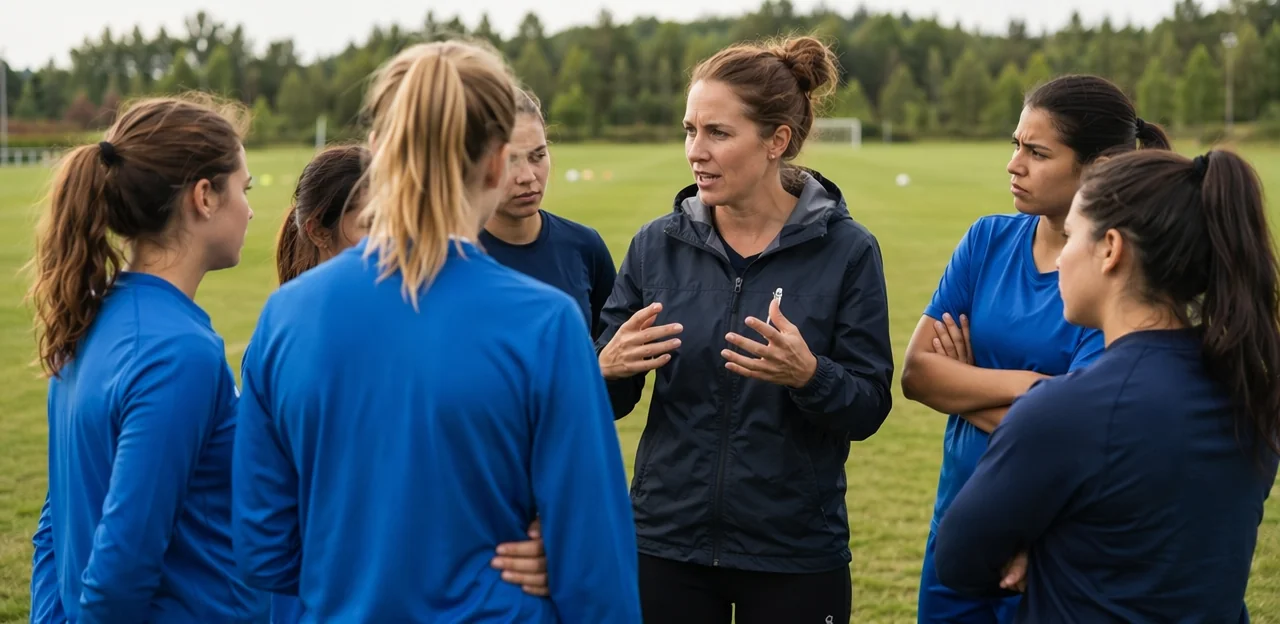
Great coaching is about more than drills, tactics, and match-day performance. For sports clubs and associations, long-term success depends on understanding how training actually feels for the people involved. Are sessions well organized? Do members feel supported, challenged, and motivated? Are coaches getting the insight they need to improve? That is where sports training feedback becomes essential.
A well-designed feedback process helps clubs move beyond assumptions and gather clear, practical input from both coaches and members. It can reveal what is working, highlight communication gaps, uncover issues with session structure or player development, and strengthen the overall member experience. For community clubs, competitive teams, and growing sports associations alike, better feedback often leads to better retention, stronger relationships, and more effective training environments.
In this article, we will explore how sports clubs can collect meaningful training feedback through smart survey design and well-crafted questions for coaches and members. We will look at why feedback matters, what to ask, how to structure responses for useful insights, and how clubs can turn that information into real operational improvements. We will also touch on practical ways to gather feedback efficiently, including digital tools such as Tapsy where relevant.
Why sports training feedback matters for sports clubs
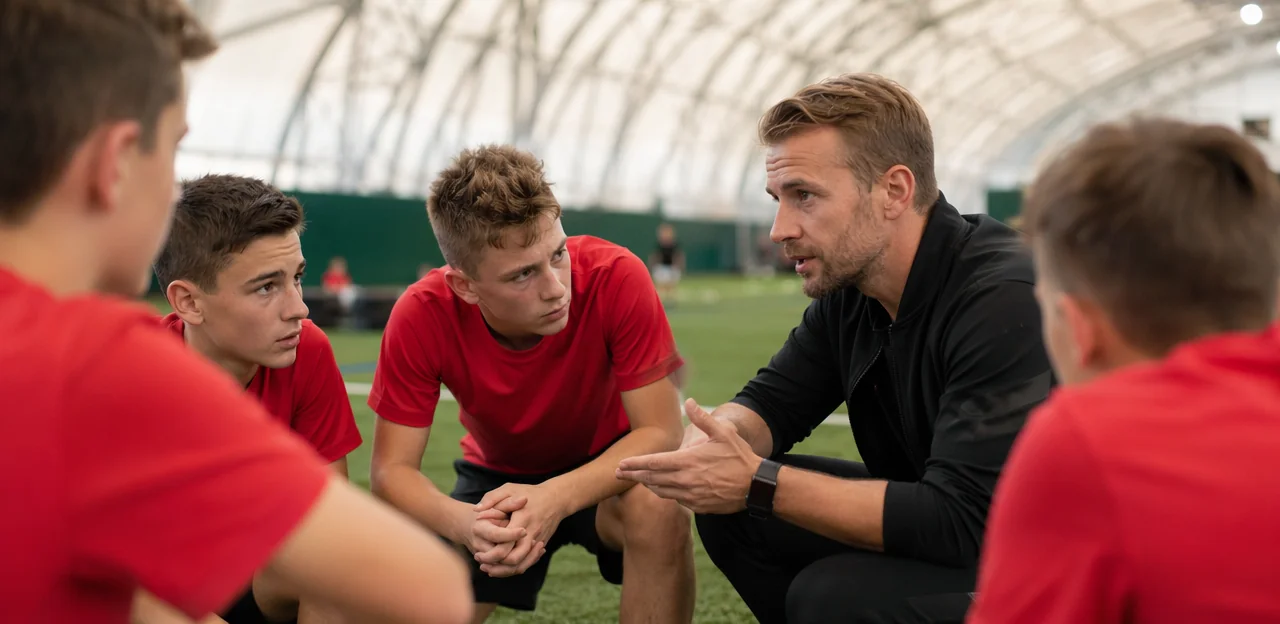
How feedback improves coaching and player development
Regular sports training feedback gives clubs a clear view of what is working and what needs adjustment. It helps coaches move beyond assumptions and improve sessions based on real player and member experiences.
- Spot coaching strengths and gaps: Identify which coaching methods build confidence, clarity, and motivation.
- Improve session structure: Learn whether drills are engaging, well-paced, and appropriate for different ability levels.
- Support better skill progression: Track if players feel challenged enough, understand goals, and see steady improvement.
- Strengthen athlete support: Uncover needs around communication, inclusion, recovery, and wellbeing.
For competitive clubs, coaching feedback sharpens performance pathways. For community clubs, it improves enjoyment, retention, and accessibility. Short, regular surveys—using tools such as Tapsy if suitable—turn feedback into practical action that strengthens coaching quality and player development.
The link between feedback, retention, and member experience
Effective sports training feedback helps clubs understand what members value, where frustrations arise, and what keeps people coming back. When clubs act on feedback, they strengthen the overall member experience and make members feel heard.
- Use a regular member satisfaction survey to track coaching quality, communication, facilities, and session enjoyment.
- Share key improvements with members so they see their feedback leads to action.
- Spot early warning signs like low motivation, poor session fit, or unclear coaching before they affect sports club retention.
- Encourage open feedback from both coaches and members to build trust, accountability, and a supportive culture.
Listening consistently improves satisfaction, increases motivation, and creates a positive environment where members are more likely to stay engaged long term.
Operational benefits for associations and club leaders
Sports training feedback should inform more than coaching quality—it should strengthen sports club operations and day-to-day club management. Well-designed sports association surveys help leaders spot patterns early and allocate resources more effectively.
- Scheduling: Identify preferred training times, session length, and attendance barriers to reduce clashes and improve turnout.
- Facility use: Learn which courts, pitches, gyms, or changing areas create friction, overcrowding, or maintenance issues.
- Communication: Test whether members receive updates clearly across email, apps, and team chats.
- Staffing: Use feedback to plan coach coverage, volunteer support, and admin availability during peak periods.
- Safeguarding: Surface concerns about supervision, inclusion, transport, or reporting processes quickly.
- Program planning: Compare demand by age group, skill level, and format to shape future sessions and seasonal offers.
Used consistently, feedback becomes a practical operations tool—not just a coaching review.
How to design an effective sports training feedback survey
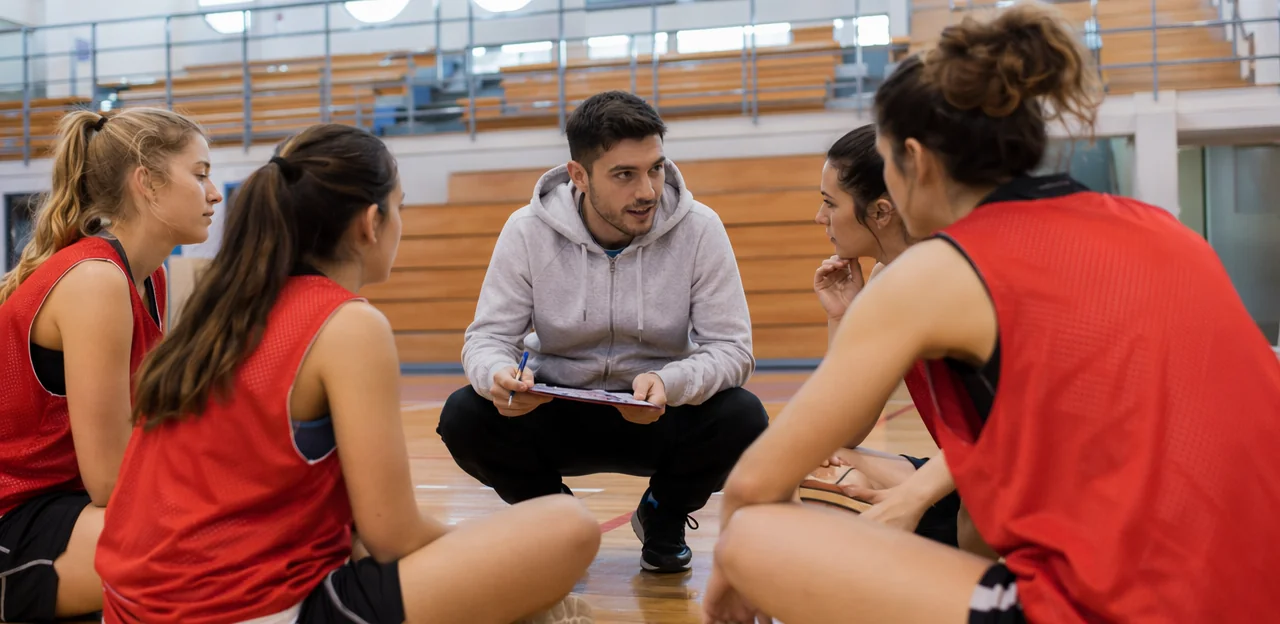
Set clear goals for coaches, members, and programs
Before writing any sports training feedback questions, decide exactly what you want to learn. Strong survey design starts with clear priorities, so your sports feedback survey collects useful answers instead of vague opinions.
Separate goals by audience and age group:
- Coaches: session planning, communication, athlete progress, safety, and support needs
- Members/athletes: enjoyment, inclusivity, clarity of instruction, confidence, and training outcomes
- Parents (for youth clubs): communication, safeguarding, scheduling, and overall experience
- Programs or teams: attendance trends, skill development, culture, and retention
This makes training evaluation more accurate and easier to act on. For example, junior players may need simple questions about fun and safety, while adult members can assess coaching quality and improvement. Define 3–5 goals first, then write questions that directly measure each one.
Choose the right survey format and timing
Good sports training feedback depends on asking at the right moment. Match your survey timing to the type of insight you need:
- Post-session surveys: Best for quick reactions on coaching clarity, session intensity, and facilities while details are still fresh.
- Monthly check-ins: Useful for spotting patterns in motivation, attendance, and progress without over-surveying members.
- Seasonal or annual surveys: A season review survey works well for deeper feedback on coaching quality, development, communication, and overall club experience.
Use a short pulse survey when you want fast, high response rates and simple trend tracking. Use longer reviews less often for reflective, detailed answers. Timing affects response quality: immediate surveys capture accuracy, while later surveys reveal broader perspective. For easy post-training collection, clubs can also use tools like Tapsy.
Use a mix of question formats so sports training feedback reveals both trends and practical next steps.
- Rating scales help track satisfaction over time. Ask clear survey questions such as coaching clarity, session intensity, or facility quality on a 1–5 scale.
- Multiple-choice questions identify patterns quickly, like preferred training times, drills members value most, or reasons for missed sessions.
- Open-ended responses capture context: “What should we improve in training next month?”
For stronger feedback form design, keep every question:
- Simple — use plain language and one idea per question
- Unbiased — avoid leading wording like “How great was the session?”
- Actionable — ask about areas coaches can actually change
This balance gives sports clubs measurable results and deeper comments that lead to real actionable insights.
Best questions to ask club members about training

Questions about session quality, enjoyment, and progress
To collect useful sports training feedback, clubs should ask clear, member-focused questions that reveal how sessions feel and whether they deliver results. Strong member feedback questions often cover four areas:
- Engagement and enjoyment
- Did you enjoy today’s session?
- Which activities kept you most involved?
- For youth members: Was training fun and easy to follow?
- For adult members: Did the session keep you motivated and interested?
- Organization and coaching quality
- Was the session well-structured and well-paced?
- Were instructions clear and easy to understand?
- These sports club survey questions help identify issues with planning, communication, or session flow.
- Challenge level
- Was the training too easy, too hard, or about right?
- Did drills match your age, skill level, or fitness?
- Progress and improvement
- Do you feel you are improving through training?
- What skills, fitness, or confidence have improved recently?
Good training session feedback combines rating-scale questions with one open comment, giving clubs both measurable trends and practical suggestions for better sessions.
Questions about communication, inclusion, and support
This part of sports training feedback should explore whether members feel heard, respected, and confident during sessions. Strong coach communication and consistent athlete support often shape retention, motivation, and performance just as much as the training plan itself.
Use questions such as:
- Do coaches explain drills, goals, and corrections clearly?
- Do you feel comfortable asking questions during training?
- Are instructions adapted for different ages, abilities, or experience levels?
- Do coaches treat all members with respect and fairness?
- Do you feel encouraged after mistakes, or worried about being judged?
- Does the club demonstrate inclusive coaching for all backgrounds and identities?
- Do you feel psychologically safe speaking up about concerns, injuries, or boundaries?
For better insight, combine rating-scale questions with one open text prompt like: “What could coaches do to help you feel more supported during training?”
This helps clubs spot issues early, improve coaching behaviours, and create a training environment where every member feels included, safe, and motivated.
Questions about logistics and overall club experience
Good sports training feedback should go beyond coaching quality and ask how daily operations shape the member journey. Strong club logistics often determine whether athletes feel motivated, organized, and likely to stay.
Useful questions include:
- Scheduling: Are training times convenient and consistent? Are last-minute changes communicated clearly?
- Facilities: How would you rate cleanliness, lighting, changing rooms, parking, and overall accessibility? Gathering sports facilities feedback helps identify barriers to attendance.
- Equipment: Is the equipment safe, modern, and available when needed?
- Group sizes: Do sessions feel overcrowded, or do members receive enough individual attention?
- Registration: Is sign-up simple, fast, and easy to understand for new and existing members?
- Value for money: Do members feel training quality, facility access, and club support justify the membership fee?
These questions reveal operational issues that directly affect the sports membership experience. If members love the coaching but struggle with poor scheduling or limited equipment, satisfaction will still drop. Clubs can also use simple real-time tools like Tapsy to collect quick feedback at training venues.
Best questions to ask coaches about training delivery

Questions about planning, resources, and session structure
Use sports training feedback to uncover whether coaches have what they need to deliver effective sessions and long-term athlete progress. Strong coach survey questions in this area should cover:
- Training objectives: Are session goals clear, age-appropriate, and linked to season targets?
- Training session planning: Do coaches have enough time to prepare drills, review performance, and adapt plans for different ability levels?
- Sports coaching resources: Is essential equipment available, safe, and sufficient for group size?
- Facility suitability: Does the venue support the technical, tactical, and physical demands of training?
- Session structure: Do warm-ups, skill work, conditioning, and recovery elements align with athlete development goals?
Keep surveys specific and practical so clubs can identify gaps, improve planning processes, and invest in the right resources first.
Questions about athlete engagement and development challenges
Use this part of your sports training feedback survey to uncover patterns that affect participation and progress. Ask coaches focused questions such as:
- Attendance and motivation: Which sessions have the strongest turnout, and when does athlete engagement drop?
- Mixed ability groups: Are training plans suitable for different levels, or do some members feel under-challenged or left behind?
- Behavior and culture: Are there issues with punctuality, focus, teamwork, or respect that create coaching challenges?
- Progression barriers: What is slowing improvement—confidence, fitness, technique, communication, or limited practice time?
- Support needs: Which athletes need extra guidance, clearer goals, or more individual feedback?
This kind of skill development feedback helps clubs adjust coaching methods, improve retention, and create better development pathways for every member.
Questions about club support, communication, and operations
To improve the coach experience, clubs should use sports training feedback to uncover operational issues that affect delivery behind the scenes. Ask coaches clear, practical questions such as:
- How effective is sports club communication about schedule changes, events, and policy updates?
- Are admin tasks like attendance, registrations, expenses, and equipment requests easy to complete?
- Do you feel there is enough club support for coaches around safeguarding, welfare concerns, and incident reporting?
- Are staffing levels sufficient for safe, high-quality sessions?
- How well do training times, facility access, and match schedules support your role?
- When problems are raised, how quickly does club leadership respond and take action?
Keep questions specific and repeat them regularly to spot patterns, remove friction, and strengthen day-to-day operations.
How to analyze sports training feedback and act on it
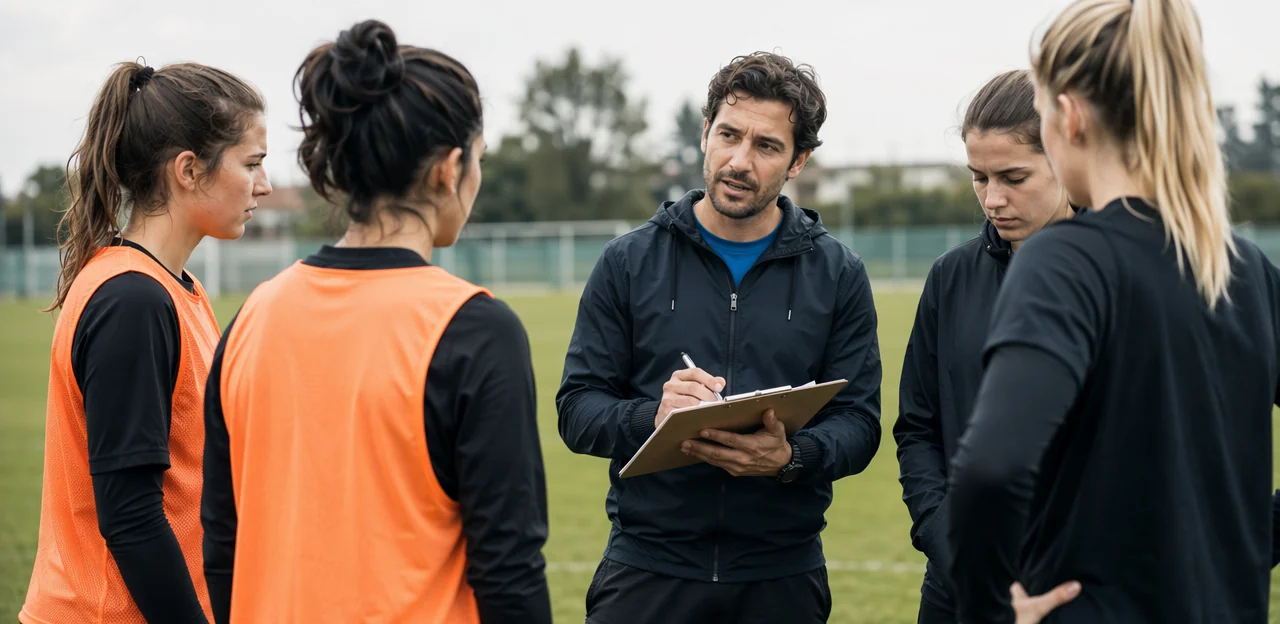
Spot patterns in quantitative and qualitative responses
To turn sports training feedback into action, review scores and comments together rather than separately. This improves feedback analysis, reveals stronger survey data insights, and supports clearer sports club reporting.
- Review ratings by theme: Track averages for coaching quality, session structure, communication, enjoyment, and facilities.
- Compare key segments: Look for differences by age group, team, coach, or program type to see where experiences vary most.
- Categorize open-text comments: Group responses into recurring topics such as motivation, safety, scheduling, skill development, or coach communication.
- Flag repeated issues and wins: Prioritize patterns that appear often or affect specific groups, then turn them into improvement actions and coaching support.
Prioritize actions that improve training and member experience
To turn sports training feedback into results, clubs should build an action plan around changes that will affect the most members and improve coaching quality fastest. Focus on recurring themes, low-scoring areas, and issues that are easy to fix.
- Coach education: address feedback on instruction clarity, motivation, or session structure with targeted training.
- Schedule changes: adjust session times, group sizes, or training frequency to reduce friction.
- Communication fixes: improve updates on cancellations, expectations, and progress tracking.
- Equipment upgrades: replace unsafe, outdated, or insufficient gear.
Review progress regularly, assign owners and deadlines, and use feedback cycles to support continuous improvement and a stronger member experience strategy.
Close the feedback loop with members and coaches
Collecting sports training feedback is only useful if people see what happens next. To close the feedback loop, share key findings quickly, explain decisions, and highlight visible improvements. Strong member communication shows that feedback leads to action, which builds trust and improves future survey participation.
- Share a short summary of top themes with coaches and members.
- Explain what will change now, what will be reviewed later, and why.
- Highlight visible wins, such as adjusted session times, clearer coaching cues, or safer equipment checks.
- Thank respondents and give a timeline for updates.
When clubs communicate openly, members and coaches feel heard and are more likely to keep contributing honest, useful feedback.
Common mistakes to avoid when collecting training feedback

Asking too many vague or biased questions
Poor sports training feedback often starts with survey mistakes like long forms and unclear wording. Keep surveys short and precise to protect completion rates and data quality.
- Avoid biased survey questions that push respondents toward praise.
- Remove double-barreled questions like “Was training useful and enjoyable?”
- Use clear scales consistently, such as 1–5 from “very poor” to “excellent.”
- Test for poor feedback design before sending.
Ignoring anonymity, accessibility, and audience needs
Poor sports training feedback often starts with barriers to honest participation. Clubs should make surveys easy and safe for everyone:
- Use anonymous surveys to encourage open feedback from players, parents, and volunteers.
- Prioritize accessible survey design with mobile-friendly layouts, clear fonts, and screen-reader compatibility.
- Keep wording age-appropriate for children and teens.
- Include parent-friendly options and simple language to improve youth sports feedback quality across diverse member groups.
Collecting sports training feedback without visible action quickly weakens member trust. When coaches and members share concerns but see no change, future response rates drop and honest input dries up.
- Assign an owner to every major issue
- Set a deadline for review and action
- Share clear feedback follow-up updates with members
This simple process strengthens club accountability and shows feedback leads to real improvements, not just data collection.
Conclusion
In the end, effective sports training feedback is one of the most practical tools a club can use to improve coaching quality, strengthen member satisfaction, and support long-term growth. By asking the right questions of both coaches and members, sports clubs can uncover what is working, where communication may be falling short, and how training sessions can better meet different skill levels, goals, and expectations.
A well-designed feedback process should be simple, consistent, and actionable. Focus on topics such as coaching clarity, session structure, athlete development, motivation, inclusivity, and the overall member experience. When clubs collect and review sports training feedback regularly, they are better positioned to make informed operational decisions, build trust, and create a more positive environment for everyone involved.
The next step is to turn insight into action. Review your current survey design, identify the most important feedback moments during the season, and create a clear process for sharing results and implementing improvements. If you want to streamline collection and respond faster to member input, tools like Tapsy can help capture real-time feedback at key touchpoints.
Start small, stay consistent, and keep listening. The clubs that treat sports training feedback as an ongoing strategy—not a one-time task—will be the ones that build stronger programs, happier members, and better results on and off the field.
Frequently Asked Questions
- Why is training feedback important for sports clubs?
Training feedback helps clubs understand how sessions actually feel for members and coaches instead of relying on assumptions. It highlights what is working, reveals communication or structure issues, and supports better retention, relationships, and training environments.
- How does feedback improve coaching and player development?
Regular feedback shows which coaching methods build confidence, clarity, and motivation. It also helps clubs assess session structure, challenge level, and whether players feel they are progressing in skills, fitness, or confidence.
- What should a sports training feedback survey measure first?
Start by defining 3 to 5 clear goals based on the audience, such as coaching quality, enjoyment, safety, communication, attendance, or development. Separating goals for coaches, members, parents, and programs makes the results easier to interpret and act on.
- When should clubs send post-session, monthly, or seasonal training surveys?
Post-session surveys are best for immediate reactions on coaching clarity, intensity, and facilities while details are fresh. Monthly check-ins help spot trends in motivation, attendance, and progress, while seasonal or annual surveys are better for deeper reflection on the full club experience.
- What question types work best in a sports feedback survey?
A strong survey uses rating scales for trend tracking, multiple-choice questions for quick pattern detection, and open-ended responses for context. Questions should stay simple, unbiased, and focused on areas the club can actually improve.
- What are the best questions to ask members about training sessions?
Useful member questions cover enjoyment, organization, challenge level, and progress. Examples include whether the session was enjoyable, whether instructions were clear, whether drills matched ability level, and whether the member feels they are improving.
- How can clubs ask about inclusion, support, and psychological safety?
Clubs should ask whether coaches explain drills clearly, treat members fairly, adapt instructions for different abilities, and make people feel comfortable speaking up. Adding an open prompt about how coaches could provide more support helps uncover specific issues early.
- Should training feedback include logistics like facilities and scheduling?
Yes, operational factors strongly affect the member experience even when coaching is good. Questions about training times, communication of changes, equipment quality, group sizes, registration, and value for money can reveal barriers to attendance and satisfaction.
- What should clubs ask coaches about training delivery?
Coach feedback should cover planning time, clarity of training objectives, equipment availability, facility suitability, and session structure. It should also explore whether warm-ups, skill work, conditioning, and recovery align with athlete development goals.
- How can coach surveys uncover athlete engagement and development challenges?
Clubs can ask coaches about turnout patterns, motivation drops, mixed ability groups, behavior issues, and barriers to improvement. These responses help identify where athletes need clearer goals, more support, or better-adapted training plans.
- How should sports clubs analyze training feedback effectively?
Review ratings and comments together rather than separately to get a fuller picture. Track themes like coaching quality, communication, enjoyment, and facilities, then compare results by age group, team, coach, or program to find recurring issues and strengths.
- What actions should clubs prioritize after collecting feedback?
Focus first on recurring problems, low-scoring areas, and issues that affect many members or can be fixed quickly. Common priorities include coach education, schedule adjustments, communication improvements, and equipment upgrades, with clear owners and deadlines for each action.
- How do clubs close the feedback loop with members and coaches?
Share the main findings, explain what will change now and what will be reviewed later, and give a timeline for updates. Thanking respondents and showing visible improvements helps build trust and encourages future participation.
- What common mistakes should clubs avoid in training feedback surveys?
Avoid long surveys, vague wording, biased questions, and double-barreled questions that ask about two things at once. Clubs should also use consistent scales, test surveys before sending, and avoid collecting feedback without any visible follow-up.
- How can tools like Tapsy fit into a sports club feedback process?
Digital tools such as Tapsy can help clubs collect feedback efficiently at key moments, including after training sessions or at venues. They are most useful for short, regular feedback cycles that support faster responses and practical improvements.