
Every visit to a museum, gallery, heritage site, or cultural attraction tells a story, but too often, institutions only see part of it. Attendance figures, ticket sales, and gift shop revenue reveal what happened, not how visitors felt, where friction occurred, or what inspired deeper engagement. That is where visitor experience analytics becomes essential. By turning real-time feedback, behavioral patterns, and audience insights into action, cultural institutions can move beyond assumptions and design experiences that are more meaningful, accessible, and memorable.
As expectations continue to rise, museums and attractions are increasingly exploring customer experience analytics solutions to understand the full visitor journey, from pre-visit planning to on-site interactions and post-visit advocacy. The right customer experience analytics tools can help teams identify pain points, improve exhibitions, personalize services, and strengthen loyalty across an increasingly omnichannel experience. Whether delivered through a customer experience analytics platform, customer experience analytics software, or broader customer experience software, these technologies are reshaping how institutions build a smarter customer experience strategy.
This article explores how visitor experience analytics helps cultural organizations capture richer audience insight, improve decision-making, and create more responsive, visitor-centered environments through data, AI, and modern engagement tools.
Why Visitor Experience Analytics Matters for Cultural Institutions

Defining visitor experience analytics in museums and attractions
Visitor experience analytics in cultural institutions means turning every audience touchpoint into usable insight. Rather than simply reporting attendance totals, it examines how people move through galleries, where they pause, what they interact with, how long they stay, what they buy, and what they say afterward.
It typically brings together:
- Visitor behavior and dwell time across exhibitions and spaces
- Feedback, sentiment, and surveys to measure audience experience
- Ticketing, memberships, and donations to understand loyalty and return intent
- Digital interactions across websites, apps, kiosks, and other omnichannel experience touchpoints
Unlike generic reporting, visitor experience analytics supports a stronger customer experience strategy by revealing what actions improve engagement. The best customer experience analytics tools, customer experience analytics software, and a unified customer experience analytics platform help museums move from raw data to practical decisions.
The shift from attendance metrics to audience insight
Footfall and ticket revenue show how many people came, but not why they came, what they experienced, or why they may not return. That is why visitor experience analytics has become essential for museums and attractions building a stronger customer experience strategy.
To improve performance, institutions need visibility across the full journey:
- Before the visit: motivations, booking behavior, campaign response, and barriers to purchase
- During the visit: queue times, wayfinding issues, exhibit engagement, dwell time, and service pain points
- After the visit: satisfaction, repeat intent, membership conversion, reviews, and advocacy
Modern customer experience analytics solutions combine survey feedback, behavioral data, and omnichannel experience signals into one view. Using the right customer experience analytics tools, customer experience analytics platform, and customer experience analytics software helps teams turn attendance data into actionable audience insight.
Key benefits for museums, galleries, and heritage venues
- Smarter exhibit planning: Visitor experience analytics reveals which displays attract attention, where dwell time drops, and which themes drive repeat visits, helping teams refine layouts and future exhibitions with confidence.
- Better wayfinding: Insights from a customer experience analytics platform can highlight navigation pain points across entrances, galleries, cafés, and gift shops, improving flow and reducing frustration.
- Stronger membership retention: Using customer experience analytics tools and customer experience analytics software, institutions can identify what motivates renewals, personalize offers, and strengthen loyalty.
- More relevant programming: Audience behavior, feedback, and booking patterns support a sharper customer experience strategy, enabling events, tours, and education programs that better match visitor interests.
- Mission and revenue alignment: The right customer experience analytics solutions and customer experience software connect onsite and digital touchpoints into an omnichannel experience, supporting both public engagement goals and commercial performance.
Mapping the Modern Visitor Journey Across Channels

Understanding pre-visit, on-site, and post-visit touchpoints
Effective visitor experience analytics maps the full journey and shows where loyalty is won or lost:
- Pre-visit: Discovery, website browsing, ticket booking, parking details, and confirmation emails shape first impressions. Strong customer experience software and a clear customer experience strategy reduce friction and support a seamless omnichannel experience.
- On-site: Arrival, wayfinding, staff interactions, exhibit engagement, accessibility, retail, and food service all influence satisfaction. A customer experience analytics platform helps institutions track dwell time, queue pain points, and service gaps in real time.
- Post-visit: Follow-up emails, membership offers, surveys, and social engagement extend the relationship. Using customer experience analytics tools and customer experience analytics software helps turn feedback into repeat visits, stronger advocacy, and smarter programming.
Integrated customer experience analytics solutions connect every touchpoint into one actionable view.
How digital and physical experiences connect
For museums and attractions, visitor experience analytics should connect every touchpoint into one clear picture. A visitor may discover an exhibition on social media, book through your website, receive reminder emails, use a mobile app on-site, interact with kiosks, and then share feedback after the visit. If each channel is measured separately, important patterns are missed.
- Use a customer experience analytics platform to link pre-visit, on-site, and post-visit behavior.
- Combine website, app, email, kiosk, and front-of-house data with customer experience analytics tools and customer experience analytics software.
- Build an omnichannel experience that shows where engagement rises, drops, or converts to membership.
This joined-up approach strengthens your customer experience strategy and helps cultural institutions choose better customer experience analytics solutions and customer experience software.
Common friction points cultural institutions should measure
Effective visitor experience analytics helps museums and attractions pinpoint exactly where the journey starts to fail. Focus measurement on these common friction points:
- Confusing booking flows: Track drop-offs, abandoned carts, and device-specific issues with customer experience analytics tools.
- Long queues: Measure wait times by entry point, time slot, and exhibition to improve staffing and flow.
- Poor signage: Use heatmaps, route data, and feedback to identify where visitors get lost or miss key spaces.
- Inaccessible content: Monitor language preferences, caption use, mobile engagement, and accessibility complaints.
- Overcrowding: Spot congestion patterns that damage the omnichannel experience and on-site satisfaction.
- Weak follow-up engagement: Analyze whether post-visit emails, memberships, or donations convert.
With the right customer experience analytics platform and customer experience strategy, institutions can turn these insights into practical operational fixes.
What Data to Collect and Which Metrics Matter Most

Core data sources for visitor insight
Effective visitor experience analytics starts with connecting the right data sources, not relying on one channel alone. Cultural institutions should combine:
- Ticketing systems to track booking patterns, attendance peaks, and visit types
- CRM records to understand audience segments, donor history, and repeat visits
- Surveys for direct feedback on exhibitions, staff, and facilities
- Wi-Fi or location data to reveal dwell time, route patterns, and congestion points
- Website analytics and app usage to measure digital interest before and during visits
- POS transactions and membership activity to link spending and loyalty behavior
- Social listening to capture public sentiment and emerging audience expectations
When unified in a customer experience analytics platform or customer experience analytics software, these signals support a stronger customer experience strategy, better omnichannel experience design, and more actionable insights than standalone customer experience analytics tools or customer experience software alone.
KPIs that reflect audience experience and operational performance
Strong visitor experience analytics should connect audience behavior to institutional goals, using a customer experience analytics platform or other customer experience analytics tools to track what matters most:
- Conversion rate: Measures how many visitors book, upgrade, or join, supporting revenue growth and stronger customer experience strategy decisions.
- Dwell time and exhibit engagement: Reveal which spaces hold attention, helping teams refine interpretation, layout, and programming for better audience experience.
- Queue time: Highlights operational friction and staffing needs, improving flow across the omnichannel experience.
- Repeat visits and membership renewal: Indicate loyalty and long-term value.
- Satisfaction scores: Show how visitors feel at key touchpoints.
- Donation behavior and campaign response: Link messaging to fundraising outcomes.
Using customer experience analytics solutions, customer experience analytics software, and integrated customer experience software turns these KPIs into practical action.
Balancing personalization, privacy, and ethical data use
Cultural institutions can use visitor experience analytics to tailor exhibits, wayfinding, and follow-up content without undermining public trust. The key is a transparent, consent-led approach supported by the right customer experience software and governance.
- Ask clearly for consent: Explain what data is collected, why it matters, and how it improves the visit.
- Be transparent: Use plain-language notices across the full omnichannel experience, from ticketing to in-venue interactions.
- Prioritize accessibility: Ensure customer experience analytics tools and feedback methods work for different languages, abilities, and devices.
- Use AI responsibly: A customer experience analytics platform should minimize bias, avoid intrusive profiling, and keep human oversight in decision-making.
Strong customer experience strategy relies on ethical customer experience analytics solutions and customer experience analytics software that personalize responsibly while protecting visitor expectations.
Using AI and Analytics Tools to Improve Visitor Experience

How AI turns raw data into actionable recommendations
With visitor experience analytics, museums and attractions can turn feedback, ticketing trends, dwell time, and on-site behavior into practical decisions. Rather than simply reporting what happened, AI & Analytics helps teams act faster and smarter.
- Identify patterns: Spot recurring issues such as long entry queues, confusing wayfinding, or underused exhibits.
- Predict demand: Use past visits, seasonality, and event schedules to forecast busy periods and adjust staffing, programming, or retail stock.
- Segment audiences: Modern customer experience analytics solutions group visitors by interests, visit frequency, family type, or spend, supporting a stronger customer experience strategy.
- Surface service issues: A customer experience analytics platform can flag negative trends across the omnichannel experience, from online booking to café visits.
- Recommend next-best actions: The best customer experience analytics tools and customer experience software suggest timely offers, exhibit prompts, or service improvements.
Choosing the right customer experience analytics platform
When selecting a customer experience analytics platform for museums, galleries, and heritage sites, focus on tools that strengthen visitor experience analytics across the full journey.
- Integration: Choose customer experience analytics software that connects with ticketing, CRM, membership, donation, and email systems for a unified view.
- Dashboard usability: The best customer experience analytics tools should be intuitive for frontline teams, marketers, and leadership alike.
- Reporting depth: Look for customizable reports covering satisfaction, dwell time, repeat visits, campaign impact, and audience trends.
- Segmentation: Strong customer experience analytics solutions should segment by visitor type, membership status, event attendance, and behavior.
- Real-time alerts: Instant notifications help teams resolve issues during exhibitions or peak periods.
- Scalability: Ensure the customer experience software supports multiple sites, seasonal demand, and a long-term customer experience strategy across an omnichannel experience.
Examples of customer experience software in action
- Optimizing timed entry: Museums use visitor experience analytics and a customer experience analytics platform to compare booking patterns, arrival times, and dwell data, helping smooth queues and reduce overcrowding.
- Tailoring member communications: With customer experience software and customer experience analytics tools, institutions segment visitors by interests, visit frequency, and engagement history to send more relevant renewal offers, event invites, and family programming updates.
- Improving exhibit flow: Customer experience analytics software can reveal where visitors pause, skip, or exit, informing signage, layout, and staffing decisions.
- Forecasting busy periods: Customer experience analytics solutions support demand forecasting so teams can adjust staffing, security, and programming in advance.
- Refining retail and café operations: A stronger customer experience strategy connects gallery traffic with shop and café performance, improving the omnichannel experience across onsite and digital touchpoints.
Building a Strong Customer Experience Strategy for Museums and Attractions
Aligning analytics with institutional goals and audience needs
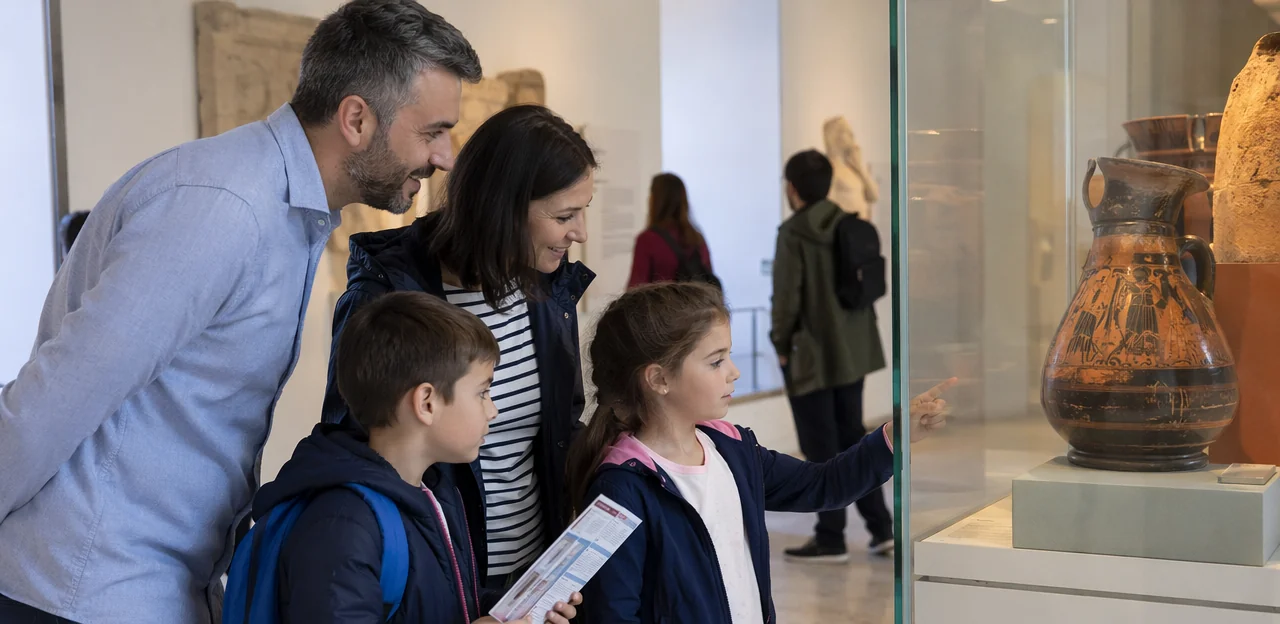
To make visitor experience analytics meaningful, cultural institutions should tie every metric to mission-led outcomes, not just footfall or sales. A strong customer experience strategy connects data from exhibitions, retail, events, and digital channels to improve audience experience while supporting long-term sustainability.
- Define success across education, inclusion, community engagement, visitor satisfaction, and revenue.
- Use customer experience analytics tools and a customer experience analytics platform to unify feedback, behavior, and omnichannel experience data.
- Bring together curatorial, learning, visitor services, marketing, and commercial teams to interpret insights collaboratively.
- Choose customer experience analytics solutions and customer experience analytics software that help turn findings into action across the full visitor journey.
Creating cross-team ownership of the visitor journey
Visitor experience analytics delivers the most value when every department works from shared insight, not siloed assumptions. Marketing, visitor services, curatorial, operations, retail, and leadership should align around one customer experience strategy supported by a central customer experience analytics platform.
- Build role-specific dashboards in your customer experience software: campaign impact for marketing, queue times for operations, exhibit sentiment for curatorial, and spend-per-visit for retail.
- Establish weekly reporting routines using customer experience analytics tools and monthly cross-functional reviews.
- Create clear decision workflows: identify issues, assign owners, test improvements, and measure outcomes across the full omnichannel experience.
This turns visitor experience analytics into actionable customer experience analytics solutions, not just reporting.
Quick wins and long-term improvements
A phased approach turns visitor experience analytics into practical action:
- Quick wins: remove booking friction, simplify wayfinding, and use feedback data to fix confusing touchpoints first. Review drop-off points in your booking journey, improve signage at entrances and galleries, and segment post-visit communications to support a more relevant omnichannel experience.
- Test and learn: use customer experience analytics tools and customer experience analytics software to compare exhibit layouts, dwell time, and visitor flow before scaling changes.
- Long-term improvements: build a stronger customer experience strategy by investing in integrated customer experience analytics solutions, including a unified customer experience analytics platform and connected customer experience software for continuous insight.
Future Trends in Visitor Experience Analytics

Predictive analytics and smarter audience engagement
With visitor experience analytics, museums and attractions can move from reactive reporting to proactive decision-making. By combining attendance history, ticketing patterns, dwell time, membership activity, and feedback, teams can use customer experience analytics software to act earlier and engage visitors more effectively.
- Anticipate demand: Forecast peak days, exhibit interest, and seasonal traffic to improve scheduling and capacity planning.
- Identify at-risk members: Use customer experience analytics tools to flag declining visits, low engagement, or lapse risk, then trigger timely renewal offers.
- Forecast staffing needs: A strong customer experience analytics platform helps align front-of-house staffing with expected visitor flow.
- Personalize outreach: Build segment-specific campaigns across email, onsite touchpoints, and the wider omnichannel experience using customer experience analytics solutions and customer experience software.
Used well, these insights strengthen every customer experience strategy.
The growing importance of real-time and omnichannel insight
Modern visitor experience analytics is shifting from static reports to live, connected decision-making. Museums and attractions increasingly rely on a customer experience analytics platform that brings together ticketing, footfall, retail, surveys, web, and social data to improve the omnichannel experience in real time.
- Use customer experience analytics tools to spot crowding early and redirect visitors or staff.
- Track service issues across galleries, cafés, and digital channels from one view.
- Measure campaign performance faster with customer experience analytics software that connects onsite and online behavior.
- Strengthen your customer experience strategy with customer experience analytics solutions and customer experience software that turn insight into immediate action.
How cultural institutions can stay competitive and visitor-centered
To stay relevant, cultural institutions should treat visitor experience analytics as an ongoing capability, not a one-time project. Rising expectations demand continuous learning, faster testing, and a stronger customer experience strategy built on evidence.
- Use customer experience analytics tools and customer experience analytics software to track behavior, sentiment, and friction across the full omnichannel experience.
- Pilot new exhibits, wayfinding, and digital touchpoints, then refine them with insights from a customer experience analytics platform.
- Invest in scalable customer experience software and customer experience analytics solutions that help teams move from reactive reporting to proactive improvement.
Institutions that build analytics maturity can adapt faster, personalize better, and keep audiences engaged over time.
Conclusion
In a sector where every visit shapes reputation, relevance, and revenue, visitor experience analytics gives museums, galleries, heritage sites, and attractions the clarity needed to improve every touchpoint. By turning feedback, behavior patterns, dwell time, sentiment, and engagement data into actionable insight, cultural institutions can move beyond assumptions and build experiences that are more inclusive, memorable, and responsive. The most effective organizations combine customer experience analytics solutions with a clear customer experience strategy, using the right customer experience analytics tools to understand audiences before, during, and after each visit.
Whether you are evaluating exhibitions, refining wayfinding, improving accessibility, or strengthening membership and repeat attendance, a robust customer experience analytics platform helps connect the full omnichannel experience. With modern customer experience analytics software and customer experience software, teams can identify friction points faster, personalize engagement, and make smarter operational decisions backed by real evidence.
The next step is simple: audit your current visitor journey, define the metrics that matter most, and invest in a system that captures timely, meaningful feedback across physical and digital channels. Explore case studies, benchmark your current performance, and assess platforms that support real-time engagement and insight generation. If you are ready to elevate audience satisfaction and future-proof your institution, now is the time to make visitor experience analytics a core part of your growth strategy.
Frequently Asked Questions
- What is visitor experience analytics for museums and cultural attractions?
Visitor experience analytics turns audience touchpoints into usable insight across the full journey. It looks beyond attendance totals to understand movement, dwell time, interactions, purchases, feedback, and post-visit sentiment.
- Why are attendance figures alone not enough for cultural institutions?
Attendance and ticket revenue show how many people came, but they do not explain motivations, friction, satisfaction, or return intent. Institutions need broader insight to understand why visitors book, where problems happen, and what drives loyalty.
- Which visitor journey stages should museums measure?
Museums should measure pre-visit, on-site, and post-visit touchpoints. That includes discovery and booking before arrival, wayfinding and exhibit engagement during the visit, and surveys, reviews, membership offers, and advocacy after the visit.
- How does an omnichannel approach improve visitor understanding?
An omnichannel approach connects digital and physical interactions into one view. It links website visits, email engagement, app use, kiosks, front-of-house activity, and follow-up behavior so teams can see where engagement rises, drops, or converts.
- What common friction points should cultural venues track first?
Priority friction points include confusing booking flows, long queues, poor signage, inaccessible content, overcrowding, and weak follow-up engagement. Measuring these areas helps teams identify practical fixes that improve flow, satisfaction, and conversion.
- What data sources are most useful for visitor experience analytics?
Useful sources include ticketing systems, CRM records, surveys, Wi-Fi or location data, website analytics, app usage, POS transactions, membership activity, and social listening. Combining these sources gives a fuller picture than relying on one channel alone.
- Which KPIs best reflect both audience experience and operational performance?
Key metrics include conversion rate, dwell time, exhibit engagement, queue time, repeat visits, membership renewal, satisfaction scores, donation behavior, and campaign response. These KPIs connect visitor behavior with institutional goals such as loyalty, revenue, and service quality.
- How can museums personalize experiences without compromising privacy?
They should use a transparent, consent-led approach that clearly explains what data is collected and why. Good practice also includes plain-language notices, accessible feedback methods, responsible AI use, and human oversight in decision-making.
- How does AI help turn visitor data into action?
AI helps identify recurring issues, predict demand, segment audiences, surface service problems, and recommend next-best actions. This allows teams to respond faster to queue issues, underused exhibits, changing visitor interests, and operational pressures.
- What should institutions look for in a customer experience analytics platform?
Important criteria include integration with ticketing, CRM, membership, donation, and email systems, along with intuitive dashboards and customizable reporting. Strong segmentation, real-time alerts, and scalability across sites and seasons also matter.
- How can analytics improve exhibit planning and visitor flow?
Analytics shows which displays attract attention, where dwell time drops, and where visitors pause, skip, or exit. Teams can use those insights to refine layouts, improve signage, adjust staffing, and reduce congestion.
- How can visitor experience analytics support membership retention?
It helps identify what motivates renewals by connecting visit frequency, engagement history, and audience interests. Institutions can then send more relevant renewal offers, event invitations, and programming updates.
- What are some quick wins museums can implement with visitor analytics?
Quick wins include removing booking friction, simplifying wayfinding, and fixing confusing touchpoints based on feedback and drop-off data. Segmenting post-visit communications can also make follow-up more relevant and improve engagement.
- How should teams organize ownership of visitor experience insights?
Cross-team ownership works best when marketing, visitor services, curatorial, operations, retail, and leadership use shared insight. Role-specific dashboards, regular reporting routines, and clear workflows for testing and measuring improvements help turn data into action.
- What future trends are shaping visitor experience analytics in cultural institutions?
Predictive analytics, real-time monitoring, and stronger omnichannel insight are becoming more important. These capabilities help institutions anticipate demand, forecast staffing needs, identify at-risk members, and make faster visitor-centered decisions.