From the gift shop checkout to the last coffee poured in the café, every touchpoint inside a museum or visitor attraction shapes how guests remember their day. That is why museum cafe feedback has become such a valuable source of insight for teams looking to improve visitor satisfaction, increase spend, and create more memorable cultural experiences. Small details such as queue times, menu quality, product selection, staff helpfulness, and overall atmosphere can strongly influence whether visitors return, recommend the venue, or leave with a lasting positive impression.
For museums, galleries, heritage sites, and attractions, feedback strategies are also evolving. Methods once used mainly for event feedback or conference feedback are now helping venues capture real-time opinions across retail and hospitality spaces. Whether you are designing an event feedback form, refining event feedback questions, reviewing survey event feedback, or learning from event feedback examples and post event feedback trends, the same principle applies: timely, well-structured responses can reveal exactly where the visitor experience succeeds or falls short.
This article explores how visitor feedback for gift shops and cafés can support stronger audience experience, smarter operational decisions, and better use of AI and analytics to turn everyday comments into measurable improvements.
Why Museum Cafe Feedback Matters for Visitor Attractions
The link between cafés, gift shops, and the overall visitor journey
Cafés and gift shops are not side venues; they are core touchpoints in the customer experience and wider audience experience. Strong museum cafe feedback reveals far more than opinions on coffee or product choice. It shows whether visitors felt comfortable staying longer, spending more, and ending their visit on a positive note.
- A smooth café experience can increase dwell time and spend per head.
- Retail and food service quality directly shape brand perception and likelihood to recommend.
- Poor queues, limited seating, unclear pricing, or weak product relevance can undermine the whole attraction.
Using event feedback questions, an event feedback form, or post event feedback methods also helps attractions connect café and shop performance to exhibitions, talks, and conference feedback. Reviewing survey event feedback and event feedback examples gives teams practical insight into the full visit, not just individual transactions.
What visitors expect from cultural venues today
Today’s visitors judge the full visitor experience, not just the exhibition. In museum cafés and gift shops, expectations are clear and measurable:
- Fast, smooth service: short queues, quick payment, and accurate orders
- Better quality and relevance: fresh food, inclusive menus, and merchandise that feels connected to the collection
- Accessibility: clear pricing, dietary options, step-free access, readable signage, and easy checkout
- Sustainability: less plastic, local sourcing, ethical products, and waste-conscious packaging
- Fair value: prices that match quality and venue expectations
Strong museum cafe feedback should track these themes through an event feedback form or survey event feedback prompts. Use practical event feedback questions and post event feedback methods to capture café, shop, and even conference feedback, supported by clear event feedback examples.
How feedback supports revenue and reputation
Structured feedback turns visitor opinion into practical action across shops, cafés, and programmed spaces. Done well, museum cafe feedback helps attractions boost spend, protect reputation, and stay aligned with interpretation goals.
- Increase repeat visits: Use post event feedback and survey event feedback to identify what encourages guests to return, from menu quality to retail relevance.
- Improve reviews: Fast action on common issues raised in event feedback or conference feedback reduces negative public comments and encourages stronger ratings.
- Reduce complaints: Clear event feedback questions in an event feedback form reveal friction points before they escalate.
- Optimize trading performance: Track café speed, product mix, pricing, and shop merchandising using consistent event feedback examples and location-specific responses.
The key is to connect commercial insights with mission delivery, so revenue supports audience experience rather than distracting from it.
What to Measure in Museum Cafés, Gift Shops, and Events
Core feedback categories for cafés and retail
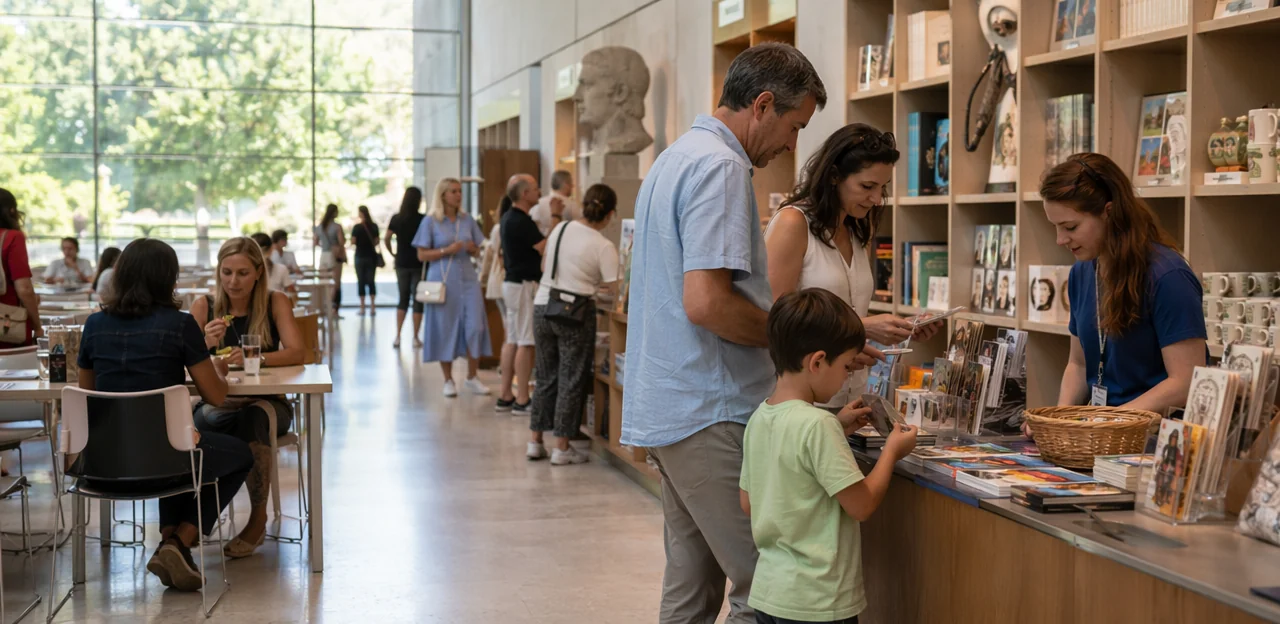
A strong museum cafe feedback programme should track the moments that most influence visitor satisfaction and spend. Focus your event feedback form on a few core categories:
- Product quality: freshness, taste, presentation, and gift-shop product standards
- Value for money: whether pricing feels fair for food, drinks, and souvenirs
- Queue times: speed of service at busy periods, exhibitions, and special events
- Staff helpfulness: friendliness, knowledge, and problem-solving ability
- Cleanliness and ambience: seating areas, counters, lighting, noise, and overall comfort
- Stock relevance: whether products reflect the exhibition, season, or audience interests
- Ease of purchase: checkout speed, payment options, and layout clarity
These metrics strengthen museum cafe feedback, support better event feedback, and can be adapted into event feedback questions, conference feedback, survey event feedback, event feedback examples, and post event feedback workflows for continuous improvement.
Adding event and exhibition-specific feedback signals
Attractions can strengthen museum cafe feedback programmes by extending them to talks, workshops, exhibition launches, and seasonal events. A simple event feedback form helps teams compare everyday visitor experience with one-off programming and spot what drives return visits.
Useful event feedback questions should cover:
- Booking ease: Was it simple to reserve and receive confirmation?
- Wayfinding: Were entrances, check-in points, and event spaces easy to find?
- Timing: Did the session start on time and feel well paced?
- Content quality: Was the talk, workshop, or presentation relevant and engaging?
- Hospitality: How were café service, refreshments, seating, and staff helpfulness?
Using fast survey event feedback methods on-site or immediately after attendance improves response rates. Reviewing post event feedback, conference feedback, and other event feedback examples helps refine future programming, staffing, signage, and food offers.
Balancing quantitative scores with qualitative comments
Strong museum cafe feedback combines quick scores with written comments so teams can see both what happened and why. A star rating, satisfaction score, or NPS-style question highlights patterns fast, while open text explains the story behind the number.
- Use ratings for trends: Track service speed, food quality, cleanliness, and value over time.
- Add NPS-style questions: Ask how likely visitors are to recommend the café or gift shop.
- Include open-text prompts: Questions like “What could we improve today?” uncover context that scores miss.
Reviewing event feedback examples can improve your event feedback questions by showing how to balance scale-based and free-text responses in an event feedback form. The same approach works for conference feedback, survey event feedback, and post event feedback—helping attractions turn raw event feedback into practical service improvements.
How to Design Better Feedback Surveys and Forms

Building an effective museum cafe feedback survey
To collect useful museum cafe feedback, keep surveys short, timely, and easy to complete on mobile.
- Ask at the right moment: Trigger feedback immediately after purchase, table service, or exit. Fresh impressions improve accuracy more than delayed post event feedback emails.
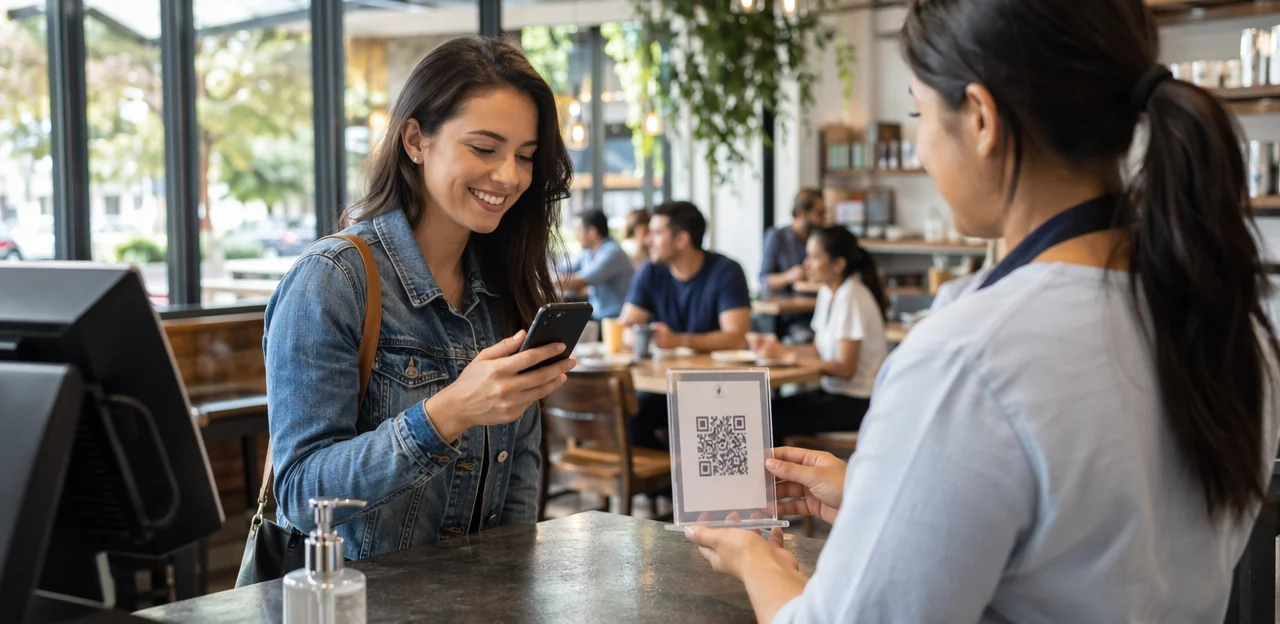
- Choose the simplest channel: Use QR codes, NFC stands, or receipt links so visitors can open an event feedback form in seconds without downloading an app.
- Order questions carefully: Start with a quick rating, then ask 1–2 targeted event feedback questions about food quality, speed, pricing, or staff friendliness. End with one optional open comment for richer event feedback.
- Keep burden low: Aim for 3–5 questions total. This also works well for café pop-ups, conference feedback, and broader survey event feedback needs.
- Offer light incentives: Small discounts or prize draws can lift responses without biasing results.
Review strong event feedback examples to refine wording and improve completion rates.
Useful event feedback questions for attractions
Strong event feedback questions help attractions assess conferences, evening programmes, family activities, and member-only events with clarity. A good event feedback form should cover:
- Satisfaction: “How satisfied were you with the overall event?” “Did the programme meet your expectations?”
- Learning and value: “What did you learn?” “Did talks, tours, or activities deepen your understanding of the exhibition or collection?”
- Logistics: “How easy was booking, entry, seating, signage, and accessibility?” “How would you rate catering or museum cafe feedback during the event?”
- Audience fit: “Was the event suitable for families, professionals, or members?”
- Future intent: “How likely are you to return for a similar event?” “Would you recommend it to others?”
For conference feedback, include speaker quality, session relevance, and networking value. Use survey event feedback, post event feedback, and practical event feedback examples to turn every event feedback response into improvements.
Examples of forms and question formats that drive responses
A strong event feedback form is short, clear, and matched to the visitor moment. For museum cafe feedback, simple formats usually perform best:
- Star ratings: Ideal for quick post event feedback on coffee quality, service speed, shop layout, or overall satisfaction. Best when visitors are in a hurry.
- Multiple choice: Useful for structured event feedback questions such as “What did you enjoy most?” or “Why did you visit the café today?” Great for comparing trends across cafés, shops, and exhibitions.
- Semantic scales: Ask visitors to rate experiences on scales like “busy–calm” or “poor value–excellent value.” These work well for nuanced event feedback and conference feedback.
- Open comments: Best for detailed survey event feedback and actionable suggestions after workshops, talks, or seasonal events.
For higher completion rates, combine one rating, one multiple-choice question, and one optional comment box.
Using AI and Analytics to Turn Feedback into Action

How AI identifies patterns in visitor comments
AI & analytics turn open-text responses into clear, usable insight across the whole venue. Instead of reading every comment manually, teams can spot what matters faster.
- Categorize sentiment: AI labels comments as positive, neutral, or negative, helping teams track museum cafe feedback alongside reactions to shops, exhibitions, and events.
- Detect recurring complaints: Text analytics groups repeated issues such as long café queues, unclear pricing, low stock in the gift shop, or signage problems from an event feedback form.
- Surface emerging trends: AI highlights rising themes before they become bigger problems, using survey event feedback, post event feedback, and even common event feedback questions.
- Compare locations and formats: Teams can benchmark café, retail, exhibition, and conference feedback, review event feedback examples, and prioritize improvements by volume, sentiment, and urgency.
This helps attractions act quickly, improve experiences, and make feedback more strategic.
Connecting feedback data to operational decisions
Strong museum cafe feedback should do more than sit in a dashboard; it should guide daily decisions and long-term planning. When teams analyse patterns from an event feedback form, conference feedback, and post event feedback, they can turn comments into measurable action:
- Staffing: Use peak-time complaints or praise to schedule more staff during busy exhibitions, school visits, or evening events.
- Menu changes: Track repeated requests, dietary needs, and low-rated items to refine café offerings.
- Merchandising: Use event feedback examples and shop comments to identify best-selling themes, price sensitivity, and missed product opportunities.
- Stock planning: Combine survey event feedback with sales trends to reduce waste and prevent sell-outs.
- Event operations: Review event feedback questions to improve queue flow, signage, seating, and timing for future programmes.
Creating dashboards for teams across the attraction
Shared dashboards help every department turn feedback into action, from daily service fixes to long-term planning. A well-structured view should let teams track museum cafe feedback, retail sentiment, and post event feedback in one place while comparing results by outlet, date, or event type.
- Leaders: monitor KPIs such as NPS, satisfaction, spend, and repeat visits across cafés, shops, and exhibitions.
- Front-of-house teams: spot service issues quickly through live event feedback and survey event feedback trends.
- Retail managers: compare locations, product categories, and conversion alongside visitor comments.
- Event planners: review conference feedback, responses from each event feedback form, and recurring themes from event feedback questions.
Use filters, benchmarks, and saved reports to identify patterns over time, surface useful event feedback examples, and improve future programming.
Best Practices for Collecting Feedback Across the Visitor Journey
Choosing the right moments to ask for feedback
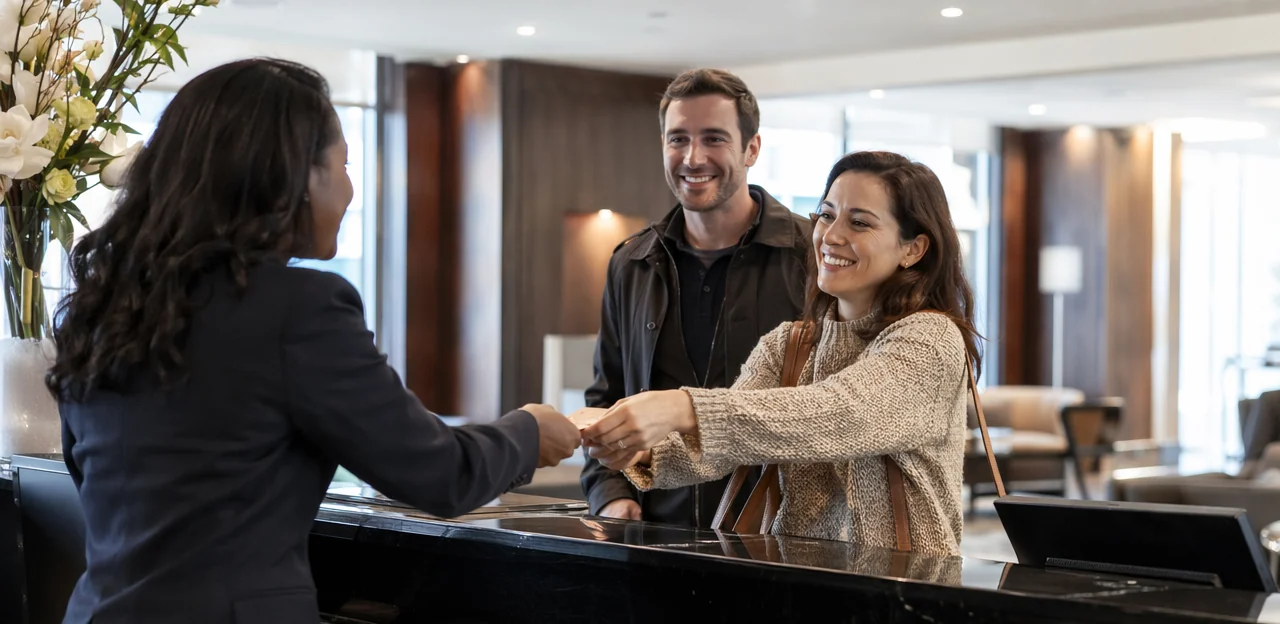
Timing shapes the quality of responses. For museum cafe feedback, use a mix of touchpoints:
- In the moment: Ask right after a café purchase or gift shop checkout for fast, specific reactions on service, queues, pricing, and product choice. This works best for quick ratings and simple event feedback questions.
- At exit: Capture broader impressions as visitors leave the attraction. A short event feedback form can reveal how the café, shop, and exhibitions worked together.
- Post event feedback: Send a follow-up after talks, workshops, or evening programmes. Survey event feedback collected later often gives stronger reflection on value, learning, and likelihood to return.
Use this timing mix for richer conference feedback, clearer event feedback examples, and more actionable insight.
Using digital and on-site collection methods together
Blending digital and in-person channels helps attractions capture museum cafe feedback from more visitors, not just the most vocal ones. A mixed approach improves response rates and gives richer insight across different audience segments.
- QR codes on tables, menus, and displays make quick event feedback easy.
- Email surveys work well for reflective post event feedback after visits or temporary exhibitions.
- Kiosk tablets near exits capture instant reactions and useful event feedback questions.
- Receipt links encourage fast responses through an event feedback form after café purchases.
- App prompts support timely survey event feedback during memberships or repeat visits.
- Staff-led requests reach less digital audiences and can boost conference feedback collection.
Using several touchpoints also reveals stronger event feedback examples for service, menus, and visitor experience.
Making feedback inclusive, ethical, and actionable
Inclusive feedback helps museums improve customer experience and audience experience across shops, cafés, and events. Strong museum cafe feedback systems should be easy, respectful, and useful:
- Improve accessibility: Offer large text, screen-reader-friendly layouts, plain language, and mobile-first event feedback form options.
- Respect privacy and consent: Clearly explain what data is collected, why, and how post event feedback or survey event feedback will be used.
- Design for multilingual audiences: Translate event feedback questions so tourists, families, and local communities can respond confidently.
- Reduce bias: Use neutral wording, varied response formats, and review event feedback examples or conference feedback templates for fairness.
These practices create better event feedback that reflects broader community needs and supports more inclusive museum services.
Turning Museum Cafe Feedback into Continuous Improvement
Prioritizing quick wins and long-term improvements
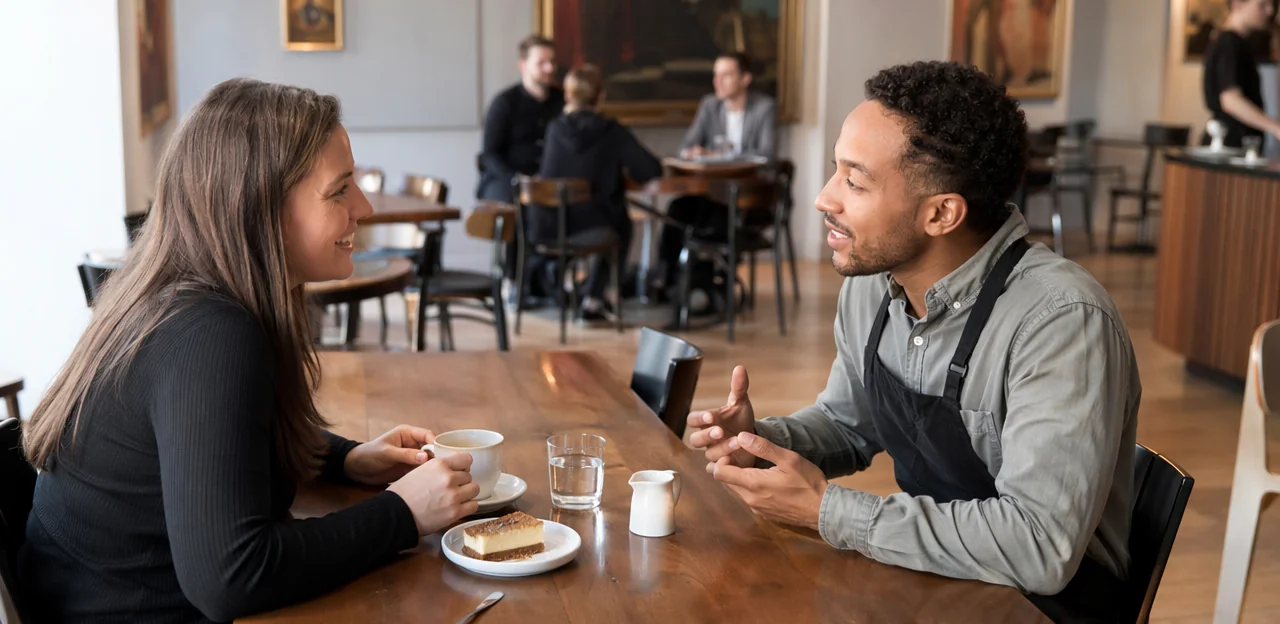
To turn museum cafe feedback into action, separate issues by urgency and impact:
- Quick wins: Fix immediate friction points such as long queues, missing stock, unclear signage, slow service, or limited seating. These often appear in daily event feedback or a simple event feedback form and can be resolved fast.
- Long-term improvements: Use patterns from post event feedback, conference feedback, and survey event feedback to guide bigger decisions like menu redesign, retail curation, pricing, or event programming.
Strong event feedback questions help teams spot the difference. Reviewing event feedback examples can also show whether comments reflect one-off problems or recurring strategic opportunities.
Closing the loop with staff, partners, and visitors
Closing the loop turns museum cafe feedback into visible improvements and stronger trust. Share concise insight summaries with each stakeholder group so feedback leads to action, not just reporting.
- With catering teams: review weekly themes from museum cafe feedback, including service speed, menu requests, and common event feedback questions.
- With retail suppliers and event partners: share relevant conference feedback, event feedback, and survey event feedback trends to improve stock, signage, catering, or programming.
- With visitors: display “You said, we did” updates based on your event feedback form, using clear event feedback examples and post event feedback results.
This transparency helps visitors see their opinions shape the experience.
Building a culture of feedback-led visitor experience
To create lasting impact, museums and attractions should make museum cafe feedback part of everyday decision-making, not a one-off survey. A strong feedback culture improves customer experience and strengthens the wider audience experience across exhibitions, retail, dining, and events.
- Review feedback daily in team huddles to spot quick fixes and service wins.
- Use an event feedback form with clear event feedback questions after talks, workshops, and launches to capture post event feedback and conference feedback.
- Turn survey event feedback and event feedback examples into monthly action plans for operations, programming, and audience development.
- Share insights across café, shop, and front-of-house teams so improvements become consistent and measurable.
Conclusion
In today’s attractions landscape, every touchpoint shapes loyalty, spend, and reputation—and that makes museum cafe feedback far more than a nice-to-have. When museums, gift shops, and cafés collect feedback in the moment, they gain clearer insight into service quality, product appeal, queue experience, pricing perception, and what truly drives return visits. The same principle applies to exhibitions, talks, and special programs, where strong event feedback helps teams refine future experiences using smarter event feedback questions, a simple event feedback form, and reliable post event feedback processes.
Bringing together retail, food service, and programming insight creates a fuller picture of the visitor journey. Whether you are reviewing conference feedback, planning a survey event feedback strategy, or looking at event feedback examples to improve response quality, the goal is the same: turn visitor opinion into practical action. Better listening leads to better merchandising, stronger café performance, more relevant events, and a more memorable cultural experience overall.
Now is the time to make museum cafe feedback a core part of your visitor experience strategy. Start by auditing your current feedback points, simplifying your surveys, and measuring responses across shops, cafés, and events. For next steps, explore feedback templates, benchmark your satisfaction metrics, and consider tools such as Tapsy for real-time, on-site engagement that helps transform insight into action.
Frequently Asked Questions
- Why is visitor feedback important for museum cafés and gift shops?
Feedback shows how retail and hospitality affect the overall visitor journey, not just individual purchases. It helps teams understand whether guests felt comfortable, stayed longer, spent more, and left with a positive impression.
- What should museums measure in café and gift shop feedback surveys?
Core measures include product quality, value for money, queue times, staff helpfulness, cleanliness, ambience, stock relevance, and ease of purchase. These areas directly influence satisfaction, spend, and likelihood to return.
- How can event feedback methods be used beyond one-off events?
Methods commonly used for event and conference feedback can also capture real-time opinions in cafés, shops, and other visitor spaces. The same structured forms and questions help teams compare everyday service with exhibitions, talks, workshops, and seasonal programmes.
- What do visitors expect from cafés and gift shops at cultural venues?
Visitors expect fast service, accurate orders, relevant products, accessible spaces, and fair pricing. They also look for inclusive menus, clear signage, sustainable choices, and merchandise that connects to the collection or exhibition.
- How does feedback support revenue and reputation at attractions?
Structured feedback helps identify what encourages repeat visits, stronger reviews, and higher spend. It also reveals friction points early, such as poor queues or unclear pricing, so teams can reduce complaints before they damage public perception.
- What makes a museum café feedback survey effective?
An effective survey is short, timely, and easy to complete on mobile. It should be triggered right after purchase or exit, use simple access points like QR codes or receipt links, and usually contain only 3 to 5 questions.
- Which question types work best in feedback forms for attractions?
Simple formats such as star ratings, multiple-choice questions, semantic scales, and optional open comments work well. A strong combination is one quick rating, one structured question, and one comment box for context.
- Should museums use ratings, comments, or both in feedback collection?
Both are important because ratings reveal patterns quickly while comments explain the reasons behind them. Scores help track trends over time, and open text highlights issues like service delays, pricing concerns, or product relevance.
- What event-specific questions should attractions include in surveys?
Useful questions cover booking ease, wayfinding, timing, content quality, and hospitality. For broader event and conference use, surveys can also ask about speaker quality, session relevance, networking value, and whether the event met expectations.
- How can AI help teams analyze visitor comments?
AI can categorize sentiment, detect recurring complaints, and highlight emerging trends across cafés, shops, exhibitions, and events. This makes it easier to spot issues such as long queues, unclear pricing, low stock, or signage problems without reading every comment manually.
- How should feedback data be turned into operational decisions?
Teams can use patterns in responses to adjust staffing, refine menus, improve merchandising, plan stock more accurately, and fix event operations. The goal is to connect comments to measurable actions rather than leaving feedback in a dashboard.
- When is the best time to ask visitors for feedback?
The strongest approach uses several moments: immediately after a café purchase or checkout, at the attraction exit, and after events through follow-up surveys. In-the-moment feedback captures specific service details, while later responses often provide more reflection on value and learning.
- Which feedback collection channels should museums use?
A mixed approach works best, including QR codes, email surveys, kiosk tablets, receipt links, app prompts, and staff-led requests. Using both digital and on-site methods helps reach more audience types and improves response rates.
- How can feedback collection be made more inclusive and ethical?
Feedback should be accessible, privacy-conscious, and easy for different audiences to use. Good practice includes large text, screen-reader-friendly layouts, plain language, multilingual options, clear consent messaging, and neutral wording that reduces bias.
- What should teams do after collecting museum café and gift shop feedback?
They should separate quick wins from longer-term improvements, then share findings with staff, suppliers, partners, and visitors. Regular reviews, action plans, and visible updates such as 'You said, we did' help build a feedback-led culture across the attraction.