
Every heritage site tells a story, but the most successful museums, landmarks, and cultural attractions also listen to the people who walk through their doors. In an era where visitor expectations are shaped by seamless digital experiences, collecting meaningful heritage site feedback has become essential for protecting cultural value while improving the modern visitor journey. From exhibitions and guided tours to accessibility, signage, and amenities, the right approach to site feedback helps organisations understand what resonates, what frustrates, and what encourages return visits.
Today, heritage organisations need more than a basic comment box. A well-designed site feedback widget, a targeted site feedback survey, and even insights drawn from a feedback web result with site links can reveal how audiences engage before, during, and after their visit. For venues hosting talks, seasonal programmes, and public activities, event feedback, carefully written event feedback questions, and a simple event feedback form can add another layer of audience insight.
This article explores how museums and attractions can capture better feedback, use AI and analytics to identify patterns, and turn audience experience data into practical improvements. It will also look at how visitor feedback supports customer experience, strengthens engagement, and helps heritage destinations remain relevant, inclusive, and memorable in a competitive cultural landscape.
Why heritage site feedback matters for museums and cultural attractions

The role of feedback in protecting and improving visitor experience
Heritage site feedback is essential for understanding what visitors value most, where friction occurs, and how cultural venues can protect fragile assets without weakening the visitor experience. For museums, galleries, and historic sites, timely site feedback reveals issues such as unclear signage, crowding, accessibility gaps, or confusing interpretation.
Actionable methods include:
- a site feedback widget on booking or information pages
- a short site feedback survey at exits or after visits
- event feedback for talks, tours, and exhibitions using clear event feedback questions and an easy event feedback form
These insights help teams balance conservation, education, and enjoyment. Even a feedback web result with site links can guide visitors to the right feedback channel quickly. Used well, feedback supports better planning, stronger audience trust, and more memorable cultural experiences.
How feedback supports audience experience, accessibility, and trust
Effective heritage site feedback helps teams spot issues that internal reviews often miss, improving both audience experience and customer experience. A well-timed site feedback survey can reveal where visitors struggle with step-free access, unclear signage, audio guide usability, lighting, seating, or interpretation that feels too academic or limited in language.
- Use site feedback to identify accessibility barriers and wayfinding pain points in real time.
- Add a simple site feedback widget or QR touchpoint so visitors can report issues during or after a visit.
- Include targeted event feedback questions in every event feedback form to assess talks, tours, and temporary exhibitions.
- Review a feedback web result with site links to understand what visitors search for when information is hard to find.
When organisations listen, act, and communicate improvements back, they build trust, demonstrate inclusion, and create more welcoming experiences for all.
Common feedback challenges at heritage destinations
Heritage site feedback is often harder to capture and use effectively than many operators expect. Common issues include:
- Low response rates: Visitors may ignore a post-visit email or a long site feedback survey, especially after a busy day.
- Fragmented data: Comments from review platforms, staff notes, event feedback form submissions, and on-site channels rarely sit in one place.
- Seasonal visitor patterns: Peak periods create sudden spikes in site feedback, while quieter months can distort trends.
- Multilingual audiences: International guests may abandon forms that are not clearly translated, limiting representative insight.
- Weak operational links: Teams collect comments but struggle to connect them to staffing, signage, accessibility, or programming decisions.
Better systems can turn these gaps into opportunities. A simple site feedback widget, structured event feedback questions, and stronger AI & analytics help surface patterns, improve the feedback web result with site links, and make every comment more actionable.
Best ways to collect site feedback across the visitor journey

Using a site feedback widget on attraction websites
A site feedback widget helps heritage venues collect heritage site feedback at key digital touchpoints, improving customer experience before and after a visit. Placed across high-intent pages, it captures quick comments while interest is strongest.
- Add a site feedback survey to booking, ticket, and checkout pages to spot friction in the reservation journey.
- Use prompts on opening times, exhibitions, and accessibility pages to gather instant site feedback from users comparing options or planning access needs.
- Trigger post-visit follow-ups from confirmation or thank-you pages with an event feedback form for exhibitions, talks, or seasonal programmes.
- Ask focused event feedback questions such as ease of booking, clarity of information, and whether users found what they needed.
This approach can also improve a feedback web result with site links by revealing which pages need clearer navigation, content, or calls to action.
Designing an effective site feedback survey
A strong site feedback survey captures opinions while the visit is still fresh. For meaningful heritage site feedback, keep questions short, relevant, and timed to key moments such as exit points, exhibitions, cafés, or after an event.
- Start with a simple rating scale: Use 1–5 or 1–10 questions on welcome, signage, value, accessibility, and overall experience.
- Add one open-text prompt: Ask, “What could we improve today?” to collect useful site feedback without creating fatigue.
- Design mobile-first: Make every site feedback widget fast, tap-friendly, and easy to complete in under a minute.
- Tailor by audience: Families may answer on facilities, tourists on interpretation, members on value, and school groups through targeted event feedback questions or an event feedback form.
- Track discovery paths: Include how visitors found you, from search to a feedback web result with site links.
Capturing in-person and post-visit responses
Strong heritage site feedback comes from collecting views at multiple moments in the journey, not just after guests leave. A blended approach improves both visitor experience and audience experience insight.
- On-site capture: Use QR codes on signage, table tents, or tickets, plus kiosks and a simple site feedback widget on touchscreens. Staff-led prompts can also encourage quick site feedback survey responses while memories are fresh.
- Post-visit follow-up: Send email or SMS prompts within 24 hours to gather more reflective site feedback, including longer-form comments and ratings.
- Event-specific feedback: For talks, tours, and exhibitions, use an event feedback form with tailored event feedback questions to measure satisfaction and learning outcomes.
- Analyse discoverability: Review search behaviour, including any feedback web result with site links, to understand digital touchpoints alongside in-person sentiment.
Together, these methods create a fuller, more accurate picture of the visitor journey.
How AI and analytics turn heritage site feedback into action
Using AI to identify themes, sentiment, and recurring issues
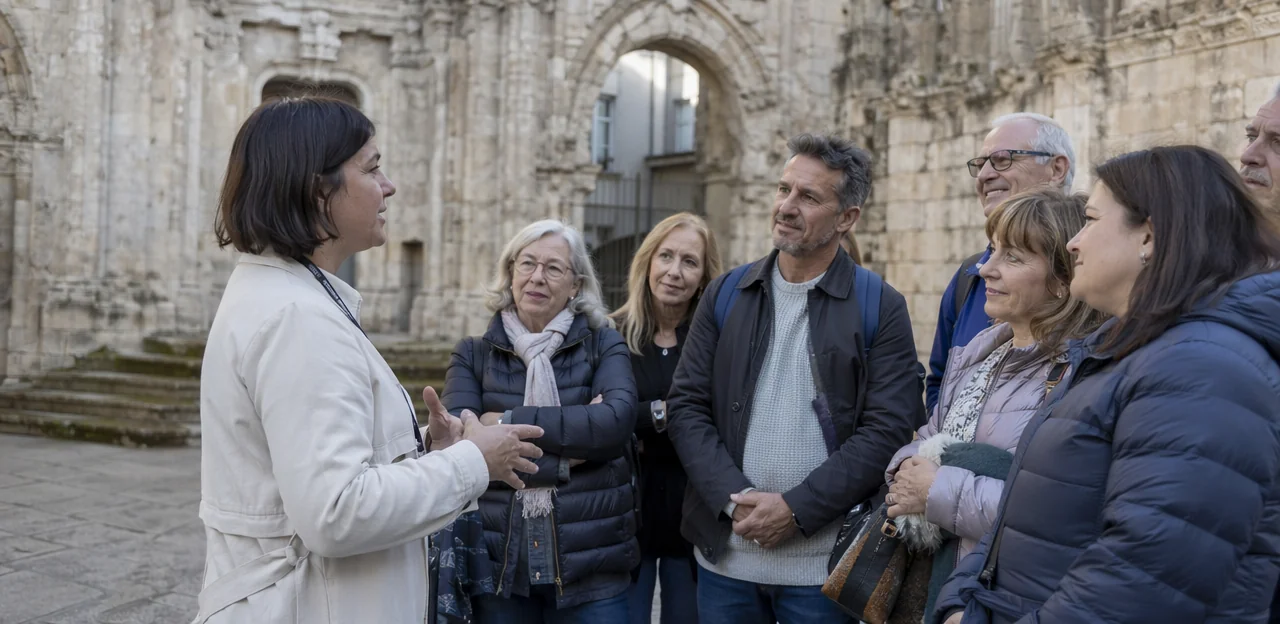
AI & analytics tools help museums and attractions turn large volumes of heritage site feedback into clear, usable insight. Instead of manually reading every site feedback comment, teams can automatically detect patterns in sentiment, common complaints, and standout moments visitors praise.
- Theme detection: AI groups responses from a site feedback survey, event feedback form, or site feedback widget into topics such as signage, accessibility, queue times, exhibitions, or staff helpfulness.
- Sentiment analysis: It flags where visitors feel delighted, frustrated, or confused, helping teams spot both risks and strengths.
- Issue prioritization: Repeated mentions across event feedback, event feedback questions, or even a feedback web result with site links show which fixes matter most.
This allows heritage teams to act faster, improve visitor experience, and focus resources where they will have the greatest impact.
Connecting feedback data with operations and visitor behavior
To make heritage site feedback truly useful, attractions should connect each site feedback survey with operational and behavioral data. This reveals what shapes customer experience, audience experience, repeat visits, and spend.
- Match site feedback and event feedback to ticket type, visit date, group size, and membership status.
- Compare responses with attendance peaks, queue times, dwell time by gallery or zone, and event participation.
- Link web behavior—such as booking-page exits, a site feedback widget, or a feedback web result with site links—to on-site satisfaction trends.
- Use event feedback questions in every event feedback form to identify which programs drive donations, shop purchases, or return intent.
With this joined-up view, teams can spot friction points, improve exhibits, refine staffing, and invest in experiences that increase loyalty and revenue.
Understanding search behavior and feedback web result with site links
Search visibility shapes expectations before visitors arrive. When users search for opening times, exhibitions, accessibility, or tickets, a strong feedback web result with site links helps guide them to the right page fast while signaling trust and relevance. For heritage site feedback, this matters because search intent often reveals what visitors need before, during, and after a visit.
- Structure pages around intent: tickets, directions, collections, events, and accessibility.
- Add a clear site feedback widget on high-intent pages to capture questions or friction points.
- Use a short site feedback survey after booking or event attendance.
- Create an event feedback form with focused event feedback questions for tours, talks, and exhibitions.
Well-placed site feedback opportunities turn search journeys into insight, improving digital experience and helping attractions refine content, navigation, and visitor support.
Using event feedback to improve programs, exhibitions, and special experiences

Why event feedback matters for heritage programming
Event-specific insight helps heritage teams improve what visitors experience in the moment, not just how they feel about the site overall. While general heritage site feedback may highlight signage, facilities, or accessibility, event feedback reveals what worked in a guided tour, workshop, lecture, reenactment, or temporary exhibition.
- Use targeted event feedback questions to assess pacing, relevance, presenter quality, and audience engagement.
- A simple event feedback form or site feedback survey can uncover which seasonal themes, formats, or time slots attract the strongest response.
- A well-placed site feedback widget can capture immediate reactions and improve future programming.
This sharper site feedback supports better planning, stronger attendance, and a more memorable visitor experience, while also improving visibility through a richer feedback web result with site links.
Essential event feedback questions to ask visitors
Strong heritage site feedback starts with clear, specific prompts that improve response quality and make event feedback easier to analyse. A well-designed event feedback form or site feedback survey should ask:
- How easy was the booking process?
- How clear were arrival, parking, and entry arrangements?
- How helpful and welcoming were staff or volunteers?
- How engaging and easy to understand was the interpretation or storytelling?
- Did the event feel good value for money?
- Were accessibility needs well supported throughout the visit?
- How likely are you to recommend this event to others?
Keep event feedback questions short, neutral, and tied to one topic each. Whether using a site feedback widget or reviewing a feedback web result with site links, better question design leads to better customer experience insight and more useful site feedback.
Building an event feedback form that drives useful responses
To improve heritage site feedback, keep your event feedback form short, mobile-first, and easy to submit in under a minute. Focus on actionable event feedback questions that reveal what visitors valued and what needs improvement.
- Use 5–7 fields max in your site feedback survey
- Start with rating questions, then add one open-text prompt
- Ask about event type, visitor group, and attendance purpose to segment event feedback
- Trigger the form immediately after the event via QR code, SMS, or a site feedback widget
- Offer a small incentive, such as a discount or prize draw, to increase completion
- Tag responses for reporting by audience, exhibit, or event format, improving every feedback web result with site links and future site feedback analysis
Turning feedback into measurable improvements at heritage sites
Prioritizing quick wins and long-term changes
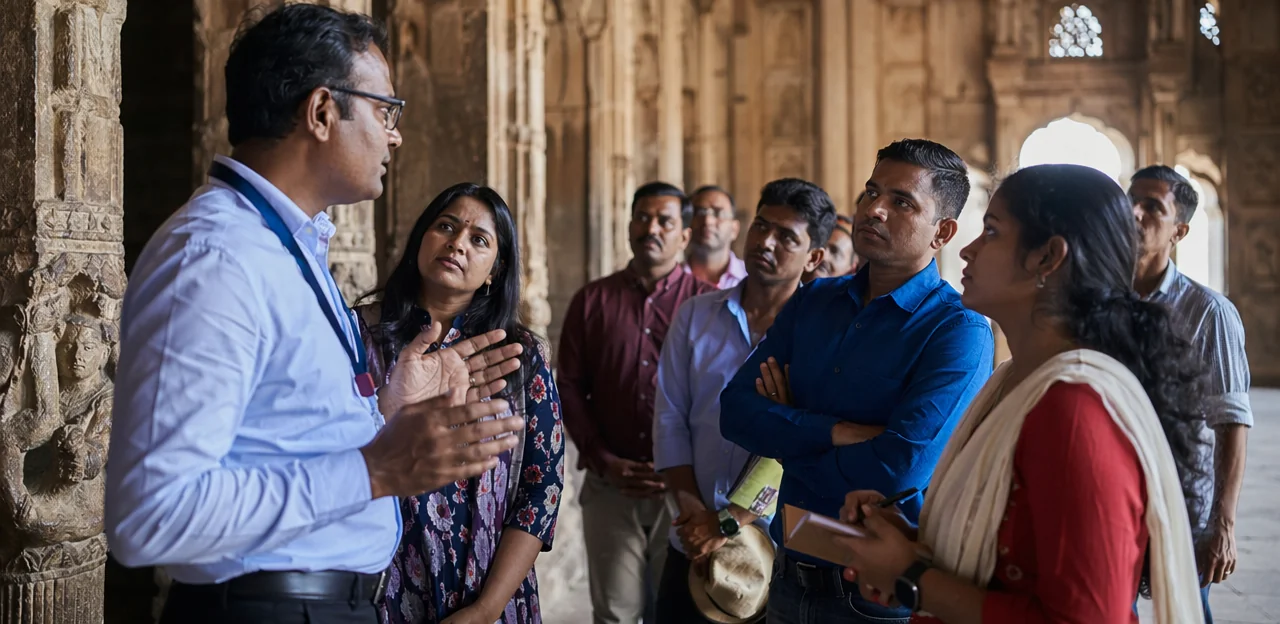
To turn heritage site feedback into better customer experience, teams should group insights by effort, cost, and visitor impact.
- Immediate fixes: Act on recurring complaints from a site feedback survey or site feedback widget, such as unclear directional signs, missing labels, broken benches, or confusing ticket instructions.
- Medium-term improvements: Use site feedback trends to refine interpretation panels, update audio guides, adjust staffing at busy entry points, and improve event delivery based on event feedback, event feedback questions, or an event feedback form.
- Strategic investments: Prioritize bigger projects like step-free routes, hearing loops, multilingual interpretation, toilet upgrades, or digital wayfinding informed by a feedback web result with site links and internal analytics.
Review feedback monthly, assign owners, and balance quick visible wins with longer-term accessibility and experience upgrades.
Sharing insights across museum and attraction teams
To turn heritage site feedback into action, museums need shared dashboards and a regular review rhythm. A central view of audience experience data helps visitor services, curatorial, marketing, digital, education, and leadership teams work from the same evidence, whether it comes from a site feedback survey, event feedback form, or on-site site feedback widget.
- Visitor services spot queue, signage, and accessibility issues quickly.
- Curatorial and education teams use event feedback and event feedback questions to refine interpretation, tours, and learning programmes.
- Marketing and digital teams compare campaign performance with feedback web result with site links and on-site sentiment.
- Leadership uses AI & analytics to track trends, prioritise investment, and align operational goals.
Monthly cross-team reviews turn raw site feedback into clear actions, owners, and measurable improvements.
Tracking KPIs to prove the value of feedback programs
To show the impact of heritage site feedback, track KPIs that link visitor voice to revenue, reputation, and mission delivery. Focus on:
- Response rate: Measure how many visitors complete a site feedback survey through a site feedback widget, QR code, or on-site prompt.
- Satisfaction score and NPS: Use these to monitor customer experience, advocacy, and service quality over time.
- Repeat visitation: Compare return visits among guests who submit site feedback versus those who do not.
- Complaint reduction: Track whether recurring issues decline after action is taken.
- Conversion improvements: Measure ticket upgrades, donations, memberships, or café/shop spend after changes informed by feedback.
- Event attendance uplift: Use an event feedback form with strong event feedback questions to improve programming and boost future bookings.
Review trends alongside search visibility signals such as a feedback web result with site links to connect insight with audience growth.
Best practices for a sustainable heritage site feedback strategy
Creating a feedback culture centered on visitors
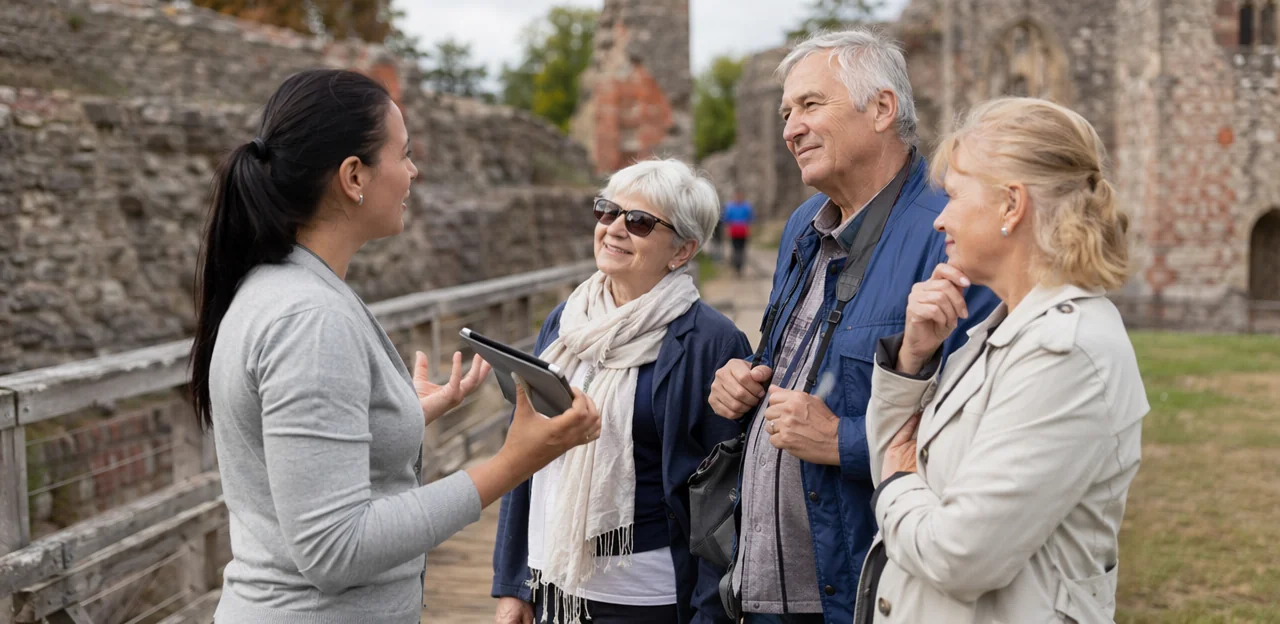
To make heritage site feedback part of continuous improvement, embed listening into everyday routines rather than treating it as a one-off campaign. Focus on simple systems staff can use consistently:
- Add a site feedback widget to your website and a short site feedback survey at key touchpoints, including exhibitions, cafés, and ticket exits.
- Train frontline teams to invite event feedback naturally, log recurring comments, and escalate service issues quickly.
- Standardize event feedback questions and an event feedback form so insights are easy to compare over time.
- Review trends in leadership meetings, alongside operational KPIs, to improve both visitor experience and customer experience.
- Use tools such as Tapsy or analytics dashboards to connect a feedback web result with site links to real action.
Balancing data collection with privacy and ethics
Strong heritage site feedback programs should collect insight without compromising trust. To do that, attractions should:
- Ask for clear consent: Explain why a site feedback survey or event feedback form is being used, especially when gathering responses from families and international visitors.
- Be transparent: State what data is collected, how long it is stored, and whether AI & analytics will be used to interpret site feedback or event feedback.
- Minimise data: Only ask essential event feedback questions; avoid collecting sensitive personal details unless necessary.
- Use responsible tools: A site feedback widget or feedback web result with site links should be easy to access, multilingual, and designed to reduce bias in AI-driven analysis.
A practical roadmap for getting started
- Define clear goals: Decide what your heritage site feedback programme should improve—wayfinding, exhibits, accessibility, retail, or guided tours.
- Choose the right channels: Combine on-site QR codes, email follow-ups, and a site feedback widget on your website to capture views before, during, and after visits.
- Build concise surveys: Create a short site feedback survey with focused questions. For temporary programmes, include event feedback questions in an event feedback form.
- Deploy and test: Place prompts where engagement is highest and ensure every site feedback touchpoint works smoothly.
- Analyse results: Track themes, satisfaction scores, and feedback web result with site links patterns.
- Act consistently: Turn insights into visible improvements and review progress regularly.
Conclusion
In an increasingly experience-driven cultural sector, effective heritage site feedback is no longer a nice-to-have; it is essential for protecting relevance, improving accessibility, and deepening visitor connection. When museums, historic houses, galleries, and attractions collect timely site feedback, they gain clearer insight into what inspires visitors, where friction exists, and how exhibitions, interpretation, facilities, and events can be refined. From a simple site feedback survey after a visit to structured event feedback gathered through tailored event feedback questions and an easy-to-complete event feedback form, every response helps turn audience insight into better experiences.
The most successful organizations make feedback visible, accessible, and actionable. That may include a well-placed site feedback widget on a webpage, mobile-friendly touchpoints on-site, and stronger digital journeys that improve discovery through every feedback web result with site links. Together, these tools support smarter decisions, stronger loyalty, and more meaningful audience engagement.
Now is the time to build a more responsive visitor experience strategy around heritage site feedback. Start by reviewing your current feedback channels, identifying gaps in collection and analysis, and choosing tools that make participation effortless. For next steps, create a standard site feedback survey template, refresh your event feedback questions, and explore AI-powered analytics platforms or solutions such as Tapsy to capture and act on insight in real time.
Frequently Asked Questions
- Why is visitor feedback important for heritage sites?
Visitor feedback helps museums, landmarks, and cultural attractions understand what people value, where friction happens, and what encourages return visits. It supports better decisions around signage, accessibility, interpretation, amenities, and overall visitor experience while protecting cultural value.
- What types of feedback tools work best for museums and cultural attractions?
A mix of tools works best across the full visitor journey. Common options include a site feedback widget on key webpages, a short site feedback survey at exits or after visits, and event feedback forms for talks, tours, exhibitions, and seasonal programmes.
- How can a site feedback widget improve the digital visitor journey?
A site feedback widget captures quick comments on high-intent pages such as booking, ticket, checkout, opening times, exhibition, and accessibility pages. This helps teams identify friction in planning and booking, improve navigation, and make digital content clearer before and after a visit.
- What makes a site feedback survey effective?
An effective survey is short, relevant, and timed to moments when the visit is still fresh. It should use simple rating scales, include one open-text question, be mobile-first, and adapt questions for different audiences such as families, tourists, members, or school groups.
- When should heritage organisations ask for feedback?
Feedback should be collected at multiple points before, during, and after the visit. Useful moments include while planning online, on-site through QR codes or kiosks, immediately after an event, and within 24 hours via email or SMS for more reflective responses.
- What are the main challenges in collecting heritage site feedback?
Common challenges include low response rates, fragmented data across different channels, seasonal patterns that distort trends, and multilingual audiences abandoning unclear forms. Many organisations also struggle to connect comments to operational decisions such as staffing, signage, accessibility, or programming.
- How can AI help analyse heritage site feedback?
AI can group comments into themes like signage, accessibility, queue times, exhibitions, or staff helpfulness. It can also detect sentiment, highlight recurring complaints or praise, and help teams prioritise the issues that appear most often across surveys, widgets, and event feedback.
- What should heritage teams connect feedback data with to make it more useful?
Feedback becomes more actionable when linked to ticket type, visit date, group size, membership status, attendance peaks, queue times, dwell time, and event participation. Connecting web behaviour, such as booking-page exits or widget interactions, with on-site satisfaction also helps reveal what shapes customer and audience experience.
- How does search behaviour relate to heritage site feedback?
Search behaviour shows what visitors need before they arrive, such as tickets, opening times, directions, events, or accessibility information. Reviewing feedback web results with site links and adding feedback options on high-intent pages helps organisations spot content gaps, navigation problems, and unmet visitor expectations.
- Why is event feedback different from general site feedback?
General site feedback often focuses on facilities, signage, accessibility, and the overall visit, while event feedback looks at specific experiences such as tours, workshops, lectures, reenactments, or temporary exhibitions. This makes event feedback more useful for improving pacing, relevance, presenter quality, storytelling, and programme planning.
- What event feedback questions should museums and attractions ask?
Useful questions cover ease of booking, clarity of arrival and entry arrangements, staff or volunteer helpfulness, engagement and clarity of interpretation, value for money, accessibility support, and likelihood to recommend the event. Questions should stay short, neutral, and focused on one topic at a time.
- How should an event feedback form be designed to increase responses?
Keep the form short, mobile-first, and easy to complete in under a minute. Use around 5 to 7 fields, start with rating questions, include one open-text prompt, and trigger it immediately after the event through a QR code, SMS, or site feedback widget.
- How can heritage sites turn feedback into measurable improvements?
Teams can group feedback into immediate fixes, medium-term improvements, and strategic investments based on effort, cost, and visitor impact. Examples include fixing unclear signs quickly, refining interpretation and staffing over time, and planning larger upgrades such as step-free routes, hearing loops, multilingual interpretation, or digital wayfinding.
- Which KPIs should be tracked to show the value of a feedback programme?
Useful KPIs include response rate, satisfaction score, NPS, repeat visitation, complaint reduction, conversion improvements, and event attendance uplift. Tracking these alongside search visibility signals helps connect visitor voice to revenue, reputation, service quality, and audience growth.
- What are the best first steps for building a sustainable feedback strategy at a heritage site?
Start by defining clear goals such as improving wayfinding, exhibits, accessibility, retail, or guided tours. Then choose the right channels, build concise surveys, test feedback touchpoints, analyse themes and satisfaction patterns, and turn insights into visible improvements reviewed on a regular basis.