What makes a visit to a science center truly memorable? It is not only the exhibits, live demonstrations, or special programs, but how well the experience connects with visitors of all ages. That is why science center feedback has become essential for attractions that want to improve audience engagement, refine educational impact, and deliver more meaningful experiences at every touchpoint.
From permanent galleries to seasonal exhibitions, workshops, and public lectures, science centers generate valuable insight through event feedback and day-to-day visitor responses. The right event feedback questions can reveal what inspired curiosity, where confusion occurred, and which parts of the journey need improvement. Whether gathered through a simple event feedback form, conference feedback for professional learning events, or survey event feedback after a large public program, this information helps institutions make smarter decisions backed by real visitor voices.
In this article, we will explore how science centers can collect, analyze, and act on feedback more effectively. We will look at practical event feedback examples, the role of post event feedback in improving future programming, and how AI and analytics are helping museums and attractions turn raw responses into clear, actionable insights. For organizations focused on visitor experience and customer experience, better feedback strategies can lead directly to stronger engagement, loyalty, and long-term audience growth.
Why science center feedback matters for museums and attractions
The link between visitor feedback and better audience experience
Science center feedback helps teams understand what visitors expect before, during, and after a visit, making it essential for improving both audience experience and customer experience. When collected consistently, feedback reveals where exhibits delight, where queues frustrate, and where signage, accessibility, or staff support need attention.
- Use exhibit-level feedback to spot friction points such as confusing interactives, overcrowding, or unclear instructions.
- Gather event feedback after workshops, talks, and seasonal programs to refine content and delivery.
- Build an event feedback form with focused event feedback questions on learning value, pacing, and engagement.
- Review conference feedback, survey event feedback, and post event feedback to improve future programming.
- Study event feedback examples to design clearer, more actionable surveys.
By acting on insights across exhibits, facilities, and programming, science centers can create more responsive, enjoyable, and memorable visits.
How feedback supports culture, education, and repeat visitation
Effective science center feedback helps museums and attractions turn one-time visits into deeper learning and long-term relationships. By collecting insights from families, school groups, tourists, and members, teams can improve both educational value and overall visitor experience.
- Use exhibit-specific surveys to learn which displays inspire curiosity, where learning goals are unclear, and which hands-on activities need better interpretation.
- Add accessibility-focused event feedback questions to every event feedback form, covering signage, sensory needs, language support, and physical access.
- Review conference feedback, survey event feedback, and post event feedback after lectures, workshops, and seasonal programs to refine content for different age groups and learning styles.
- Study event feedback examples to identify what drives return visits, memberships, and school rebooking.
Tools such as Tapsy can help capture this feedback in real time at the point of experience.
Where event feedback fits into the visitor journey
General science center feedback shows how visitors feel about the overall visit, but event feedback reveals what happened in key moments that shape satisfaction, learning, and return intent. Workshops, lectures, seasonal programs, and temporary exhibitions each create distinct touchpoints that need their own measurement.
- Use a short event feedback form immediately after the activity to capture fresh reactions.
- Add tailored event feedback questions on relevance, pacing, presenter quality, participation, and age suitability.
- Compare survey event feedback with wider visitor surveys to see whether issues are venue-wide or event-specific.
- Review post event feedback alongside attendance, dwell time, and repeat visits.
- For larger talks or partner-led programs, apply conference feedback methods and benchmark with strong event feedback examples.
This layered approach helps attractions improve programming with precision.
What to measure in a science center feedback strategy
Core feedback categories for exhibitions and public spaces
To improve science center feedback programs, focus on the visitor touchpoints that most shape the overall visitor experience and customer experience. A strong event feedback form or survey event feedback flow should cover:
- Exhibit clarity: Was the science easy to understand, well-labeled, and age-appropriate?
- Interactivity: Did hands-on displays feel engaging, intuitive, and worth revisiting?
- Wayfinding: Could visitors easily navigate galleries, rest areas, exits, and amenities?
- Staff helpfulness: Were team members visible, knowledgeable, and approachable?
- Cleanliness and comfort: Assess hygiene, seating, noise, and maintenance standards.
- Accessibility: Check physical access, inclusive design, readable text, and sensory considerations.
- Dwell time: Identify which exhibits hold attention longest and which lose interest quickly.
- Emotional response: Use event feedback questions to measure curiosity, excitement, inspiration, or frustration.
These categories also work for conference feedback, post event feedback, and broader event feedback examples.
Key event feedback questions for programs and special events
Strong science center feedback starts with a short, focused event feedback form tailored to each format, from science talks to family days. The most useful event feedback questions should cover:
- Overall satisfaction: How satisfied were you with the event overall?
- Learning outcomes: Did you learn something new, and was the content age-appropriate or relevant?
- Speaker or facilitator quality: Was the presenter clear, engaging, and knowledgeable?
- Logistics: How would you rate registration, timing, seating, signage, accessibility, and crowd flow?
- Audience fit: Did the session meet expectations for families, schools, or members?
- Recommendation intent: How likely are you to recommend this event to others?
Useful event feedback examples can also ask what should be improved or repeated. For school sessions, add curriculum relevance; for member events, ask about exclusivity and value. Good post event feedback, survey event feedback, and even conference feedback should stay concise to improve response rates.
Metrics that connect feedback to operational decisions
To make science center feedback actionable, pair open-text comments with clear performance metrics so teams can see not just what visitors felt, but where to improve.
- Track comments alongside NPS and CSAT to connect sentiment with loyalty and satisfaction.
- Compare feedback by visit time, exhibit zone, ticket type, and attendance patterns to spot operational pressure points.
- Link responses from an event feedback form to conversion metrics such as memberships, café spend, donations, or program sign-ups.
- Measure repeat visits after post event feedback, conference feedback, or survey event feedback to identify which experiences drive return intent.
- Use consistent event feedback questions and review event feedback examples with AI and analytics to detect themes, urgency, and recurring service issues.
This framework turns raw event feedback into decisions about staffing, exhibit updates, programming, and guest journey improvements.
How to collect science center feedback effectively
Choosing the right channels for visitor and event feedback
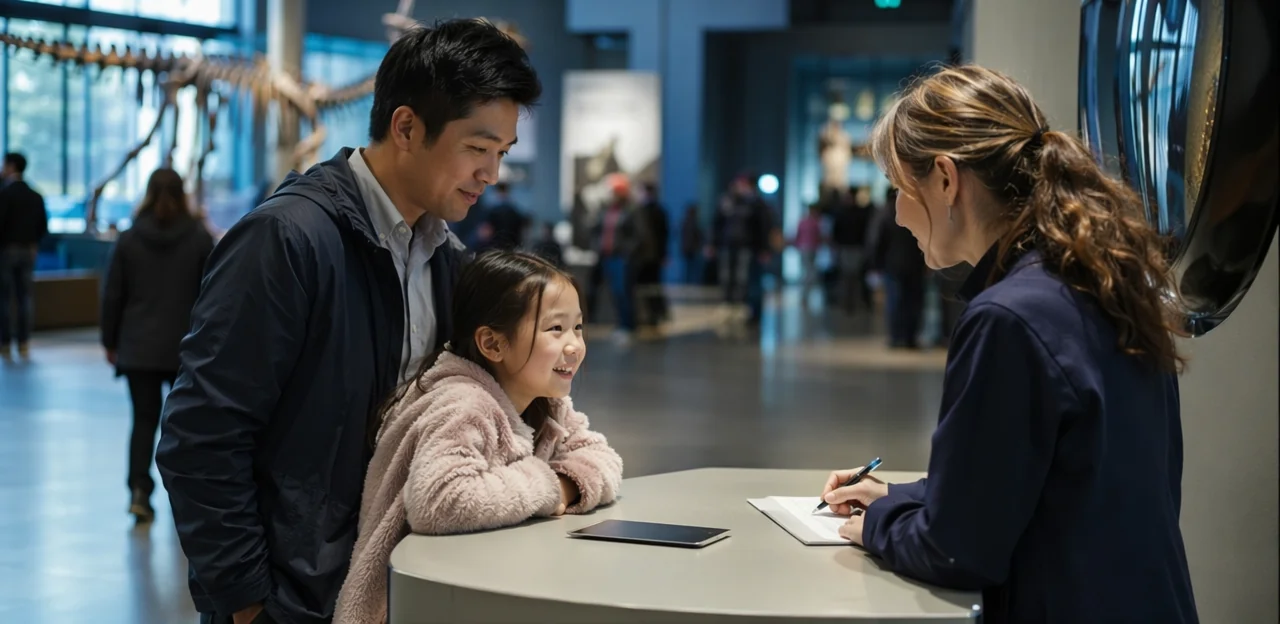
Selecting the right channel improves science center feedback quality and response rates. Use a mix based on timing, audience, and visit type:
- In-person kiosks: Best at exits for instant reactions after exhibits or live demos. Great for quick event feedback questions and high-volume responses.
- QR code surveys: Ideal on signage, tickets, or exhibit panels. They work well for flexible survey event feedback and a simple event feedback form.
- Email follow-ups: Best for detailed post event feedback, especially after workshops, school visits, or member events.
- SMS surveys: Useful for fast, mobile-friendly event feedback, but keep questions short.
- Mobile apps: Effective if your science center already has strong app adoption; otherwise, response rates may lag.
- Staff-led interviews: Best for deeper insights, qualitative conference feedback, and collecting rich event feedback examples.
Designing an event feedback form that gets responses
A strong event feedback form should feel quick, clear, and relevant. For science center feedback, keep the form to 3–5 core event feedback questions so visitors can respond in under a minute.
- Start with simple rating scales: Use consistent 1–5 scales for enjoyment, learning value, and staff helpfulness.
- Add one open-text prompt: Ask, “What would have improved your experience today?” This delivers richer event feedback without creating fatigue.
- Use audience-specific wording: Families, school groups, members, and adult visitors respond better when survey event feedback feels tailored to their visit.
- Focus on timing: Capture post event feedback immediately after the activity for better recall.
- Keep language plain: Avoid jargon and use tested event feedback examples from museum visits, workshops, or even conference feedback formats to guide structure.
Concise, relevant forms consistently earn higher completion rates.
Timing, incentives, and accessibility best practices
To improve science center feedback, ask at two key moments:
- On-site, immediately after an exhibit or live demo: capture emotional reactions while details are fresh. Keep the event feedback form short with 2–4 focused event feedback questions.
- Post-visit or post event feedback: send a follow-up within 24 hours for deeper insights on learning, value, and overall experience. This also works well for special talks, camps, and conference feedback.
Use incentives carefully. Small rewards—such as a café discount, sticker, or prize draw—can increase survey event feedback without biasing answers. Avoid offering incentives only for positive ratings.
For accessibility:
- use plain language and visual scales for children and families
- offer multilingual options
- support screen readers, captions, and large text
- provide mobile-friendly, tap-based formats
Review event feedback examples regularly to refine future surveys.
Using AI and analytics to turn feedback into action

How AI reveals patterns in visitor comments
AI and analytics help teams turn large volumes of science center feedback into clear action faster than manual review alone. Instead of reading every comment one by one, AI can:
- Detect sentiment to flag positive, neutral, and negative responses affecting customer experience
- Identify recurring themes such as exhibit clarity, queue times, staff helpfulness, accessibility, or café quality
- Spot urgent issues quickly by surfacing repeated complaints or sudden sentiment drops after an event or exhibit launch
- Improve event analysis by grouping event feedback, conference feedback, and post event feedback from each event feedback form
AI can also compare answers to event feedback questions, highlight useful event feedback examples, and strengthen survey event feedback reporting so science centers can prioritize fixes, improve exhibits, and respond to visitor needs with confidence.
Segmenting feedback by audience, exhibit, and event type
Strong science center feedback becomes far more useful when segmented instead of reviewed as one overall score. Analytics can break responses down by:
- Visitor group: families, tourists, members, and first-time guests
- Audience type: school groups, teachers, teens, and adult learners
- Membership status: members vs. non-members to compare loyalty drivers
- Exhibit zone: hands-on galleries, planetariums, labs, or temporary exhibitions
- Event category: workshops, festivals, lectures, rentals, and conference feedback
This helps teams tailor event feedback questions in each event feedback form, compare survey event feedback across programs, and spot where the audience experience differs. Reviewing event feedback examples and post event feedback by segment reveals precise fixes, from signage and staffing to content depth and scheduling.
From dashboards to decisions: prioritizing improvements
Dashboards turn science center feedback into clear action by showing patterns by exhibit, time, audience type, and visit stage. Teams can use reporting to improve the visitor experience with evidence, not guesswork.
- Staffing: Track peak-time complaints, queue sentiment, and survey event feedback to schedule more floor staff, explainers, or ticketing support.
- Signage: Review recurring wayfinding comments from an event feedback form or post event feedback to fix unclear directions, labels, or accessibility messaging.
- Exhibit maintenance: Flag low ratings and repeated fault reports to prioritize repairs fast.
- Programming: Use event feedback questions, conference feedback, and event feedback examples to refine workshops, demos, and timing.
- Communication updates: Compare pre-visit promises with on-site comments to improve websites, emails, and in-venue messaging.
Event feedback examples for science centers and cultural venues
Sample event feedback examples for family and school programs
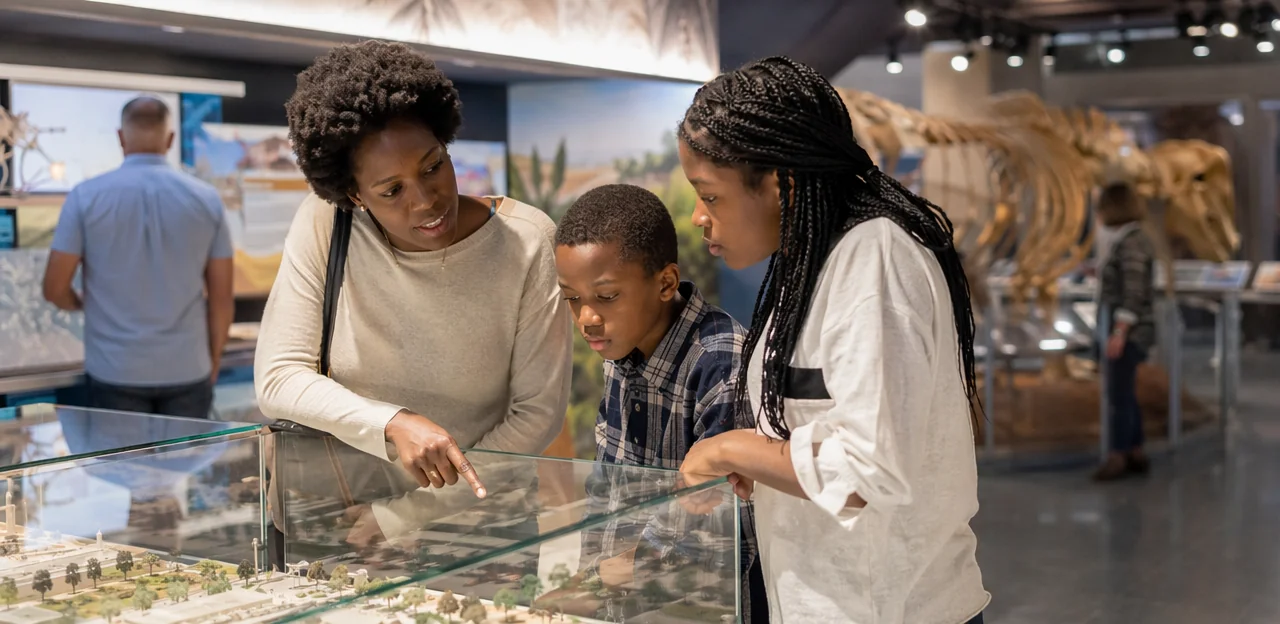
For strong science center feedback, tailor your event feedback form to each audience and mix ratings with open comments. Useful event feedback examples include:
- Workshops: “How clearly was the activity explained?” Rate 1–5. “What part of the experiment was most exciting or confusing?”
- STEM camps: “How likely is your child to join another camp?” Rate 1–10. “Which activity built the most confidence or curiosity?”
- School visits: “Did the session support classroom learning goals?” Yes/No + 1–5 rating. “What should we add for teachers or students next time?”
- Family science days: “How engaging were the hands-on stations for different ages?” Rate 1–5. “Which exhibit created the best family interaction?”
These event feedback questions improve survey event feedback, post event feedback, and even adapt well from conference feedback models.
Conference feedback for professional and community events
Science center feedback should extend beyond exhibits when venues host symposiums, educator conferences, donor receptions, or community forums. A well-designed event feedback form helps teams capture timely conference feedback on what mattered most to attendees.
- Ask targeted event feedback questions about speaker quality, session relevance, pacing, and takeaway value.
- Measure networking outcomes: Did attendees make useful connections, meet peers, or engage with partners and sponsors?
- Include logistics in your survey event feedback process, such as registration, signage, seating, accessibility, catering, and AV quality.
- Use concise post event feedback prompts plus rating scales and one open-text field for richer insight.
Review strong event feedback examples to refine future programming, improve operations, and make every professional or community gathering more valuable.
Common mistakes to avoid in feedback collection
Avoid these common errors when gathering science center feedback:
- Asking too many questions: Long surveys reduce completion rates and weaken customer experience insights. Keep your event feedback form focused on the few metrics that matter most.
- Using vague wording: Generic prompts lead to unclear answers. Strong event feedback questions should be specific, simple, and tied to exhibits, staff, wayfinding, or programming.
- Failing to close the loop: If visitors share concerns and hear nothing back, trust drops. Use post event feedback and conference feedback processes to acknowledge input and communicate improvements.
- Collecting data without action: Don’t gather event feedback, survey event feedback, or review event feedback examples unless you have a plan to analyze trends, assign ownership, and improve future visits.
Turning science center feedback into continuous improvement
Closing the feedback loop with visitors and stakeholders
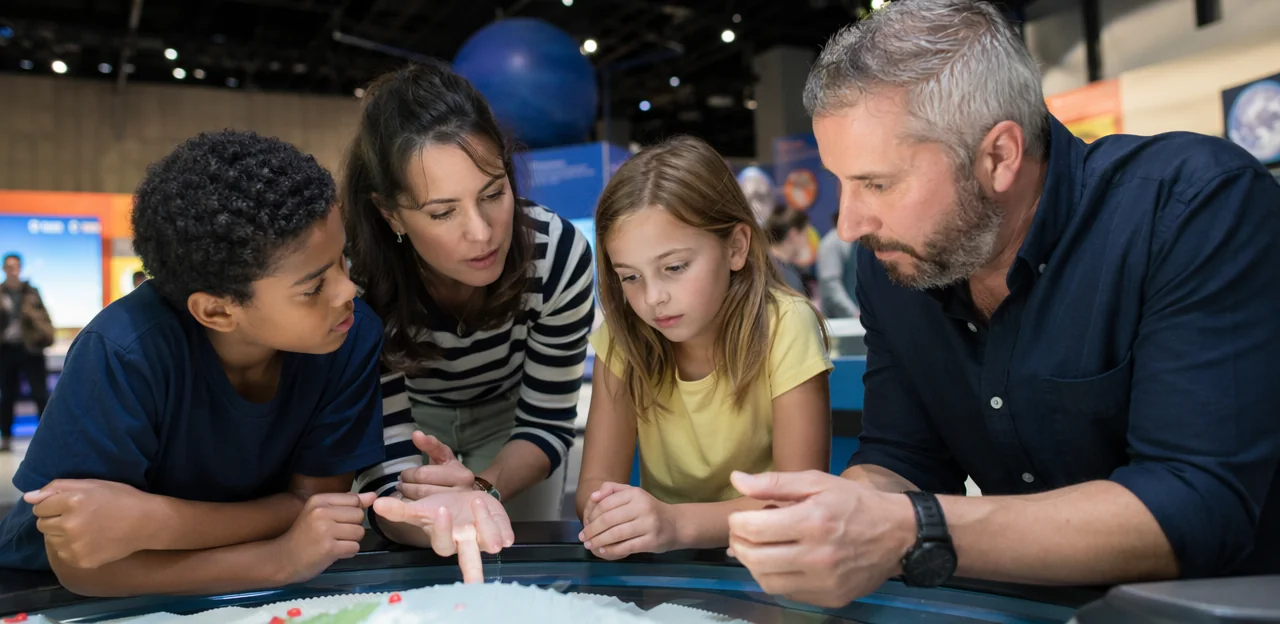
Closing the loop turns science center feedback into visible action and strengthens trust across every audience. Share what changed, why it changed, and what comes next.
- With visitors: Use signage, email updates, and social posts to highlight improvements to the visitor experience and audience experience such as clearer exhibits, quieter zones, or better accessibility.
- With staff: Review insights from an event feedback form, conference feedback, and daily comments so teams see how feedback shapes operations.
- With funders and partners: Report trends, outcomes, and selected event feedback examples from survey event feedback and post event feedback.
Include a simple “You said, we did” format and refine future event feedback questions to encourage continued participation.
Building a long-term feedback culture across teams
Creating a sustainable science center feedback culture means every team works toward the same customer experience goals across museums and attractions.
- Leadership should define clear KPIs, review trends regularly, and act visibly on insights.
- Frontline staff can capture real-time visitor comments and flag recurring issues quickly.
- Educators should use event feedback questions and each event feedback form to improve workshops, exhibits, and school programs.
- Marketing teams can turn survey event feedback, conference feedback, and post event feedback into stronger campaigns and audience segmentation.
Review event feedback examples together in cross-team meetings, assign actions, and track improvements over time so feedback becomes part of daily operations, not a one-off task.
Creating an action plan for measurable results
To turn science center feedback into real improvements, build a simple action plan around the findings:
- Prioritize issues by impact and frequency: Use survey event feedback and post event feedback to spot recurring pain points, such as exhibit queues, unclear signage, or low workshop engagement.
- Assign clear ownership: Route each theme from the event feedback form to a department lead with deadlines and success metrics.
- Track outcomes: Measure changes in satisfaction, repeat visits, dwell time, and responses to future event feedback questions or conference feedback surveys.
- Refine the process: Review event feedback examples regularly, shorten weak surveys, and improve collection timing so event feedback leads to visible operational and visitor experience gains.
Conclusion
In today’s experience-driven attraction landscape, science center feedback is no longer a nice-to-have; it’s essential for creating exhibits, programs, and events that truly resonate with visitors. From interactive galleries and live demonstrations to workshops, lectures, and seasonal programming, the most successful science centers use timely insights to understand what inspires audiences, where friction occurs, and how to improve every touchpoint. Well-designed event feedback, supported by clear event feedback questions and an easy-to-complete event feedback form, helps teams gather meaningful data without adding complexity for guests.
Whether you’re reviewing conference feedback from a professional education event, collecting survey event feedback after a public program, or analyzing post event feedback to refine future experiences, the goal is the same: turn visitor opinions into action. Using practical event feedback examples can help teams ask smarter questions, uncover trends faster, and make better decisions around audience engagement, exhibit design, accessibility, and customer experience.
The next step is to build a consistent science center feedback strategy that combines real-time collection, thoughtful analysis, and ongoing improvement. Start by auditing your current feedback process, refreshing your forms and surveys, and identifying the key moments where visitors are most willing to respond. For organizations ready to modernize collection and analysis, tools such as Tapsy can support faster, more accessible feedback at the point of experience.
Frequently Asked Questions
- Why is visitor feedback important for science centers?
Visitor feedback helps science centers understand what guests expect before, during, and after their visit. It highlights where exhibits inspire curiosity, where queues or signage create friction, and where accessibility or staff support can be improved.
- What is the difference between general visitor feedback and event feedback?
General visitor feedback reflects the overall experience across exhibits, facilities, and services. Event feedback focuses on specific touchpoints such as workshops, lectures, seasonal programs, or temporary exhibitions, making it easier to improve content, pacing, and delivery.
- What should a science center measure in its feedback strategy?
A strong feedback strategy should cover exhibit clarity, interactivity, wayfinding, staff helpfulness, cleanliness, comfort, accessibility, dwell time, and emotional response. For events, it should also measure satisfaction, learning outcomes, presenter quality, logistics, audience fit, and recommendation intent.
- Which event feedback questions are most useful for science center programs?
Useful questions ask about overall satisfaction, whether visitors learned something new, how clear and engaging the presenter was, and how well logistics worked. It also helps to ask whether the event met expectations for the intended audience and whether attendees would recommend it.
- How long should an event feedback form be?
A concise form with 3 to 5 core questions is recommended so most visitors can complete it in under a minute. Using simple rating scales plus one open-text question can improve response rates while still collecting useful detail.
- When is the best time to collect feedback from visitors?
Two moments work best: immediately after an exhibit, demo, or event, and again within 24 hours after the visit. On-site collection captures emotional reactions, while follow-up surveys gather deeper reflections on learning, value, and overall experience.
- What channels can science centers use to collect feedback?
Science centers can use in-person kiosks, QR code surveys, email follow-ups, SMS surveys, mobile apps, and staff-led interviews. The best choice depends on timing, audience, and whether the goal is quick ratings or deeper qualitative insight.
- How can science centers make feedback forms more accessible?
Forms should use plain language, visual scales for children and families, and mobile-friendly tap-based formats. It also helps to offer multilingual options and support screen readers, captions, and large text.
- Should science centers offer incentives for survey responses?
Small incentives such as a café discount, sticker, or prize draw can help increase response rates. Incentives should not be tied only to positive ratings, because that can bias the feedback.
- How do AI and analytics help with science center feedback?
AI can detect sentiment, group recurring themes, and surface urgent issues faster than manual review alone. It can also organize responses from event feedback, conference feedback, and post-event surveys so teams can prioritize repairs, staffing changes, or program updates.
- Why is it useful to segment feedback by audience or exhibit type?
Segmentation shows how experiences differ between families, school groups, members, tourists, and first-time visitors. It also helps compare feedback across exhibit zones and event categories, making it easier to identify precise issues with signage, staffing, scheduling, or content depth.
- What metrics should be paired with feedback comments?
Comments are most useful when reviewed alongside NPS, CSAT, attendance patterns, repeat visits, and conversion measures such as memberships, café spend, donations, or program sign-ups. This combination helps connect visitor sentiment to operational and business decisions.
- What are some examples of feedback questions for family or school programs?
For workshops, ask how clearly the activity was explained and which part was most exciting or confusing. For school visits, ask whether the session supported classroom learning goals, and for family science days, ask how engaging the hands-on stations were for different ages.
- What common mistakes should science centers avoid when collecting feedback?
Common mistakes include asking too many questions, using vague wording, and collecting data without a plan to act on it. Another major issue is failing to close the loop, because visitors lose trust if they share concerns and never hear what changed.
- How can a science center turn feedback into continuous improvement?
Teams should prioritize issues by impact and frequency, assign each theme to an owner, and track outcomes such as satisfaction, repeat visits, and dwell time. Sharing updates in a simple 'You said, we did' format with visitors, staff, funders, and partners helps build trust and a long-term feedback culture.