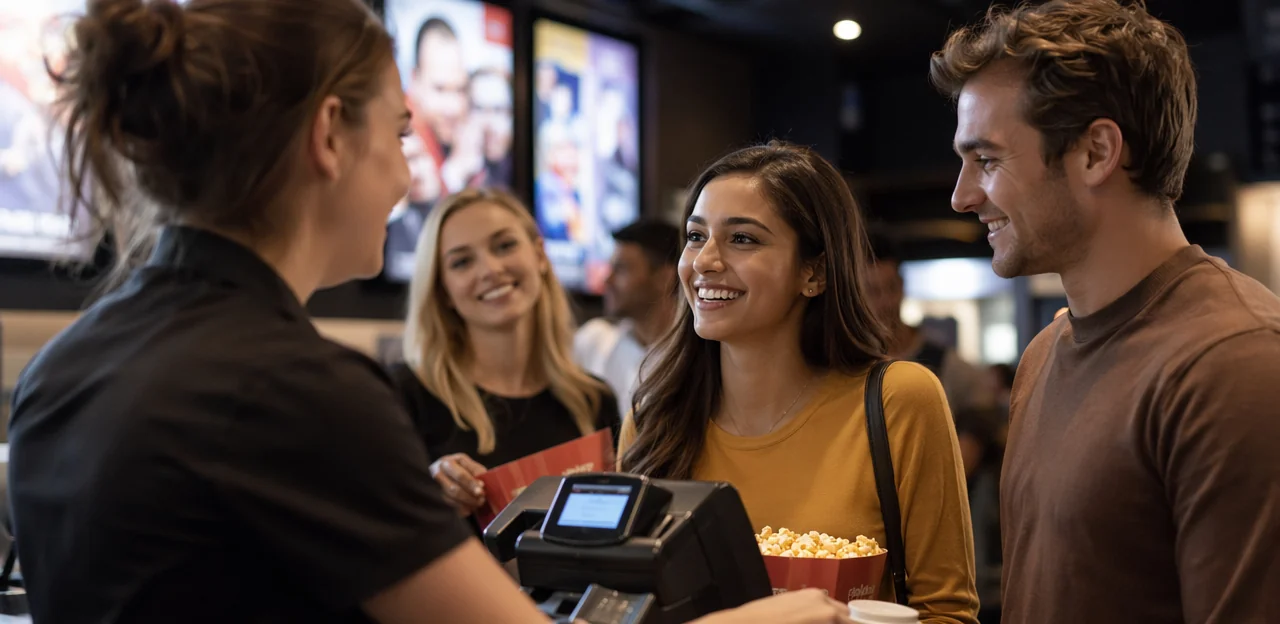
A great cinema experience is built on more than the film itself. From ticketing and queue times to seat comfort, sound quality, cleanliness, concessions, and staff service, every touchpoint shapes how audiences feel about a visit. When something goes wrong, even a highly anticipated release can be overshadowed by frustration. That is why a strong cinema voice of customer strategy matters: it helps operators understand what guests are really experiencing, while there is still time to improve it.
Today’s cinemas need more than occasional surveys or online reviews to keep pace with changing audience expectations. They need timely, actionable feedback that reveals what is working, what is causing friction, and where teams can intervene before dissatisfaction turns into negative word of mouth. By listening carefully to audience input and turning it into practical operational changes, cinemas can improve customer experience, strengthen loyalty, and encourage repeat visits.
In this article, we will explore how voice of customer programs work in cinema environments, which feedback channels are most effective, and how to turn audience comments into measurable action. We will also look at how real-time tools, including solutions like Tapsy, can help cinemas capture in-the-moment feedback and respond faster to audience needs.
Why cinema voice of customer matters today
What cinema voice of customer means
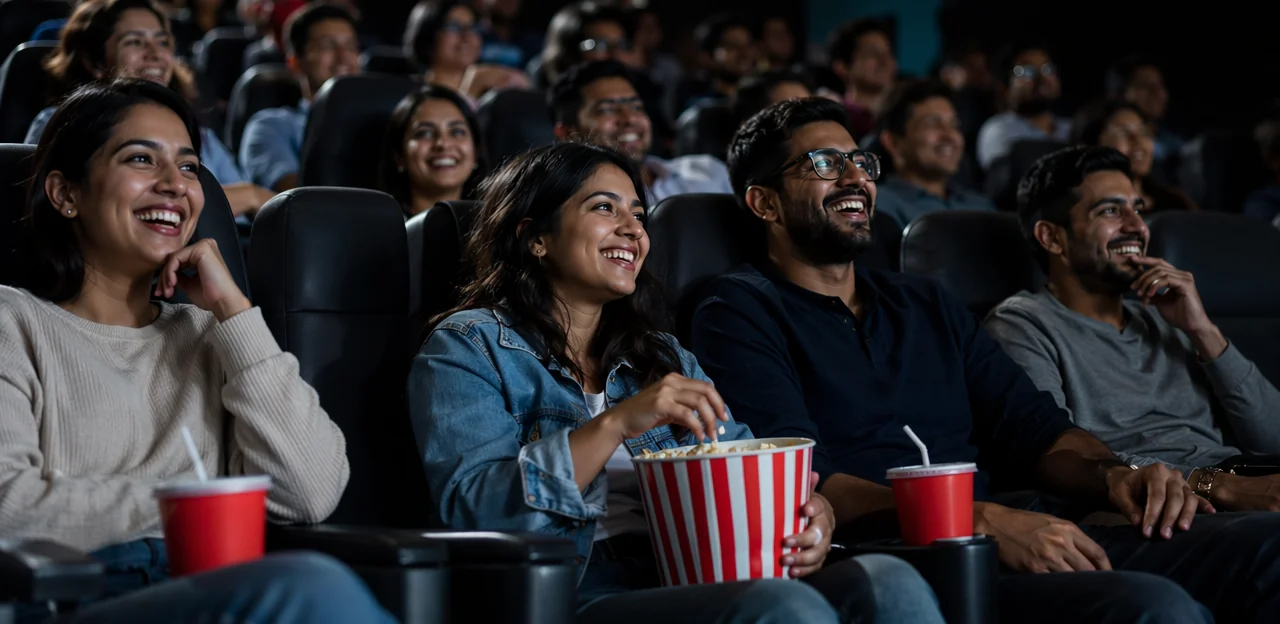
Cinema voice of customer is the structured process of collecting, analyzing, and acting on audience feedback at every stage of the moviegoing experience. It goes beyond isolated complaints or compliments given to staff.
Unlike general customer service feedback, voice of customer for cinemas looks at the full journey, including:
- online booking and seat selection
- arrival, parking, and queue times
- ticketing, concessions, and staff interactions
- screen comfort, sound, picture quality, and cleanliness
- post-visit satisfaction and likelihood to return
In practical terms, cinema voice of customer helps operators spot patterns, not just single incidents. That means identifying recurring issues, prioritizing fixes, and improving experiences that directly affect repeat visits, spend, and reviews. Tools like Tapsy can help capture feedback in real time, while the experience is still fresh.
How audience expectations are changing
Today’s cinema customer expectations are shaped by the best digital and in-person experiences they have elsewhere. Audiences no longer judge a visit only by the film itself; they judge the full journey.
- Booking must be fast and frictionless: mobile-first ticketing, easy seat selection, and clear pricing are now basic expectations.
- Concessions need convenience: shorter queues, better availability, and smoother pre-order or collection options improve the audience experience.
- Cleanliness and comfort matter more: spotless auditoriums, comfortable seating, and well-maintained facilities directly affect repeat visits.
- Sound and presentation quality are non-negotiable: poor audio, screen issues, or temperature problems quickly damage satisfaction.
- Personalization is rising: relevant offers, loyalty rewards, and tailored communication make guests feel valued.
That is why cinema voice of customer programs are now essential: they help cinemas spot friction early, prioritize fixes, and act on what audiences actually want.
Business benefits of acting on feedback
A strong cinema voice of customer program turns audience comments into measurable business gains. With the right cinema feedback strategy, operators can improve both guest satisfaction and day-to-day performance.
- Raise satisfaction: Spot recurring issues such as long concession queues, poor sound, uncomfortable seating, or cleanliness problems and fix them quickly to strengthen the overall cinema customer experience.
- Increase repeat visits: When guests see their feedback leads to visible improvements, they are more likely to return and recommend the venue.
- Protect online reputation: Resolving problems in real time can prevent negative reviews and encourage more positive public ratings.
- Build loyalty: Feedback paired with offers, memberships, or rewards can turn casual visitors into regulars.
- Improve decisions: Better data helps cinema operators prioritize staffing, maintenance, scheduling, and investment. Tools like Tapsy can help capture this insight at key touchpoints.
Where cinemas should collect audience feedback
Digital feedback touchpoints
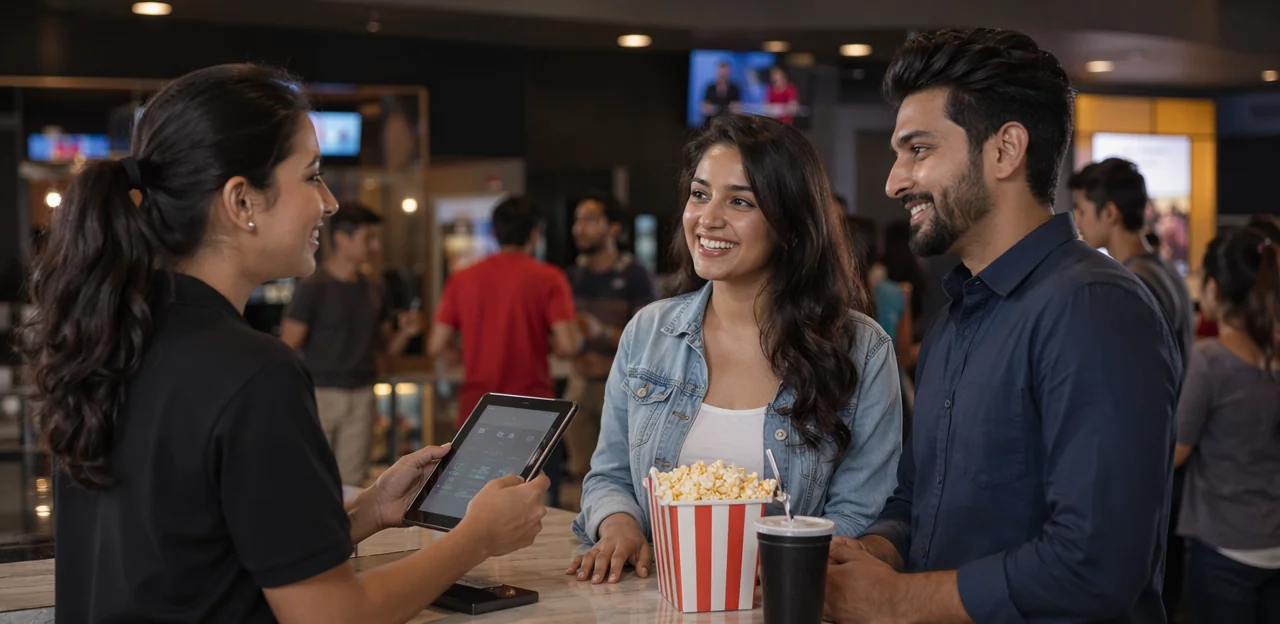
To make cinema voice of customer programs effective, cinemas need fast, convenient customer feedback channels that capture sentiment while the visit is still fresh. Focus on a mix of digital touchpoints:
- Post-visit survey emails: Send a short cinema survey within a few hours of the screening to measure satisfaction, staff experience, and concession quality.
- SMS feedback links: Ideal for quick ratings and higher response rates after ticket scans or completed visits.
- Mobile apps: Collect in-app feedback on booking, seat selection, loyalty rewards, and overall experience.
- Ticketing platforms: Add feedback prompts at checkout or after attendance confirmation.
- Website forms: Offer an always-available route for detailed comments, complaints, or suggestions.
Tools like Tapsy can also support real-time, touchpoint-based feedback collection.
In-venue and frontline feedback sources
Strong cinema voice of customer programs should not rely on email surveys alone. Real-time in-cinema feedback often reveals friction that guests forget later or never mention online.
- Kiosks at exits or concession areas capture instant reactions to queues, cleanliness, sound, seating comfort, and staff helpfulness.
- QR codes on seats, counters, or receipts make guest feedback collection easy during or right after the visit, when details are fresh.
- Staff interactions uncover emotional cues, recurring complaints, and service gaps that structured surveys may miss.
- Mystery shopping helps validate whether standards are consistently delivered across ticketing, food service, and auditorium checks.
- Manager walkarounds create opportunities to spot issues firsthand and resolve them before they become negative reviews.
Tools like Tapsy can support touchpoint-based feedback capture in real time.
Review sites and social listening
Review platforms are a vital part of any cinema voice of customer strategy because they reveal what audiences say when staff are not prompting them. To turn this into action, cinemas should monitor:
- Google reviews and local listing platforms for patterns around cleanliness, sound quality, seating comfort, parking, and staff service
- Social media mentions, tags, and comments to catch real-time sentiment, viral complaints, or praise after premieres and busy weekends
- Recurring themes in cinema reviews to separate one-off issues from operational problems that need fixing
Effective social listening for cinemas means tracking both volume and context. A sudden spike in complaints can signal a reputation risk, while repeated praise highlights strengths worth promoting. Tools such as Tapsy can also help capture feedback earlier, before negative public reviews appear.
How to turn cinema feedback into actionable insights

Organizing feedback by journey stage
To make cinema voice of customer data actionable, sort every comment and rating by stage in the cinema guest journey. This turns scattered opinions into clear operational patterns and supports stronger customer journey mapping.
- Discovery: Track feedback on ads, trailers, website content, and showtime visibility.
- Booking: Group issues around seat selection, mobile checkout, payment failures, and ticket confirmation.
- Arrival: Monitor parking, signage, queue times, ticket scanning, and staff welcome.
- Concessions: Tag speed of service, stock availability, pricing, and food quality.
- Auditorium experience: Capture seat comfort, cleanliness, temperature, sound, picture quality, and audience behavior.
- Post-visit follow-up: Review sentiment from surveys, loyalty messages, refund requests, and repeat-visit intent.
When feedback is categorized this way, cinemas can see whether low satisfaction is driven by booking friction, concession delays, or in-screen issues. Tools like Tapsy can help collect touchpoint-level feedback in real time.
Identifying themes, root causes, and priorities
To make cinema voice of customer data useful, start with structured feedback analysis. Group open-text comments and ratings into clear categories so recurring issues become visible.
- Create core themes: tag comments under wait times, seat comfort, pricing, cleanliness, staff service, sound or screen quality, and concessions.
- Look for root causes: don’t stop at the complaint. Long waits may point to understaffed peak periods, while poor seat comfort may relate to specific auditorium rows or older seating.
- Measure frequency: track how often each issue appears across locations, showtimes, and customer segments.
- Assess impact: prioritize problems that strongly affect satisfaction, repeat visits, refunds, or negative reviews.
- Rank action areas: fix high-frequency, high-impact cinema pain points first, then address lower-volume issues with targeted improvements.
Tools such as dashboards or real-time platforms like Tapsy can help cinemas spot patterns faster and route issues to the right teams.
Using metrics to guide decisions
To make cinema voice of customer programs actionable, cinemas need clear customer satisfaction metrics that connect feedback to operations and revenue. Track a small set consistently, then review trends by site, screen, daypart, and film type.
- CSAT: Measure immediate satisfaction after booking, concessions, or the screening itself.
- Cinema NPS: Track how likely guests are to recommend your cinema and monitor shifts after service changes.
- Review ratings: Watch Google and third-party review scores for reputation signals and recurring themes.
- Complaint volume: Count issues by category, such as cleanliness, sound quality, queues, or seating.
- Response times: Measure how quickly teams acknowledge and resolve audience problems.
- Repeat attendance: Link sentiment data to return visits to see what actually drives loyalty.
Tools like Tapsy can help capture real-time feedback at key touchpoints, making it easier to spot problems early and act fast.
Turning audience input into operational improvements

Fixing high-impact experience issues
A strong cinema voice of customer program should prioritize the issues that most directly affect satisfaction, spend, and repeat visits. In practice, that means turning feedback into clear audience experience improvements across daily cinema operations.
- Faster concessions: If guests repeatedly mention long snack lines, add peak-time staffing, open mobile pickup, or simplify high-volume menu items.
- Cleaner auditoriums: Comments about sticky floors, overflowing bins, or messy seats should trigger tighter turnaround checks between screenings.
- Better signage: Feedback about confusion around screens, toilets, or collection points often points to clearer wayfinding and digital signs.
- Smoother booking: If audiences report checkout friction, reduce booking steps, improve seat-map usability, and fix payment errors quickly.
- Improved accessibility: Use input from wheelchair users, hearing-impaired guests, and families to improve access routes, captioning, and companion seating.
Tools like Tapsy can help teams capture and act on these issues in real time.
Closing the loop with customers and staff
Collecting feedback is only valuable if cinemas close the loop. In a strong cinema voice of customer program, guests want to know they were heard, and staff need clear direction on what to improve.
- Acknowledge feedback quickly: A timely customer feedback response shows respect and can reduce frustration before it turns into a negative review.
- Communicate what changed: If audience comments led to cleaner auditoriums, faster concessions, or better seat maintenance, say so in email follow-ups, signage, or social posts.
- Share insights with frontline teams: Ushers, concession staff, and managers should see recurring themes, not just scores. This helps them understand the behaviors and service moments that matter most.
- Turn trends into action: Use short team briefings to highlight top issues, assign owners, and track progress weekly.
Tools like Tapsy can help cinemas capture real-time feedback and route issues to the right team faster.
Creating accountability across teams
To make cinema voice of customer programs effective, every insight needs a clear path to action. Without ownership, audience feedback becomes a report instead of a result. Build a simple feedback action plan that connects each issue to the right team, deadline, and success metric.
- Assign one owner per issue: For example, concessions managers handle queue complaints, while operations leads own seating, cleanliness, or screen comfort concerns.
- Set timelines by urgency: Safety or service failures may need same-day action, while recurring experience issues can follow weekly review cycles.
- Define measurable outcomes: Use cinema management KPIs such as average wait time, complaint volume, repeat visit rate, refund requests, or satisfaction by touchpoint.
- Track progress visibly: Review open actions in weekly meetings and share status across front-of-house, concessions, and marketing teams.
- Close the loop: Confirm whether changes improved audience sentiment, not just whether the task was completed.
Tools like Tapsy can help route feedback quickly to the right owners.
Best practices for a successful cinema voice of customer program

Ask the right questions at the right time
Strong cinema voice of customer programs depend on smart customer survey design. Keep surveys short, specific, and tied to the moment the experience happens, so responses are accurate and useful.
- Keep it brief: Ask 3–5 questions max to reduce drop-off.
- Time it contextually: Trigger feedback after ticket purchase, concession pickup, or just after the film ends.
- Mix question types: Use rating scales for speed and trend tracking, then add one open-text prompt for detail.
- Focus on actionable themes: Build cinema feedback questions around booking ease, seat comfort, sound quality, cleanliness, staff helpfulness, and snack wait times.
Tools like Tapsy can help capture this feedback in real time at cinema touchpoints.
Balance quantitative and qualitative feedback
A strong cinema voice of customer program should combine quantitative feedback with qualitative customer feedback. Scores show what is happening, but comments reveal why audiences feel that way.
- Use ratings to track trends in seat comfort, sound quality, cleanliness, queue times, and staff service.
- Use open-text comments to uncover root causes, such as “the screen was too dim” or “the lobby felt overcrowded before the showing.”
- Review both together so low scores can be tied to specific operational issues and high scores can highlight what to repeat.
This balance helps cinemas move beyond reporting and make smarter, faster improvements that genuinely improve the guest experience.
Respect privacy and encourage participation
A strong cinema voice of customer program depends on trust. To improve survey response rates without annoying guests, cinemas should keep feedback simple, transparent, and clearly optional.
- Ask for consent upfront: Explain what data is collected, why it is needed, and whether responses are anonymous.
- Protect customer data privacy: Collect only essential details, store data securely, and limit access to relevant teams.
- Avoid survey fatigue: Use short, touchpoint-based surveys after key moments like ticket purchase, concessions, or show exit.
- Offer light incentives: Small rewards such as discount codes, loyalty points, or prize draws can boost participation without feeling coercive.
- Close the loop: Show audiences that feedback leads to cleaner halls, faster service, or better scheduling.
Measuring success and building long-term loyalty

Tracking outcomes beyond survey scores
To make cinema voice of customer programs actionable, tie feedback to business KPIs, not just ratings:
- Track links between sentiment and customer retention for cinemas, including return visits within 30–90 days.
- Measure cinema loyalty growth through membership sign-ups, renewals, and repeat bookings after service recovery.
- Compare concession spend by feedback segment to spot revenue impact.
- Monitor review volume, star ratings, and complaint resolution speed to quantify reputation gains.
Using feedback to shape future experiences
Audience feedback should directly guide your cinema experience strategy:
- Use audience insights to refine programming, from blockbuster scheduling to niche screenings and local event tie-ins.
- Identify demand for premium formats, better seating, or upgraded food and beverage offers.
- Improve family value with child-friendly showtimes, bundles, and facilities.
- Prioritize accessibility upgrades such as captions, audio description, and step-free access.
A strong cinema voice of customer process also sharpens local marketing by revealing what matters most to each audience segment.
Building a culture of continuous improvement
The strongest customer-centric cinema teams use cinema voice of customer insights as a daily operating system, not a one-off campaign. To drive continuous improvement:
- review feedback after each showtime, not just monthly
- assign owners to recurring issues like sound, seating, or queues
- close the loop by telling guests what changed
- use tools like Tapsy to capture real-time input at key touchpoints
This turns audience feedback into better decisions, faster fixes, and stronger loyalty.
Conclusion
In today’s exhibition landscape, listening is no longer enough—cinemas need a clear system for acting on what audiences say. A strong cinema voice of customer strategy helps operators capture feedback at the moments that matter most, from ticketing and concessions to seating comfort, cleanliness, sound quality, and staff interactions. When that input is gathered in real time and tied to operational follow-up, it becomes a practical tool for improving the audience experience, reducing negative reviews, and building loyalty.
The real value of cinema voice of customer comes from turning patterns into action: identifying recurring pain points, empowering teams to resolve issues quickly, and using audience insight to shape better service, programming, and venue standards. Rather than relying only on post-visit reviews, cinemas can create a continuous feedback loop that supports faster recovery and smarter decision-making.
The next step is to audit your audience journey, define your key feedback touchpoints, and choose a system that makes responses easy for guests and actionable for staff. For cinemas looking to modernize this process, tools like Tapsy can help collect real-time feedback directly at physical touchpoints. Start small, measure consistently, and keep refining—because the cinemas that listen well, act fast, and improve continuously are the ones audiences come back to.
Frequently Asked Questions
- What does voice of customer mean for cinemas?
Voice of customer for cinemas is a structured way to collect, analyze, and act on audience feedback across the full moviegoing journey. It covers booking, arrival, concessions, auditorium comfort, presentation quality, cleanliness, staff service, and post-visit satisfaction.
- Why is a cinema voice of customer program important today?
Audience expectations now extend far beyond the film itself. Cinemas need timely, actionable feedback to spot friction early, improve the guest experience, reduce negative word of mouth, and support repeat visits.
- Which parts of the cinema journey should be included in feedback collection?
Feedback should cover online booking and seat selection, arrival and parking, queue times, ticketing, concessions, staff interactions, seating comfort, sound, picture quality, cleanliness, and post-visit sentiment. Looking at the whole journey helps operators find recurring problems instead of isolated incidents.
- What are the most effective digital channels for collecting cinema feedback?
Useful digital channels include post-visit survey emails, SMS feedback links, mobile apps, ticketing platforms, and website forms. These options help capture reactions soon after the visit, when details about service, booking, and concessions are still fresh.
- How can cinemas capture feedback while guests are still on site?
Cinemas can use exit or concession kiosks, QR codes on seats, counters, or receipts, and direct staff interactions. Manager walkarounds and mystery shopping also help reveal issues in real time before they turn into public complaints.
- How is cinema voice of customer different from relying only on online reviews?
Online reviews show what audiences say publicly after the visit, but they often come too late for service recovery. A voice of customer program adds real-time and touchpoint-based feedback so teams can identify issues earlier and act before dissatisfaction spreads.
- How should cinemas organize feedback so it becomes actionable?
Comments and ratings should be sorted by journey stage, such as discovery, booking, arrival, concessions, auditorium experience, and post-visit follow-up. This structure makes it easier to see whether low satisfaction comes from checkout friction, long snack lines, or in-screen problems.
- What is the best way to identify root causes in cinema feedback?
Start by grouping feedback into themes like wait times, seat comfort, pricing, cleanliness, staff service, sound or screen quality, and concessions. Then measure how often each issue appears, assess its impact on satisfaction and repeat visits, and prioritize the highest-frequency, highest-impact problems first.
- Which metrics should cinemas track in a voice of customer program?
Key metrics include CSAT, cinema NPS, review ratings, complaint volume, response times, and repeat attendance. Reviewing these by site, screen, daypart, and film type helps connect feedback to operations and loyalty.
- What operational improvements can cinemas make from audience feedback?
Common improvements include adding peak-time concession staff, tightening auditorium cleaning checks, improving signage, simplifying booking steps, and fixing payment errors quickly. Feedback can also guide accessibility upgrades such as better access routes, captioning, and companion seating.
- How should cinemas close the loop with guests and staff?
Teams should acknowledge feedback quickly, communicate what changed, and share recurring themes with frontline staff. Short briefings and clear ownership help turn trends into weekly actions instead of leaving them as reports.
- What makes a cinema feedback action plan effective?
Each issue needs one owner, a timeline based on urgency, and a measurable outcome such as wait time, complaint volume, refund requests, or satisfaction at a touchpoint. Progress should be reviewed visibly across operations, concessions, front-of-house, and marketing teams.
- How can cinemas design better surveys without causing survey fatigue?
Keep surveys short, usually 3 to 5 questions, and trigger them at relevant moments like after ticket purchase, concession pickup, or film end. Use a mix of rating questions and one open-text prompt so responses stay easy to complete but still provide useful detail.
- Should cinemas use both ratings and open-text comments?
Yes, because ratings show what is happening while comments explain why guests feel that way. Reviewing both together helps teams connect low scores to specific operational issues and repeat strong experiences that audiences praise.
- How can tools like Tapsy support cinema voice of customer efforts?
Tools like Tapsy can help cinemas collect real-time feedback at key touchpoints and route issues to the right teams faster. They support touchpoint-based capture, quicker pattern detection, and faster follow-up while the experience is still fresh.