In an era where streaming platforms compete for every spare hour, cinemas can no longer rely on the big screen alone to keep audiences coming back. Today, loyalty is shaped by the full experience, from ticket purchase and queue times to seat comfort, sound quality, concessions, and how valued guests feel after the credits roll. That is why cinema audience engagement has become a critical focus for operators looking to strengthen retention and turn occasional moviegoers into regular visitors.
Feedback plays a central role in that shift. When cinemas actively listen to their audiences, they gain more than opinions—they uncover practical insights that can improve operations, resolve frustrations faster, and create experiences people want to repeat. More importantly, asking for feedback at the right moments shows customers that their voice matters, which can deepen trust and encourage long-term loyalty.
This article explores how cinemas can use audience feedback strategically to enhance the customer experience, recover issues before they damage reputation, and build stronger loyalty over time. It will also look at how real-time, low-friction tools such as Tapsy can help cinemas capture insights in the moment and turn engagement into repeat attendance.
Why cinema audience engagement matters for loyalty and retention
The link between audience experience and repeat visits
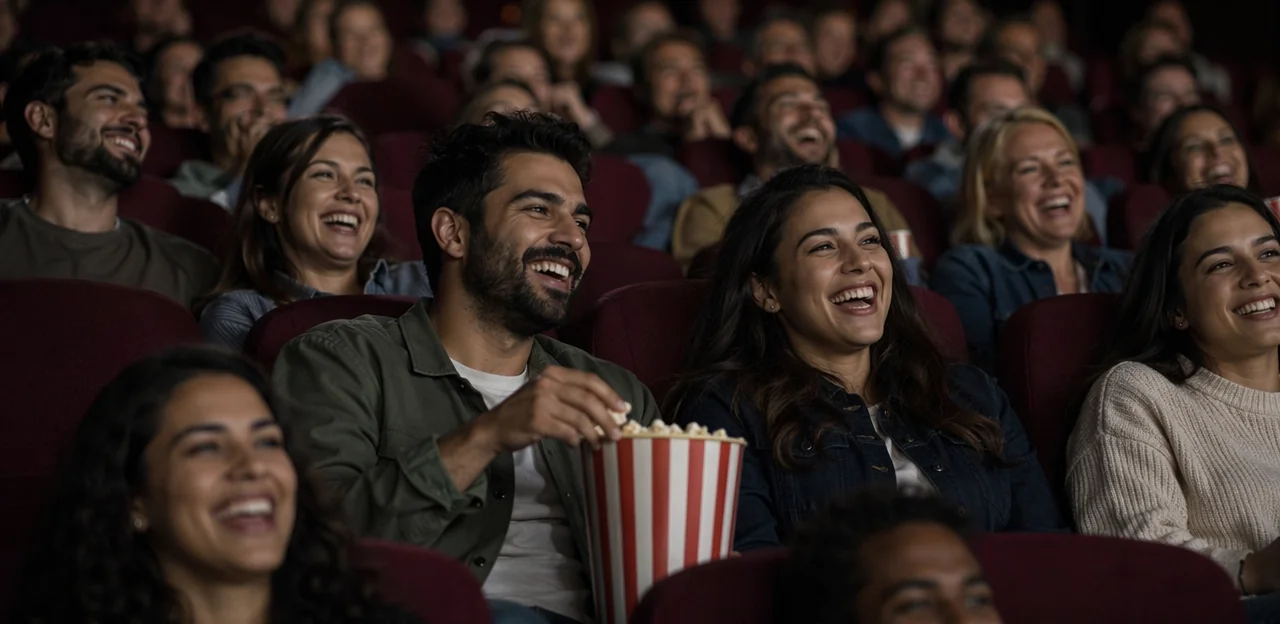
Cinema audience engagement is the ongoing process of understanding, responding to, and improving how guests feel at every stage of the visit, from booking to credits. When audiences consistently enjoy smooth service, comfortable seating, clean spaces, and strong film presentation, they are far more likely to return.
Positive experiences directly strengthen:
- Return frequency: satisfied guests make cinema visits part of their routine
- Word-of-mouth: happy audiences recommend venues to friends and family
- Customer lifetime value: repeat bookings, concessions, and premium upgrades increase long-term revenue
For cinemas, engagement is the foundation of cinema loyalty and audience retention. The key is to collect feedback quickly, act on recurring issues, and reward repeat behaviour. Tools like Tapsy can help capture in-the-moment insights before small frustrations reduce future visits.
Today’s audiences judge the full cinema customer experience, not just the film. Strong cinema audience engagement starts by understanding what modern moviegoers expect at every touchpoint:
- Comfort: clean auditoriums, quality seating, good sightlines, and reliable temperature control
- Convenience: fast entry, easy parking, short queues, and efficient issue resolution
- Digital booking: mobile-friendly ticketing, seat selection, simple refunds, and clear confirmations
- Food and beverage quality: fresh options, quick service, and choices that match different tastes and budgets
- Personalized communication: relevant offers, reminders, and loyalty rewards based on viewing habits
These rising moviegoer expectations shape engagement strategies by pushing cinemas to collect feedback in real time, fix friction quickly, and tailor promotions. Tools like Tapsy can help capture on-site insights and turn them into a better cinema audience experience.
How feedback reveals loyalty drivers
Effective cinema audience engagement starts with understanding what truly shapes repeat visits. Well-structured cinema feedback helps operators pinpoint the experience factors that most influence customer satisfaction cinemas depend on.
Key loyalty drivers often include:
- Cleanliness: Dirty foyers, restrooms, or auditoriums quickly reduce trust.
- Staff service: Friendly, fast help at the box office, concessions, and entry points improves the overall visit.
- Seat comfort: Poor legroom or damaged seats can overshadow the film itself.
- Sound and screen quality: Technical issues are major triggers for negative movie theater feedback.
- Programming choices: Feedback shows which genres, showtimes, and special events audiences actually want.
By tracking patterns by location, time, and screen, cinemas can act on the issues that matter most. Tools like Tapsy can help capture real-time insights while the experience is still fresh.
How cinemas can collect meaningful audience feedback
Best feedback channels for cinemas
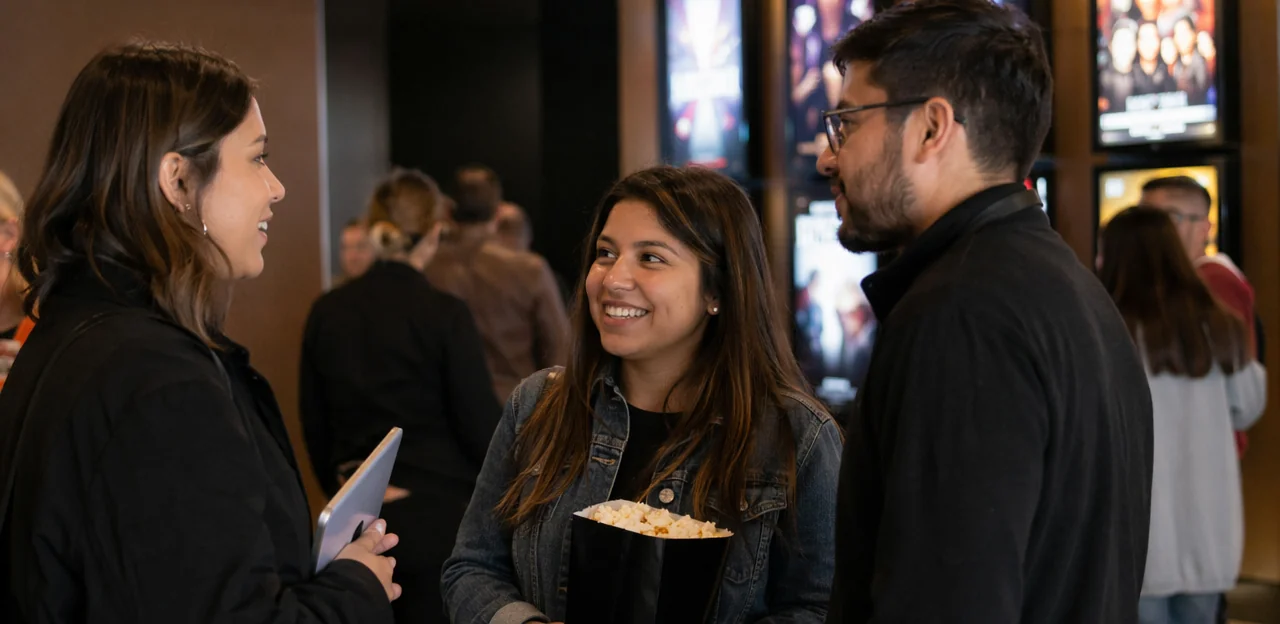
To improve cinema audience engagement, use a mix of channels that capture feedback at different moments in the visit:
- Post-visit survey: Great for detailed cinema customer feedback on booking, concessions, comfort, and overall satisfaction. Best sent within 24 hours, but response rates can be lower.
- App prompts: Timely and convenient for regular guests, especially after ticket scans. Strong for quick ratings, but limited to app users.
- Email follow-ups: Ideal for personalized movie theater survey campaigns and loyalty segmentation. Effective, though open rates vary.
- QR codes in theaters: Perfect for real-time feedback in foyers, seats, or exits. Fast and frictionless; tools like Tapsy can help here.
- Social media polls: Useful for light sentiment checks and content engagement, but less detailed.
- Loyalty touchpoints: High-value channel for repeat visitors, though it misses non-members.
Asking the right questions at the right time
Strong cinema audience engagement starts with short, well-timed surveys. Ask only 5–7 focused customer feedback questions right after key moments—after booking, at concessions, or post-show—so responses are fresh and useful. Combine rating scales with one open comment to gather both measurable trends and deeper audience insights.
Useful cinema survey questions include:
- Booking: “How easy was it to book your tickets today?”
- Concessions: “How satisfied were you with queue times, choice, and value?”
- Staff: “How helpful and friendly was our team?”
- Auditorium comfort: “How would you rate seat comfort, temperature, and sound quality?”
- Overall satisfaction: “How likely are you to return or recommend us?”
- Open-text: “What is one thing we could improve before your next visit?”
Tools like Tapsy can help capture feedback at these touchpoints in real time.
Increasing response rates without frustrating guests
Improving survey response rates starts with making feedback effortless and relevant. A strong cinema feedback strategy should remove friction while showing audiences their opinions matter.
- Ask at the right moment: Send surveys shortly after the film, while the experience is still fresh.
- Keep it mobile-first: Use short, thumb-friendly forms accessed by QR code, SMS, or email.
- Limit the length: Aim for 3–5 questions, with one optional comment box.
- Offer light incentives: Small rewards like discount codes, loyalty points, or concession offers can boost participation.
- Be clear about value: Explain how responses will improve seating, sound, snacks, queues, or customer service.
These customer engagement tactics support better cinema audience engagement by making feedback simple, useful, and worth giving.
Turning audience feedback into better cinema experiences
Identifying patterns in feedback data
To improve cinema audience engagement, turn raw comments, ratings, and survey responses into clear categories you can track over time. Strong feedback analysis helps cinemas spot both recurring problems and high-value opportunities.
- Group feedback by theme: separate comments into operational pain points such as queues, seat comfort, sound quality, cleanliness, or concessions.
- Track programming preferences: identify which genres, event formats, showtimes, and loyalty offers generate the strongest responses.
- Compare audience segments: use audience behavior analysis to see how families, students, premium guests, and frequent visitors respond differently.
- Look for patterns by time and location: combine sentiment with day, screen, and staff data to uncover practical cinema data insights.
Tools like Tapsy can help capture real-time feedback at key touchpoints, making trends easier to spot and act on quickly.
Prioritizing changes that matter most to guests
Not every suggestion deserves equal attention. For stronger cinema audience engagement, cinemas should rank feedback by two factors: guest impact and ease of fixing. This helps teams focus on cinema operations improvement that delivers visible results fast.
- Fix high-impact, high-feasibility issues first
- Reduce queue times at entry and concessions
- Repair damaged or uncomfortable seats
- Resolve sound quality problems quickly
- Improve restroom and auditorium cleanliness
- Speed up concession service during peak periods
- Use a simple scoring system
- How often the issue appears
- How strongly it affects satisfaction
- Cost and time to resolve
- Operational effect across multiple screenings
This approach supports smarter movie theater operations and consistent customer experience improvement. Tools like Tapsy can help capture real-time feedback at key touchpoints, making prioritization faster and more accurate.
Closing the feedback loop with audiences
A strong cinema communication strategy does not stop at collecting opinions. Closing the feedback loop means telling guests what changed because they spoke up. This is essential for cinema audience engagement, because visible action strengthens customer trust and makes people more likely to share feedback again.
- Email: Send short updates highlighting improvements, such as faster concessions, cleaner screens, or better seat maintenance.
- App notifications: Use timely alerts to announce fixes, new services, or policy changes based on audience input.
- In-cinema signage: Display “You said, we did” messages in foyers and concession areas.
- Social media: Share quick posts or stories showing audience-led improvements.
If you use tools like Tapsy, connect feedback collection with follow-up messaging for a more consistent loyalty experience.
Using personalization and loyalty programs to deepen engagement

Connecting feedback with loyalty program data
To improve cinema audience engagement, cinemas should connect survey feedback with cinema loyalty program data, including visit frequency, ticket types, concessions, and booking times. This creates a stronger customer data strategy and supports smarter personalized marketing cinemas can act on.
- Match feedback to behavior: Link ratings and comments to member profiles to see what frequent visitors, families, or premium-seat buyers value most.
- Spot preference patterns: Combine visit history and purchase behavior to identify genre preferences, preferred days, and likely upsell opportunities.
- Tailor rewards and messages: Send relevant offers such as family bundles, VIP upgrades, or snack rewards based on both sentiment and spending habits.
- Act quickly: Tools like Tapsy can help capture real-time feedback that feeds these audience insights faster.
Personalized offers that encourage repeat attendance
Personalization turns feedback into action and strengthens cinema audience engagement by giving guests reasons to come back. Use survey data, booking history, and concession habits to build personalized cinema offers that feel relevant, not generic.
- Genre-based promotions: Offer horror fans early access to thrillers or discounted tickets for similar releases.
- Birthday rewards: Send a free upgrade, popcorn voucher, or limited-time ticket discount.
- Family bundles: Create weekend packages with tickets, kids’ snacks, and shared concessions.
- Premium format offers: Target IMAX, 3D, or luxury-seat fans with upgrade incentives.
- Concession deals: Recommend snack bundles based on past purchases.
These tactics support repeat visits and smarter cinema retention strategies.
Building emotional loyalty beyond discounts
Discounts can drive short-term visits, but emotional loyalty is what keeps guests choosing your venue over competitors. Strong cinema audience engagement comes from making people feel included, valued, and part of something bigger than a transaction.
- Offer exclusive screenings: Early access, director cuts, or themed nights give members memorable experiences.
- Strengthen cinema membership benefits: Add priority booking, guest passes, birthday rewards, or members-only content.
- Create community events: Host Q&As, local film clubs, or family screenings to build shared identity and deeper audience loyalty.
- Recognize loyal guests: Celebrate frequent visitors with personalized thank-yous, milestone rewards, or public recognition.
Used alongside feedback, these tactics turn attendance into connection.
Measuring the success of cinema audience engagement strategies

Key metrics cinemas should track
To improve cinema audience engagement, focus on a small set of measurable cinema KPIs that connect feedback to loyalty and revenue:
- Repeat visit rate: shows how often guests come back after a visit or campaign.
- Net Promoter Score (NPS): one of the clearest customer satisfaction metrics for advocacy; track Net Promoter Score cinemas by location, screen, or showtime.
- Customer satisfaction (CSAT): measure satisfaction with booking, food, cleanliness, comfort, and staff.
- Loyalty sign-ups: reveals whether the experience motivates ongoing engagement.
- Redemption rates: track how many guests use offers, rewards, or vouchers.
- Average spend per visit: links engagement to concession and ticket revenue.
- Review sentiment: monitor themes in public and private feedback to spot recurring issues fast.
Tools like Tapsy can help capture these insights in real time.
How to test and refine engagement initiatives
To strengthen cinema audience engagement, treat every campaign as a test-and-learn cycle rather than a one-off promotion. Use data to improve messaging, offers, feedback requests, and service changes over time.
- Run A/B testing marketing experiments: Test subject lines, push notifications, poster copy, reward types, and feedback timing to see what drives more opens, responses, and repeat visits.
- Start with pilot programs: Trial new loyalty perks, seat-upgrade offers, or post-visit surveys at one location before rolling them out chain-wide.
- Use segmented campaigns: Tailor messages by family guests, blockbuster fans, weekday visitors, or lapsed customers for better engagement optimization.
- Measure and refine: Track redemption, satisfaction, and revisit rates to sharpen your cinema marketing strategy continuously.
Common mistakes that weaken retention efforts
Several customer retention mistakes can quietly undermine cinema audience engagement, even when feedback collection is in place:
- Collecting feedback without visible action: If guests share issues about seating, sound, or queues and nothing changes, trust drops fast. Close the loop by communicating improvements.
- Over-surveying customers: Too many requests create fatigue and lower response quality. Keep surveys short, timely, and tied to key touchpoints.
- Relying only on discounts: Price cuts may drive one-off visits, but they rarely build emotional loyalty. Pair offers with better experiences.
- Ignoring frontline staff insights: Ushers, concession teams, and managers often spot recurring friction first.
- Failing to personalize communication: Generic emails are classic feedback strategy errors and common cinema marketing mistakes. Use visit history and preferences to tailor follow-ups.
Creating a long-term feedback-driven engagement plan

Building a cross-functional process for action
Strong cinema audience engagement depends on turning feedback into clear action, not just collecting it. Build a simple cross-functional collaboration rhythm where teams review insights weekly and assign owners for fixes.
- Marketing: spot loyalty trends, campaign feedback, and messaging gaps.
- Operations: address queues, cleanliness, seating, and concession issues.
- Customer service: track complaints, recovery actions, and follow-up needs.
- Programming: use audience comments to refine schedules, formats, and local content choices.
For an effective customer experience strategy, use one shared dashboard, set response deadlines, and name one owner per issue. In cinema management, this creates accountability, faster improvements, and a better guest experience.
Establishing a continuous improvement cycle
To strengthen cinema audience engagement, build a simple continuous improvement process your team can repeat every week or month:
- Collect feedback consistently at key touchpoints: booking, arrival, concessions, seating, and post-show.
- Analyze trends by looking for repeated themes such as wait times, sound quality, cleanliness, or staff service.
- Implement changes quickly, starting with high-impact fixes that affect the most guests.
- Measure results using return visits, satisfaction scores, complaint volume, and loyalty sign-ups.
- Repeat the cycle to refine your feedback loop strategy and strengthen your audience engagement plan over time.
Tools like Tapsy can help capture real-time feedback and speed up action.
Future trends in cinema audience engagement
The future of cinema marketing will be shaped by smarter, faster, and more personalized experiences. To strengthen cinema audience engagement, cinemas should watch these emerging cinema audience trends:
- AI personalization: Use booking, genre, and visit data to recommend films, offers, and loyalty rewards that match individual preferences.
- Real-time sentiment tracking: Capture feedback during or right after visits to spot service issues before they become negative reviews.
- App-based engagement: Mobile apps can power seamless ticketing, gamified loyalty, push offers, and post-visit surveys.
- Immersive experiences: Premium formats, themed events, and interactive screenings can turn a trip to the cinema into a memorable event.
Tools like Tapsy can support instant, touchpoint-based feedback collection.
Conclusion
In today’s competitive entertainment landscape, strong cinema audience engagement is no longer just a nice-to-have—it is a key driver of loyalty, repeat visits, and long-term revenue. By actively collecting feedback at every stage of the moviegoer journey, cinemas can better understand what audiences value most, identify pain points before they become negative reviews, and create experiences that keep guests coming back.
The most effective strategies combine timely feedback collection, fast issue resolution, and visible action on customer insights. Whether the feedback relates to seating comfort, concessions, cleanliness, sound quality, or staff service, acting on it shows audiences that their opinions matter. That sense of being heard is what transforms occasional visitors into loyal customers and advocates.
To strengthen cinema audience engagement, the next step is to build a simple, consistent feedback loop across key touchpoints and connect it to loyalty incentives, staff training, and operational improvements. Cinemas can also explore tools like Tapsy to capture real-time, no-app feedback and encourage participation through rewards.
Start by reviewing your current audience feedback process, identifying gaps, and testing one or two high-impact improvements. With the right approach, feedback becomes more than data—it becomes the foundation for better audience experiences, stronger retention, and lasting cinema loyalty.
Frequently Asked Questions
- Why is audience engagement so important for cinemas today?
Cinemas compete with streaming platforms, so the full guest experience now plays a major role in whether people return. Engagement helps operators improve booking, queues, comfort, concessions, and post-visit communication in ways that strengthen loyalty and retention.
- What does cinema audience engagement include beyond the film itself?
It covers every stage of the visit, from ticket purchase to the moment guests leave. Key areas include service speed, seating comfort, cleanliness, sound and screen quality, food and beverage experience, and how valued customers feel.
- How does feedback help cinemas build loyalty?
Feedback reveals the practical issues and preferences that shape repeat visits, such as cleanliness, staff service, seat comfort, and technical quality. Asking for input at the right moments also shows guests that their opinions matter, which can deepen trust over time.
- Which experience factors most often drive repeat cinema visits?
Common loyalty drivers include clean spaces, helpful staff, comfortable seating, strong sound and screen performance, and programming that matches audience preferences. When these areas are handled well consistently, guests are more likely to return and recommend the venue.
- What are the best ways for cinemas to collect audience feedback?
A mix of channels works best because different moments call for different methods. Post-visit surveys, app prompts, email follow-ups, QR codes in theaters, social media polls, and loyalty touchpoints can all help capture useful feedback.
- When should cinemas ask for feedback to get better responses?
Feedback should be requested shortly after key moments such as booking, concessions, or the end of the show. Timely requests make responses fresher and more useful, especially when the survey is short and easy to complete on mobile.
- What kinds of survey questions should cinemas ask guests?
Useful questions focus on booking ease, concession queues and value, staff helpfulness, auditorium comfort, and overall likelihood to return or recommend. Adding one open-text question helps uncover specific improvements guests want before their next visit.
- How can cinemas increase survey response rates without annoying customers?
Keep surveys brief, mobile-friendly, and tied to relevant touchpoints. Response rates can improve when cinemas ask at the right time, limit the number of questions, offer light incentives, and clearly explain how feedback will improve the experience.
- How should cinemas turn feedback data into practical improvements?
Comments and ratings should be grouped into themes such as queues, cleanliness, seat comfort, sound quality, concessions, and programming preferences. Tracking patterns by time, location, screen, and audience segment makes it easier to identify recurring problems and high-value opportunities.
- How do cinemas decide which audience issues to fix first?
The best approach is to prioritize by guest impact and ease of fixing. High-impact, high-feasibility issues like long queues, damaged seats, poor sound, or cleanliness problems should usually be addressed before lower-priority suggestions.
- What does it mean to close the feedback loop in a cinema setting?
Closing the feedback loop means telling guests what changed because of their input. Cinemas can do this through email, app notifications, in-cinema signage, or social media updates that highlight improvements such as faster service or better maintenance.
- How can loyalty program data improve cinema personalization?
Linking feedback with loyalty data helps cinemas understand what different customer groups value, including frequent visitors, families, and premium-seat buyers. That makes it easier to send relevant rewards and offers based on visit history, ticket types, concessions, and preferences.
- What personalized offers can encourage repeat attendance at cinemas?
Relevant offers can include genre-based promotions, birthday rewards, family bundles, premium format upgrades, and concession deals based on past purchases. These offers work best when they reflect both customer behavior and feedback rather than using generic discounts alone.
- Which metrics should cinemas track to measure engagement success?
Useful metrics include repeat visit rate, Net Promoter Score, customer satisfaction, loyalty sign-ups, redemption rates, average spend per visit, and review sentiment. Together, these measures connect audience feedback to retention, advocacy, and revenue.
- What common mistakes weaken cinema retention efforts?
Retention suffers when cinemas collect feedback but do not act on it, over-survey customers, rely only on discounts, ignore frontline staff insights, or send generic follow-ups. Stronger results come from visible action, thoughtful timing, better experiences, and more personalized communication.