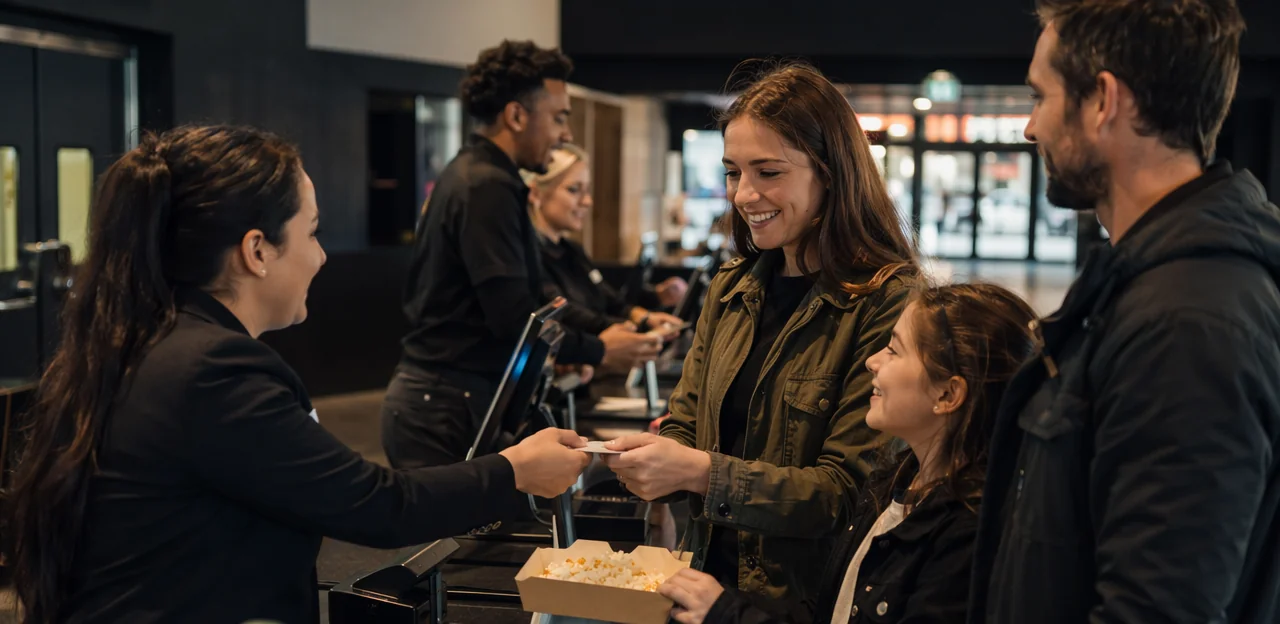
A packed screening can still hide silent problems: long concession queues, unclear signage, uncomfortable seating, poor sound levels, or slow issue resolution that turns one disappointing visit into a lost customer. For venue operators, understanding what audiences actually experience in real time is no longer a nice-to-have—it is essential to improving satisfaction, protecting reputation, and increasing repeat attendance. That is where cinema survey software becomes a valuable operational tool.
The right platform does far more than collect post-visit comments. It helps cinemas capture feedback at key touchpoints, spot recurring issues by location or showtime, measure audience sentiment, and act quickly before minor frustrations become negative reviews. Whether you run a single-site independent cinema or manage multiple venues, choosing the right system can influence everything from survey completion rates to staff responsiveness and long-term audience loyalty.
This buying guide explains what venue operators should look for in cinema survey software, including core features, survey design best practices, reporting capabilities, integration needs, and usability for both staff and guests. It will also cover how to evaluate vendors, avoid common selection mistakes, and choose a solution that supports a better audience experience. In some cases, touchpoint-driven platforms such as Tapsy may also be worth considering as part of a modern feedback strategy.
Why cinema survey software matters for modern venue operations

Structured audience feedback gives operators a clearer view of what drives cinema customer satisfaction and revenue. With cinema survey software, venues can consistently measure:
- overall satisfaction and likelihood of repeat visits
- concession preferences, pricing sensitivity, and upsell opportunities
- staff service quality at ticketing, concessions, and usher points
- seat comfort, screen quality, sound, and cleanliness standards
- demand for genres, event cinema, family screenings, and showtimes
Unlike ad hoc comment cards or social media monitoring, cinema survey software standardizes questions, centralizes data, and makes trends easier to compare across screens, showtimes, and locations. That means faster action on recurring issues, better programming decisions, and more reliable insight at scale.
Key use cases across the cinema journey
- Pre-visit: Use cinema survey software after ticket purchase or app booking to measure checkout friction, seat selection, pricing clarity, and promo-code issues. This customer journey feedback helps reduce abandonment and improve conversion.
- In-venue: Trigger movie theater surveys at entry, lobby, and concessions to track queue times, staff helpfulness, cleanliness, and upsell satisfaction. Fast fixes here can lift per-cap spend and protect the guest experience before the film starts.
- Screening quality: Capture feedback on sound, picture, temperature, and seat comfort during or right after the show to resolve technical issues quickly and protect reputation.
- Post-visit: A targeted post-visit survey measures overall sentiment, likelihood to return, and review intent—supporting retention, loyalty, and stronger online ratings.
When generic survey tools are not enough
General survey platforms can collect responses, but they often fall short for cinema survey software needs. Venue operators usually need more than basic forms and dashboards.
- Weak integrations: Many tools do not connect cleanly with POS, ticketing, CRM, or loyalty systems, making it harder to link feedback to showtimes, screens, or spend.
- Poor multi-location reporting: If you run several sites, generic dashboards rarely support clear benchmarking by venue, region, or manager.
- Limited venue workflows: Cinemas need alerts for urgent issues like sound, seating, cleanliness, or concession queues during live operations.
When comparing survey software for cinemas, prioritize venue operator software with touchpoint-level triggers, role-based access, and strong multi-location reporting. Solutions like Tapsy can also support real-time, in-venue feedback collection.
Must-have features to look for in cinema survey software

Survey design, distribution, and response collection
Strong cinema survey software should make feedback easy to give at every stage of the visit, from ticket purchase to post-show follow-up. Prioritize tools that simplify both survey design and response collection for staff and guests.
- Mobile-first experience: Choose mobile survey software with fast-loading pages, clear buttons, and no app download required.
- Flexible distribution: Support QR code surveys in foyers, on seat cards, receipts, digital signage, and concession counters, plus email and SMS follow-ups after the screening.
- In-venue capture: Look for kiosk or tablet modes so guests can respond before leaving the cinema.
- Smarter survey design: Use branching logic to show relevant questions based on film type, screen, food purchase, or satisfaction score.
- Inclusive access: Multilingual support helps serve diverse audiences and increases completion rates.
- Response options: Allow anonymous feedback for honesty, while also supporting identified responses when follow-up or loyalty integration matters.
Platforms such as Tapsy can also help operators collect no-app QR feedback directly at cinema touchpoints.
Reporting, dashboards, and actionable analytics
Strong cinema survey software should turn raw feedback into fast, practical decisions. A clear cinema reporting dashboard helps venue operators spot issues during the day, not after weekend revenue is lost. Real-time survey analytics are especially valuable for identifying problems with queues, cleanliness, sound quality, staffing, or concessions while teams can still respond.
Key reporting features should include:
- Live dashboards to monitor feedback by showtime, screen, and service area
- Sentiment tracking to detect rising frustration in comments and ratings
- Location comparisons across venues to benchmark performance and share best practices
- Trend analysis to reveal recurring issues by daypart, film type, or season
- NPS or CSAT reporting to track core customer satisfaction metrics over time
- Exportable reports for managers, regional teams, and ownership reviews
The best platforms also trigger alerts from low scores, helping managers act quickly on operational issues. Solutions such as Tapsy can support this with real-time visibility and touchpoint-level feedback.
Integrations, security, and scalability
When evaluating cinema survey software, prioritize platforms that fit into your existing tech stack and governance model. Strong survey software integrations reduce manual work and make feedback more actionable.
- Connect core systems: Look for native or API-based links to ticketing, POS, loyalty, CRM, and email/SMS marketing tools. Good cinema CRM integration lets you tie responses to visit history, segment audiences, and trigger follow-up campaigns after a poor or excellent experience.
- Check API access: Open APIs make it easier to sync customer data, automate alerts, and push survey results into BI or reporting tools.
- Protect customer data: Confirm GDPR survey compliance, including consent capture, data minimization, retention controls, anonymization options, and secure data hosting.
- Use role-based access: Role-based reporting and user permissions are essential for circuits with multiple venues, so head office, regional managers, and local teams only see the data relevant to them.
- Plan for scale: Multi-site dashboards, venue benchmarking, and centralized administration are critical as your estate grows.
How to choose the right platform for your cinema or circuit

Define goals, stakeholders, and success metrics
Before comparing cinema survey software, decide what you need it to improve. Strong software selection starts with one clear priority, then expands into supporting use cases.
- Audience experience: seat comfort, queue times, staff helpfulness, cleanliness, sound and picture quality
- Operational quality: issue reporting, response speed, maintenance trends, staffing gaps across cinema operations
- Concession performance: wait times, product availability, upsell satisfaction, basket drivers
- Loyalty growth: membership sign-ups, repeat visits, reward redemption, first-party data capture
- Programming insights: film preferences, showtime demand, local audience trends
Align stakeholders early: head office, venue managers, marketing, and customer service should agree on required reports, workflows, and ownership. Define success using practical audience experience metrics such as response volume, satisfaction score, recovery time, concession sentiment, and repeat-visit intent. This prevents buying software that collects data but doesn’t drive action.
Evaluate vendors with a cinema-specific checklist
A strong cinema survey software decision should go beyond generic feature lists. Use this vendor evaluation checklist to make a practical survey software comparison:
- Deployment speed: Can the platform go live quickly across foyers, concessions, auditoriums, and post-visit channels?
- Usability: Is it simple for staff to manage and easy for guests to complete on mobile?
- Customization: Can you tailor questions by location, screen, showtime, or customer journey stage?
- Support: What onboarding, training, and response times are included?
- Reporting depth: Does it offer real-time alerts, trend analysis, location benchmarking, and executive dashboards?
- Integration fit: Will it connect with your CRM, ticketing, loyalty, or BI tools?
- Total cost of ownership: Review setup fees, licenses, support, integrations, and scaling costs.
For better cinema software selection, request live demos, sample dashboards, and proof of success with comparable cinema clients. Solutions like Tapsy may also be worth reviewing if touchpoint-based feedback is a priority.
Questions to ask during demos and trials
During any survey platform trial, use the demo to test operational fit, not just pricing. The best cinema survey software should work across locations, teams, and showtimes without adding admin burden.
- Setup time: How long does implementation take, and what resources are needed from your team?
- Response rates: What response rates do similar venues achieve, and which features help increase participation?
- Benchmark reporting: Can you compare results by site, screen, time period, or against portfolio benchmarks?
- Location-level permissions: Can managers only access their own cinema while head office sees group-wide data?
- Automation: Are alerts, follow-ups, and recurring reports automated?
- Support responsiveness: What are support SLAs, onboarding options, and average response times?
These are essential software demo questions in any buying guide for venue operators. A platform such as Tapsy may be worth considering if you want fast, touchpoint-based feedback and streamlined reporting.
Survey design best practices for better response quality

Use a balanced mix of question types to turn responses into decisions, not just data. Strong survey design best practices for cinema survey software include:
- Rating scales for measurable trends: ask guests to rate sound quality, seat comfort, cleanliness, and staff helpfulness on a consistent 1–5 scale.
- Multiple choice for clear operational choices: “Which films would you like to see more of?” with options like blockbuster releases, family films, indie titles, or live event cinema.
- Open-text questions for context: “What could we improve about your seating experience?”
Keep cinema survey questions neutral and specific. Avoid biased phrasing like “How great was the sound?” and double-barreled customer feedback questions such as “Were the seats comfortable and clean?” Also limit surveys to a few high-value questions to reduce fatigue and improve completion rates.
Choose the right timing and channel
Timing and delivery method have a direct impact on survey response rates and the quality of feedback your team receives. With the right cinema survey software, match the survey to the audience moment:
- After booking: Best for pre-visit questions, add-ons, or accessibility needs. Use email or app notifications when customers are planning, not reacting.
- Immediately after the screening: Ideal for a post-screening survey on film satisfaction, sound, seating, and concessions. Fresh experiences produce more accurate data.
- QR codes in-venue: Great for walk-in guests and instant touchpoint feedback, especially near exits or concession areas.
- SMS survey for cinemas: Effective for younger, mobile-first audiences and last-minute bookers; keep it short and send within 1–3 hours.
- App notifications: Useful for loyalty members and frequent visitors.
Tools like Tapsy can support fast, no-app QR feedback at cinema touchpoints.
Incentives, accessibility, and audience segmentation
Good cinema survey software should help you raise response rates without biasing results. Focus on:
- Ethical survey incentives: offer small, relevant rewards such as popcorn vouchers, loyalty points, or prize draws. Keep incentives modest so guests answer honestly rather than just for the reward.
- Accessible survey design: use mobile-friendly layouts, clear contrast, large tap targets, screen-reader compatibility, and short question paths. Offer multiple language options to reflect your local audience and tourist traffic.
- Audience segmentation: tag responses by visit type, loyalty member status, family audience, premium format attendee, or frequent guest.
Strong audience segmentation makes findings more actionable. It shows whether issues affect IMAX guests, families at weekend matinees, or loyal members differently, helping operators prioritize staffing, pricing, amenities, and programming decisions.
Turning survey data into audience experience improvements

Prioritize issues by impact and feasibility
Use cinema survey software to turn raw comments into a clear action list. The goal is to separate fast operational fixes from longer-term investments that shape the audience experience.
- Start with recurring complaints: group feedback themes such as queue times, poor concession availability, uncomfortable seating, or booking friction.
- Score each issue on two axes: customer impact and ease of implementation.
- Act on quick wins first: for example, add peak-time staff, improve snack stock planning, or simplify checkout steps.
- Plan strategic changes next: seating upgrades, auditorium temperature control, or ticketing system improvements.
This approach makes customer feedback analysis practical and helps build a focused cinema improvement plan.
Share insights with venue teams and leadership
To get full value from cinema survey software, turn raw responses into a clear operational reporting rhythm for every stakeholder:
- Site managers: review daily or weekly feedback dashboards focused on cleanliness, queues, seating, sound, and staff service by screen or showtime.
- Operations leaders: use monthly summaries to spot multi-site trends, compare locations, and assign corrective actions with owners and deadlines.
- Marketing teams: track campaign-driven sentiment, loyalty feedback, and audience preferences to refine promotions and messaging.
Keep reports action-oriented: link trends to specific fixes, name accountable teams, and include progress in performance reviews. Tools such as Tapsy can help centralize venue management insights and speed up follow-through.
Close the loop and measure results over time
To get real value from cinema survey software, treat feedback as an ongoing operating system, not a one-off campaign. The goal is to close the feedback loop quickly, test improvements, and measure what changes actually move the needle.
- Follow up when appropriate: respond to low scores, resolve service issues fast, and thank guests who leave useful feedback.
- Test changes in small cycles: adjust queue management, seat comfort, food offers, or staff workflows, then compare results by week or location.
- Track business outcomes: monitor satisfaction scores alongside customer retention, repeat visits, concession spend, and complaint volume.
Platforms like Tapsy can support faster issue recovery and continuous improvement across the guest journey.
Pricing, implementation, and common buying mistakes

Understand pricing models and total cost
When comparing cinema survey software, look beyond the monthly fee and calculate the total cost of ownership across your full estate.
- Subscription pricing: Check whether plans are priced per venue, per user, or by audience volume.
- Per-response fees: High-traffic cinemas can face rising costs quickly.
- Setup and training: Include onboarding, survey design, staff training, and rollout support.
- Support tiers: Premium SLAs, account management, and faster response times often cost extra.
- Integrations: POS, CRM, loyalty, or BI connections may carry one-off or recurring charges.
For a realistic cinema software budget, compare cost per site for single-site versus multi-site deployments.
Plan rollout, training, and adoption
Strong results from cinema survey software depend on disciplined rollout, not just feature selection. A clear software implementation plan reduces disruption and improves data quality from day one.
- Start with a pilot launch in one venue or a few touchpoints to test survey flow, alerts, and reporting.
- Invest in staff training so front-of-house and managers know when to prompt feedback, handle escalations, and act on insights.
- Set governance rules for survey ownership, response times, and dashboard access.
- Assign internal ownership to one team or lead.
Better survey software adoption drives higher response rates, cleaner data, and stronger long-term ROI.
Mistakes venue operators should avoid
Common survey software mistakes often start before launch. When buying cinema survey software, avoid these pitfalls:
- Running overlong surveys: low completion rates and weaker data quality.
- Setting unclear goals: without a defined feedback program strategy, reports become noise.
- Skipping integration planning: ensure links to CRM, ticketing, and alert workflows.
- Ignoring privacy requirements: confirm consent, storage, and compliance processes.
- Failing to act on feedback: this is one of the biggest venue operator buying mistakes.
Best-practice shortlist: keep surveys short, define KPIs, verify integrations, review privacy controls, and choose software your team will actually use.
Conclusion
Choosing the right cinema survey software is ultimately about more than collecting feedback—it’s about improving the audience experience at every stage of the moviegoing journey. The best platforms help venue operators gather timely insights, design simple and effective surveys, track performance across locations or touchpoints, and turn feedback into clear operational action. From concession wait times and seat comfort to staff service and overall satisfaction, the right system gives you the data needed to make smarter decisions and protect long-term loyalty.
As you compare options, focus on ease of use, mobile accessibility, real-time reporting, customization, and integrations that support your team’s workflow. Strong cinema survey software should also make survey design effortless, so you can boost response rates without creating friction for guests.
Your next step is to shortlist vendors, request demos, and test how each platform performs in a real cinema environment. Review case studies, compare reporting features, and map each solution against your audience experience goals. If you want a no-app, touchpoint-based approach, tools like Tapsy may be worth exploring as part of your evaluation.
Investing in the right cinema survey software now can help you deliver better experiences, resolve issues faster, and keep audiences coming back.
Frequently Asked Questions
- What is cinema survey software used for?
Cinema survey software helps venue operators collect structured feedback across the guest journey, from booking to post-visit follow-up. It is used to identify issues such as queue times, seating comfort, sound quality, cleanliness, and staff service so teams can improve satisfaction and repeat attendance.
- Why is dedicated cinema survey software better than a generic survey tool?
Generic tools may collect responses, but they often lack the integrations, multi-location reporting, and live operational workflows cinemas need. A cinema-focused platform is better suited for linking feedback to showtimes, screens, venues, and urgent in-venue issues.
- Which guest touchpoints should cinemas survey?
Useful touchpoints include after ticket purchase, in the venue, during or right after the screening, and after the visit. This allows operators to measure booking friction, concession experience, screening quality, and overall likelihood to return.
- What features should venue operators prioritize when comparing cinema survey platforms?
Key features include a mobile-first experience, QR code distribution, kiosk or tablet capture, branching logic, multilingual support, and options for anonymous or identified responses. Strong reporting, real-time alerts, integrations, role-based access, and multi-site scalability are also important.
- How can QR code surveys help cinemas collect more feedback?
QR code surveys make it easy for guests to respond in foyers, near exits, at concession counters, or from seat cards without downloading an app. They are especially useful for capturing immediate, touchpoint-level feedback while the experience is still fresh.
- What should a good cinema reporting dashboard include?
A strong dashboard should show live feedback by showtime, screen, and service area so managers can spot issues quickly. It should also support sentiment tracking, location comparisons, trend analysis, NPS or CSAT reporting, and exportable reports for different stakeholders.
- Which integrations matter most for cinema survey software?
Important integrations include ticketing, POS, loyalty systems, CRM, and email or SMS marketing tools. API access is also valuable because it helps sync customer data, automate alerts, and push survey results into BI or reporting systems.
- How should cinemas evaluate vendors before buying?
Operators should review deployment speed, usability, customization, support, reporting depth, integration fit, and total cost of ownership. It is also useful to request live demos, sample dashboards, and proof of success with similar cinema clients.
- What questions should operators ask during a demo or trial?
Good demo questions cover implementation time, expected response rates, benchmarking options, location-level permissions, automation, and support responsiveness. The goal is to test operational fit across venues and teams, not just compare pricing.
- How should cinema surveys be designed for better response quality?
Surveys should use a balanced mix of rating scales, multiple-choice questions, and open-text responses. Questions need to stay neutral, specific, and short so guests can answer quickly and teams can turn results into practical decisions.
- When is the best time to send a cinema survey?
The best timing depends on the feedback goal: after booking for pre-visit issues, immediately after the screening for experience quality, and within 1–3 hours for short SMS follow-ups. In-venue QR codes also work well for instant feedback from walk-in guests and concession users.
- How can cinemas increase response rates without biasing results?
Operators can improve response rates with mobile-friendly design, short surveys, accessible layouts, multiple language options, and modest incentives such as popcorn vouchers or loyalty points. Incentives should stay small so guests respond honestly rather than only for the reward.
- How should venue teams turn survey data into operational improvements?
A practical approach is to group recurring complaints, score them by customer impact and ease of implementation, and act on quick wins first. Teams can then plan larger changes such as seating upgrades or temperature control improvements while tracking results over time.
- What costs should be included when budgeting for cinema survey software?
Operators should look beyond the monthly fee and include subscription structure, per-response charges, setup, training, support tiers, and integration costs. Comparing cost per site is especially important for single-site versus multi-site deployments.
- What common mistakes should cinema operators avoid when selecting survey software?
Common mistakes include running overlong surveys, setting unclear goals, skipping integration planning, ignoring privacy requirements, and failing to act on feedback. A stronger approach is to keep surveys short, define KPIs early, verify integrations, and choose software the team will actually use.