
In hospitality, loyalty is no longer built through points alone. Today’s guests expect fast, relevant, and personalized experiences at every touchpoint, and that shift is creating new opportunities to learn from b2b loyalty rewards models. While traditionally associated with supplier relationships and channel partnerships, B2B strategies offer valuable insight for hotels looking to strengthen guest engagement, improve retention, and turn one-time stays into long-term relationships.
This is where b2b loyalty rewards programs become especially relevant. Their focus on value exchange, personalization, and data-driven engagement mirrors what modern accommodation providers need from their own loyalty and rewards programs. From premium hotel loyalty rewards programs to digital-first experiences shaped by travel apps loyalty rewards programs hotel flight bookings, the most successful brands understand that loyalty must feel immediate, effortless, and worthwhile.
In this article, we’ll explore how b2b loyalty principles can inspire better guest experiences across hotels and hospitality businesses. We’ll look at b2b customer retention tactics through loyalty rewards, the most effective engagement strategies for loyalty rewards, and how AI, analytics, and smarter feedback loops can help hospitality brands create stronger, more profitable relationships with guests. Whether you manage a boutique hotel or a multi-property group, these lessons can help you build loyalty that lasts.
Why B2B Loyalty Rewards Matter in Hospitality
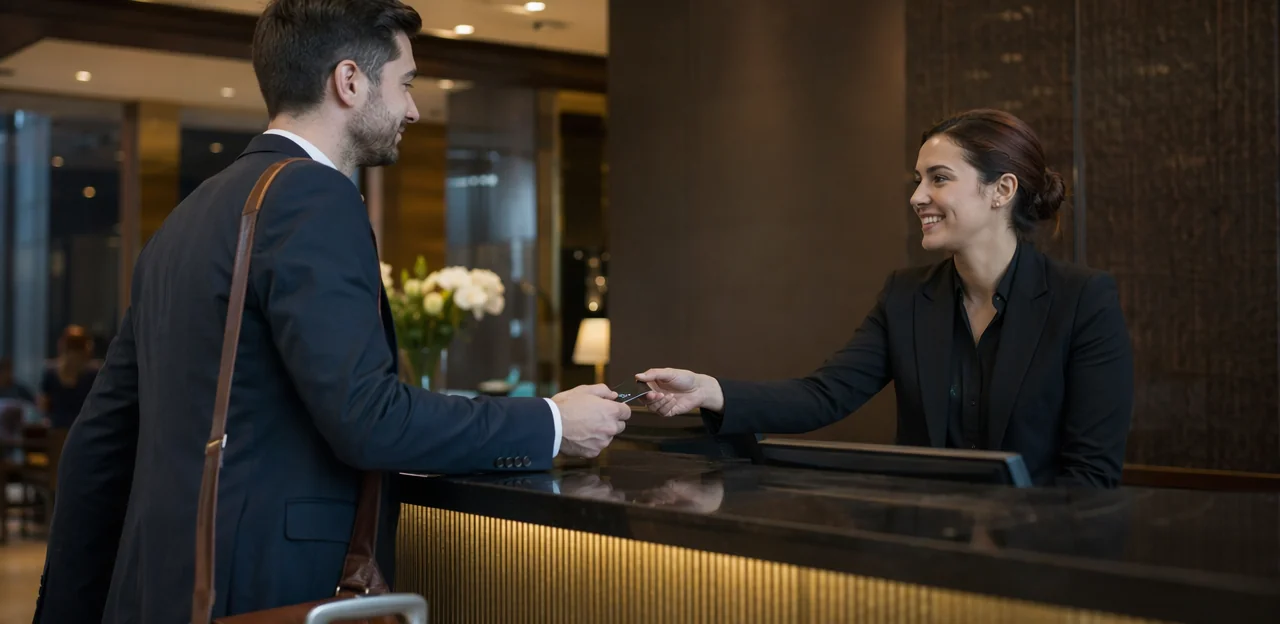
What b2b loyalty rewards means in a hotel context
In hospitality, b2b loyalty rewards are not limited to supplier incentives. They also include how hotels strengthen relationships with owners, travel partners, corporate accounts, event planners, and distribution allies through structured value exchange. In practice, b2b loyalty rewards programs may offer preferred rates, volume-based perks, marketing support, faster service, or data-sharing benefits that encourage repeat business.
Hotels also sit at the intersection of b2b loyalty and guest engagement, so the best loyalty and rewards programs connect partner value with the end-customer experience:
- Reward corporate bookers for room-night volume and meeting spend
- Incentivize travel agencies and booking partners with exclusive benefits
- Align hotel loyalty rewards programs with guest perks and upsell offers
- Use b2b customer retention tactics through loyalty rewards to improve long-term account value
This blended model is now one of the most effective engagement strategies for loyalty rewards, especially as travel apps loyalty rewards programs hotel flight bookings become more connected.
Key differences between transactional perks and strategic loyalty
Simple discounts may lift bookings once, but they rarely create durable preference. In hospitality, b2b loyalty rewards should function as a retention engine, not a short-term promotion.
- Transactional perks focus on price cuts, generic offers, and one-off incentives. They attract deal-seekers but often weaken margins and loyalty.
- Strategic b2b loyalty rewards programs build ongoing value through personalized recognition, tiered benefits, partner access, and data-driven engagement.
- The strongest b2b customer retention tactics through loyalty rewards reward repeat stays, referrals, feedback, and direct booking behavior, not just spend.
- Among the most effective engagement strategies for loyalty rewards are tailored upgrades, exclusive experiences, and timely post-stay offers.
For hotels, strong hotel loyalty rewards programs outperform basic promotions because they increase repeat business, advocacy, and lifetime value. Even travel apps loyalty rewards programs hotel flight bookings succeed when they deepen relationships, not just discount transactions.
Why hotels can learn from B2B relationship models
Hotels can strengthen guest engagement by borrowing from b2b loyalty rewards thinking, where success depends on long sales cycles, personalized account management, and reliable service delivery. This is especially relevant for business travelers, group bookings, and corporate clients who value consistency over one-off perks.
- Think beyond single stays: Like b2b loyalty rewards programs, hotels should reward repeat booking behavior across departments, teams, and travel cycles.
- Build account-based relationships: Tailor hotel loyalty rewards programs for corporate accounts with negotiated benefits, faster issue resolution, and usage-based incentives.
- Prioritize consistency: One of the most effective engagement strategies for loyalty rewards is delivering the same high standard every visit.
- Use retention data: Apply b2b customer retention tactics through loyalty rewards to track preferences, booking patterns, and service recovery opportunities.
This approach makes loyalty and rewards programs more valuable than generic travel apps loyalty rewards programs hotel flight bookings offers.
Core Lessons from B2B Loyalty Rewards Programs

Personalization drives retention and relevance
The best b2b loyalty rewards strategies work because they turn data into timely, useful offers. In strong b2b loyalty rewards programs, brands use behavioral signals, account history, and segmentation to make every reward feel earned and relevant rather than generic.
For hotels, that means applying proven b2b customer retention tactics through loyalty rewards in practical ways:
- Use stay history and preferences to tailor room type, pillow, dining, or late-checkout offers.
- Segment by traveler type so business guests receive Wi-Fi upgrades, meeting perks, and express check-in, while leisure guests see spa, dining, or family packages.
- Build personalized upsell paths based on booking patterns, spend, and prior feedback.
Among the most effective engagement strategies for loyalty rewards, relevance matters more than volume. The strongest hotel loyalty rewards programs connect CRM, PMS, and booking data to deliver smarter loyalty and rewards programs—similar to how travel apps loyalty rewards programs hotel flight bookings personalize cross-sell offers.
Value must go beyond points and discounts
The strongest b2b loyalty rewards strategies do more than hand out points. In hospitality, the most effective engagement strategies for loyalty rewards combine emotional recognition with practical convenience, giving guests reasons to return beyond price alone. Strong loyalty and rewards programs should make every stay feel easier, more personal, and more memorable.
- Convenience: enable fast check-in, late checkout options, mobile room access, or simple redemption paths.
- Recognition: personalize welcomes, acknowledge repeat stays, and tailor perks to guest preferences.
- Exclusive access: offer priority booking, members-only packages, upgrades, or event invitations.
- Flexible redemption: let guests use rewards across dining, spa, parking, or future stays.
- Service enhancements: include complimentary amenities, concierge support, or curated local experiences.
For hotels, successful hotel loyalty rewards programs and even travel apps loyalty rewards programs hotel flight bookings work best when b2b loyalty rewards programs support both utility and emotional connection—key b2b customer retention tactics through loyalty rewards.
Partnership ecosystems expand loyalty impact
One of the clearest lessons from b2b loyalty rewards is that value grows when brands collaborate instead of rewarding in isolation. In hospitality, the strongest b2b loyalty rewards programs connect the guest journey across booking, arrival, dining, transport, and local experiences.
Practical ways hotels can apply this:
- Airline partnerships: let guests earn or redeem points on hotel flight bookings to increase cross-channel appeal.
- Local attraction bundles: pair stays with museums, tours, or events to strengthen destination value.
- Dining and mobility offers: link with restaurants, rideshare, car rental, or rail partners for seamless perks.
- Travel platform integration: align with travel apps loyalty rewards programs hotel flight bookings users already trust.
These loyalty and rewards programs improve perceived value without relying only on discounts. For hotels, this is one of the most effective engagement strategies for loyalty rewards and a smart example of b2b customer retention tactics through loyalty rewards. Well-designed hotel loyalty rewards programs turn partner ecosystems into repeat-stay drivers.
Using AI and Analytics to Improve Guest Engagement
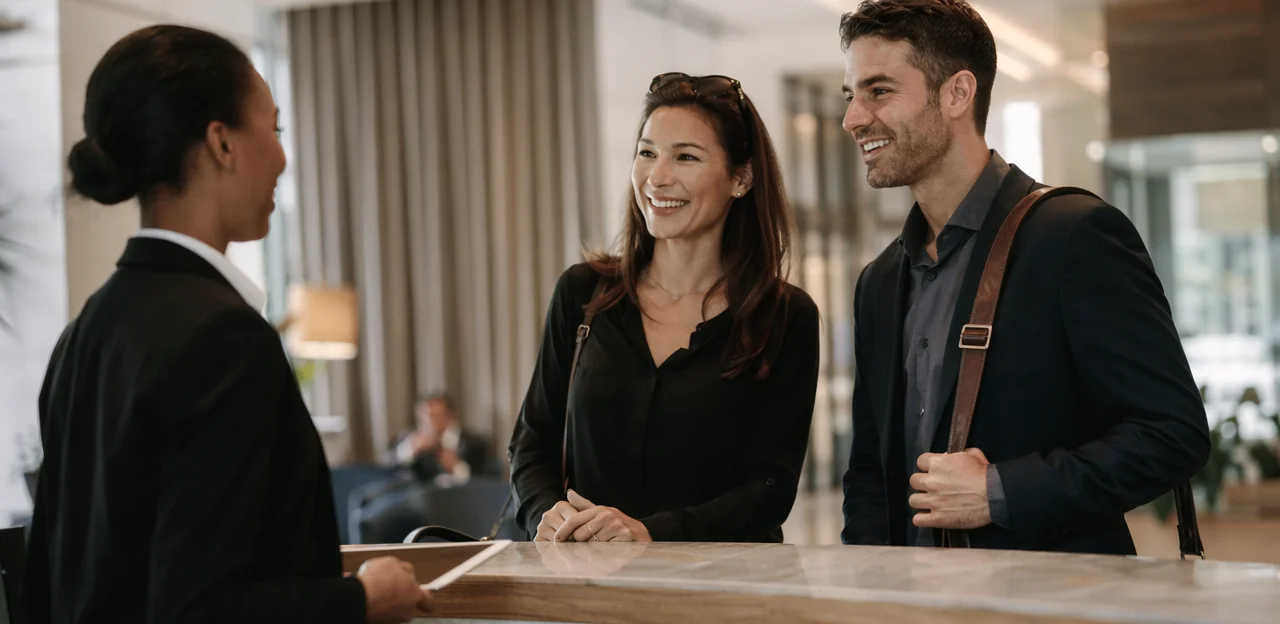
How data reveals loyalty triggers and churn risks
AI and analytics turn guest behavior into clear retention signals, helping brands refine b2b loyalty rewards with precision. By tracking booking windows, stay frequency, spend patterns, and preferred channels, hotels can see which guests respond best to upgrades, dining credits, or partner perks. They also surface disengagement signals, such as longer gaps between stays, lower ancillary spend, or reduced email and app engagement.
- Identify loyalty triggers: Spot which offers drive repeat bookings across direct channels, OTAs, and even travel apps loyalty rewards programs hotel flight bookings ecosystems.
- Detect churn early: Use predictive models to flag declining visit cadence or falling response rates.
- Personalize incentives: Tailor hotel loyalty rewards programs and broader loyalty and rewards programs by segment, value tier, and travel intent.
- Optimize lifecycle management: Apply b2b customer retention tactics through loyalty rewards at the right stage, from post-stay reactivation to VIP upsell.
This is one of the most effective engagement strategies for loyalty rewards and stronger b2b loyalty rewards programs.
Predictive personalization across the guest journey
Predictive analytics helps hotels turn b2b loyalty rewards into timely, high-converting experiences instead of generic promotions. By analyzing past stays, spend patterns, channel preferences, and response history, teams can build hotel loyalty rewards programs that feel relevant at every stage.
- Before arrival: Use predictive models to offer paid room upgrades, airport transfers, spa bookings, or dining packages based on prior behavior and trip type.
- During stay: Trigger real-time offers for late checkout, bar credits, family activities, or premium amenities when guest behavior signals likely interest.
- After checkout: Send rebooking incentives, bonus-point campaigns, or seasonal packages tailored to loyalty tier and lifetime value.
These are among the most effective engagement strategies for loyalty rewards because they match timing with intent. Strong b2b loyalty rewards programs also support broader b2b customer retention tactics through loyalty rewards, especially when connected to CRM, PMS, or even travel apps loyalty rewards programs hotel flight bookings ecosystems.
Measuring loyalty ROI with the right KPIs
To prove the value of b2b loyalty rewards, hospitality brands need KPIs tied directly to revenue, retention, and partner performance. The strongest loyalty and rewards programs are optimized through ongoing data analysis, not guesswork.
- Repeat booking rate: Measures how often guests return after joining hotel loyalty rewards programs, making it one of the clearest signals of loyalty impact.
- Direct booking share: Track whether rewards shift demand away from OTAs and toward owned channels.
- Average spend per guest: Monitor whether members spend more on rooms, upgrades, dining, or add-ons.
- Redemption behavior: Analyze which offers drive action, margin, and satisfaction—one of the most effective engagement strategies for loyalty rewards.
- Customer lifetime value (CLV): Essential for evaluating long-term ROI and shaping b2b customer retention tactics through loyalty rewards.
- Partner contribution: In b2b loyalty rewards programs, measure how referral, airline, or platform partners influence bookings, including travel apps loyalty rewards programs hotel flight bookings performance.
Data-backed tracking helps brands refine b2b loyalty offers for stronger returns.
Building Hotel Loyalty Rewards Programs That Actually Work
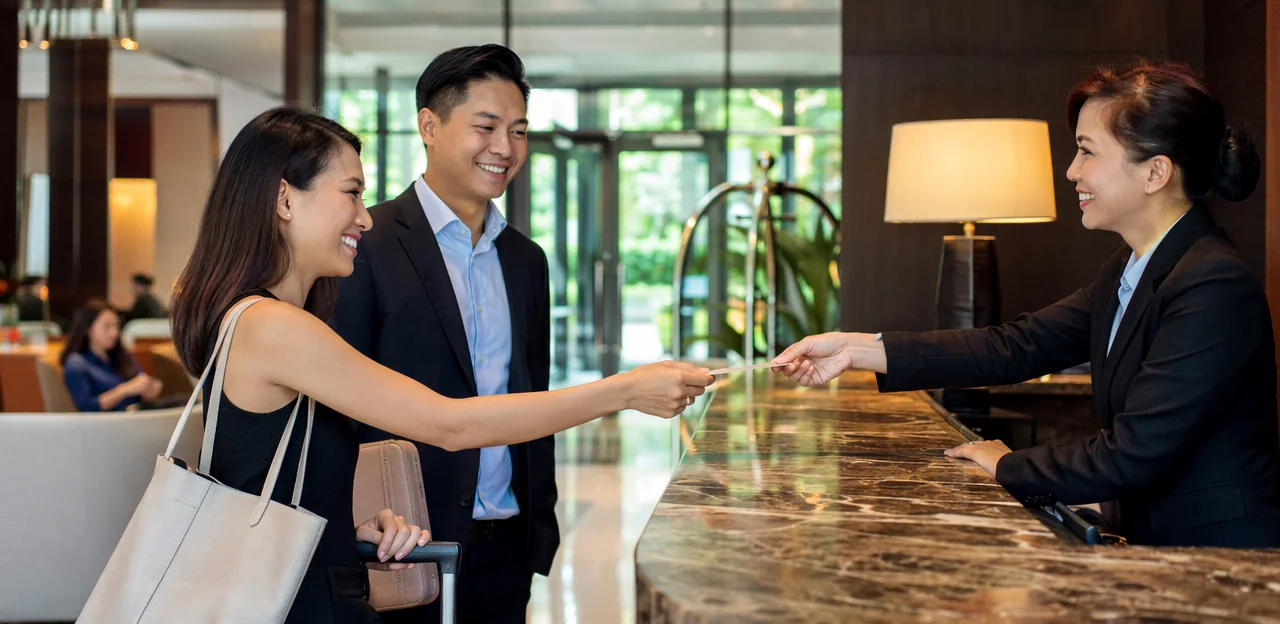
Designing tiers, benefits, and redemption for modern travelers
Strong b2b loyalty rewards strategies start with simple tier design guests can understand at a glance. The best hotel loyalty rewards programs balance aspiration with rewards travelers can actually use on every stay.
- Create 3–4 clear tiers with attainable milestones based on nights, stays, or spend.
- Mix everyday and premium perks: late checkout, breakfast credits, Wi-Fi upgrades, room preferences, and occasional suite upgrades.
- Offer flexible redemption so points work for rooms, dining, spa, parking, or partner perks.
For leisure travelers, prioritize experiential rewards. For business guests, focus on convenience and time savings. This is where b2b loyalty rewards programs and broader loyalty and rewards programs perform best: practical value first, aspirational benefits second. Among the most effective engagement strategies for loyalty rewards, frictionless redemption and personalized offers consistently support b2b customer retention tactics through loyalty rewards.
Integrating mobile, booking, and partner experiences
Strong b2b loyalty rewards strategies depend on removing friction across the guest journey. When hotel loyalty rewards programs connect with mobile check-in, digital wallets, and partner redemption, brands make earning and using points feel effortless.
Key ways to strengthen engagement include:
- Unify booking and rewards: Link travel apps loyalty rewards programs hotel flight bookings so guests can earn across stays, flights, and add-ons in one flow.
- Enable mobile-first access: Let guests view balances, unlock offers, and redeem perks during booking or check-in.
- Support digital wallets: Store loyalty cards, room access, and reward vouchers in Apple Wallet or Google Wallet for faster use.
- Expand partner value: Allow redemptions with airlines, restaurants, spas, and attractions to make loyalty and rewards programs more relevant.
These are among the most effective engagement strategies for loyalty rewards and practical b2b customer retention tactics through loyalty rewards, especially for modern b2b loyalty rewards programs.
Avoiding common loyalty program mistakes
Many b2b loyalty rewards initiatives underperform because they create friction instead of value. To improve adoption, trust, and long-term engagement, avoid these common mistakes:
- Overly complex rules: If earning and redeeming feels confusing, participation drops. Keep b2b loyalty rewards programs simple, with clear thresholds, visible benefits, and easy redemption paths.
- Weak personalization: Generic offers rarely inspire action. Use guest data to tailor hotel loyalty rewards programs and relevant perks by stay history, preferences, or spend.
- Poor communication: Members disengage when updates are inconsistent. Use timely, clear messaging across email, SMS, and on-property touchpoints.
- Low-value rewards: Discounts that feel insignificant weaken b2b loyalty efforts. Focus on meaningful upgrades, exclusive access, or instant benefits.
- Disconnected systems: When CRM, PMS, and loyalty and rewards programs do not sync, experiences break down. Integrated data is one of the most effective engagement strategies for loyalty rewards and strengthens b2b customer retention tactics through loyalty rewards.
Practical Retention Tactics Hotels Can Borrow from B2B Loyalty
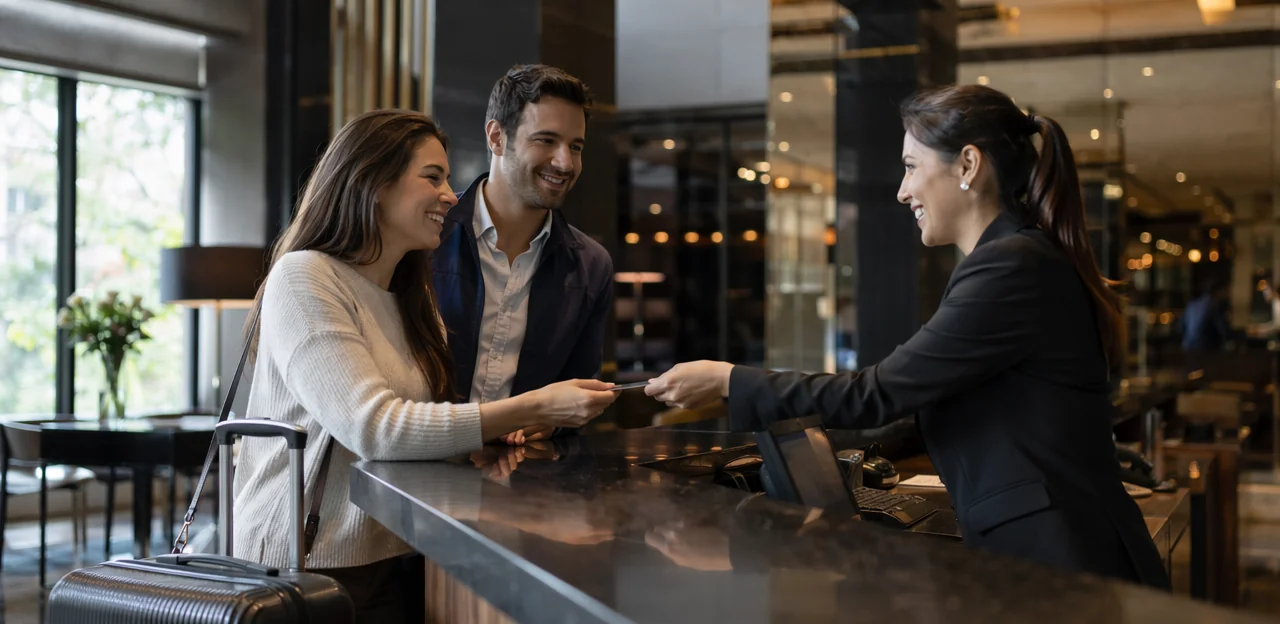
Segment-based engagement for business, leisure, and group travelers
Hotels can borrow b2b loyalty segmentation to build smarter, more profitable guest journeys. The best b2b loyalty rewards strategies match offers to traveler intent, not just booking volume.
- Corporate travelers: Offer fast Wi-Fi upgrades, express check-in, invoice-ready perks, and midweek stay bonuses.
- Event attendees and groups: Use shared perks, meeting credits, or return-stay offers to support b2b customer retention tactics through loyalty rewards.
- Families and leisure guests: Bundle dining credits, late checkout, and attraction discounts tied to hotel loyalty rewards programs.
- High-value repeat guests: Deliver VIP tiers, personalized room preferences, and exclusive experiences.
Among the most effective engagement strategies for loyalty rewards, hotels should combine stay history, purpose-of-trip, and spend data to shape b2b loyalty rewards programs and broader loyalty and rewards programs, including partnerships with travel apps loyalty rewards programs hotel flight bookings.
Lifecycle campaigns that keep guests coming back
Strong b2b loyalty rewards strategies extend beyond the stay itself. The best loyalty and rewards programs use lifecycle campaigns to turn one-time guests into repeat bookers:
- Post-stay follow-ups: Send a thank-you message within 24–48 hours with a small reward for rebooking or leaving feedback.
- Milestone rewards: Recognize anniversaries, repeat stays, birthdays, or spend thresholds to strengthen b2b loyalty.
- Win-back campaigns: Re-engage lapsed guests with tailored offers based on past preferences—one of the most effective engagement strategies for loyalty rewards.
- Referral incentives: Encourage guests to refer friends in exchange for points, upgrades, or exclusive perks.
- Seasonal personalization: Use guest data to deliver relevant offers, similar to hotel loyalty rewards programs and even travel apps loyalty rewards programs hotel flight bookings.
These are practical b2b customer retention tactics through loyalty rewards that make b2b loyalty rewards programs more profitable and relationship-driven.
Human service plus technology as a loyalty advantage
The strongest b2b loyalty rewards strategies blend automation with genuine hospitality. In practice, the most effective engagement strategies for loyalty rewards do more than issue points—they help staff act at the right moment and make recognition feel personal.
- Use CRM prompts to alert teams about guest preferences, VIP status, or repeat stays.
- Add staff recognition tools so employees can reward loyal behavior with upgrades, perks, or tailored thank-yous.
- Build service recovery workflows that trigger instant follow-up after poor feedback, turning friction into trust.
This is why leading hotel loyalty rewards programs outperform purely transactional models. The best b2b loyalty rewards programs support b2b customer retention tactics through loyalty rewards by combining data, empathy, and timely action across broader loyalty and rewards programs, including travel apps loyalty rewards programs hotel flight bookings.
The Future of B2B Loyalty Rewards in Hospitality
Static points schemes are giving way to b2b loyalty rewards ecosystems built on shared data, flexible partnerships, and real-time personalization. For hotels, the strongest b2b loyalty rewards programs now connect airlines, fintech wallets, local experiences, and digital platforms, including travel apps loyalty rewards programs hotel flight bookings.
- Link hotel loyalty rewards programs with partner offers and payment data.
- Use b2b customer retention tactics through loyalty rewards to trigger timely, relevant perks.
- Measure behavior across channels to refine the most effective engagement strategies for loyalty rewards within broader loyalty and rewards programs.
How guest expectations are changing
Guests now expect instant value, tailored offers, clear data use, and seamless journeys across web, mobile, and on-property touchpoints. For b2b loyalty rewards and hotel loyalty rewards programs, that means:
- deliver rewards immediately, not later
- personalize perks using behavior, not broad segments
- keep loyalty and rewards programs transparent and easy to redeem
- connect booking, stay, and feedback channels
The most effective engagement strategies for loyalty rewards now mirror travel apps loyalty rewards programs hotel flight bookings simplicity. Strong b2b customer retention tactics through loyalty rewards depend on frictionless, omnichannel design.
Action steps for hospitality leaders
- Audit current hotel loyalty rewards programs and broader loyalty and rewards programs against clear KPIs: repeat stays, ancillary spend, and partner-driven revenue.
- Unify data across PMS, CRM, POS, and travel apps loyalty rewards programs hotel flight bookings to strengthen b2b loyalty decisions.
- Build partnerships that expand value beyond points.
- Pilot tiered, instant-reward b2b loyalty rewards programs using the most effective engagement strategies for loyalty rewards and proven b2b customer retention tactics through loyalty rewards.
Conclusion
In hospitality, the strongest relationships are built long before checkout. The biggest lesson from successful b2b loyalty rewards strategies is simple: engagement must be timely, relevant, and easy to act on. When hotels and accommodation providers combine feedback, personalization, and incentives, they create stronger partnerships, better guest experiences, and measurable business growth. The best b2b loyalty rewards programs do more than offer perks—they support smarter decision-making, encourage repeat bookings, and strengthen brand advocacy across the customer journey.
For operators looking to improve b2b loyalty, the priority should be building value into every touchpoint. From tailored hotel loyalty rewards programs to data-led service improvements, the most effective engagement strategies for loyalty rewards focus on convenience, recognition, and consistency. Even trends from travel apps loyalty rewards programs hotel flight bookings show that seamless digital engagement and instant value are now expected. That is why b2b customer retention tactics through loyalty rewards are becoming essential, not optional.
The next step is to audit your current loyalty and rewards programs, identify friction points, and invest in tools that connect guest feedback with retention efforts. Explore case studies, benchmark your performance, and consider platforms such as Tapsy to turn real-time engagement into loyalty. Start refining your b2b loyalty rewards strategy now to create lasting value for both partners and guests.
Frequently Asked Questions
- What do B2B loyalty rewards mean in a hotel context?
In hospitality, B2B loyalty rewards include structured value exchange with owners, travel partners, corporate accounts, event planners, and distribution allies. These programs can offer preferred rates, volume-based perks, marketing support, faster service, or data-sharing benefits that encourage repeat business.
- How are strategic loyalty programs different from simple hotel discounts?
Simple discounts usually drive one-time bookings but do not create durable preference. Strategic loyalty programs build ongoing value through personalized recognition, tiered benefits, partner access, and data-driven engagement that supports repeat business and lifetime value.
- Why should hotels learn from B2B relationship models?
B2B models focus on long sales cycles, personalized account management, and reliable service delivery, which fit well with hospitality needs. This approach is especially useful for business travelers, group bookings, and corporate clients who value consistency more than one-off perks.
- How can hotels use personalization to improve guest retention?
Hotels can use stay history, preferences, segmentation, and feedback to make rewards feel relevant instead of generic. Practical examples include tailoring room type, pillow, dining, late-checkout, Wi-Fi, meeting perks, spa offers, or family packages based on traveler type and prior behavior.
- What kinds of loyalty benefits work better than points alone?
Useful loyalty benefits include fast check-in, late checkout, mobile room access, personalized welcomes, exclusive access, and flexible redemption across dining, spa, parking, or future stays. Service enhancements such as concierge support or curated local experiences also add value beyond price.
- How do partnership ecosystems make hotel loyalty programs stronger?
Partnerships expand loyalty value across booking, arrival, dining, transport, and local experiences. Hotels can work with airlines, attractions, restaurants, rideshare providers, car rental brands, rail partners, and travel platforms to create more relevant rewards without relying only on discounts.
- What guest data helps identify loyalty triggers and churn risks?
Useful signals include booking windows, stay frequency, spend patterns, preferred channels, ancillary spend, and email or app engagement. These inputs help hotels see which offers drive repeat bookings and spot early signs of disengagement, such as longer gaps between stays or falling response rates.
- How can predictive personalization be used before, during, and after a stay?
Before arrival, hotels can offer upgrades, airport transfers, spa bookings, or dining packages based on prior behavior and trip type. During the stay, they can trigger offers like late checkout or bar credits, and after checkout they can send rebooking incentives, bonus-point campaigns, or seasonal packages tailored to loyalty tier and value.
- Which KPIs should hotels track to measure loyalty ROI?
Key metrics include repeat booking rate, direct booking share, average spend per guest, redemption behavior, customer lifetime value, and partner contribution. These KPIs connect loyalty performance to revenue, retention, and the impact of referral, airline, or platform partnerships.
- What makes a hotel loyalty tier structure effective for modern travelers?
An effective structure uses three to four clear tiers with attainable milestones based on nights, stays, or spend. It should combine everyday perks like breakfast credits and Wi-Fi upgrades with premium benefits such as room preferences or occasional suite upgrades, while keeping redemption flexible and easy.
- How can hotels reduce friction in mobile and booking-based loyalty experiences?
Hotels can link booking and rewards so guests earn across stays, flights, and add-ons in one flow. They can also support mobile-first access, digital wallets, and partner redemption so balances, offers, loyalty cards, room access, and vouchers are easy to use during booking or check-in.
- What common mistakes cause loyalty programs to underperform?
Programs often struggle when rules are too complex, personalization is weak, communication is inconsistent, rewards feel low in value, or systems are disconnected. Clear thresholds, meaningful perks, timely messaging, and integrated CRM, PMS, and loyalty data help prevent these problems.
- How should hotels segment loyalty offers for different traveler types?
Corporate travelers respond well to fast Wi-Fi upgrades, express check-in, invoice-ready perks, and midweek stay bonuses. Groups and event attendees may value meeting credits or return-stay offers, while families and leisure guests are better served by dining credits, late checkout, and attraction discounts.
- What lifecycle campaigns help turn one-time guests into repeat bookers?
Effective campaigns include post-stay thank-you messages sent within 24 to 48 hours, milestone rewards, win-back offers for lapsed guests, referral incentives, and seasonal personalized promotions. These tactics keep engagement going beyond checkout and encourage rebooking based on past preferences.
- What practical steps should hospitality leaders take to improve loyalty strategy?
Leaders should audit current programs against KPIs such as repeat stays, ancillary spend, and partner-driven revenue. They should also unify data across PMS, CRM, POS, and travel platforms, build partnerships that expand value beyond points, and pilot tiered instant-reward models with less friction.