
In quick-service dining, every second matters—and so does every guest impression. A long wait, a confusing kiosk, or a friendly handoff at the counter can shape whether a customer returns, leaves a glowing review, or chooses a competitor next time. That’s why quick service restaurant feedback has become essential for brands that want to improve speed, consistency, and guest satisfaction without guessing what customers really think.
For restaurants and cafés operating in fast-paced environments, collecting meaningful customer feedback is no longer just a nice-to-have. It’s a practical way to uncover service gaps, refine operations, and strengthen loyalty. From in-store comments to digital customer feedback surveys, today’s businesses have more customer service feedback methods than ever before. The challenge is knowing which customer feedback tools work best, when to use a customer service feedback form, and how to turn customer service customer feedback into measurable improvements.
This article explores how quick-service operators can gather better customer service feedback, choose the right customer feedback surveys and tools, and understand how to use customer feedback to improve service across every touchpoint. Whether you’re focused on order accuracy, staff performance, menu decisions, or overall customer experience, the right feedback strategy can help turn everyday interactions into lasting business growth.
Why Quick Service Restaurant Feedback Matters
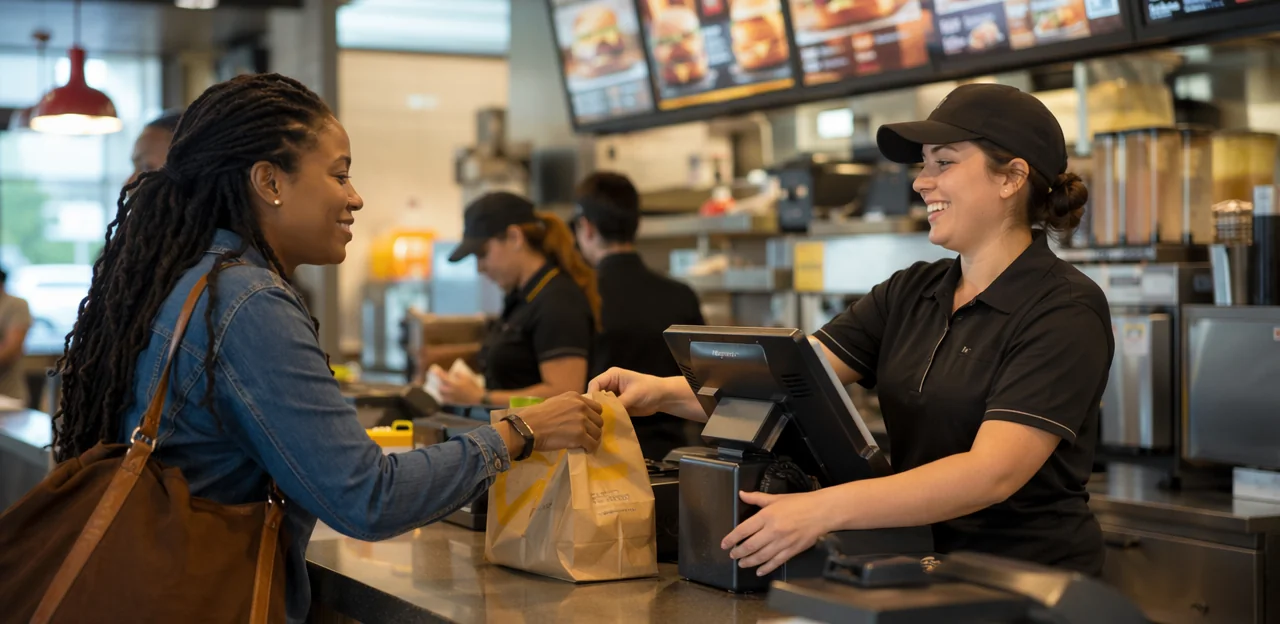
The link between feedback, speed, and guest satisfaction
In fast-moving cafés and takeaway counters, quick service restaurant feedback helps operators spot small issues before they become lost sales. Real-time customer feedback reveals friction points such as:
- confusing menus or ordering flows
- long wait times at peak hours
- missing or incorrect items
- rushed, inconsistent staff interactions
Because quick-service guests expect convenience, even minor delays can hurt repeat visits, reviews, and average spend. Consistent customer service feedback shows where service breaks down and helps teams act quickly.
To improve results, use simple customer feedback tools like a short customer service feedback form, QR-based customer feedback surveys, and other practical customer service feedback methods. Knowing how to use customer feedback to improve service turns everyday customer service customer feedback into faster operations, better accuracy, and stronger revenue protection.
What makes feedback different in quick-service settings
Quick service restaurant feedback is different because the experience is fast, fragmented, and spread across multiple channels. Teams handle high transaction volume with only seconds to leave an impression, so traditional customer feedback surveys often miss the moment that matters most.
- Speed limits response depth: Guests won’t spend long on a customer service feedback form after a quick meal or coffee run.
- Multiple service paths: Dine-in, drive-thru, pickup, and delivery each create different pain points, so customer feedback tools must capture channel-specific issues.
- High-volume patterns matter: Strong customer service customer feedback helps spot repeat problems like wait times, order accuracy, or staff friendliness.
- Action must be immediate: The best customer service feedback methods show how to use customer feedback to improve service quickly, not weeks later.
Short, mobile-friendly customer feedback capture works best in these environments.
Business outcomes of listening to customers
A strong quick service restaurant feedback process turns everyday opinions into measurable growth. When teams collect timely customer feedback through in-store prompts, receipts, QR codes, and customer feedback surveys, they can spot service gaps before they become public complaints.
- Increase retention: Use customer service feedback to identify repeat pain points, improve speed, accuracy, and friendliness, and give guests more reasons to return.
- Improve reviews: Better customer service customer feedback systems help resolve issues early, reducing negative posts and encouraging satisfied guests to leave positive ratings.
- Reduce complaints: Simple customer service feedback methods, such as a short customer service feedback form, make it easier to catch problems in real time.
- Strengthen CX strategy: The best customer feedback tools show how to use customer feedback to improve service across staffing, menu changes, and training.
Best Ways to Collect Customer Feedback in Restaurants and Cafés

In-store and receipt-based feedback collection
For quick service restaurant feedback, the best results often come from asking at the moment of purchase or right after pickup, when the experience is still fresh. Simple, low-friction customer service feedback methods work best:
- QR codes on tables, counters, and pickup shelves for instant ratings
- Self-service kiosks with a one-question prompt after ordering
- Receipt links or QR codes that invite guests to leave customer feedback
- Packaging inserts or stickers on bags and cups for off-premise orders
A short customer service feedback form is most effective when it takes under 30 seconds and asks 1–3 focused questions, such as speed, order accuracy, and staff friendliness. This approach improves completion rates for customer feedback surveys and gives teams fast insight into customer service customer feedback trends.
Used consistently, these customer feedback tools show how to use customer feedback to improve service, staffing, training, and order flow without disrupting the guest experience.
Digital channels: SMS, email, apps, and online reviews
Digital outreach is essential for quick service restaurant feedback because it reaches guests after the visit while the experience is still fresh. Use a mix of customer service feedback methods to capture more complete customer feedback:
- Loyalty apps: Trigger short in-app customer feedback surveys after orders, rewards redemptions, or delivery pickups.
- Post-purchase SMS: Send a text within 1–2 hours with a one-tap rating and a link to a brief customer service feedback form.
- Email follow-ups: Ideal for longer-form customer service customer feedback, especially when tied to receipts or online orders.
- Online review platforms: Monitor Google and delivery apps for public customer service feedback and recurring issues.
Keep surveys to 1–3 questions, tailored to order accuracy, speed, food quality, or staff friendliness. The best customer feedback tools segment responses by location and channel, helping teams understand how to use customer feedback to improve service quickly and consistently.
Training staff to encourage honest responses
For quick service restaurant feedback to be useful, staff should invite it in a natural, low-pressure way. Train frontline teams to use simple prompts like, “If you have a minute, we’d love your honest feedback,” instead of scripted lines that feel forced. This makes customer feedback feel welcome, not transactional.
- Coach staff to ask at the right moment, such as after food is served or at pickup.
- Encourage neutral language so customer service feedback stays honest and unbiased.
- Show teams how different customer service feedback methods work, from a quick customer service feedback form to mobile customer feedback surveys.
- Teach employees how to use customer feedback to improve service by sharing examples of changes made from past responses.
Managers should reinforce a culture where customer service customer feedback is reviewed, discussed, and acted on regularly. When teams see that customer feedback tools lead to real improvements, they ask more confidently and listen more carefully.
How to Analyze Feedback with AI and Analytics

Turning comments into actionable themes
AI turns raw customer feedback into clear themes that managers can act on fast. Instead of reading every review manually, modern customer feedback tools group comments from receipts, kiosks, QR codes, and customer feedback surveys into patterns such as:
- Speed: long waits, slow drive-thru, delayed mobile pickup
- Friendliness: tone, greeting, staff helpfulness
- Cleanliness: dining room, restrooms, condiment stations
- Order accuracy: missing items, wrong drinks, customization errors
- Value: portion size, pricing, promotion satisfaction
This makes quick service restaurant feedback easier to prioritize. If order accuracy complaints spike at lunch, operators can adjust staffing or retrain expediters. If a customer service feedback form shows cleanliness issues by location, managers know where to inspect first. Using the right customer service feedback methods helps teams learn how to use customer feedback to improve service and turn customer service customer feedback into measurable operational gains.
Combining survey data with operational metrics
To turn quick service restaurant feedback into action, connect customer feedback surveys with operational data in one dashboard. This helps managers see not just what guests disliked, but why the experience failed.
- Compare low scores on a customer service feedback form with ticket times to spot whether slow prep drives poor ratings.
- Layer in labor data to see if understaffed shifts create recurring service gaps.
- Track refund and remake rates alongside customer service feedback to identify menu, training, or order-accuracy issues.
- Match survey responses with repeat visits to learn which problems hurt loyalty most.
Using integrated customer feedback tools is one of the clearest customer service feedback methods for learning how to use customer feedback to improve service and turn raw customer service customer feedback into measurable restaurant improvements.
Choosing the right customer feedback tools
For effective quick service restaurant feedback, choose tools that turn responses into action, not just reports. The best customer feedback tools should be fast for guests and practical for managers.
- Use simple survey platforms: Mobile-friendly customer feedback surveys and a short customer service feedback form increase completion rates at tables, kiosks, or pickup counters.
- Prioritize clear dashboards: Look for real-time views of ratings, complaints, and trends so teams can act quickly on customer service feedback.
- Add sentiment analysis: AI can group comments by themes like speed, food quality, or staff attitude, helping you understand customer service customer feedback at scale.
- Check integrations: Tools that connect with POS or CRM systems make customer service feedback methods more useful and show how to use customer feedback to improve service through targeted follow-up and loyalty offers.
How to Use Customer Feedback to Improve Service

Fixing common service breakdowns quickly
Use quick service restaurant feedback to spot patterns early and correct service issues before they hurt repeat visits. The most effective approach is to collect customer feedback at the moment of pickup, dine-in, or drive-thru, then review trends weekly.
- Long lines: Use short customer feedback surveys to identify peak-time bottlenecks, then adjust staffing, prep timing, or lane flow.
- Missing items: Add a simple customer service feedback form after handoff so guests can report order accuracy problems immediately.
- Poor handoff communication: Track comments about unclear names, missing sauces, or confusing pickup instructions and retrain staff on handoff scripts.
- Inconsistent courtesy: Monitor customer service customer feedback for repeated mentions of tone, attentiveness, or greeting quality.
Strong customer service feedback methods combine real-time responses, staff coaching, and follow-up measurement. That’s how to use customer feedback to improve service with practical customer feedback tools that turn recurring complaints into operational fixes.
Creating a closed-loop feedback process
To turn quick service restaurant feedback into better operations, managers need a simple closed-loop system that moves from collection to action. Gathering customer feedback through a customer service feedback form, table QR codes, receipts, and customer feedback surveys is only the first step.
- Review feedback on a set cadence: Check daily for urgent issues and weekly for trends. Use customer feedback tools to group comments by speed, accuracy, cleanliness, and staff attitude.
- Assign clear ownership: Route each issue to the right manager or team lead so customer service feedback does not sit unresolved.
- Respond fast to complaints: Acknowledge the problem, fix what you can, and follow up when possible. Strong customer service customer feedback handling can recover trust.
- Share actions with staff: In pre-shift huddles, explain what changed and why. This is how to use customer feedback to improve service and make customer service feedback methods visible to the team.
Using feedback for coaching and team development
Quick service restaurant feedback is most valuable when it guides coaching, not blame. Use customer feedback to spot patterns by shift, location, or service step, then turn those insights into practical training.
- Review customer feedback surveys weekly to identify recurring issues such as slow greeting times, order accuracy, or unclear menu explanations.
- Use a simple customer service feedback form after key touchpoints to capture specific comments staff can act on immediately.
- Share positive customer service customer feedback in team huddles to recognize great service, upselling, or problem-solving.
- Turn trends from customer service feedback methods into short coaching sessions, role-play exercises, and refresher training.
- Focus on behaviors, not blame: show teams how to use customer feedback to improve service through clear standards and measurable goals.
- Combine survey insights with customer feedback tools to track progress over time and reward improvement consistently.
This approach builds confidence, accountability, and a stronger guest experience.
Building Effective Surveys and Feedback Forms

What to include in a customer service feedback form
For quick service restaurant feedback, keep your customer service feedback form short so more guests complete it. Focus your customer feedback surveys on the essentials:
- Speed of service: Was the order prepared quickly?
- Order accuracy: Was everything correct?
- Staff friendliness: Was the team polite and helpful?
- Cleanliness: Were the dining and pickup areas clean?
- Overall satisfaction: How satisfied was the visit?
Add one optional open-text question for actionable customer service feedback. This is one of the most effective customer service feedback methods and shows how to use customer feedback to improve service with simple customer feedback tools.
Survey design tips for higher response rates
To improve quick service restaurant feedback, keep surveys simple, fast, and mobile-first:
- Write clear, specific questions with plain language so customer feedback surveys feel effortless.
- Limit the survey to 3–5 questions; shorter formats increase completion and improve customer service customer feedback quality.
- Use a mobile-friendly customer service feedback form with large buttons and minimal typing.
- Ask at the right moment—right after pickup, delivery, or dine-in completion—when the experience is fresh.
These customer service feedback methods help collect better customer feedback and show how to use customer feedback to improve service with the right customer feedback tools.
Examples of feedback questions for quick-service brands
Keep quick service restaurant feedback short, specific, and easy to answer in under 30 seconds. A simple customer service feedback form or mobile prompt can include:
- Rate your visit today: 1–5 stars
- How fast was your order received? Very fast to too slow
- Was your order accurate? Yes/No
- How friendly was our team? 1–5 rating
- How satisfied were you with food quality? 1–5 rating
- What could we improve? Short text box
These customer feedback surveys support better customer service feedback methods, stronger customer feedback collection, and show how to use customer feedback to improve service.
Common Mistakes and Best Practices for Long-Term Success

Mistakes that make feedback programs ineffective
- Asking for too much at once: long customer feedback surveys reduce response rates and weaken quick service restaurant feedback quality. Keep each customer service feedback form short and specific.
- Ignoring negative customer feedback: unresolved complaints damage trust and repeat visits. Treat criticism as a guide for improvement.
- Failing to close the loop: respond, fix issues, and show guests what changed.
- Using customer feedback tools without clear goals: define whether you want speed, food quality, or customer service customer feedback insights, and choose customer service feedback methods accordingly.
- Track quick service restaurant feedback over time to spot recurring issues, not just one-off complaints. Trend data from customer feedback surveys, reviews, and a customer service feedback form reveals whether service changes are working.
- Segment customer feedback by channel, location, shift, and order type so your customer feedback tools show where friction starts. Strong customer service feedback methods compare dine-in, drive-thru, pickup, and delivery experiences.
- Turn customer service customer feedback into operational actions by linking insights to staffing, training, speed, and accuracy goals.
- To learn how to use customer feedback to improve service, review customer service feedback in weekly management routines and assign clear follow-up owners.
Measuring the impact of feedback-driven changes
To see whether quick service restaurant feedback is driving real improvement, track results before and after each change:
- Compare customer feedback surveys scores, CSAT, and customer service feedback trends weekly.
- Measure repeat visits, loyalty redemptions, and average order frequency.
- Monitor complaint volume, refund requests, and issues logged through each customer service feedback form.
- Review sentiment across Google, delivery apps, and social channels using customer feedback tools.
- Tie feedback to operational KPIs like speed of service, order accuracy, and wait times.
This is how to use customer feedback to improve service with clear, measurable proof.
Conclusion
In today’s fast-moving dining environment, quick service restaurant feedback is no longer a nice-to-have—it’s a core part of stronger operations, better guest experiences, and sustainable growth. When restaurants consistently collect customer feedback at the right moments, they gain practical insight into speed of service, order accuracy, food quality, cleanliness, and overall satisfaction. The most effective teams combine customer feedback surveys, real-time touchpoints, and a simple customer service feedback form to capture honest input while the experience is still fresh.
Just as important is knowing how to use customer feedback to improve service. Reviewing trends, acting on recurring issues, coaching staff with customer service feedback, and testing new customer service feedback methods can help quick-service brands turn small adjustments into measurable gains. With the right customer feedback tools, restaurants can also streamline analysis, spot patterns faster, and build a more responsive customer experience strategy.
The next step is clear: audit your current quick service restaurant feedback process, simplify collection, and make follow-up action part of daily operations. Whether you use in-store prompts, digital customer service customer feedback workflows, or modern platforms like Tapsy, the goal is the same—make feedback easy to give and easy to act on. Start refining your approach today, explore better tools and templates, and turn every guest interaction into an opportunity to improve.
Frequently Asked Questions
- Why is customer feedback especially important for quick-service restaurants?
Quick-service environments move fast, so small problems like long waits, confusing ordering flows, or missing items can quickly affect repeat visits and reviews. Feedback helps operators spot these issues early and improve speed, consistency, and guest satisfaction without relying on guesswork.
- How is feedback collection different in quick-service settings compared with other restaurants?
Quick-service feedback needs to be captured quickly because guests usually will not spend much time answering after a short meal or coffee run. It also needs to reflect different service paths such as dine-in, drive-thru, pickup, and delivery, since each channel creates different pain points.
- What are the best ways to collect feedback at the restaurant location?
Low-friction methods work best at the point of purchase or right after pickup. Useful options include QR codes on tables and counters, one-question kiosk prompts, receipt links, and packaging inserts or stickers for off-premise orders.
- How long should a customer service feedback form be for a quick-service brand?
The most effective form is short enough to finish in under 30 seconds. Keeping it to 1–3 focused questions improves completion rates and gives teams fast insight into speed, order accuracy, and staff friendliness.
- Which digital channels are most useful for restaurant feedback collection?
Loyalty apps, post-purchase SMS, email follow-ups, and online review platforms are all useful channels. SMS and app prompts work well for quick ratings soon after the visit, while email can support slightly longer responses tied to receipts or online orders.
- When should restaurants ask customers for feedback?
The best time is when the experience is still fresh, such as right after ordering, pickup, delivery, or dine-in completion. Asking at the right moment increases response quality and makes it easier to connect comments to specific service steps.
- How can staff encourage honest feedback without making the interaction feel forced?
Frontline teams should use simple, natural prompts such as inviting guests to share honest feedback if they have a minute. Neutral language works better than scripted lines because it reduces pressure and helps responses stay unbiased.
- What should be included in a quick-service restaurant feedback survey?
Core topics should cover speed of service, order accuracy, staff friendliness, cleanliness, and overall satisfaction. Adding one optional open-text question gives guests a chance to explain problems or suggest improvements in their own words.
- What are good example questions for a fast restaurant feedback form?
Useful questions include rating the visit, judging how fast the order was received, confirming whether the order was accurate, and scoring team friendliness or food quality. A short final prompt like "What could we improve?" can capture actionable comments without making the survey too long.
- How can AI help analyze restaurant customer feedback?
AI can group comments into themes such as speed, friendliness, cleanliness, order accuracy, and value. This helps managers identify patterns faster, prioritize recurring issues, and act without manually reviewing every response one by one.
- Why should feedback data be combined with operational metrics?
Combining survey responses with ticket times, labor data, refund rates, remake rates, and repeat visits helps explain why guests had a poor experience. This makes it easier to connect complaints to root causes like understaffing, slow prep, or order-accuracy problems.
- What should restaurants look for when choosing customer feedback tools?
The best tools are easy for guests to use and practical for managers to act on. Important features include mobile-friendly surveys, real-time dashboards, sentiment analysis, and integrations with systems like POS or CRM so follow-up actions are easier to manage.
- How can feedback be used to improve service quickly?
Teams can review trends weekly and use real-time responses to address common breakdowns such as long lines, missing items, poor handoff communication, or inconsistent courtesy. Then they can adjust staffing, retrain employees, and measure whether those changes improve results.
- What does a closed-loop feedback process look like in a quick-service restaurant?
A closed-loop process starts with collecting feedback through QR codes, receipts, forms, or surveys, then reviewing it on a daily or weekly cadence. Managers assign ownership, respond to complaints quickly, and share changes with staff so feedback leads to visible action.
- What common mistakes make restaurant feedback programs less effective?
Long surveys, ignored negative comments, and unclear goals can weaken results and lower response rates. Feedback programs work better when teams track trends over time, segment responses by channel or location, and tie insights to staffing, training, speed, and accuracy improvements.