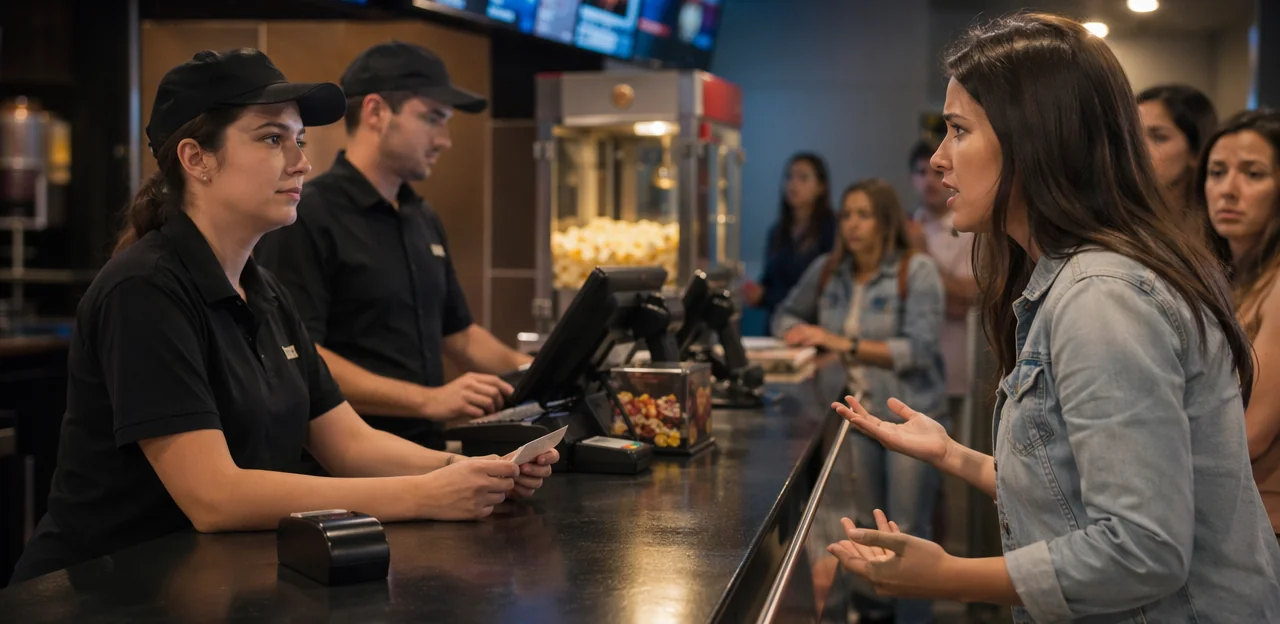
A trip to the cinema should feel effortless: comfortable seating, clear sound, a smooth booking process, and a film that starts on time. But when any part of that experience falls short, frustration builds quickly. From long concession queues and dirty auditoriums to ticketing errors, disruptive guests, or technical problems during a screening, cinema customer complaints often reveal the moments that matter most to audiences.
For cinema operators, these complaints are more than isolated annoyances. They are valuable signals about service gaps, operational weaknesses, and missed opportunities to protect customer loyalty. How a cinema responds can make the difference between a one-time visitor who leaves a negative review and a returning guest who feels heard and respected.
This article explores the most common cinema customer complaints, why they happen, and how cinemas can respond effectively through strong service recovery practices. It will also look at practical ways to identify recurring issues earlier, improve the audience experience across key touchpoints, and turn feedback into meaningful action. Where relevant, tools such as Tapsy can support real-time feedback collection, helping cinemas address problems before they escalate.
Why cinema customer complaints matter

The link between complaints and audience loyalty
How a cinema handles cinema customer complaints often determines whether a guest returns or leaves a negative review. Complaints directly shape customer loyalty in cinemas because they influence trust, word-of-mouth, and perceived care.
- Repeat visits: Fast, fair solutions make guests feel valued and increase the chance of another booking.
- Online reviews: Unresolved problems often become public complaints, while strong recovery can lead to updated or more balanced reviews.
- Customer trust: Clear communication, apologies, and practical fixes show accountability.
To build stronger customer loyalty in cinemas, train staff to respond quickly, log recurring issues, and follow up after resolution. Real-time tools such as Tapsy can help catch problems before they escalate.
How complaints reveal operational weaknesses
Recurring cinema customer complaints rarely point to one-off mistakes. They often expose wider cinema operations problems that managers can fix systematically. When complaint patterns are tracked by location, time, screen, and issue type, they become a practical source of operational insight.
- Staffing: repeated slow service or poor usher support may signal understaffed peak periods or weak training.
- Maintenance: complaints about seating, sound, air conditioning, or cleanliness often reveal delayed repairs and inspection gaps.
- Scheduling: long queues, late starts, or concession shortages can indicate poor shift planning and demand forecasting.
- Communication: confusion over seat changes, policies, or promotions highlights messaging failures.
Use complaint data dashboards and real-time tools like Tapsy to spot trends early and act faster on cinema service issues.
The business cost of unresolved complaints
Ignoring cinema customer complaints quickly becomes expensive. Every unresolved issue can affect both short-term revenue and long-term brand value.
- Lost revenue: Disappointed guests are less likely to return, buy concessions, or recommend your venue for future visits.
- Negative word of mouth: Frustrated customers often share bad experiences online, leading to more negative cinema reviews and reduced trust.
- Refund and compensation costs: When issues escalate, cinemas may face avoidable refunds, free tickets, or staff time spent managing disputes.
- Reputational damage: Weak cinema reputation management can lower occupancy over time, especially in competitive local markets.
To reduce these costs, capture feedback early and resolve issues before customers leave—or post publicly.
Most common cinema customer complaints

Picture, sound, and seating problems
Many cinema customer complaints come down to basic comfort and technical quality. Even a great film can become a poor cinema experience if the auditorium setup is wrong. Common issues include:
- Cinema sound problems such as volume that is too low, distorted dialogue, crackling speakers, or sound that is out of sync with the picture
- Blurry, dim, or poorly framed projection that makes scenes hard to follow
- Broken cinema seats, limited legroom, or seats that do not recline properly
- Temperature complaints, including screens that are too hot or overly cold
- Obstructed views caused by damaged seating layouts, poor screen alignment, or late audience disruptions
If this happens, report it immediately to staff rather than waiting until the film ends. Ask for a seat change, technical check, or partial refund if the issue significantly affects viewing. Cinemas can reduce repeat complaints by checking screens before each showing and using real-time feedback tools such as Tapsy to catch problems early.
Cleanliness, food, and facility concerns
Among the most frequent cinema customer complaints are problems tied to hygiene, comfort, and basic upkeep. Cinema cleanliness complaints often mention dirty auditoriums, overflowing bins, sticky floors, stained seats, and restrooms that are not cleaned often enough between peak showtimes. These issues quickly damage trust and can make guests feel the venue is poorly managed.
Common concession stand issues also drive dissatisfaction, especially when customers face:
- Long snack lines that cause them to miss trailers or the start of the film
- Cold popcorn, stale nachos, flat drinks, or limited fresh options
- Poor food handling or visible lack of hygiene standards at counters and self-service areas
To act on these complaints effectively, cinemas should:
- Increase cleaning checks between screenings
- Monitor restrooms and high-traffic areas more frequently
- Improve queue management at concessions
- Use real-time feedback tools such as Tapsy to catch hygiene or food-quality issues before they escalate into negative reviews
Booking, pricing, and staff service issues
Many cinema customer complaints start before the film even begins. Common triggers include cinema booking problems such as app crashes, double charges, missing confirmation emails, or seats appearing available online but unavailable at checkout. Pricing also causes friction when booking fees, premium seat charges, or refund terms are not clearly shown upfront.
To act effectively:
- Take screenshots of booking errors, prices, and terms before payment.
- Check the cinema’s refund policy and keep receipts if you need to raise cinema refund complaints.
- Report ticketing confusion immediately at the counter or through customer support, so staff can correct seat or showtime mistakes quickly.
- If you experience rude or dismissive behaviour, document names, times, and what was said when making cinema staff complaints.
- Ask for a clear resolution: refund, rebooking, fee reversal, or manager follow-up.
Cinemas can reduce repeat issues by improving staff training and using real-time feedback tools like Tapsy to spot service failures early.
How customers typically act on cinema complaints
In-person complaints during or after the visit
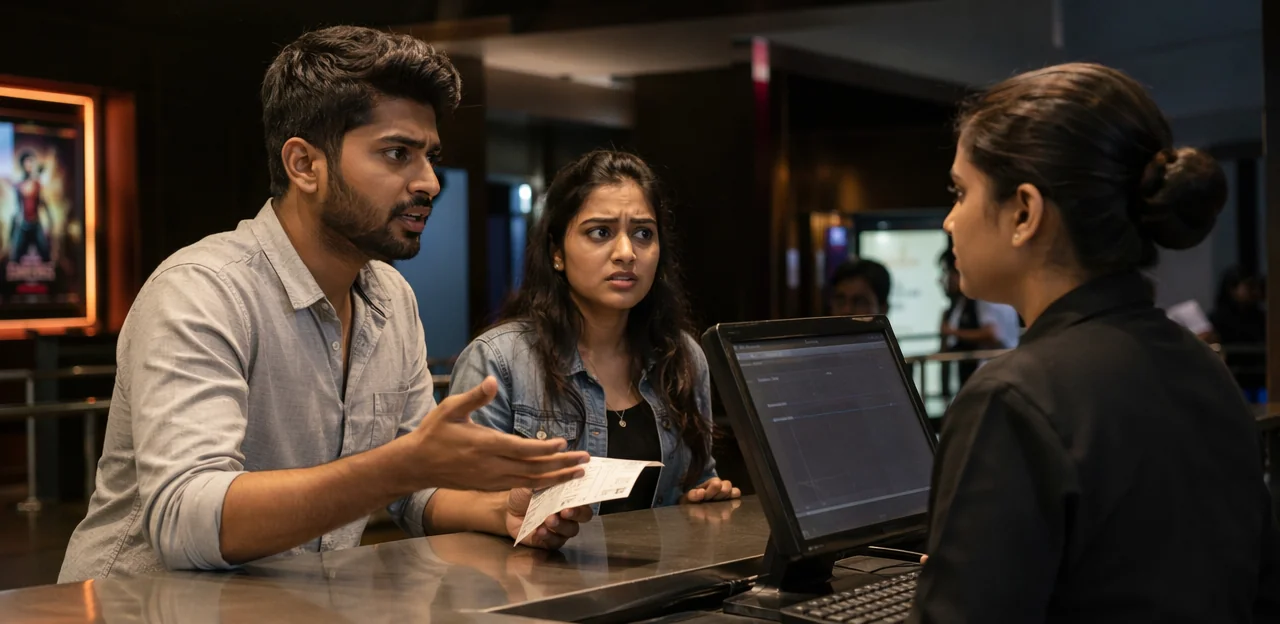
When cinema customer complaints are raised in person, speed and clarity matter. If you need to complain at cinema, speak first to front-line staff at the ticket desk, concessions, or usher point, and ask for a supervisor if the issue is serious or unresolved. A cinema manager complaint is appropriate for problems like poor sound, disruptive guests, dirty seats, booking errors, or refund disputes.
- Explain the issue clearly and include the screen number, showtime, and seat details.
- State what you want: a fix, seat change, refund, voucher, or apology.
- Ask for action immediately, not just a note for later.
Fast responses can save the visit and prevent negative reviews.
Online reviews, social media, and public feedback
When cinema customer complaints are not resolved quickly, guests often take them public. A poor visit can turn into cinema online reviews, Facebook posts, X threads, TikTok videos, or comments in local community forums, where future customers actively look for recommendations.
- Google reviews often highlight recurring issues like dirty screens, rude staff, long queues, or projection problems.
- Social media complaints cinema posts spread fast, especially when photos or videos show the issue.
- Local forums and community groups can damage trust by reinforcing negative patterns.
To reduce public fallout, cinemas should monitor mentions daily, respond politely, and fix problems before guests leave. Tools like Tapsy can help capture feedback in real time and prevent negative posts.
Refund requests, chargebacks, and formal escalation
Some cinema customer complaints move beyond a simple apology when the issue materially affects the visit or the cinema fails to respond fairly. Escalation usually happens when guests feel ignored, out of pocket, or unable to enjoy the screening.
- Submit a cinema refund request when the film was significantly disrupted by technical faults, overselling, poor seating conditions, or long service delays.
- Consider a card chargeback if the cinema refuses a valid refund after you have kept receipts, booking confirmations, and evidence of the problem.
- Make a formal cinema complaint to head office when local staff cannot resolve repeated issues, safety concerns, discrimination, or unresolved poor service.
Act quickly, stay factual, and keep all documentation.
How cinemas should respond effectively
Best practices for immediate service recovery
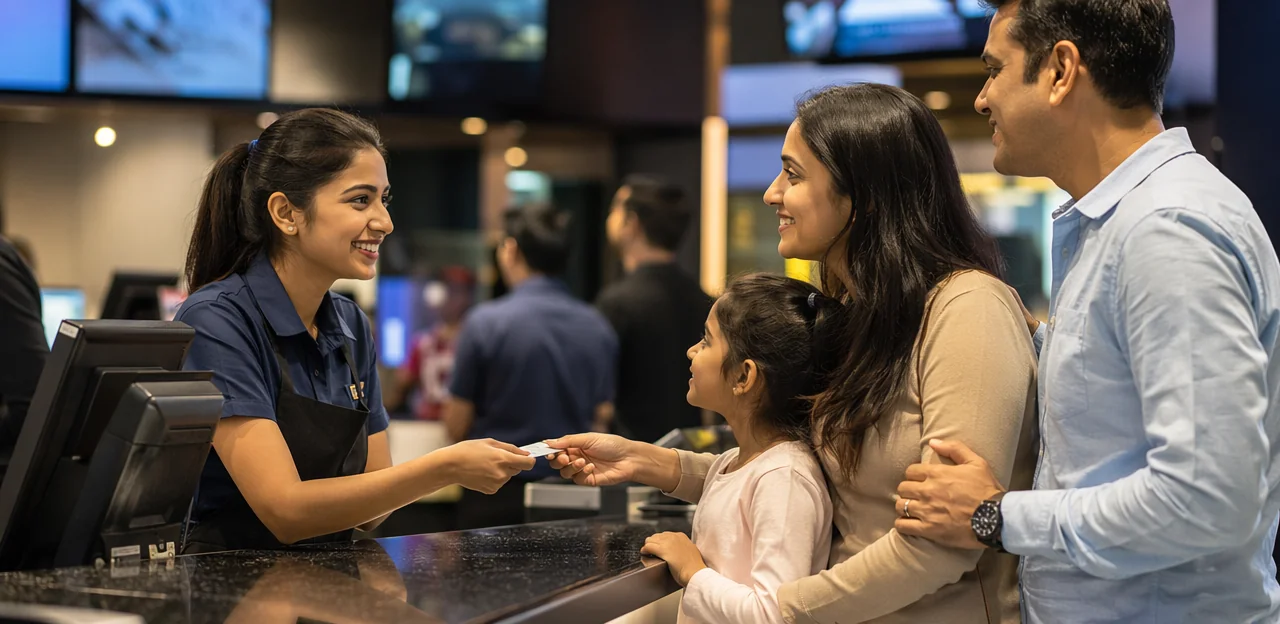
When dealing with cinema customer complaints, speed and empathy matter most. Strong cinema service recovery helps prevent a small issue from becoming a negative review or lost customer.
- Listen without interrupting: Let the guest explain the problem fully, whether it involves noise, dirty seats, poor sound, or ticketing errors. Stay calm and show you take the concern seriously.
- Apologize clearly and sincerely: Even if the cause is still being checked, a simple apology helps reduce frustration and builds trust.
- Verify the issue quickly: Confirm seat numbers, showtime, staff interactions, or technical faults before deciding on the next step. Fast verification is essential for effective handling cinema complaints.
- Offer a practical remedy: Match the solution to the issue:
- seat change for disturbances or view problems
- complimentary voucher for snacks or a future visit
- partial or full refund for major disruptions
- Follow up before the guest leaves: Tools like Tapsy can help teams capture issues in real time and respond faster.
Training staff to manage complaints professionally
Strong customer service training cinema teams can turn negative moments into loyalty-building experiences. Because cinema customer complaints often happen in busy, emotional settings, staff need practical skills they can use immediately.
- Lead with empathy: Train employees to acknowledge frustration first: “I understand why that’s disappointing.” Feeling heard reduces tension quickly.
- Use de-escalation techniques: Keep voice calm, avoid defensiveness, listen without interrupting, and move the conversation away from crowds when possible.
- Communicate clearly: Staff should explain what happened, what they can do next, and how long it will take. Clear expectations prevent repeat frustration.
- Empower frontline teams: Effective complaint handling in cinemas improves when staff can offer simple solutions on the spot, such as seat changes, replacement tickets, refunds, or concession vouchers, without waiting for manager approval on every issue.
- Support with tools: Real-time feedback systems such as Tapsy can help teams spot issues faster and respond before they escalate.
Well-trained, empowered staff resolve problems faster and protect the overall audience experience.
Creating a consistent complaint resolution process
A clear complaint resolution process helps cinemas handle cinema customer complaints fairly, quickly, and consistently across every location and shift. The goal is to remove guesswork and make your cinema customer service policy easy for staff to follow.
- Set response time standards: Acknowledge complaints immediately in person, respond to digital complaints within 24 hours, and aim to resolve most issues within 48–72 hours.
- Define escalation paths: Frontline staff should solve simple issues such as seating mix-ups or minor disruptions, while managers handle refunds, safety concerns, or repeated service failures.
- Document every case: Use a shared log to record the complaint type, time, staff involved, action taken, and outcome. This helps identify repeat issues and protects consistency.
- Follow up with the guest: Confirm the resolution, apologize where needed, and check whether the issue was fully resolved.
Tools like Tapsy can support real-time reporting and faster routing to the right team.
Preventing recurring complaints in cinemas

Using customer feedback to identify trends
Effective cinema feedback analysis turns individual comments into clear operational priorities. To spot customer complaint trends, combine multiple sources and review them weekly:
- Surveys: Track ratings and open-text responses by location, screen format, and visit time to reveal patterns such as poor sound in IMAX screenings or long queues on Friday evenings.
- Review monitoring: Group online reviews by recurring themes like cleanliness, temperature, seating, or staff attitude to see which issues damage reputation most.
- Complaint logs: Tag cinema customer complaints by branch, screening type, and time of day to uncover repeat failures.
A tool like Tapsy can help capture real-time, touchpoint-level feedback before issues escalate.
Improving maintenance, cleanliness, and communication
Many cinema customer complaints can be reduced through simple preventive routines and clearer updates to guests. Focus on operational consistency:
- Use a cinema maintenance checklist before every trading period to inspect projectors, sound, air conditioning, seating, lighting, and payment systems.
- Prioritise improving cinema cleanliness with timed cleaning schedules for auditoriums, toilets, foyers, and high-touch areas between peak screenings.
- Manage queues with better staffing at rush times, self-service kiosks, and clear line signage for tickets, concessions, and collection.
- Communicate delays or disruptions early through screens, staff announcements, and SMS or app notifications where available.
Tools like Tapsy can also help capture real-time issues before they escalate.
Balancing customer expectations with operational realities
Many cinema customer complaints start when expectations are unclear, not just when service fails. A strong cinema communication strategy helps align cinema customer expectations with what staff can realistically deliver during busy periods.
- Set transparent policies: Clearly explain refund rules, late-entry policies, seating limitations, and food service cut-off times online, at booking, and on-site.
- Communicate realistic wait times: If queues are longer than usual, share accurate estimates at kiosks, counters, and in-app rather than leaving guests guessing.
- Give proactive updates: Alert customers early about delays, technical issues, or sold-out items so they can adjust plans before frustration builds.
Real-time feedback tools such as Tapsy can also help teams spot concerns and respond faster.
What a strong complaint strategy means for audience experience

Turning complaints into service improvement
Handled well, cinema customer complaints become a roadmap for better operations, not just damage control. Use every issue to strengthen the audience experience cinema teams aim to deliver.
- Track patterns: Group complaints by seating, sound, cleanliness, queues, or staff response.
- Act at touchpoints: Fix recurring friction where it happens, ideally in real time.
- Close the loop: Share trends with managers and frontline teams, then measure results.
Tools like Tapsy can help cinemas capture instant feedback and turn it into ongoing cinema service improvement.
Building trust through accountability and follow-up
When handling cinema customer complaints, resolution should not end with the fix. Strong complaint follow-up shows guests they were heard and proves your team takes responsibility, which directly improves customer trust cinema outcomes and brand perception.
- Confirm what action was taken, such as a refund, seat check, or staff review.
- Follow up promptly by email or SMS.
- Thank customers for reporting the issue and explain how their feedback helped prevent repeat problems.
- Track recurring cinema customer complaints by touchpoint: booking, queues, seating, sound, cleanliness, and concessions.
- Build a simple cinema complaint management process with clear ownership, fast response times, and frontline empowerment to fix issues immediately.
- Train staff in apology, empathy, and fair compensation to improve recovery outcomes.
- Use real-time feedback tools, such as Tapsy, to catch problems before they become public reviews.
- Review trends weekly to strengthen operations and protect cinema customer satisfaction long term.
Conclusion
In the end, handling cinema customer complaints well is not just about resolving problems in the moment—it is about protecting your reputation, improving the audience experience, and building long-term loyalty. From poor sound and picture quality to long queues, unclean auditoriums, booking errors, and disappointing customer service, the most common issues often point to operational gaps that can be fixed with the right processes in place.
The key is to act quickly, listen carefully, and make it easy for guests to share feedback before frustration turns into negative reviews or lost repeat visits. Clear complaint-handling procedures, staff training, fast service recovery, and regular analysis of recurring issues can turn cinema customer complaints into valuable insight for continuous improvement.
If you want to strengthen your approach, start by reviewing your current complaint channels, tracking the most frequent pain points, and setting response standards for frontline teams. You can also explore real-time feedback tools such as Tapsy, which help cinemas capture issues during the visit and respond while there is still time to improve the experience.
Now is the time to treat cinema customer complaints as an opportunity, not just a problem. Take action, refine your service strategy, and create a cinema experience audiences will want to return to—and recommend.
Frequently Asked Questions
- What are the most common cinema customer complaints?
The most common complaints include poor sound or picture quality, broken or uncomfortable seating, temperature problems, dirty auditoriums, restroom issues, long concession queues, booking errors, unclear pricing, and poor staff service. Disruptive guests and refund disputes are also frequent sources of frustration.
- Why do cinema complaints matter so much for customer loyalty?
Complaints affect whether guests return, leave negative reviews, or recommend the venue to others. Fast, fair handling helps build trust, while unresolved issues often damage loyalty and public perception.
- How should a customer respond if the sound, picture, or seating is ruining the screening?
The best step is to report the problem to staff immediately instead of waiting until the film ends. Customers can ask for a technical check, a seat change, or a partial refund if the issue significantly affects the viewing experience.
- What should someone do when a cinema booking goes wrong online?
Take screenshots of the error, pricing, and terms before payment if possible. Then check the refund policy, keep receipts and confirmations, and report the problem quickly at the counter or through customer support.
- When is it appropriate to complain to a cinema manager?
A manager complaint is appropriate when the issue is serious, unresolved, or needs authority beyond frontline staff. Examples include poor sound, disruptive guests, dirty seats, booking mistakes, refund disputes, safety concerns, or repeated service failures.
- What details should be included in an in-person cinema complaint?
Customers should explain the issue clearly and include the screen number, showtime, and seat details. It also helps to state the desired outcome directly, such as a fix, seat change, refund, voucher, or apology.
- How do online reviews and social media affect cinemas after a bad visit?
When complaints are not resolved quickly, guests often post on Google, social media, or local forums. These public comments can spread recurring concerns like rude staff, dirty screens, long queues, or projection problems and reduce trust among future customers.
- When should a customer ask for a refund, chargeback, or formal escalation?
A refund request makes sense when the visit was materially affected by technical faults, overselling, poor seating conditions, or long service delays. Formal escalation to head office is suitable for repeated unresolved issues, safety concerns, discrimination, or poor service that local staff cannot fix, while a chargeback may be considered if a valid refund is refused and documentation is available.
- What does good cinema service recovery look like?
Strong service recovery starts with listening without interrupting, apologizing clearly, and verifying the issue quickly. The remedy should match the problem, such as a seat change for disturbances, a voucher for inconvenience, or a partial or full refund for major disruption.
- How can cinema staff be trained to handle complaints better?
Staff should be trained to lead with empathy, use de-escalation techniques, and communicate clearly about what will happen next. Frontline teams should also be empowered to offer simple solutions like seat changes, replacement tickets, refunds, or concession vouchers without unnecessary delays.
- What should a consistent cinema complaint resolution process include?
A clear process should set response time standards, define who handles simple issues versus escalations, and document each case in a shared log. It should also include follow-up with the guest to confirm the resolution and check whether the issue was fully resolved.
- How can cinemas identify recurring complaint trends before they become bigger problems?
Cinemas can combine surveys, online review monitoring, and complaint logs, then review patterns weekly by location, screen, screening type, and time of day. This helps reveal repeat failures such as poor sound, cleanliness problems, or long queues during peak periods.
- What operational steps help reduce repeat complaints in cinemas?
Useful steps include pre-opening maintenance checks for projectors, sound, air conditioning, seating, lighting, and payment systems. Timed cleaning schedules, better queue management, and early communication about delays or disruptions also help prevent repeat frustration.
- How can cinemas balance customer expectations with operational realities?
They can do this by setting transparent policies on refunds, late entry, seating limitations, and food service cut-off times across booking channels and on-site signage. Sharing realistic wait times and proactive updates about delays, technical issues, or sold-out items also reduces confusion and disappointment.
- How can tools like Tapsy support cinema complaint handling?
Tapsy is presented as a real-time feedback tool that can help cinemas capture issues during the visit rather than after the customer leaves. That allows teams to spot problems earlier, route them faster, and reduce the chance that frustration turns into public complaints or lost loyalty.