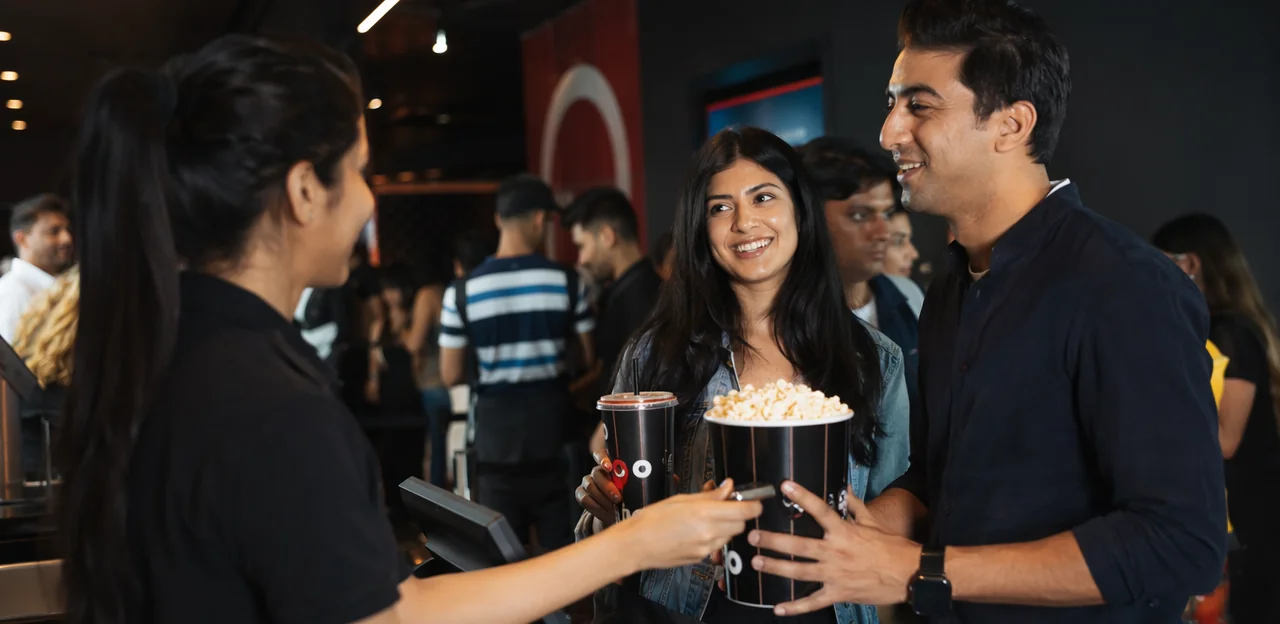
What keeps moviegoers coming back to the same cinema isn’t just the latest blockbuster or a discounted ticket—it’s the total experience. From online booking and queue times to seat comfort, concessions, cleanliness, and post-visit engagement, every touchpoint shapes how audiences feel about a venue. In a market where streaming platforms compete fiercely for attention, understanding and improving cinema customer experience has become essential for driving repeat attendance and long-term loyalty.
That’s why the right metrics matter. Cinemas can no longer rely on box office numbers alone to understand performance. They need a clearer view of what influences satisfaction, what causes friction, and what turns a one-time visitor into a regular guest. Measuring experience through the right data points helps operators identify service gaps, personalize offers, and build stronger relationships with audiences over time.
In this article, we’ll explore the cinema customer experience metrics that have the biggest impact on loyalty and retention, from satisfaction scores and repeat visit rates to real-time feedback, sentiment trends, and AI-powered insights. We’ll also look at how cinemas can use these metrics to make smarter operational decisions, improve audience experience, and create the kind of memorable visits that keep seats filled week after week.
Why cinema customer experience metrics matter for retention
The link between experience quality and repeat attendance
Cinema customer experience directly affects repeat attendance because it shapes whether a visit feels worth repeating and recommending. For cinema operators, this makes experience quality a measurable driver of cinema loyalty, not just a branding idea.
- Better experiences increase return visits: Clean auditoriums, smooth booking, short queues, and strong AV quality reduce friction and raise revisit intent.
- Satisfied guests spend more: Positive visits lift concession spend because customers are more open to adding snacks, upgrades, and premium formats.
- Great experiences fuel advocacy: Higher satisfaction leads to stronger word-of-mouth and more referrals.
- Loyalty grows faster: Members are more likely to join when the value of the experience is consistently proven.
Track this through NPS, CSAT, complaint rates, revisit frequency, and membership conversion.
How the cinema journey shapes audience perception
Cinema customer experience is built across the full moviegoing journey, not just on-screen quality. To improve audience experience and lift cinema satisfaction, track each stage end to end:
- Discovery and booking: Clear listings, easy seat selection, transparent pricing, and fast checkout reduce drop-off.
- Arrival and entry: Parking, signage, queue times, and smooth ticket scanning set the tone.
- Concessions: Speed, stock availability, and value perception strongly influence satisfaction.
- Auditorium comfort: Seat quality, cleanliness, temperature, sound, and picture quality define the core experience.
- Post-visit follow-up: Timely feedback requests, loyalty offers, and issue recovery increase future intent.
A weak point at any stage can lower satisfaction and reduce repeat attendance.
Business outcomes tied to better experience measurement
Tracking the right cinema customer experience signals turns feedback into measurable growth. When operators connect satisfaction, queue times, seat comfort, app usability, and concession speed to revenue, cinema analytics become a decision tool, not just a reporting layer.
- Higher visit frequency: Use customer retention metrics to identify which experiences drive more repeat bookings.
- Stronger retention: Spot friction early and fix issues before occasional guests churn.
- Improved occupancy: Match showtimes, formats, and staffing to audience preferences and demand patterns.
- Better ancillary revenue: Link concession, upsell, and loyalty spend to specific experience improvements.
- Smarter marketing decisions: Focus campaigns on segments and offers with the strongest guest experience ROI.
Core cinema customer experience metrics to track
Satisfaction, NPS, and customer effort score
To improve cinema customer experience, exhibitors need three complementary feedback metrics:
- CSAT for cinemas measures immediate satisfaction with a specific moment, such as ticket purchase, concessions, seat comfort, or screen quality. Usually asked as “How satisfied were you?” it is best for pinpointing operational issues right after a visit.
- NPS cinema tracks loyalty by asking how likely guests are to recommend your cinema. It reveals broader brand sentiment and helps predict repeat attendance, memberships, and word-of-mouth growth.
- Customer effort score measures how easy it was for guests to complete a task, such as booking online, redeeming loyalty rewards, or resolving a refund. High effort often signals friction that reduces return visits.
A practical cinema measurement framework uses all three:
- CSAT for transaction-level touchpoints
- Customer effort score for journey friction
- NPS for overall relationship strength
Used together, these metrics show not just whether audiences were happy, but why they return, recommend, or drop off. Platforms like Tapsy can help capture this feedback in real time across key guest touchpoints.
Operational metrics that influence audience experience
Strong cinema customer experience is shaped by operational performance at every touchpoint. The most useful cinema operational metrics are the ones that directly affect convenience, comfort, and perceived service quality.
- Queue time: Track average and peak wait times at box office, ticket scanning, and concessions. Long queues increase frustration before the film even starts.
- Booking conversion: Measure the percentage of users who complete checkout after starting a booking. A low booking conversion rate often signals payment friction, confusing navigation, or poor mobile UX.
- Seat selection friction: Monitor seat-map load time, seat changes per session, and abandonment during selection. If choosing seats feels slow or unclear, customers are more likely to drop off.
- Concession wait time: Time from order to collection matters, especially for pre-show purchases and interval service.
- Cleanliness scores: Use post-visit ratings and staff audit data for auditoriums, restrooms, and lobby areas.
- Issue resolution speed: Measure how quickly staff resolve seating errors, refund requests, or technical complaints.
Tools such as real-time feedback platforms like Tapsy can help cinemas surface and fix service issues before they damage repeat attendance.
Behavioral metrics that predict repeat visits
Strong cinema customer experience should show up in behavior, not just survey scores. The most useful retention signals connect satisfaction to actual attendance patterns:
- Repeat visit rate: Track how many guests return within 30, 60, or 90 days after a visit. A rising repeat visit rate usually indicates that positive experiences are converting into habit.
- Visit frequency and recency: Guests who attend often and recently are far more likely to return. Declining recency is an early warning sign of cinema churn.
- Loyalty engagement: Monitor points earned, app usage, tier progression, and offer opens. High loyalty engagement shows the relationship is active, not passive.
- Redemption behavior: Reward redemptions reveal whether promotions are motivating action. Low redemption can signal weak perceived value or poor timing.
- Cross-channel interactions: Compare behavior across app, website, email, kiosk, and in-cinema purchases. Customers engaging across multiple channels typically retain better.
- Churn risk scoring: Combine inactivity, fewer visits, lower spend, and reduced campaign response to identify at-risk segments early.
Platforms like Tapsy can help connect real-time engagement data with retention analysis, making these patterns easier to act on.
How to measure the full audience experience across channels

Collecting feedback at the right moments
Effective customer feedback collection depends on timing. To improve cinema customer experience, ask for input when details are still fresh, but keep it quick and relevant.
- Post-visit survey: Send within 2–6 hours of the screening for higher recall and better response quality.
- App prompts: Trigger a one-tap rating after ticket scan, concession purchase, or shortly after the film ends.
- Email follow-ups: Use the next day for slightly deeper questions about comfort, staff, and value.
- Kiosk ratings: Place simple smiley-button or QR feedback stations near exits for instant reactions.
- Social listening: Monitor mentions, tags, and cinema reviews to spot recurring issues and sentiment trends.
To reduce survey fatigue, rotate questions, limit surveys to 3–5 items, and only ask frequent guests occasionally. This improves response rates without overwhelming audiences.
Combining transactional, behavioral, and sentiment data
To improve cinema customer experience, operators need more than siloed reports. Strong customer data integration brings together ticketing, POS, cinema CRM, loyalty, app, and survey data to reveal the full audience journey.
- Transactional data shows what customers bought: tickets, concessions, upgrades, and visit frequency.
- Behavioral data shows how they engage: app opens, trailer views, abandoned bookings, offer clicks, and redemption patterns.
- Sentiment data shows why they feel satisfied or frustrated: post-visit surveys, ratings, comments, and service feedback.
When unified, these sources power better audience analytics. For example, if a guest says queues were too long and then reduces concession spend or stops attending, teams can act fast with staffing changes, targeted recovery offers, or loyalty incentives. Connecting what customers say with what they do turns insight into retention.
Segmenting audiences for more accurate insights
Strong cinema customer experience analysis starts with smart audience segmentation. Overall averages can look healthy while masking serious issues in specific groups, such as families rating queues poorly or premium guests reporting inconsistent service.
Break down metrics by:
- Member status: Compare loyalty members vs. non-members to see how perks, booking ease, and recognition affect return intent.
- Visit frequency: Separate first-time, occasional, and frequent visitors to spot onboarding gaps or signs of fatigue.
- Guest type: Analyze families versus premium guests, as expectations for value, comfort, and speed differ.
- Film genre preference: Horror, family, blockbuster, and arthouse audiences often respond differently to programming and amenities.
- Location: Benchmark sites individually to uncover operational differences hidden in chain-wide reporting.
Using cinema loyalty data this way produces sharper customer insights and more targeted improvements.
Using AI and analytics to identify what drives repeat attendance

Predictive models for retention and churn risk
With predictive analytics, cinemas can turn guest behavior into early-warning signals for retention teams. Cinema AI models analyze patterns across booking, loyalty, concession, and feedback data to estimate whether a customer is likely to return, lapse, or respond to a targeted incentive.
Key indicators often include:
- declining visit frequency or longer gaps between visits
- reduced spend on tickets or concessions
- negative service feedback, low satisfaction scores, or complaint spikes
- weaker engagement with emails, app notifications, or loyalty rewards
These insights support more proactive churn prediction. For example, a guest showing falling attendance and poor feedback may receive a service-recovery offer, while a high-value but inactive member might get a personalized promotion. Used well, these models help improve cinema customer experience and increase repeat attendance.
Finding the experience factors with the biggest impact
Not every part of the cinema customer experience influences loyalty equally. With strong customer experience analytics, cinemas can identify the experience drivers that most affect return visits and revenue.
To uncover meaningful repeat attendance insights, combine survey feedback, transaction data, app behavior, and visit frequency, then test which factors correlate most strongly with repeat bookings. Focus on variables such as:
- Seat comfort and screen-room quality
- Staff friendliness at entry and concessions
- Mobile booking ease and checkout friction
- Concession speed during peak periods
Prioritize improvements based on measurable impact, not assumptions. For example, if faster concession service lifts repeat attendance more than menu variety, invest there first. Tools like Tapsy can also help capture real-time feedback that sharpens analysis and speeds up action.
Personalization that improves loyalty and audience satisfaction
Strong cinema customer experience strategies use data to make every visit feel more relevant. With cinema personalization, operators can turn browsing, booking, and post-visit behavior into timely, useful engagement that supports loyalty retention.
- Use AI recommendations to suggest films, formats, seat upgrades, and concessions based on past purchases and genre preferences.
- Trigger reminders for abandoned bookings, upcoming releases, or loyalty points that are close to expiry.
- Personalize offers by visit patterns, such as family bundles on weekends or premium screening upgrades for frequent evening guests.
- Tailor loyalty rewards to what customers actually value, from free snacks to early access tickets.
When cinemas connect CRM, ticketing, and feedback data, personalization becomes more accurate, convenient, and measurable. Platforms like Tapsy can also help capture real-time preferences that improve future targeting.
Turning customer experience metrics into operational improvements

Prioritizing quick wins and long-term fixes
A strong cinema customer experience strategy starts by separating immediate fixes from capital improvements, then ranking both by impact and effort.
- Quick wins: Resolve obvious friction fast—reduce long queues, fix app bugs, improve wayfinding, streamline concessions, and adjust staffing at peak times. These actions deliver visible customer experience improvement with minimal investment.
- Medium-term service optimization: Use feedback and operational data to refine cleaning schedules, staff training, showtime spacing, and response times across cinema operations.
- Long-term fixes: Prioritize investments that materially change comfort and value, such as upgraded seating, better sound and projection, cleaner facilities, and premium formats like IMAX or recliner screens.
Review metrics monthly, assign owners, and tie each fix to repeat attendance goals.
Aligning teams around shared experience KPIs
Improving cinema customer experience requires every department to work from the same scorecard. A shared cinema dashboard helps marketing, operations, guest services, and loyalty teams focus on the experience KPIs that most influence repeat attendance.
- Set common targets: Track NPS, complaint resolution time, queue length, app usage, concession satisfaction, and repeat visit rate.
- Assign clear ownership: Marketing drives campaign response, operations improves on-site flow, guest services closes feedback loops, and loyalty teams increase member retention.
- Review together weekly: Shared visibility creates cross-functional alignment, speeds issue resolution, and prevents siloed decision-making.
- Act on trends fast: Use real-time alerts and root-cause analysis to turn insight into execution.
Tools like Tapsy can support real-time feedback and centralized reporting.
Testing, benchmarking, and continuous optimization
To improve cinema customer experience consistently, operators need a disciplined testing and measurement process:
- Use A/B testing to compare changes such as mobile ticketing flows, concession bundles, seat-upgrade offers, or post-visit feedback prompts.
- Run location comparisons across sites with similar audience profiles to identify which cinemas outperform on satisfaction, spend, and repeat attendance.
- Track trends over time by monitoring NPS, complaint rates, app engagement, and revisit frequency weekly or monthly.
- Set clear cinema benchmarking targets for each location, then review results against internal leaders and historical baselines.
This approach supports continuous improvement, helping teams invest in experience initiatives that deliver measurable gains in loyalty and return visits.
Best practices for building a retention-focused cinema experience strategy

Creating a balanced scorecard for cinemas
A practical cinema scorecard should combine a few high-signal customer experience metrics leaders can review weekly without drowning in dashboards. For strong cinema customer experience management, track:
- Sentiment: post-visit CSAT, review sentiment, complaint resolution speed
- Operational: queue time, seat or screen issue rate, concession wait time
- Behavioral: repeat attendance rate, loyalty redemption, booking conversion after a visit
Keep the scorecard to 6–9 KPIs, assign owners, and review trends monthly to connect experience performance directly to your retention strategy.
Common measurement mistakes to avoid
Avoid these measurement mistakes if you want a stronger customer experience strategy for cinema customer experience:
- Relying only on NPS: One score rarely explains why guests return or churn.
- Ignoring non-members: Loyalty data misses casual visitors, families, and first-time guests.
- Keeping systems disconnected: If ticketing, concessions, app, and survey cinema data stay siloed, insights remain incomplete.
- Over-surveying customers: Too many requests reduce response quality and annoy guests.
- Tracking metrics without action: Every metric should link to a clear owner, fix, or test. Tools like Tapsy can help capture timely, connected feedback.
What success looks like over the next 12 months
A stronger cinema customer experience measurement approach should deliver clear, trackable gains:
- Higher loyalty growth: more sign-ups, stronger member activity, and better reward redemption
- Improved repeat attendance: rising visit frequency against your core cinema retention goals
- Better satisfaction: higher post-visit ratings, fewer unresolved complaints, and faster service recovery
- Smarter marketing efficiency: better audience segmentation, lower wasted spend, and stronger campaign ROI
To support your audience experience strategy, review these metrics monthly and use the insights to refine offers, staffing, and communications.
Conclusion
Ultimately, improving repeat attendance starts with measuring what matters most. The strongest cinema customer experience strategies go beyond box office sales to track the full journey: ticketing convenience, queue times, concession satisfaction, seat comfort, staff interactions, mobile app usability, loyalty engagement, and post-visit sentiment. When cinemas connect these metrics with behavioral data such as return frequency, spend per visit, and membership activity, they gain a clearer picture of what truly drives loyalty.
Just as importantly, the best operators act on these insights quickly. Real-time feedback, predictive analytics, and personalized offers help cinemas resolve friction points before they affect future visits. Over time, this creates a more seamless, memorable cinema customer experience—one that encourages guests to come back more often and recommend the venue to others.
The next step is to audit your current measurement framework and identify gaps between what you track and what your audience actually values. Build dashboards around retention-focused KPIs, test improvements regularly, and invest in tools that turn feedback into action. Solutions such as Tapsy can also support real-time engagement and insight collection where relevant. If you want stronger loyalty, higher lifetime value, and more repeat attendance, now is the time to make cinema customer experience a measurable, strategic priority.
Frequently Asked Questions
- Why are customer experience metrics important for cinema repeat attendance?
They show what makes a visit worth repeating beyond ticket sales alone. Metrics help cinemas identify friction, improve satisfaction, and strengthen loyalty over time. Better experiences also support referrals, membership growth, and higher concession spend.
- Which cinema touchpoints should be measured across the full customer journey?
Cinemas should track discovery and booking, arrival and entry, concessions, auditorium comfort, and post-visit follow-up. Key moments include seat selection, queue times, ticket scanning, cleanliness, sound and picture quality, and feedback after the visit. A weak point at any stage can reduce satisfaction and future intent.
- What is the difference between CSAT, NPS, and customer effort score in a cinema setting?
CSAT measures satisfaction with a specific moment such as booking, concessions, or seat comfort. NPS measures how likely guests are to recommend the cinema, which reflects broader loyalty and brand sentiment. Customer effort score shows how easy it was to complete tasks like booking online, redeeming rewards, or resolving a refund.
- What operational metrics have the biggest effect on audience experience?
The most important operational metrics include queue time, booking conversion, seat selection friction, concession wait time, cleanliness scores, and issue resolution speed. These directly affect convenience, comfort, and perceived service quality. Tracking them helps teams fix problems before they damage repeat attendance.
- How can cinemas measure whether satisfaction is turning into real loyalty?
They should connect survey feedback with behavioral metrics such as repeat visit rate, visit frequency, recency, loyalty engagement, and redemption behavior. Cross-channel interactions and churn risk scoring also help show whether positive experiences are leading to ongoing attendance. Behavior confirms whether satisfaction is translating into habit.
- When is the best time to collect cinema customer feedback?
Post-visit surveys work best within 2 to 6 hours of the screening, when details are still fresh. App prompts can appear after ticket scan, concession purchase, or shortly after the film ends, while email follow-ups can be sent the next day for slightly deeper questions. Kiosk ratings near exits and social listening also add useful feedback.
- How can cinemas avoid survey fatigue while still gathering useful feedback?
Keep surveys short, usually 3 to 5 items, and rotate questions instead of asking everything at once. Frequent guests should only be surveyed occasionally. This improves response quality without overwhelming audiences.
- Why should cinemas combine transactional, behavioral, and sentiment data?
Transactional data shows what guests bought, behavioral data shows how they engaged, and sentiment data explains why they felt satisfied or frustrated. When these sources are connected, cinemas can spot patterns such as long queues leading to lower concession spend or reduced attendance. That makes it easier to take targeted action.
- What audience segments should cinemas analyze separately?
Useful segments include loyalty members versus non-members, first-time versus frequent visitors, families versus premium guests, genre-based audiences, and individual locations. Different groups often have different expectations for value, comfort, speed, and service. Segmentation prevents chain-wide averages from hiding specific problems.
- How can AI help predict cinema churn and retention?
Predictive models can analyze booking, loyalty, concession, and feedback data to estimate whether a guest is likely to return, lapse, or respond to an incentive. Common signals include declining visit frequency, lower spend, negative feedback, and weaker engagement with emails or app notifications. This allows teams to act earlier with recovery offers or personalized promotions.
- How do cinemas identify which experience improvements matter most?
They should compare survey feedback, transaction data, app behavior, and visit frequency to see which factors correlate most strongly with repeat bookings. Important variables can include seat comfort, staff friendliness, mobile booking ease, and concession speed. Improvements should be prioritized by measurable impact rather than assumptions.
- What kinds of personalization can improve cinema loyalty?
Cinemas can recommend films, formats, seat upgrades, and concessions based on past purchases and genre preferences. They can also send reminders for abandoned bookings, upcoming releases, or expiring loyalty points, and tailor offers to visit patterns such as weekend family bundles or premium upgrades for frequent evening guests. Personalization becomes more accurate when CRM, ticketing, and feedback data are connected.
- How should cinemas prioritize quick wins versus long-term experience fixes?
Quick wins include reducing queues, fixing app bugs, improving wayfinding, streamlining concessions, and adjusting staffing at peak times. Medium-term work can refine cleaning schedules, staff training, and showtime spacing, while long-term fixes may involve seating upgrades, better sound and projection, cleaner facilities, or premium formats. Each action should be tied to impact, effort, and repeat attendance goals.
- What should a balanced cinema experience scorecard include?
A practical scorecard should combine sentiment, operational, and behavioral KPIs. Examples include post-visit CSAT, review sentiment, complaint resolution speed, queue time, seat or screen issue rate, concession wait time, repeat attendance rate, loyalty redemption, and booking conversion after a visit. Keeping it to 6 to 9 KPIs makes it easier to review and act on regularly.
- What common mistakes weaken cinema customer experience measurement?
Common mistakes include relying only on NPS, ignoring non-members, keeping ticketing and survey systems disconnected, over-surveying customers, and tracking metrics without assigning action. These issues make insights incomplete or hard to use. Strong measurement links every metric to an owner, a fix, or a test.