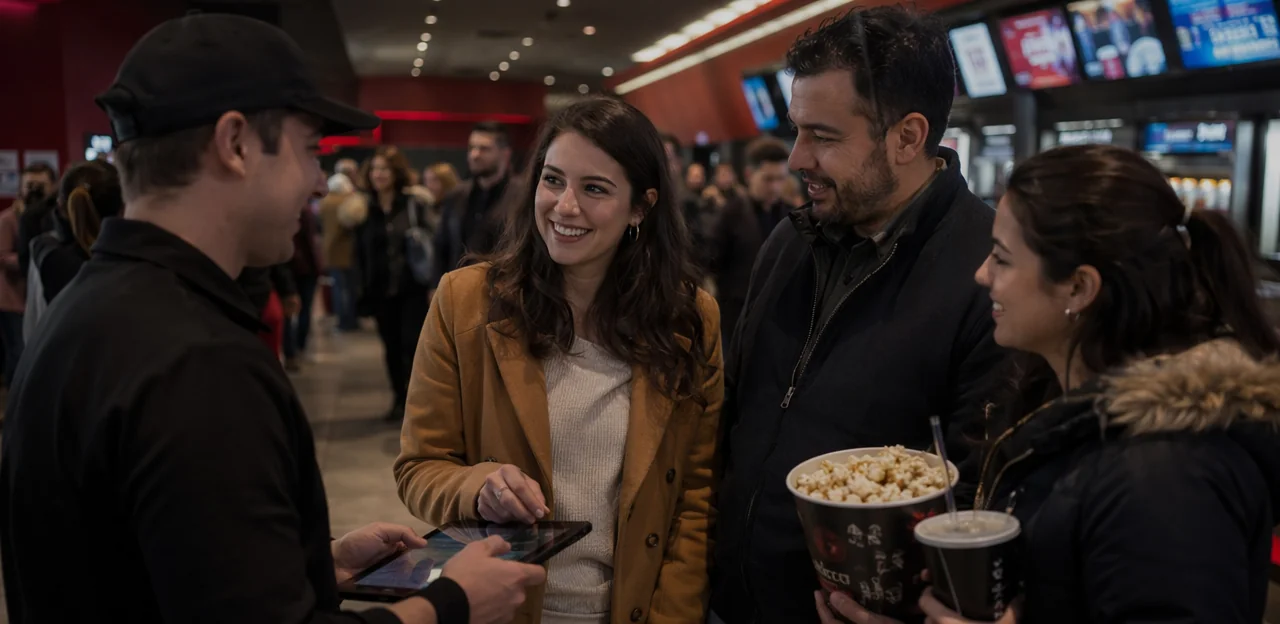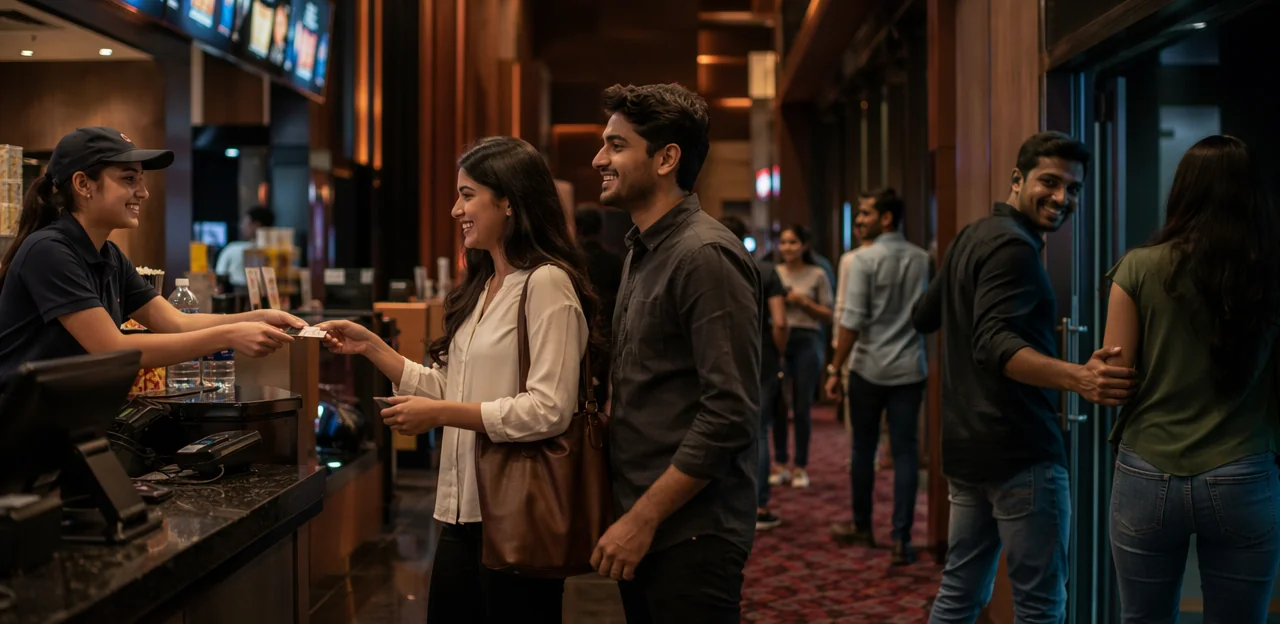
A great cinema experience is made up of dozens of small moments, and audiences notice every one of them. From the ease of booking tickets online to the speed of concessions, the comfort of the seats, the quality of the sound, and even the cleanliness of the restrooms on the way out, each touchpoint shapes how guests feel about their visit. That is why cinema customer journey feedback has become essential for cinemas that want to improve satisfaction, protect their reputation, and encourage repeat visits.
Rather than relying only on post-visit reviews or occasional surveys, cinemas can learn far more by understanding how customers experience the full journey in real time. Feedback collected at the right moments can uncover hidden friction points, highlight what is working well, and help teams respond before a disappointing visit turns into a lost customer.
In this article, we will explore the full cinema customer journey from ticketing to exit, looking at the key stages where feedback matters most and what cinemas can do with the insights they collect. We will also examine how better feedback processes can support smoother operations, stronger audience loyalty, and a more consistent guest experience across every screening. Where relevant, tools such as Tapsy can help cinemas capture instant, in-the-moment feedback at critical touchpoints.
Why cinema customer journey feedback matters
Defining the cinema customer journey end to end
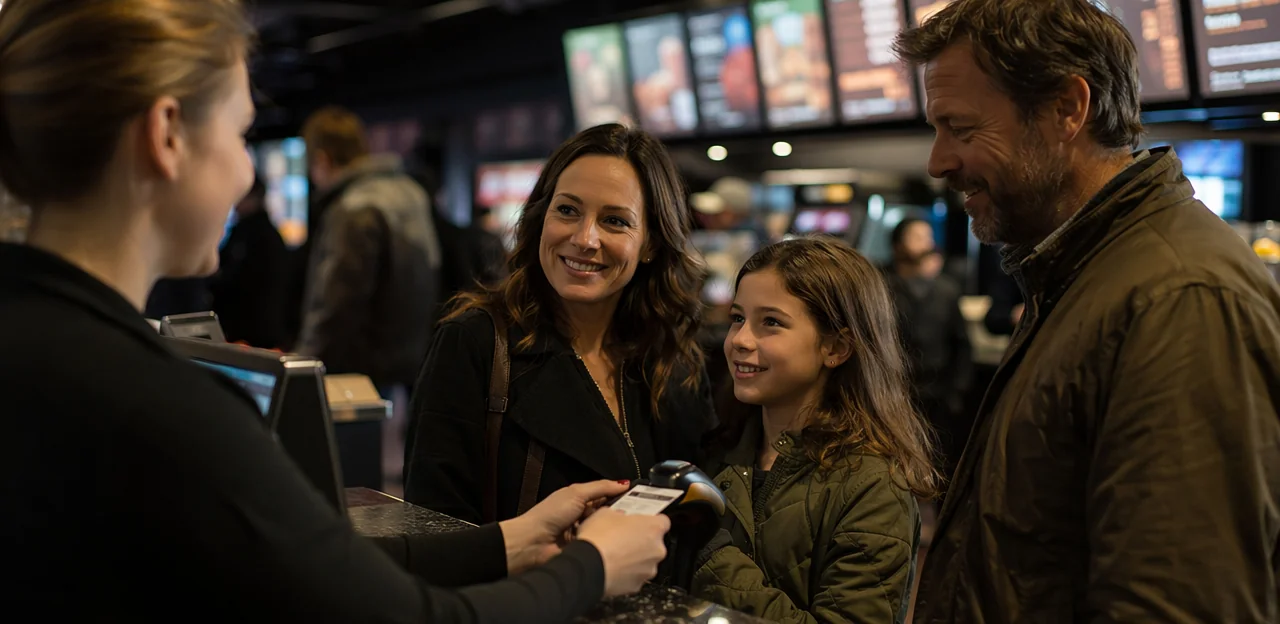
A strong cinema customer journey starts long before the trailers and continues after the credits. To improve the full audience experience, cinemas should collect cinema customer journey feedback at each touchpoint, not rely on one overall score.
- Discovery: website, ads, listings, film choice, showtime clarity
- Booking: seat selection, payment speed, mobile usability, confirmations
- Arrival: parking, signage, queues, staff welcome, ticket scanning
- Concessions: wait times, product availability, pricing, service quality
- Auditorium experience: comfort, cleanliness, sound, picture, temperature
- Exit: restroom condition, crowd flow, final impression, likelihood to return
Stage-by-stage feedback reveals exactly where friction happens and what to fix first. Tools like Tapsy can help capture feedback while each moment is still fresh.
How feedback shapes audience experience and loyalty
Cinema customer journey feedback directly affects how guests remember a visit and whether they return. When cinemas listen and respond quickly, they improve the cinema audience experience at every touchpoint.
- Repeat visits: Fixing common pain points like queues, sound quality, seating comfort, or cleanliness makes guests more likely to book again.
- Membership retention: Regular feedback from loyalty members helps cinemas refine perks, pricing, and rewards, strengthening customer loyalty in cinemas.
- Word-of-mouth and cinema reviews: Positive resolved experiences lead to stronger recommendations, better cinema reviews, and fewer public complaints.
- Brand and revenue impact: Better listening builds trust, improves brand perception, and supports higher spend per visit.
Tools like Tapsy can help capture in-the-moment insights before guests leave.
Key metrics cinemas should track
To turn cinema customer journey feedback into action, cinemas need a clear scorecard across every touchpoint:
- CSAT (Customer Satisfaction Score): Measure immediate cinema customer satisfaction after booking, entry, concessions, seating, and exit.
- NPS for cinemas: Track loyalty by asking how likely guests are to recommend your cinema after their visit.
- Complaint volume: Monitor issue types like sound, seating, pricing, or staff service to spot recurring problems.
- Queue times: Measure wait times at ticketing, concessions, and entry gates.
- App or booking abandonment: Identify where users drop off during mobile or online ticket purchase.
- Concession satisfaction: Rate speed, availability, value, and food quality.
- Cleanliness ratings: Track restrooms, auditoriums, seats, and lobby areas.
Together, these cinema feedback metrics create a measurable framework for continuous improvement.
Ticketing and pre-visit feedback opportunities

Online booking, mobile apps, and website usability
The online cinema booking experience often shapes first impressions before a guest reaches the lobby. Strong cinema customer journey feedback frequently highlights digital friction points that reduce conversions and create frustration early.
Common issues revealed through cinema ticketing feedback include:
- confusing seat maps that make availability hard to understand
- payment failures or checkout timeouts at the final step
- hidden booking fees that appear too late in the process
- weak cinema app usability, especially on smaller screens
- slow-loading pages, forced account creation, or unclear confirmation messages
Acting on this feedback means simplifying seat selection, showing full pricing upfront, optimizing mobile checkout, and testing every payment path regularly. Tools like Tapsy can also help capture quick feedback when digital journeys break down.
Pricing transparency and promotion clarity
Pricing is a major driver of cinema customer journey feedback, especially during checkout. Audiences are far more positive when costs feel predictable, fair, and easy to understand. Hidden charges often trigger negative cinema pricing feedback and abandoned baskets.
- Show the full ticket price early, including any ticket booking fees
- Label surcharges clearly for premium seats, formats, or peak times
- Explain loyalty discounts at the point of selection, not only at payment
- Keep terms for cinema promotions simple, visible, and date-specific
- Highlight exclusions, redemption limits, and minimum spend rules upfront
Cinemas should regularly review feedback on pricing screens and promo flows. Tools like Tapsy can help capture instant reactions after booking or arrival, making it easier to spot confusion before it impacts conversion and trust.
Pre-visit communication and expectation setting
Strong cinema pre-visit communication helps shape positive customer expectations before guests even leave home. Clear, timely messages reduce confusion, improve arrival flow, and strengthen overall cinema customer journey feedback.
Include these essentials in confirmation emails and reminder messages:
- Booking confirmation: show film title, date, time, screen number, seat details, and QR/barcode tickets.
- Parking details: share parking locations, validation rules, public transport options, and peak-time advice.
- Cinema accessibility information: explain wheelchair access, hearing assistance, companion seating, lifts, and accessible toilets.
- Policy communication: outline bag checks, age restrictions, late entry rules, refund terms, and food policies.
Proactive messaging builds confidence, lowers front-desk questions, and prevents avoidable service issues on arrival. Some cinemas also use tools like Tapsy to capture quick feedback on whether pre-visit information was clear.
Arrival, concessions, and in-venue experience
Entry, wayfinding, and first impressions
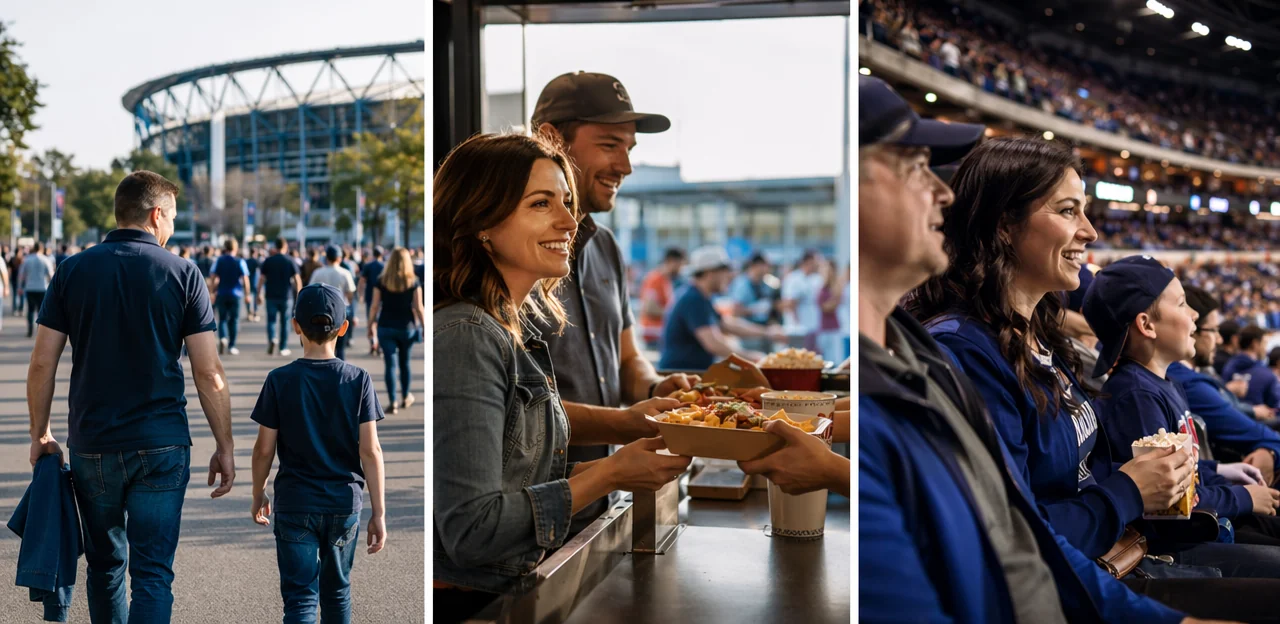
The cinema arrival experience often determines how guests feel before the film even starts, so this stage should be a core part of cinema customer journey feedback. Early friction can quickly shape negative expectations, while a smooth welcome builds confidence and excitement.
Key feedback areas to track include:
- Parking and access: Was parking easy to find, safe, and clearly priced?
- Signage and wayfinding: Could guests quickly locate ticketing, screens, restrooms, and concessions?
- Cinema queue management: Were lines organized, fast-moving, and well-staffed at peak times?
- Staff welcome: Did employees greet guests warmly and offer help proactively?
- Lobby cleanliness: Was the entrance area tidy, bright, and inviting?
Strong cinema first impressions reduce stress, improve flow, and set a positive tone for the entire visit. Tools like Tapsy can help capture instant arrival feedback at entrances or lobby touchpoints.
Concessions speed, quality, and value perception
Concessions are a high-impact touchpoint in cinema customer journey feedback because they shape both enjoyment and revenue. Strong cinema concessions feedback should track:
- Food and beverage quality: freshness, temperature, portion size, presentation, and consistency across visits
- Menu variety: choice for families, premium snacks, healthier items, dietary needs, and bundle relevance
- Concession wait times: queue length, order accuracy, pickup speed, and staffing during peak periods
- Upselling: whether add-ons feel helpful and personalized or pushy and frustrating
- Pricing and value: if guests believe combos, premium items, and portions justify the cost
This cinema food and beverage experience often determines whether customers feel the visit was worth the total spend. For operators, it directly affects margin, basket size, and repeat visits. Capture feedback at the counter or exit with quick QR prompts, or use tools like Tapsy to identify bottlenecks fast and improve service before dissatisfaction spreads.
Staff service and problem resolution
Staff interactions often shape the most emotional part of cinema customer journey feedback. Friendly greetings, clear communication, and strong product knowledge can quickly improve trust, while slow or dismissive responses can turn small issues into negative reviews.
- Friendliness matters: Guests notice whether team members are welcoming, calm, and respectful during busy periods.
- Product knowledge builds confidence: Staff should explain seating layouts, screen formats, refund rules, loyalty offers, and accessibility options without hesitation.
- Fast issue handling supports service recovery in cinemas: Common pain points include seat disputes, incorrect bookings, refund requests, and accessibility needs such as wheelchair spaces or hearing support.
Strong cinema customer service depends on empowering staff to resolve problems on the spot where possible. Reviewing cinema staff feedback alongside customer comments helps identify coaching needs, while real-time tools like Tapsy can flag service issues before guests leave.
Screening experience feedback inside the auditorium

Seat comfort, cleanliness, and auditorium environment
In cinema customer journey feedback, the auditorium often determines whether guests feel the visit was worth the price. Strong cinema seating feedback helps operators identify issues that directly affect satisfaction and repeat intent.
- Seating comfort and legroom: Track comments on cushioning, recliner function, armrest space, and row spacing. Poor cinema comfort can overshadow even a great film.
- Temperature and ambience: Ask whether the screen felt too cold, too warm, too bright, or too noisy. Comfortable climate and a calm atmosphere improve immersion.
- Auditorium cleanliness: Monitor seat condition, sticky floors, cup holders, and odors. High auditorium cleanliness standards signal quality and value.
Use quick post-show surveys or tools like Tapsy at exits to catch issues fast and protect return visits.
Picture, sound, and technical performance
Picture and audio shape the core of the cinema visit, so cinema customer journey feedback should capture these details clearly and quickly. Ask guests to rate:
- Projection quality: brightness, focus, framing, and screen cleanliness
- Cinema sound quality feedback: volume balance, dialogue clarity, bass, and distortion
- Subtitles and accessibility: timing, readability, and language accuracy
- 3D presentation: glasses quality, image sharpness, and eye strain
- Cinema technical issues: freezing, outages, sync problems, or interrupted playback
Fast issue detection matters because even a short fault can ruin the experience for an entire screening. Real-time alerts help staff correct sound levels, restart equipment, or move guests before frustration grows. Tools like Tapsy can help cinemas capture in-the-moment feedback and respond before complaints turn into lost repeat visits.
Audience behavior and policy enforcement
Complaints about cinema audience behavior often center on phone screens, talking, late arrivals, and other issues caused by disruptive moviegoers. This is where cinema customer journey feedback becomes especially useful: it shows not just what happened, but when and where problems escalated.
- Track recurring complaints by screen, showtime, and film type to spot patterns.
- Use feedback to improve pre-show reminders on phone use, conversation, and entry etiquette.
- Make cinema policy enforcement clearer with consistent signage, booking confirmations, and on-screen messages.
- Train staff on when to intervene, how to de-escalate politely, and when to offer seat moves or compensation.
Real-time tools such as Tapsy can help teams identify issues quickly and respond before they damage the full viewing experience.
Post-visit feedback and continuous improvement

Collecting feedback after the movie ends
Post-show outreach is a key part of cinema customer journey feedback because impressions are still fresh, but timing and frequency matter. A smart cinema survey strategy should keep requests short, relevant, and spaced to avoid fatigue.
- Email surveys: Send within 2–6 hours for richer post-visit cinema feedback on booking, concessions, comfort, and staff.
- SMS prompts: Use a single-question pulse survey right after exit for quick sentiment capture and higher response rates.
- App notifications: Trigger personalized prompts for loyalty members, linked to the specific film, screen, or showtime.
- QR codes at exits: Let guests scan posters, seat-back cards, or lobby displays for instant moviegoer feedback collection.
- Review requests: Invite satisfied guests to leave public reviews, while routing low scores into private recovery flows.
Limit surveys to 1–3 questions, rotate channels, and use tools like Tapsy when no-app QR feedback is useful.
Analyzing feedback for trends and root causes
To turn cinema customer journey feedback into action, cinemas should organize responses into clear segments and compare patterns across the full visit. This makes cinema feedback analysis more useful than looking at overall satisfaction scores alone.
- By location: identify whether complaints cluster in specific branches, auditoriums, concession stands, or restrooms.
- By film type: compare family films, blockbusters, indie releases, and premium screenings to spot audience-specific expectations.
- By session time: track whether late-night, weekend, or peak-time shows create queue, cleanliness, or staffing issues.
- By customer type: separate feedback from families, loyalty members, first-time visitors, and frequent guests.
- By issue category: group comments into sound, seating, food, cleanliness, staff, and ticketing.
This approach strengthens customer journey mapping and reveals recurring friction points, helping teams prioritize fixes with the biggest operational impact. Tools like Tapsy can help capture and compare these touchpoint-level cinema operational insights in real time.
Turning insights into action plans
Collecting cinema customer journey feedback only creates value when teams act on it quickly and consistently. A strong feedback action plan should turn patterns into clear operational steps:
- Assign owners: Route issues to the right team, such as box office for ticketing delays, concessions for queue times, and facilities for cleanliness or seating problems.
- Set service benchmarks: Define targets for wait times, auditorium cleanliness, sound quality, and issue resolution so teams know what “good” looks like.
- Train frontline staff: Use recurring feedback themes to coach employees on service recovery, communication, and problem-solving.
- Close the feedback loop: Tell customers what changed through email, signage, loyalty updates, or social posts.
This approach supports improving cinema customer experience while closing the feedback loop in a way that builds trust, loyalty, and repeat visits.
Best practices for building a feedback-driven cinema experience
Creating a journey-based feedback framework
To make cinema customer journey feedback useful, map questions and KPIs to each touchpoint instead of relying on one broad survey. A practical customer journey framework could include:
- Booking: ease of purchase, payment success rate, abandoned carts
- Arrival: parking, signage, queue time, staff welcome
- Concessions: wait time, order accuracy, product satisfaction
- Auditorium: seat comfort, cleanliness, sound, picture, temperature
- Exit: overall satisfaction, issue resolution, likelihood to return
This journey-based feedback approach strengthens your cinema experience strategy by linking each response to an owner, action, and measurable KPI.
Balancing digital tools with human insight
Strong cinema customer journey feedback comes from combining data with what teams see on the ground. Use cinema feedback tools to spot patterns, then validate them through staff and manager observations.
- Track surveys, review monitoring, and operational dashboards to identify recurring issues by showtime, screen, or concession area.
- Gather frontline staff insights on queue frustration, guest questions, seating problems, and service bottlenecks.
- Schedule manager walk-throughs before, during, and after peak periods to verify trends in real time.
- In customer experience management, pair dashboards with fast action loops so teams can fix issues before guests leave.
Tools like Tapsy can support this real-time approach.
Future trends in cinema audience experience
The future of cinema customer experience will center on faster, smarter, and more responsive journeys that turn one-off visits into habits. To act on cinema customer journey feedback, cinemas should prioritize:
- Cinema personalization: tailored offers, seat upgrades, food bundles, and film recommendations based on visit history.
- Cinema loyalty programs: rewards that go beyond points, including exclusive screenings, flexible perks, and instant incentives.
- Premium formats: IMAX, 4DX, recliners, and dine-in options that justify repeat attendance.
- Accessibility: better captioning, sensory-friendly screenings, and easier booking flows.
- Real-time service recovery: instant issue alerts via tools like Tapsy to resolve problems before guests leave.
Conclusion
From the first ticket search to the final step out of the auditorium, every touchpoint shapes how guests remember your cinema. That is why cinema customer journey feedback is so valuable: it reveals what audiences experience in real time across booking, arrival, concessions, seating, sound and picture quality, cleanliness, staff interactions, and exit flow. When cinemas listen closely at each stage, they can reduce friction, fix recurring issues faster, and create the kind of seamless visit that drives stronger satisfaction, loyalty, and repeat attendance.
The most effective approach is to collect cinema customer journey feedback while the experience is still fresh, then turn those insights into action. Small improvements to queue times, seat comfort, food service, venue cleanliness, or post-show engagement can have a major impact on overall audience experience. Just as importantly, consistent feedback helps teams benchmark performance by location, showtime, or service area and make smarter operational decisions.
Now is the time to audit your current feedback process and identify the moments that matter most. Start with high-impact touchpoints like ticketing, concessions, auditoriums, and exits, and consider tools such as Tapsy to capture instant, no-app audience input. For next steps, build a simple feedback map, define response workflows, and review results regularly to keep improving every cinema visit.
Frequently Asked Questions
- What is cinema customer journey feedback?
Cinema customer journey feedback is feedback collected across the full guest experience, from discovery and booking to arrival, concessions, the screening, and exit. It helps cinemas understand specific touchpoints instead of relying on one overall score after the visit.
- Why should cinemas collect feedback at multiple stages instead of only after the visit?
Stage-by-stage feedback shows exactly where friction happens, such as booking problems, long queues, or auditorium issues. Collecting it while moments are still fresh also helps teams respond faster before a disappointing experience turns into a lost customer.
- Which parts of the cinema journey should be measured most closely?
The key stages are discovery, booking, arrival, concessions, the auditorium experience, and exit. Each one includes specific touchpoints like showtime clarity, payment speed, signage, wait times, seat comfort, sound quality, cleanliness, and likelihood to return.
- What metrics are most useful for tracking cinema customer experience?
Useful metrics include CSAT, NPS, complaint volume, queue times, app or booking abandonment, concession satisfaction, and cleanliness ratings. Together, these create a practical scorecard for monitoring service quality across the full journey.
- How can cinemas improve online booking and mobile app feedback scores?
Cinemas can simplify seat selection, show full pricing earlier, optimize checkout for mobile, and test payment paths regularly. Common issues to fix include confusing seat maps, payment failures, forced account creation, slow pages, and unclear confirmations.
- How should cinemas handle pricing transparency and promotion clarity?
Full ticket pricing should be shown early, including booking fees, surcharges, and any premium format costs. Promotions should use simple terms, clearly explain exclusions and redemption limits, and show loyalty discounts at the point of selection rather than only at payment.
- What information should be included in pre-visit communication?
Confirmation and reminder messages should include the film title, date, time, screen number, seat details, and QR or barcode tickets. They should also cover parking details, accessibility information, and policies such as bag checks, age restrictions, late entry, refunds, and food rules.
- What should cinemas ask about during arrival and entry?
Feedback at arrival should cover parking, access, signage, queue management, staff welcome, and lobby cleanliness. These first impressions strongly influence how guests feel before the film starts and can set either a positive or negative tone for the visit.
- What makes concession feedback especially important for cinemas?
Concessions affect both guest enjoyment and cinema revenue, so feedback should cover food quality, menu variety, wait times, order accuracy, upselling, and value perception. If guests feel the food service is slow or overpriced, it can reduce satisfaction with the whole visit.
- How does staff service influence cinema loyalty and reviews?
Friendly, knowledgeable staff can build trust quickly, especially when helping with seating, refunds, loyalty offers, or accessibility needs. Fast and respectful problem resolution also reduces the chance that a small issue becomes a negative public review.
- What should cinemas measure inside the auditorium?
Important areas include seat comfort, legroom, temperature, ambience, cleanliness, picture quality, sound quality, subtitles, 3D presentation, and technical faults. These factors directly shape whether guests feel the experience was worth the price.
- How can cinemas reduce complaints about disruptive audience behavior?
They can track complaints by screen, showtime, and film type to identify patterns. Clear pre-show reminders, consistent policy communication, and staff training on polite intervention and de-escalation all help reduce disruption from phones, talking, and late arrivals.
- When is the best time to collect post-visit cinema feedback?
Email surveys work well within 2 to 6 hours after the screening, while SMS prompts and QR codes at exits can capture immediate reactions. Requests should stay short, usually 1 to 3 questions, to avoid survey fatigue.
- How should cinemas analyze feedback to find root causes?
Responses should be segmented by location, film type, session time, customer type, and issue category such as sound, seating, food, cleanliness, staff, or ticketing. This makes it easier to spot recurring patterns and prioritize the fixes with the biggest operational impact.
- How can tools like Tapsy support a feedback-driven cinema experience?
Tools like Tapsy can help capture instant, in-the-moment feedback at critical touchpoints such as booking breakdowns, arrivals, concession counters, auditoriums, and exits. That supports faster issue detection, real-time service recovery, and more consistent action across the customer journey.