
A great coach can shape not only performance, but the entire member experience of a sports club. Yet for many associations and clubs, collecting honest, useful input about coaching remains a delicate challenge. Push too hard for evaluation, and trust can erode. Avoid feedback altogether, and important issues around communication, motivation, safety, and session quality may go unnoticed. That is why sports club coach feedback has become such an important part of modern club management.
When handled well, feedback gives clubs a clearer view of what athletes, parents, and members actually experience on the ground. It can highlight what coaches do exceptionally well, identify areas for support and development, and help leadership create a more consistent, positive environment across teams and age groups. Just as importantly, it can strengthen relationships when the process feels fair, constructive, and transparent.
This article explores how sports clubs can balance quality control with trust when building a coach feedback process. We’ll look at why feedback matters, the risks of getting it wrong, practical ways to encourage honest responses, and how clubs can use feedback to improve coaching standards without creating a culture of blame. We’ll also touch on how simple real-time tools, such as Tapsy, can support timely and actionable input.
Why sports club coach feedback matters
The link between coaching quality and member experience
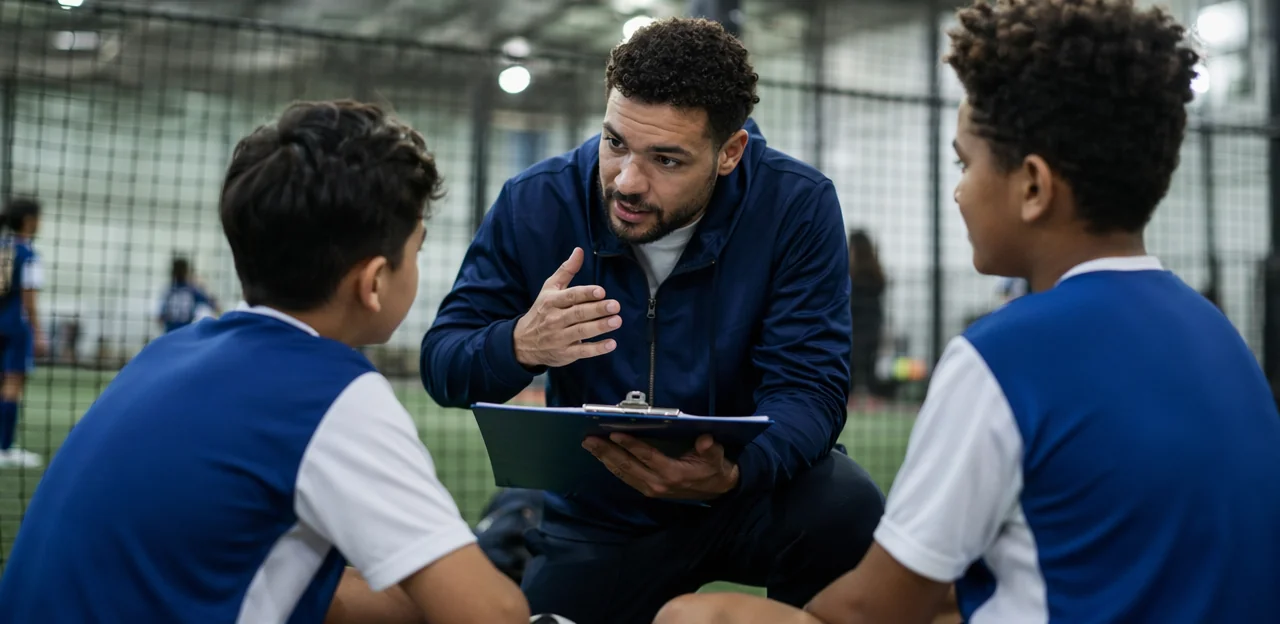
Coaching quality in sports clubs directly shapes how members feel, improve, and stay involved. Strong coaching builds athlete confidence, supports skill development, and creates a safer, more motivating environment. That impact extends beyond the field to the full sports club customer experience.
- Athlete development: Clear instruction, consistency, and constructive communication help players progress faster.
- Parent satisfaction: Parents notice organisation, fairness, safety, and whether coaches support each child’s growth.
- Retention: Positive coaching experiences increase trust, loyalty, and season-to-season participation.
This is why sports club coach feedback matters. It is not just an admin exercise—it is a strategic tool for spotting coaching gaps, improving standards, and protecting trust. Clubs that collect regular, timely feedback can act earlier, support coaches better, and deliver a stronger member experience overall.
Why trust is essential in feedback systems
Without trust, sports club coach feedback can quickly feel punitive rather than helpful. Poorly managed systems often lead to:
- Defensiveness: coaches reject feedback they see as vague, biased, or inconsistent
- Low morale: repeated criticism without support reduces motivation and confidence
- Distrust: unclear scoring or anonymous complaints can damage coach trust in sports clubs
To build strong coach feedback trust, clubs should make every process transparent and practical. A fair coach evaluation framework works best when coaches understand:
- what is being measured
- who gives feedback
- how results will be used
- what development support follows
When feedback is fair, evidence-based, and focused on growth, coaches are far more likely to engage, improve, and support the system long term.
Better sports club coach feedback benefits every stakeholder when the process is clear, regular, and constructive:
- Club leaders: Structured sports club management feedback reveals coaching strengths, recurring issues, and training needs. It supports accountability, protects standards, and helps leaders make fair, evidence-based decisions.
- Coaches: A defined coach development process turns feedback into practical improvement goals, not personal criticism. Coaches gain clearer expectations, support, and measurable progress over time.
- Athletes: Consistent check-ins improve trust, motivation, and performance. Athletes feel heard when feedback covers communication, session quality, and wellbeing.
- Parents: Reliable athlete and parent feedback reduces misunderstandings and builds confidence in the club’s culture, safety, and development approach.
Used well, feedback loops strengthen communication, encourage continuous improvement, and align the whole club around better experiences and results.
How to build a fair and effective coach feedback framework

Set clear goals and feedback criteria
To make sports club coach feedback fair and useful, clubs should first define what “good coaching” means in practice. A shared coach evaluation framework helps coaches understand expectations and gives parents, athletes, and managers a consistent basis for feedback.
Use clear coach feedback criteria such as:
- Communication: instructions are clear, respectful, and age-appropriate
- Safety: sessions are well-organized, supervised, and follow safeguarding standards
- Inclusivity: every athlete feels welcome, respected, and supported
- Technical instruction: coaching improves skills through structured, relevant guidance
- Athlete engagement: players stay motivated, involved, and encouraged to develop
Turn these areas into simple scoring statements or observation checklists aligned with your club’s sports coaching standards. Keep criteria consistent across teams to reduce bias and avoid feedback based only on personality or results. Review the framework regularly so it reflects club values, athlete needs, and changing expectations.
Choose the right feedback sources
Strong sports club coach feedback should never rely on one opinion alone. A practical 360 coach feedback approach combines several viewpoints, each with clear strengths and blind spots:
- Athlete feedback: Best for understanding communication, motivation, fairness, and session quality. Limitation: results can be influenced by playing time, selection decisions, or recent wins and losses.
- Parent feedback sports club: Useful in youth settings for judging communication, safeguarding, punctuality, and overall experience. Limitation: parents may not see technical coaching closely.
- Peer review: Fellow coaches can assess planning, technical knowledge, and training design. Limitation: relationships or internal politics can affect honesty.
- Coach self assessment: Encourages reflection, ownership, and development planning. Limitation: some coaches underrate or overrate themselves.
- Manager observation: Adds structured, objective review of behaviour, standards, and delivery. Limitation: observations are only snapshots.
Use simple criteria, regular check-ins, and consistent scoring to combine these sources into a fairer, more balanced view.
Decide on timing, frequency, and format
A strong sports club coach feedback process works best when feedback is planned, not improvised. Build a clear rhythm into your sports club feedback system so coaches know when input is collected and how it will be used.
- Seasonal reviews: Run a full coach feedback survey at the end of each season to assess communication, player development, and overall experience.
- Post-program surveys: Gather quick feedback after camps, tournaments, or training blocks while details are still fresh.
- Ongoing check-ins: Use short monthly or quarterly pulse surveys to spot issues early and build trust over time.
Choose formats that fit your club culture:
- Anonymous coach feedback surveys encourage honest responses on sensitive topics.
- 1-to-1 interviews add context and help explore patterns behind survey scores.
- Digital tools like QR surveys, club apps, or platforms such as Tapsy can simplify collection, tracking, and follow-up.
Keep surveys short, consistent, and easy to complete.
Balancing honesty, trust, and psychological safety

How to encourage honest feedback without fear
To improve sports club coach feedback, clubs must make it safe for athletes and parents to speak openly without risking trust or relationships. The goal is not blame, but better coaching, communication, and athlete experience.
- Offer safe feedback channels: Use a mix of 1:1 check-ins, designated welfare contacts, and anonymous sports club surveys for sensitive issues.
- Set clear expectations: Explain what feedback is for, what topics are appropriate, and how concerns will be reviewed.
- Protect confidentiality: Limit who sees responses and remove identifying details when sharing patterns with coaches.
- Close the loop: Tell members how feedback will be used, what actions were taken, and when they can expect updates.
This approach builds psychological safety in sports clubs and leads to more honest coach feedback that supports improvement, not conflict.
How to present feedback constructively to coaches
Effective sports club coach feedback should help coaches improve, not feel attacked. The best feedback conversations with coaches are private, specific, and focused on recurring patterns rather than one-off frustrations.
- Start with observable facts: Refer to clear examples, such as repeated communication gaps, inconsistent training structure, or player concerns raised over time.
- Focus on patterns, not personalities: Frame issues around impact on athletes and team experience, which makes constructive coach feedback easier to accept.
- Be actionable: In a coach performance review, pair feedback with practical support like mentoring, CPD, or shared session-planning tools.
- Use respectful language: Avoid blame, assumptions, or public criticism. Keep discussions solution-oriented.
- Agree next steps: Set measurable goals, timelines, and follow-up check-ins to build trust and accountability.
How to manage bias, emotion, and outlier comments
Not all sports club coach feedback should carry equal weight. To reduce feedback bias in sports clubs, clubs need a fair review process that separates patterns from personal reactions.
- Look for trends, not single remarks: One-off complaints may reflect a bad day, not a coaching issue. Repeated comments across teams, sessions, or time periods matter more.
- Check the context: Consider injuries, selection decisions, playing time, or recent losses that may shape emotionally charged responses.
- Watch for personal conflicts: Parent-coach or athlete-coach tensions can distort feedback, so compare comments with wider survey data and observations.
- Use coach review best practices: Combine anonymous feedback, performance metrics, and manager check-ins.
- Be careful when handling negative coach feedback: Investigate isolated comments before acting, and avoid making decisions based on one angry response alone.
Turning feedback into coach development and club improvement

Create action plans coaches can actually use
To make sports club coach feedback meaningful, turn broad comments into a simple, trackable coach development plan. Focus on the few changes that will have the biggest impact on athlete experience and performance.
- Translate feedback into goals: If players mention unclear instructions, set a goal such as “give concise drill explanations and confirm understanding twice per session.”
- Set training priorities: Use targeted sports coach training like communication workshops, safeguarding refreshers, or session-planning support.
- Add practical support: Pair coaches with a mentor, schedule peer or head-coach session observation, and review one improvement area at a time.
- Measure progress: Track attendance, athlete satisfaction, session structure, or observation scores over 4–8 weeks.
This structured approach supports improving coaching quality while building trust and accountability.
Support coaches with mentoring and resources
Effective sports club coach feedback should never stop at pointing out gaps. If clubs want better coaching, they must pair feedback with practical support that builds confidence and capability over time.
A strong coach support system can include:
- Coach mentoring sports club programmes: match less-experienced coaches with trusted senior mentors for regular guidance, reflection, and problem-solving.
- Continuous professional development coaches can apply immediately: offer workshops, shadowing, safeguarding refreshers, and session-planning training linked to real coaching challenges.
- Peer learning opportunities: create short review meetings where coaches share what worked, what did not, and how they adapted.
- Leadership check-ins: schedule supportive follow-ups after feedback so coaches feel backed, not judged.
When support is consistent, feedback becomes a pathway to improvement rather than a source of anxiety.
Use feedback trends to improve club operations
Looking at sports club coach feedback over time helps leaders spot patterns that go beyond one session or one individual. When the same issues appear repeatedly, they often point to wider operational gaps that affect both experience and performance.
- Scheduling: repeated comments about rushed sessions, overcrowding, or late starts may signal timetable or capacity problems.
- Communication: confusion around cancellations, selection, or expectations often highlights weak member messaging processes.
- Safeguarding: recurring concerns about boundaries, supervision, or reporting routes require immediate review.
- Program design: feedback about boredom, uneven challenge levels, or low progression can reveal coaching and structure issues.
Treat feedback as operational data, not just opinion. Tracking themes monthly gives clubs stronger member feedback insights, supports sports club improvement, and connects club operations and coaching quality more effectively.
Common mistakes sports clubs should avoid

Using feedback only when there is a problem
A reactive coach feedback approach can feel punitive: coaches only hear from leaders when something goes wrong. That weakens trust and makes sports club coach feedback feel like discipline rather than development.
- Schedule regular coach reviews monthly or quarterly, not just after complaints or poor results.
- Use the same simple criteria each time to build fairness and clarity.
- Balance improvement points with recognition of what is working well.
This routine strengthens sports club feedback culture, normalizes evaluation, reduces anxiety, and helps coaches act on feedback before small issues become bigger problems.
Collecting feedback but failing to act on it
Asking for sports club coach feedback but doing nothing with it quickly undermines trust. Members and coaches notice when surveys lead nowhere, and that damages credibility, reduces future participation, and weakens improvement efforts. Prioritise acting on coach feedback by closing the feedback loop clearly:
- Share the main themes you heard
- Explain what will change, and when
- Outline any training, tools, or support coaches will receive
Strong sports club survey follow up shows feedback matters and turns listening into visible progress.
Overcomplicating the process
A strong sports club coach feedback approach should be easy to run, not hard to maintain. When forms are too long or inconsistent, staff stop using them and members stop responding. For small sports club management, a simple coach feedback system works best:
- Use 3–5 fixed questions after sessions or monthly
- Add one optional comment box for context
- Assign one person to review feedback weekly
- Track trends in a basic spreadsheet or low-cost tool
This creates a practical feedback process that saves time, builds trust, and fits limited staff and budgets.
Best practices for implementing a sustainable feedback culture

Communicate the purpose from the start
When sports club coach feedback is introduced, clubs should frame it as a shared improvement tool, not a judgment system. A clear sports club communication strategy helps reduce resistance and builds trust across the whole community.
- For coaches: explain that feedback supports development, highlights strengths, and identifies where the club can offer training or resources.
- For parents: position it as a way to improve safety, communication, and the overall member experience sports clubs provide.
- For athletes: keep the message simple: their voice helps create better sessions, stronger relationships, and a more positive team environment.
When introducing coach feedback, share how feedback is collected, who sees it, and how it will be used. Transparency is what turns feedback into trust.
Use technology and data responsibly
To improve sports club coach feedback without damaging trust, clubs should combine useful tools with clear privacy rules:
- Use sports club survey tools to collect only what you need, such as session ratings, communication feedback, and safeguarding concerns.
- Store responses in secure customer experience software sports clubs already use, such as a CRM, with role-based access so only relevant staff can view sensitive comments.
- Build reporting dashboards around trends, not individuals, unless follow-up is necessary and consent is clear.
- Set retention policies, anonymise data where possible, and explain how feedback will be used.
Strong feedback data privacy practices help clubs act on insights while protecting members, parents, and coaches.
Measure success over time
To measure coaching quality effectively, clubs should review trends monthly or quarterly and compare results across teams, age groups, and seasons. A strong sports club coach feedback process should lead to visible improvements in both experience and performance.
- Retention: Track renewals, drop-off rates, and attendance as core sports club retention metrics.
- Satisfaction: Monitor athlete and parent ratings, comment themes, and trust scores.
- Complaints: Measure how often issues arise, how serious they are, and how quickly they are resolved.
- Coach engagement: Review response rates, follow-up actions, and participation in development plans.
- Athlete development: Link feedback to progress in skills, confidence, enjoyment, and team culture.
This is how clubs judge true feedback system success.
Conclusion
In the end, effective sports club coach feedback is not about constant criticism or surface-level praise—it is about creating a clear, respectful system that helps coaches improve while strengthening trust across the club. The most successful sports associations and clubs combine timely input, consistent evaluation standards, and open communication so feedback feels constructive rather than personal. When athletes, parents, administrators, and coaches all understand the purpose of feedback, clubs can raise coaching quality without damaging relationships.
A strong sports club coach feedback process also supports the broader customer experience. Better coaching leads to stronger athlete development, higher satisfaction, improved retention, and a more positive club reputation. That is why clubs should focus on practical next steps: define feedback criteria, choose the right moments to collect input, train leaders on how to deliver it well, and review results regularly to spot patterns and opportunities for development.
If your club is ready to improve coaching standards while preserving trust, now is the time to build a smarter feedback framework. Start with a simple pilot, use surveys or real-time touchpoint tools, and give coaches clear follow-up support. Platforms like Tapsy can help clubs gather timely experience feedback in a simple, accessible way. For best results, pair technology with coach education, regular check-ins, and a culture centered on continuous improvement.
Frequently Asked Questions
- Why is coach feedback important in sports clubs?
Coach feedback helps clubs understand what athletes, parents, and members actually experience during sessions. It can reveal strengths, highlight areas for support, and improve communication, safety, motivation, and overall member experience.
- How does coaching quality affect member experience and retention?
Strong coaching supports skill development, confidence, and a safer, more motivating environment. Positive coaching experiences also build trust and loyalty, which can increase season-to-season participation.
- What makes a coach feedback system feel fair instead of punitive?
A fair system is transparent about what is being measured, who gives feedback, how results are used, and what support follows. Feedback works better when it is evidence-based, consistent, and focused on growth rather than blame.
- What criteria should a sports club use to evaluate coaches?
Useful criteria include communication, safety, inclusivity, technical instruction, and athlete engagement. Clubs can turn these into simple scoring statements or observation checklists aligned with their coaching standards.
- Should clubs rely on one source of feedback or use multiple perspectives?
Clubs should use multiple sources because each one shows a different part of the coaching experience. A balanced approach can include athlete feedback, parent input, peer review, self-assessment, and manager observation.
- What are the strengths and limits of athlete and parent feedback?
Athlete feedback is useful for understanding communication, motivation, fairness, and session quality, but it can be influenced by playing time or recent results. Parent feedback is especially helpful in youth settings for communication, safeguarding, punctuality, and overall experience, though parents may not see technical coaching closely.
- How often should sports clubs collect coach feedback?
A practical rhythm can include end-of-season reviews, post-program surveys after camps or tournaments, and short monthly or quarterly pulse checks. Planned, regular feedback helps clubs catch issues early and build trust over time.
- What feedback formats work best for sports clubs?
Anonymous surveys can encourage honesty on sensitive topics, while 1-to-1 interviews add context behind scores and comments. Digital options such as QR surveys, club apps, or tools like Tapsy can make collection, tracking, and follow-up easier.
- How can clubs encourage honest feedback without damaging relationships?
Clubs can offer safe channels such as anonymous surveys, welfare contacts, and private check-ins. They should also explain the purpose of feedback, protect confidentiality, and clearly communicate what actions will follow.
- How should leaders present negative feedback to coaches?
Feedback should be shared privately, respectfully, and with specific examples of recurring issues rather than one-off frustrations. It is most effective when paired with practical support, measurable next steps, and follow-up check-ins.
- How can a club reduce bias and avoid overreacting to outlier comments?
Leaders should look for trends across time, teams, and sources instead of acting on a single emotional remark. It also helps to check context, such as injuries, selection decisions, or personal conflicts, before making decisions.
- What should happen after feedback is collected?
Feedback should be translated into simple, trackable development goals with clear priorities and timelines. Clubs can support progress through mentoring, training, observation, and follow-up over the next 4–8 weeks.
- How can coach feedback improve club operations, not just individual coaching?
Repeated feedback themes can point to wider issues such as scheduling problems, weak communication, safeguarding concerns, or poor program design. Tracking these patterns helps leaders improve both operations and coaching quality.
- What common mistakes should sports clubs avoid in coach feedback systems?
Clubs should avoid only using feedback when there is a problem, collecting input without acting on it, and making the process too complicated. Simple, regular reviews with clear follow-up are more sustainable and more trusted.
- How should clubs use technology and data responsibly in coach feedback?
Clubs should collect only the information they need, store it securely, and limit access to relevant staff. Reporting should focus on trends where possible, with anonymisation, retention rules, and clear communication about how feedback will be used.