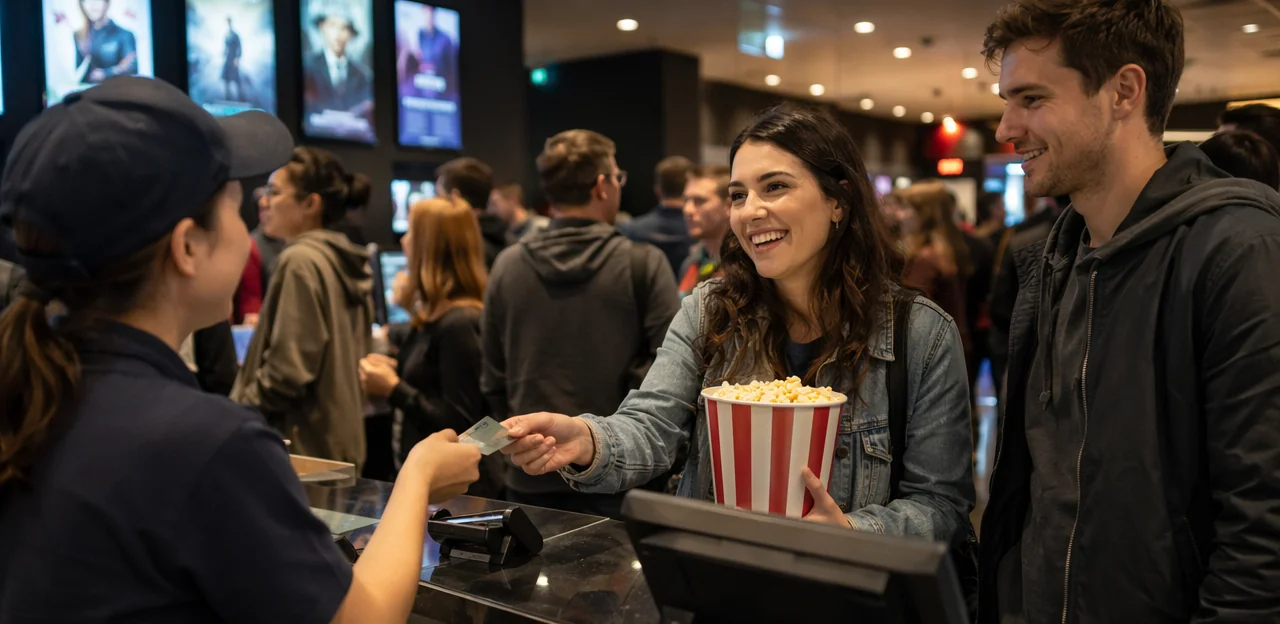
A great movie can still be overshadowed by a frustrating cinema experience. Long concession lines, unclear seating issues, poor sound quality, or cleanliness concerns can all shape how audiences remember a visit—and whether they choose to come back. In an industry where repeat attendance is critical, understanding what guests experience in real time is no longer a nice-to-have. It is a competitive advantage.
This is where cinema feedback software becomes essential. Rather than relying only on post-visit surveys or public reviews, cinemas can capture audience sentiment while the experience is still happening or immediately after key touchpoints. That means faster issue resolution, better operational visibility, and more opportunities to turn a disappointing visit into a positive one before it affects loyalty.
The right feedback tools can help cinemas identify recurring problems, improve service at concession stands, monitor auditorium conditions, and gather insights that support stronger loyalty and retention strategies. Some solutions, such as Tapsy, also make it easier to collect feedback through simple no-app touchpoints and encourage participation with rewards.
In this article, we’ll explore how cinema feedback software helps improve audience experience, what features to look for when selecting a platform, and how the right system can drive repeat visits and long-term customer loyalty.
Why Cinema Feedback Software Matters for Modern Cinemas

Audience satisfaction is the clearest predictor of repeat visits. When the audience experience feels smooth and enjoyable, guests are more likely to return, recommend the cinema, and spend more on concessions. Strong cinema customer satisfaction also protects long-term revenue by reducing negative reviews and boosting loyalty.
Cinema feedback software helps teams spot and fix the issues that most affect retention, including:
- Booking: confusing checkout, payment failures, poor seat selection flow
- Arrival: parking issues, long queues, unclear signage
- In-screen experience: uncomfortable seating, sound or temperature problems
- Venue standards: cleanliness in auditoriums, toilets, and concession areas
- Staff service: slow help, inconsistent friendliness, unresolved complaints
With real-time feedback, cinemas can act quickly on friction points, improve each visit, and turn one-time guests into regular customers. Solutions like Tapsy can support this with fast, touchpoint-level insights.
Without the right cinema feedback software, cinemas often struggle to turn audience opinions into consistent operational improvements. Common customer feedback challenges include:
- Paper surveys are low-value and slow: They are easy to ignore, hard to analyze, and rarely capture feedback while the visit is still fresh. That limits the usefulness of traditional cinema survey tools.
- Online reviews are scattered: Valuable movie theater feedback ends up across Google, Facebook, and review sites, making trends harder to spot and act on quickly.
- Complaint handling is delayed: If issues about sound, seating, cleanliness, or queues are only seen after the visit, staff lose the chance to recover the experience in real time.
- Customer data is incomplete: Without centralized data, cinemas cannot connect feedback to visits, loyalty behavior, or repeat attendance.
Tools like Tapsy can help unify feedback and speed up action.
How software turns feedback into operational insight
Modern cinema feedback software helps teams replace scattered comments with clear, measurable actions. Instead of relying on staff anecdotes or occasional reviews, cinemas can use a customer insight platform to spot what is affecting audience satisfaction across sites, screens, and showtimes.
- Centralized dashboards bring ratings, comments, and issue categories into one view, making it easier to compare locations and identify recurring problems.
- Automated surveys capture feedback right after ticket purchase, concession visits, or screenings, when impressions are still fresh.
- Sentiment tracking turns open-text responses into usable feedback analytics, highlighting themes such as cleanliness, queue times, sound quality, or staff service.
- Trend reporting shows whether changes improve results over time, helping managers prioritize fixes, measure impact, and support repeat visits.
Tools like Tapsy can also help capture real-time, touchpoint-level audience insight.
Core Features to Look for in Cinema Feedback Software

Survey collection across the full cinema journey
To get useful insights, cinema feedback software should capture responses at every key stage of the visit, not just after the credits roll. Audience expectations can change from booking to exit, so multi-touchpoint cinema customer surveys reveal where friction starts and where loyalty is won.
- Ticket booking: Ask short questions about pricing clarity, seat selection, and checkout ease.
- Mobile apps and kiosks: Capture feedback on usability, queue reduction, and upsell relevance.
- In-venue QR codes: Use QR code feedback at entrances, concessions, restrooms, and auditoriums to collect fast, in-the-moment responses.
- Post-visit email and SMS: Send targeted post-visit surveys to measure overall satisfaction, film enjoyment, staff service, and likelihood to return.
This approach helps cinemas spot operational issues earlier, compare touchpoints, and act faster. Tools like Tapsy can support no-app QR-based collection that makes feedback simple and immediate.
Analytics, sentiment analysis, and reporting dashboards
Strong cinema feedback software should do more than collect ratings; it should turn them into clear operational insight. A well-built feedback dashboard helps cinema teams spot patterns quickly and act where improvements will have the biggest effect on audience satisfaction and repeat visits.
- Compare performance by location to identify venue-specific issues or best practices.
- Break down feedback by screen to uncover recurring problems such as sound, temperature, seating, or cleanliness.
- Track results by film type and time slot to see how audience expectations differ for family films, blockbusters, late shows, or premium screenings.
- Segment responses by customer type such as members, first-time visitors, or frequent guests.
Sentiment analysis adds extra value by scanning open-text comments for tone, themes, and urgency. This helps teams find hidden issues faster, prioritize service recovery, and use cinema analytics software to guide staffing, maintenance, programming, and loyalty strategies.
Integrations with loyalty, CRM, and ticketing systems
The real value of cinema feedback software appears when it connects with the systems you already use. Without cinema CRM integration, feedback stays isolated; with it, comments and ratings can be tied to customer profiles, visit frequency, genre preferences, and past issues.
When comparing platforms, prioritize:
- Loyalty software integration to link feedback with points activity, memberships, rewards redemption, and repeat-visit behavior
- Ticketing system integration to connect survey responses to booking history, showtime, screen, seat type, and concession purchases
- CRM sync so teams can trigger retention campaigns, win-back offers, or service recovery messages based on low scores or recurring complaints
Unified data helps cinemas spot patterns faster, such as whether premium members are less satisfied with queues or whether first-time visitors need stronger follow-up. Solutions like Tapsy can be more effective when integrated into this broader customer data ecosystem.
How Feedback Software Improves Audience Experience

Identifying and fixing high-impact pain points
To improve audience experience, cinemas should use cinema feedback software to spot recurring issues by location, screen, and showtime, then prioritize the problems that most affect satisfaction and repeat visits. Focus on patterns, not one-off complaints.
- Long queues: Track feedback at ticketing, concessions, and entry points. Add peak-time staffing, self-service kiosks, or express pickup lanes.
- Poor seat comfort: Flag auditoriums with repeated complaints and schedule repairs or seat replacements by urgency.
- Audio issues: Monitor comments about volume, clarity, or distortion, then alert projection and technical teams immediately.
- Temperature problems: Use feedback to identify screens that are consistently too hot or cold and adjust HVAC settings faster.
- Cleanliness concerns: Route reports on sticky floors, restrooms, or overflowing bins to cleaning teams in real time.
Tools like Tapsy can help cinemas act faster, improving cinema service quality and the overall movie theater customer experience.
Personalizing communication and service recovery
Cinema feedback software helps cinemas turn negative moments into loyalty-building opportunities by triggering fast, relevant follow-up after a poor visit. Instead of sending generic replies, teams can use feedback data to tailor personalized customer communication based on the issue, location, showtime, or guest history.
- Send immediate follow-up messages that acknowledge the specific problem and confirm action.
- Offer apology vouchers, free concessions, or ticket credits as part of effective service recovery.
- Use targeted incentives for guests affected by long queues, sound issues, seating problems, or cleanliness concerns.
- Segment outreach by audience type, such as families, loyalty members, or frequent evening visitors.
This approach strengthens trust, improves response rates, and supports a smarter cinema retention strategy focused on winning back disappointed guests before they stop returning.
Using feedback to improve staff training and consistency
Location-level and team-level reporting in cinema feedback software gives managers clear, practical staff training insights they can act on quickly. Instead of relying on anecdotal complaints, cinemas can spot patterns by site, shift, or service area and coach teams with precision.
- Identify recurring issues: Track low scores tied to greeting quality, queue handling, cleanliness, or concession speed.
- Coach by location and team: Use feedback trends to tailor refresher training for specific sites or departments.
- Standardize service delivery: Turn top feedback themes into checklists, scripts, and service standards that improve customer service consistency.
- Recognize high performers: Benchmark teams across cinema sites and reward those delivering standout guest experiences.
Platforms such as Tapsy can support this real-time approach, helping drive ongoing cinema operations improvement and stronger repeat visits.
Using Cinema Feedback Software to Increase Loyalty and Retention

Connecting feedback with loyalty program behavior
To improve customer retention, cinemas should connect survey results with cinema loyalty programs data rather than reviewing feedback in isolation. With cinema feedback software, you can compare satisfaction scores against:
- Loyalty membership status: Are members rating premium seating, concessions, or booking convenience higher than non-members?
- Visit frequency: Which audience segments return most often after high-scoring experiences?
- Offer redemption: Do guests who redeem snack bundles, upgrades, or points-based rewards report better experiences and stronger repeat attendance?
This analysis helps identify what actually drives return visits. For example, if high satisfaction and reward redemption consistently align, cinemas can expand those offers. If frequent visitors give lower scores on queues or cleanliness, teams can fix those friction points before they affect loyalty. Tools like Tapsy can help link real-time feedback with reward-driven engagement.
Triggering retention campaigns from audience insights
With cinema feedback software, every response can power smarter retention campaigns across the full customer lifecycle marketing journey. The key is to segment follow-up by sentiment and behavior, then act quickly.
- Negative or neutral feedback: trigger a win-back strategy within 24–72 hours. Send a tailored apology, a discounted return ticket, bonus loyalty points, or a concession offer tied to the issue raised.
- Positive feedback: move guests into upsell and advocacy flows. Promote memberships, premium seating, private screenings, or snack bundles based on past visits.
- Highly satisfied audiences: ask for public reviews, referrals, or social sharing while the experience is still fresh.
Platforms such as Tapsy can help cinemas capture real-time feedback and route each audience segment into the right next-step campaign automatically.
Measuring the impact on repeat visits and revenue
To prove the value of cinema feedback software, connect feedback data with booking, loyalty, and POS systems so you can track behavior after each response. Focus on metrics that clearly show cinema ROI:
- Repeat visit rate: measure how many guests return within 30, 60, or 90 days after leaving feedback.
- Average spend: compare ticket and basket value for guests with high vs. low satisfaction scores.
- Concession purchases: track whether improved service, speed, or cleanliness increases food and drink sales.
- Satisfaction trends: monitor NPS, CSAT, complaint categories, and recovery times by screen, showtime, or location.
Then calculate customer lifetime value by segment to show how better experiences increase long-term revenue. Platforms such as Tapsy can help capture real-time audience feedback and link it to repeat engagement signals.
How to Choose the Right Cinema Feedback Software

Key software selection criteria for cinema operators
Use this practical software selection checklist when evaluating cinema feedback software:
- Ease of use: Staff should launch surveys, review alerts, and act on issues without training delays. Guests should be able to respond in seconds on mobile.
- Scalability: Choose a platform that works for both single-site venues and multi-site cinema groups, with location-level benchmarking.
- Integration options: Prioritize tools that connect with CRM, ticketing, loyalty, email, and POS systems for smoother workflows.
- Automation: Look for real-time alerts, issue routing, follow-up messages, and closed-loop recovery.
- Data security: Confirm GDPR compliance, role-based access, secure storage, and consent management.
- Multilingual support: Essential for diverse audiences and tourist-heavy locations.
- Reporting flexibility: Strong dashboards should compare screens, sites, showtimes, and campaign results.
A smart feedback platform comparison should balance operational simplicity with long-term growth.
Questions to ask vendors before making a decision
Before choosing cinema feedback software, ask each provider the same core questions so you can compare offers fairly:
- Implementation timeline: How long will setup, staff training, integrations, and launch take across one site or multiple cinemas?
- Support: What onboarding, response times, and escalation processes are included after go-live?
- Customization: Can surveys, alert rules, branding, and audience segments be tailored to your cinema journey?
- Benchmarking: Does the platform let you compare locations, showtimes, or industry averages to spot performance gaps?
- Pricing model: Is pricing based on screens, venues, responses, users, or features, and what extra costs apply?
- Data ownership: Who owns customer data, feedback history, and exported reports if you switch cinema technology vendors?
Use a feedback software demo to verify these answers in practice, not just in sales materials.
Implementation best practices for fast adoption
A successful cinema feedback software launch starts with a simple, disciplined plan that supports long-term cinema digital transformation.
- Set clear goals first: define what success looks like, such as higher response rates, faster issue resolution, better concession feedback, or more repeat visits.
- Train frontline staff: explain why feedback matters, how the platform works, and who handles alerts during busy showtimes.
- Start with a pilot program: test the software implementation in one location or a few high-traffic touchpoints before scaling chain-wide.
- Use survey design standards: keep surveys short, mobile-friendly, and focused on 1–3 questions plus an optional comment.
- Create a rapid action loop: assign owners, set response times, and review trends weekly so the customer feedback rollout leads to visible improvements.
Tools like Tapsy can help simplify fast, touchpoint-based deployment.
Best Practices and KPIs for Long-Term Success
- Keep surveys to 2–4 questions to lift survey response rates and reduce drop-off after the film.
- Time requests well: send them right after the screening or at exit while the experience is fresh.
- Use mobile feedback surveys via QR codes, SMS, or no-app links for fast completion.
- Offer small, relevant incentives through cinema feedback software—such as loyalty points or snack discounts—without rewarding only positive responses.
The most important KPIs for cinema feedback programs
Track these customer feedback KPIs consistently to improve audience experience and retention with cinema feedback software:
- NPS for cinemas: measures likelihood to recommend your venue
- CSAT metrics: score satisfaction after booking, concessions, seating, and showtime
- Response rate: shows feedback volume and survey reach
- Complaint resolution time: tracks service recovery speed
- Repeat visit rate and loyalty sign-ups: link feedback to retention
- Review sentiment: monitors trends in public perception over time
- Use cinema feedback software to create a true continuous improvement cycle across every site.
- Schedule regular reviews with multi-location reporting to spot recurring issues in seating, cleanliness, concessions, or staff service.
- Apply cinema performance benchmarking to compare locations fairly and identify top-performing teams.
- Assign managers clear ownership of low-scoring areas, with deadlines and action plans.
- Recheck results monthly to confirm fixes are improving audience experience and repeat visits.
Conclusion
In a competitive entertainment market, the cinemas that win repeat visits are the ones that listen, respond, and improve quickly. That’s where cinema feedback software becomes a strategic advantage. By collecting real-time audience input at key touchpoints—from ticketing and concessions to seating comfort, sound quality, and overall service—cinemas can identify friction before it turns into negative reviews or lost loyalty.
The biggest value of cinema feedback software is not just in gathering opinions, but in turning feedback into action. With the right platform, operators can spot recurring issues, resolve service problems faster, measure audience satisfaction over time, and create more personalized experiences that encourage guests to come back. Combined with loyalty and retention strategies, these insights help transform one-time moviegoers into regular customers.
If your cinema wants to improve audience experience and increase repeat visits, now is the time to invest in a smarter feedback process. Start by mapping your customer journey, choosing the right feedback touchpoints, and selecting cinema feedback software that offers real-time alerts, simple reporting, and engagement features. Solutions such as Tapsy can also support in-the-moment feedback collection and reward-driven participation. Explore demos, compare features, and take the next step toward a more responsive, audience-focused cinema experience.
Frequently Asked Questions
- What is cinema feedback software used for?
Cinema feedback software helps cinemas capture audience sentiment during or immediately after key parts of the visit. It is used to identify service issues faster, improve operations, and support repeat visits by acting before dissatisfaction turns into lost loyalty.
- Why is real-time feedback more useful for cinemas than only post-visit surveys?
Real-time feedback gives staff a chance to resolve problems while the visit is still happening or while impressions are still fresh. That makes it easier to recover poor experiences related to queues, sound, seating, cleanliness, or service before they affect future attendance.
- Which cinema pain points can feedback software help uncover?
It can reveal recurring issues across booking, arrival, in-screen experience, venue standards, and staff service. Common examples include payment failures, parking problems, long queues, uncomfortable seating, poor sound, temperature issues, and cleanliness concerns.
- How does cinema feedback software improve operational decision-making?
It replaces scattered comments with centralized dashboards, automated surveys, sentiment tracking, and trend reporting. This helps teams compare locations, screens, showtimes, and customer segments so they can prioritize the fixes that matter most.
- What touchpoints should a cinema include in its feedback collection strategy?
A strong setup covers the full customer journey, including ticket booking, mobile apps, kiosks, in-venue QR codes, and post-visit email or SMS. Collecting feedback at multiple touchpoints helps cinemas see where friction starts and where loyalty is built.
- What features should operators look for when choosing cinema feedback software?
Important features include multi-touchpoint survey collection, reporting dashboards, sentiment analysis, and integrations with loyalty, CRM, ticketing, email, and POS systems. Operators should also look for automation, scalability, data security, multilingual support, and flexible reporting.
- How can analytics and sentiment analysis help cinema teams act faster?
Analytics can break down feedback by location, screen, film type, time slot, and customer type to show where problems are concentrated. Sentiment analysis adds value by scanning open-text comments for tone, themes, and urgency, making hidden issues easier to spot.
- Why do integrations with loyalty, CRM, and ticketing systems matter?
Integrations connect feedback with customer profiles, booking history, memberships, reward activity, and repeat-visit behavior. This gives cinemas a clearer view of which experiences drive retention and which complaints require follow-up or service recovery.
- How can cinemas use feedback to reduce queues, cleanliness issues, and technical problems?
Teams can track patterns by location, screen, and showtime, then focus on the highest-impact recurring issues. The recommended actions include adding peak-time staffing, using self-service kiosks, scheduling seat repairs, alerting technical teams about audio issues, adjusting HVAC settings, and routing cleaning reports in real time.
- Can cinema feedback software support personalized service recovery?
Yes, it can trigger follow-up based on the specific issue, location, showtime, or guest history. Cinemas can send tailored apologies, offer ticket credits or concessions, and segment outreach for groups such as families, loyalty members, or frequent evening visitors.
- How does feedback data help improve staff training and service consistency?
Managers can use location-level and team-level reporting to identify patterns tied to greeting quality, queue handling, concession speed, or cleanliness. Those insights can then be turned into targeted coaching, service checklists, scripts, and recognition for high-performing teams.
- How can cinemas connect feedback to loyalty and repeat attendance?
Cinemas can compare satisfaction scores with loyalty membership status, visit frequency, and offer redemption behavior. This helps identify which experiences and rewards are most closely linked to stronger repeat attendance and where friction may be weakening retention.
- What retention campaigns can be triggered from audience feedback?
Negative or neutral responses can trigger win-back messages within 24 to 72 hours, such as an apology, discounted return ticket, bonus points, or a concession offer. Positive responses can feed upsell and advocacy campaigns for memberships, premium seating, private screenings, referrals, or public reviews.
- Which KPIs should cinemas track to measure the impact of feedback software?
Key metrics include NPS, CSAT, response rate, complaint resolution time, repeat visit rate, loyalty sign-ups, review sentiment, average spend, and concession purchases. Tracking these over time helps show whether operational changes are improving audience experience and revenue.
- What are the best practices for launching cinema feedback software successfully?
Start with clear goals, train frontline staff, and pilot the system in one location or a few high-traffic touchpoints before scaling. Surveys should stay short and mobile-friendly, and teams should assign owners, response times, and regular review routines so feedback leads to visible improvements.