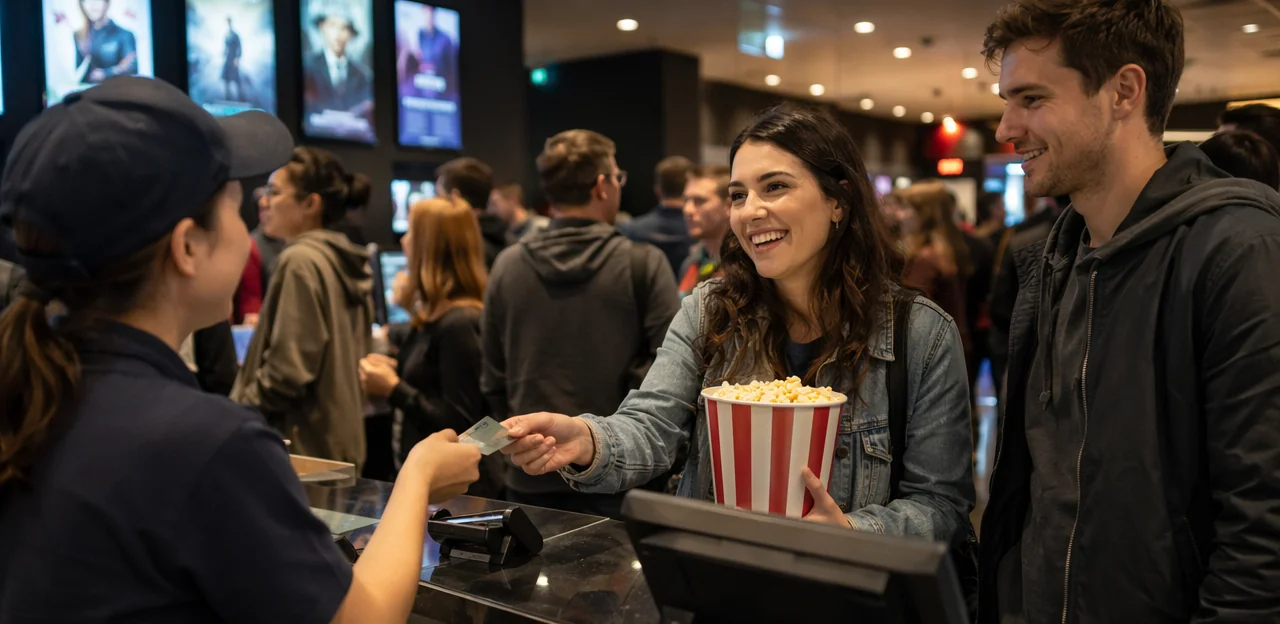
A memorable cinema experience depends on far more than what happens on screen. From the ease of ticketing and the comfort of seating to concession wait times, sound quality, cleanliness, and staff interactions, every touchpoint shapes how audiences feel about a visit. When cinemas want to understand what is working and where friction is hurting satisfaction, the right feedback process becomes essential.
That is where cinema feedback templates can make a real difference. Instead of relying on vague reviews or inconsistent surveys, cinemas can use structured templates to gather clear, actionable insights across screenings, concessions, and facilities. Well-designed feedback forms help operators spot recurring issues faster, improve customer service, and create a smoother, more enjoyable audience experience.
In this article, we will explore how cinema feedback templates support better customer experience management, what questions to include for different cinema touchpoints, and how to tailor templates for practical day-to-day use. We will also look at how real-time feedback approaches, including tools like Tapsy, can help cinemas capture audience sentiment while the experience is still fresh. Whether you run a single venue or manage multiple locations, the right template strategy can turn feedback into meaningful operational improvement.
Why Cinema Feedback Templates Matter

How feedback supports audience experience goals
Structured cinema feedback templates help teams measure the full audience experience, not just overall satisfaction. By collecting consistent feedback at each touchpoint, cinemas can spot what delights guests and what creates friction in the cinema customer experience.
- Track the full journey: capture feedback on online booking, ticket collection, queue times, seat comfort, sound quality, concessions, cleanliness, and exit flow.
- Identify recurring issues: structured responses make it easier to detect patterns such as long waits, poor temperature control, or confusing signage.
- Act faster: clear categories help staff route issues to the right team and improve service recovery.
- Improve decisions: use trends to refine staffing, maintenance, menus, and screening operations.
Tools like Tapsy can support real-time, touchpoint-level feedback collection.
Benefits of using standardized cinema feedback templates
Standardized cinema feedback templates help cinemas collect better data and act on it faster. Instead of asking different questions at each site or screening, teams use the same structure, making results more reliable and easier to compare.
- Create consistency: Use the same questions for screenings, concessions, cleanliness, seating, and staff service.
- Simplify comparison: Standardized customer feedback forms for cinemas make it easier to compare scores across locations, showtimes, and audience groups.
- Track trends over time: Managers can quickly spot recurring issues, such as long concession waits or poor sound quality at specific screenings.
- Support better decisions: Consistent templates make reporting clearer and help prioritize operational improvements across the cinema network.
What cinemas can learn from customer responses
Well-designed cinema feedback templates turn everyday comments into clear operational insights. Using targeted cinema survey questions and reviewing movie theater customer feedback helps teams spot what affects satisfaction most, such as:
- Service quality issues: slow ticketing, unhelpful staff, long queues, or poor issue resolution
- Concession preferences: favorite snacks, pricing concerns, combo demand, and stock shortages
- Cleanliness concerns: sticky floors, untidy seats, restroom standards, and overflowing bins
- Programming satisfaction: demand for certain genres, showtime convenience, screen quality, and sound performance
These insights help cinemas prioritize staff training, adjust food offers, improve cleaning schedules, and refine programming. Tools like Tapsy can also help collect in-the-moment feedback while the visit is still fresh.
Core Elements of Effective Cinema Feedback Templates

Questions to include for screenings and presentation quality
Strong cinema feedback templates should focus on the parts of the screening that most shape audience satisfaction. A well-designed screening feedback form or movie screening survey should include clear, specific questions such as:
- Picture quality: Was the screen image sharp, bright, and free from technical issues?
- Sound quality: Was the audio clear, balanced, and at a comfortable volume throughout the film?
- Seating comfort: Were the seats clean, comfortable, and spacious enough for the duration of the screening?
- Punctuality: Did trailers, ads, and the film start at the expected time?
- Temperature and environment: Was the auditorium comfortable, clean, and free from distractions?
- Overall enjoyment: How satisfied were you with the full viewing experience?
Use a mix of rating-scale questions and one open comment box to capture detail. For faster issue detection, cinemas can also collect real-time responses through tools like Tapsy, helping staff resolve presentation problems before they affect more guests.
Questions for concessions, food, and beverage service
A strong concessions feedback template should help cinemas identify friction points that directly affect spend and satisfaction. Within your cinema feedback templates, include short, specific prompts such as:
- Queue times: “How would you rate the wait time at the concessions counter?”
- Ease of purchase: “Was it easy to order and pay for your food and drinks?”
- Product availability: “Were the snacks, drinks, or combo items you wanted in stock?”
- Food freshness: “How fresh and well-prepared were your popcorn, hot food, or beverages?”
- Pricing perception: “Did the food and drink prices feel reasonable for the experience?”
- Staff friendliness: “How helpful and friendly was the concessions team?”
For a better cinema food and beverage survey, add one open-text prompt like: “What should we improve about our concessions experience?” Keep surveys short and place them near pickup points or receipts. Tools like Tapsy can help capture real-time feedback while the experience is still fresh.
Questions for facilities, cleanliness, and accessibility
Strong cinema feedback templates should measure how guests experience the venue beyond the screen. Use short, specific prompts in your cinema facilities feedback flow to identify operational issues quickly and improve comfort for every visitor.
Include questions such as:
- Restrooms: Were restrooms clean, stocked, and easy to find?
- Lobby and common areas: How would you rate lobby cleanliness, seating areas, and trash management?
- Signage: Was it easy to find screens, restrooms, exits, and concession areas?
- Parking and arrival: Was parking convenient, well-lit, and clearly marked?
- Accessibility: Did ramps, elevators, wheelchair spaces, and accessible restrooms meet your needs?
- Safety: Did you feel safe in the parking area, lobby, hallways, and auditorium?
- Comfort: Were temperature, lighting, noise levels, and seating comfortable throughout the venue?
For a better movie theater cleanliness survey, combine rating scales with one open-text question so guests can report exact locations. Real-time touchpoint tools such as Tapsy can help cinemas capture and act on issues before they become complaints or negative reviews.
How to Structure Templates for Better Response Quality

Choosing between rating scales, multiple choice, and open text
Strong cinema feedback templates combine quick scoring with space for detail. In effective customer feedback survey design, match the question type to the insight you need:
- Star ratings: Best for fast reactions to overall satisfaction, screen quality, sound, or concessions. They are easy to complete on mobile and ideal for trend tracking.
- Likert scales: Use when measuring agreement with statements such as “The auditorium was clean” or “Staff were helpful.” This adds more nuance to a cinema questionnaire template.
- Yes/no questions: Useful for simple operational checks, like whether queues felt too long or seats were comfortable.
- Open-ended prompts: Add one optional comment box to capture why a score was high or low and uncover issues numbers miss.
A practical mix often delivers the best balance of measurable data and richer audience insight.
Keeping surveys short, clear, and relevant
To get better insights from cinema feedback templates, keep every survey focused on one touchpoint and easy to finish in under a minute. This reduces drop-off and improves your survey response rate.
- Use short feedback forms: Ask 3–5 questions maximum, with one optional comment box.
- Write in simple language: Avoid jargon and long rating scales. Use clear prompts like “How was the screen quality?” or “Was your snack order accurate?”
- Match questions to the moment: Screening surveys should cover picture, sound, and seating; concessions surveys should focus on speed, freshness, and value; facilities surveys should ask about cleanliness, signage, and comfort.
- Capture feedback on-site: Tools like Tapsy can help collect quick, touchpoint-specific responses while the experience is still fresh.
Timing and delivery channels for cinema surveys
To get more responses from cinema feedback templates, match the survey channel to the guest journey:
- QR codes in-venue: Place a QR code feedback form on seat backs, concession counters, lobby screens, and restroom signage so guests can respond while the experience is fresh.
- SMS after the screening: Send a short link within 1–3 hours for higher open rates and fast mobile completion.
- Email follow-ups: Use a post-visit cinema survey within 24 hours to collect fuller feedback on the film, staff, concessions, and facilities.
- Printed receipts: Add survey links or QR codes to snack and ticket receipts for easy access.
- Cinema apps and loyalty programs: Trigger push notifications after attendance and offer small incentives to boost participation.
Tools like Tapsy can help cinemas capture touchpoint-level feedback without requiring an app download.
Sample Cinema Feedback Templates by Use Case

Template for general moviegoing experience
A strong general cinema feedback form should follow the full guest journey, making it easy to spot issues and improve repeat visits. Use this movie theater survey template as a practical outline within your broader cinema feedback templates library:
- Booking and pre-visit
- Ease of online booking or app purchase
- Clarity of showtimes, seat selection, and pricing
- Ticket confirmation and payment experience
- Arrival and entry
- Parking or public transport access
- Queue times at entry and ticket check
- Cleanliness of lobby, signage, and wayfinding
- Screening quality
- Picture sharpness and screen brightness
- Sound volume and clarity
- Seat comfort, temperature, and audience disruption
- Staff interactions
- Helpfulness at ticketing, ushering, and support points
- Professionalism, friendliness, and speed of service
- Overall satisfaction
- Overall rating
- Likelihood to return or recommend
- Open comment: “What should we improve first?”
For faster in-venue responses, cinemas can also collect this feedback through QR touchpoints using tools like Tapsy.
Template for concessions and in-cinema purchases
Use this cinema feedback templates section to capture fast, actionable input right after a food or drink purchase. A strong concessions survey template should stay short enough for mobile completion while covering the moments that most affect spend and satisfaction.
Suggested template questions:
- How easy was it to order your food and drinks?
- How would you rate the wait time at the counter or pickup point?
- Did your order feel like good value for money?
- How satisfied were you with the quality and freshness of your items?
- Were combo deals, upgrades, or add-ons clearly presented?
- What could have improved your purchase experience today?
Best practice tips:
- Trigger cinema purchase feedback at the till, kiosk, or pickup area via QR code.
- Use a 1–5 rating scale plus one open comment field.
- Tag responses by location, time, and queue length to identify peak-hour issues.
- Track missed upsell opportunities, such as unclear combo offers or unavailable premium items.
Tools like Tapsy can help collect this feedback in real time at the point of purchase.
Template for facilities and venue operations
A strong facilities feedback template helps cinemas spot operational issues before they affect more guests. Within your cinema feedback templates, include short, location-specific questions that staff can review quickly and act on fast.
Use this simple cinema operations survey structure:
- Cleanliness: Rate lobby, auditorium floors, armrests, cup holders, and hallways.
- Seating comfort: Ask about seat comfort, legroom, damage, stains, or broken recliners.
- Temperature: Check whether the screen was too hot, too cold, or comfortable.
- Restroom conditions: Measure cleanliness, supplies, odors, wait times, and maintenance needs.
- Accessibility: Ask about wheelchair spaces, step-free access, signage, hearing assistance, and ease of movement.
- Maintenance issues: Include a field for lighting problems, sticky floors, leaks, broken fixtures, or safety concerns.
- Open comment box: Let guests describe the exact location and issue.
For better response quality, place QR-based surveys near exits, restrooms, and lobby areas. Tools like Tapsy can help collect real-time venue feedback at these touchpoints.
Turning Feedback Into Customer Experience Improvements

How to analyze responses and spot recurring issues
To get real value from cinema feedback templates, organize responses into clear segments so patterns are easy to spot and act on. This helps teams analyze customer feedback more effectively and improve key cinema performance metrics.
- By location: Compare sites to find which cinema has repeated cleanliness, queue, or seating complaints.
- By time: Review feedback by daypart, weekend, or peak release periods to uncover staffing or wait-time issues.
- By film type: Track sentiment across family films, blockbusters, or premium screenings to see where expectations differ.
- By service area: Separate comments on concessions, restrooms, screens, sound, and staff service.
Prioritize issues by frequency, severity, and revenue impact. Tools like Tapsy can help centralize touchpoint-level feedback for faster action.
Using feedback to improve loyalty and repeat visits
Turning feedback into visible action is one of the fastest ways to build customer loyalty in cinemas. With well-designed cinema feedback templates, teams can spot recurring issues in screenings, concessions, or facilities and respond quickly.
- Close the loop: Thank guests, explain what changed, and show that suggestions led to action.
- Fix pain points fast: Improve seating comfort, queue times, sound quality, or restroom cleanliness before they affect future visits.
- Reward participation: Offer a small perk, loyalty point, or discount after feedback to improve repeat visits.
- Track trends by touchpoint: Tools like Tapsy can help capture real-time insights and support faster service recovery.
When guests see their opinions matter, trust and brand perception grow.
Closing the loop with customers and staff
Collecting feedback is only valuable if cinemas act on it. A strong customer feedback loop turns insights from cinema feedback templates into visible improvements for both teams and audiences.
- Share insights internally: Report recurring themes from screenings, concessions, and facilities to managers, front-of-house, cleaning, and food service teams.
- Use feedback for coaching: Build staff training for customer experience around real issues, such as queue handling, auditorium cleanliness, or upselling without pressure.
- Communicate changes back to guests: Let audiences know what improved through signage, email, or social posts, such as faster concession lines or cleaner restrooms.
Tools like Tapsy can help teams capture and act on feedback quickly.
Best Practices and Common Mistakes to Avoid

Best practices for privacy, consent, and data collection
- Use cinema feedback templates that clearly explain what data is collected, why it is needed, and how long it will be stored.
- Keep consent language simple and specific to support survey data privacy and customer feedback compliance.
- Only ask for essential details, such as screening time, location, or issue type, to improve service without collecting unnecessary personal data.
- Store responses securely and limit staff access.
Common mistakes that reduce survey effectiveness
Even well-designed cinema feedback templates can underperform if avoidable survey mistakes creep in:
- Asking too many questions: Long surveys reduce completion rates and lower answer quality.
- Using vague wording: Be specific so guests can rate screenings, concessions, or facilities accurately.
- Ignoring negative feedback: Complaints often reveal the biggest improvement opportunities.
- Failing to act on results: Strong feedback form best practices include reviewing trends and making visible changes.
How to keep cinema feedback templates updated over time
To keep cinema feedback templates useful, review them regularly as your offer changes. A strong cinema feedback strategy should help you update survey templates when audience behavior shifts.
- Add questions for premium formats like IMAX, 4DX, recliner seating, or VIP lounges.
- Refresh concession sections during seasonal promotions or limited-time menu launches.
- Track new services such as mobile ordering or self-service kiosks.
- Review comments quarterly to spot changing audience expectations and remove outdated questions.
Conclusion
In summary, the best cinema feedback templates do more than collect opinions—they help cinemas understand the full audience journey, from screening quality and concession service to cleanliness, comfort, and facility maintenance. When templates are clear, concise, and tailored to each touchpoint, they make it easier to capture useful insights, spot recurring issues, and act quickly to improve the guest experience.
Well-designed cinema feedback templates also support stronger customer experience strategies by turning everyday comments into measurable improvements. Whether you are evaluating sound and picture quality, queue times at the snack counter, or restroom standards, the right template ensures feedback is consistent, actionable, and easy to analyze across locations and showtimes.
The next step is to review your current feedback process and identify where targeted templates can have the biggest impact. Start by creating separate feedback flows for screenings, concessions, and facilities, then track patterns over time to guide operational decisions and staff training. If you want a faster, touchpoint-based way to gather real-time audience insights, tools like Tapsy can help cinemas collect feedback exactly where the experience happens.
Use the right cinema feedback templates now to turn audience input into better visits, stronger loyalty, and a more competitive cinema experience.
Frequently Asked Questions
- What are cinema feedback templates used for?
Cinema feedback templates are used to collect structured, actionable input across screenings, concessions, and facilities. They help cinemas move beyond vague reviews by capturing consistent feedback on the full audience journey, from booking and seating to cleanliness and staff service.
- Why should cinemas use standardized feedback templates instead of different surveys at each location?
Standardized templates create consistency across sites, showtimes, and service areas. That makes results easier to compare, helps teams track trends over time, and supports clearer reporting for operational decisions.
- What can cinemas learn from customer feedback responses?
Customer responses can reveal service quality issues, concession preferences, cleanliness concerns, and programming satisfaction. These insights help teams adjust staffing, improve cleaning schedules, refine food offers, and improve screening operations.
- What questions should be included in a screening feedback form?
A screening feedback form should ask about picture quality, sound quality, seating comfort, punctuality, temperature, and overall enjoyment. Using rating scales plus one open comment box gives both measurable data and useful detail.
- What should a concessions feedback survey ask guests?
A concessions survey should focus on queue times, ease of purchase, product availability, food freshness, pricing perception, and staff friendliness. One open-text question can help guests explain what should be improved about the purchase experience.
- How can cinemas collect feedback about facilities and cleanliness?
Facilities surveys should ask about restrooms, lobby and common areas, signage, parking, accessibility, safety, and overall comfort. Combining rating scales with one open-text field helps guests report exact locations and issues more clearly.
- Which question types work best in cinema surveys?
Star ratings work well for quick reactions, while Likert scales add nuance for statements about cleanliness or staff helpfulness. Yes/no questions are useful for simple checks, and one optional open-ended prompt helps explain low or high scores.
- How long should a cinema feedback survey be?
A cinema survey should stay short and focused on one touchpoint, ideally with 3 to 5 questions and one optional comment box. Keeping it brief improves completion rates and makes it easier for guests to respond on mobile.
- When is the best time to send or show cinema surveys?
The best timing depends on the touchpoint: QR codes can collect feedback in the venue, SMS can be sent within 1 to 3 hours after the screening, and email follow-ups can go out within 24 hours. Matching the channel to the guest journey helps improve response rates.
- What should a general moviegoing experience survey cover?
A general survey should follow the full visit, including booking, arrival, screening quality, staff interactions, and overall satisfaction. It should also include a final question about likelihood to return or recommend, plus an open comment on what to improve first.
- How should cinemas structure a feedback form for food and drink purchases?
A concessions form should be short enough for mobile completion and triggered near the till, kiosk, or pickup area. It should cover ease of ordering, wait time, value for money, item quality, and whether combo deals or add-ons were clearly presented.
- How can cinema teams analyze feedback to spot recurring problems?
Responses should be grouped by location, time, film type, and service area such as concessions, restrooms, screens, sound, or staff service. Issues can then be prioritized by frequency, severity, and revenue impact to guide faster action.
- How does acting on feedback help increase loyalty and repeat visits?
Visible action shows guests that their opinions matter, which strengthens trust and brand perception. Closing the loop, fixing pain points quickly, and offering a small perk or loyalty reward can support repeat visits.
- What privacy and consent practices should cinemas follow when collecting feedback?
Feedback forms should clearly explain what data is collected, why it is needed, and how long it will be stored. Cinemas should only ask for essential details, store responses securely, and limit staff access to the data.
- How often should cinema feedback templates be updated?
Templates should be reviewed regularly so they stay aligned with current services and audience expectations. Cinemas may need to add questions for premium formats, seasonal concession offers, mobile ordering, self-service kiosks, or other new touchpoints.