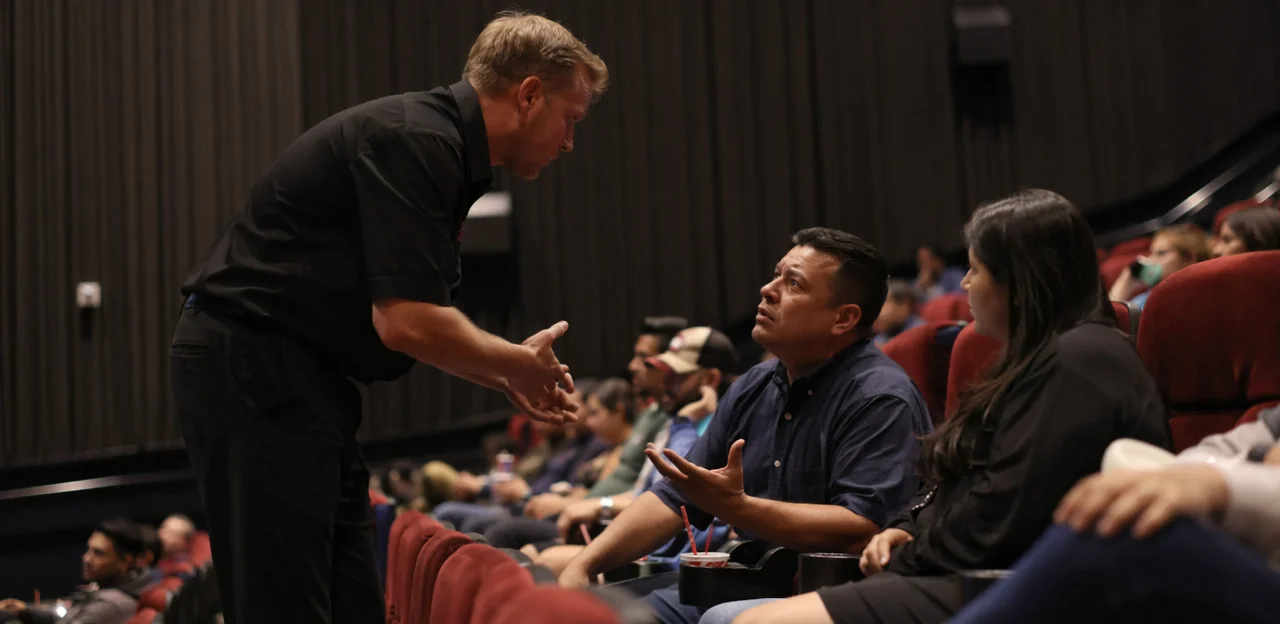
A packed auditorium and strong ticket sales can still hide costly experience problems. If guests are frustrated by long concession lines, poor sound, uncomfortable seating, or cleanliness issues, that dissatisfaction can quietly erode repeat visits and revenue. That’s why more operators are looking closely at cinema feedback software pricing—not just as a line item, but as an investment in audience experience, operational visibility, and long-term ROI.
The challenge is that pricing can vary widely from one platform to another. Some tools charge based on location count, response volume, features, integrations, or support levels, while others bundle analytics, alerts, and guest engagement tools into a broader package. For cinemas, the real question is not simply what the software costs, but what drives value in day-to-day operations and measurable business outcomes.
In this article, we’ll break down the key factors that influence cinema feedback software pricing, from deployment model and feature depth to scalability, reporting, and service recovery capabilities. We’ll also look at how cinemas can evaluate return on investment, avoid paying for unnecessary complexity, and choose a solution that supports better guest experiences. Where relevant, platforms like Tapsy show how real-time, touchpoint-based feedback can turn audience insight into action.
Understanding cinema feedback software pricing models

Common pricing structures used by software vendors
Most cinema feedback software pricing falls into a few predictable models:
- Monthly subscriptions: Flexible and lower-risk, ideal for independent cinemas testing a platform. However, the long-term cinema software subscription cost can be higher than annual plans.
- Annual contracts: Often discounted versus monthly billing, making budgeting easier for regional chains that want fixed costs and longer-term ROI visibility.
- Per-location pricing: Works well when each venue needs similar features. This is usually easier for regional operators to forecast than variable pricing.
- Per-screen pricing: Better aligned with exhibitor size, since larger sites with more screens typically generate more feedback volume and operational complexity.
- Usage-based models: Charges may depend on responses, scans, or active campaigns. This feedback software pricing model can suit seasonal venues, but costs may fluctuate.
For larger exhibitors, hybrid pricing is common. Tools like Tapsy may also bundle touchpoints, analytics, and alerts into one plan.
What is usually included in the base price
When comparing cinema feedback software pricing, the base plan usually covers the essentials needed to start collecting and reviewing guest sentiment before premium services are added. Typical software pricing inclusions are:
- Survey collection tools for QR codes, web links, or kiosk-style feedback forms
- Core dashboards showing ratings, response volume, and basic satisfaction trends
- Basic reporting with downloadable summaries, filters by location or time period, and simple trend views
- Standard support, such as email help, onboarding guidance, and access to a knowledge base
- User access for small teams, often with limited admin seats or locations
This gives cinemas a clear starting point for evaluating cinema feedback platform cost and expected audience feedback software features. Add-ons like advanced alerts, custom integrations, deeper analytics, or multi-site benchmarking usually increase the total price.
Hidden and variable costs cinemas should watch for
When comparing cinema feedback software pricing, look beyond the monthly subscription. The real total cost of ownership often rises because of add-ons and contract terms that are easy to miss.
- Setup and onboarding fees: Initial configuration, staff training, and rollout support can add a meaningful upfront cost.
- Custom branding: White-label surveys, branded QR flows, and tailored guest journeys are often premium features.
- Integrations: Connecting POS, CRM, ticketing, or BI tools may require paid APIs or implementation work.
- Advanced analytics: Benchmarking, sentiment analysis, and location-level reporting are common hidden software costs.
- Multilingual surveys and premium support: Useful for diverse audiences and busy sites, but often priced separately.
- Contract minimums: Annual commitments, user limits, or per-location pricing can sharply increase cinema feedback tool pricing.
Always request a full pricing breakdown before signing.
What affects value beyond the sticker price

Audience volume, number of sites, and operational complexity
Cinema feedback software pricing usually rises with scale because larger operators need more than basic surveys. A single-site venue may manage with simple reporting, but chains need stronger controls, benchmarking, and automation.
- Number of locations: Software pricing by location often reflects added dashboards, permissions, and branch-level reporting.
- Ticket volume: Higher audience numbers create more responses, alerts, and data storage needs, which increases platform demands.
- Staffing and workflows: Multi-site teams need role-based access, escalation rules, and centralized oversight so issues reach the right manager fast.
- Operational comparisons: A strong cinema audience feedback system should compare performance by site, auditorium, and showtime.
For growing chains, cheap tools often lack the analytics and coordination required from multi-site cinema software, reducing long-term value. Solutions like Tapsy can support real-time, location-level action.
Depth of analytics and reporting capabilities
When comparing cinema feedback software pricing, analytics depth often explains the gap between basic and premium plans. Stronger cinema analytics software does more than collect scores; it turns feedback into operational decisions.
- Advanced segmentation: Break responses down by location, screen, showtime, film genre, customer type, or staff shift to pinpoint where issues affect revenue.
- Trend analysis: Spot recurring patterns in queue times, sound quality, cleanliness, or concession satisfaction before they damage repeat visits.
- Benchmarking: Compare venues, auditoriums, or campaigns to identify top performers and replicate what works.
- Executive reporting: Clear dashboards and board-ready summaries help leaders act faster without manual data work.
Better feedback reporting tools and a robust audience insight platform can directly improve concessions strategy, staffing levels, and programming choices—making higher pricing easier to justify.
Ease of use for staff and managers
When comparing cinema feedback software pricing, don’t focus only on features—look at how quickly teams can use them well. Even powerful cinema operations tools lose value if staff avoid them or managers need constant retraining.
- Intuitive dashboards help managers spot trends, low-scoring auditoriums, or concession issues without digging through reports.
- Automated alerts send the right problem to the right team fast, reducing manual monitoring and speeding up service recovery.
- Simple survey management lets staff launch, edit, and review feedback flows without technical support.
This matters because easy-to-use cinema software improves onboarding, shortens training time, and increases daily usage. Strong staff adoption software delivers more consistent data, faster action, and better ROI—while underused systems often become an unnecessary cost.
How cinema feedback software supports ROI

Improving audience experience and repeat visits
Faster feedback collection gives cinema teams a practical way to protect the audience experience before small problems become lasting complaints. When guests can report issues in real time, managers can spot patterns and act quickly on:
- cleanliness in auditoriums, restrooms, and concession areas
- poor sound, temperature, or screen quality
- uncomfortable or damaged seating
- long queues at ticketing or snacks
- slow or unfriendly staff service
This speed improves cinema customer satisfaction because problems are addressed while the visit is still fresh. It also helps teams recover service, train staff, and prioritize fixes that matter most to guests. In the context of cinema feedback software pricing, this ability adds real value: better experiences lead to stronger reviews, more word-of-mouth recommendations, and more repeat cinema visits. Tools like Tapsy can support this with instant, touchpoint-based feedback.
Reducing churn and resolving issues before they escalate
One of the biggest drivers of value in cinema feedback software pricing is how quickly the platform helps teams recover poor experiences. With real-time customer feedback, staff can act while the guest is still on-site, not days later after a bad review is posted.
- Trigger instant alerts for low ratings on sound, seating, cleanliness, temperature, or queue times.
- Route issues to the right team so floor staff, concessions, or managers can respond immediately.
- Close the loop by acknowledging the complaint, fixing the problem, and confirming resolution with the guest.
This closed-loop process supports complaint reduction, lowers refund requests, and limits negative online sentiment. It also strengthens cinema customer retention by showing guests their feedback leads to action. Tools like Tapsy can support this with fast, in-venue feedback capture and alerting.
Turning feedback data into revenue and operational gains
The real return behind cinema feedback software pricing comes from what teams do with insights, not from collecting scores alone. Strong cinema ROI appears when feedback is tied to daily decisions that improve both guest experience and margin.
- Improve concession performance: spot complaints about wait times, pricing, or unpopular bundles, then adjust staffing, upsell offers, and menu mix to increase revenue from customer feedback.
- Optimize staffing: use feedback by daypart or screen to align labor with queue pressure, cleanliness issues, and peak service moments, boosting operational efficiency.
- Refine showtime experiences: act quickly on sound, temperature, seating, or cleanliness issues before they affect repeat visits.
- Support local marketing decisions: identify which films, promotions, or family offers resonate most by location and tailor campaigns accordingly.
Tools like Tapsy can help cinemas capture in-the-moment feedback and turn it into measurable action.
How to compare software options during selection
Questions to ask vendors about pricing and contracts
Use this checklist to compare cinema feedback software pricing on equal terms and strengthen your software selection process:
- Contract length: Is the agreement month-to-month, annual, or multi-year? Are discounts tied to longer commitments?
- Renewal terms: Does the contract auto-renew? How much notice is required to cancel or renegotiate?
- Support levels: What is included in standard support, and what costs extra for faster response times or onboarding help?
- Feature limits: Are dashboards, alerts, locations, users, surveys, or integrations capped?
- Implementation fees: Are setup, training, hardware, or data migration charged separately?
- Scalability: How does pricing change if you add more screens, sites, or feedback volume?
These vendor pricing questions help uncover hidden costs in any cinema software contract.
- Location-level reporting: Chains need branch, auditorium, showtime, and concession views to spot underperforming sites quickly. This makes cinema feedback software pricing more about operational visibility than basic survey volume.
- Mobile-first, no-app surveys: Guests leave fast, so frictionless forms improve response rates.
- QR code feedback surveys: Placed at exits, counters, and restrooms, they capture in-the-moment issues while details are fresh.
- Multilingual support: Essential for tourist-heavy or diverse local audiences.
- Real-time alerts: Low scores on sound, cleanliness, or queues should notify managers immediately.
- Ticketing system integration and CRM sync: Connect feedback to film, session, spend, and loyalty data.
These cinema-specific software features deliver faster service recovery and clearer ROI than generic survey tools.
How to evaluate demos, trials, and proof of value
A strong software demo evaluation should test real cinema workflows, not just polished sales screens. When reviewing cinema feedback software pricing, compare the expected business impact against cost.
Focus on four areas during a cinema software trial or proof of value:
- Setup speed: How quickly can your team launch QR, kiosk, or post-show feedback flows across locations?
- Reporting clarity: Are dashboards easy to read, with clear trends by screen, showtime, or venue?
- Response rates: Does the platform make it simple enough for guests to participate consistently?
- Actionability: Can staff identify issues fast and act before complaints escalate?
Measure outcomes like faster issue resolution, higher guest satisfaction, and repeat visits—not price alone. Tools like Tapsy can be useful examples when assessing proof-of-value criteria.
Budgeting for the right fit by cinema type

Independent cinemas and boutique venues
For smaller operators, cinema feedback software pricing should be judged by practical value, not feature volume. The best independent cinema software helps you collect useful audience insight without adding complexity or high monthly costs.
Prioritize:
- Affordability: choose affordable feedback software with transparent pricing, low minimum commitments, and no costly add-ons.
- Easy setup: QR-based or no-app options are ideal for lean teams that need fast deployment.
- Essential reporting: focus on dashboards for ratings, common complaints, showtime trends, and staff follow-up.
Avoid overpaying for enterprise tools like multi-site benchmarking, advanced custom workflows, or deep integrations if you run one venue. Many boutique cinema tools deliver everything needed to improve guest experience at a lower cost.
Regional chains and growing exhibitors
For regional operators, cinema feedback software pricing should support expansion without forcing a jump to enterprise-level complexity. The best fit is a scalable feedback platform that keeps costs predictable while adding sites, users, and workflows as needed.
Key features to prioritize:
- Standardized reporting: Use shared scorecards and KPIs across locations so managers can compare performance consistently.
- Role-based access: Give site teams local visibility while limiting sensitive settings and chain-wide data to regional leadership.
- Centralized oversight: Monitor alerts, trends, and recurring issues across every venue from one dashboard.
- Strong multi-location reporting: Benchmark cleanliness, concessions, seating, and service by site, showtime, or region.
A strong regional cinema chain software setup helps operators scale efficiently and protect margins.
Enterprise cinema groups with complex requirements
For multi-site operators, cinema feedback software pricing is often higher because the platform must support enterprise-wide control, not just venue-level surveys. The best enterprise cinema software should help leadership standardize processes while giving local teams actionable insight.
- Integrations: Connect with CRM, POS, BI, loyalty, and ticketing systems to unify guest feedback with revenue and attendance data.
- Governance: Look for role-based permissions, audit trails, data controls, and approval workflows across regions and brands.
- Advanced audience analytics: Benchmark performance by site, auditorium, showtime, and concession area to guide investment decisions.
- Dedicated software support: Prioritize onboarding, SLA-backed assistance, and strategic account management for faster rollout and issue resolution.
Higher pricing is justified when the software improves decisions across dozens of venues.
Choosing based on long-term value, not just cost

Building a realistic total cost and ROI framework
To evaluate cinema feedback software pricing, use a simple software ROI framework that looks beyond the monthly fee. Build your total cost comparison around:
- Subscription costs: monthly or annual license, location-based pricing, add-ons
- Implementation costs: setup, integrations, training, hardware, migration
- Staff time: managing surveys, responding to alerts, reporting, and optimization
- Expected gains: higher response rates, faster issue resolution, better guest satisfaction
- Retention impact: more repeat visits, concession spend, and loyalty growth
For any cinema technology investment, compare 12–24 months of total cost against measurable outcomes. A platform like Tapsy may justify higher upfront spend if it improves recovery speed and repeat attendance over time.
Warning signs of low-value software
When comparing cinema feedback software pricing, the cheapest option can hide costly gaps. Watch for these signs of low-value software:
- Poor software support: Slow replies, limited onboarding, or no strategic guidance can delay issue resolution.
- Feedback platform limitations: Basic dashboards, weak segmentation, and limited reporting make it hard to spot trends by location, showtime, or concession area.
- Weak integrations: If the tool does not connect with CRM, ticketing, or loyalty systems, acting on feedback becomes manual and slow.
- Low response rates: Clunky surveys or poor in-venue capture reduce useful data.
- Unclear roadmap: If product updates are vague, the platform may not keep up with cinema needs.
Cheap tools become expensive when they collect feedback but fail to drive action, recovery, and ROI.
A practical shortlist process for cinema operators
Use a simple software buying process to build a strong cinema software shortlist:
- Define goals first: reduce complaints, improve concession satisfaction, increase repeat visits, or speed up issue resolution. This keeps cinema feedback software pricing tied to outcomes, not just features.
- Map audience needs: choose an audience feedback platform selection that matches how guests respond best, such as QR, SMS, or in-venue touchpoints.
- Check operational fit: assess setup time, staff workload, integrations, alerts, and multi-site reporting.
- Compare measurable value: shortlist vendors that can prove response rates, faster recovery, trend visibility, and ROI over time.
The best platform is the one that turns feedback into usable insight and sustained ROI.
Conclusion
Ultimately, the best approach to cinema feedback software pricing is to look beyond the monthly fee and evaluate the full value the platform delivers. Cost is influenced by factors such as feature depth, number of locations, response volume, integrations, real-time alerts, reporting capabilities, and the level of support included. For cinemas, the real question is not simply “What does it cost?” but “What does it help us improve?” Better audience insights, faster issue resolution, stronger concession performance, and higher repeat visits can all have a measurable impact on ROI.
When comparing options, focus on the outcomes that matter most to your operation: smoother showtime experiences, better staff responsiveness, cleaner facilities, and more satisfied guests. A lower upfront price may seem attractive, but if the software lacks speed, usability, or actionable analytics, it can cost more in missed opportunities over time. That is why understanding cinema feedback software pricing in the context of long-term value is essential.
As a next step, create a shortlist of vendors, request demos, and compare pricing against features, rollout effort, and expected returns. If you want a practical example, platforms like Tapsy show how cinemas can capture instant, no-app audience feedback at key touchpoints. The right solution should fit your budget, support your team, and help turn every visit into a better cinema experience.
Frequently Asked Questions
- What pricing models are common for cinema feedback software?
Common models include monthly subscriptions, annual contracts, per-location pricing, per-screen pricing, and usage-based pricing. Larger exhibitors may also see hybrid plans that bundle touchpoints, analytics, and alerts into one package.
- What is usually included in the base price of a cinema feedback platform?
Base plans typically include survey collection tools, core dashboards, basic reporting, standard support, and user access for small teams. More advanced capabilities such as custom integrations, deeper analytics, and multi-site benchmarking usually cost extra.
- What hidden costs should cinemas check before signing a contract?
Common hidden costs include setup and onboarding fees, custom branding, integrations, advanced analytics, multilingual surveys, and premium support. Contract minimums, user limits, and annual commitments can also increase total cost unexpectedly.
- Why does pricing often increase for multi-site cinema operators?
Larger operators need more than basic survey collection because they manage more locations, more responses, and more complex workflows. Pricing often rises to cover branch-level reporting, permissions, benchmarking, escalation rules, and centralized oversight.
- How do analytics and reporting affect software value?
Advanced analytics help cinemas segment feedback by location, screen, showtime, genre, customer type, or staff shift. Strong reporting makes it easier to spot patterns, compare performance, and turn feedback into decisions about staffing, concessions, and programming.
- Why is ease of use important when comparing cinema feedback tools?
A platform only creates value if staff and managers use it consistently. Intuitive dashboards, automated alerts, and simple survey management reduce training time, improve adoption, and help teams act faster on guest issues.
- How can cinema feedback software improve repeat visits?
Real-time feedback helps teams address problems such as cleanliness, poor sound, uncomfortable seating, long queues, or slow service while the visit is still fresh. Better recovery and faster fixes can lead to stronger reviews, more recommendations, and more repeat attendance.
- How does real-time feedback help reduce complaints and churn?
Real-time alerts let teams respond to low ratings on sound, seating, cleanliness, temperature, or queue times before frustration escalates. Routing issues to the right team and closing the loop with the guest supports complaint reduction and stronger retention.
- What business gains can cinemas expect from acting on feedback data?
Feedback can help improve concession performance, optimize staffing, refine showtime experiences, and support local marketing decisions. The value comes from using insights to improve guest experience and operational efficiency, not from collecting scores alone.
- What questions should cinemas ask vendors about pricing and contracts?
Cinemas should ask about contract length, renewal terms, support levels, feature limits, implementation fees, and how pricing changes as sites or screens are added. These questions help reveal hidden costs and make vendor comparisons more accurate.
- Which features matter most in a cinema-specific feedback solution?
Important features include location-level reporting, mobile-first no-app surveys, QR code feedback collection, multilingual support, real-time alerts, and integrations with ticketing systems or CRM tools. These features support faster service recovery and clearer operational visibility than generic survey tools.
- How should a cinema evaluate a demo or trial before buying?
A useful evaluation should test setup speed, reporting clarity, response rates, and how quickly staff can identify and act on issues. The strongest comparison focuses on outcomes such as faster resolution, higher guest satisfaction, and repeat visits rather than price alone.
- What type of platform is best for independent cinemas or boutique venues?
Smaller operators usually benefit most from affordable tools with transparent pricing, easy QR-based setup, and essential reporting. They can often avoid paying for enterprise features such as multi-site benchmarking, advanced workflows, or deep integrations.
- When is higher-priced enterprise software justified for cinema groups?
Higher pricing can make sense when a group needs integrations with CRM, POS, BI, loyalty, and ticketing systems, along with governance controls and advanced analytics. Dedicated support, account management, and enterprise-wide standardization also add value for complex operations.
- How can cinemas build a realistic ROI framework for feedback software?
A practical framework compares subscription costs, implementation costs, staff time, and expected gains over 12 to 24 months. Useful outcomes to track include higher response rates, faster issue resolution, better guest satisfaction, more repeat visits, and stronger concession spend.