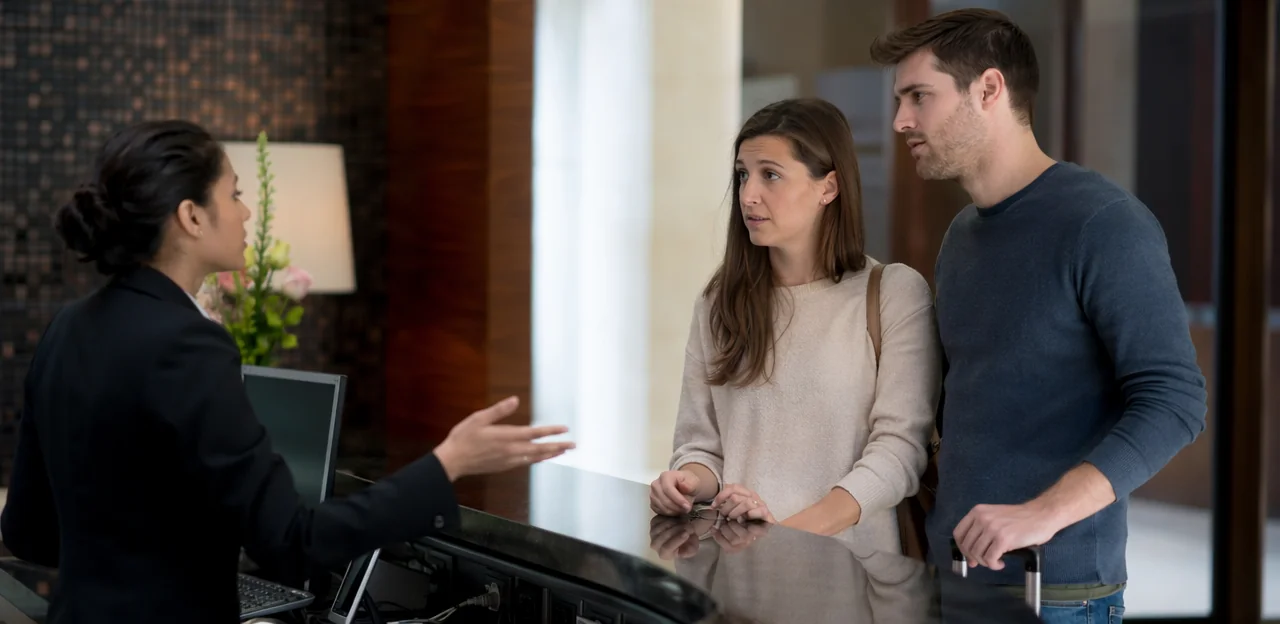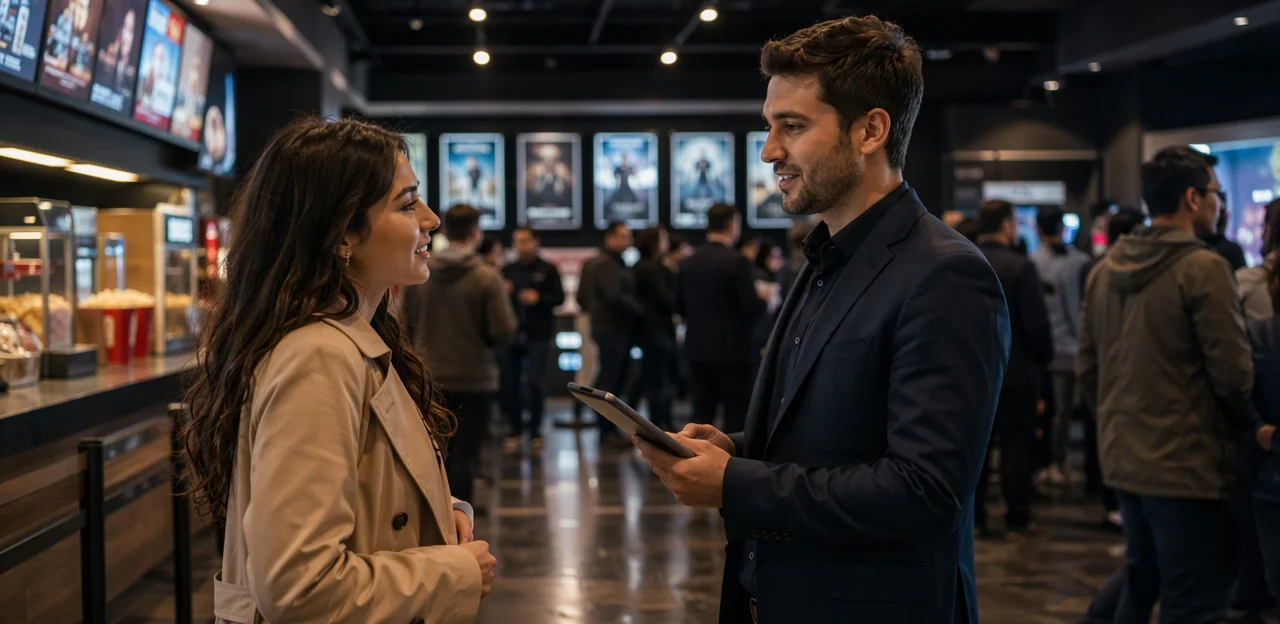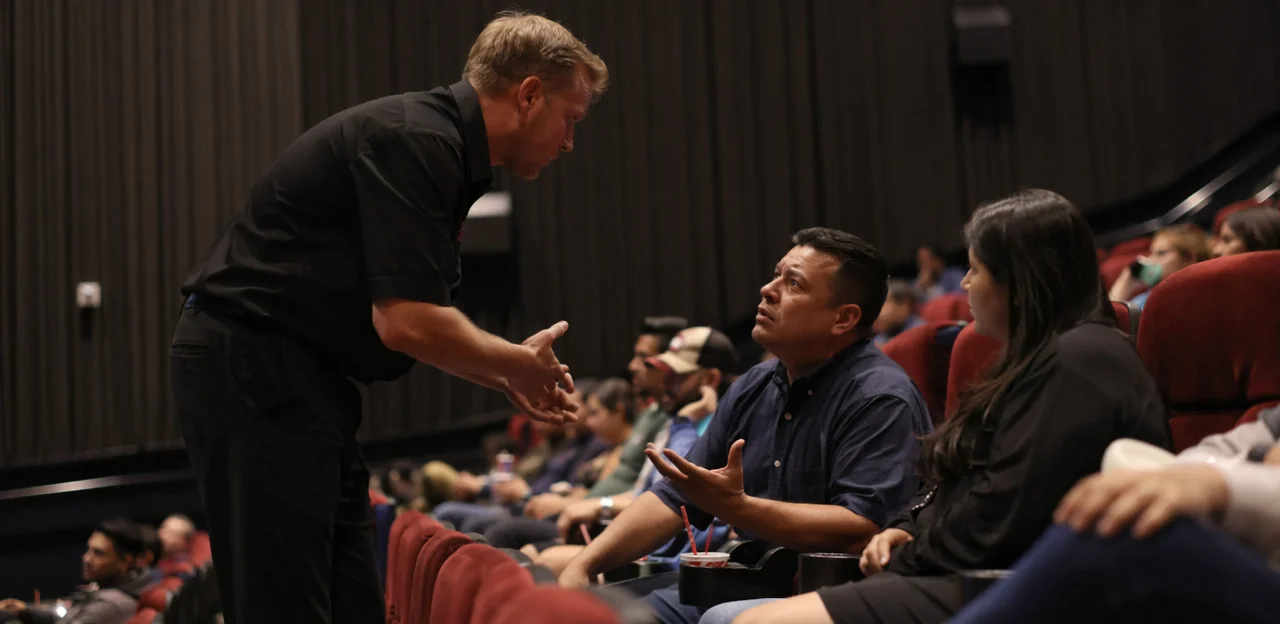
A great film can be ruined in seconds by a preventable problem: distorted sound, a freezing auditorium, a broken seat, a spill in the aisle, or a concession delay that frustrates guests before the trailers even begin. In cinemas, these moments do more than interrupt a visit—they shape audience perception, influence reviews, and determine whether people return. That is why cinema issue reporting has become a critical part of modern service recovery and guest experience strategy.
When guests can report problems quickly, and when those reports are routed to the right team without delay, cinemas gain a chance to fix issues before they escalate into lasting dissatisfaction. Instead of discovering complaints after the show has ended or through public reviews, operators can respond in real time, protect the experience, and show audiences that their comfort matters.
This article explores how effective cinema issue reporting helps venues resolve urgent guest problems faster, improve internal communication, and strengthen audience trust. It will also look at the role of clear workflows, real-time alerts, and simple reporting touchpoints—such as QR-based tools like Tapsy—in helping cinemas turn service disruptions into opportunities for recovery and loyalty.
Why cinema issue reporting matters for guest experience

The cost of slow response in cinemas
Delayed action can turn a minor problem into a lasting negative memory. In cinema issue reporting, speed matters because guests expect issues to be fixed during the film, not explained afterward.
- Seat disputes that linger create tension and disrupt nearby viewers.
- Projection or sound problems quickly damage the core viewing experience and make the screening feel poor value.
- Cleanliness complaints signal low standards, especially when spills, dirty seats, or restrooms are ignored.
- Accessibility concerns are even more serious, as delays can leave guests feeling excluded or unsupported.
When problems are not routed fast, cinemas often face more refund requests, negative reviews, and fewer repeat visits. To protect guest experience and audience experience, use clear escalation paths, alert the right staff instantly, and capture issues in real time with tools such as Tapsy.
Common urgent guest problems that need fast routing
Effective cinema issue reporting starts with identifying which urgent guest problems require immediate action and clear theater issue escalation paths. The fastest-moving cinema complaints usually include:
- Disruptive behavior: talking, phone use, intoxication, or harassment should go straight to floor staff or security.
- Broken seats: unsafe or unusable seats need rapid reassignment or maintenance follow-up.
- Temperature complaints: auditoriums that are too hot or too cold can affect the entire audience, so facilities teams should be alerted quickly.
- Ticketing errors: duplicate bookings, wrong seats, or access issues need front-of-house resolution before previews end.
- Concession problems: missing items, allergy concerns, or long delays should be routed to concession supervisors.
- Technical faults during screenings: sound loss, poor picture, lighting issues, or playback failure must reach projection or management immediately.
Tools like Tapsy can help route these reports in real time.
How service recovery protects revenue and reputation
Effective cinema issue reporting turns small problems into fast, visible service recovery moments before they become public complaints or lost repeat visits. When staff receive urgent alerts in real time, they can solve issues on-site, reassure guests, and protect both spend and trust.
- Reduce complaint escalation: Route sound, seating, cleanliness, or queue issues to the right team immediately, lowering the chance of refunds, bad reviews, or social posts.
- Improve on-site resolution: Give frontline teams clear ownership, response times, and recovery options such as seat moves, concessions, or ticket credits.
- Create better post-incident interactions: Follow up with empathy and a simple make-good offer to strengthen cinema customer service and long-term loyalty.
This approach supports stronger reputation management, especially when tools like Tapsy help capture and route feedback instantly.
Building an effective cinema issue reporting workflow
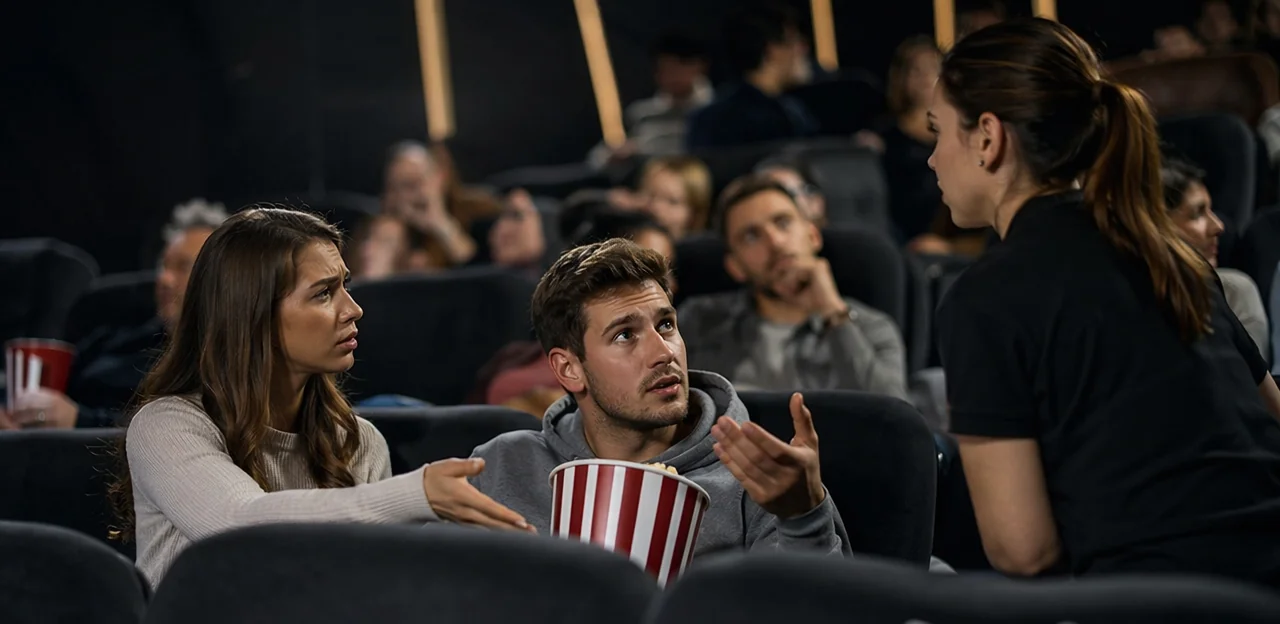
From report to resolution: the ideal process
An effective cinema issue reporting system should move every guest problem through a clear, time-bound issue reporting workflow so teams can act fast and document outcomes.
- Capture instantly: Let guests submit issues in real time through QR codes, kiosks, or staff devices, with location, screen number, showtime, and category prefilled.
- Triage by urgency: Use simple rules in your incident management process to flag safety, accessibility, temperature, sound, or disruptive behavior as high priority.
- Assign ownership: Route each issue directly to the right team member in cinema operations—for example, duty manager, projection, housekeeping, or concessions.
- Escalate fast: If no action is taken within minutes, auto-escalate to a supervisor with alerts and timestamps.
- Resolve and log: Record what was fixed, when, and by whom to create accountability.
- Follow up: Close the loop with the guest when possible, offer service recovery if needed, and review trends weekly.
Tools like Tapsy can support this real-time routing model.
Setting priority levels for urgent and non-urgent issues
Effective cinema issue reporting starts with a clear triage system so teams can act fast without overreacting to minor complaints. Build issue prioritization around three factors:
- Severity: Safety hazards, harassment, medical incidents, fire alarms, or major technical failures should trigger immediate action.
- Guest impact: Problems affecting many guests—such as no sound, poor projection, broken air conditioning, or long concession delays—need rapid urgent issue routing.
- Operational risk: Issues that could stop screenings, damage equipment, or create compliance problems should move to management at once.
A simple priority model helps staff respond consistently:
- Priority 1: Immediate response within minutes
- Priority 2: Resolve during the current show or shift
- Priority 3: Log and address later
For stronger cinema incident response, define owners for each level and use real-time alerts. Tools like Tapsy can help route urgent reports instantly to the right team.
Defining staff roles and escalation paths
Clear escalation paths are essential in cinema issue reporting, because urgent guest problems lose time when everyone is notified at once. Assign alerts by issue type, severity, and location so the right team acts first and managers step in only when needed.
- Front-of-house teams: Handle guest-facing issues such as seating confusion, ticketing errors, minor spills, or concession delays. They should acknowledge the complaint immediately and log the outcome.
- Managers: Own high-impact service recovery, VIP complaints, repeat failures, refunds, and any unresolved issue after first response. This strengthens staff accountability.
- Projection staff: Receive alerts for sound, screen, lighting, temperature controls, or playback problems affecting the auditorium experience.
- Cleaning crews: Respond to restroom, lobby, seat, and spill alerts with target response times.
- Security: Take priority for safety incidents, aggressive behavior, or lost-child situations.
Good cinema management also uses alert rules and timestamps—tools like Tapsy can help route issues instantly.
Technology features that speed up cinema issue reporting
Mobile reporting tools for staff and guests
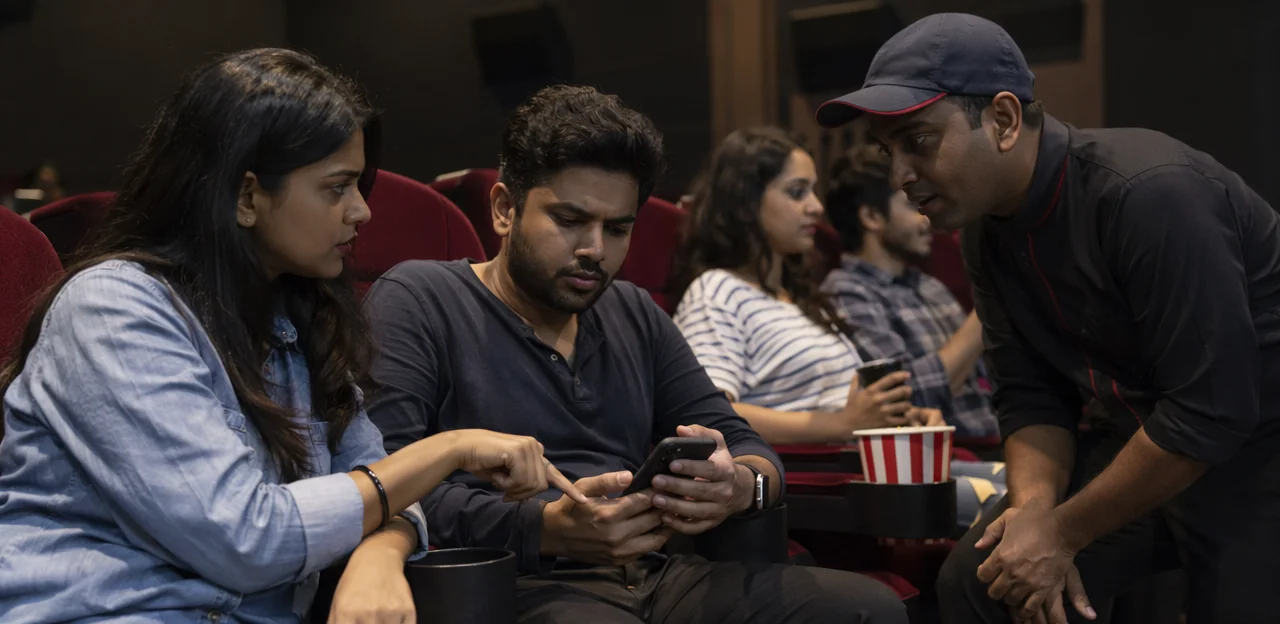
Fast cinema issue reporting depends on making it simple for anyone to report a problem the moment it happens. The best mobile issue reporting setup gives both guests and staff easy options from anywhere in the venue:
- Mobile forms: Short, mobile-friendly forms let staff log spills, broken seats, sound issues, or restroom problems in seconds.
- QR code reporting: Place codes on seats, lobby signs, concession counters, and restroom doors so guests can scan and report issues without downloading an app.
- SMS reporting: Text-based reporting works well for urgent problems when guests want the fastest possible channel.
- Staff apps: Team members can attach photos, tag locations, and route alerts instantly to maintenance, concessions, or floor managers.
Simple guest feedback tools, including no-app options like Tapsy, help cinemas capture real-time issues before they damage the audience experience.
Smart routing, alerts, and real-time notifications
Effective cinema issue reporting depends on speed. When a guest reports a broken seat, sound failure, spill, or safety concern, cinema reporting software should immediately send it to the right team instead of leaving staff to sort it manually.
- Automated issue routing assigns problems by category, urgency, and location, such as sending projector faults to technical staff and restroom cleanliness issues to housekeeping.
- Real-time alerts notify managers instantly by mobile, email, or dashboard so urgent problems are seen and acted on fast.
- Location-based alerts direct reports to the correct auditorium, concession stand, or lobby team, reducing confusion across larger venues.
Set clear escalation rules for unresolved issues after a few minutes. Tools like Tapsy can help cinemas capture feedback and trigger fast action at the right touchpoint.
Dashboards, logs, and integration with operations systems
Effective cinema issue reporting depends on one shared view of what happened, who owns it, and whether it was resolved. A centralized incident dashboard helps managers spot recurring problems by auditorium, showtime, or location before they damage guest satisfaction.
- Centralized visibility: Combine alerts from front-of-house teams, QR feedback, and staff reports in one place.
- Audit trails: Keep time-stamped logs of issue status, escalations, actions taken, and closure notes for accountability.
- Operations integration: Connect cinema software with ticketing, maintenance, and customer service platforms so cases move automatically to the right team.
- Better follow-through: Trigger work orders for broken seats, refund workflows for disrupted screenings, and service recovery tasks for unhappy guests.
Tools like Tapsy can support fast capture and routing at the moment issues happen.
Best practices for handling urgent guest problems quickly

Responding to in-auditorium technical issues
When a screening disruption happens, speed and clarity matter. Effective cinema issue reporting should help staff confirm the problem, reassure guests, and escalate it immediately.
- Projection issues: If picture loss, poor focus, or aspect ratio errors occur, notify projection or technical staff at once and pause admissions if needed. Confirm the affected screen and showtime.
- Audio problems: For low volume, distortion, missing channels, or language-track errors, send an urgent alert with auditorium number and issue type so technicians can respond fast.
- Lighting issues: If house lights stay on, fail to rise, or emergency lighting activates incorrectly, contact facilities or duty management immediately.
- Interrupted screenings: Communicate clearly to guests, provide realistic timing updates, and authorize service recovery options if delays continue.
Tools like Tapsy can help route urgent guest reports in real time.
Managing guest-facing service complaints on the spot
Fast cinema issue reporting only matters if teams can act immediately. The goal is simple: resolve guest complaints before they disrupt the show, affect nearby guests, or turn into negative reviews.
- Seating conflicts: Verify tickets quickly, check alternate seats in the same auditorium, and empower floor staff to offer upgrades or vouchers when needed.
- Cleanliness complaints: Dispatch housekeeping at once for spills, dirty seats, or restroom issues, and confirm completion with the guest.
- Concession delays: Set queue-time thresholds, alert managers when lines build, and authorize service recovery such as drink refills or snack coupons.
- Staff service concerns: Move the conversation away from the crowd, listen calmly, apologize clearly, and involve a supervisor for immediate on-site resolution.
Strong cinema service recovery depends on clear escalation paths, real-time alerts, and staff authority to fix problems fast.
Using empathy and communication during service recovery
Strong service recovery communication can turn a frustrating cinema visit into a recoverable experience. In cinema issue reporting, speed matters, but tone matters just as much.
- Start with a sincere apology: Use clear language such as, “I’m sorry this affected your film experience.” This shows customer empathy without sounding scripted.
- Share status updates: Tell guests what is happening, who is handling it, and the expected timeline. Even brief updates reduce uncertainty and build trust.
- Apply fair compensation guidelines: Train teams on when to offer refunds, vouchers, seat upgrades, or concession credits so responses stay consistent and protect guest satisfaction.
- Send follow-up messages: A short post-visit message confirming resolution and inviting feedback helps guests feel heard.
Tools like Tapsy can support faster reporting and follow-up workflows.
Measuring success and improving reporting performance

Key metrics cinemas should track
To improve cinema issue reporting, cinemas should monitor a focused set of cinema KPIs that show how quickly teams respond and how well problems are resolved:
- Response time: How fast staff acknowledge an issue after a guest reports it.
- Resolution time: How long it takes to fully fix the problem.
- Repeat incidents: Recurring complaints about the same screen, seat, restroom, or concession area.
- Refund rates: A useful signal of service recovery failures or unresolved guest frustration.
- Guest satisfaction scores: Post-resolution ratings help measure whether the recovery actually worked.
- Escalation frequency: Tracks how often frontline teams must pass issues to managers or maintenance.
Using real-time tools such as Tapsy can make these metrics easier to capture and act on quickly.
Finding patterns in recurring issues
Strong cinema issue reporting does more than solve one-off complaints; it helps teams spot incident trends that point to deeper operational problems. Reviewing reports by auditorium, showtime, shift, and issue type can reveal recurring cinema issues such as:
- repeated sound, screen, seating, or temperature faults in the same auditorium
- staffing gaps during peak arrivals, interval rushes, or late-night clean-downs
- concession bottlenecks caused by menu complexity, stock delays, or payment slowdowns
- peak-time service failures in cleaning, usher support, or queue management
Turn these patterns into operational improvement by setting alert thresholds, assigning ownership, and tracking whether fixes reduce repeat incidents over time. Tools like Tapsy can help centralize and compare feedback quickly.
Training teams for continuous improvement
Fast, consistent cinema issue reporting depends on well-prepared teams. Build staff training into daily operations so every location follows the same response standards.
- Run regular coaching sessions: Review common guest problems, escalation paths, and response time expectations.
- Use scenario drills: Practice issues like broken seats, sound problems, spills, or long concession queues so staff can act quickly under pressure.
- Hold post-incident reviews: After urgent cases, identify what worked, where delays happened, and how to improve workflows.
- Standardize playbooks across sites: Clear scripts, checklists, and routing rules strengthen cinema operations training and support continuous improvement chain-wide.
Tools like Tapsy can also help teams learn from real-time issue patterns.
Implementing a cinema issue reporting strategy across locations
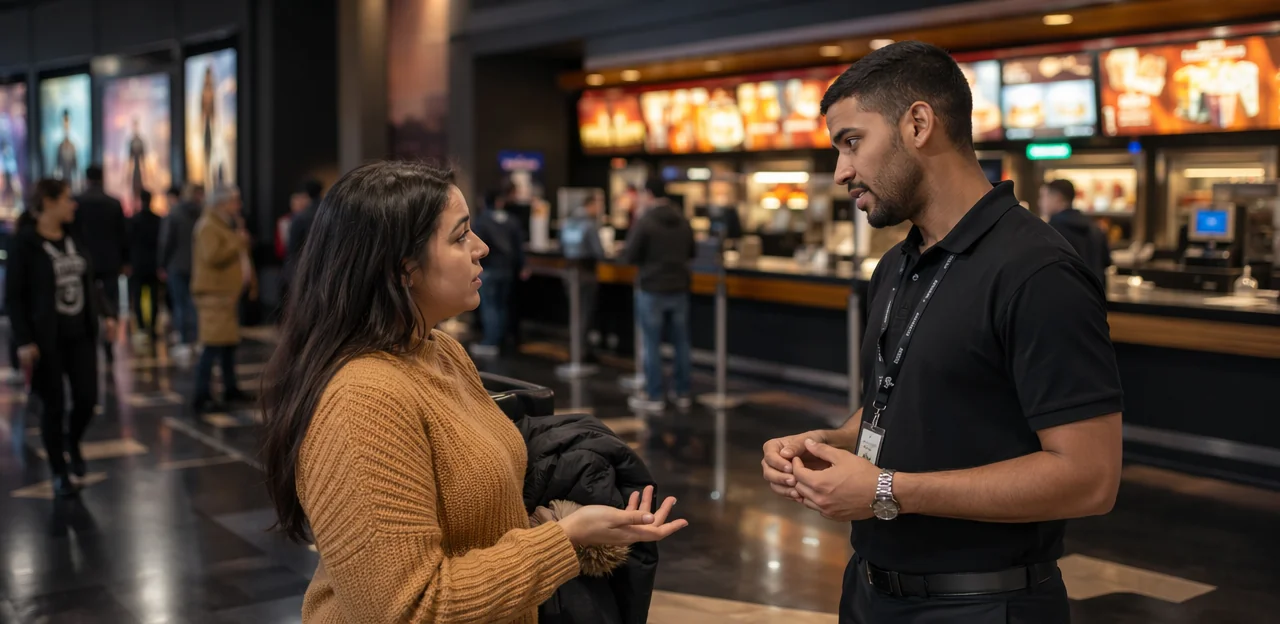
- Build a chain-wide cinema issue reporting framework with fixed essentials: issue categories, severity levels, response-time targets, and escalation paths. This keeps multi-site cinema operations measurable and comparable.
- Give each venue location flexibility to adjust who receives alerts, how teams communicate, and how issues are handled based on staffing levels, auditorium layout, and audience patterns.
- Use simple templates and dashboards to support standardized workflows, then review local exceptions monthly to refine best practices. Tools like Tapsy can help centralize alerts while preserving venue-level control.
Rolling out new tools and gaining staff adoption
A successful cinema issue reporting process depends on a practical reporting tool rollout and strong staff adoption. Focus on a simple launch plan:
- Start with clear goals: define urgent issue types, routing rules, and response expectations.
- Train by role: show ushers, concessions, and managers exactly when and how to report issues.
- Use change management basics: explain why the tool matters, appoint team champions, and share quick wins.
- Keep the interface simple: minimal fields, clear categories, and mobile-friendly reporting increase consistent use.
Tools like Tapsy can help if setup stays intuitive.
Creating a guest-first culture around fast resolution
A guest-first culture starts when leaders treat cinema issue reporting as part of the showtime experience, not just complaint handling. To make it a true audience experience strategy:
- Set clear cinema service standards for response times, ownership, and escalation
- Assign accountability so every issue has a named resolver, not a vague handoff
- Review issue trends in daily operations meetings to prevent repeat failures
- Reward teams for fast, empathetic recovery
Tools like Tapsy can support real-time routing, but culture and leadership make speed consistent.
Conclusion
In cinemas, small problems can quickly become lasting negative impressions if they are not caught and resolved in the moment. That is why effective cinema issue reporting is so important. When guests can easily flag urgent concerns like poor sound, uncomfortable temperatures, broken seats, long concession queues, or cleanliness issues, teams can respond faster, recover the experience, and protect both audience satisfaction and brand reputation.
The strongest cinema issue reporting processes are simple, immediate, and action-oriented. They make it easy for guests to report problems during the visit, route alerts to the right staff member without delay, and give managers visibility into recurring issues across auditoriums, showtimes, and locations. This not only improves service recovery, but also helps cinemas turn feedback into operational insight and long-term guest experience improvements.
For cinema operators looking to strengthen audience experience, the next step is clear: review your current reporting flow, identify response gaps, and implement tools that support real-time escalation and follow-up. Solutions such as Tapsy can help cinemas capture instant feedback at key touchpoints and act before a bad experience turns into a lost guest.
Prioritize cinema issue reporting now, and you will be better positioned to deliver smoother showtimes, stronger loyalty, and more memorable visits.
Frequently Asked Questions
- What is cinema issue reporting?
Cinema issue reporting is the process of capturing guest problems quickly and routing them to the right team for action. It helps cinemas respond in real time to issues such as sound faults, broken seats, spills, temperature complaints, and concession delays.
- Why does fast issue routing matter in a cinema?
A slow response can turn a small disruption into a lasting negative memory. Fast routing gives staff a chance to fix problems during the visit, reduce refunds and negative reviews, and protect the overall audience experience.
- Which guest problems should be treated as urgent in a theater?
Urgent issues include disruptive behavior, broken or unsafe seats, temperature problems, ticketing errors before previews end, concession problems involving delays or allergy concerns, and technical faults during screenings. Safety, accessibility, and major technical failures should receive immediate attention.
- How should a cinema handle a report from submission to resolution?
An effective workflow captures the issue instantly, triages it by urgency, assigns it to the right owner, and escalates it quickly if no action is taken. The cinema should then log what was fixed, by whom, and when, and follow up with the guest when possible.
- What is a simple way to prioritize cinema issues?
A practical model uses severity, guest impact, and operational risk. Priority 1 issues need action within minutes, Priority 2 should be resolved during the current show or shift, and Priority 3 can be logged for later attention.
- Who should respond to different types of cinema complaints?
Front-of-house teams should handle seating confusion, ticketing errors, minor spills, and concession delays. Managers should own unresolved or high-impact issues, projection staff should handle sound and screen problems, cleaning crews should address cleanliness alerts, and security should take safety-related incidents.
- What reporting tools can cinemas use to capture problems quickly?
Useful options include mobile forms, QR code reporting, SMS reporting, kiosks, and staff apps. These tools make it easier for guests and employees to report issues immediately without adding unnecessary friction.
- How do smart alerts and automated routing improve response times?
Automated routing sends each report to the correct team based on category, urgency, and location instead of relying on manual sorting. Real-time and location-based alerts help managers and staff act faster, especially in larger venues with multiple auditoriums and service areas.
- What should staff do when there is a sound, picture, or lighting problem during a screening?
Staff should confirm the affected screen and showtime, notify projection or technical teams immediately, and communicate clearly with guests. If the disruption continues, they should provide realistic updates and use service recovery options when appropriate.
- How can cinemas resolve seating, cleanliness, and concession complaints on the spot?
Teams should verify tickets quickly, offer alternate seats when needed, dispatch housekeeping immediately for spills or dirty areas, and alert managers when concession queues become excessive. Staff should also be empowered to offer practical recovery options such as vouchers, upgrades, or snack coupons.
- Why is empathy important during service recovery in cinemas?
A sincere apology and clear status updates help guests feel heard while the problem is being fixed. Consistent compensation guidelines and follow-up messages also support trust and improve the chance of recovering the experience.
- Which performance metrics should cinemas track for issue reporting?
Key metrics include response time, resolution time, repeat incidents, refund rates, guest satisfaction scores, and escalation frequency. These measures show how quickly teams react, how well issues are resolved, and where service recovery is breaking down.
- How can cinemas use issue reports to find recurring operational problems?
Managers can review reports by auditorium, showtime, shift, and issue type to identify patterns such as repeated sound faults, temperature issues, staffing gaps, or concession bottlenecks. Those patterns can then be turned into operational improvements with clear ownership and follow-up tracking.
- What helps staff adopt a new cinema reporting process successfully?
A strong rollout starts with clear goals, defined urgent issue types, and role-based training for ushers, concessions, and managers. Adoption improves when the interface is simple, team champions are involved, and staff can see quick wins from faster issue handling.
- How can a cinema chain standardize issue reporting across multiple locations?
A chain can set common issue categories, severity levels, response-time targets, and escalation paths across all venues. Each location can still adjust alert recipients and handling methods based on staffing, layout, and audience patterns while using shared templates and dashboards for consistency.