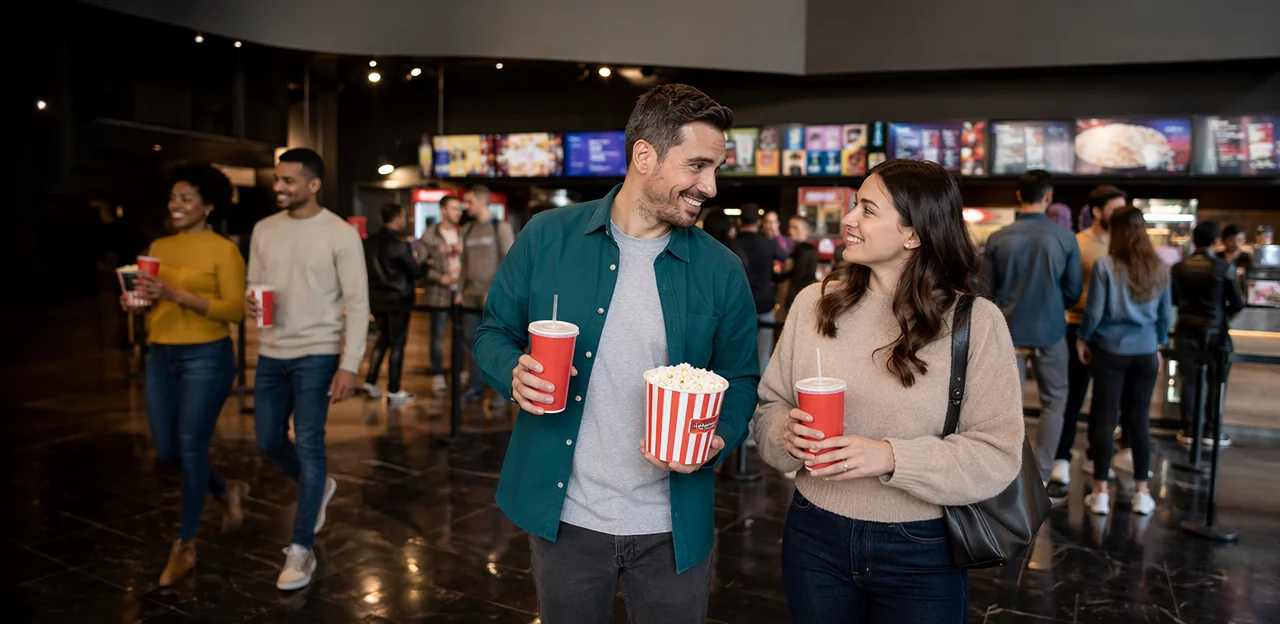
Getting people through the doors is only half the challenge for modern cinemas. The real opportunity lies in giving audiences a reason to come back again and again. In an era of endless streaming options, rising expectations, and instant online reviews, exhibitors need more than blockbuster programming alone. They need a smarter way to understand what moviegoers value, where friction appears in the visit, and how to turn a one-time ticket buyer into a loyal regular. That is where cinema loyalty feedback becomes a powerful advantage.
When cinemas actively listen to guests, they can improve everything from booking and arrival to concessions, seating comfort, cleanliness, and overall atmosphere. Small changes based on real audience insight can have a major impact on satisfaction, repeat visits, and word-of-mouth recommendations. Just as importantly, timely feedback helps cinema operators resolve issues before they damage the customer relationship.
This article explores how loyalty and feedback work together to strengthen audience retention, improve the cinema experience, and support long-term revenue growth. It will also look at practical ways cinemas can collect feedback at the right moments, use rewards to encourage participation, and build stronger relationships with guests through tools such as Tapsy, where relevant.
Why cinema loyalty feedback matters for retention

The link between loyalty, feedback, and repeat attendance
Loyalty schemes are most effective when paired with a strong cinema loyalty feedback loop. Rewards encourage guests to return, while feedback shows why they come back—or why they stop.
- Use rewards to drive action: Offer points, upgrades, or snack discounts for repeat visits and post-visit feedback.
- Act on feedback quickly: Fix pain points such as long queues, poor seat comfort, or slow concessions before they damage future attendance.
- Personalize offers: Use audience preferences and visit history to target families, premium moviegoers, or weekday visitors with relevant incentives.
- Spot churn risks early: Negative feedback from once-regular guests can signal declining engagement and trigger win-back campaigns.
In competitive entertainment markets, this combination strengthens cinema customer retention by making each visit more rewarding, more responsive, and more likely to become a habit.
What modern cinema audiences expect
Today’s moviegoers judge the full audience experience, not just the film. To build repeat visits, cinemas need to track changing expectations and act on cinema loyalty feedback quickly.
- Convenience: Fast booking, mobile tickets, easy seat selection, short queues, and frictionless food pickup now feel essential.
- Personalization: Audiences respond better to relevant offers, tailored recommendations, and communications based on visit habits.
- Rewards that matter: A strong cinema loyalty program should offer simple, useful benefits such as discounts, upgrades, birthday treats, or points that are easy to earn and redeem.
- Consistent service quality: Clean venues, friendly staff, reliable tech, and quick issue resolution strongly influence return intent.
Listening closely through real-time feedback helps cinemas spot pain points early, improve service, and stay relevant in a competitive entertainment market.
Business benefits of acting on audience insights
Using cinema loyalty feedback as part of a clear customer feedback strategy helps cinemas improve both day-to-day operations and long-term revenue. When teams act on cinema audience insights, they can spot friction early, tailor offers, and make every visit feel more personal.
- Improve service quality: Identify recurring issues such as queue times, seat comfort, sound levels, or concession delays, then fix them before they damage repeat visits.
- Refine promotions and loyalty offers: Use feedback to shape rewards, bundles, and showtime campaigns that match what different audience segments actually value.
- Increase repeat attendance: Fast service recovery and better experiences build trust, satisfaction, and stronger emotional connections.
- Boost spend per guest: Happier moviegoers are more likely to return, recommend the cinema, and spend more on food, upgrades, and memberships.
Building a cinema loyalty program audiences actually use

Core features that drive sign-ups and engagement
A strong cinema loyalty program should make value obvious from the first visit and effortless to use every time after. The most effective mechanics include:
- Simple points earning: Reward ticket purchases, concessions, referrals, and midweek visits to build repeat habits.
- Tiered rewards: Create levels based on visit frequency or spend, unlocking better movie theater rewards like free upgrades, priority booking, or bonus points.
- Exclusive access: Offer members-only screenings, early ticket access, or special event invitations to add emotional value beyond discounts.
- Concessions perks: Include free popcorn refills, combo upgrades, or birthday treats to increase on-site spend.
- Easy redemption paths: Let guests redeem rewards online, at kiosks, or via QR touchpoints with minimal steps.
Pair these benefits with cinema loyalty feedback loops to learn which perks actually increase return visits. Tools like Tapsy can help connect feedback and reward redemption in real time.
Reducing friction across digital and in-person touchpoints
A smooth customer journey cinema experience makes loyalty feel effortless rather than like extra work. To increase participation, keep every step consistent across digital and venue touchpoints:
- Improve the cinema app experience: make points, rewards, and offers visible from the home screen, with simple sign-in and one-tap access to membership details.
- Connect loyalty to online booking: let guests earn and redeem rewards during checkout without switching platforms or re-entering details.
- Add easy kiosk access: allow members to scan a code, enter a phone number, or tap a card to collect benefits quickly onsite.
- Equip staff to assist: train front-of-house teams to explain rewards, solve account issues, and encourage sign-ups naturally.
When cinema loyalty feedback is tied into these moments, cinemas can spot drop-off points and remove barriers fast.
Personalization that makes rewards feel relevant
Generic discounts rarely build lasting habits. Strong cinema loyalty feedback programs use audience segmentation to match rewards to what customers actually value, while keeping communication simple and timely.
- Use genre preferences: Offer thriller fans preview screenings, family audiences kids’ combo upgrades, and arthouse regulars curated event invitations.
- Look at visit history: Reward weekday visitors with quieter-show incentives, and frequent weekend guests with priority booking or seat upgrades.
- Factor in family habits: Promote bundled tickets, snack deals, or school-holiday offers to households that typically book multiple seats.
- Track spending patterns: High concession spenders may respond better to food rewards than ticket discounts.
To avoid overload, limit personalized cinema offers to one clear message at the right moment. Tools like Tapsy can help connect feedback and reward triggers without adding friction.
Collecting audience feedback at the right moments

Best feedback channels for cinemas
Choosing the right customer feedback channels helps cinemas collect timely insights and act before occasional guests drift away. For stronger cinema loyalty feedback, use a mix of low-friction touchpoints:
- Post-visit surveys: Send a short cinema feedback survey within 24 hours of the visit to capture impressions while the experience is fresh.
- App prompts: Trigger feedback after ticket scanning, concessions purchases, or loyalty point updates.
- Email follow-ups: Personalize messages by film, location, or membership tier to improve response rates.
- QR codes on-site: Place codes in lobbies, at concession stands, and near exits for instant mobile feedback. Tools like Tapsy can support no-app QR collection.
- Social listening: Monitor mentions, reviews, and comments to spot recurring issues or praise.
- In-theater requests: Use pre-show or post-show slides inviting quick ratings and comments.
When to ask for feedback without causing fatigue
Good feedback timing keeps requests relevant and lifts survey response rates without overwhelming guests. For effective cinema loyalty feedback, match each ask to the moment and keep it short.
- After booking: Send a one-question pulse check on the booking flow within 15–30 minutes. Ask about ease, seat selection, or payment.
- After concessions purchase: Trigger a quick rating right after collection, while service speed, stock availability, and upsell relevance are still fresh.
- After the screening: Wait 1–3 hours, or send the next morning for late shows. Focus on sound, comfort, cleanliness, and overall experience.
- After loyalty interactions: Ask immediately after points redemption, tier upgrades, or reward use to measure value and clarity.
Use rotating questions, cap frequency, and reserve longer surveys for high-value members or major experience changes.
Questions that uncover actionable audience insights
To make cinema loyalty feedback useful, ask short, specific questions that reveal what truly influences repeat visits. The best audience feedback questions focus on both experience quality and motivation.
- Satisfaction drivers: “What most improved your visit today—screen quality, sound, seating, staff, or food?”
- Service issues: “Did you experience any problems with queues, cleanliness, booking, or concessions?”
- Reward preferences: “Which loyalty reward would most encourage another visit: discounts, free snacks, upgrades, or exclusive screenings?”
- Barriers to returning: “What stops you from coming more often—price, timing, film choice, location, or overall experience?”
- Intent signals: “How likely are you to return this month, and why?”
These questions generate stronger cinema customer insights, helping teams fix friction points, tailor rewards, and improve retention. Tools like Tapsy can help capture this feedback in real time.
Turning cinema loyalty feedback into better audience experiences
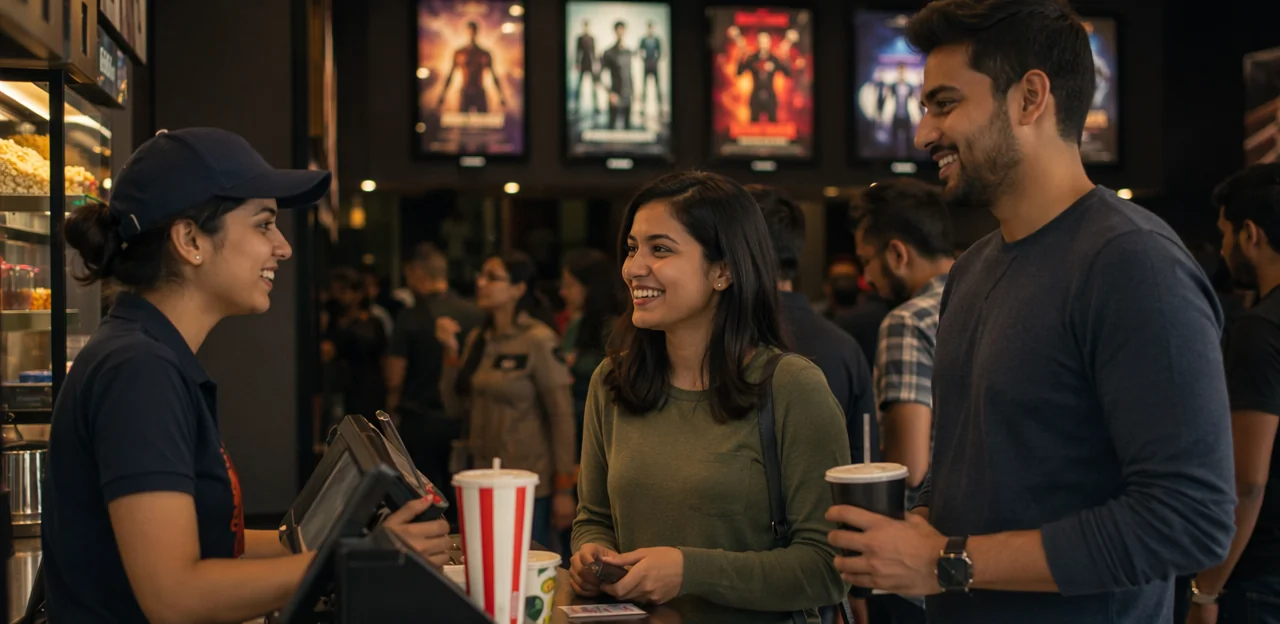
Using feedback to improve service, comfort, and convenience
Turning cinema loyalty feedback into visible action is one of the fastest ways to strengthen the audience experience and drive repeat visits. Cinemas should review comments by touchpoint and act on the issues guests notice most:
- Seating and cleanliness: replace damaged seats, improve legroom planning where possible, and increase cleaning checks between screenings.
- Queue times and concessions: use feedback to adjust staffing at peak times, simplify menus, and speed up collection for popular items.
- Sound quality: track recurring complaints by screen to fix volume imbalance, unclear dialogue, or technical faults quickly.
- Staff interactions: coach teams on greeting, problem resolution, and upselling without pressure.
Tools like Tapsy can help capture real-time input, making cinema service improvement faster and more targeted.
Optimizing rewards and promotions based on real behavior
Use cinema loyalty feedback alongside booking, concession, and visit-frequency data to build offers people actually redeem. This makes loyalty rewards optimization far more effective than generic discounts.
- Match offers to habits: Reward weekday regulars with snack upgrades, while occasional visitors may respond better to “return within 14 days” discounts.
- Refine membership tiers: Use real attendance patterns to set tier thresholds, then add benefits audiences value most, such as priority booking or bundled refreshments.
- Create smarter family bundles: Feedback from parents can reveal demand for child-friendly combos, flexible seating, or weekend package pricing.
- Boost off-peak attendance: Target quieter showtimes with tailored cinema promotions, such as bonus points, two-for-one tickets, or limited-time loyalty multipliers.
Tools like Tapsy can help capture timely feedback and connect it to reward actions.
Closing the feedback loop to build trust
Strong cinema loyalty feedback strategies do more than collect opinions—they show guests their voice leads to action. Closing the feedback loop builds customer trust cinema brands need for repeat visits, because audiences feel heard rather than ignored.
- Acknowledge feedback quickly: Send a thank-you message, confirm the issue or suggestion was received, and set expectations for follow-up.
- Communicate visible changes: Tell guests when you improve seat comfort, queue times, sound quality, or concessions based on their input.
- Show impact publicly: Use email, app updates, or foyer signage such as “You asked, we changed.”
When cinemas consistently respond and act, feedback becomes part of the experience itself. Tools like Tapsy can help capture and respond to audience insights in real time, reinforcing trust and long-term loyalty.
Measuring success with loyalty and feedback metrics

Key KPIs for cinema retention and engagement
To improve cinema loyalty feedback strategies, track a focused set of cinema retention metrics and loyalty program KPIs that connect audience sentiment with repeat revenue:
- Repeat visit rate: Measures how often guests return within 30, 60, or 90 days.
- Loyalty enrollment rate: Shows how effectively staff, app prompts, or offers convert visitors into members.
- Redemption rate: Reveals whether rewards are attractive and easy to use.
- Customer satisfaction (CSAT): Captures immediate experience quality after visits.
- Net Promoter Score (NPS): Indicates long-term advocacy and word-of-mouth potential.
- Churn reduction: Tracks whether fewer members stop attending over time.
Review these KPIs by location, film type, and campaign to spot what truly drives retention.
How to connect feedback data with revenue outcomes
To turn cinema loyalty feedback into measurable growth, connect survey and sentiment data to customer transactions in your CRM, POS, and loyalty platform. Focus on a few clear links:
- Match feedback scores to spend: Compare sentiment by visit with ticket sales, concessions spend, and upgrade purchases.
- Track loyalty behaviour: Measure whether members who leave positive feedback return sooner, visit more often, or spend more per trip.
- Calculate long-term impact: Use feedback analytics to identify which experience issues reduce repeat visits and lower customer lifetime value cinema.
- Segment by audience type: Compare first-time guests, families, and loyalty members to see where service improvements drive the biggest revenue lift.
Tools like Tapsy can help capture real-time feedback at key cinema touchpoints.
Common mistakes that limit results
Even well-designed cinema loyalty feedback efforts can underperform when execution is weak. Watch for these common issues:
- Collecting feedback without action: If guests share concerns but see no improvement, trust drops fast. A strong customer feedback strategy should route issues to staff and close the loop visibly.
- Overcomplicated rewards: Confusing tiers, unclear points, or hard-to-redeem offers are classic loyalty program mistakes. Keep rewards simple, relevant, and easy to use.
- Poor segmentation: Sending the same offer to families, blockbuster fans, and arthouse regulars reduces impact.
- Inconsistent follow-up: Ask for feedback regularly, respond quickly, and use tools like Tapsy to support timely recovery and repeat visits.
Practical strategy for bringing audiences back more often
A step-by-step framework for cinema teams
- Set clear goals: Define what success looks like for your cinema loyalty feedback programme: more repeat visits, higher concession spend, better ratings, or fewer complaints.
- Collect feedback at key moments: Ask short questions after booking, at concessions, and after the screening to capture fresh audience insights.
- Connect feedback to rewards: Use your cinema loyalty strategy to offer relevant incentives such as points, upgrades, or return-visit offers.
- Segment and act: Identify patterns by film type, time slot, or customer group to strengthen your retention strategy cinemas approach.
- Test and refine: Trial different rewards, message timing, and survey lengths, then optimise based on response rates, redemptions, and repeat attendance.
Quick wins for independent cinemas and larger chains
- Start with one simple feedback moment: Add a QR code on tickets, seat backs, or concession counters to collect cinema loyalty feedback right after the visit.
- Reward the next booking, not just points: For independent cinema marketing, offer a free popcorn, member-only screening, or local partner discount. For cinema chain loyalty, use scalable rewards like bonus points, weekday upgrades, or bundled family offers.
- Segment by audience type: Tailor offers for students, families, and frequent filmgoers based on visit habits.
- Fix issues fast: Route low scores on sound, queues, or cleanliness to staff quickly. Tools like Tapsy can help capture in-the-moment feedback without an app.
Future trends in loyalty, retention, and audience experience
The next wave of cinema loyalty trends will be driven by smarter, faster, and more connected experiences:
- AI-driven personalization: Use booking history, genre preferences, and visit timing to tailor offers, seat upgrades, and concession bundles.
- Predictive retention: Identify audiences at risk of dropping off and trigger timely win-back campaigns before habits fade.
- Mobile-first engagement: Simplify loyalty, rewards, and ticketing through frictionless mobile journeys, from booking to post-visit offers.
- Responsive feedback systems: Strengthen cinema loyalty feedback by collecting real-time input during and after visits, then acting quickly on issues.
For stronger audience experience innovation, cinemas can also use tools like Tapsy to capture instant feedback and reward repeat visits.
Conclusion
In today’s competitive exhibition landscape, bringing moviegoers back more often depends on more than programming alone. The cinemas that win long term are the ones that combine strong rewards, seamless audience experience, and timely insight into what customers actually think. That is where cinema loyalty feedback becomes especially powerful. When cinemas listen at the right moments—before, during, and after a visit—they can identify friction points, resolve issues faster, personalize offers, and create the kind of experience that builds real habit.
A smart approach to cinema loyalty feedback helps turn one-time guests into regular visitors by connecting audience sentiment with meaningful incentives, better service, and ongoing communication. Whether the goal is improving concession satisfaction, reducing complaints, increasing membership engagement, or encouraging repeat bookings, feedback should be treated as a growth tool, not just a reporting exercise.
The next step is to review your current loyalty journey and identify where feedback can be captured most effectively across the cinema experience. Explore touchpoint-based surveys, reward-led participation, staff response workflows, and first-party data strategies. Solutions like Tapsy can also help cinemas collect real-time feedback and encourage repeat engagement without adding friction. Start refining your cinema loyalty feedback strategy now to strengthen retention, improve audience satisfaction, and keep seats filled more often.
Frequently Asked Questions
- What is cinema loyalty feedback?
Cinema loyalty feedback combines loyalty rewards with audience feedback to understand why guests return or stop visiting. It links incentives such as points, upgrades, or snack discounts with comments about booking, seating, concessions, cleanliness, and service.
- Why does loyalty feedback help cinemas improve retention?
Rewards encourage repeat visits, while feedback shows what is helping or hurting the experience. When cinemas act quickly on pain points like queues, seat comfort, or slow concessions, they can prevent dissatisfaction from turning into churn.
- What do modern cinema audiences expect beyond the film itself?
Audiences expect convenience, personalization, meaningful rewards, and consistent service quality. Fast booking, mobile tickets, easy seat selection, short queues, clean venues, friendly staff, and reliable technology all influence whether people come back.
- Which loyalty program features are most likely to drive sign-ups and engagement?
Simple points earning, tiered rewards, exclusive access, concessions perks, and easy redemption paths are highlighted as the strongest mechanics. The key is making value obvious from the first visit and keeping the program easy to use across online and in-person touchpoints.
- How can cinemas reduce friction in the loyalty journey?
Cinemas can make points, rewards, and offers visible in the app, connect loyalty to online booking, and allow quick access at kiosks through a code, phone number, or card. Staff should also be trained to explain rewards, solve account issues, and encourage sign-ups naturally.
- How should cinemas personalize rewards without overwhelming guests?
Rewards should be based on genre preferences, visit history, family habits, and spending patterns. Communications work best when they are limited to one clear message at the right moment rather than frequent generic promotions.
- What are the best channels for collecting cinema audience feedback?
Useful channels include post-visit surveys, app prompts, email follow-ups, on-site QR codes, social listening, and in-theater requests. A mix of low-friction touchpoints helps cinemas capture timely feedback before occasional guests drift away.
- When is the best time to ask cinema guests for feedback?
Good moments include shortly after booking, right after concessions collection, and 1–3 hours after the screening or the next morning for late shows. Feedback can also be requested immediately after loyalty actions such as points redemption or tier upgrades.
- What questions should cinemas ask to get actionable insights?
Short, specific questions work best, such as asking what most improved the visit, whether there were issues with queues or cleanliness, which reward would encourage another visit, and what barriers stop guests from returning more often. Questions about return intent can also reveal early signs of churn.
- How can feedback be used to improve the in-cinema experience?
Comments should be reviewed by touchpoint so teams can fix visible issues such as damaged seats, cleaning gaps, queue times, sound problems, and weak staff interactions. Acting on these areas quickly makes improvements noticeable and supports repeat attendance.
- How can cinemas use behavior and feedback together to optimize promotions?
Feedback should be combined with booking, concession, and visit-frequency data to shape offers people are more likely to redeem. That can mean rewarding weekday regulars differently from occasional visitors, refining tier benefits, creating better family bundles, or boosting off-peak attendance with tailored promotions.
- What does closing the feedback loop mean for a cinema?
Closing the feedback loop means acknowledging guest input, confirming issues were received, and communicating what changed as a result. Email, app updates, or foyer signage can show audiences that their feedback led to improvements in seating, queue times, sound, or concessions.
- Which KPIs should cinemas track to measure loyalty and feedback success?
Key metrics include repeat visit rate, loyalty enrollment rate, redemption rate, customer satisfaction, Net Promoter Score, and churn reduction. Reviewing these by location, film type, and campaign helps identify what is actually driving retention.
- How can cinemas connect feedback data to revenue outcomes?
Feedback and sentiment data should be linked with CRM, POS, and loyalty platform transactions. This makes it possible to compare feedback scores with ticket sales, concessions spend, upgrade purchases, return timing, and customer lifetime value by audience segment.
- What practical first steps can independent cinemas and larger chains take?
A simple starting point is adding one feedback moment, such as a QR code on tickets, seat backs, or concession counters. Then reward the next booking with offers suited to the business, segment audiences by type, and route low scores on sound, queues, or cleanliness to staff quickly.