In coworking, reputation can change as quickly as the Wi-Fi drops in a meeting room or a noisy phone booth disrupts someone’s day. Members rarely separate a small operational issue from the overall brand experience, and when frustration builds without an easy outlet, it often shows up later as a damaging public review. That is why coworking review management is no longer just about responding on Google or social platforms after the fact. It is about creating better systems to catch concerns early, resolve them quickly, and protect member trust before dissatisfaction becomes visible to everyone.
For coworking operators, the real opportunity lies in private feedback channels that make it simple for members to report issues the moment they happen. A broken screen, poor cleanliness, temperature discomfort, or a weak community experience can often be fixed before it turns into a one-star complaint. Tools such as Tapsy can support this by helping teams collect on-the-spot feedback at key workspace touchpoints and route issues internally faster.
This article explores how private feedback supports stronger service recovery, improves day-to-day operations, and strengthens the member experience. We will also look at practical ways coworking spaces can reduce negative public reviews by acting on concerns before members feel the need to post them.
Why coworking review management starts with private feedback

The link between member experience and online reputation
In coworking spaces, member experience directly shapes online reputation. Reviews on Google, social media, and coworking directories are usually built from small daily moments, not just major service failures.
- A slow Wi-Fi connection during an important call
- A dirty kitchen or restroom
- Noise in focus areas
- Unhelpful reception or delayed support
On their own, these issues may seem minor. But when members feel ignored, frustration grows and private disappointment often turns into public criticism. That is why strong coworking review management starts with fixing operational pain points before they become visible online.
Actionable steps:
- Collect feedback at key touchpoints in real time.
- Respond quickly to low scores or complaints.
- Close the loop so members know action was taken.
Tools like Tapsy can help capture issues before they become reviews.
Why members complain publicly instead of privately
Members usually turn to public complaints when private channels feel slow, unclear, or ineffective. In coworking review management, this often happens when small frustrations become visible patterns.
- No easy feedback path: If members cannot quickly share member feedback in-app, on-site, or by email, they default to Google or social platforms.
- Slow support responses: When teams take too long to acknowledge service issues, members may post publicly to get attention faster.
- Unclear expectations: Confusing policies around access, meeting rooms, billing, or amenities can make members feel misled.
- Repeated unresolved issues: Ongoing Wi-Fi problems, noise, cleanliness, or booking errors create the sense that private reports do nothing.
To reduce escalation, offer simple touchpoint feedback tools, set response-time standards, and close the loop visibly. Tools like Tapsy can help capture issues before they become reviews.
The business cost of unmanaged reviews
For coworking offices, unmanaged negative reviews create a direct revenue problem, not just a branding issue. In competitive local markets, prospects compare spaces fast, and one unresolved complaint can shape first impressions before a tour is even booked.
- Fewer tours: Poor ratings reduce click-throughs from Google Maps and local search.
- Lower conversions: Prospects who do tour arrive skeptical, making sales conversations harder.
- Higher churn: Existing members may see recurring complaints as proof that issues never get fixed.
- Weaker referrals: Happy members hesitate to recommend a space with visible public complaints.
- Eroded trust: Silence from operators signals weak service recovery and poor reputation management.
Strong coworking review management means capturing concerns early, resolving them privately, and preventing small operational issues from becoming public trust signals.
Build a private feedback system members will actually use

Create low-friction feedback channels
In coworking review management, the easiest way to prevent public complaints is to make private feedback fast, visible, and effortless. Focus on lightweight feedback channels members can use in seconds:
- Post-onboarding member surveys: Send a short survey after move-in or the first week to catch setup issues early.
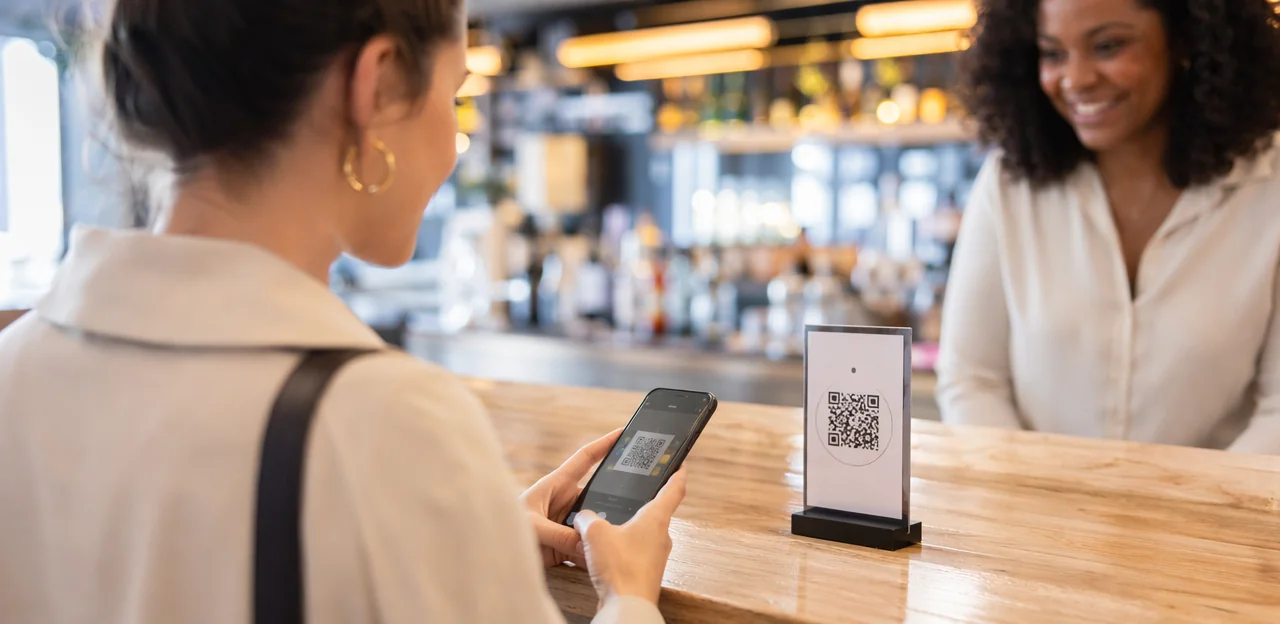
- QR codes in key spaces: Place codes at reception, meeting rooms, kitchens, and phone booths so members can report problems on the spot.
- Member apps or portals: Add a simple feedback button for quick comments, ratings, or issue categories.
- Front-desk prompts: Train staff to ask one consistent question, such as “How was your experience today?”
- Automated check-ins: Trigger follow-up messages after support tickets, bookings, or event attendance.
Keep member surveys short, mobile-friendly, and tied to clear internal follow-up. Tools like Tapsy can help streamline this process.
Ask the right questions at the right moments
Strong coworking review management depends on timing. Instead of sending generic surveys, align requests with key points in the member journey to improve your customer feedback strategy and strengthen workspace operations.
- Onboarding: After the first day or week, ask whether access, Wi-Fi, signage, and team support felt clear.
- Meeting room use: Send a short pulse right after a booking ends to capture room comfort, tech reliability, and cleanliness.
- Billing events: After invoices, renewals, or plan changes, ask if pricing, charges, and communication were easy to understand.
- Maintenance requests: Follow up once an issue is marked resolved to confirm speed and satisfaction.
- Community programming: After events, ask what members valued and what topics or formats they want next.
Tools like Tapsy can help capture this feedback at the exact touchpoint.
Make anonymity and follow-up options clear
In coworking review management, clarity around identity and response options helps surface issues early and protects member trust.
- Use anonymous feedback for sensitive topics like noise conflicts, staff behavior, inclusivity concerns, or community tensions. Members are often more honest when they feel safe from awkward follow-up or social friction.
- Encourage identified feedback when fast service recovery is possible, such as billing errors, Wi-Fi issues, room booking problems, or cleanliness complaints. If you know who reported the issue, your team can confirm details and close the loop quickly.
- Reassure members upfront by stating how feedback is handled: who sees it, expected response times, and that complaints are reviewed professionally, not personally.
A simple form with “Stay anonymous” or “Request follow-up” options—such as through Tapsy—makes participation easier and more actionable.
Turn private feedback into fast service recovery

Triage complaints by urgency and impact
A simple complaint triage model helps teams respond faster and improve service recovery across daily coworking operations. Sort every issue by two factors: severity (risk to safety or business continuity) and impact (how many members are affected).
- Critical: act immediately
- Safety problems, security incidents, major internet outages, power loss
- Escalate to operations leadership at once and send member updates within minutes
- High: resolve same day
- Persistent noise complaints, HVAC failures, access issues, major cleanliness concerns in shared areas
- Assign to the responsible team with a clear deadline
- Medium: fix within 24–48 hours
- Billing disputes, meeting room equipment issues, recurring supply shortages
- Log details, confirm receipt, and track follow-up
- Low: monitor and improve
- Minor comfort preferences or isolated suggestions
- Use trends to guide future changes
In coworking review management, private feedback tools such as Tapsy can route urgent reports before they become public complaints.
Close the loop with members quickly
In coworking review management, speed and clarity often determine whether private feedback becomes a public complaint. To close the loop effectively, set simple service standards your team can follow every time:
- Define customer response time targets: acknowledge urgent issues within 15–30 minutes, standard service concerns within 4 business hours, and share a resolution update within 24 hours.
- Assign clear ownership: every feedback item should have one named owner, whether that is reception, facilities, IT, or the community manager.
- Create escalation paths: route safety, access, billing, or repeated complaints directly to leadership if they are not resolved within a set timeframe.
- Send follow-up messages: tell members what changed, such as a repaired phone booth, restocked kitchen, or adjusted cleaning schedule.
This kind of fast, visible follow-through improves member satisfaction and shows members that their feedback leads to real action.
Train staff to recover trust, not just solve tasks
In coworking review management, the goal is not only to fix a broken printer or booking error, but to restore confidence before a member posts publicly. Effective staff training should help front-desk teams, every community manager, and operations staff respond in ways that reduce tension fast:
- Lead with empathy: Acknowledge the inconvenience clearly: “I understand how disruptive that was.”
- Show accountability: Avoid vague handoffs. Name the issue, explain who owns it, and confirm the next step.
- Communicate timelines: Tell members when they will get an update, even if the full fix takes longer.
- Close the loop: Follow up after resolution to confirm the experience improved.
This approach strengthens trust recovery because members feel heard, not managed. Simple private feedback tools, including touchpoint systems like Tapsy, can also help teams catch frustration early and respond before complaints become public reviews.
Use review management workflows to prevent public complaints

Connect feedback data with review monitoring
Strong coworking review management starts by linking private signals to public ones. Build a simple reputation workflow that combines feedback data from every channel, then flags repeat issues before they turn into negative posts.
- Centralize inputs: Pull internal surveys, front-desk notes, CRM updates, help desk tickets, and Google review alerts into one dashboard.
- Tag consistently: Use shared labels such as Wi-Fi, cleanliness, billing, noise, meeting rooms, or staff response time.
- Watch for clusters: If private complaints about one location or service rise, treat that as an early warning for review monitoring.
- Assign ownership: Route patterns to operations, community, or facilities teams with deadlines and follow-up steps.
- Close the loop: After fixes, compare ticket volume, sentiment, and review trends to confirm improvement.
Tools like Tapsy can help capture fresh, on-site feedback before frustration goes public.
Know when to invite happy members to leave reviews
Strong coworking review management starts with timing. The best review generation moments happen when satisfaction is clear, recent, and genuine, not forced.
- Ask after a resolved issue: If a Wi-Fi problem, billing concern, or room booking mix-up was fixed quickly, follow up and, if the member is clearly satisfied, send an ethical review request.
- Use positive milestones: Good times include membership anniversaries, successful event attendance, team expansion, or a smooth office move-in.
- Spot naturally satisfied members: Look for members who give high private feedback, renew, refer others, or thank staff directly.
Never gate requests by blocking unhappy voices from public channels. Instead, invite all members fairly while prioritizing moments when happy members are most likely to share authentic experiences.
Respond to public reviews when prevention fails
When private outreach does not stop a complaint from going public, coworking review management should focus on speed, professionalism, and transparency. A strong public review response can protect trust and show prospects that your team takes issues seriously.
- Reply promptly and calmly: Thank the reviewer and acknowledge concerns without becoming defensive.
- Address the specific issue: Briefly reference the problem—noise, Wi-Fi, billing, or cleanliness—so your response feels genuine.
- Show accountability: If your team missed the mark, say so and explain what you are doing to fix it.
- Move the conversation offline: Invite the member to continue by email or phone to resolve details privately.
- Close the loop internally: Use feedback from negative posts to improve your online review management process; tools like Tapsy can help catch issues earlier.
Measure what makes coworking review management effective

Track the right KPIs
To improve coworking review management, measure the signals that show both service quality and recovery speed:
- Feedback volume: track how many private comments, surveys, and review prompts you receive by location or touchpoint.
- Response time: monitor how quickly staff acknowledge issues after submission.
- Resolution time: measure how long it takes to fully fix reported problems.
- Review rating trends: watch average ratings over time to spot declines early.
- Retention metrics: compare renewal rates, cancellations, and at-risk members after complaints.
- Churn reasons: log why members leave and connect those reasons to feedback history.
- Recurring issue categories: group complaints like Wi-Fi, noise, cleanliness, or room availability.
Tools like Tapsy can help capture and route this data in real time.
Identify root causes across locations or teams
Strong coworking review management starts with turning private feedback into structured data. Tag each complaint by category—such as Wi-Fi, cleanliness, noise, room booking, or front-desk service—then compare patterns by site, shift, team, and time period. This makes root cause analysis faster and more useful, especially in multi-location coworking operations.
- Track repeat issues by location and team, not just total complaint volume
- Look for shared causes, such as weak cleaning checklists or inconsistent onboarding
- Standardize fixes across offices to improve operational consistency
- Review trends weekly to catch rising problems before they become public reviews
Tools like Tapsy can help capture and compare feedback across touchpoints.
Turn insights into operational improvements
Effective coworking review management only matters if feedback leads to action. Turn member feedback insights into clear operational improvements by mapping recurring issues to specific teams and timelines:
- Cleaning schedules: Increase checks in kitchens, restrooms, and meeting rooms during peak hours.
- Internet reliability: Track Wi-Fi complaints by zone, then prioritize router upgrades, bandwidth balancing, or provider reviews.
- Booking policies: Simplify room rules, buffer times, and cancellation windows when members report friction.
- Billing clarity: Rewrite invoices, highlight add-ons, and create FAQ support for common confusion.
- Community programming: Use attendance and sentiment trends to plan events members actually want.
Tools like Tapsy can help capture in-the-moment feedback for smarter workspace management.
Best practices and common mistakes for coworking offices

Best practices for a member-first review strategy
- Communicate early and often: Ask for private feedback at key touchpoints before frustration turns public.
- Document clear SOPs: Build a consistent review management process for triage, response times, escalation, and follow-up.
- Show visible accountability: Assign owners to issues and confirm actions back to members so they feel heard.
- Review feedback with staff regularly: Use weekly check-ins to spot patterns, coach teams, and improve service recovery.
These best practices strengthen coworking review management by turning complaints into a practical, member-first strategy for retention and trust.
Mistakes that push complaints into public channels
In coworking review management, a few common mistakes turn fixable frustrations into public complaints:
- Ignoring small issues: Repeated Wi-Fi drops, noise, or cleanliness lapses often become visible customer service failures if left unresolved.
- Over-automating responses: Generic replies feel dismissive and can escalate frustration.
- Delaying follow-up: Slow action signals that member feedback is not a priority.
- Treating reviews as marketing only: Reviews are operational data, not just brand content.
Use fast private feedback loops, clear ownership, and timely human responses to resolve issues before they spread publicly.
A simple 30-day implementation plan
- Days 1–7: Set up private feedback channels at reception, meeting rooms, and exits. Define tags, owners, and urgency levels for your coworking review management process.
- Days 8–14: Train staff to invite feedback, de-escalate concerns, and log issues consistently.
- Days 15–21: Launch triage rules: urgent facility, billing, and safety issues get same-day follow-up; experience issues within 24 hours.
- Days 22–30: Finalize public review response templates, assign responders, and track resolution times to strengthen your implementation plan and service recovery plan.
Conclusion
In coworking spaces, reviews rarely start as reviews—they start as unresolved friction. That is why effective coworking review management begins long before a member posts a public complaint. By creating simple, private feedback channels at the right touchpoints, operators can catch issues early, respond faster, and turn small frustrations into service recovery opportunities.
The key is to make feedback easy, timely, and actionable. Whether the issue is Wi-Fi reliability, meeting room quality, cleanliness, noise, or front-desk support, private feedback helps teams identify patterns, route problems to the right staff, and close the loop with members before dissatisfaction spreads online. In turn, this protects your reputation, improves retention, and strengthens the overall member experience.
Strong coworking review management is not about hiding criticism—it is about earning better reviews through faster listening and better operations. When members feel heard in the moment, they are far more likely to stay engaged and far less likely to vent publicly.
Now is the time to audit your feedback journey, train your team on service recovery, and implement tools that help surface issues in real time. Solutions like Tapsy can support this with simple QR/NFC feedback at key workspace touchpoints. For next steps, review your complaint trends, map high-friction areas, and build a clear process for private feedback follow-up.
Frequently Asked Questions
- What is coworking review management?
Coworking review management is the process of catching member concerns early, resolving them quickly, and reducing the chance that frustration turns into a public complaint. It goes beyond replying to Google or social reviews after the fact by building systems for private feedback and service recovery.
- Why does private feedback matter before members post public reviews?
Private feedback gives members an easy outlet to report issues when they happen, such as Wi-Fi problems, cleanliness concerns, or noise. When teams act quickly, they can fix the problem before it becomes a visible one-star review that affects trust.
- What kinds of small coworking issues often lead to negative reviews?
Common triggers include slow Wi-Fi, dirty kitchens or restrooms, noise in focus areas, unhelpful reception, delayed support, temperature discomfort, and meeting room problems. These may seem minor individually, but repeated frustration can shape the overall brand experience.
- Why do coworking members complain publicly instead of using private channels?
Members often go public when private feedback paths feel unclear, slow, or ineffective. Repeated unresolved issues, confusing policies, and delayed responses can make public platforms feel like the fastest way to get attention.
- How can a coworking space make private feedback easier to submit?
Use low-friction channels that members can access in seconds, such as QR codes in key spaces, a feedback button in the member app or portal, short post-onboarding surveys, front-desk prompts, and automated check-ins after bookings or support tickets. Keep forms short, mobile-friendly, and tied to clear follow-up.
- When should coworking operators ask members for feedback?
Good moments include after onboarding, right after a meeting room booking ends, after billing events, once a maintenance request is marked resolved, and after community events. Timing feedback requests to these touchpoints makes responses more relevant and actionable.
- Should coworking feedback be anonymous or identified?
Anonymous feedback works well for sensitive topics like staff behavior, inclusivity concerns, noise conflicts, or community tensions. Identified feedback is better when fast service recovery is possible, such as billing errors, Wi-Fi issues, room booking problems, or cleanliness complaints.
- How should coworking teams prioritize complaints?
A simple triage model sorts issues by severity and impact. Critical problems like safety incidents, security issues, major internet outages, or power loss need immediate action, while high, medium, and low issues can be handled with same-day, 24–48 hour, or longer-term improvement timelines.
- What response times help prevent private complaints from becoming public?
Urgent issues should be acknowledged within 15–30 minutes, standard service concerns within 4 business hours, and members should receive a resolution update within 24 hours. Clear ownership and escalation paths help teams meet those standards consistently.
- How should staff respond to recover trust, not just complete a task?
Staff should lead with empathy, acknowledge the inconvenience clearly, and explain who owns the issue and what will happen next. They should also communicate timelines and follow up after resolution so members feel heard and supported.
- How can private feedback be connected to public review monitoring?
Centralize surveys, front-desk notes, CRM updates, help desk tickets, and Google review alerts in one workflow. Tag issues consistently by categories like Wi-Fi, cleanliness, billing, noise, meeting rooms, or staff response time so repeat patterns can be spotted before they appear in public reviews.
- When is the right time to ask happy members for a review?
The best time is when satisfaction is recent and genuine, such as after a resolved issue, a membership anniversary, a successful event, team expansion, or a smooth move-in. Requests should be ethical and fair, without blocking unhappy members from public channels.
- What should a coworking operator do if a negative review is already public?
Reply promptly, thank the reviewer, and acknowledge the specific concern without sounding defensive. Show accountability, explain that the issue is being addressed, and invite the person to continue the conversation offline for details.
- Which KPIs are most useful for measuring coworking review management?
Useful metrics include feedback volume, response time, resolution time, review rating trends, retention metrics, churn reasons, and recurring issue categories. Tracking these signals helps show both service quality and the speed of recovery.
- What is a simple 30-day plan to improve coworking review management?
Start by setting up private feedback channels and defining tags, owners, and urgency levels in the first week. Then train staff, launch triage rules for same-day and 24-hour follow-up, and finish by preparing public review response templates, assigning responders, and tracking resolution times.