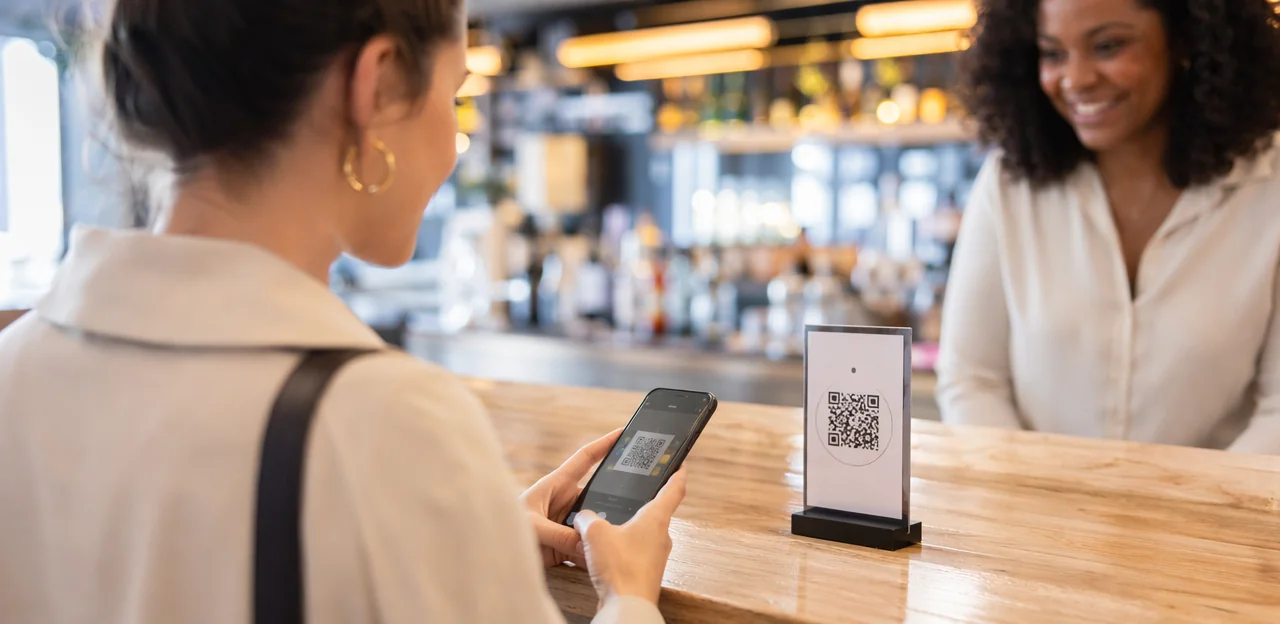
Every guest interaction tells a story, but without the right customer feedback system, cafés, hotels, and venues can miss the insights that matter most. In hospitality, where experience shapes reputation, revenue, and repeat visits, understanding what guests think in real time is no longer optional. From a quick coffee stop to a luxury hotel stay, businesses need smarter ways of collecting customer feedback before minor frustrations turn into negative reviews or lost loyalty.
A modern customer feedback system does far more than send follow-up emails. Today’s best solutions combine an online customer feedback system with on-site touchpoints, easy-to-complete customer feedback surveys, and intuitive customer feedback tools that make it simple for guests to respond in the moment. Whether through a digital customer feedback form, QR code, or contactless tap, the goal is the same: turn opinions into action.
This article explores how a customer feedback management system can help hospitality brands improve guest experience, streamline service recovery, and make better decisions with AI and analytics. It will also look at effective survey design, the role of automation in customer feedback, and the practical strategies businesses can use to gather meaningful insights across every stage of the guest journey.
Why a Customer Feedback System Matters in Hospitality

The role of guest feedback in cafés, hotels, and venues
A strong customer feedback system helps hospitality businesses spot issues while the visit is still fresh, not days later. In cafés, hotels, and event venues, timely customer feedback reveals what guests think about service speed, staff attitude, cleanliness, food and beverage quality, booking ease, and event execution.
- Improve operations: Use customer feedback surveys and a simple customer feedback form to identify recurring service gaps.
- Protect reputation: Fast action on complaints can prevent negative reviews and strengthen brand trust.
- Increase repeat visits: Better guest experience leads to loyalty, referrals, and stronger lifetime value.
- Support teams: A customer feedback management system helps track staff performance and service consistency.
The best customer feedback tools make collecting customer feedback easy across touchpoints, whether through an online customer feedback system or in-person prompts.
Common pain points without a structured system
Without a structured customer feedback system, hospitality teams often end up reacting too late or missing key issues entirely. Common problems include:
- Scattered reviews and comments: Feedback lives across Google, OTAs, social media, paper notes, and a basic customer feedback form, making collecting customer feedback inconsistent.
- Missed complaints: When no online customer feedback system is in place, service issues can go unresolved before they become public reviews.
- Inconsistent survey design: Poorly built customer feedback surveys produce unreliable data and make comparisons difficult.
- Manual follow-up: Staff waste time chasing responses instead of acting on them.
- No trend visibility: Without a customer feedback management system, patterns in guest experience, service quality, and repeat complaints stay hidden.
The right customer feedback tools centralize data, speed up response times, and turn fragmented customer feedback into actionable insight.
Business outcomes tied to better feedback processes
A strong customer feedback system turns everyday guest comments into measurable business gains across cafés, hotels, and venues. When teams are consistently collecting customer feedback, they can act faster, fix service gaps, and improve the guest journey at every touchpoint.
- Higher satisfaction and retention: Well-timed customer feedback surveys and a simple customer feedback form help identify pain points before they lead to lost repeat visits.
- Stronger online ratings: An effective online customer feedback system helps resolve issues privately first, increasing the chance of better public reviews.
- Better staff coaching: A reliable customer feedback management system gives managers real examples to train teams and reward strong service.
- Smarter decisions with AI & Analytics: Modern customer feedback tools reveal trends, sentiment, and recurring issues, helping operators prioritize improvements with confidence.
Core Features of an Effective Customer Feedback System

Multi-channel feedback collection across the guest journey
A strong customer feedback system captures insights at every stage of the guest experience, not just after checkout. Using multiple touchpoints helps hospitality teams improve response rates and gather more accurate, in-the-moment customer feedback.
- On-site QR codes and table cards: Place a simple customer feedback form on receipts, menus, room cards, or signage to capture immediate reactions.
- Kiosks and tablets: Ideal for lobbies, exits, and event spaces, these customer feedback tools make collecting customer feedback fast and convenient.
- Email and SMS follow-ups: Send short customer feedback surveys after stays, meals, or bookings to gather more detailed reflections.
- Booking and post-event messages: Trigger feedback requests after check-in, spa visits, conferences, or private events.
The right timing improves both quality and volume. Guests are more likely to respond when the experience is fresh, making an online customer feedback system or customer feedback management system far more effective for identifying service issues, trends, and opportunities quickly.
Survey design that increases completion and insight quality
Effective survey design keeps responses quick, relevant, and easy on any device. A strong customer feedback system should make collecting customer feedback feel effortless while producing useful data teams can act on.
- Keep it short: Limit most customer feedback surveys to 3–5 questions. Start with one rating question, then add one optional open-text prompt.
- Design for mobile first: Your online customer feedback system should use tap-friendly buttons, fast-loading pages, and minimal typing.
- Use clear rating scales: Stick to simple 1–5, CSAT, or NPS formats so your customer feedback management system can compare results over time.
- Add smart open-text prompts: Ask “What could we improve today?” to capture detail without overwhelming guests.
- Match questions to the experience: Hotel stays may ask about check-in or room comfort, cafés about speed and product quality, and venue events about staff, flow, or atmosphere.
The best customer feedback tools turn every customer feedback form into actionable insight.
Dashboards, alerts, and AI-powered analytics
A strong customer feedback system should turn raw responses into clear next steps for café, hotel, and venue teams. The best customer feedback management system brings every channel into one dashboard, so managers can review customer feedback surveys, QR taps, kiosk entries, and each customer feedback form without switching platforms.
Key capabilities should include:
- Centralized dashboards: View all customer feedback by location, shift, service area, or team member.
- Sentiment detection: Use AI & Analytics to classify comments as positive, neutral, or negative and spot changes early.
- Instant alerts: Flag urgent complaints in real time so staff can recover service before a guest leaves.
- Theme analysis: Identify recurring issues such as cleanliness, wait times, menu quality, or room comfort.
- Actionable reporting: Turn trends into tasks, coaching points, and operational improvements.
The most effective online customer feedback system combines easy collecting customer feedback with practical reporting, helping teams use customer feedback tools to improve guest experience consistently.
How Cafés, Hotels, and Venues Can Use Feedback Strategically

Cafés: improving speed, service, and repeat visits
A strong customer feedback system helps cafés spot friction fast and improve the full customer experience, from ordering to departure. By collecting customer feedback after dine-in or takeaway visits, teams can refine service speed, menu quality, staff friendliness, cleanliness, and loyalty offers.
- Use short customer feedback surveys with 3–5 questions after purchase.
- Add a simple customer feedback form on receipts, QR cards, or kiosks.
- Track themes in an online customer feedback system or customer feedback management system to identify repeat issues.
Useful café survey prompts include:
- How satisfied were you with wait time today?
- Did your food or drink meet expectations?
- How friendly and helpful was our team?
- Was the seating or pickup area clean?
- Which reward would encourage your next visit?
The best customer feedback tools turn quick responses into better operations, smarter offers, and more repeat visits.
Hotels: enhancing stays from booking to checkout
In Hotels & Hospitality, a strong customer feedback system helps teams monitor every stage of the guest journey and act before small issues become poor reviews. An online customer feedback system can gather real-time insights through short customer feedback surveys, QR touchpoints, or a simple customer feedback form sent after key moments.
- Reservations: identify booking friction, unclear rates, or slow responses
- Check-in: measure wait times, staff helpfulness, and first impressions
- Room quality: track cleanliness, comfort, maintenance, and noise issues
- Amenities and dining: evaluate spa, Wi-Fi, breakfast, bar, and restaurant experiences
- Housekeeping and checkout: improve service consistency and departure efficiency
By collecting customer feedback consistently, hotels can use customer feedback tools and a customer feedback management system to resolve issues quickly, improve guest experience, and strengthen review management across public platforms.
Venues: measuring event success and service consistency
For venues, a strong customer feedback system helps measure event performance beyond attendance numbers. By collecting customer feedback from attendees, organizers, and corporate clients, teams can identify what worked and where service consistency slipped across staffing, catering, and facilities.
- Use short customer feedback surveys right after key moments such as check-in, catering breaks, and event close.
- Include a simple customer feedback form covering staff support, signage, accessibility, AV quality, cleanliness, and overall guest experience.
- Compare responses by event type to spot recurring service gaps and training needs.
- Combine on-site prompts with an online customer feedback system for post-event follow-up.
The best customer feedback tools feed into a customer feedback management system, turning raw customer feedback into clear actions that improve future events and strengthen client retention.
Best Practices for Collecting Customer Feedback and Acting on It

Ask at the right time and through the right channel
A strong customer feedback system depends on asking when the experience is still fresh and through the channel guests are most likely to use.
- After checkout: Send a short customer feedback survey within a few hours, while service details are still clear.
- After a meal: Use a QR code or table tap point for a fast customer feedback form before guests leave.
- Following an event or stay milestone: Ask right after a conference session, spa visit, or attraction entry to improve accuracy.
Channel choice matters. In-person QR/NFC prompts often outperform email for collecting customer feedback in hospitality, while email works better for longer follow-up questions. An online customer feedback system also helps centralize responses, and a customer feedback management system can turn insights from multiple customer feedback tools into faster service improvements.
Close the loop with guests and internal teams
A customer feedback system only improves customer experience when feedback leads to visible action. Build a simple follow-up process so every insight is acknowledged, routed, and resolved quickly.
- Acknowledge fast: Send an immediate thank-you after a customer feedback form or in-person response. For negative comments, confirm the issue is being reviewed.
- Resolve in real time: Use an online customer feedback system and other customer feedback tools to alert staff instantly, so complaints can be handled before checkout or departure.
- Share insights widely: Turn customer feedback surveys into clear summaries for frontline teams, managers, and leadership, highlighting recurring service gaps and wins.
- Track action: A strong customer feedback management system should assign owners, monitor resolution times, and show how collecting customer feedback drives measurable improvements.
Use trends and benchmarks to guide continuous improvement
A strong customer feedback system turns raw responses into clear benchmarks teams can act on. With the right customer feedback tools and AI & Analytics, cafés, hotels, and venues can compare performance by:
- Location: identify top- and low-performing sites
- Department: spot issues in front desk, housekeeping, food service, or events
- Shift or daypart: uncover staffing or service gaps by time of day
- Service category: track cleanliness, speed, friendliness, and value over time
An online customer feedback system or customer feedback management system helps centralize customer feedback surveys, each customer feedback form, and other methods of collecting customer feedback. These insights support targeted staff training, process updates, and smarter resource planning. Over time, trend analysis helps leaders set realistic KPIs, replicate best practices, and make strategic decisions based on consistent customer feedback, not assumptions.
Choosing the Right Customer Feedback Management System

Key evaluation criteria for hospitality businesses
When choosing a customer feedback system, hospitality teams should focus on the features that improve response rates and make insights usable across daily operations:
- Ease of use: Guests and staff should complete a customer feedback form quickly, with minimal friction.
- Mobile accessibility: A strong online customer feedback system must work smoothly on phones for fast collecting customer feedback on-site.
- Integrations: Look for customer feedback tools that connect with PMS, CRM, POS, and loyalty platforms.
- Automation: Prioritize triggers for customer feedback surveys, alerts, follow-ups, and review requests.
- Reporting depth: A robust customer feedback management system should offer real-time dashboards, trends, and sentiment analysis.
- Multilingual support and scalability: Essential for serving diverse guests and managing multiple locations consistently.
Questions to ask before implementation
Before choosing a customer feedback system, ask:
- How long will setup take? Confirm timelines for launch, staff training, and deploying each customer feedback form across tables, rooms, kiosks, or checkout points.
- How customizable is it? Make sure customer feedback surveys can be tailored by guest segment, language, location, and service type.
- Who owns the data? Your customer feedback management system should give you full access to insights and contacts when collecting customer feedback.
- Is it compliant and secure? Check GDPR, consent handling, and data storage standards.
- What support is included? Ask about onboarding, troubleshooting, and optimization.
- Can it scale? The best online customer feedback system and customer feedback tools should support hotels, cafés, and venues with different workflows.
Signs your current feedback process needs an upgrade
Your customer feedback system likely needs attention if you notice these warning signs:
- Low response rates: Guests ignore your customer feedback surveys or never complete a customer feedback form, making collecting customer feedback inconsistent.
- Disconnected channels: Reviews, emails, QR responses, and staff notes sit in separate places, so your customer feedback management system lacks a full picture.
- Slow complaint resolution: Problems are spotted too late, leading to poor guest experiences and missed recovery opportunities.
- Weak reporting: If your customer feedback tools cannot show trends, recurring issues, or location-level insights, decisions become guesswork.
- No action loop: An outdated online customer feedback system captures comments but fails to turn customer feedback into operational improvements.
Building a Long-Term Guest Experience Strategy with Feedback

Turning feedback into loyalty and reputation growth
A strong customer feedback system helps hospitality brands turn everyday opinions into lasting value by:
- Improving guest experience: Use customer feedback surveys and a simple customer feedback form to spot service gaps fast.
- Boosting reviews: An online customer feedback system helps resolve issues before guests post negative public reviews.
- Increasing repeat bookings: Collecting customer feedback enables more personalized offers, follow-ups, and loyalty incentives.
- Strengthening service consistency: With the right customer feedback tools and a customer feedback management system, teams can act on customer feedback across cafés, hotels, and venues more effectively.
Creating a feedback culture across teams
Leadership sets the tone for a strong customer feedback system by making guest insight part of daily operations, not a monthly report. In Hotels & Hospitality, teams engage more when feedback is visible, actionable, and tied to service wins.
- Review customer feedback surveys in team huddles and assign clear owners for follow-up.
- Use a customer feedback management system or online customer feedback system to track trends, response times, and accountability.
- Reward staff when customer feedback highlights improvements in customer experience.
- Standardize each customer feedback form and use practical customer feedback tools for consistently collecting customer feedback.
Future trends: AI, automation, and smarter survey experiences
Hospitality brands will increasingly rely on a smarter customer feedback system to turn guest sentiment into fast action. Key trends include:
- AI & Analytics that detect patterns, sentiment, and service risks across customer feedback surveys
- Automated workflows that route issues instantly through a customer feedback management system
- Predictive analytics that help teams act before complaints escalate
- Adaptive survey design that personalizes each customer feedback form based on guest behavior
To improve collecting customer feedback, an online customer feedback system should connect feedback, alerts, and customer feedback tools in one streamlined process.
Conclusion
In hospitality, every interaction is a chance to learn, improve, and earn guest loyalty. A well-designed customer feedback system helps cafés, hotels, and venues capture insights in real time, respond faster to service issues, and turn everyday experiences into measurable improvements. From smart customer feedback surveys to streamlined analytics, the right approach makes collecting customer feedback easier, more consistent, and far more valuable.
Whether you’re upgrading an online customer feedback system or implementing a full customer feedback management system, the goal is the same: make it simple for guests to share honest input and easy for your team to act on it. The best customer feedback tools reduce friction, support mobile and on-site responses, and turn every customer feedback form into actionable data that improves operations, guest experience, and repeat visits.
Now is the time to review your current process, identify gaps, and invest in a customer feedback system built for modern hospitality. Start by auditing your guest journey, refining your survey design, and choosing tools that support real-time engagement, AI-driven insights, and long-term loyalty. For next steps, explore best practices in survey optimization, response analysis, and guest retention strategies—or consider modern platforms like Tapsy to simplify feedback capture at every touchpoint.
Frequently Asked Questions
- What is a customer feedback system in hospitality?
A customer feedback system helps cafés, hotels, and venues collect guest opinions across different touchpoints and turn them into action. It can include online surveys, on-site forms, QR codes, kiosks, and contactless prompts. Its purpose is to improve guest experience, service recovery, and operational decision-making.
- Why do cafés, hotels, and venues need real-time guest feedback?
Real-time feedback helps teams spot problems while the visit is still fresh instead of discovering them after a public review appears. It allows staff to respond faster to complaints about service speed, cleanliness, room comfort, food quality, or event execution. This supports reputation, loyalty, and repeat visits.
- What problems happen when feedback is collected without a structured system?
Feedback often becomes scattered across Google reviews, OTAs, social media, paper notes, and disconnected forms. That makes complaints easier to miss and trends harder to identify. Teams also waste time on manual follow-up and struggle to compare results when survey design is inconsistent.
- Which channels work best for collecting customer feedback in hospitality?
A strong setup uses multiple channels across the guest journey, including QR codes, table cards, kiosks, tablets, email, SMS, and post-event or post-stay messages. In-person QR or NFC prompts are often better for quick hospitality responses, while email works better for longer follow-up questions. The best choice depends on timing and how much detail you want from guests.
- How long should a customer feedback survey be?
Most surveys should stay short, usually around 3 to 5 questions. A practical format is one rating question followed by one optional open-text prompt. Short surveys reduce friction and make it easier for guests to respond on mobile devices.
- What makes a good customer feedback form for mobile users?
A good mobile feedback form should load quickly, use tap-friendly buttons, and require minimal typing. Clear rating scales such as 1–5, CSAT, or NPS make responses easier to complete and compare over time. Open-text prompts should be simple and focused, such as asking what could be improved today.
- How can cafés use feedback to improve repeat visits?
Cafés can ask short questions after dine-in or takeaway visits about wait time, product quality, staff friendliness, cleanliness, and loyalty rewards. Feedback can be collected through receipts, QR cards, kiosks, or short digital surveys. Tracking repeated themes helps teams improve speed, service, and offers that encourage guests to return.
- How should hotels collect feedback across the guest journey?
Hotels can gather feedback at key moments such as reservations, check-in, room stay, amenities use, housekeeping, dining, and checkout. Short surveys, QR touchpoints, and digital forms help capture issues before they become poor reviews. This makes it easier to resolve problems quickly and improve consistency across the stay.
- What should venues ask guests after an event?
Venues should ask about staff support, signage, accessibility, AV quality, cleanliness, catering, and overall guest experience. Feedback can be requested after check-in, during catering breaks, and at event close. Comparing responses by event type helps identify recurring service gaps and training needs.
- How do dashboards and alerts improve feedback management?
Dashboards bring survey responses, QR taps, kiosk entries, and forms into one place so managers can review performance without switching platforms. Instant alerts help teams act on urgent complaints before a guest leaves. This makes feedback more useful for service recovery, coaching, and operational improvements.
- What role do AI and analytics play in a customer feedback management system?
AI and analytics help classify comments by sentiment, detect recurring themes, and highlight service risks early. They can reveal patterns related to cleanliness, wait times, menu quality, room comfort, or other service categories. This helps managers prioritize improvements with more confidence.
- When is the best time to ask guests for feedback?
The best time is when the experience is still fresh, such as right after a meal, checkout, conference session, spa visit, or event close. Asking too late can reduce accuracy and response rates. Matching the request to the right moment improves both feedback quality and volume.
- How can hospitality teams close the loop after receiving feedback?
Teams should acknowledge responses quickly, especially after a guest submits a form or shares a negative comment. Urgent issues should be routed to staff in real time so they can be resolved before departure when possible. Feedback should also be shared internally with clear owners, follow-up steps, and tracked resolution times.
- What should businesses look for when choosing a customer feedback management system?
Important criteria include ease of use, mobile accessibility, integrations with PMS, CRM, POS, and loyalty platforms, automation, and strong reporting. Multilingual support and scalability also matter for businesses serving diverse guests or operating across multiple locations. The system should make feedback easy to collect and easy to act on.
- How can you tell your current feedback process needs an upgrade?
Warning signs include low response rates, disconnected channels, slow complaint resolution, weak reporting, and no clear action loop. If comments are captured but not turned into operational improvements, the process is falling short. A stronger system should centralize feedback, show trends, and support faster action.