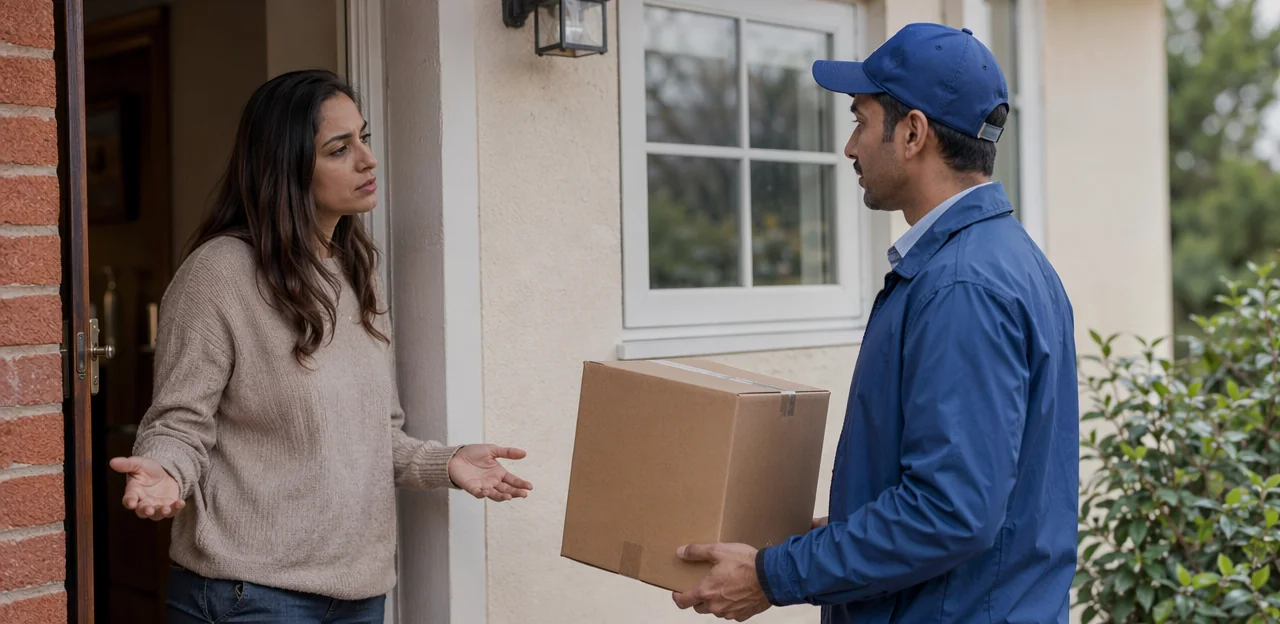
A delayed package rarely tells the full story. Behind every “late delivery” complaint is a pattern of emotions, expectations, and operational breakdowns that can reveal far more than standard metrics ever could. That’s where delivery sentiment analysis becomes invaluable. By using AI to interpret customer feedback across reviews, surveys, support tickets, chat logs, and social media, businesses can move beyond surface-level complaints and uncover the recurring issues that damage the delivery experience.
In home delivery, small problems often repeat at scale: missed time windows, poor communication, damaged items, confusing handoffs, or frustrating service recovery. AI helps teams detect these themes faster, measure their impact, and prioritize the fixes that matter most to customers. Instead of reacting to isolated incidents, companies can identify systemic weaknesses before they lead to churn, negative reviews, or higher support costs.
This article explores how delivery sentiment analysis works, what kinds of recurring issues AI can identify, and why it has become a critical tool for improving service recovery and overall customer satisfaction. We’ll also look at how businesses can turn unstructured feedback into practical insights that strengthen operations, build trust, and create a more reliable home delivery experience.
What delivery sentiment analysis means for home delivery operations

Defining delivery sentiment analysis
Delivery sentiment analysis is the use of AI and natural language processing to understand how customers feel about their delivery experience. Instead of manually reading every comment, businesses can automatically evaluate language across multiple channels, including:
- online reviews
- post-delivery surveys
- live chat logs
- call center transcripts
- social media posts
AI classifies feedback as positive, negative, or neutral and links sentiment to specific delivery issues such as delays, damaged items, missed drop-offs, or poor driver communication. Effective delivery feedback analysis also detects recurring themes, urgency, and emotional intensity.
To make it actionable, teams should:
- group sentiment by issue type and location
- track trends over time
- prioritize repeated negative patterns for service recovery and operational fixes
This helps companies move from scattered comments to clear, data-driven improvement priorities.
Why recurring delivery issues are hard to spot manually
Manual review breaks down fast when support teams face thousands of comments from surveys, chats, call notes, emails, and app reviews. Most of this feedback is unstructured, inconsistent, and spread across systems, which makes delivery complaints analysis slow and unreliable.
Teams often miss recurring delivery issues because:
- Customers describe the same problem in different ways, such as “late driver,” “missed slot,” or “arrived outside the window”
- Important signals are buried in long free-text comments
- Damage, delays, and poor driver communication may seem isolated when reviewed one by one
- Human tagging is subjective, time-consuming, and hard to scale
This is where delivery sentiment analysis adds value. AI can group similar complaints, detect patterns early, and help teams prioritize fixes before repeated problems damage customer trust.
How sentiment connects to service recovery and CX
Delivery sentiment analysis turns raw feedback into clear action signals, helping teams spot where the delivery customer experience is breaking down and which issues need immediate attention.
- Prioritize urgent problems: Repeated negative sentiment around delays, damaged items, or missed handoffs highlights recurring failures that deserve fast escalation.
- Respond faster to unhappy customers: AI can flag high-risk messages in real time, enabling service recovery before frustration turns into churn or public complaints.
- Improve outcomes with targeted action: Match the issue to the fix—refunds for late deliveries, proactive updates for route disruptions, or retraining for poor driver interactions.
When businesses connect sentiment trends to workflows, they create faster, more consistent service recovery and a stronger overall delivery customer experience.
How AI identifies recurring issues in delivery feedback

Collecting data from every customer touchpoint
Effective delivery sentiment analysis depends on combining customer feedback data from every stage of the delivery journey, not just one survey after drop-off. The goal is to capture both structured ratings and unstructured text so recurring issues become visible faster.
Key data sources include:
- Post-delivery surveys for ratings on timing, condition, and driver professionalism
- NPS comments that explain why customers would or would not recommend the service
- App feedback submitted after tracking, rescheduling, or proof-of-delivery interactions
- Support tickets and emails that reveal repeated complaints, delays, or damaged-item patterns
- Call center transcripts that surface emotion, urgency, and common friction points
- Social posts mentioning home delivery experiences in real time
To improve accuracy, tag feedback by order ID, region, courier, and issue type. This helps teams connect sentiment trends across delivery touchpoints and act before problems escalate.
Using NLP to detect themes, emotions, and intent
In delivery sentiment analysis, NLP turns unstructured customer comments into clear operational signals. Using NLP for delivery, teams can move beyond star ratings and understand what went wrong, how customers feel, and why complaints keep repeating.
- Classify sentiment: Sentiment analysis AI scores feedback as positive, neutral, or negative, then detects intensity to flag urgent cases.
- Extract topics: Topic modeling and keyword extraction identify the main issue in each message, such as delays, missing items, damaged goods, or failed delivery attempts.
- Recognize emotions: NLP detects emotional language like frustration, disappointment, or anger, helping prioritize service recovery.
- Identify intent: Models distinguish between refund requests, delivery status questions, and escalation risks.
- Group recurring issues: Clustering similar comments reveals patterns across routes, drivers, time slots, or locations.
This helps operations teams fix root causes faster, improve communication, and reduce repeat delivery failures.
Turning raw feedback into issue clusters and trends
The real value of delivery sentiment analysis comes from turning thousands of comments, chat logs, and survey responses into clear patterns teams can act on. With AI-powered dashboards and delivery analytics, businesses can group similar complaints through issue clustering, then rank them by volume, severity, and business impact.
- Aggregate repeated complaints: AI detects recurring themes such as late arrivals, damaged parcels, missed delivery windows, or poor driver communication.
- Measure frequency and severity: Dashboards show how often each issue appears and whether it leads to refunds, churn, or negative reviews.
- Spot operational trends: Filter results by region, carrier, route, product type, depot, or time period to identify where problems are concentrated.
- Prioritize action: Focus first on high-frequency, high-severity clusters that affect customer satisfaction most.
This makes it easier to move from anecdotal feedback to evidence-based service recovery and continuous improvement across the delivery network.
The most common recurring delivery problems AI can uncover

Operational issues: delays, missed windows, and failed attempts
Delivery sentiment analysis helps teams pinpoint the operational breakdowns that trigger the most frustration in last-mile delivery. By scanning reviews, chats, call logs, and survey comments, AI can detect recurring patterns behind late delivery issues and service failures before they become widespread.
Key signals it surfaces include:
- Late arrivals tied to route congestion, depot bottlenecks, or poor dispatch planning
- Missed delivery window complaints caused by inaccurate ETAs or weak customer communication
- No-show drivers when customers wait at home but the stop is skipped or incorrectly marked
- Repeated failed attempts linked to bad address data, access problems, or missing delivery instructions
These insights help operators act faster: tighten ETA models, improve proof-of-attempt workflows, flag risky routes, and trigger proactive recovery messages when delays begin.
Product and package issues: damage, missing items, and substitutions
Delivery sentiment analysis helps retailers spot recurring product-level failures before they become costly trust issues. AI can scan reviews, chat logs, support tickets, and social posts to detect patterns such as:
- Damaged package complaints linked to crushed boxes, leaking goods, broken seals, or temperature-sensitive items arriving spoiled
- Missing delivery items in incomplete orders, partial grocery drops, or multi-parcel shipments
- Wrong items caused by picking errors or barcode mismatches
- Poor packaging that leads to transit damage or makes parcels look tampered with
- Unwanted substitutions that frustrate customers when replacements feel lower quality or irrelevant
Actionably, AI groups these complaints by SKU, courier, warehouse, or route, so teams can improve packing standards, substitution rules, and quality checks. Platforms like Tapsy can also support faster issue capture and service recovery.
Communication issues: tracking, updates, and driver interactions
Recurring negative feedback often reveals delivery communication issues rather than delivery speed alone. With delivery sentiment analysis, businesses can spot patterns in comments, chats, and survey responses that highlight where communication breaks down most often.
Common signals include:
- Tracking update complaints caused by vague statuses like “on the way” without accurate ETAs
- Missing proactive alerts for delays, failed delivery attempts, or route changes
- Poor driver-customer interactions, including unanswered calls, unclear instructions, or rushed handoffs
To reduce repeat complaints, teams should:
- Send real-time, specific tracking updates
- Trigger automatic delay notifications before customers ask
- Train drivers on clear, courteous communication
- Review sentiment trends weekly to identify recurring friction points
Tools such as Tapsy can support faster feedback capture and proactive service recovery.
Business benefits of delivery sentiment analysis

Faster service recovery and complaint resolution
With delivery sentiment analysis, teams can spot frustration early and act before a poor experience turns into churn, refunds, or public complaints. Real-time sentiment alerts surface high-risk orders, customers, and locations so support and operations can focus on what matters most.
- Flag urgent cases instantly: Detect negative language, repeated issue themes, or sharp sentiment drops.
- Prioritize outreach: Route severe cases to the right team based on order value, customer history, or delivery stage.
- Speed up fixes: Trigger workflows for redelivery, refunds, driver follow-up, or proactive customer updates.
- Reduce review risk: Resolve issues quickly enough to prevent negative posts and improve retention.
This is how faster service recovery and complaint resolution AI create measurable operational impact.
Better operational decisions with real customer insight
Delivery sentiment analysis turns scattered complaints and praise into clear operational priorities. With strong customer insight analytics, leaders can spot recurring friction points and act where they matter most:
- Routing: Identify neighborhoods, time windows, or route patterns linked to missed ETAs and poor handoffs.
- Staffing: Match labor levels to peak complaint periods, failed delivery attempts, and support volume.
- Carrier management: Compare sentiment by carrier, depot, or driver group to improve accountability and performance.
- Packaging standards: Flag repeat mentions of damaged, spoiled, or poorly protected orders.
- Delivery promises: Adjust ETA windows and service levels to reflect real-world performance, not assumptions.
This creates faster, evidence-based delivery operations improvement grounded in what customers actually experience.
Higher retention, loyalty, and brand trust
Reducing repeat delivery problems is one of the fastest ways to improve customer retention. With delivery sentiment analysis, teams can spot recurring complaints—such as late arrivals, missed instructions, or damaged items—and fix root causes before they become patterns that drive customers away.
- Improve consistency: Use sentiment trends to standardize delivery performance across routes, regions, and carriers.
- Prioritize repeat pain points: Focus first on issues mentioned most often in negative feedback.
- Close the loop quickly: Follow up after service recovery to show customers their concerns led to action.
Over time, fewer frustrating experiences build stronger delivery brand trust, making customers more likely to reorder, stay loyal, and recommend your service.
Best practices for implementing AI-driven delivery sentiment analysis

Choose the right data, tools, and success metrics
To make delivery sentiment analysis useful, start with the right inputs and clear measurement.
- Select broad data sources: combine post-delivery surveys, support tickets, chat logs, driver notes, app reviews, call transcripts, and social mentions. This gives AI enough context to spot recurring delivery problems.
- Use integrated sentiment analysis tools: choose platforms that connect with your CRM, help desk, dispatch, and BI dashboards so feedback, operational data, and service outcomes can be analyzed together. Solutions such as Tapsy can support real-time feedback capture and AI-driven categorization.
- Prioritize delivery KPI tracking: monitor complaint volume, average sentiment score, repeat issue rate, resolution time, and CSAT. Review these by route, location, carrier, and issue type to identify patterns and improve service recovery faster.
Train models around delivery-specific language
Generic sentiment tools often miss the real meaning of delivery feedback. Delivery sentiment analysis becomes far more accurate when models are trained on logistics vocabulary, courier shorthand, and customer phrasing used in home delivery journeys. A strong logistics sentiment model can detect whether “left at hub,” “out for delivery,” “failed attempt,” or “driver no-show” signals frustration, risk, or a service recovery need.
To improve delivery-specific NLP, train on terms such as:
- Delay language: “late drop,” “missed slot,” “stuck in transit”
- Damage indicators: “box crushed,” “seal broken,” “item smashed”
- Handoff issues: “wrong doorstep,” “neighbor took it,” “proof missing”
- Service failures: “no update,” “rude driver,” “refund ignored”
Include slang, abbreviations, and region-specific phrases in your training data to capture recurring issues earlier and route them faster.
Combine AI insights with human review and action
Delivery sentiment analysis is most effective when AI flags patterns and people confirm what they mean in the real world. A strong human in the loop AI approach helps teams avoid false positives, understand context, and prioritize fixes that matter most to customers.
- Validate findings: Review recurring complaints against delivery logs, driver notes, and support tickets to confirm root causes.
- Involve frontline teams: Bring operations, dispatch, and customer service together to interpret trends and add practical context.
- Create a delivery improvement workflow: Route issues by severity, assign owners, set deadlines, and track outcomes.
- Close the loop: Measure whether corrective actions reduce negative sentiment over time and update processes accordingly.
Platforms like Tapsy can support faster feedback capture and service recovery.
Future trends in AI, analytics, and delivery experience

From reactive reporting to predictive issue detection
AI is pushing delivery sentiment analysis beyond reviewing yesterday’s complaints and into preventing tomorrow’s failures. By combining historical feedback with live operational signals, teams can act earlier and reduce escalations.
- Use predictive delivery analytics to flag orders at risk based on delays, route changes, driver behavior, weather, and past complaint patterns.
- Enable proactive issue detection by triggering alerts before ETA breaches or failed handoffs occur.
- Connect sentiment trends to workflows, so support teams can send updates, offer recovery options, or reroute deliveries before dissatisfaction grows.
This shift turns insight into prevention.
Real-time sentiment monitoring across the delivery journey
Delivery sentiment analysis is becoming more effective when paired with real-time sentiment analysis at every touchpoint, helping teams spot friction before it turns into complaints or churn. Strong delivery journey analytics should track:
- Order confirmation: detect confusion around timing, pricing, or missing details
- Dispatch and in-transit updates: flag rising anxiety caused by delays or unclear ETAs
- Doorstep delivery: capture driver professionalism, handoff quality, and proof-of-delivery issues
- Post-delivery support: identify unresolved problems and trigger fast service recovery
This lets operations teams intervene early, prioritize recurring issues, and improve customer experience continuously.
What leading home delivery brands will do next
Leading brands will move delivery sentiment analysis from reporting into action by:
- Automating responses: Trigger refunds, credits, driver coaching, or customer updates when negative patterns appear.
- Operationalizing service recovery playbooks: Match recurring issues like delays, damaged items, or missed instructions to prebuilt workflows.
- Aligning teams around shared signals: Give logistics, support, product, and store operations one view of root causes and priorities.
This home delivery AI strategy turns feedback into fast decisions, making delivery experience optimization scalable, measurable, and proactive.
Conclusion
In today’s last-mile environment, fixing delivery problems after the fact is no longer enough. Delivery sentiment analysis gives teams a faster, smarter way to understand how customers feel at every stage of the delivery journey—then turn that feedback into action. By using AI to detect patterns across reviews, support tickets, survey responses, and driver notes, businesses can uncover recurring issues such as missed time windows, damaged parcels, poor communication, or failed service recovery before they become larger operational and reputational risks.
The real value of delivery sentiment analysis lies in connecting customer emotion to root causes. Instead of reacting to isolated complaints, brands can prioritize the issues that appear most often, improve delivery experience at scale, and empower service teams to intervene sooner. This leads to stronger customer trust, better retention, and more effective service recovery.
The next step is to audit your feedback channels, centralize delivery-related data, and invest in AI tools that can surface trends in real time. For organizations looking to go further, platforms such as Tapsy can support real-time feedback capture and proactive issue resolution. Start by identifying your top recurring delivery pain points, tracking sentiment over time, and building a closed-loop process that turns insight into improvement. In a competitive market, delivery sentiment analysis can become a decisive advantage.
Frequently Asked Questions
- What is delivery sentiment analysis?
Delivery sentiment analysis uses AI and natural language processing to understand how customers feel about delivery experiences. It classifies feedback as positive, negative, or neutral and connects sentiment to issues like delays, damaged items, missed drop-offs, or poor driver communication.
- Why is it difficult to spot recurring delivery problems manually?
Manual review becomes unreliable when teams must read thousands of comments across surveys, chats, emails, call notes, and app reviews. Customers also describe the same issue in different ways, and human tagging is subjective, slow, and hard to scale.
- Which customer feedback sources should be included in delivery sentiment analysis?
Useful sources include online reviews, post-delivery surveys, live chat logs, call center transcripts, social media posts, app feedback, support tickets, emails, and NPS comments. Combining structured ratings with unstructured text helps recurring issues appear more clearly.
- How does AI identify recurring issues in delivery feedback?
AI uses NLP to classify sentiment, extract topics, detect emotions, and identify customer intent. It then clusters similar comments so teams can see repeated problems across routes, drivers, locations, time slots, or carriers.
- What kinds of operational delivery issues can AI uncover?
AI can surface patterns such as late arrivals, missed delivery windows, no-show drivers, and repeated failed attempts. These signals often point to route congestion, depot bottlenecks, poor dispatch planning, bad address data, or weak customer communication.
- Can sentiment analysis detect product and package-related delivery problems?
Yes, it can identify recurring complaints about damaged packages, missing items, wrong items, poor packaging, and unwanted substitutions. Teams can group these issues by SKU, courier, warehouse, or route to improve packing standards, substitution rules, and quality checks.
- How does delivery sentiment analysis help with communication issues?
It reveals patterns in complaints about vague tracking updates, missing delay notifications, and poor driver-customer interactions. Teams can use those insights to send more specific real-time updates, trigger proactive alerts, and improve driver communication training.
- How can businesses turn raw delivery feedback into actionable insights?
They should group sentiment by issue type and location, track trends over time, and rank issue clusters by volume, severity, and business impact. Filtering by region, route, depot, carrier, product type, or time period makes it easier to prioritize the most damaging problems.
- How does delivery sentiment analysis improve service recovery?
AI can flag urgent negative messages in real time so teams respond before frustration leads to churn or public complaints. It also helps match the problem to the right action, such as refunds for late deliveries, proactive updates for disruptions, or retraining for poor driver interactions.
- What business benefits come from using delivery sentiment analysis?
It supports faster complaint resolution, better operational decisions, and stronger customer retention. By fixing repeated pain points and improving consistency across routes, regions, and carriers, businesses can build more trust and loyalty.
- Which metrics should teams track when implementing delivery sentiment analysis?
Key metrics include complaint volume, average sentiment score, repeat issue rate, resolution time, and CSAT. Reviewing these by route, location, carrier, and issue type helps teams identify patterns and measure whether service recovery is improving.
- Why should sentiment models be trained on delivery-specific language?
Generic tools may miss the meaning of logistics phrases such as "failed attempt," "left at hub," or "driver no-show." Training on delivery-specific terms, slang, abbreviations, and regional phrasing improves accuracy and helps teams detect recurring issues earlier.
- Why is human review still important when using AI for delivery feedback?
AI is most effective when people validate findings against delivery logs, driver notes, and support tickets. Frontline teams add context, confirm root causes, and help route issues by severity so corrective actions are practical and measurable.
- How can delivery sentiment analysis support predictive issue detection?
By combining historical feedback with live operational signals, teams can flag orders at risk before failures escalate. Delays, route changes, driver behavior, weather, and past complaint patterns can trigger alerts and proactive customer updates.
- What should leading home delivery teams do next with sentiment analysis?
They should move from reporting to action by automating responses, using service recovery playbooks, and aligning logistics, support, product, and store operations around shared signals. A strong next step is to audit feedback channels, centralize delivery data, and build a closed-loop process that turns insight into improvement.