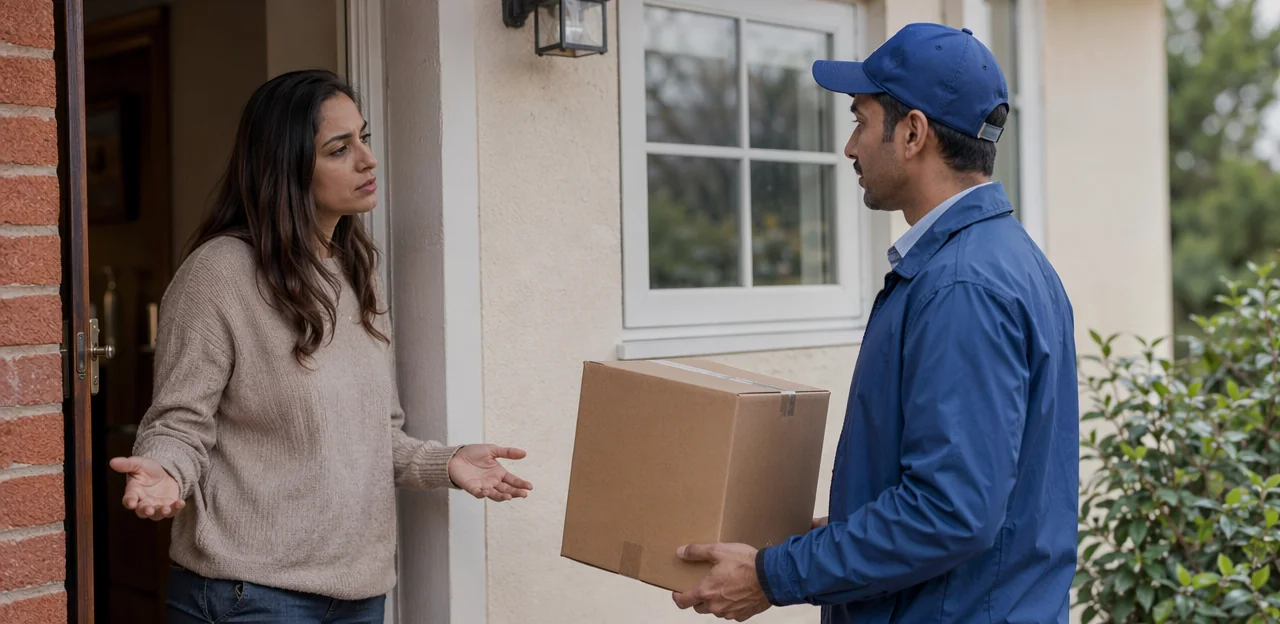
A missed delivery window, a damaged package, or a driver who never follows instructions can turn a routine order into a frustrating customer experience in minutes. And in today’s review-driven marketplace, that frustration rarely stays private for long. Before a customer posts a one-star rating or shares their disappointment online, businesses have a critical opportunity to step in, make things right, and protect both loyalty and reputation.
That is where delivery service recovery becomes essential. More than simply apologizing after something goes wrong, effective service recovery means identifying issues quickly, responding with empathy, and resolving problems before they escalate into public complaints. For home delivery brands, this can be the difference between losing a customer for good and turning a negative moment into proof of great service.
In this article, we will explore why fast, proactive response matters so much in the home delivery experience, what causes customers to leave bad reviews, and which service recovery strategies help businesses regain trust. We will also look at how real-time feedback and review management processes can help teams catch problems earlier—using tools such as Tapsy as one example of how businesses can respond before dissatisfaction turns into damaging online feedback.
Why delivery service recovery matters in home delivery

The link between delivery problems and negative reviews
Delivery issues quickly become emotional issues. When a driver arrives late, leaves out items, delivers damaged goods, communicates poorly, or fails the handoff, customers often feel ignored as much as inconvenienced. That frustration is what fuels negative delivery reviews.
- Late arrivals signal unreliability
- Missing or damaged items create immediate disappointment
- Poor communication makes customers chase answers
- Failed handoffs feel careless and disrespectful
Effective delivery service recovery starts the moment friction appears, not after a public complaint is posted. Proactive updates, fast replacements, refunds, and human follow-up can interrupt the path from irritation to review. Tools like Tapsy can help capture feedback in real time before customers head to Google or Yelp.
How service recovery protects retention and reputation
Effective delivery service recovery does more than refund an order or replace a missing item. It shows customers your business values their full experience, which directly supports customer retention and brand reputation.
- Reduce churn: Fast, empathetic follow-up can win back customers before frustration turns into defection.
- Build trust: Clear communication, ownership, and a practical fix reassure customers that problems will be handled fairly.
- Improve satisfaction: Resolving the emotional impact of a bad delivery often matters as much as correcting the transaction itself.
- Prevent one-star reviews: Proactive outreach gives unhappy customers a path to resolution before they post publicly.
Using real-time feedback tools such as Tapsy can help teams spot issues early and act before negative sentiment spreads.
When a bad delivery becomes a review crisis
A missed drop-off does not automatically damage your brand. The real crisis starts when the response makes the delivery experience feel ignored or disrespectful. Watch for these tipping points:
- Silence after the problem: no update, no apology, no clear next step
- Repeated failures: missed windows, broken promises, or unresolved redelivery attempts
- Lack of ownership: agents blame drivers, systems, or policies instead of fixing the issue
This is where delivery service recovery matters most. Fast, empathetic action can stop customer complaints from turning into public posts. Strong review management starts before the review: acknowledge the issue quickly, explain what happened, offer a practical solution, and confirm resolution. Speed reduces frustration; empathy rebuilds trust.
Identify warning signs before customers leave a bad review

Operational signals that predict dissatisfaction
Operations teams can spot risk early by tracking measurable signals tied to delivery issue detection and acting before frustration becomes a review.
- Delayed ETAs or repeated ETA changes: Strong predictors of a late delivery, especially when updates arrive inconsistently.
- Route exceptions: Missed scans, driver delays, wrong-stop events, or stalled routes often signal a poor delivery experience.
- Failed delivery attempt: Any unsuccessful handoff should trigger immediate follow-up with rebooking options.
- Refund or credit requests: These often indicate dissatisfaction before public complaints appear.
- Support contacts: Multiple chats, calls, or “where is my order?” tickets reveal rising friction.
- Order status confusion: Conflicting tracking messages or unclear proof of delivery undermine trust.
For effective delivery service recovery, set thresholds that automatically trigger outreach, apologies, compensation, or proactive rescheduling through your CRM or experience platform.
Customer behavior signals across support and digital channels
Early customer feedback signals often appear before a public complaint. Teams that watch support and digital behavior can spot review risk and trigger faster delivery service recovery.
- Angry chat messages: Caps, repeated complaints, or refund demands often signal rising customer dissatisfaction.
- Repeated tracking checks: Frequent page refreshes or multiple tracking visits usually point to delivery tracking issues and growing anxiety.
- Social media comments: Public complaints on posts or stories can escalate quickly if ignored.
- Low CSAT responses: Poor post-contact scores show unresolved frustration, even after support interaction.
- Abandoned carts: If shoppers drop out after seeing delivery delays or fees, that signals trust erosion.
Connect these behaviors to proactive intervention: prioritize outreach, clarify delays, offer compensation, and route high-risk cases to specialist agents or tools like Tapsy for real-time recovery.
Building an early-alert system for at-risk orders
A practical delivery service recovery process starts with a simple risk score that combines operational and customer signals. Use customer experience monitoring to flag orders before frustration turns into a review.
- Logistics data: late scans, route deviations, failed delivery attempts, damaged-item codes, and repeated ETA changes
- CRM notes: VIP status, prior complaints, special instructions, refund sensitivity, or fragile/high-value orders
- Support history: recent chats, unresolved tickets, negative sentiment, or multiple contacts on the same order
Assign points to each trigger, then set thresholds for delivery alerts:
- Low risk: monitor only
- Medium risk: send proactive updates
- High risk: immediate agent outreach, driver check-in, or compensation offer
This model supports proactive service recovery by helping teams act fast, reduce escalations, and protect loyalty.
Create a delivery service recovery process that works fast

Step 1: Acknowledge the problem immediately
The first move in delivery service recovery is speed. Contact the customer as soon as you spot a delay, damaged order, or missed delivery window. Fast delivery communication shows you are paying attention and helps prevent frustration from turning into a bad review.
- Reach out on the right channel: Use SMS for urgent updates, phone calls for high-value or emotional issues, and email for written confirmation.
- Confirm the issue clearly: State what happened, such as a late arrival, missing item, or incorrect address attempt.
- Take ownership: Avoid vague language. A strong customer apology sounds like: “We’re sorry your delivery did not arrive as promised. We’re looking into it now.”
- Set realistic timelines: Tell the customer when they will hear from you next, even if the full fix is still in progress.
A reliable service recovery process starts with quick acknowledgment, clear responsibility, and honest next steps. Tools like Tapsy can also help teams capture issues in real time and respond faster.
Step 2: Offer the right resolution for the issue
Effective delivery service recovery depends on choosing a delivery resolution that feels fair, fast, and relevant to what went wrong. The goal is not to overcompensate every complaint, but to match the remedy to the inconvenience, cost, and urgency of the failure.
- Late delivery: waive the delivery fee, add account credit, or offer priority support on the next order.
- Damaged or missing items: provide a refund or replacement immediately, based on the customer’s preference.
- Time-sensitive orders: prioritize redelivery the same day where possible.
- Major service failures: combine a refund with additional customer compensation such as store credit or a future discount.
Consider context before deciding: Was it a first-time issue or a repeat problem? Did the customer lose time, money, or trust? Clear options reduce frustration and speed recovery. Tools like Tapsy can also help teams capture issues quickly and act before customers leave a public review.
Step 3: Follow through and confirm satisfaction
A strong delivery service recovery process is not finished when a refund is issued or a replacement arrives. It is complete only when the customer confirms the issue resolution actually met their expectations. Without that final check-in, frustration can linger and still turn into a bad review.
Use a simple follow-up process:
- Reach out after resolution: Send a brief message or call to confirm the order was corrected and ask if anything is still outstanding.
- Make customer follow-up easy: Offer a direct reply option so the customer does not have to repeat the story to multiple people.
- Document the case: Record what went wrong, what action was taken, and whether the customer said they were satisfied.
- Share insights internally: Feed recurring delivery issues back to dispatch, drivers, warehouse teams, or support managers.
- Track patterns: Look for repeat complaints by route, product type, timing, or carrier.
Tools like Tapsy can help businesses capture real-time feedback and close the loop before negative sentiment spreads publicly.
Use review management to prevent public complaints

Reach out before the customer posts a review
The best delivery service recovery often happens in the first minutes after a failed or delayed drop-off. Instead of waiting for frustration to turn into a public complaint, use proactive customer outreach as soon as tracking shows an exception, missed ETA, or delivery failure.
- Contact quickly: Reach out within 15–30 minutes of the issue being confirmed.
- Personalize the message: Use the customer’s name, order details, and the exact problem.
- Acknowledge and act: Apologize clearly, explain next steps, and offer a realistic resolution window.
- Open a private channel: Invite reply by SMS, phone, or email to resolve concerns directly.
This approach supports review prevention, strengthens delivery review management, and redirects disappointment into a private, constructive resolution.
Respond to unhappy customers with empathy and clarity
A strong customer complaint response starts by lowering tension, not defending the mistake. In delivery service recovery, your tone should be calm, respectful, and human.
- Lead with empathy: Acknowledge the inconvenience directly: “I’m sorry your order arrived late and caused frustration.”
- Take ownership: Avoid vague phrasing or blame-shifting. Say what went wrong and who is fixing it.
- Be transparent: Explain the next step, timeline, and resolution clearly.
This kind of empathetic communication helps customers feel heard, which often de-escalates emotion before it turns into a public complaint. Effective service recovery messaging should be simple, honest, and action-oriented—showing that the issue matters and that your team is committed to making it right.
Know when to ask for updated feedback or a review
After effective delivery service recovery, ask for post-recovery feedback only once the issue is fully resolved and the customer has confirmed they’re satisfied. The goal is to learn, not pressure.
- Wait for the right moment: Good review request timing is usually after the replacement, refund, or follow-up arrives successfully.
- Ask permission first: Use language like, “Would you be open to sharing feedback on how we handled this?”
- Keep it neutral: Never imply that a positive review is expected in exchange for help.
- Use a short customer satisfaction survey: Measure recovery speed, communication, and final outcome.
- Track patterns: Tools like Tapsy can help capture quick surveys and monitor recovery effectiveness over time.
Improve the delivery experience to reduce future recovery cases

Fix root causes in logistics and fulfillment
Effective delivery service recovery should not stop at appeasing one unhappy customer. Repeated complaints usually point to deeper breakdowns in last-mile delivery and fulfillment workflows, such as:
- routing errors that create delays or missed windows
- inventory mismatches that trigger substitutions or out-of-stocks
- packaging failures that cause damaged items
- staffing gaps that slow picking, packing, or dispatch
- poor handoff processes between warehouse, carrier, and driver teams
Use recovery data to spot patterns by location, carrier, SKU, shift, or route. Then turn those insights into delivery operations improvement plans, tighter SOPs, and better exception alerts. This is how teams improve fulfillment accuracy and prevent the same issues from generating future bad reviews.
Train teams on service recovery playbooks
Effective delivery service recovery depends on every role responding the same way, every time. Build a shared customer service playbook and reinforce it through regular service recovery training and delivery team training.
- Drivers: use approved scripts to acknowledge issues, apologize clearly, and confirm next steps at the door.
- Dispatchers: follow escalation rules for delays, missing items, or reroutes, and update customers proactively.
- Support agents: offer consistent remedies based on issue type, order value, and customer history.
- Managers: define resolution authority so frontline staff know when they can refund, replace, or credit without approval.
Run scenario-based drills weekly, review real cases, and track compliance. Tools like Tapsy can help capture feedback fast enough to support consistent recovery.
Measure the metrics that matter
To improve delivery service recovery, track a focused set of delivery KPIs that show both operational performance and recovery effectiveness:
- On-time delivery rate: Measures reliability and helps pinpoint route, staffing, or carrier issues.
- First-contact resolution: Shows how often support solves a delivery problem in one interaction.
- CSAT: One of the most useful customer satisfaction metrics after a delayed, missed, or damaged order.
- Repeat complaint rate: Reveals whether the same problems keep happening after recovery efforts.
- Review volume and review sentiment: Monitor whether complaints are decreasing and public perception is improving.
Review these metrics weekly, segment by region or driver, and use trends to adjust training, workflows, and response speed.
Best practices and examples for high-impact recovery

Examples of effective delivery service recovery scenarios
- Late grocery delivery: Send a proactive update, apologize before the customer asks, refund spoiled items, and add a credit for the delay.
- Damaged furniture: Confirm the issue quickly, arrange pickup and replacement, and offer assembly reimbursement or a partial refund.
- Missed pharmacy drop-off: Escalate immediately, prioritize redelivery, and keep the customer informed at every step.
- Incomplete meal delivery: Resolve in minutes with redelivery or instant refund plus a voucher.
These delivery service recovery examples show strong home delivery service and effective delivery problem resolution: speed, ownership, clear communication, and fair compensation.
Common mistakes that make customers more likely to leave bad reviews
In delivery service recovery, a poor response can turn a small issue into a public complaint. Avoid these common customer service mistakes:
- Scripted apologies that feel impersonal instead of acknowledging the exact problem
- Delayed responses that make customers feel ignored during urgent delivery complaint handling
- Blaming third parties like drivers, warehouses, or apps rather than taking ownership
- Unclear promises such as “we’ll look into it” without a timeline or next step
- Inconsistent compensation that seems unfair across similar cases
For effective bad review prevention, respond quickly, personalize the message, set clear expectations, and follow through consistently to rebuild trust.
A simple checklist for teams to use every day
Use this service recovery checklist to make delivery service recovery consistent and fast:
- Detect issues early: Monitor delays, failed drop-offs, damaged orders, and negative feedback in real time.
- Reach out first: Contact the customer before they post publicly; acknowledge the problem and set expectations.
- Resolve clearly: Offer the right fix fast—redelivery, refund, replacement, or credit—using a defined delivery recovery workflow.
- Follow up: Confirm the issue was solved and invite private feedback before review sites become the first outlet.
- Document everything: Log cause, action taken, outcome, and trend data in your review management checklist for coaching and process improvement.
Conclusion
In home delivery, mistakes don’t just affect one order, they shape how customers talk about your brand. That’s why strong delivery service recovery is essential. When businesses respond quickly, acknowledge the issue, communicate clearly, and offer a fair resolution, they can often turn frustration into trust before a bad review is ever posted.
The most effective approach is proactive rather than reactive. Monitoring delivery experience data, training frontline teams, and creating fast escalation paths help resolve problems while the customer still feels heard. Just as important, every complaint should be treated as insight: recurring delays, damaged items, missed instructions, and poor communication all reveal where the delivery journey needs improvement. Over time, a consistent delivery service recovery strategy protects your reputation, improves review management, and strengthens customer loyalty.
The next step is simple: audit your current recovery process and identify where response times, ownership, and follow-up can improve. Consider using real-time feedback and service recovery tools to catch issues earlier; platforms like Tapsy can help businesses gather in-the-moment insights and act before dissatisfaction turns public. If you want fewer negative reviews and more repeat customers, invest in a delivery service recovery system that solves problems fast and keeps the customer relationship intact.
Frequently Asked Questions
- What is delivery service recovery?
Delivery service recovery is the process of identifying delivery problems quickly, responding with empathy, and resolving them before they escalate into public complaints. It goes beyond apologizing by combining fast communication, practical fixes, and follow-up to rebuild trust.
- Why do delivery problems so often lead to bad reviews?
Delivery issues become emotional when customers feel ignored as well as inconvenienced. Late arrivals, damaged or missing items, poor communication, and failed handoffs can make the experience feel careless or disrespectful, which often drives negative reviews.
- When does a delivery issue become a review crisis?
A delivery problem becomes a review crisis when the response is slow, unclear, or dismissive. Silence after the issue, repeated failures, and lack of ownership are key tipping points that push customers toward public complaints.
- What warning signs should teams monitor before a customer posts a complaint?
Teams should watch for delayed ETAs, repeated ETA changes, route exceptions, failed delivery attempts, refund requests, multiple support contacts, and confusing order status updates. These signals often show dissatisfaction before a review appears online.
- Which customer behaviors suggest rising delivery dissatisfaction?
Angry chat messages, repeated tracking checks, social media complaints, and low CSAT responses are strong signs of growing frustration. Abandoned carts after seeing delivery delays or fees can also indicate declining trust.
- How can a business build an early-alert system for at-risk orders?
A practical approach is to create a simple risk score using logistics data, CRM notes, and support history. Orders can then be grouped into low, medium, or high risk, with each level triggering actions such as monitoring, proactive updates, or immediate outreach and compensation.
- What should happen first when a delivery goes wrong?
The first step is to acknowledge the problem immediately on the right channel. Businesses should clearly state what happened, take ownership, and give a realistic timeline for the next update even if the full fix is still in progress.
- How should businesses choose the right resolution for a delivery issue?
The resolution should match the type and impact of the problem. Late deliveries may call for a waived fee or account credit, while damaged or missing items should usually lead to an immediate refund or replacement based on customer preference.
- Why is follow-up after a refund or replacement still necessary?
A case is not fully resolved until the customer confirms the outcome met their expectations. A short follow-up helps verify satisfaction, makes it easy to raise any remaining issue, and gives the business useful information for internal improvement.
- How quickly should a company reach out after a failed or delayed delivery?
Proactive outreach should happen as soon as the issue is confirmed, ideally within 15 to 30 minutes. Fast contact helps redirect frustration into a private resolution before the customer turns to review sites.
- What does an effective response to an unhappy delivery customer sound like?
It should lead with empathy, clearly acknowledge the inconvenience, and avoid blame-shifting. The message should also explain what happened, who is fixing it, and what the customer can expect next.
- When is it appropriate to ask for feedback or a review after service recovery?
The right time is after the issue has been fully resolved and the customer has confirmed satisfaction. The request should stay neutral, focus on feedback about the handling of the issue, and never imply that help was given in exchange for a positive review.
- How can businesses reduce the number of future recovery cases?
They need to fix root causes in logistics and fulfillment, such as routing errors, inventory mismatches, packaging failures, staffing gaps, and weak handoffs between teams. Recovery data should be used to spot patterns by route, carrier, product, shift, or location and improve operations.
- What should a delivery service recovery playbook include for teams?
It should give drivers, dispatchers, support agents, and managers clear guidance on how to acknowledge issues, escalate problems, and apply remedies consistently. Regular scenario-based training and defined resolution authority help teams respond faster and more reliably.
- How can tools like Tapsy support delivery service recovery?
Tools like Tapsy can help capture real-time feedback, flag issues earlier, and support faster outreach before customers post publicly. They can also help teams monitor recovery effectiveness, collect quick surveys, and close the loop on unresolved dissatisfaction.