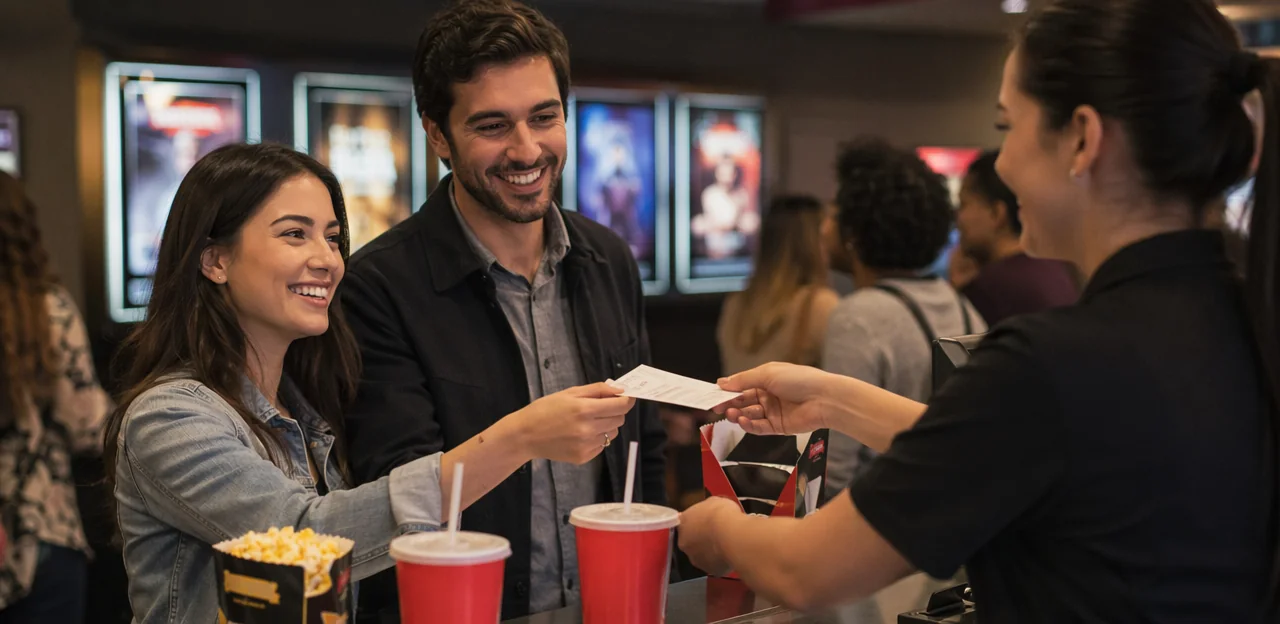
A great movie can bring audiences in once, but a great overall experience is what brings them back. For cinemas, every visit is shaped by more than the film itself, from ticketing and queue times to seat comfort, sound quality, concessions, and staff service. When operators understand how guests feel at each touchpoint, they gain a powerful opportunity to improve satisfaction and encourage repeat attendance. That is where cinema feedback rewards can make a measurable difference.
By offering small but meaningful incentives in exchange for timely feedback, cinemas can increase response rates, gather more useful audience insights, and turn casual visitors into loyal returning customers. A free popcorn upgrade, loyalty points, discounted tickets for the next screening, or exclusive member perks can all motivate guests to share honest opinions while the experience is still fresh.
This article explores how feedback-based incentives help cinemas strengthen loyalty and retention, what types of rewards tend to work best, and how to design a system that feels simple and valuable for guests. It will also look at how real-time feedback tools, including solutions like Tapsy, can help cinemas capture insights at key moments, resolve issues faster, and create a smoother audience experience that keeps people coming back.
Why cinema feedback rewards matter for loyalty and retention
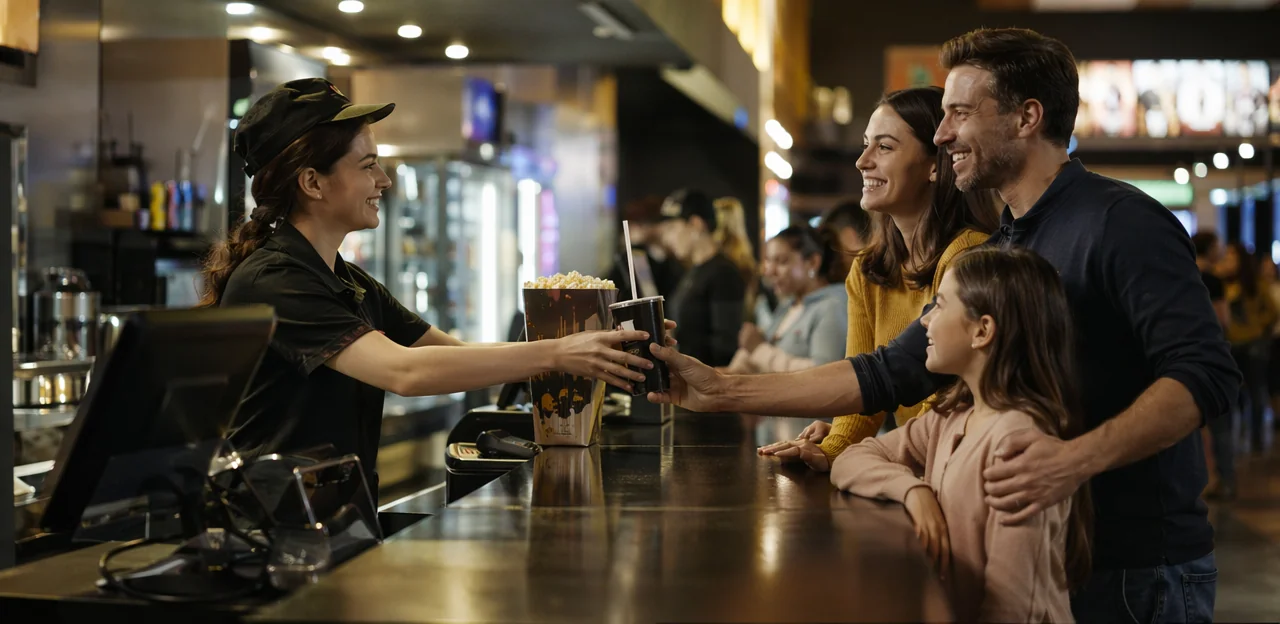
How feedback connects to repeat cinema visits
Asking for feedback shortly after a screening does more than collect opinions; it strengthens the guest relationship. When cinemas act on comments about seating, sound, queues, or concessions, visitors feel valued rather than processed. That sense of being heard is a key driver of cinema loyalty.
Pairing feedback with relevant incentives makes the loop even stronger:
- Offer immediate value: use cinema feedback rewards such as a discount on the next ticket, popcorn upgrade, or loyalty points.
- Keep rewards relevant: match incentives to booking habits, such as family bundles or weekday offers.
- Respond quickly: acknowledge issues and show guests their input leads to improvements.
This approach increases trust, improves the overall experience, and gives customers a clear reason to make repeat cinema visits. Tools like Tapsy can help deliver this smoothly.
The link between audience experience and incentives
Well-designed cinema feedback rewards give guests a clear reason to respond while giving operators better visibility into the moments that shape audience experience. Small, relevant movie theater incentives—such as a discount on the next ticket, concession voucher, or loyalty points—can lift response rates significantly, especially when surveys are short and sent right after the visit.
Cinemas should use cinema customer feedback to pinpoint recurring issues like:
- slow concession lines or limited food quality
- uncomfortable seating or poor legroom
- restroom and auditorium cleanliness problems
- weak sound, volume imbalance, or screen issues
- unhelpful or delayed service
The key is to tie rewards to fast, simple feedback collection and act on patterns quickly. Tools like Tapsy can help cinemas capture in-the-moment insights and connect rewards to return visits.
Business benefits beyond survey completion rates
Cinema feedback rewards do more than lift response volume—they create a measurable business case across retention, reputation, and operations.
- Improve customer retention for cinemas: Offer small rewards such as popcorn upgrades, points, or next-visit discounts to encourage repeat bookings and strengthen return habits.
- Increase customer lifetime value: When feedback connects to loyalty profiles, cinemas can identify high-value guests, personalize offers, and unlock stronger cinema loyalty program benefits over time.
- Boost cinema customer satisfaction: Real-time comments help teams fix recurring issues like seat cleanliness, sound quality, or queue times before they affect future visits.
- Protect online reputation: Resolving problems privately after feedback can reduce negative public reviews and generate more positive ratings.
- Standardize improvements across locations: Multi-site reporting helps operators compare venues, spot underperforming touchpoints, and roll out proven fixes faster.
Tools like Tapsy can support this with real-time, location-level feedback and reward flows.
Best types of feedback rewards for cinemas
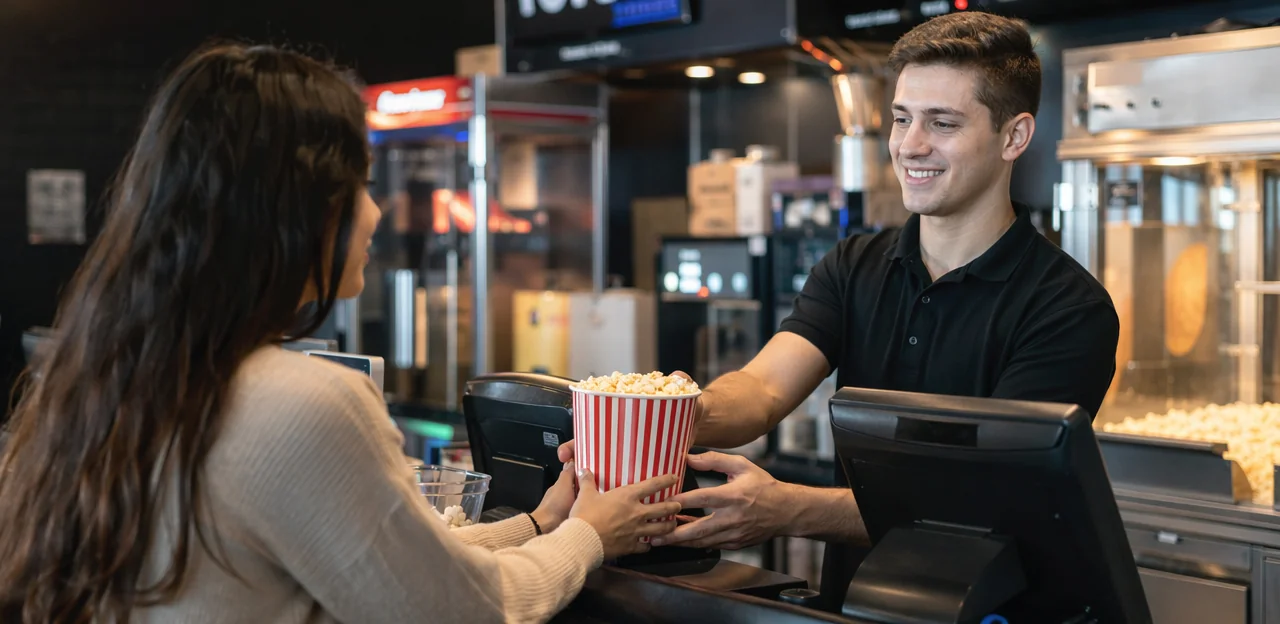
Discounts, vouchers, and free concession offers
Keep cinema feedback rewards simple, instant, and easy to redeem. Low-friction incentives work best because they feel valuable without creating operational complexity.
- Money-off next visit: Offer a cinema discount voucher such as £2–£5 off the next ticket when feedback is completed within 24 hours of the screening.
- Concession upgrades: A free popcorn reward or free size upgrade is highly appealing, low cost, and easy for staff to process.
- Drink vouchers: Give a free soft drink or bottled water with the next booking to encourage a quick return visit.
- Bundle rewards: Combine “ticket discount + popcorn upgrade” for a stronger movie theater feedback incentive tied to a repeat visit within 7–14 days.
To improve redemption, use short expiry windows and mobile-friendly delivery, such as QR-based rewards through tools like Tapsy.
Points-based and tiered loyalty rewards
A smart way to use cinema feedback rewards is to connect them directly to your existing points-based loyalty program. When guests complete a post-visit survey, report on-screen or concession issues, or rate their overall experience, they earn points that support both engagement and repeat visits.
- Award points for actions: Give loyalty credits for completed surveys, verified attendance, and follow-up feedback after service recovery.
- Unlock tier benefits: Let regular respondents move into higher-value cinema loyalty rewards tiers with perks like free upgrades, priority booking, or snack discounts.
- Offer bonus triggers: Combine survey completion with repeat attendance, such as “watch 3 films + submit 2 surveys = bonus points.”
This kind of feedback incentive program works best when rewards are simple, immediate, and clearly tied to customer actions.
Exclusive experiences and member-only perks
To make cinema feedback rewards more memorable, offer premium incentives that feel special rather than purely transactional. These higher-value benefits can strengthen emotional loyalty and support long-term repeat visits.
- Early screenings: Use advance screening rewards to give frequent responders first access to new releases or preview nights.
- Seat upgrades: Turn standard bookings into premium experiences with recliner, balcony, or best-view upgrades.
- Priority booking: Offer early access to blockbuster tickets before general sale, a strong example of exclusive cinema perks.
- Birthday perks: Add a free ticket, popcorn bundle, or companion upgrade to make members feel recognised.
- Special event access: Invite top feedback participants to Q&As, themed marathons, or private member nights to build VIP cinema loyalty.
Platforms like Tapsy can help deliver these rewards quickly after feedback is submitted.
How to design a cinema feedback rewards program that works

Choose the right timing and feedback channels
To make cinema feedback rewards effective, ask for feedback when the experience is still fresh but the guest is not interrupted.
- After ticket purchase: Best for quick questions about booking flow, seat selection, or upsell offers. Use this for short pulse checks, not a full cinema feedback survey.
- After concessions: Ideal for measuring queue times, staff service, and food quality while details are memorable.
- After the screening: The best moment for a post-visit survey cinema campaign, since guests can rate the full experience, from sound and seating to overall satisfaction.
Choose channels based on convenience:
- Email: Good for longer surveys and loyalty follow-up.
- SMS: High open rates, ideal for short mobile-friendly surveys.
- App: Useful if your cinema already has active app users.
- QR code: A QR code cinema survey works well on seats, exits, and concession areas.
- Kiosk: Best for instant on-site ratings before guests leave.
Tools like Tapsy can help connect QR-based feedback with rewards and recovery actions.
Match rewards to customer value and effort
A strong survey incentive strategy starts by aligning cinema feedback rewards with the value of the response and the effort required. If the reward feels too small for the time asked, completion drops; too generous, and costs rise without improving loyalty.
- Match reward to survey length:
Offer instant, low-cost perks for 1–2 question surveys, such as popcorn upgrades or drink discounts. Reserve larger rewards for longer post-visit surveys. - Adjust by visit frequency:
Frequent guests may respond well to loyalty points or bonus stamps, while occasional visitors often need a stronger one-time incentive to return. - Segment by customer value:
Families, premium seat buyers, and members may justify richer customer reward design because their lifetime value is higher. - Track redemption, not just response rate:
The best cinema retention strategy rewards actions that lead to repeat visits, not just completed forms.
Tools like Tapsy can help automate this balance.
Keep the process simple, fast, and transparent
To make cinema feedback rewards effective, reduce effort at every step. A smooth customer feedback process increases trust, lifts the survey completion rate, and improves the reward redemption experience.
- Keep surveys short: Ask 1–3 questions max, with one optional comment box. Focus on key moments like seat comfort, sound quality, cleanliness, or snack service.
- Explain the reward upfront: State exactly what guests get, when they get it, and any limits or expiry dates. Clear rules prevent frustration and support a better reward redemption experience.
- Use plain privacy messaging: Tell customers what data you collect, why you collect it, and whether it will be used for follow-up or marketing.
- Deliver rewards instantly: QR vouchers, promo codes, or loyalty credits sent right after submission work best.
Tools like Tapsy can help cinemas create no-app feedback flows with immediate rewards and less friction.
Using feedback data to improve the cinema experience

Identify operational issues that reduce return visits
cinema feedback rewards do more than boost response rates—they uncover the repeat problems that quietly damage loyalty. When cinemas collect feedback at key touchpoints, they can spot patterns in movie theater customer complaints and act before they reduce customer churn cinema.
- Long queues: Track complaints at ticketing, concessions, and entry points to identify understaffed peak periods.
- Seat comfort: Repeated comments about legroom, cleanliness, or broken recliners signal urgent maintenance needs.
- Projection and sound quality: Reports of blurry screens, low volume, or technical glitches highlight where cinema operational improvements are needed fastest.
- Pricing concerns: Feedback can reveal whether snack bundles, ticket tiers, or add-on fees feel unfair.
- Staff service gaps: Note recurring issues around friendliness, speed, and problem resolution.
Tools like Tapsy can help capture this feedback in real time and route issues quickly.
Use cinema feedback rewards to turn survey data into smarter retention campaigns. When feedback is connected to booking history, cinemas can build a stronger cinema CRM strategy and send personalized cinema offers that match real preferences.
- Families: Identify guests who mention child-friendly timings, snack bundles, or queue issues, then promote weekend matinees, family combo deals, and school-holiday screenings.
- Frequent moviegoers: Reward high visit frequency with early access, loyalty point boosts, or “see it first” invitations.
- Premium format fans: Segment audiences who regularly book IMAX, 3D, or recliner seats and send upgrades, premium bundles, or format-specific trailers.
- Lapsed customers: Combine low recent attendance with past feedback to trigger win-back discounts or “we’ve improved” messages.
This kind of audience segmentation cinema approach becomes even easier with tools like Tapsy, which help capture feedback and connect it to repeat-visit incentives.
Close the loop with customers after feedback
Collecting comments is only half the job; the real impact comes when you close the feedback loop. In cinemas, guests are far more likely to trust your brand when they see that their opinion led to action. That makes cinema feedback rewards more meaningful and improves future response rates.
- Acknowledge quickly: Send a short thank-you message after feedback submission so guests know they were heard.
- Share visible improvements: Mention specific changes, such as faster concession service, cleaner auditoriums, or better seat maintenance.
- Use a smart customer follow-up strategy: Match rewards to the issue or visit type, like a discounted return ticket, popcorn upgrade, or loyalty bonus.
- Strengthen cinema guest engagement: Follow up after the next visit to show continued care and invite feedback again.
Tools like Tapsy can help automate this process in real time.
How cinemas measure the success of feedback rewards
Core KPIs to track
To measure whether cinema feedback rewards are driving loyalty, focus on a small set of high-impact cinema KPIs:
- Survey response rate: Shows how many guests actually complete feedback after a visit.
- Reward redemption rate: Measures whether the incentive is attractive enough to motivate action.
- Repeat visit rate: Tracks how many respondents return within 30, 60, or 90 days.
- Average spend: Compare spend per returning guest, including tickets, food, and upgrades.
- Net Promoter Score (NPS): Reveals whether the experience is improving advocacy, not just participation.
- Retention by segment: Break results down by families, loyalty members, blockbuster visitors, and weekday guests.
Use a dashboard or tools like Tapsy to compare these metrics by location, campaign, and audience segment.
Testing incentives and optimizing performance
Use A/B testing incentives to identify which cinema feedback rewards drive the most survey completions and repeat bookings. Track results by audience segment, such as families, students, loyalty members, and premium ticket buyers.
- Reward type: Test free popcorn vs. ticket discounts vs. loyalty points.
- Survey timing: Compare requests sent right after the film, the next morning, or 24 hours later.
- Message copy: Try benefit-led wording, urgency, or more personal thank-you messages.
- Delivery channel: Measure QR codes in-venue against SMS, email, or app notifications.
For strong survey optimization, monitor completion rate, redemption rate, revisit rate, and sentiment. Use cinema marketing analytics to scale the best-performing combinations by location, genre, and customer profile.
Calculating ROI without over-discounting
To measure cinema feedback rewards effectively, compare the full incentive cost against the value of behavior it creates, not just redemption volume. A practical discount strategy cinema teams can use is:
- Track incremental visits: measure how many rewarded guests return because of the offer versus your normal repeat rate.
- Include total spend: calculate ticket margin plus concession revenue from return visits, since snacks often drive stronger cinema marketing ROI than the seat alone.
- Estimate loyalty value: factor in higher visit frequency, larger basket sizes, and referral potential to understand true loyalty program ROI.
- Set reward ceilings: test low-cost perks first, such as popcorn upgrades or points, before offering deep ticket discounts.
Tools like Tapsy can help connect feedback, rewards, and repeat-visit data in one flow.
Common mistakes cinemas should avoid
Offering rewards that attract low-quality feedback
Poorly designed cinema feedback rewards can reduce feedback quality by encouraging rushed, random, or duplicated responses. Protect customer insight accuracy with simple controls:
- Offer modest rewards, not high-value prizes that motivate dishonest submissions.
- Make eligibility conditional on completing all key questions thoughtfully, not just clicking through.
- Use short, specific questions about the visit: seat comfort, sound, cleanliness, or queue times.
- Limit one reward per ticket, booking, or verified visit to support survey fraud prevention.
- Flag unusually fast completions or repeated patterns for review.
Ignoring customer complaints after collecting responses
Offering cinema feedback rewards is only effective if feedback leads to visible action. When cinemas collect opinions but ignore complaints, they weaken cinema trust and loyalty and teach guests that surveys are pointless.
- Build a clear customer complaint management process so urgent issues reach the right team fast.
- Use a defined feedback response strategy with response times, ownership, and follow-up updates.
- Close the loop by telling customers what changed.
Tools like Tapsy can help route issues quickly, but consistent action matters most.
Making rewards confusing or hard to redeem
Even strong cinema feedback rewards lose impact when guests cannot understand or use them easily. Reward redemption issues often start with vague terms, hidden blackout dates, or short expiry windows that make the offer feel less valuable.
- State exactly what the reward includes, where it works, and when it expires.
- Reduce customer experience friction with a simple, mobile-friendly redemption path.
- Improve cinema voucher usability by avoiding multiple steps, codes, or staff-only manual approvals.
A clear, fast reward journey increases trust, redemption, and return visits.
Conclusion
In a competitive entertainment market, the cinemas that win repeat business are the ones that listen—and act on what audiences share. Well-designed cinema feedback rewards help turn quick post-visit opinions into measurable loyalty by giving guests a simple reason to respond and an even better reason to come back. Whether the incentive is a discounted ticket, free popcorn, loyalty points, or access to an exclusive promotion, the most effective programs connect feedback to a clear, immediate benefit.
The key is to keep the process fast, relevant, and easy to redeem. When cinemas collect feedback at the right touchpoints, respond to issues quickly, and offer rewards that genuinely matter to moviegoers, they improve the audience experience while increasing return visits. In other words, cinema feedback rewards are not just a participation tactic—they are a smart retention strategy.
Now is the time to review your current feedback journey and identify where incentives could boost engagement and repeat attendance. Start with one or two high-impact rewards, track redemption and revisit rates, and refine your approach over time. If you want a streamlined way to capture real-time feedback and connect it to reward flows, solutions like Tapsy can help. Explore your options, test what resonates with your audience, and build a cinema feedback rewards strategy that keeps seats filled long after the credits roll.
Frequently Asked Questions
- What are cinema feedback rewards?
Cinema feedback rewards are small incentives offered to guests in exchange for timely feedback after key parts of the cinema experience. Common examples include discounted tickets, popcorn upgrades, loyalty points, drink vouchers, and member-only perks.
- How do feedback rewards help increase return visits to cinemas?
They give guests an immediate reason to engage after a visit and a practical reason to come back soon. When cinemas also act on comments about seating, sound, queues, or concessions, guests feel heard and are more likely to return.
- Which cinema rewards usually work best for post-visit feedback?
Low-friction rewards tend to perform best because they are easy to understand and redeem. Examples include money-off the next visit, free popcorn or size upgrades, drink vouchers, loyalty points, and simple bundles such as a ticket discount plus a concession upgrade.
- When should cinemas ask customers for feedback?
The best timing depends on the touchpoint being measured. Quick checks can happen after ticket purchase or after concessions, while the most complete feedback is usually collected after the screening when guests can rate the full experience.
- What channels can cinemas use to collect feedback and deliver rewards?
Cinemas can use email, SMS, app notifications, QR codes, and on-site kiosks. QR codes work well on seats, exits, and concession areas, while SMS is useful for short mobile-friendly surveys and email suits longer follow-up.
- How long should a cinema feedback survey be?
Short surveys are recommended to reduce friction and improve completion rates. A simple format of 1 to 3 questions with one optional comment box is enough to capture useful feedback on seat comfort, sound quality, cleanliness, or snack service.
- How should cinemas match rewards to customer effort and value?
Smaller rewards fit very short surveys, while larger incentives can be reserved for longer post-visit surveys. Cinemas can also adjust offers by visit frequency and customer value, giving more relevant rewards to families, members, or premium seat buyers.
- What operational problems can feedback rewards help uncover?
They can reveal recurring issues that affect loyalty, such as long queues, poor food quality, uncomfortable seating, cleanliness problems, weak sound, screen issues, and slow or unhelpful service. Collecting feedback at the right moments makes these patterns easier to spot and fix.
- How can cinemas use feedback data to personalize offers?
When feedback is connected to booking history, cinemas can segment audiences and send more relevant offers. Families can receive matinee or bundle promotions, frequent moviegoers can get early access or bonus points, and lapsed customers can receive win-back discounts.
- Why is closing the feedback loop important for cinema loyalty?
Guests are more likely to trust the brand when they see that their comments led to action. A quick thank-you, visible improvements, and a relevant follow-up reward make feedback feel worthwhile and support future engagement.
- What KPIs should cinemas track to measure feedback reward success?
Key metrics include survey response rate, reward redemption rate, repeat visit rate, average spend, Net Promoter Score, and retention by segment. Tracking these by location, campaign, and audience type helps cinemas see which reward strategies actually drive loyalty.
- How can cinemas test which incentives perform best?
A/B testing can compare different reward types, survey timing, message wording, and delivery channels. Cinemas should review completion rate, redemption rate, revisit rate, and sentiment to identify the strongest combinations.
- How should cinemas calculate ROI without over-discounting?
They should compare the full cost of the reward with the value created by incremental return visits and total spend, including concessions. A sensible approach is to start with lower-cost perks like popcorn upgrades or points before moving to deeper ticket discounts.
- What mistakes reduce the quality of cinema feedback programs?
High-value rewards can encourage rushed, random, or duplicated responses instead of useful feedback. Quality improves when rewards stay modest, questions stay specific, eligibility is tied to thoughtful completion, and rewards are limited to verified visits.
- How can tools like Tapsy support cinema feedback rewards?
Tools like Tapsy can help cinemas capture real-time feedback at key touchpoints and connect it to reward delivery. They can also support QR-based surveys, issue routing, location-level reporting, and follow-up flows that make the process faster and simpler.