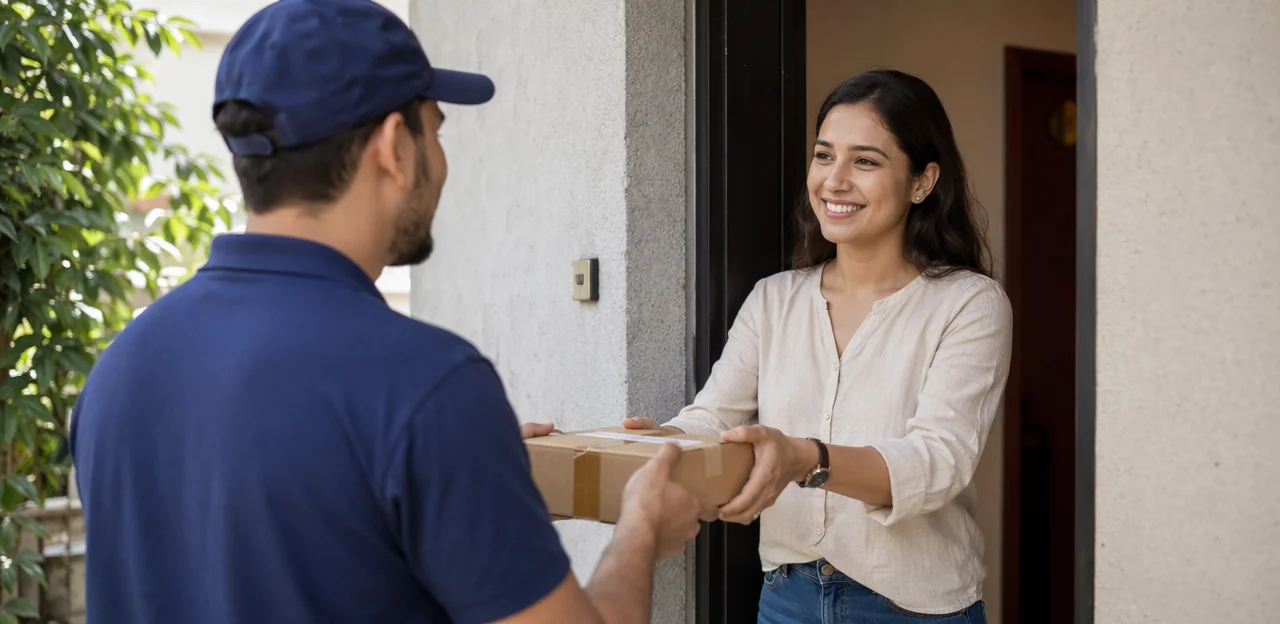
In home delivery, the customer experience doesn’t end when the order arrives at the door. In many cases, the moments immediately after delivery are when brands have the best chance to learn what went right, fix what went wrong, and encourage the next purchase. That’s why delivery feedback rewards are becoming a powerful strategy for businesses that want to strengthen loyalty and increase repeat orders.
By offering a simple incentive in exchange for quick, timely feedback, delivery brands can turn routine transactions into ongoing customer relationships. A discount on the next order, loyalty points, or a small perk can motivate customers to share honest insights while their experience is still fresh. At the same time, businesses gain valuable data on delivery speed, order accuracy, packaging, and overall satisfaction.
This article explores how feedback-based incentives can improve the delivery experience, boost participation in customer surveys, and support long-term retention. It will also look at the types of rewards that work best, how to design a smooth feedback journey, and why the right tools, including solutions like Tapsy, can help brands capture insights and turn them into repeat business.
Why delivery feedback rewards matter for retention
How post-delivery feedback influences repeat purchase behavior
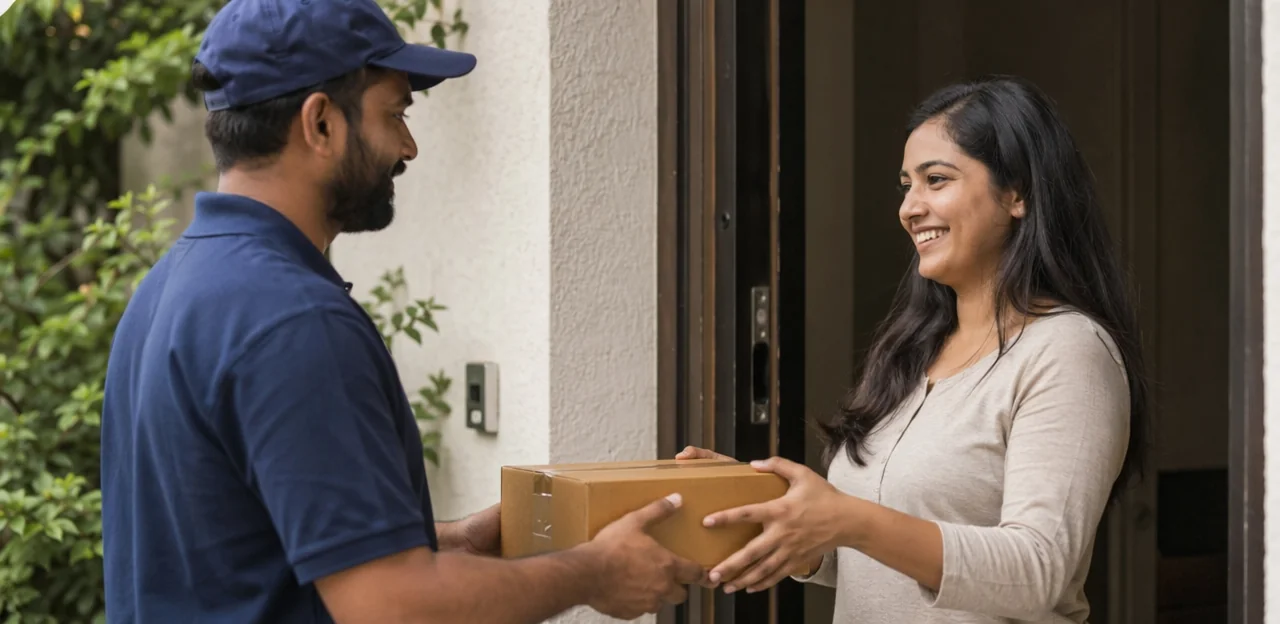
Asking for feedback right after delivery creates a valuable retention moment. When the experience is still fresh, customers are more likely to respond—and delivery feedback rewards give them a simple reason to do it. Even a small incentive, such as a discount on the next order or loyalty points, can increase participation and support repeat orders.
- Boost response rates: A clear reward motivates quick feedback completion.
- Make customers feel heard: Acting on comments shows the brand values their experience.
- Create a new touchpoint: A post-delivery message keeps the relationship active after the order ends.
- Drive customer retention: Offering a future-use reward gives customers a reason to come back soon.
Tools like Tapsy can help brands connect feedback collection with instant reward flows.
In home delivery, small details strongly influence the overall delivery experience. Customers judge not just the product, but whether it arrived on time, in good condition, and with a smooth handoff. That makes customer incentives especially powerful when asking for feedback.
- Convenience-driven context: Delivery is often routine, so incentives give customers a clear reason to respond.
- Touchpoint-specific insight: Rewards help capture feedback on timing, packaging quality, order accuracy, and driver professionalism.
- Stronger value exchange: Delivery feedback rewards turn a basic survey into a fair trade: customers share useful insights and receive something tangible in return.
- Better repeat-order potential: Small perks like discount codes, loyalty points, or free delivery credits can reinforce satisfaction and encourage reordering.
Tools like Tapsy can help brands collect fast, rewarded feedback at the right moment.
What customers expect when sharing delivery feedback
Customers respond best to delivery feedback rewards when the process feels quick, fair, and worth their time. To meet customer expectations, brands should focus on a few essentials:
- Speed: Feedback requests should take under a minute. Low-friction formats like one-tap ratings or short mobile forms increase completion rates.
- Fairness: Customer feedback incentives should match the effort required. A small discount, loyalty points, or next-order perk works better than vague prize draws.
- Relevance: The best delivery survey rewards connect directly to future orders, such as free delivery, account credit, or personalized offers.
When rewards are meaningful and easy to redeem, customers are more likely to participate honestly and trust the brand. Simple, timely feedback flows can also help delivery teams spot issues faster and encourage repeat orders.
Types of delivery feedback rewards that work
Discounts, credits, and loyalty points
Choosing the right delivery feedback rewards depends on how quickly you want customers to reorder and how flexible the incentive should feel.
- Percentage-based order discounts work best for higher-value baskets. They feel generous, but customers may delay redemption until a larger purchase, which can slow repeat behavior.
- Fixed-value delivery credits are simple and highly actionable. A clear “$5 off your next order” reduces friction, supports faster reorders, and often drives better short-term conversion.
- Loyalty points are strongest for long-term retention. They encourage habit-building across multiple purchases, though redemption usually happens later unless the threshold is easy to reach.
For most brands, delivery credits and small order discounts drive the fastest repeat orders, while loyalty points support ongoing engagement and higher lifetime value.
Instant rewards versus delayed incentives
The timing of delivery feedback rewards directly affects both survey participation and repeat purchase behavior.
- Instant rewards work best when the goal is higher response volume. A small survey completion reward—such as loyalty points, a free add-on, or a voucher delivered immediately—reduces friction and captures feedback while the delivery experience is still fresh.
- A next order incentive is stronger for retention. Offering a discount or credit redeemable on the customer’s next purchase can turn feedback into a repeat-order trigger, though response rates may be slightly lower if the reward feels less immediate.
A practical approach is to match reward timing to your objective:
- Use instant rewards to maximize response rates.
- Use delayed rewards to lift repeat orders.
- Test hybrid offers, such as instant points plus a next-order coupon.
Non-monetary rewards and VIP perks
Not every effective delivery feedback rewards program needs discounts or cash. Smart non-monetary incentives can increase participation, build habit, and protect margins while still feeling valuable to customers.
- Priority delivery windows: Offer preferred time slots to customers who regularly leave feedback. These VIP delivery perks add convenience without cutting order value.
- Exclusive offers: Give access to limited menu items, bundled upgrades, or members-only promos that feel special but are easier to control than blanket discounts.
- Early access perks: Let loyal customers try new products, seasonal items, or delivery zones before the wider market.
These customer loyalty rewards work best when tied to clear actions, such as completing post-order surveys or providing useful service feedback. Platforms like Tapsy can help automate this flow and keep rewards timely.
How to design a delivery feedback rewards program
Choosing the right trigger and survey timing
The best post-delivery survey arrives when the experience is still fresh, but after the customer has enough context to answer accurately. In most cases, the strongest trigger is delivery confirmation or a completed order status.
- Immediately after drop-off: Best for rating driver professionalism, packaging condition, and on-time arrival.
- After delivery confirmation: Useful when customers need a few minutes to collect the order, check items, or notice missing products.
- 30–60 minutes later for food or time-sensitive orders: Helps capture satisfaction with freshness, accuracy, and overall experience.
Good feedback timing improves both response rates and honesty. Ask too early, and customers may not have opened the order yet. Ask too late, and details fade or emotions cool.
To make delivery feedback rewards work better, pair the survey with a small, instant incentive and keep the form short. Tools like Tapsy can help automate touchpoint-based requests and rewards.
Matching reward value to order economics
The best delivery feedback rewards are valuable enough to drive responses, but small enough to protect margin. Build your incentive strategy around three core numbers:
- Average order value: A reward worth 5–10% of the typical basket often feels meaningful without eroding revenue.
- Margin per order: Set a hard cap so the incentive stays within what each order can profitably absorb after delivery, discounts, and fulfillment costs.
- Customer lifetime value: If repeat purchase behavior is strong, you can justify a slightly richer reward because one extra order may repay the cost.
A practical approach:
- Start with a low-cost test, such as a small discount or loyalty credit.
- Track participation rate, redemption rate, and repeat order lift.
- Increase or reduce the reward until response volume improves without hurting profitability.
Platforms like Tapsy can help test and measure reward performance across touchpoints.
Keeping the experience simple, transparent, and mobile-friendly
To make delivery feedback rewards effective, remove every unnecessary step between delivery, feedback, and reward use. A smooth process increases response rates and improves reward redemption.
- Keep surveys short: Use strong mobile survey design with 1–3 questions, tap-friendly buttons, and one optional comment field. Customers are far more likely to respond right after delivery when the survey takes under 30 seconds.
- State reward terms clearly: Explain the incentive upfront, including value, expiry date, minimum order rules, and how it can be used. Clear terms build trust and prevent drop-off.
- Make redemption seamless: Deliver rewards instantly by SMS, email, or in-app wallet, with one-click apply at checkout. Avoid codes that require manual entry if possible.
- Optimize for phones first: Fast-loading pages, no app download, and minimal form fields create a more frictionless customer experience.
Tools like Tapsy can support no-app feedback and instant reward delivery at key touchpoints.
Best practices for loyalty, retention, and customer trust

Using rewards to improve service, not just collect responses
Delivery feedback rewards work best when they do more than boost survey completion. If customers feel incentives are only used to gather responses, customer trust can drop quickly. The real value comes from turning feedback into visible service improvement.
- Review feedback for recurring issues like late arrivals, missing items, or poor packaging.
- Respond to negative experiences quickly and explain what action was taken.
- Share improvements with customers through email, SMS, or app updates.
This closes the feedback loop: customers see that their input leads to change, not just a coupon. Over time, that credibility strengthens loyalty, encourages repeat orders, and makes rewards feel meaningful rather than purely transactional.
Avoiding survey fatigue and low-quality responses
To make delivery feedback rewards effective, keep the process short, timely, and selective. Too many requests create survey fatigue, while overly generous incentives can hurt response quality.
- Limit frequency: cap surveys per customer, such as once every few orders or once per month.
- Ask at the right moment: send requests right after delivery, after issue resolution, or following a repeat purchase.
- Keep rewards modest: offer small credits or loyalty points so customers respond thoughtfully, not just for the incentive.
- Use short surveys: 1–3 questions with one optional comment field improves customer engagement.
- Protect data quality: filter duplicate entries, flag rushed responses, and compare feedback patterns over time.
Tools like Tapsy can help trigger feedback at the right touchpoints without adding friction.
Personalizing incentives by customer segment
Using customer segmentation makes delivery feedback rewards more relevant and more effective for retention marketing. Instead of offering the same perk to everyone, match the reward to customer value and purchase behavior:
- First-time buyers: Offer a small discount or free delivery on the next order to encourage a second purchase.
- Loyal customers: Reward repeat ordering with bonus points, exclusive menu items, or early-access offers.
- High-value households: Provide premium perks such as family bundles, VIP credits, or subscription-style benefits.
- At-risk customers: Use win-back offers, apology credits, or service recovery rewards after poor feedback.
These personalized incentives increase redemption rates, improve satisfaction, and strengthen repeat-order habits.
Measuring the success of delivery feedback rewards

Core KPIs: response rate, redemption rate, and repeat orders
Track a small set of KPIs to understand whether delivery feedback rewards are driving both participation and loyalty:
- Response rate: The percentage of delivered orders that generate feedback. A higher response rate shows your survey timing, channel, and incentive are compelling enough to capture real customer sentiment.
- Redemption rate: The share of customers who actually use the offered reward. A strong redemption rate indicates the incentive feels relevant and motivates a return visit.
- Repeat purchase rate: The percentage of feedback participants who place another order within a defined period. This repeat purchase rate reveals whether feedback and rewards are influencing real reorder behavior.
For deeper insight, compare repeat orders among customers who responded, redeemed, and did both.
Linking feedback data to delivery experience improvements
To make delivery feedback rewards effective, connect every rating and comment to specific delivery stages and issue types. This turns raw opinions into clear delivery analytics that drive measurable action.
- Tag feedback by theme: delays, damaged items, missing products, driver behavior, or communication gaps.
- Compare low ratings by route, time slot, courier, packaging type, or location to spot recurring patterns.
- Prioritize issues with the biggest impact on customer satisfaction, then assign owners and timelines for fixes.
- Track whether changes reduce complaints and improve repeat-order rates.
These insights support faster operational improvements, such as better dispatching, stronger packaging, and clearer delivery updates. Tools like Tapsy can help capture and organize feedback in real time.
Testing and optimizing reward offers over time
To make delivery feedback rewards more effective, treat every offer as a testable growth lever. Use A/B testing incentives to compare what actually drives feedback completion, repeat orders, and redemption profitably.
- Test reward types: discount codes, free delivery, loyalty points, or small freebies
- Test reward values: for example, 5% off vs. 10% off
- Test messaging: “Share feedback, get rewarded” vs. “Help us improve your next delivery”
Track completion rate, redemption rate, repeat purchase rate, and margin impact to guide reward optimization. Over time, this improves loyalty ROI by reducing wasted incentives and focusing budget on offers that strengthen retention. Tools like Tapsy can help structure and measure these experiments efficiently.
Common mistakes and a practical implementation roadmap

Mistakes that reduce ROI or damage trust
Poorly designed delivery feedback rewards can hurt participation, weaken loyalty, and create long-term customer trust issues. To protect feedback program ROI, avoid these common incentive mistakes:
- Offering rewards that feel too small: If the reward does not match the effort, customers may ignore the survey or feel undervalued. A meaningful but sustainable incentive, such as a discount on the next order or loyalty points, usually performs better.
- Hiding redemption conditions: Fine print, expiry traps, or unclear minimum-spend rules quickly damage trust. Keep reward terms simple, visible, and easy to redeem.
- Over-surveying customers: Asking for feedback after every order can lead to fatigue and lower response quality. Use smart timing and limit requests to key moments.
- Ignoring negative feedback: Collecting complaints without follow-up is one of the biggest incentive mistakes. Customers expect action, not just data collection.
To improve feedback program ROI, tie rewards to a clear service recovery process. Tools like Tapsy can help brands capture feedback in real time and respond before trust erodes.
A step-by-step rollout plan for home delivery brands
A successful delivery feedback rewards initiative should be treated as part of your wider home delivery strategy, not just a short-term promotion. Use this practical feedback program rollout roadmap:
- Set clear goals: Define what success looks like—higher survey response rates, better delivery satisfaction scores, fewer complaints, or more repeat orders. Tie each goal to your broader customer loyalty plan.
- Choose the right tools: Select a feedback system that works across SMS, email, app, or QR touchpoints and connects with your CRM or order platform. Tools like Tapsy can help brands capture fast, no-app feedback and trigger rewards.
- Design simple rewards: Offer low-friction incentives such as discount codes, loyalty points, free delivery credits, or small add-ons that encourage the next purchase.
- Run a pilot first: Test the program in one area, customer segment, or delivery window before scaling.
- Align teams: Brief customer support, operations, and marketing so rewards, issue handling, and messaging stay consistent.
- Review performance regularly: Track response rate, redemption rate, repeat orders, and customer sentiment, then refine your offer and timing.
Conclusion
In a crowded delivery market, the brands that win are the ones that listen, respond, and give customers a reason to come back. That’s why delivery feedback rewards are so effective: they turn a simple post-order interaction into a loyalty-building moment. By offering meaningful incentives for honest feedback—such as discounts, loyalty points, free delivery, or exclusive perks—businesses can increase response rates, uncover service issues faster, and strengthen the overall delivery experience.
The real value of delivery feedback rewards goes beyond collecting opinions. They help you identify friction points, improve operations, recover from poor experiences quickly, and encourage repeat orders through timely, customer-friendly incentives. When feedback is easy to give and the reward feels relevant, customers are far more likely to engage again.
The next step is to build a feedback process that is fast, visible, and rewarding. Start by mapping key delivery touchpoints, choosing incentives that match customer preferences, and tracking which reward types drive the highest repeat purchase rates. You can also explore tools like Tapsy to create simple, real-time feedback and reward flows.
If you want stronger retention and better delivery performance, now is the time to invest in delivery feedback rewards and make every order a chance to earn the next one.
Frequently Asked Questions
- What are delivery feedback rewards?
Delivery feedback rewards are incentives offered to customers in exchange for quick post-delivery feedback. Common examples include discounts on the next order, loyalty points, free delivery credits, or small perks tied to future purchases.
- How do feedback rewards help increase repeat orders?
They create a retention moment right after delivery, when the experience is still fresh. A future-use reward such as a discount or credit gives customers a practical reason to place another order soon.
- Why are incentives especially useful in home delivery?
Home delivery customers judge more than the product itself, including timing, packaging, order accuracy, and the handoff experience. Incentives encourage them to share feedback on these specific touchpoints, which helps brands improve service and support reordering.
- What do customers expect from a delivery feedback process?
Customers expect the process to be quick, fair, and relevant. Short surveys, clear reward value, and incentives connected to future orders tend to build more trust and encourage honest participation.
- Which reward types work best for delivery feedback?
Small order discounts and fixed-value delivery credits are strong choices when the goal is to drive faster repeat orders. Loyalty points are better suited to long-term engagement and habit-building over multiple purchases.
- Should brands use instant rewards or delayed incentives?
Instant rewards are better for increasing survey completion because they reduce friction and arrive while the delivery experience is still top of mind. Delayed rewards, such as next-order discounts, are more directly tied to retention and repeat purchase behavior.
- Can non-monetary rewards work for delivery feedback programs?
Yes, non-monetary rewards can be effective when they offer real convenience or exclusivity. Examples include priority delivery windows, early access to new items, and members-only offers that feel valuable without relying on broad discounts.
- When is the best time to ask for delivery feedback?
The strongest timing is usually at delivery confirmation or shortly after drop-off. For food or other time-sensitive orders, waiting 30 to 60 minutes can help customers assess freshness, accuracy, and overall satisfaction more accurately.
- How should a business decide the value of a feedback reward?
Reward value should be based on average order value, margin per order, and customer lifetime value. A practical starting point is a low-cost test, then adjusting the incentive based on participation, redemption, and repeat-order lift.
- What makes a delivery feedback journey easy to complete?
The experience should be mobile-friendly, fast, and transparent. Short surveys, clear reward terms, and instant delivery of the reward by SMS, email, or in-app wallet help reduce drop-off and improve redemption.
- How can brands avoid survey fatigue and low-quality responses?
They should limit how often customers are asked, keep surveys to 1 to 3 questions, and send requests only at useful moments such as after delivery or issue resolution. Modest rewards also help maintain response quality by reducing incentive-only participation.
- How can feedback rewards be personalized for different customer segments?
First-time buyers can receive a small discount or free delivery to encourage a second order. Loyal customers, high-value households, and at-risk customers can each receive different offers, such as bonus points, VIP perks, or win-back credits based on their behavior and value.
- Which KPIs matter most for measuring a delivery feedback rewards program?
The core metrics are response rate, redemption rate, and repeat purchase rate. Together, they show whether customers are completing the survey, using the reward, and returning to place another order.
- What are the most common mistakes that reduce trust or ROI?
Common problems include rewards that feel too small, hidden redemption conditions, asking for feedback too often, and collecting complaints without follow-up. Clear terms, sustainable incentives, and visible service recovery help protect both trust and profitability.
- How can tools like Tapsy support a delivery feedback rewards program?
Tools like Tapsy can help brands collect no-app feedback at the right touchpoints and connect it to instant reward delivery. They can also support testing, measurement, and real-time organization of feedback so teams can act on service issues faster.