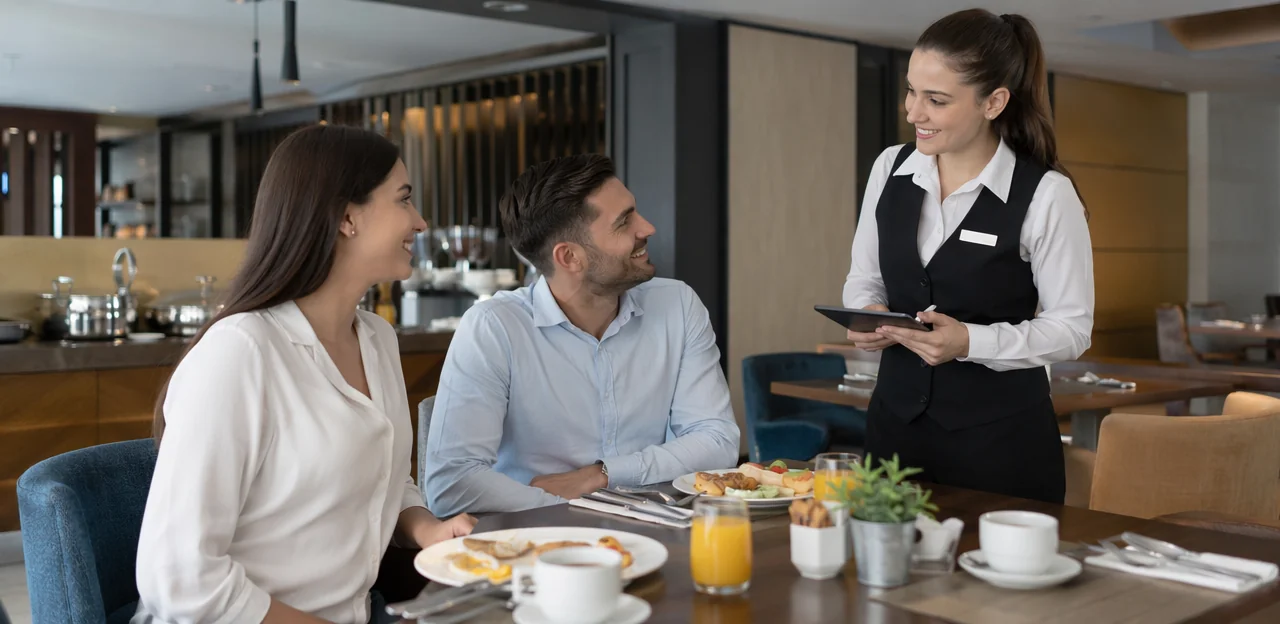
Breakfast is often the first memorable touchpoint of a guest’s day, making it one of the most valuable moments to understand satisfaction, service quality, and operational performance. A well-designed approach to hotel breakfast feedback can reveal far more than whether guests enjoyed the food. It can uncover patterns in wait times, staff attentiveness, cleanliness, menu variety, dietary accommodation, and the overall breakfast experience that shapes reviews, loyalty, and repeat bookings.
In today’s competitive hospitality landscape, relying on generic survey feedback is no longer enough. Hotels need a smarter hotel survey strategy that captures meaningful insights from guests while also connecting them to internal improvement efforts, such as an employee feedback survey, staff feedback survey, or even a training feedback survey for breakfast teams. The right feedback survey questions help transform comments into actionable data, while strong survey feedback examples can guide better decision-making across guest experience, customer service, and daily operations.
This article explores how to build an effective breakfast feedback process, what to ask, how AI and analytics can strengthen results, and how hotels can use guest and staff input together to improve service standards. From survey design best practices to practical ways of turning responses into measurable improvements, you’ll learn how to make breakfast feedback a powerful driver of guest satisfaction.
Why a Hotel Breakfast Feedback Survey Matters

Breakfast as a Core Part of the Guest Experience
Breakfast is often the first service guests actively judge each day, so it has an outsized impact on customer experience, review scores, and repeat bookings. Strong hotel breakfast feedback helps properties learn what matters most, including food freshness, variety, dietary options, ambiance, and speed of service.
A focused hotel survey can uncover actionable insights such as:
- Whether wait times, replenishment, or table turnover affect satisfaction
- Which feedback survey questions best reveal preferences for hot items, coffee quality, and healthy choices
- How survey feedback highlights service gaps that can inform a training feedback survey or staff feedback survey
- Which survey feedback examples point to quick wins, like clearer labeling or faster refills
Used well, hotel breakfast feedback turns a routine meal into a loyalty driver.
What Hotels Can Learn From Survey Feedback
Hotel breakfast feedback gives hotels both operational fixes and long-term insight into the overall guest experience. A well-designed hotel survey can reveal what matters most to different traveler groups, from business guests needing speed to families wanting variety.
- Menu planning: Use survey feedback and practical feedback survey questions to spot demand for healthier options, local dishes, allergy-friendly items, or better coffee quality.
- Staffing and wait times: Responses can highlight peak-hour bottlenecks, helping managers adjust schedules and improve service speed.
- Cleanliness and presentation: Guests often flag buffet hygiene, table turnover, and food freshness.
- Training needs: Combine breakfast results with an employee feedback survey, staff feedback survey, or training feedback survey to identify service gaps.
- Trend analysis: Reviewing survey feedback examples over time helps hotels track satisfaction by traveler segment and act faster.
Common Breakfast Pain Points Guests Report
Strong hotel breakfast feedback often reveals a few recurring issues that directly affect guest satisfaction and return intent:
- Limited variety: Repetitive menus, few fresh options, or weak vegetarian, vegan, gluten-free, and allergy-friendly choices.
- Poor temperature control: Hot food served lukewarm, cold items left uncovered, or coffee stations not refreshed often enough.
- Crowded dining areas: Long queues, limited seating, noise, and slow replenishment during peak hours.
- Inconsistent service: Delays in clearing tables, inattentive staff, or uneven service quality between shifts.
A well-designed hotel survey should include targeted feedback survey questions to capture these details. Combining guest survey feedback with a staff feedback survey, employee feedback survey, or even a training feedback survey helps uncover root causes and turn common survey feedback examples into practical breakfast improvements.
How to Design Effective Breakfast Survey Questions

Best Practices for Writing Feedback Survey Questions
Strong hotel breakfast feedback surveys use short, neutral, and specific wording so guests can respond quickly and honestly. Keep questions focused on one topic at a time and prioritize what matters most.
- Be clear and simple: Ask, “How satisfied were you with the freshness of the breakfast items?” instead of combining taste, variety, and temperature in one question.
- Measure key areas: Include targeted feedback survey questions on satisfaction, food quality, presentation, service, cleanliness, and value.
- Avoid bias: Don’t lead guests with phrases like “How much did you enjoy our excellent breakfast?”
- Use balanced scales: A 1–5 rating works well for fast survey feedback in a hotel survey.
- Add one open-text question: Invite guests to share what should improve or what stood out.
- Keep it brief: Limit the survey to 5–7 questions to avoid fatigue.
Review survey feedback examples regularly and combine guest insights with an employee feedback survey, staff feedback survey, or training feedback survey to uncover service gaps and improvement opportunities.
Question Types Hotels Should Include
A strong hotel breakfast feedback survey should combine question formats that capture both measurable trends and useful guest detail. The best hotel survey structure includes:
- Rating scales: Ask guests to rate food quality, freshness, variety, cleanliness, and service speed on a 1–5 scale. These feedback survey questions make it easy to track patterns over time and compare locations or shifts.
- Multiple-choice questions: Use options like “Which breakfast items did you enjoy most?” or “What mattered most: speed, variety, taste, or healthy options?” This creates clear categories for faster analysis and practical menu decisions.
- Yes or no prompts: Simple checks such as “Was the breakfast area clean?” or “Did staff greet you warmly?” quickly highlight operational issues.
- Open-text responses: Include one space for comments like “What should we improve?” These provide rich survey feedback examples that support smarter changes.
Hotels can also align guest insights with an employee feedback survey, staff feedback survey, or training feedback survey to connect service gaps with team development.
Sample Hotel Breakfast Feedback Survey Template
A strong hotel breakfast feedback form should be short, specific, and easy to complete before guests leave the dining area. Use a mix of rating scales and one open-text field to collect useful survey feedback without creating fatigue.
- Taste and quality: “How would you rate the taste of today’s breakfast items?”
- Freshness: “Did the food feel fresh, well-prepared, and properly stocked?”
- Variety: “How satisfied were you with the selection of hot, cold, healthy, and dietary-friendly options?”
- Staff friendliness: “How welcoming and helpful was the breakfast team?”
- Speed and service: “How quickly were tables cleared, drinks refilled, or requests handled?”
- Ambiance: “How would you rate cleanliness, comfort, noise level, and overall atmosphere?”
- Likelihood to recommend: “How likely are you to recommend our breakfast experience to other guests?”
Add one final prompt: “What should we improve?” This creates practical survey feedback examples for service upgrades, team coaching, and even an internal employee feedback survey, staff feedback survey, or training feedback survey review process. In any hotel survey, focused feedback survey questions produce clearer action points.
Collecting Better Responses From Hotel Guests

When and Where to Ask for Breakfast Feedback
Timing has a major impact on hotel breakfast feedback quality and completion rates. Use the channel that matches guest context:
- Immediately after breakfast: Best for fresh, specific survey feedback on food quality, service speed, cleanliness, and atmosphere. A quick QR or NFC hotel survey near the exit often gets the highest response.
- At checkout: Ideal for broader feedback survey questions that connect breakfast to the full stay experience.
- Post-stay email or SMS: Useful for reflective responses, but completion rates are usually lower than on-site prompts.
For better results, keep surveys short and act on patterns. Pair guest insights with an employee feedback survey, staff feedback survey, or even a training feedback survey to compare operational gaps with guest sentiment and build stronger survey feedback examples for improvement.
How to Increase Survey Completion Rates
To improve hotel breakfast feedback response rates, make participation effortless and relevant:
- Keep it short: Limit feedback survey questions to 3–5 essentials focused on food quality, service speed, and overall customer experience.
- Design for mobile: Use a fast, mobile-friendly hotel survey guests can complete in under a minute.
- Place QR codes strategically: Add them on breakfast tables, menus, receipts, or buffet signage for instant survey feedback.
- Offer multilingual options: Let international guests respond comfortably in their preferred language.
- Explain the value: Tell guests how their input improves breakfast, service, and future stays.
Review survey feedback examples regularly, and combine guest insights with an employee feedback survey, staff feedback survey, or training feedback survey to spot service gaps faster.
Avoiding Bias and Low-Quality Responses
To make hotel breakfast feedback useful, keep your hotel survey short, neutral, and easy to answer. Poorly designed feedback survey questions can distort results and reduce trust in the data.
- Avoid leading wording: Don’t ask, “How much did you enjoy our excellent breakfast?” Use neutral survey feedback examples like, “How would you rate breakfast quality today?”
- Limit mandatory fields: Too many required answers increase drop-offs and rushed survey feedback.
- Choose the right timing: Ask guests right after breakfast, not days later, to improve accuracy.
- Protect anonymity: Anonymous options encourage honest responses from guests and in a staff feedback survey or employee feedback survey.
- Test and refine: Compare response patterns, remove confusing items, and apply lessons from a training feedback survey.
Using AI and Analytics to Turn Feedback Into Action

How AI Helps Analyze Hotel Breakfast Feedback
AI & analytics turn hotel breakfast feedback into clear, usable insight faster than manual review. Instead of reading every comment one by one, teams can use AI to:
- Categorize survey feedback into themes such as food quality, temperature, variety, cleanliness, wait times, and service.
- Detect sentiment to separate positive, neutral, and negative responses across each hotel survey touchpoint.
- Identify recurring complaints by spotting repeated issues in open-text responses and common feedback survey questions.
- Reveal patterns by guest type, daypart, occupancy level, or property location, helping managers see whether business travelers, families, or weekend guests report different needs.
AI also connects guest responses with internal signals from an employee feedback survey, staff feedback survey, or training feedback survey to uncover root causes. Reviewing survey feedback examples alongside trend data helps teams prioritize fixes, improve breakfast operations, and deliver a more consistent guest experience.
Turning Survey Results Into Operational Improvements
Effective hotel breakfast feedback only creates value when it leads to visible action. Use your hotel survey data to spot patterns and turn comments into measurable upgrades that improve customer experience.
- Adjust menus: Review survey feedback and survey feedback examples to identify unpopular items, dietary gaps, or demand for healthier, local, or grab-and-go options.
- Improve replenishment timing: Use responses to learn when trays run empty, then restock high-demand items before peak rush periods.
- Optimize staffing: Combine guest insights with an employee feedback survey or staff feedback survey to schedule more team members during busy breakfast windows.
- Redesign buffet layouts: If feedback survey questions reveal congestion, move coffee, juice, and hot items to separate stations.
- Fix service bottlenecks: Pair guest comments with a training feedback survey to improve table clearing, wait times, and staff responsiveness.
This turns feedback into faster service, better flow, and a stronger breakfast experience.
Tracking KPIs and Benchmarking Performance
To improve hotel breakfast feedback, track clear KPIs and review them consistently over time. A strong hotel survey should measure both guest sentiment and operational issues so you can see whether menu, service, or staffing changes are working.
- Satisfaction scores: Monitor overall breakfast ratings, CSAT, and responses to key feedback survey questions about food quality, variety, cleanliness, and speed of service.
- Complaint frequency: Track how often guests mention cold food, limited options, delays, or poor presentation in survey feedback.
- Breakfast value ratings: Measure whether guests feel breakfast matches the room rate or upgrade cost.
- Repeat guest sentiment: Compare responses from returning guests to identify loyalty trends and expectations.
- Trend reporting: Review weekly and monthly patterns, using survey feedback examples to spot recurring themes.
Pair guest data with an employee feedback survey, staff feedback survey, or training feedback survey to uncover service gaps and benchmark performance accurately.
Connecting Guest Feedback With Staff Development

Using Breakfast Insights in Staff Coaching
Guest comments from hotel breakfast feedback should feed directly into daily coaching so teams can improve the customer experience with clear, behavior-based guidance. Use your hotel survey data to spot patterns and turn them into practical coaching points:
- Friendliness: Review survey feedback examples mentioning greetings, tone, and attentiveness.
- Responsiveness: Use feedback survey questions to identify delays in refills, seating, or special requests.
- Food presentation: Track recurring survey feedback on buffet freshness, labeling, and cleanliness.
- Issue resolution: Pair guest insights with an employee feedback survey or staff feedback survey to coach calm, fast service recovery.
A short training feedback survey after coaching helps confirm whether standards are improving consistently.
When to Use an Employee Feedback Survey
Use an employee feedback survey when hotel breakfast feedback points to recurring service issues but the root cause is unclear. A well-timed staff feedback survey helps uncover operational barriers that guests may notice, but employees understand best.
- After repeated complaints about slow service, empty buffet items, or poor cleanliness
- When teams report understaffing, unclear handoff procedures, or equipment bottlenecks
- During menu changes, peak-season ramp-ups, or after a new training feedback survey
- Before updating feedback survey questions in a guest-facing hotel survey
Strong survey feedback can reveal whether problems stem from scheduling, training gaps, or kitchen layout. Reviewing survey feedback examples alongside guest data helps managers act faster and improve breakfast consistency.
Supporting Training With a Training Feedback Survey
A training feedback survey helps breakfast managers turn hotel breakfast feedback into better staff performance. After onboarding or refresher sessions, use a short employee feedback survey or staff feedback survey to measure how confident team members feel handling buffet setup, allergen questions, upselling, and peak-hour service.
- Ask targeted feedback survey questions on clarity, usefulness, and real-world readiness.
- Compare pre- and post-training confidence scores to spot skill gains.
- Review survey feedback alongside guest comments from each hotel survey to find training gaps.
- Use survey feedback examples to improve coaching, SOPs, and role-specific refreshers.
This creates a practical loop: train, measure, refine, and improve breakfast consistency.
Best Practices for Building a Continuous Feedback Program

Creating a Closed-Loop Feedback Process
To turn hotel breakfast feedback into better customer experience, hotels need a clear action loop:
- Acknowledge survey feedback quickly: thank guests immediately and flag low scores from the hotel survey for same-day follow-up.
- Resolve issues fast: use targeted feedback survey questions to spot recurring problems like food temperature, replenishment, or service delays.
- Share insights with teams: turn survey feedback examples into coaching points for managers, chefs, and servers.
- Close the internal loop: combine guest insights with an employee feedback survey, staff feedback survey, or training feedback survey so improvements are practical, measurable, and visible.
Combining Breakfast Surveys With Broader Hotel Surveys
To get more value from hotel breakfast feedback, connect it to your wider hotel survey strategy rather than reviewing it in isolation. This helps leaders see how breakfast quality influences overall stay satisfaction, loyalty, and review behavior.
- Add breakfast-focused feedback survey questions to post-stay surveys and compare results with room, cleanliness, and service scores.
- Use survey feedback examples to spot patterns, such as poor breakfast speed lowering overall ratings.
- Pair guest survey feedback with an employee feedback survey, staff feedback survey, or training feedback survey to uncover service gaps and improve consistency.
This joined-up view supports smarter operational and guest experience decisions.
Examples of High-Impact Survey Improvements
Hotels can turn hotel breakfast feedback into clear operational wins by acting on recurring themes from guest and team responses. Useful survey feedback examples include:
- Menu variety: A hotel survey revealed repeated requests for more vegan, gluten-free, and local options, leading to a refreshed buffet and higher satisfaction scores.
- Allergen labeling: Guest feedback survey questions highlighted confusion around ingredients, so hotels added clearer labels and icons.
- Service speed: Survey feedback and an employee feedback survey exposed bottlenecks at peak times, prompting layout changes and faster replenishment.
- Staff training: A staff feedback survey and training feedback survey identified knowledge gaps, leading to better guest guidance and smoother service.
Conclusion
In today’s competitive hospitality landscape, hotel breakfast feedback is far more than a post-meal formality—it’s a practical way to improve guest satisfaction, refine service standards, and turn everyday dining into a memorable brand touchpoint. A well-designed hotel survey helps uncover what guests truly value, from food quality and variety to speed of service, cleanliness, and atmosphere. By using thoughtful feedback survey questions and reviewing real survey feedback examples, hotels can identify recurring issues, spot opportunities for innovation, and make data-backed decisions with confidence.
The most effective approach combines guest insight with internal learning. Pairing breakfast survey feedback with an employee feedback survey, staff feedback survey, or even a training feedback survey can reveal operational gaps that may otherwise go unnoticed. This creates a fuller picture of the breakfast experience and supports continuous improvement across both front-of-house service and kitchen operations.
Now is the time to turn hotel breakfast feedback into action. Audit your current hotel survey, simplify your feedback survey questions, and build a process for reviewing results regularly. Consider using digital, real-time tools such as Tapsy to capture in-the-moment responses and increase participation. Start with a clear survey template, benchmark performance over time, and use every response to create a better breakfast—and a better guest experience overall.
Frequently Asked Questions
- Why is breakfast feedback so important for hotels?
Breakfast is often the first service guests actively judge each day, so it strongly influences satisfaction, reviews, and repeat bookings. Feedback helps hotels understand food quality, variety, service speed, cleanliness, and atmosphere. It also turns a routine meal into a measurable loyalty driver.
- What can a hotel learn from a breakfast feedback survey?
A breakfast survey can reveal menu preferences, staffing issues, wait-time bottlenecks, cleanliness concerns, and training needs. It also helps hotels understand differences between traveler groups, such as business guests who value speed and families who want variety. Over time, trend analysis shows which issues are recurring and which improvements are working.
- What breakfast problems do guests report most often?
Common complaints include limited variety, weak vegetarian or allergy-friendly choices, poor food temperature, crowded dining areas, and inconsistent service. Guests also often mention slow table clearing, delayed replenishment, and noise during peak periods. These issues directly affect satisfaction and return intent.
- How should hotel breakfast survey questions be written?
Questions should be short, neutral, and focused on one topic at a time. Hotels should avoid leading wording, use balanced rating scales such as 1 to 5, and include only the most important topics. A brief survey with one open-text question usually produces clearer and more honest responses.
- Which question types work best in a hotel breakfast survey?
A strong survey combines rating scales, multiple-choice questions, yes-or-no prompts, and one open-text field. Rating scales help track trends in food quality, freshness, cleanliness, and service speed, while multiple-choice questions make analysis easier. Open comments add detail that supports practical improvements.
- What questions should be included in a breakfast feedback template?
Useful questions cover taste and quality, freshness, variety, staff friendliness, speed of service, ambiance, and likelihood to recommend. A final prompt such as "What should we improve?" helps collect specific suggestions. This mix gives hotels both measurable scores and actionable comments.
- When is the best time to ask guests for breakfast feedback?
The best time is immediately after breakfast, when details about food, service, and cleanliness are still fresh. A quick QR code or NFC survey near the exit can improve response rates. Checkout and post-stay messages can also work, but they are better for broader reflections and often get fewer responses.
- How can hotels increase breakfast survey completion rates?
Hotels should keep the survey very short, make it mobile-friendly, and place QR codes where guests can easily scan them, such as tables, menus, receipts, or buffet signage. Offering multilingual options also helps international guests respond comfortably. Explaining that feedback will improve future breakfast experiences can make participation feel more worthwhile.
- How do hotels avoid biased or low-quality breakfast survey responses?
Neutral wording is essential, so questions should not praise the breakfast in advance or suggest the expected answer. Hotels should also limit mandatory fields, ask at the right time, and allow anonymous responses to encourage honesty. Testing and refining the survey helps remove confusing questions that reduce data quality.
- How can AI help analyze hotel breakfast feedback?
AI can sort comments into themes such as food quality, temperature, variety, cleanliness, wait times, and service. It can also detect sentiment and identify recurring complaints across guest segments, occupancy levels, or locations. This makes it easier for managers to prioritize fixes without manually reviewing every response.
- How can survey results be turned into real breakfast improvements?
Hotels can use feedback to adjust menus, improve replenishment timing, optimize staffing, redesign buffet layouts, and fix service bottlenecks. For example, repeated comments about congestion can justify moving coffee, juice, and hot items into separate stations. The goal is to turn patterns in responses into visible operational changes.
- Which KPIs should hotels track for breakfast performance?
Hotels should monitor overall breakfast satisfaction, CSAT-style ratings, complaint frequency, breakfast value ratings, and repeat guest sentiment. Weekly and monthly trend reporting helps show whether changes in menu, service, or staffing are improving results. Tracking both guest sentiment and operational issues creates a clearer performance picture.
- How can breakfast feedback support staff coaching?
Guest comments can be turned into coaching points on friendliness, responsiveness, food presentation, and issue resolution. Managers can use repeated feedback patterns to guide daily coaching and improve service behaviors. A short training feedback survey can then confirm whether standards are improving consistently.
- When should a hotel use an employee or staff feedback survey alongside guest feedback?
Hotels should use employee or staff feedback surveys when guest complaints are recurring but the root cause is unclear. They are especially useful after repeated issues with slow service, empty buffet items, cleanliness, understaffing, or equipment bottlenecks. Staff input helps explain operational barriers that guests can see but employees understand more deeply.
- What does a continuous breakfast feedback program look like?
A continuous program acknowledges guest feedback quickly, flags low scores for follow-up, resolves recurring issues, and shares insights with teams. It also connects breakfast feedback with broader hotel surveys and internal staff or training surveys. This closed-loop process helps hotels make improvements that are practical, measurable, and visible over time.