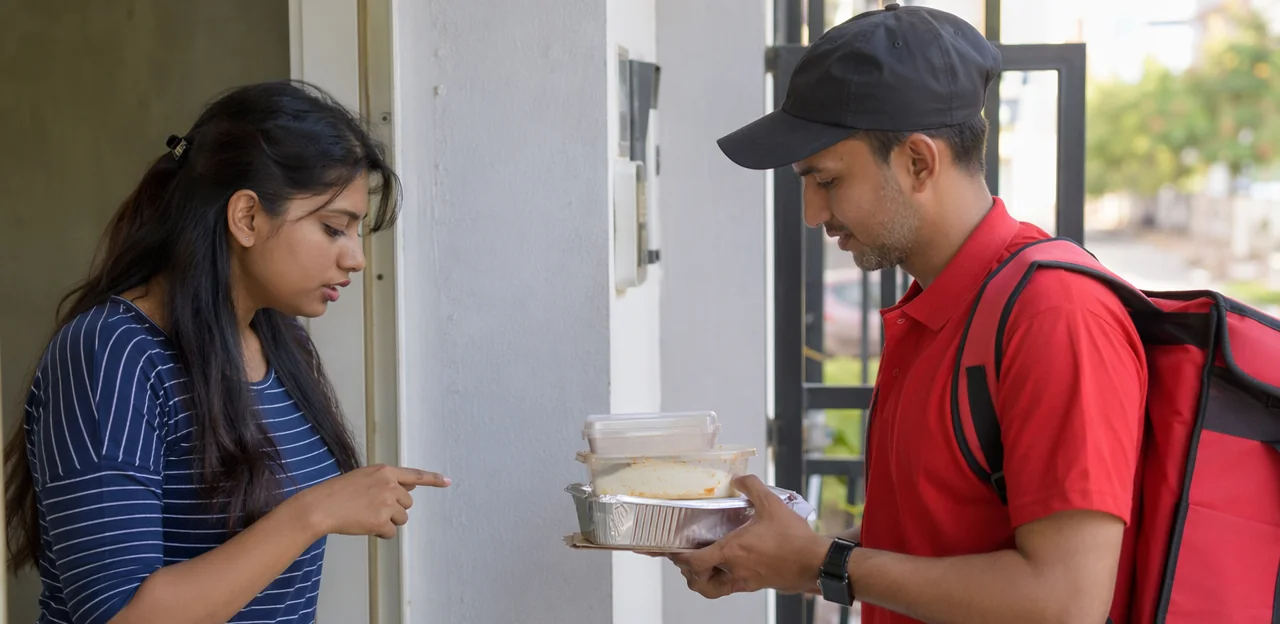
A great meal can be undone in the last mile. Fries arrive soggy, soup turns lukewarm, drinks spill in transit, or a delivery that was supposed to take 25 minutes shows up nearly an hour later. In food delivery, these small breakdowns have a big impact on customer satisfaction, repeat orders, and brand reputation. That’s why collecting the right food delivery feedback matters far more than simply asking whether the customer “liked” the order.
To improve the delivery experience, restaurants and delivery operators need feedback that goes beyond star ratings. They need to understand exactly what went wrong: was the food too cold, the timing inaccurate, the packaging damaged, or the order poorly handled on arrival? Capturing these details helps teams identify patterns, fix operational gaps, and respond quickly before a one-off issue becomes a recurring complaint.
This article explores how to gather meaningful feedback around temperature, timing, and packaging issues, and how those insights support stronger service recovery and a better home delivery experience. It will also look at practical ways to collect feedback while the experience is still fresh, with tools such as Tapsy offering real-time input at key customer touchpoints.
Why Food Delivery Feedback Matters for Home Delivery Success
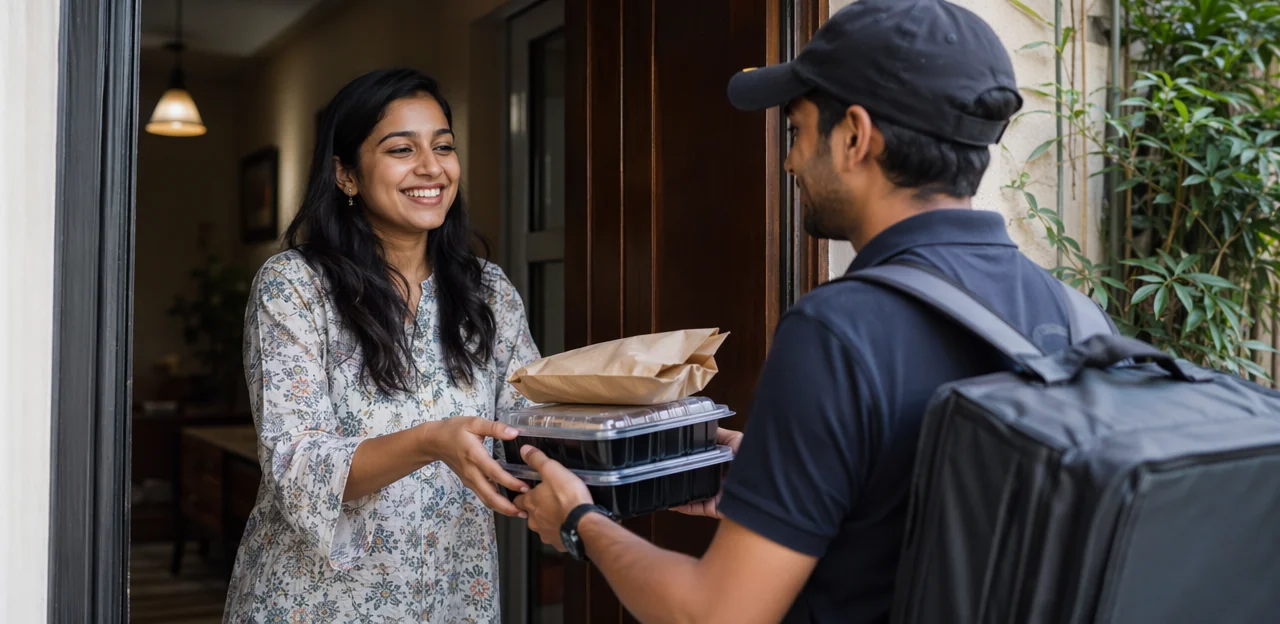
How feedback shapes the delivery experience
Food delivery feedback is one of the clearest ways to measure customer satisfaction beyond the menu itself. A great meal can still disappoint if it arrives late, cold, spilled, or poorly packed. That is why the full delivery experience matters as much as food quality.
Use feedback to spot patterns that affect repeat orders:
- Temperature issues: reveal insulation or handoff problems
- Timing complaints: highlight delays, routing gaps, or unrealistic ETAs
- Packaging feedback: uncovers leaks, sogginess, or missing tamper protection
Acting on this data helps teams fix pain points quickly, improve service recovery, and build trust. Tools like Tapsy can help capture real-time feedback while the experience is still fresh.
Temperature, timing, and packaging problems have a direct commercial cost in home delivery. When food delivery feedback repeatedly highlights cold food delivery, late delivery complaints, or damaged food packaging, the impact usually shows up fast:
- Lower ratings and harsher reviews: customers often mention these issues first, reducing average scores and click-through trust.
- Higher refunds and support costs: replacement orders, credits, and complaint handling quickly erode margins.
- Weaker loyalty: one bad delivery can push customers to switch apps or restaurants.
- Brand reputation damage: recurring complaints signal unreliable operations, not one-off mistakes.
To reduce losses, track these issues in real time, spot repeat patterns by driver, route, or packaging type, and fix root causes early.
What customers expect from modern food delivery
Today’s delivery customer expectations are higher than ever. Customers judge food delivery service quality on more than just arrival—they expect the full experience to match eating in-store.
- Fast, predictable timing: Delivery should be quick, with accurate ETAs and minimal delays.
- Food in good condition: Meals should arrive hot or cold as intended, fresh, and not damaged in transit.
- Order accuracy: Missing items, wrong dishes, and forgotten extras quickly erode trust.
- Clear communication: Customers want real-time updates, delay alerts, and easy support if something goes wrong.
To meet evolving home delivery expectations, businesses need structured food delivery feedback that captures temperature, timing, packaging, and communication issues at the moment they happen.
Capturing Temperature Feedback Effectively

What to ask customers about food temperature
Use specific questions so food delivery feedback reveals exactly what went wrong and how often. Ask customers to rate temperature, then describe the gap between expectation and reality.
- How did your food arrive? Hot, warm, room temperature, cold, melted, or partially cooled
- Was the temperature acceptable for the item ordered? This helps separate normal cooling from true cold food complaints
- Which items were affected? Ask them to name dishes, drinks, sauces, or desserts
- Did the temperature impact quality? For example: soggy fries, hardened cheese, melted ice cream, or unsafe-feeling food
- When did you start eating? Immediately or after a delay, to judge whether hot food delivery failed in transit or after drop-off
- Optional comment: “Please describe the temperature issue in your own words”
Common causes of temperature-related delivery issues
Most food delivery temperature issues come from preventable operational gaps. Strong food delivery feedback helps teams spot patterns and fix them quickly, especially when complaints cluster around specific times, drivers, or menu items.
- Long dispatch times: Food sits too long before pickup, losing heat or becoming soggy.
- Batching orders: Combining multiple deliveries increases wait time and often creates uneven temperatures.
- Traffic and routing delays: Common delivery delay causes include congestion, poor route planning, and driver handoff bottlenecks.
- Weak insulated food packaging: Inadequate seals, vents, or thermal liners allow hot foods to cool and cold items to warm.
- Poor travel fit: Fries, fried foods, ice cream, and delicate plated meals often do not hold quality well in transit.
Use feedback data to adjust prep timing, packaging, and delivery radius.
How to turn temperature feedback into action
Use food delivery feedback to spot patterns, not just isolated complaints. When the same items arrive cold, soggy, or overheated, turn that insight into operational fixes:
- Adjust packaging: Upgrade insulation, vent fried foods to reduce steam, and separate hot and cold items to strengthen temperature control delivery.
- Refine prep timing: Start temperature-sensitive dishes closer to courier arrival so food spends less time waiting on shelves.
- Improve courier handoff: Add clear pickup staging, bag checks, and handoff standards to tighten food delivery operations.
- Rethink the menu: Remove or modify items that consistently travel poorly, or offer “best delivered” versions.
This approach helps restaurants improve food delivery quality while reducing refunds and repeat complaints.
Using Timing Feedback to Reduce Delivery Friction
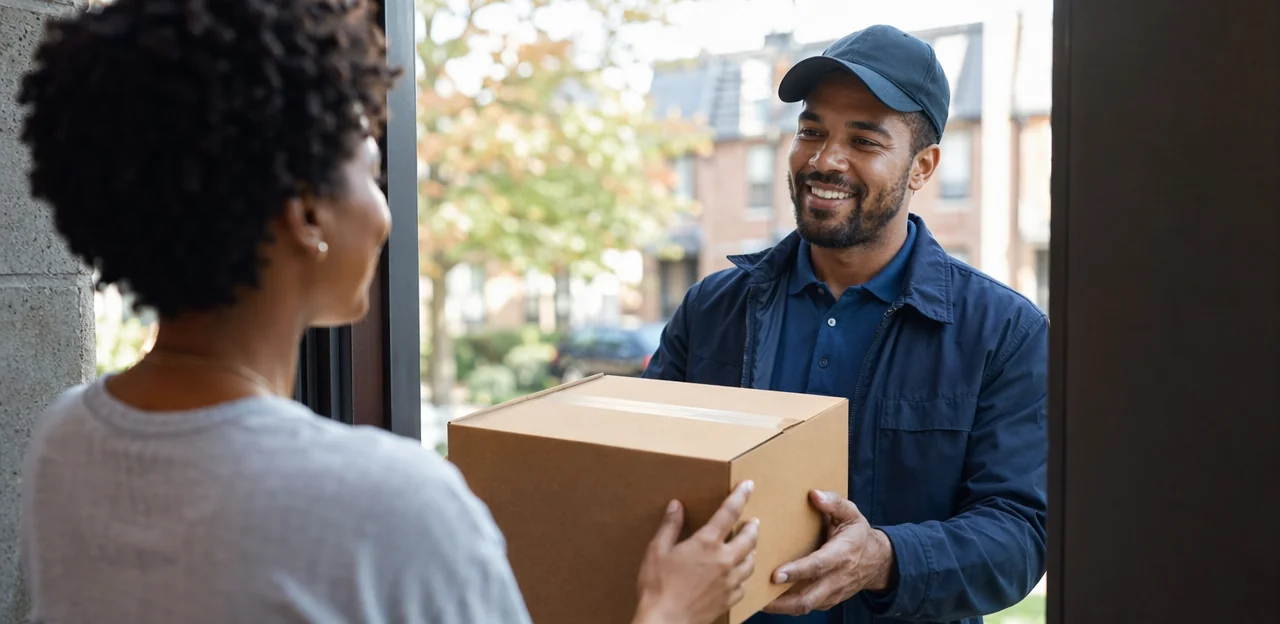
How customers describe timing problems
Customers usually frame food delivery feedback around expectation gaps, not just the clock. Common patterns include:
- Late food delivery: “It arrived 25 minutes late” or “food showed up after the promised time.”
- Long wait times: complaints about the total order journey feeling too slow, even if the driver was only slightly delayed.
- Delivery ETA issues: feedback often mentions missed time windows, inaccurate tracking, or ETAs that kept changing.
- Poor delay communication: customers are especially frustrated when no one explains the hold-up or provides an updated arrival time.
To make delivery timing feedback actionable, tag comments by delay type, compare promised vs. actual delivery times, and monitor whether customers mention silence during delays. Tools like Tapsy can help capture these issues in real time so teams can respond faster.
Metrics behind timing complaints
To turn food delivery feedback into action, match each complaint to specific delivery performance metrics. This helps teams see whether delays start in the kitchen, at pickup, or on the road.
- Prep time: Compare order-ready timestamps with kitchen estimates to spot slow menu items or peak-hour bottlenecks.
- Driver wait time: Measure how long couriers wait at pickup. High wait time often signals poor handoff coordination.
- Route efficiency: Use GPS and stop-sequence data to identify detours, batching issues, or traffic-heavy zones in your food delivery analytics.
- Promised vs. actual delivery time: Track variance and monitor your on-time delivery rate by location, shift, and driver.
Platforms like Tapsy can help capture real-time issue comments and connect them to operational data for faster service recovery.
Improving speed without sacrificing food quality
To improve delivery speed without hurting order accuracy or food condition, use food delivery feedback to fix the points where delays and quality loss happen most often. Focus on delivery workflow optimization across the full handoff chain:
- Refine kitchen-to-driver timing: Hold dispatch until the order is nearly ready, so food does not sit cooling on shelves.
- Staff for peak demand: Match prep, packing, and driver coverage to busy periods to boost food delivery efficiency.
- Improve dispatch logic: Assign drivers by distance, route density, and order type, not just availability.
- Standardize packaging checks: Confirm seals, venting, and item placement before handoff.
- Send proactive updates: Accurate ETAs and delay alerts reduce frustration and support service recovery.
Tools like Tapsy can help capture real-time issue patterns and guide faster fixes.
Identifying Packaging Issues Through Customer Feedback
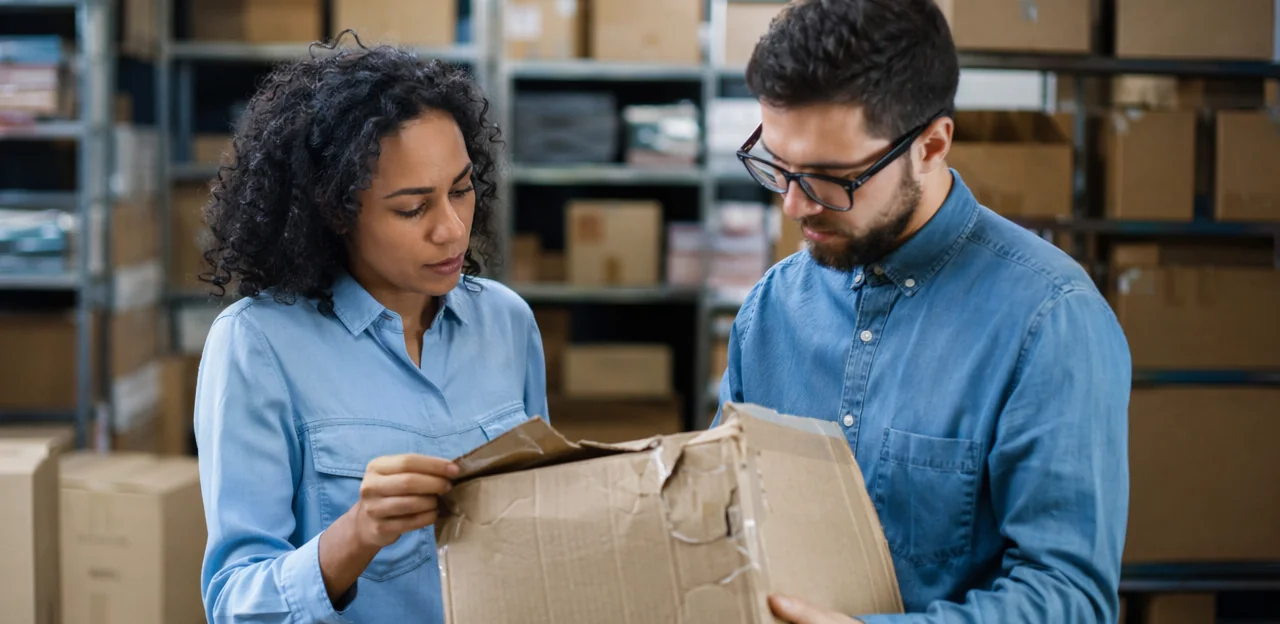
The packaging problems customers notice most
Customers spot packaging faults quickly, and food delivery feedback often highlights the same repeat issues. Common food packaging issues include:
- Leaks and spills: “The curry leaked through the lid and soaked the bag.”
- Crushed containers: “My burger box was squashed, and the toppings were stuck to the lid.”
- Soggy food: “Fries arrived soft because steam was trapped in the container.”
- Missing seals: “There was no tamper seal, so I wasn’t confident the order was secure.”
- Mixed hot and cold items: “The cold dessert was packed beside hot mains and arrived warm.”
To reduce delivery packaging complaints and damaged takeaway packaging, tag feedback by issue type, ask for photo uploads, and review which menu items, drivers, or packaging formats cause the most problems.
How packaging affects food quality and perception
In home delivery, packaging is part product, part first impression. Strong food delivery packaging helps protect temperature, texture, and hygiene, while poor packaging can make even good food feel disappointing. The unboxing moment directly shapes packaging and customer experience, so it should be a core part of food delivery feedback.
- Freshness: Vented lids prevent sogginess, while insulated containers help hot food stay hot and cold items stay chilled.
- Presentation: Secure, well-sized packs reduce spills, crushed items, and mixed ingredients.
- Safety: Tamper-evident seals and leak-resistant materials build confidence in food handling.
- Trust: Consistent takeout packaging quality signals care, professionalism, and reliability.
Track packaging-specific feedback to spot recurring issues and improve materials, portion fit, and sealing methods.
Packaging improvements based on recurring feedback
Use food delivery feedback to spot repeat packaging failures and standardize fixes across the menu. To improve food packaging, match the container to the item, not just the portion size.
- Vented containers: Prevent steam buildup so fried foods stay crisp instead of turning soggy.
- Tamper-evident seals: Add clear, secure closures to build trust and reduce complaints about opened bags. Strong tamper-evident packaging also supports safer handoffs.
- Compartment separation: Keep sauces, sides, and hot/cold items apart to protect texture and temperature.
- Sturdier materials: Upgrade flimsy bowls, lids, and carriers that collapse, leak, or tip in transit.
- Item-specific standards: Define the best packaging for food delivery by dish type, such as pizza vents, soup seals, and insulated wraps for hot meals.
Review feedback weekly and update packaging specs accordingly.
Best Ways to Collect and Analyze Food Delivery Feedback
Feedback channels that capture useful delivery insights
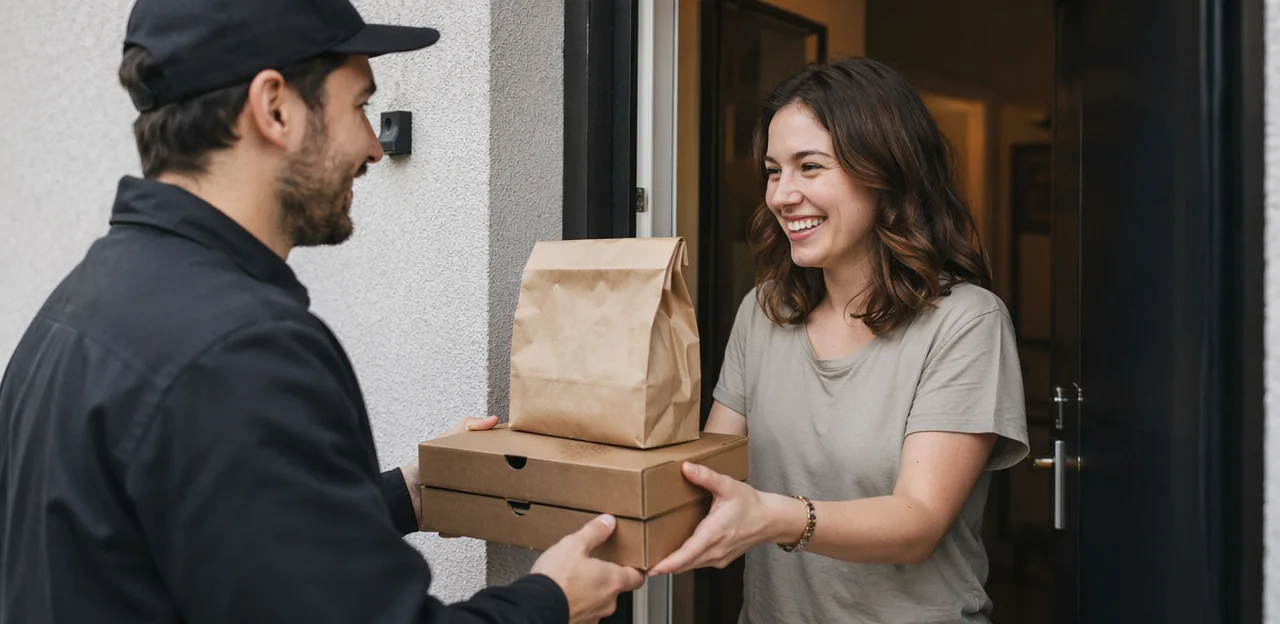
To collect food delivery feedback that leads to real fixes, use multiple customer feedback channels and match each one to the insight you need:
- Post-delivery survey: Best for structured data on temperature, timing, order accuracy, and packaging. Keep it short and send it within minutes of drop-off.
- App ratings: Fast and scalable, but often too shallow unless paired with optional comment fields.
- SMS follow-ups: High open rates make them ideal for quick checks on late, cold, or damaged orders.
- Support tickets: Rich in detail and useful for spotting recurring operational failures, though they capture only motivated complainers.
- Online reviews: Valuable for reputation trends, but less precise for immediate service recovery.
- Direct outreach: Phone or email follow-up helps recover high-value or problematic orders quickly.
Tools like Tapsy can also help capture timely, action-ready food delivery feedback.
How to categorize feedback by issue type
Use a simple tagging framework so food delivery feedback becomes easy to scan, compare, and act on. Assign one primary tag to each comment, plus a secondary tag if needed.
- Temperature: cold food, melted items, soggy hot meals, missing insulation
- Timing: late delivery, early arrival, long prep time, unclear ETA
- Packaging: leaks, spills, crushed containers, tamper seal issues
- Accuracy: missing items, wrong order, incorrect customizations
- Driver communication: hard-to-reach driver, unclear drop-off updates, rude interaction
For better feedback categorization and delivery issue tracking, add short sub-tags like “rain delay,” “bag torn,” or “drink spilled.” In customer feedback analysis, review tags weekly by location, menu item, shift, or driver to spot recurring patterns fast. Tools like Tapsy can help structure this process in real time.
Turning qualitative comments into operational insights
To analyze food delivery feedback effectively, combine open-text comments with ratings and order-level data such as delivery time, distance, courier, restaurant, packaging type, and menu item. This turns raw opinions into customer insight analysis you can act on.
- Group comments into themes: temperature, lateness, spills, missing items, damaged packaging.
- Link themes to low ratings: identify which issues most strongly reduce satisfaction or trigger refunds.
- Segment by order data: compare problems by location, time slot, driver, restaurant partner, or packaging format to find root causes.
- Prioritize fixes by impact and frequency: focus first on recurring issues tied to revenue loss or repeat complaints.
- Track trends over time: monitor complaint rates, average ratings, and recovery outcomes to measure delivery operations improvement.
Tools like Tapsy can help capture and route this feedback faster.
Service Recovery Strategies for Delivery Complaints
Responding to temperature, timing, and packaging complaints
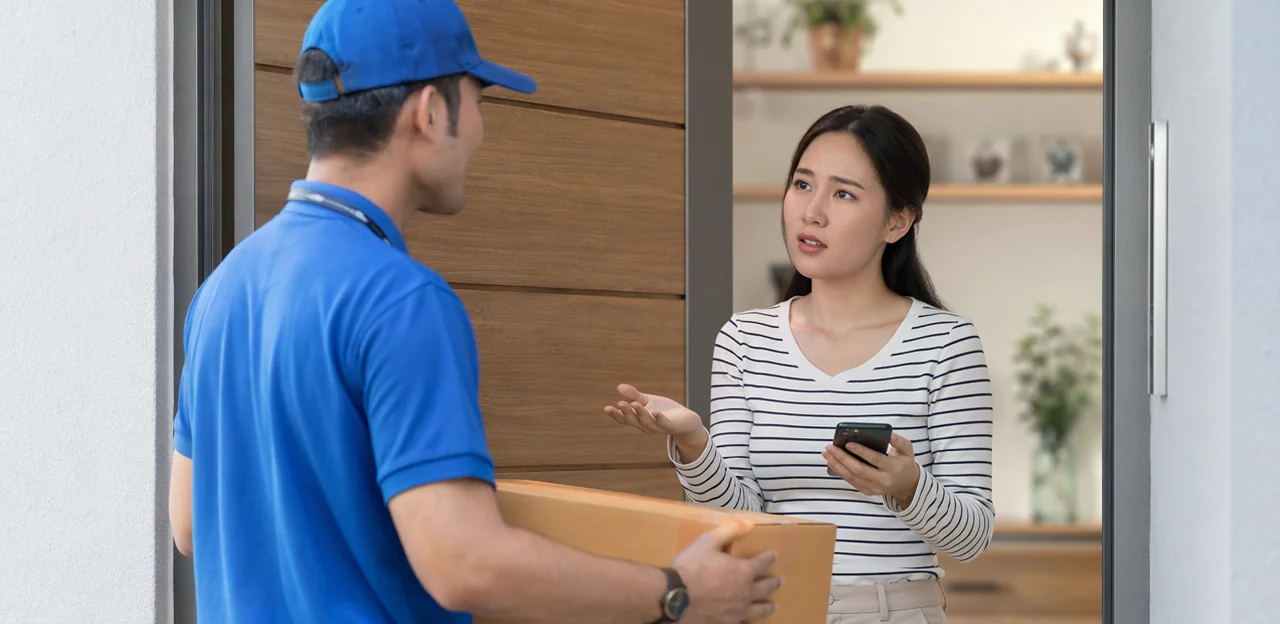
Strong food delivery feedback handling turns a bad order into a trust-building moment. Use these service recovery principles in every delivery complaint response:
- Respond fast: Acknowledge the issue quickly, ideally within minutes, so customers feel heard before frustration grows.
- Lead with empathy: Apologize clearly and recognize the inconvenience of cold food, delays, or damaged packaging.
- Take accountability: Avoid blaming drivers, traffic, or restaurants. Focus on ownership and next steps.
- Offer clear resolution options: Provide a refund, partial credit, replacement meal, or future discount based on the issue severity.
- Close the loop: Confirm the resolution and log patterns to improve future customer complaint resolution.
Tools like Tapsy can help teams capture and route issues faster.
When to offer refunds, credits, or replacements
Use food delivery feedback to match recovery to the actual impact on the meal, not just the complaint type. A fair food delivery refund policy should consider severity, customer history, and whether the order was still usable.
- Offer a full refund when food is unsafe, missing key items, or arrives so late/cold that the meal is effectively ruined.
- Give partial delivery compensation for moderate issues like lukewarm food, damaged packaging, or missing sides.
- Use an order replacement strategy when a fresh remake can restore the experience quickly, especially for signature items or high-value orders.
- Review customer history to reward loyal customers while flagging repeated claims for manual review.
Tools like Tapsy can help teams capture issue details fast and apply policies consistently.
Using complaint data to prevent repeat issues
To prevent delivery complaints, treat every recovery case as an operational lesson, not a one-off fix. Strong delivery quality management turns food delivery feedback into clear actions:
- Train teams on patterns: Use complaint trends to coach kitchen and dispatch staff on handoff timing, sealing, and order accuracy.
- Upgrade packaging standards: If meals arrive cold, crushed, or leaking, test new insulation, venting, and tamper-evident packaging by item type.
- Manage courier performance: Track delays, handling issues, and route consistency by driver or partner to improve accountability.
- Improve processes continuously: Review peak-hour bottlenecks, prep-to-pickup gaps, and delivery windows for continuous improvement.
Tools like Tapsy can help capture real-time issue data and route it to the right team quickly.
Conclusion
In fast-moving delivery operations, the smallest details often shape the biggest customer impressions. That’s why effective food delivery feedback should go beyond a simple star rating and capture the issues that matter most: temperature, timing, and packaging. When customers can quickly report cold meals, late arrivals, soggy containers, spilled drinks, or damaged bags, businesses gain the clarity they need to fix root causes—not just symptoms.
By collecting structured, real-time food delivery feedback, brands can spot recurring breakdowns in kitchen handoff, courier performance, route efficiency, and packaging quality. Just as importantly, they can act quickly with service recovery that turns frustration into loyalty. A timely apology, replacement, refund, or proactive follow-up can make the difference between a lost customer and a repeat order.
The next step is to make feedback easy to give and easy to act on. Review your delivery journey, identify key touchpoints, and implement a system that captures actionable insights while the experience is still fresh. Platforms like Tapsy can help teams gather real-time feedback and respond faster when issues arise.
If you want to improve delivery satisfaction, reduce complaints, and strengthen retention, start building a smarter food delivery feedback process today. The better you listen, the better you deliver.
Frequently Asked Questions
- Why is food delivery feedback more useful than a simple star rating?
Star ratings show that something went wrong, but they rarely explain what caused the problem. Detailed feedback on temperature, timing, packaging, accuracy, and communication helps teams identify patterns, fix root causes, and improve service recovery.
- What should restaurants ask customers about food temperature?
Ask how the food arrived, whether the temperature was acceptable for the item, and which dishes were affected. It also helps to ask whether the temperature changed the quality of the meal and whether the customer started eating immediately or after a delay.
- What usually causes food to arrive cold, warm, or melted?
Common causes include long dispatch times, batching multiple orders, traffic or routing delays, weak insulated packaging, and menu items that do not travel well. Feedback becomes especially useful when complaints cluster around certain times, drivers, or dishes.
- How can businesses use temperature complaints to improve delivery quality?
They can upgrade insulation, vent fried foods, and separate hot and cold items in the same order. They can also adjust prep timing, improve courier handoff standards, and modify or remove items that consistently perform poorly in transit.
- How do customers typically describe delivery timing problems?
Customers often focus on the gap between what was promised and what happened, such as late arrival, long waits, changing ETAs, or poor delay communication. These comments become more actionable when they are tagged by delay type and compared with promised versus actual delivery times.
- Which metrics help explain late delivery complaints?
Useful metrics include prep time, driver wait time at pickup, route efficiency, and promised versus actual delivery time. Looking at these measures helps show whether delays start in the kitchen, during handoff, or on the road.
- How can teams improve delivery speed without hurting food condition?
They can better align kitchen timing with courier arrival so food does not sit on shelves cooling down. Other practical steps include staffing for peak demand, improving dispatch logic, standardizing packaging checks, and sending proactive ETA or delay updates.
- What packaging problems do customers notice most in food delivery?
The most common issues are leaks, spills, crushed containers, soggy food, missing tamper seals, and hot and cold items packed together. Asking for photos and tagging feedback by issue type can help reveal which packaging formats or menu items are causing repeat problems.
- Why does packaging have such a strong effect on customer experience?
Packaging affects freshness, presentation, safety, and trust at the same time. Vented lids, insulated containers, secure seals, and proper sizing help food arrive in better condition and make the delivery feel more reliable and professional.
- What packaging changes can reduce sogginess, spills, and damage?
Use vented containers for fried foods, tamper-evident seals for security, compartment separation for sauces and mixed temperatures, and sturdier materials for items that tip or collapse easily. Setting item-specific packaging standards by dish type helps make these improvements consistent.
- What are the best channels for collecting food delivery feedback?
Post-delivery surveys are useful for structured feedback on temperature, timing, packaging, and accuracy, especially when sent within minutes of drop-off. App ratings, SMS follow-ups, support tickets, online reviews, and direct outreach each add different levels of detail and speed.
- How should delivery feedback be categorized so teams can act on it?
A simple tagging system works best, with primary categories such as temperature, timing, packaging, accuracy, and driver communication. Short sub-tags like "drink spilled" or "unclear ETA" make it easier to review patterns by location, shift, driver, or menu item.
- How can open-text comments be turned into operational insights?
Group comments into themes, connect them to ratings, and compare them with order-level data such as delivery time, distance, courier, restaurant, packaging type, and menu item. This helps teams prioritize the issues that happen most often or have the biggest effect on refunds, ratings, and repeat complaints.
- When should a business offer a refund, credit, or replacement for a delivery problem?
A full refund fits cases where food is unsafe, key items are missing, or the meal is so late or cold that it is effectively ruined. Partial credits work for moderate issues, while replacements are useful when a fresh remake can quickly restore the experience, especially for important or high-value orders.
- How can tools like Tapsy support food delivery feedback and service recovery?
Tools like Tapsy can capture real-time feedback at key touchpoints while the experience is still fresh. They can also help structure issue collection, connect comments to operational data, and route problems faster so teams can respond and recover service more quickly.