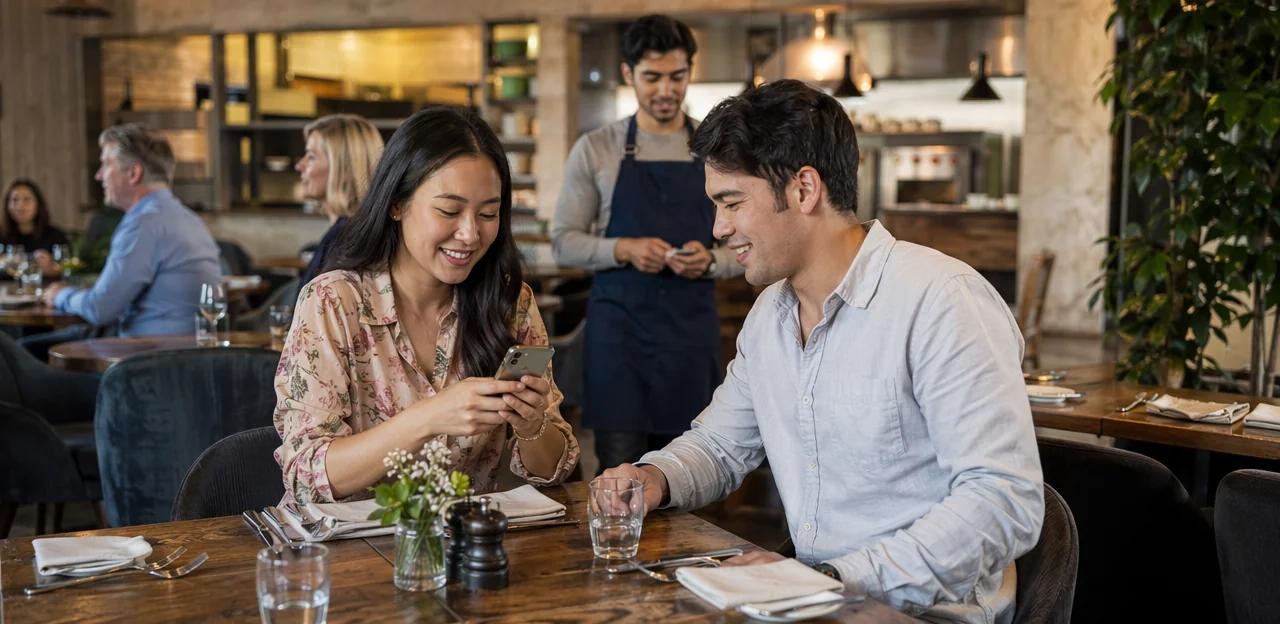
In hospitality, the smallest moment often shapes the entire guest journey. A quick check-in, a table-side interaction, or a tap at checkout can determine whether a visitor leaves satisfied, returns again, or shares their experience publicly. That is why choosing the right guest engagement platform has become a strategic priority for hotels, resorts, restaurants, and other accommodation providers looking to turn physical experiences into measurable loyalty, feedback, and revenue.
Today’s businesses need more than a basic engagement platform. They need a customer engagement platform that connects in-person touchpoints with real-time insights, personalized rewards, and service recovery opportunities. From NFC and QR touchpoints to AI-powered analytics, the modern client engagement platform is redefining how hospitality brands understand and respond to guest needs. For many operators, the search for the best customer engagement platform now includes evaluating omnichannel engagement platform capabilities, channel engagement platform flexibility, and how an engagement marketing platform supports repeat visits and stronger first-party relationships.
This article explores how guest engagement technology is transforming accommodation and hospitality, what features matter most in software selection, and how AI, analytics, and contactless touchpoints are helping brands create smarter, more responsive guest experiences.
Why a Guest Engagement Platform Matters in Modern Hospitality

The shift from transactional stays to connected experiences
Hotel stays are no longer judged only by check-in speed or room quality. Guests now expect a connected guest experience that feels seamless, personal, and useful before arrival, during the stay, and after checkout. That is why a guest engagement platform has become essential.
A modern customer engagement platform helps hotels turn isolated touchpoints into one continuous journey:
- Before arrival: send relevant pre-stay messages, upsell services, and capture preferences.
- During the stay: use an engagement platform or omnichannel engagement platform to deliver instant support, mobile requests, and on-site NFC or QR interactions.
- After checkout: continue with tailored follow-ups, loyalty offers, and feedback collection.
For operators, the right client engagement platform or channel engagement platform improves convenience, personalization, and responsiveness. The best customer engagement platform also supports smarter engagement marketing platform strategies, helping properties create memorable physical experiences that drive repeat bookings and stronger guest loyalty.
How physical touchpoints shape satisfaction and loyalty
Every in-person moment influences loyalty. A strong guest engagement platform helps hotels improve these interactions without making service feel automated.
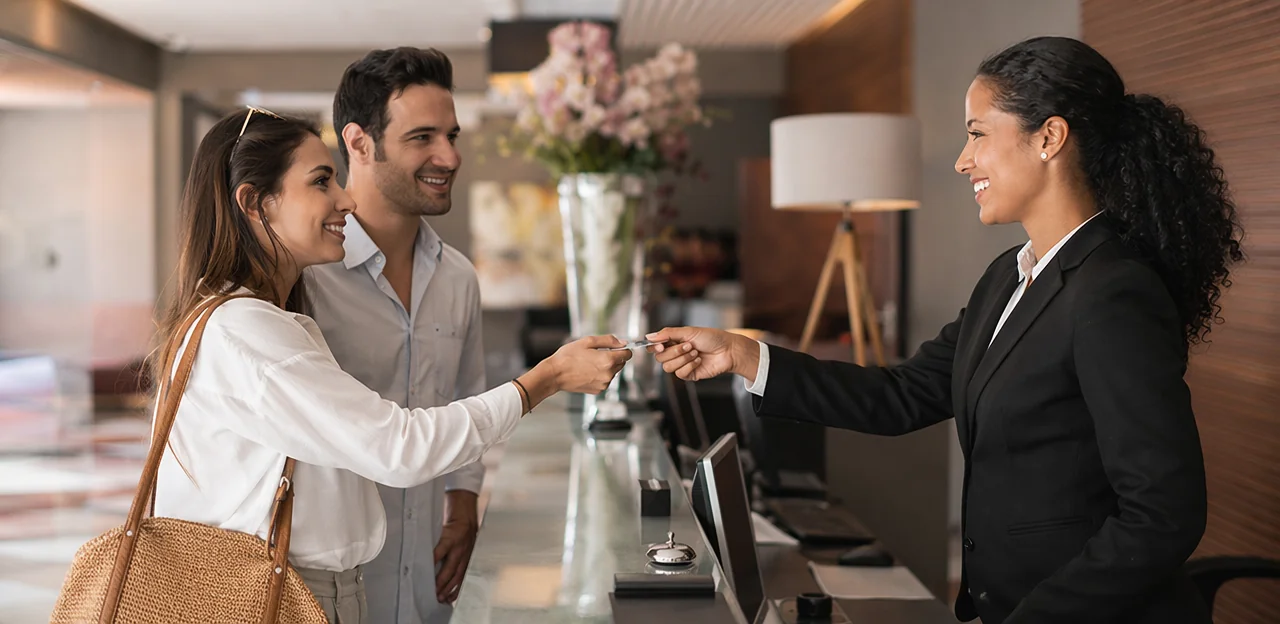
- Front desk: Fast check-in, clear communication, and instant feedback links set the tone for the full customer experience.
- In-room services: NFC & QR touchpoints on bedside cards or desks can surface room service, housekeeping, or quick issue reporting.
- Amenities and dining: Pools, gyms, restaurants, and bars benefit from an engagement platform that captures real-time sentiment and promotes relevant offers.
- Spa and navigation: QR wayfinding, treatment menus, and post-visit feedback reduce friction while preserving personal service.
The best results come when a customer engagement platform, client engagement platform, or omnichannel engagement platform adds convenience, insight, and timely recovery. The best customer engagement platform acts as an engagement marketing platform and channel engagement platform, supporting staff rather than replacing hospitality.
Business outcomes for hotels and accommodation providers
A well-designed guest engagement platform helps hotels & hospitality teams turn on-property interactions into measurable business gains. More than a simple engagement platform, it supports service quality, revenue growth, and loyalty at the same time.
- Higher guest satisfaction: Capture real-time feedback at check-in, in-room, dining, or checkout to resolve issues before they affect the stay.
- More direct upsell opportunities: Use a customer engagement platform to promote spa bookings, late checkout, dining offers, and upgrades at the right moment.
- Better review scores: Fast service recovery improves public ratings and strengthens reputation across booking and review channels.
- Improved staff efficiency: An omnichannel engagement platform or channel engagement platform automates routine touchpoints, reducing manual follow-up.
- Stronger retention: The best customer engagement platform or client engagement platform also acts as an engagement marketing platform, helping properties re-engage guests and increase repeat stays.
Core Features of a High-Performing Guest Engagement Platform

Omnichannel messaging, service requests, and journey orchestration
A modern guest engagement platform should unify every guest conversation before, during, and after the stay. Hotels need core communication tools such as SMS, email, web chat, app messaging, and mobile-friendly in-stay request flows for housekeeping, dining, maintenance, and concierge support.
Key capabilities to prioritize include:
- Shared guest profiles and conversation history so staff see the same context across every channel
- Automated journey orchestration for pre-arrival upsells, check-in guidance, in-stay reminders, and post-stay feedback
- Service request routing that sends tasks to the right team with status tracking and escalation rules
- Channel consistency in tone, branding, offers, and response standards across departments
The best omnichannel engagement platform acts as both a channel engagement platform and customer engagement platform, helping hotels reduce missed requests and fragmented communication. When evaluating an engagement platform, look for workflows that support operations as well as marketing—making it a stronger client engagement platform and even the best customer engagement platform or engagement marketing platform for hospitality.
AI, analytics, and personalization engines
A modern guest engagement platform should do more than collect feedback—it should turn data into timely action. With strong AI & analytics, hotels can personalize every touchpoint and improve both guest satisfaction and operational efficiency.
- AI-powered recommendations: Suggest room upgrades, spa offers, late checkout, or dining promotions based on stay history, spend, timing, and on-site behavior.
- Automated responses: Trigger instant thank-you messages, service recovery workflows, or loyalty rewards, making the customer engagement platform faster and more consistent.
- Predictive insights: Forecast guest needs such as housekeeping requests, amenity preferences, or churn risk before issues escalate.
- Smart segmentation: Group travelers by behavior, language, visit purpose, or purchase patterns to power a more effective engagement marketing platform.
Analytics help teams measure campaign performance, identify high-converting touchpoints, and refine staffing, promotions, and service delivery. The best customer engagement platform, whether used as an omnichannel engagement platform, channel engagement platform, or client engagement platform, helps hospitality brands act on insight—not guesswork.
NFC and QR touchpoints for on-property convenience
A guest engagement platform turns physical spaces into instant digital service moments through NFC & QR touchpoints. By placing taps or scans at key locations, hotels can improve customer experience while reducing friction for guests and staff.
- Arrival and check-in: QR codes at reception or parking areas can trigger contactless check-in prompts, pre-arrival forms, or welcome offers.
- In-room convenience: Bedside or desk touchpoints can connect guests to room service ordering, housekeeping requests, Wi-Fi help, or late checkout.
- Dining and amenities: Digital menus, spa booking, and poolside service become faster and more accessible with a well-designed engagement platform.
- Local discovery: Lobby, concierge, or elevator touchpoints can surface curated local recommendations, maps, and partner offers.
- Feedback collection: Exit points, tables, or room cards can capture real-time sentiment, helping a customer engagement platform act before negative reviews spread.
The best customer engagement platform links these moments into an omnichannel engagement platform strategy that strengthens loyalty and supports smarter operations.
How Hotels Use Guest Engagement Platforms Across the Guest Journey

Pre-arrival engagement and booking enhancement
A guest engagement platform helps hotels turn the gap between booking and arrival into a revenue and service opportunity. Instead of sending generic confirmations, a strong customer engagement platform delivers timely, personalized messages that reduce uncertainty and encourage add-on purchases.
- Confirmation messaging: Send branded booking confirmations with clear policies, reservation details, and support links across email, SMS, or WhatsApp through an omnichannel engagement platform.
- Pre-stay upsells: Promote room upgrades, breakfast, airport transfers, spa packages, and late checkout using an engagement marketing platform.
- Arrival instructions: Share directions, parking details, access codes, and local check-in guidance to reduce front-desk friction.
- Mobile check-in: Let guests submit details before arrival through an engagement platform or client engagement platform.
- Personalized recommendations: Use preferences and stay data to suggest relevant dining, activities, or services.
The best customer engagement platform or channel engagement platform increases ancillary revenue while creating a smoother first impression.
In-stay service, convenience, and real-time issue resolution
A guest engagement platform helps hotels turn everyday service moments into faster, smoother support. By combining messaging, NFC & QR touchpoints, and AI-assisted workflows, teams can respond to guest needs without phone queues or front-desk bottlenecks, improving the overall guest experience.
- Guests scan a code or tap in-room to request housekeeping, extra towels, late checkout, or maintenance.
- Dining reservations, spa bookings, and concierge questions can route through an omnichannel engagement platform or channel engagement platform tied to the right department.
- AI can categorize requests, prioritize urgent issues, suggest replies, and escalate unresolved cases for faster service recovery.
For hotels evaluating an engagement platform, customer engagement platform, or client engagement platform, the best systems reduce response times, recover negative experiences quickly, and support loyalty-building service. The best customer engagement platform or engagement marketing platform should make service effortless for both guests and staff.
Post-stay feedback, loyalty, and repeat bookings
A strong guest engagement platform keeps the relationship active after checkout, turning one visit into ongoing customer experience value and future revenue. The right channel engagement platform helps hotels automate timely follow-up while keeping communication relevant and personal.
- Request reviews quickly: Send post-stay review prompts through email, SMS, or messaging while the experience is still fresh.
- Capture satisfaction data: Use short surveys to measure sentiment, identify service gaps, and improve future stays.
- Grow loyalty enrollment: A smart customer engagement platform can invite guests into loyalty programs with minimal friction.
- Power remarketing: An omnichannel engagement platform segments guests by stay history, preferences, and feedback.
- Drive repeat bookings: A client engagement platform or engagement marketing platform can deliver personalized return offers, upgrades, or seasonal incentives.
This is what makes the best customer engagement platform a long-term growth tool, not just a stay-management system.
What to Look for When Selecting Hospitality Engagement Software
Integration with PMS, CRM, POS, and operational systems
In software selection, integration depth should be the first filter. A guest engagement platform only creates value when it connects guest interactions with the systems your team already uses. Without that, feedback, loyalty, payments, and service requests stay trapped in silos.
Look for an engagement platform that integrates with:
- PMS to link feedback, stay history, room type, and guest profiles
- CRM/CDP to enrich first-party data and power a stronger customer engagement platform
- POS and payment tools to connect purchases, rewards, and campaign performance
- Operational systems such as housekeeping, maintenance, and ticketing for faster service recovery
The best customer engagement platform also supports APIs, webhooks, and real-time triggers. That turns a client engagement platform or engagement marketing platform into an omnichannel engagement platform and channel engagement platform that drives action, not just reporting.
Usability, scalability, and staff adoption
A guest engagement platform should be effortless for both guests and teams. In hotels & hospitality, adoption rises when the interface is intuitive, mobile-friendly, and fast to learn.
- Simple staff workflows: Choose a customer engagement platform with role-based permissions for front desk, housekeeping, F&B, and managers, so each team sees only the tools and alerts they need.
- Multilingual access: The best engagement platform supports multiple guest languages and localized staff dashboards, reducing friction and improving response rates.
- Scalable deployment: The best customer engagement platform should work equally well for a single boutique hotel or a multi-property portfolio, with centralized reporting and property-level control.
- Connected engagement: An omnichannel engagement platform or channel engagement platform that links NFC, QR, SMS, and email can also function as a client engagement platform or engagement marketing platform for stronger retention.
Privacy, security, and measurement capabilities
A strong guest engagement platform should protect guest data while giving teams clear, actionable insight. For hotels evaluating an engagement platform or customer engagement platform, four capabilities matter most:
- Data governance: Define what data is collected, where it is stored, who can access it, and how long it is retained. Role-based permissions and audit trails strengthen customer experience operations.
- Consent management: Capture clear opt-in choices for marketing, feedback, and loyalty communications across every touchpoint, especially in an omnichannel engagement platform or channel engagement platform.
- Secure messaging: Use encrypted communications, verified contact preferences, and compliant workflows for post-stay outreach and service recovery.
- Reporting dashboards: The best customer engagement platform or client engagement platform should track response time, conversion rates, guest satisfaction, upsell revenue, and repeat booking performance using AI & analytics.
This makes any engagement marketing platform more measurable and trustworthy.
Best Practices for Implementing a Guest Engagement Platform Successfully

Start with high-impact use cases and clear goals
When evaluating a guest engagement platform, avoid rolling out every feature at once. Start with 2–3 high-impact use cases, such as pre-arrival messaging, digital service requests, or QR-based amenity access, to simplify software selection and speed up adoption. A focused launch helps teams prove value quickly and identify which workflows deserve expansion.
- Set one clear goal per use case: reduce front-desk calls, increase upsells, or improve response times.
- Choose an engagement platform that tracks usage, conversions, and guest satisfaction.
- Compare whether a customer engagement platform or client engagement platform supports hospitality-specific touchpoints.
The best customer engagement platform should also support future growth into an engagement marketing platform, omnichannel engagement platform, or channel engagement platform as needs expand.
Design experiences that feel helpful, not intrusive
A strong guest engagement platform should support staff, not replace genuine hospitality. The goal is timely, relevant communication that improves the customer experience without feeling pushy.
- Time messages carefully: send prompts after meaningful moments—check-in, dining, or checkout—not during rest or peak activity.
- Personalize with limits: use stay context, preferences, or location, but avoid overusing personal data. A smart customer engagement platform or client engagement platform should feel attentive, not invasive.
- Respect channel choice: let guests choose SMS, email, QR, or in-person touchpoints through an omnichannel engagement platform or channel engagement platform.
- Control frequency: cap offers, reminders, and surveys so your engagement marketing platform remains useful. The best customer engagement platform prioritizes relevance over volume.
Train teams and optimize continuously with analytics
A guest engagement platform delivers better results when teams know how, when, and why to use it. Successful rollout depends on clear staff training, cross-department ownership, and regular review of performance data from your engagement platform.
- Train frontline teams to prompt guests naturally, resolve issues fast, and capture insights consistently across reception, housekeeping, F&B, and spa.
- Align departments around shared goals so your customer engagement platform or client engagement platform supports service recovery, upsells, loyalty, and reputation management.
- Use AI & analytics to track response rates, sentiment, conversion, and touchpoint performance by location, time, and guest segment.
- Optimize continuously by refining campaigns, workflows, QR/NFC placement, and messaging in your engagement marketing platform or omnichannel engagement platform.
This is how the best customer engagement platform becomes a true channel engagement platform for ongoing improvement.
The Future of Guest Engagement in Physical Hospitality Experiences
From reactive service to predictive hospitality
With AI & analytics, a guest engagement platform helps hotels move from fixing problems after checkout to preventing them during the stay. By combining touchpoint data, feedback, and behavior signals, the platform can:
- anticipate guest needs and trigger timely, personalized offers
- flag service risks, such as low satisfaction patterns or delayed responses
- guide staff with next-best actions across every channel
Used well, an engagement platform becomes a proactive customer engagement platform—or even a client engagement platform—that supports smarter care. The best customer engagement platform also strengthens engagement marketing platform, omnichannel engagement platform, and channel engagement platform strategies.
Smarter connected properties through NFC, QR, and mobile
A modern guest engagement platform turns physical spaces into interactive service layers through NFC & QR touchpoints and mobile-first journeys. Hotels can use a connected engagement platform to deliver:
- Room controls and service access: tap for lighting, housekeeping, dining, or spa bookings
- Self-service points: enable check-in, keyless entry, payments, and instant support
- Digital wayfinding: guide guests to rooms, amenities, events, and local attractions
- Contextual content: trigger personalized offers, multilingual info, and upsell moments
The best customer engagement platform or channel engagement platform should unify these touchpoints into one omnichannel engagement platform for measurable, real-time experiences.
Hotels & hospitality brands stay competitive by investing in a flexible, data-driven guest engagement platform that captures real-time feedback, personalizes service, and connects every touchpoint.
- Use an engagement platform to track shifting traveler preferences and improve the guest experience faster.
- Choose a customer engagement platform or client engagement platform that supports loyalty, automation, and measurable insights.
- The best customer engagement platform acts as an engagement marketing platform, omnichannel engagement platform, and channel engagement platform—helping teams adapt quickly, increase repeat stays, and deliver standout experiences consistently.
Conclusion
In a market where every on-site interaction shapes perception, the right guest engagement platform can turn physical touchpoints into measurable improvements in satisfaction, loyalty, and revenue. For hotels, accommodation providers, and hospitality brands, the most effective solutions combine AI-powered insights, real-time feedback, NFC and QR touchpoints, and clear analytics that help teams act fast. Rather than relying on delayed surveys or disconnected tools, a modern engagement platform creates a smoother, more responsive guest journey across check-in, dining, amenities, and departure.
When evaluating options, look for a customer engagement platform that is easy for guests to use, simple for staff to manage, and flexible enough to support multilingual experiences, loyalty initiatives, and operational decision-making. The best customer engagement platform should also function as an omnichannel engagement platform and channel engagement platform, connecting in-person experiences with follow-up communication and first-party data strategies. In many cases, it also becomes a powerful client engagement platform and engagement marketing platform that strengthens retention long after the stay ends.
Now is the time to assess your current guest journey, identify missed feedback moments, and shortlist the right guest engagement platform for your property. Explore demos, compare integrations, and review use cases from hospitality-focused providers such as Tapsy to find the best fit for your growth.
Frequently Asked Questions
- What is a guest engagement platform in hospitality?
A guest engagement platform helps hotels, resorts, restaurants, and accommodation providers manage guest interactions before arrival, during the stay, and after checkout. It connects physical touchpoints with messaging, feedback, personalization, and operational workflows to improve satisfaction, loyalty, and revenue.
- Why do hotels need more than a basic engagement tool?
Hotels need more than simple messaging because guest expectations now span the full journey, not just isolated moments. A stronger platform connects in-person touchpoints with real-time insights, personalized offers, service recovery, and first-party data strategies.
- How does a guest engagement platform improve the guest journey before, during, and after a stay?
Before arrival, it can send pre-stay messages, capture preferences, and promote upgrades or add-ons. During the stay, it supports instant service requests, mobile interactions, and NFC or QR touchpoints. After checkout, it helps with review requests, loyalty offers, and personalized follow-up.
- What business outcomes can hotels expect from a well-designed guest engagement platform?
A well-designed platform can increase guest satisfaction by capturing feedback in real time and resolving issues before they affect the full stay. It can also support direct upsells, improve review scores, reduce manual follow-up, and strengthen repeat bookings through better retention.
- Which core communication features should hospitality teams prioritize?
Key features include SMS, email, web chat, app messaging, and mobile-friendly service request flows for housekeeping, dining, maintenance, and concierge support. Shared guest profiles, conversation history, automated journey orchestration, and request routing are also important for consistent service.
- How do AI and analytics support better guest engagement?
AI and analytics help turn guest data into timely action instead of just collecting feedback. They can power recommendations for upgrades or spa offers, trigger automated responses, forecast needs, identify churn risk, and segment guests by behavior, language, or travel purpose.
- What are NFC and QR touchpoints used for in hotels?
NFC and QR touchpoints create quick digital service moments across the property. Hotels can use them for contactless check-in, room service ordering, housekeeping requests, Wi-Fi help, spa booking, digital menus, local recommendations, and real-time feedback collection.
- How can hotels use a guest engagement platform to increase pre-arrival revenue?
Hotels can send branded confirmations, arrival instructions, and personalized recommendations through channels like email, SMS, or WhatsApp. They can also promote room upgrades, breakfast, airport transfers, spa packages, and late checkout before the guest arrives.
- How does the platform help with in-stay service and issue resolution?
Guests can scan a code or tap an in-room touchpoint to request housekeeping, extra towels, maintenance, or late checkout without calling the front desk. Requests can be routed to the correct department, while AI can help categorize urgency, suggest replies, and escalate unresolved problems.
- What role does post-stay communication play in repeat bookings?
Post-stay communication keeps the relationship active after checkout through review requests, surveys, loyalty invitations, and personalized return offers. This helps hotels measure satisfaction, improve future stays, and encourage guests to book again.
- What integrations should be considered when selecting hospitality engagement software?
Strong integration with PMS, CRM or CDP, POS, payment tools, and operational systems is essential. These connections help link guest profiles, purchases, feedback, loyalty activity, and service requests so teams can act on data instead of leaving it in silos.
- Why are usability and staff adoption so important when choosing a platform?
A platform only delivers value if both guests and staff can use it easily. Useful qualities include intuitive workflows, mobile-friendly design, role-based permissions, multilingual support, and scalability for either a single property or a multi-property portfolio.
- What privacy and security capabilities should hotels look for?
Hotels should look for clear data governance, consent management, secure messaging, and reporting dashboards. Important controls include defined data access, retention rules, audit trails, encrypted communications, and compliant opt-in handling for marketing, feedback, and loyalty messages.
- What is the best way to implement a guest engagement platform successfully?
Start with two or three high-impact use cases such as pre-arrival messaging, digital service requests, or QR-based amenity access. Set one clear goal for each use case, train teams across departments, and use analytics to refine workflows, messaging, and touchpoint placement over time.
- How is guest engagement technology moving toward predictive hospitality?
With AI and analytics, hotels can move from reacting to complaints after checkout to identifying needs and risks during the stay. The platform can detect low-satisfaction patterns, delayed responses, or likely preferences, then guide staff with timely next-best actions across channels.