In hostels and budget accommodation, every guest interaction matters. A smooth check-in, a clean bunk, reliable Wi-Fi, and a friendly common area can quickly turn into glowing reviews, repeat bookings, and stronger occupancy. But when service issues go unnoticed, even small frustrations can damage reputation and revenue. That is why hostel guest feedback has become an essential part of modern hospitality strategy, not just a nice-to-have.
Unlike traditional hotels, hostels often serve diverse, fast-moving travelers with different expectations, tighter budgets, and a stronger reliance on peer reviews. Capturing timely customer feedback helps operators understand what guests value most, where pain points appear, and how to improve the experience without overspending. From a simple feedback form at checkout to digital customer feedback surveys delivered through a guest feedback tool or guest feedback software, the right approach can reveal insights that directly support better service and smarter decision-making.
This article explores how hostels and budget accommodation providers can collect meaningful user feedback, use a guest satisfaction survey effectively, and turn everyday responses into measurable gains in guest experience, operational efficiency, and ROI. It will also look at how AI, analytics, and modern platforms such as Tapsy are helping accommodation businesses gather faster, more actionable feedback.
Why hostel guest feedback matters for budget accommodation

The role of feedback in the hostel guest experience
Hostel guest feedback reveals what budget travelers actually care about most: cleanliness, safety, staff friendliness, social atmosphere, and value for money. Because hostel guests are highly review-driven, even small issues can quickly affect bookings and ratings.
A strong guest satisfaction survey helps operators spot problems early and improve the stay before negative reviews spread. Used well, a guest feedback tool or guest feedback software turns everyday comments into clear action.
- Use short customer feedback surveys after check-in, after the first night, or at checkout.
- Keep each feedback form focused on shared spaces, noise, security, and staff helpfulness.
- Track user feedback by room type or traveler segment.
- Act fast on recurring customer feedback to protect reputation and boost repeat stays.
Fast, simple feedback collection helps hostels stay competitive and guest-focused.
How hostels differ from hotels in feedback needs
Hostel guest feedback should reflect the realities of budget accommodation, not reuse hotel-style templates. In hostels, the experience is shaped by shared dorms, communal kitchens and lounges, self-service check-in, and a wider mix of backpackers, digital nomads, groups, and short-stay guests.
A tailored guest satisfaction survey or feedback form should ask about:
- cleanliness and noise in shared rooms
- safety, lockers, and bathroom availability
- kitchen, Wi-Fi, and common-area usability
- ease of self-check-in and staff responsiveness
- social atmosphere and value for money
Effective customer feedback surveys focus on operational pain points guests actually notice. The best guest feedback tool or guest feedback software helps capture fast user feedback at key touchpoints, turning everyday customer feedback into practical improvements that raise satisfaction and reviews.
Business impact: reviews, retention, and referrals
Stronger hostel guest feedback systems turn everyday comments into measurable growth for lean accommodation teams. When you collect customer feedback in real time, you can resolve issues before checkout, improve review scores, and increase the likelihood of direct rebooking.
- Better online reviews: Fast customer feedback surveys and a simple feedback form help uncover service gaps early, reducing negative public reviews.
- Higher repeat stays: A smart guest feedback tool or guest feedback software highlights what budget travelers value most, so teams can improve beds, cleanliness, check-in, and shared spaces.
- More referrals: Positive user feedback and a well-timed guest satisfaction survey encourage guests to recommend your hostel to friends and fellow travelers.
The result is stronger reputation, more direct bookings, better retention, and clearer ROI from every improvement.
What to measure in a hostel guest feedback strategy

Core satisfaction metrics for hostels
To make hostel guest feedback useful, track the service areas that most affect reviews, repeat stays, and referrals. A consistent guest satisfaction survey helps standardize scoring over time and turns day-to-day customer feedback into clear trends.
- Cleanliness: dorms, private rooms, bathrooms, and kitchens
- Bed comfort: mattress quality, bedding, temperature, privacy curtains
- Bathroom quality: cleanliness, hot water, pressure, availability
- Wi-Fi: speed, reliability, and coverage in rooms and common areas
- Security: lockers, entry systems, and overall sense of safety
- Staff helpfulness: friendliness, local knowledge, problem resolution
- Check-in speed: wait times and clarity of instructions
- Noise levels: at night, in dorms, and shared spaces
- Common area experience: comfort, social atmosphere, and usability
Use a simple feedback form in your guest feedback tool or guest feedback software to collect user feedback consistently through customer feedback surveys.
Questions that reveal value-for-money perception
Strong hostel guest feedback should uncover whether guests feel the stay matched the price they paid. In your guest satisfaction survey, include targeted questions such as:
- Was the price fair for the room, bed, or shared facilities provided?
- Did inclusions like Wi-Fi, breakfast, lockers, linens, or kitchen access add enough value?
- How convenient was the location for transport, attractions, or nightlife?
- Based on price and experience, would you book again?
These questions work well in customer feedback surveys or a short feedback form delivered at checkout. The resulting user feedback helps operators refine pricing, improve bundled inclusions, and position their property more clearly against competitors. A reliable guest feedback tool or guest feedback software can turn this customer feedback into actionable pricing strategy.
Capturing qualitative comments that uncover hidden issues
Scores show trends, but hostel guest feedback becomes far more useful when guests can explain why they rated their stay a certain way. Open-text fields in a feedback form or guest satisfaction survey reveal patterns that numbers alone often hide.
- Repeated user feedback about broken or too-small lockers can signal a security concern.
- Customer feedback surveys may highlight kitchen cleanliness at peak times, showing when cleaning schedules need adjustment.
- Comments about late-night noise can uncover issues with room placement, quiet hours, or staff response.
- Positive notes about staff recommendations for local food or tours show what drives loyalty and better reviews.
Using a guest feedback tool or guest feedback software to tag recurring themes helps teams act faster. The best guest feedback software turns raw customer feedback into clear priorities for operations and service improvement.
Choosing the right guest feedback tool or software

Features to look for in guest feedback software
For effective hostel guest feedback, choose a guest feedback software platform that is simple for guests and efficient for small teams.
- Mobile-friendly surveys: Guests should complete a feedback form in seconds on their phone, without downloading an app.
- Multilingual support: Essential for international travelers, helping increase response rates and improve customer feedback quality.
- Automated sends: Trigger customer feedback surveys after check-in, checkout, or key touchpoints to save staff time.
- Sentiment analysis: AI can turn open-text user feedback into clear themes, helping teams spot recurring issues fast.
- Dashboard reporting: Look for real-time insights, trend tracking, and guest satisfaction survey results by room type, stay date, or booking source.
- Integrations: A strong guest feedback tool should connect with PMS, CRM, and booking systems for smoother follow-up and better service recovery.
For lean hostel operations, practicality and speed matter most.
When a simple feedback form is enough
A simple feedback form can be the right choice for collecting hostel guest feedback when your property is small, independent, and operating with limited staff or budget. If you manage a low volume of guests, basic customer feedback surveys can still reveal clear patterns without the cost of full guest feedback software.
A lightweight approach works best when you need to:
- gather quick post-stay customer feedback
- spot recurring cleanliness, noise, or check-in issues
- run a basic guest satisfaction survey
- collect user feedback without complex setup
Manual methods like paper cards or Google Forms are affordable, but they take more time to organize and analyze. A simple digital guest feedback tool is often a smart next step before investing in advanced guest feedback software with automation, analytics, and integrations.
Using AI and analytics to prioritize action
AI turns hostel guest feedback into clear priorities instead of a long list of comments. A modern guest feedback software platform can automatically sort user feedback from a feedback form, guest satisfaction survey, and customer feedback surveys into themes like cleanliness, check-in speed, Wi-Fi, noise, or staff service.
- Categorize feedback fast: Group repeated comments so managers can spot patterns across rooms, shifts, or locations.
- Detect sentiment trends: AI highlights whether customer feedback is improving or declining over time.
- Flag urgent issues: Negative spikes around safety, hygiene, or broken amenities can be escalated immediately.
- Rank highest-impact fixes: A smart guest feedback tool shows which problems affect the most guests and reviews.
This helps teams act faster, improve stays, and use guest feedback software to deliver better guest outcomes with less guesswork.
How to collect better customer feedback surveys in hostels

Best timing for survey requests
Timing has a major impact on hostel guest feedback quality and completion rates. For budget accommodation, keep requests short, mobile-friendly, and tied to the guest journey.
- During the stay: Use a quick feedback form after check-in, the first night, or after a shared-space experience. This helps capture real-time user feedback and fix issues before checkout.
- At checkout: A short guest satisfaction survey works well when the stay is fresh. Ask about cleanliness, staff, value, and overall experience.
- Post-stay: Send brief customer feedback surveys within 24–48 hours for more reflective customer feedback, especially on booking, communication, and likelihood to return.
For short-stay and international guests, fast, multilingual prompts through a simple guest feedback tool or guest feedback software improve response rates.
Designing short, high-converting survey flows
To improve hostel guest feedback, keep every feedback form fast, clear, and mobile-friendly. Travelers often respond between check-out, transit, or shared-space downtime, so shorter customer feedback surveys consistently perform better.
- Start with one simple rating question: Ask about the stay overall using a 1–5 scale or smiley icons in your guest satisfaction survey.
- Follow with one focused question: Cleanliness, staff helpfulness, Wi-Fi, or value for money.
- Add one optional open comment: Capture richer customer feedback and user feedback without forcing long responses.
- Design for phones first: Large buttons, minimal typing, and quick load times are essential for any guest feedback tool or guest feedback software.
- Keep it to 3–5 steps: This helps reduce drop-off while still collecting useful data.
Encouraging honest responses without adding friction
To improve hostel guest feedback, make sharing fast, clear, and pressure-free. Guests are more likely to complete a guest satisfaction survey when they understand why it matters and how it helps improve their stay.
- Use simple signage and short prompts explaining that customer feedback directly shapes cleanliness, comfort, and service.
- Offer multilingual options so international travelers can complete a feedback form confidently.
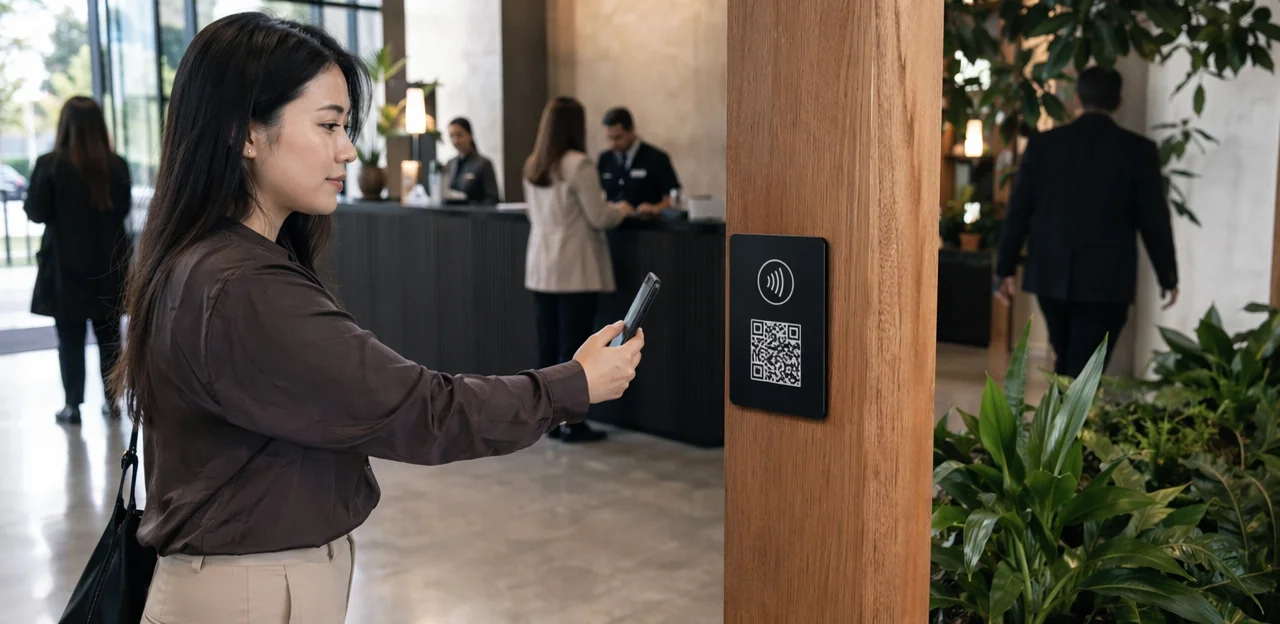
- Place QR codes in high-visibility areas, and follow up with light email or SMS reminders for customer feedback surveys after check-out.
- Keep your guest feedback tool or guest feedback software mobile-friendly and short to encourage honest user feedback.
Avoid offering rewards that may bias responses. Ethical, non-incentivized collection builds trust and delivers more reliable customer feedback.
Turning hostel guest feedback into operational and revenue gains

Fixing service issues before they damage reviews
Strong hostel guest feedback systems help teams catch problems while guests are still on-site, not after a negative review is posted. A reliable guest feedback tool can trigger real-time alerts when a guest reports noise, poor cleanliness, broken fixtures, or slow check-in, so staff can act fast.
- Route urgent issues from a feedback form straight to housekeeping, maintenance, or reception.
- Use customer feedback surveys and a short guest satisfaction survey to spot repeat complaints by room, floor, or shift.
- Review user feedback weekly to identify patterns and prevent future issues.
This mix of instant action and ongoing analysis turns customer feedback into service recovery, protects ratings, and builds trust. Modern guest feedback software can make that process faster and more consistent.
Using feedback to improve pricing and ROI
Hostel guest feedback helps operators price beds and rooms based on perceived value, not guesswork. With a guest feedback tool or guest feedback software, hostels can track whether guests praise cleanliness, Wi-Fi, breakfast, lockers, or staff helpfulness—and whether complaints center on noise, queues, or limited amenities.
- Use customer feedback surveys and each guest satisfaction survey to spot what guests will pay more for.
- Compare customer feedback trends with occupancy and ADR: if value scores stay high at strong occupancy, modest rate increases may be justified.
- If user feedback shows weak perceived value, create targeted packages instead of discounting everything.
- Prioritize upgrades mentioned most often in a feedback form to improve return on improvement spend.
This turns feedback into smarter pricing, better offers, and clearer ROI.
Training staff with feedback-driven insights
Managers can turn hostel guest feedback into practical coaching by reviewing patterns from every guest satisfaction survey, feedback form, and other customer feedback surveys. Instead of reacting to one-off complaints, focus on recurring themes to improve service where it matters most.
- Front desk: Use repeated customer feedback about slow check-ins or unclear local advice to coach faster arrivals, better communication, and upselling of useful services.
- Housekeeping: Track user feedback on cleanliness, linens, or bathroom standards to refine checklists and shift priorities.
- Community staff: Review comments about events, noise, or inclusivity to strengthen guest interaction and atmosphere.
Positive comments reinforce best practices worth repeating, while negative trends reveal training gaps. A strong guest feedback tool or guest feedback software helps managers spot issues quickly and deliver targeted coaching.
Best practices and common mistakes in hostel guest feedback programs

Best practices for sustainable feedback collection
To make hostel guest feedback useful, build a simple system your team follows every week, not just during busy periods.
- Ask consistently: Use the same moments each stay cycle—check-in, after the first night, and check-out—to collect customer feedback.
- Segment by traveler type: Separate backpackers, digital nomads, groups, and families so your guest satisfaction survey reveals clearer patterns.
- Keep it easy: A short feedback form in a reliable guest feedback tool or guest feedback software increases response rates.
- Close the loop: Reply to key issues, thank guests for user feedback, and show what changed.
- Review weekly: Track themes from customer feedback surveys and act on recurring problems fast.
Mistakes that reduce response quality and trust
Poorly designed hostel guest feedback systems can lower response rates and damage credibility. Avoid these common mistakes:
- Overly long customer feedback surveys: Guests in budget accommodation want speed. Keep each feedback form short, mobile-friendly, and focused on the stay.
- Generic hotel-style questions: Hostels need different user feedback than full-service hotels. Ask about cleanliness, noise, check-in ease, Wi-Fi, shared spaces, and social atmosphere.
- Slow follow-up: If a guest reports a problem and hears nothing back, trust drops fast. A good guest feedback tool or guest feedback software should help teams respond quickly.
- Collecting data without action: Running a guest satisfaction survey without visible improvements creates blind spots, frustrates guests, and weakens future customer feedback quality.
A simple action plan for hostel operators
- Choose the right guest feedback tool that fits your hostel size, budget, and channels. Look for mobile-friendly guest feedback software that makes responses easy on-site and after checkout.
- Define clear metrics for hostel guest feedback, such as cleanliness, check-in speed, staff helpfulness, and value for money.
- Build a short guest satisfaction survey with focused questions, rating scales, and one open-text feedback form field for user feedback.
- Automate collection through QR codes, email, or messaging to capture more customer feedback surveys consistently.
- Analyze trends weekly to spot recurring issues and strengths.
- Assign follow-up actions so each insight leads to real service improvements and better customer feedback outcomes.
Conclusion
In a price-sensitive, experience-driven market, hostel guest feedback is one of the most valuable tools operators can use to improve stays, protect reviews, and grow repeat bookings. When hostels collect customer feedback consistently—through a simple feedback form, targeted customer feedback surveys, and a well-timed guest satisfaction survey—they gain clear insight into what matters most: cleanliness, staff helpfulness, check-in efficiency, safety, social atmosphere, and overall value.
The right guest feedback tool or guest feedback software makes this process faster and more actionable. Instead of relying on scattered comments or delayed online reviews, teams can capture user feedback in real time, spot trends early, and respond before small issues become reputation problems. That leads to stronger guest experiences, smarter operational decisions, and better ROI from every improvement made.
The next step is to build a structured hostel guest feedback strategy: define key touchpoints, choose a simple collection method, review results regularly, and act on what guests are telling you. If you’re evaluating solutions, look for platforms that support fast on-site responses, clear analytics, and easy follow-up. Tools such as Tapsy can help hospitality businesses simplify feedback collection and turn insights into loyalty. Start refining your hostel guest feedback approach today to create better stays, stronger ratings, and more resilient revenue.
Frequently Asked Questions
- Why is guest feedback especially important for hostels and budget accommodation?
Hostel guests are highly influenced by peer reviews, so even small issues can affect ratings and bookings quickly. Feedback helps operators spot problems early, improve the stay before checkout, and protect both reputation and revenue.
- What do hostel guests usually care about most when giving feedback?
The most important themes are cleanliness, safety, staff friendliness, social atmosphere, and value for money. Guests also notice practical details such as Wi-Fi reliability, noise levels, check-in ease, and the quality of shared spaces.
- How should hostel feedback surveys differ from hotel surveys?
Hostel surveys should focus on shared dorms, communal kitchens and lounges, self-service check-in, and a wider mix of traveler types. Useful questions cover noise, lockers, bathroom availability, common-area usability, staff responsiveness, and social atmosphere rather than generic hotel-style topics.
- What are the most useful metrics to track in a hostel guest satisfaction survey?
Key metrics include cleanliness, bed comfort, bathroom quality, Wi-Fi, security, staff helpfulness, check-in speed, noise levels, and the common area experience. Tracking these consistently makes it easier to see trends that affect reviews, repeat stays, and referrals.
- How can hostels measure whether guests feel they received good value for money?
Ask whether the price felt fair for the bed, room, or shared facilities provided. It also helps to ask if inclusions like Wi-Fi, breakfast, lockers, linens, or kitchen access added enough value, and whether the guest would book again based on price and experience.
- Why should a feedback form include open-text comments?
Open comments explain why a guest gave a certain rating and often reveal issues that scores alone miss. They can uncover recurring problems such as broken lockers, kitchen cleanliness at peak times, or late-night noise, while also highlighting strengths like helpful staff recommendations.
- What features should hostel operators look for in guest feedback software?
Useful features include mobile-friendly surveys, multilingual support, automated survey sends, sentiment analysis, dashboard reporting, and integrations with PMS, CRM, and booking systems. For small teams, the best option is simple for guests and efficient for staff to manage.
- When is a simple feedback form enough instead of full guest feedback software?
A simple feedback form works well for smaller independent properties with limited staff, budget, or guest volume. It can still help identify recurring issues around cleanliness, noise, check-in, and overall satisfaction before moving to more advanced tools with automation and analytics.
- How can AI and analytics help hostel teams act on feedback faster?
AI can group comments into themes such as cleanliness, Wi-Fi, noise, check-in speed, or staff service. It can also detect sentiment trends, flag urgent issues like safety or hygiene concerns, and show which fixes are likely to have the biggest impact.
- What is the best time to ask hostel guests for feedback?
Good timing depends on the guest journey: during the stay, at checkout, and shortly after departure. Quick in-stay surveys help solve issues before checkout, while post-stay requests sent within 24 to 48 hours can capture more reflective feedback.
- How long should a hostel customer feedback survey be?
Short surveys perform best, especially for travelers answering on their phones between checkout and transit. A strong flow starts with one overall rating, follows with one focused question, includes one optional comment field, and stays within about 3 to 5 steps.
- How can hostels encourage honest feedback without creating friction?
Make the process quick, mobile-friendly, and easy to understand, and explain that feedback helps improve cleanliness, comfort, and service. Multilingual options, visible QR codes, and light email or SMS reminders can increase responses, while avoiding rewards helps keep feedback more reliable.
- How does guest feedback help prevent negative reviews?
Real-time feedback allows staff to address problems such as noise, poor cleanliness, broken fixtures, or slow check-in while the guest is still on-site. Routing urgent issues to the right team and reviewing patterns regularly helps resolve complaints before they become public reviews.
- Can hostel guest feedback support pricing and ROI decisions?
Yes, feedback shows what guests believe is worth paying for, such as cleanliness, Wi-Fi, breakfast, lockers, or helpful staff. Operators can compare value-related feedback with occupancy and ADR, justify modest rate increases when value scores stay strong, or create targeted packages when perceived value is weak.
- What common mistakes weaken a hostel feedback program?
The main mistakes are using surveys that are too long, asking generic hotel-style questions, responding too slowly, and collecting data without making visible improvements. These problems reduce response quality, lower trust, and make future feedback less useful.