
A great visitor experience does not end at the exit. For museums, galleries, heritage sites, and tourist attractions, the real opportunity begins when you understand what international guests actually thought, felt, and struggled with during their visit. Collecting international visitor feedback is no longer a nice-to-have; it is essential for improving exhibits, reducing friction, strengthening reputation, and encouraging repeat visits and recommendations across global audiences.
Yet gathering insights from overseas visitors comes with unique challenges. Language barriers, cultural differences, low response rates, and delayed survey methods can all make it harder to know how people truly experienced your attraction. That is why learning how to collect customer feedback in ways that are timely, accessible, and easy to complete matters so much. Whether you want to know how to collect feedback from clients in real time, how to collect user feedback across multiple touchpoints, or explore practical ways to collect customer feedback after exhibitions, tours, and live programs, the right strategy can transform audience insight into action.
In this article, we will explore effective methods for collecting international visitor feedback, including on-site and digital approaches, smart event feedback techniques, useful event feedback questions, and how to design an event feedback form that works for diverse audiences. We will also look at how AI and analytics can help attractions turn feedback into better audience and customer experiences.
Why International Visitor Feedback Matters for Museums and Attractions
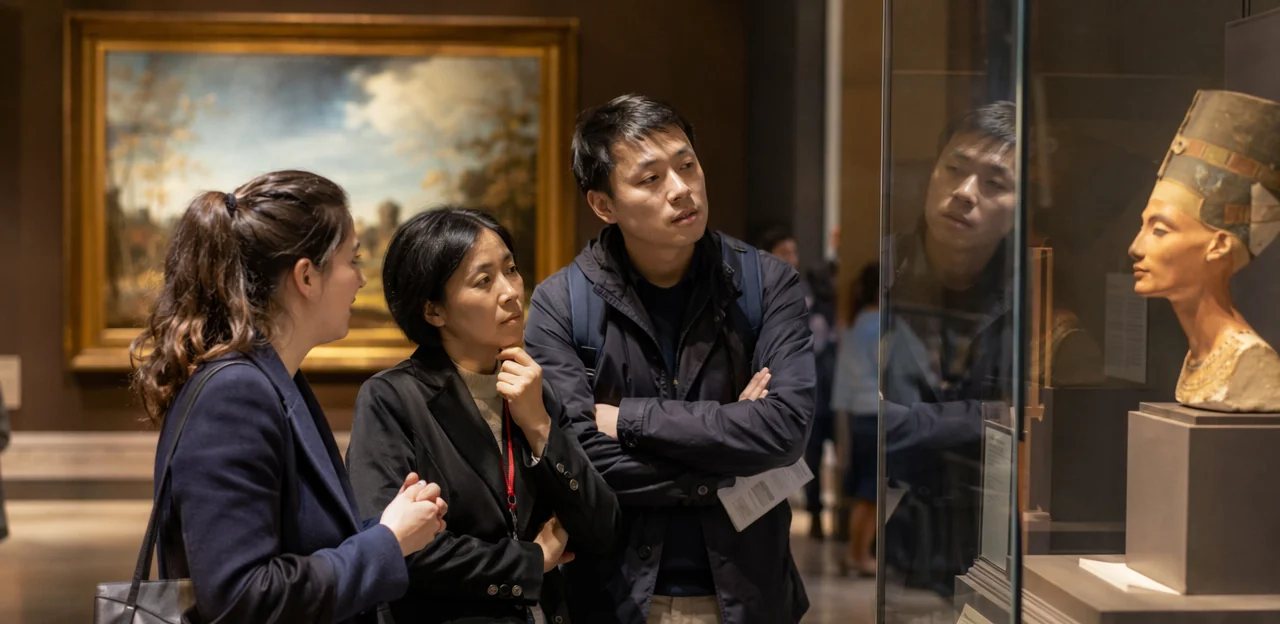
The business and experience value of international visitor feedback
International visitor feedback is the insight museums, galleries, heritage sites, and attractions gather from overseas guests about access, interpretation, service, and overall customer experience. It is essential because global audiences often have different language needs, cultural expectations, and booking behaviors.
Strong feedback systems help teams:
- identify friction points in multilingual journeys
- improve exhibitions, signage, staff support, and accessibility
- protect online reputation through better satisfaction and reviews
- increase repeat visits, memberships, donations, and secondary spend
To improve results, attractions should understand how to collect customer feedback, how to collect feedback from clients, and how to collect user feedback at key touchpoints. Practical ways to collect customer feedback include QR surveys, an event feedback form, and targeted event feedback questions after tours, talks, or special exhibitions.
Common challenges when gathering feedback from global audiences
Collecting international visitor feedback is rarely as simple as translating a survey. Standard methods for how to collect customer feedback or how to collect user feedback often miss key barriers:
- Language differences: Even well-written surveys can confuse non-native speakers, especially with idioms, ratings, or unclear event feedback questions.
- Cultural expectations: In some cultures, visitors avoid direct criticism, while others are more candid, which can skew results.
- Survey fatigue: Long emails and generic post-visit forms reduce completion rates, making common ways to collect customer feedback less effective.
- Accessibility issues: Mobile-unfriendly layouts, poor translation, and lack of assistive support can exclude users.
- Low response rates: Delayed follow-ups often fail, especially for tourists already in transit.
To improve how to collect feedback from clients, keep each event feedback form short, multilingual, mobile-first, and easy to answer on-site.
Good international visitor feedback shows teams exactly where the experience breaks down and where to invest first. It can uncover friction in:
- Ticketing: long queues, confusing pricing, language barriers, or checkout issues
- Wayfinding: unclear signage, poor maps, or difficulty navigating galleries and facilities
- Exhibits: low engagement, inaccessible interpretation, or missing translations
- Staff interactions: service gaps, response times, and consistency across touchpoints
- Digital tools and amenities: audio guides, apps, Wi-Fi, seating, cafés, and toilets
Using the right ways to collect customer feedback—from an event feedback form to post-visit surveys—helps teams measure audience experience and prioritize operational fixes. Knowing how to collect customer feedback, how to collect feedback from clients, and how to collect user feedback also improves exhibit planning, staffing, and accessibility. Well-designed event feedback questions turn raw event feedback into clear action.
Build a Feedback Strategy That Works Across Languages and Cultures

Set clear goals for collecting feedback
Before choosing tools, define what you need to learn from international visitor feedback. Clear goals shape both your questions and the best moment to ask them.
- Arrival: Measure first impressions, wayfinding, language support, and accessibility. This helps teams understand how to collect customer feedback on entry friction.
- During the visit: Track exhibit engagement, queue times, staff helpfulness, and digital guide usability. This is also where how to collect user feedback becomes practical through short, in-the-moment prompts.
- At exit or post-visit: Assess overall satisfaction, value for money, likelihood to recommend, and specific event feedback.
Use a simple framework: goal, audience, touchpoint, question type, action. For example, an event feedback form with focused event feedback questions can reveal service gaps fast. This is one of the most effective ways to collect customer feedback and improve how to collect feedback from clients across the full visitor journey.
Design multilingual and culturally aware questions
To improve international visitor feedback, write questions that are easy to translate, culturally neutral, and quick to answer. This is essential whether you’re learning how to collect customer feedback, how to collect feedback from clients, or building better ways to collect customer feedback across museums and attractions.
- Use professional translation and localization: Adapt wording, examples, date formats, and idioms for each audience rather than translating word for word.
- Keep language simple: Avoid slang, humor, acronyms, and industry jargon that may confuse non-native speakers.
- Choose neutral, respectful tone: Don’t assume cultural norms, accessibility needs, or prior knowledge.
- Ask one thing at a time: Clear structure improves accuracy in event feedback questions and every event feedback form.
- Test for bias: Remove leading phrases like “How much did you enjoy…” and use neutral alternatives such as “How would you rate…?”
These practices strengthen event feedback quality and support better decisions on how to collect user feedback.
Choose the right moments in the visitor journey
To improve international visitor feedback, plan collection around the full journey rather than relying on one survey at the end. This is one of the most effective ways to collect customer feedback while keeping response rates high.
- Before arrival: Use booking confirmations or pre-visit emails to ask one or two short questions about expectations, accessibility, or language needs.
- During the visit: Capture in-the-moment reactions with quick pulse questions at key touchpoints like entry, exhibits, cafés, or events. This is ideal for how to collect user feedback without interrupting the experience.
- Immediately after: Send a short event feedback form or kiosk prompt while memories are fresh.
- Follow-up communications: Use longer surveys later for deeper insights, including detailed event feedback questions on satisfaction, value, and likelihood to return.
If you’re deciding how to collect customer feedback or how to collect feedback from clients, keep pulse questions to 1–3 items and reserve longer surveys for highly engaged visitors.
Best Ways to Collect Customer Feedback From International Visitors

On-site methods: QR codes, kiosks, staff prompts, and SMS
For strong international visitor feedback, attractions and museums should use a mix of in-person tools, since different visitors respond to different formats. If you’re deciding how to collect customer feedback on-site, match the method to the visitor journey and language needs.
- QR code surveys: Ideal at exhibit exits, cafés, ticket desks, and printed guides. They’re one of the easiest ways to collect customer feedback because visitors can answer on their own phones in their preferred language. Keep the event feedback form short and mobile-friendly.
- Touchscreen kiosks: Best for high-traffic exit points where you want fast ratings or simple event feedback questions. Use large icons, multiple language options, and clear privacy messaging.
- Staff-assisted feedback: Helpful for guided tours, accessibility visitors, or older guests. Trained staff can explain how to collect feedback from clients without making the interaction feel intrusive.
- SMS prompts: Useful after timed-entry events or special exhibitions, especially when tickets are booked online. SMS works well for follow-up event feedback, but response rates depend on consent and roaming habits.
Using several methods together is often the best answer to how to collect user feedback effectively.
Digital channels: email, apps, web surveys, and social listening
Digital tools help attractions scale international visitor feedback beyond the on-site experience and reach guests in the channel they already use.
- Post-visit email: Send within 24–48 hours while memories are fresh. Keep subject lines clear, surveys short, and mobile-friendly. This is one of the most effective ways to collect customer feedback, especially when you personalize by visit type, language, or ticket purchase.
- Mobile apps: If your venue has an app, use push notifications for timely prompts after an exhibition, tour, or special program. This is a practical answer to how to collect user feedback without adding friction.
- Website pop-ups and landing pages: Add a simple event feedback form or post-visit survey on booking confirmation pages, attraction websites, or digital ticket hubs. Use concise event feedback questions and offer multilingual options.
- Social listening: Monitor reviews, tags, comments, and location mentions across Instagram, Facebook, TikTok, Google, and TripAdvisor. This supports how to collect feedback from clients who may never complete a formal survey.
For stronger results, optimize every survey for mobile, offer multilingual follow-up, and combine structured surveys with open-text comments to improve how to collect customer feedback and broader event feedback insight.
Using event feedback forms for exhibitions and special programs
Temporary exhibitions, guided tours, workshops, and cultural events need a more focused approach than general venue surveys. A well-designed event feedback form helps museums and attractions gather precise international visitor feedback on the experience, content, and operations of each program. This is one of the most practical ways to collect customer feedback because responses are tied to a specific event while details are still fresh.
To improve event feedback, include short, multilingual questions such as:
- Satisfaction: “How satisfied were you with this exhibition or event overall?”
- Learning: “Did this program help you better understand the topic, artist, or culture?”
- Logistics: “How easy was it to book, find, and join the event?”
- Audience fit: “Was the tour or workshop suitable for your language needs and prior knowledge?”
- Improvement: “What could we improve for future events?”
For teams exploring how to collect customer feedback, how to collect feedback from clients, or how to collect user feedback, placing QR or NFC-enabled forms at exits, workshop tables, or tour endpoints can increase completion rates. Tools such as Tapsy may also help capture fast, on-site responses without adding friction.
How AI and Analytics Turn Feedback Into Actionable Insight

Analyze multilingual feedback at scale
AI & Analytics make international visitor feedback far easier to manage by turning open-text comments in multiple languages into clear, actionable insight. Instead of manually reviewing every response, teams can use AI to:
- Translate instantly so staff can read comments from global visitors in one dashboard
- Categorize responses by themes such as wayfinding, queue times, exhibits, accessibility, or staff service
- Summarize sentiment to spot praise, frustration, and urgent service issues across languages
- Flag priority concerns like safety, cleanliness, or ticketing problems for rapid follow-up
This is especially useful when planning ways to collect customer feedback, designing an event feedback form, or refining event feedback questions. It also supports teams learning how to collect customer feedback, how to collect feedback from clients, and how to collect user feedback at scale with consistency.
Combine feedback with visitor behavior data
To improve international visitor feedback, pair survey answers with behavioral signals such as ticket type, visit time, dwell time, app usage, and exhibit interactions. This gives museums and attractions a richer view of audience experience and customer experience than surveys alone.
- Link responses to anonymized ticketing data to compare first-time, family, group, and member journeys.
- Combine event feedback, event feedback questions, or an event feedback form with exhibit engagement data to see what visitors actually did.
- Use privacy-conscious analysis: aggregate results, limit personal data, and clearly explain consent.
- Segment by language, visit purpose, and behavior patterns to understand how to collect customer feedback, how to collect feedback from clients, how to collect user feedback, and better ways to collect customer feedback that reflect real visitor journeys.
Create dashboards and reporting for continuous improvement
Turn international visitor feedback into clear, role-specific dashboards so teams can act quickly, not just collect data. A simple reporting setup should include:
- Leadership dashboard: response rate, Net Promoter Score, overall satisfaction, and satisfaction by market or language
- Operations dashboard: recurring complaint categories, location-specific issues, queue times, cleanliness, and staff service trends
- Visitor experience dashboard: top themes from comments, event feedback, popular touchpoints, and results from each event feedback form
If you’re refining how to collect customer feedback, track which ways to collect customer feedback perform best, including QR, kiosks, and post-visit surveys. Use consistent event feedback questions to compare results over time and improve how to collect feedback from clients and how to collect user feedback across every visit.
Questions to Ask and Mistakes to Avoid

Core survey and event feedback questions to include
For effective international visitor feedback, keep every event feedback form short, clear, and easy to translate. If you’re deciding how to collect customer feedback, focus on 5–7 high-value questions such as:
- How satisfied were you with your overall visit or event experience?
- Was the information, signage, or exhibition content clear and easy to understand?
- Did you find the venue accessible and easy to navigate?
- How helpful and welcoming were staff?
- Did the experience feel good value for money?
- How likely are you to recommend us to others?
These event feedback questions show how to collect feedback from clients and how to collect user feedback without creating fatigue. One rating scale, one open comment box, and one recommendation question are among the best ways to collect customer feedback and improve future event feedback.
How to structure an effective event feedback form
A strong event feedback form should feel quick, clear, and easy for global audiences to complete. For better international visitor feedback, use a simple structure:
- Start with rating scales: Ask 3–5 core event feedback questions on satisfaction, staff helpfulness, accessibility, and value.
- Add one or two open-ended questions: For example, “What did you enjoy most?” and “What should we improve?”
- Offer language options: Let visitors choose their preferred language first.
- Keep demographic questions respectful and optional: Ask only what supports analysis, such as country of residence or age range.
This is one of the best ways to collect customer feedback because shorter, well-ordered forms improve completion rates and data quality. If you’re learning how to collect user feedback, how to collect customer feedback, or even how to collect feedback from clients, thoughtful form design is essential.
Common feedback collection mistakes museums should avoid
Museums often weaken international visitor feedback by making the process harder than it needs to be. Avoid these common mistakes:
- Overlong surveys: Keep prompts short. If you're learning how to collect customer feedback, start with 3–5 essential questions.
- Poor translations: Literal wording causes confusion and unreliable answers. Use native-quality translations.
- Too many questions at once: A cluttered event feedback form or too many event feedback questions lowers completion rates.
- Ignoring accessibility: Make forms mobile-friendly, easy to read, and usable across languages and abilities.
- Failing to act on results: The best ways to collect customer feedback only work if insights lead to visible improvements.
For museums exploring how to collect feedback from clients or how to collect user feedback, low-friction, multilingual touchpoints consistently outperform complex surveys.
Turning International Visitor Feedback Into Better Experiences

Prioritize improvements that matter most to visitors
Turn international visitor feedback into action by ranking issues against three factors:
- Frequency: how often a problem appears in surveys, reviews, or an event feedback form
- Impact: how strongly it affects the visitor experience
- Feasibility: cost, staffing, and speed to fix
This helps teams decide how to collect customer feedback, how to collect feedback from clients, and how to collect user feedback in ways that lead to clear priorities. Use findings to improve multilingual signage, front-line staffing, interpretation, digital experiences, and amenities. Include event feedback questions after exhibitions or tours to uncover practical, high-value changes.
Close the loop with visitors and internal teams
Collecting international visitor feedback only improves customer experience when people can see what changed. To close the loop consistently:
- Share weekly insight summaries with frontline staff, managers, and partners.
- Turn common themes from event feedback, an event feedback form, and event feedback questions into clear actions with owners and deadlines.
- Tell visitors what changed through signage, emails, websites, or on-site screens: “You asked, we improved.”
- Review which ways to collect customer feedback work best, including how to collect customer feedback, how to collect feedback from clients, and how to collect user feedback across languages and touchpoints.
Build a long-term feedback culture
To make international visitor feedback truly valuable, museums and attractions should treat it as an always-on habit, not a seasonal project. Build simple routines that show teams how to collect user feedback consistently and act on it.
- Use the same event feedback form across exhibits, tours, and seasonal programmes.
- Refresh event feedback questions regularly to match audience needs.
- Review trends monthly to improve signage, interpretation, and staffing.
- Share visible “you said, we changed” updates.
This approach strengthens loyalty, improves ways to collect customer feedback, and supports smarter long-term planning.
Conclusion
Collecting meaningful international visitor feedback is no longer a nice-to-have for museums and attractions—it is essential for improving experiences, increasing return visits, and making every guest feel heard. The most effective strategies combine simplicity, accessibility, and timely analysis: offer multilingual surveys, capture responses at key touchpoints, and use AI and analytics to uncover patterns in visitor behavior and sentiment. Whether you are exploring how to collect customer feedback, how to collect feedback from clients, or how to collect user feedback across diverse audiences, the goal is the same: make feedback easy to give and actionable to use.
From short mobile surveys to in-person prompts, there are many practical ways to collect customer feedback. For exhibitions, seasonal programs, and live experiences, structured event feedback, smart event feedback questions, and a well-designed event feedback form can reveal what resonates most with local and international audiences alike.
The next step is to audit your current feedback journey, identify language or technology barriers, and choose tools that support real-time, frictionless input. If you want to strengthen your international visitor feedback strategy, consider solutions that combine contactless collection, multilingual access, and instant insight—such as platforms like Tapsy. Start refining your approach now, and turn every visitor interaction into a valuable opportunity to learn and improve.
Frequently Asked Questions
- Why is international visitor feedback important for museums and attractions?
It helps teams understand how overseas guests experienced access, interpretation, service, and the overall visit. Strong feedback systems reveal friction points, improve signage and accessibility, protect reputation, and support repeat visits, memberships, donations, and secondary spend.
- What challenges make feedback collection harder with international visitors?
Common barriers include language differences, cultural expectations around criticism, survey fatigue, accessibility issues, and low response rates from delayed follow-ups. Standard surveys often fail when they are too long, poorly translated, or not designed for mobile use.
- How can museums set clear goals before collecting visitor feedback?
Start by deciding what needs to be learned at each stage of the journey, such as arrival, during the visit, or after exit. A simple framework of goal, audience, touchpoint, question type, and action helps connect each question to a practical improvement.
- What makes a feedback question suitable for multilingual audiences?
Questions should be simple, culturally neutral, and easy to translate. Professional translation and localization, respectful wording, and asking one thing at a time all improve clarity and reduce bias.
- When is the best time to ask international visitors for feedback?
The strongest approach uses multiple moments across the journey instead of relying on one survey at the end. Short questions can be asked before arrival, during the visit, immediately after, and later in follow-up communications for deeper insight.
- Which on-site methods work best for collecting feedback from overseas guests?
QR code surveys, touchscreen kiosks, staff-assisted prompts, and SMS can all work well when matched to the visitor journey. QR codes and kiosks are especially useful because they can offer multiple languages and capture fast responses at exits, cafés, ticket desks, or exhibit areas.
- How do digital feedback channels compare with on-site collection methods?
On-site methods capture immediate reactions while memories are fresh, especially at key touchpoints. Digital channels like email, apps, website surveys, and social listening extend reach after the visit and help collect feedback from people who may not respond on-site.
- What should an event feedback form include for exhibitions, tours, or workshops?
A focused form should ask about overall satisfaction, learning, logistics, audience fit, and improvements for future events. Keeping it short, multilingual, and tied to a specific program makes the feedback more precise and easier to act on.
- How many questions should a museum feedback survey usually have?
A short survey with about 5–7 high-value questions is recommended for most situations. For quick pulse checks during the visit, 1–3 items are better, while longer surveys should be reserved for highly engaged visitors.
- What are the most useful questions to ask visitors after a visit or event?
Good core questions cover overall satisfaction, clarity of information or exhibition content, ease of navigation, staff helpfulness, value for money, and likelihood to recommend. One open comment box can then capture what visitors enjoyed most and what should be improved.
- How can AI help analyze multilingual visitor feedback?
AI can translate comments, group responses by themes, summarize sentiment, and flag urgent issues such as safety, cleanliness, or ticketing problems. This makes it easier to review large volumes of feedback from different languages in one place.
- Why should feedback be combined with visitor behavior data?
Pairing survey responses with signals like ticket type, visit time, dwell time, app usage, and exhibit interactions gives a fuller picture of the visitor experience. It helps teams understand not only what people said, but also what they actually did during the visit.
- What should a feedback dashboard track for continuous improvement?
Useful dashboards can include response rate, Net Promoter Score, overall satisfaction, complaint categories, queue times, cleanliness, staff service trends, and top comment themes. Tracking which collection methods perform best also helps improve future feedback efforts.
- What mistakes should museums avoid when collecting international visitor feedback?
Avoid overlong surveys, literal translations, too many questions at once, poor accessibility, and failing to act on the results. Low-friction, multilingual, mobile-friendly touchpoints consistently perform better than complex forms.
- How can museums turn feedback into visible improvements for visitors and staff?
Teams can prioritize issues by frequency, impact, and feasibility, then assign actions with owners and deadlines. Sharing updates internally and showing visitors messages like “You asked, we improved” helps close the loop and build a long-term feedback culture.