
A five-star stay can be undone by a single unresolved issue, and in today’s review-driven market, that delay can cost bookings. Hotels that want to improve hotel ratings can no longer rely solely on post-stay emails or occasional customer feedback surveys. By the time a guest responds, the moment to fix the problem—and protect the review—has often passed. Real-time feedback changes that dynamic, giving teams the chance to act while the guest is still on property and the experience can still be improved.
This article explores how instant customer feedback helps hotels identify service gaps faster, recover negative experiences, and turn everyday interactions into stronger reviews and repeat visits. We’ll look at how to use customer feedback to improve service across key touchpoints, from check-in and housekeeping to dining and checkout, and how the right guest feedback tool or guest feedback software can make the process seamless for both guests and staff.
We’ll also touch on why structured collection methods matter, much like a feedback form for real estate or a real estate showing feedback form template helps standardize responses in another service-focused industry. By the end, you’ll understand how real-time guest insight, smart processes, and modern tools can work together to raise satisfaction and strengthen hotel performance.
Why Real-Time Feedback Matters for Hotel Ratings
The direct link between guest experience and public reviews
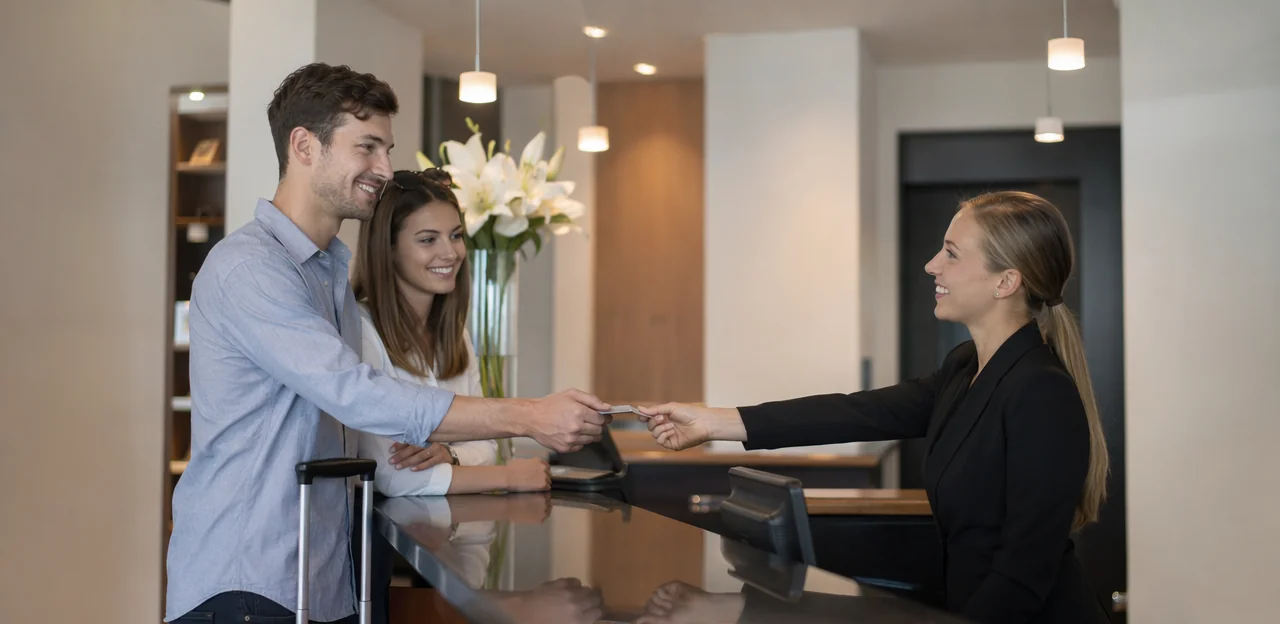
Hotels improve hotel ratings fastest when they act on customer feedback before checkout. A poor room clean, slow check-in, or unresolved noise issue can turn into a damaging public review if no one intervenes in time. In-stay customer feedback surveys create an early warning system, helping teams spot service gaps while recovery is still possible.
- Capture issues in real time with a guest feedback tool or guest feedback software
- Alert staff instantly so they can resolve problems before departure
- Follow up personally to show guests their guest experience matters
This is the clearest example of how to use customer feedback to improve service: fix the problem, recover trust, and reduce negative reviews. Even simple formats inspired by a feedback form for real estate or real estate showing feedback form template can streamline responses and protect brand reputation.
Why post-stay surveys alone are no longer enough
Post-stay customer feedback surveys often arrive too late: guests have checked out, emotions have cooled, and small frustrations may already have turned into public reviews. If your goal is to improve hotel ratings, waiting until departure limits your ability to fix problems when they still matter.
Real-time feedback creates a better recovery window:
- Staff can resolve issues like noise, housekeeping, or slow service during the stay
- Managers learn how to use customer feedback to improve service before dissatisfaction escalates
- A mobile-friendly guest feedback tool captures higher-intent responses at the moment of experience
Unlike a static feedback form for real estate or a real estate showing feedback form template, hotels need live, location-based insight. Modern guest feedback software helps turn immediate customer feedback into fast action, stronger loyalty, and better reviews.
How AI and analytics turn comments into action
AI & Analytics help hotels move beyond collecting customer feedback and start fixing what affects ratings fastest. Modern guest feedback software can scan open-text comments, detect sentiment, and flag recurring issues like slow check-in, room cleanliness, or breakfast quality. It can also identify urgent service failures in real time, so staff can recover the guest experience before a negative review is posted.
- Sentiment analysis spots unhappy, neutral, and delighted guests instantly.
- Theme detection groups repeat complaints across customer feedback surveys.
- Priority scoring shows which issues most impact reviews and revenue.
This makes it easier to improve hotel ratings by acting on the highest-value fixes first. A strong guest feedback tool can even reveal lessons similar to a feedback form for real estate or a real estate showing feedback form template: structured input helps teams learn how to use customer feedback to improve service quickly and consistently.
Building an Effective Hotel Feedback System
Choosing the right guest feedback tool for your property
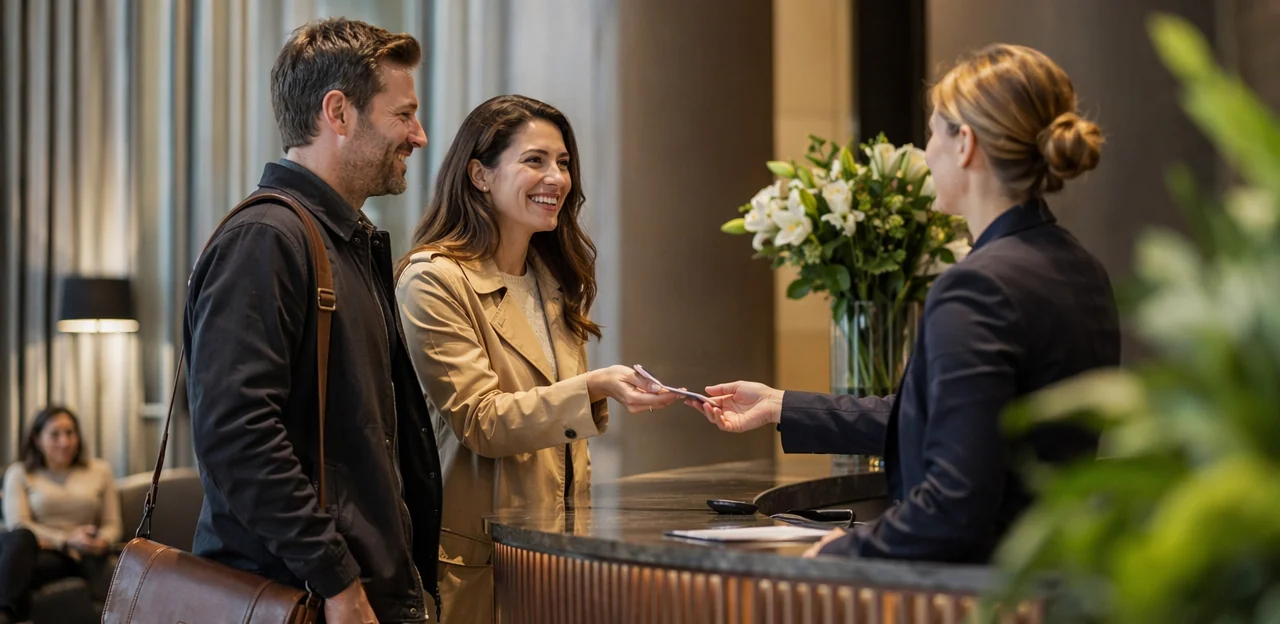
To improve hotel ratings, choose a guest feedback tool that helps teams act before a guest leaves unhappy. The best guest feedback software should include:
- Mobile accessibility: guests can respond instantly on their phones through simple customer feedback surveys
- Multilingual support: essential for international travelers and clearer customer feedback
- Automated alerts: notify staff immediately when low scores or complaints are submitted
- PMS and CRM integrations: connect feedback to guest profiles, stay details, and service history for faster follow-up
The right platform turns feedback into service recovery. If a guest reports a housekeeping or check-in issue in real time, staff can resolve it during the stay, not after checkout. That is exactly how to use customer feedback to improve service and protect reviews. Even if terms like feedback form for real estate or real estate showing feedback form template appear in broader search behavior, hotels need purpose-built tools designed for hospitality speed and context.
Designing customer feedback surveys guests will complete
To improve hotel ratings, keep customer feedback surveys short, specific, and triggered at the right moment, such as after check-in, breakfast, or checkout. A smart guest feedback tool or guest feedback software should capture useful insight in under a minute, reducing survey fatigue while making customer feedback easier to act on.
- Use rating questions: “How satisfied were you with room cleanliness today?”
- Add sentiment checks: “How did your check-in experience feel?” with options like excellent, average, or frustrating
- Include one open-text prompt: “What is one thing we could improve before your next stay?”
Focus each survey on one touchpoint, not the full journey. This is how to use customer feedback to improve service quickly. Even formats like a feedback form for real estate or real estate showing feedback form template show the value of concise, context-based questions.
What hotels can learn from other service feedback formats
Hotels can improve hotel ratings by borrowing structure from other industries that rely on consistent, high-quality input. A feedback form for real estate or a real estate showing feedback form template works because it asks the same targeted questions every time, making trends easier to spot and act on.
- Use standardized rating scales for cleanliness, check-in, staff helpfulness, and room comfort.
- Include one open-text prompt to capture specific customer feedback without overwhelming guests.
- Time requests carefully, just as customer feedback surveys in real estate follow a showing while details are fresh.
- Review results centrally in a guest feedback tool or guest feedback software to identify recurring issues fast.
This is a practical example of how to use customer feedback to improve service with clearer data and better decisions.
Collecting Feedback at the Right Moments in the Guest Journey

Pre-arrival and check-in feedback opportunities
To improve hotel ratings, start collecting customer feedback before a guest reaches the room. Pre-arrival touchpoints help hotels spot preferences, remove friction, and prevent minor issues from becoming negative reviews.
- Send a short digital check-in survey asking about arrival time, room preferences, dietary needs, or special requests.
- Use welcome messages to confirm expectations, share key details, and invite instant replies through a guest feedback tool.
- Trigger simple customer feedback surveys after online check-in or front-desk arrival to uncover early concerns.
This proactive approach shows guests you listen and demonstrates how to use customer feedback to improve service in real time. Unlike a feedback form for real estate or a real estate showing feedback form template, hotel feedback must be immediate, contextual, and easy to complete through guest feedback software.
In-stay touchpoints that prevent negative reviews
To improve hotel ratings, ask for customer feedback while the experience is still fresh and fixable. The best guest feedback software triggers short customer feedback surveys at key moments during the stay, not after checkout when frustration may already become a public review.
- After room entry: confirm cleanliness, temperature, Wi-Fi, and amenities.
- After dining or breakfast: capture service speed, food quality, and staff attentiveness.
- After housekeeping: check whether the room met expectations.
- After spa, gym, or pool visits: identify service gaps in premium amenities.
- After maintenance interactions: verify the issue was fully resolved.
A simple guest feedback tool can route alerts instantly to staff, showing how to use customer feedback to improve service before dissatisfaction escalates. Unlike a feedback form for real estate or a real estate showing feedback form template, hotel outreach must be immediate, contextual, and operational.
Post-stay follow-up that strengthens loyalty and insights
Real-time input solves issues in the moment, but post-stay outreach helps improve hotel ratings over time by turning fresh experiences into long-term insight. Use short customer feedback surveys within 24–48 hours of checkout, then segment responses to guide service improvements and review requests.
- Send a brief survey through your guest feedback tool or guest feedback software to measure satisfaction, staff performance, cleanliness, and amenities.
- Use what you learn to decide how to use customer feedback to improve service, from refining check-in flows to adjusting housekeeping standards.
- Invite happy guests to leave public reviews on Google or TripAdvisor, while routing unhappy responses to private recovery workflows.
- Treat survey design like a feedback form for real estate or a real estate showing feedback form template: concise, structured, and easy to complete.
This layered customer feedback approach builds loyalty, sharper operations, and stronger public ratings.
Turning Guest Feedback Into Better Service and Higher Ratings

How to use customer feedback to improve service across departments
To improve hotel ratings, turn customer feedback into clear actions for every team, not just management. The best guest feedback software helps route comments instantly, assign owners, and flag repeat issues before they damage reviews.
- Front desk: Assign check-in, wait-time, and staff-attitude comments to reception managers with a 15-minute response target.
- Housekeeping: Route room-cleanliness or amenity complaints to supervisors for same-shift follow-up and checklist updates.
- Food and beverage: Use customer feedback surveys to track breakfast quality, speed, and menu gaps across outlets.
- Maintenance: Tag issues like weak Wi-Fi, AC faults, or plumbing and monitor recurring reports by room or floor.
A strong guest feedback tool should track trends, much like a feedback form for real estate or real estate showing feedback form template organizes recurring concerns. This is how to use customer feedback to improve service consistently across departments.
Creating closed-loop recovery workflows
To improve hotel ratings, hotels need a clear process for acting on issues the moment they appear. A closed-loop workflow ensures no complaint is logged and forgotten.
- Route urgent complaints instantly: Use a guest feedback tool or guest feedback software to flag low scores, negative comments, or service failures in real time and send alerts to the right team.
- Resolve and confirm: After fixing the issue, contact the guest directly, confirm the outcome, and ask whether expectations were met. This is central to how to use customer feedback to improve service.
- Document every case: Track the complaint, action taken, response time, and final guest sentiment in your customer feedback surveys system.
Unlike a feedback form for real estate or real estate showing feedback form template, hotel recovery must be immediate. Fast, documented follow-up turns negative customer feedback into trust, loyalty, and better reviews.
Training staff to respond with speed and empathy
To improve hotel ratings, real-time alerts only matter if staff know exactly how to respond. Technology, whether a guest feedback tool, guest feedback software, or customer feedback surveys, should trigger fast, human action that protects the guest experience.
- Use service recovery scripts: Train teams to acknowledge the issue, apologize sincerely, and offer a clear next step: “Thank you for telling us. I’m sorry this happened, and I’ll fix it right away.”
- Set escalation protocols: Define who handles room issues, billing complaints, or safety concerns, and set response-time targets.
- Coach with live examples: Review recent customer feedback in team huddles to show how to use customer feedback to improve service.
- Keep forms simple: Even if you use formats like a feedback form for real estate or a real estate showing feedback form template, the principle is the same: collect clear signals and act immediately.
Using AI and Analytics to Spot Trends and Prioritize Improvements

AI & Analytics helps hotels turn raw customer feedback into clear action. Using guest feedback software or a guest feedback tool, AI can tag every comment by topic, sentiment, and urgency, showing what truly affects scores and helping teams improve hotel ratings faster.
- Topic detection: Group comments into housekeeping, check-in, Wi-Fi, breakfast, or staff service.
- Sentiment analysis: Separate positive, neutral, and negative themes across customer feedback surveys.
- Urgency flags: Highlight complaints that need immediate recovery versus low-risk suggestions.
This makes it easier to see whether a complaint is a one-off issue or a recurring operational problem. The same logic behind a feedback form for real estate or real estate showing feedback form template applies here: structured data reveals patterns. That’s how to use customer feedback to improve service at scale.
Measuring the impact of changes on ratings and revenue
To improve hotel ratings, track the KPIs that connect service fixes to commercial results. Focus on:
- Response time: how quickly staff reply to real-time customer feedback
- Issue resolution rate: percentage of problems solved before checkout
- Review score trends: changes in Google, OTA, and post-stay customer feedback surveys
- Repeat bookings: whether better experiences drive return stays
- Upsell performance: revenue from room upgrades, dining, or spa offers after service recovery
A strong guest feedback tool or guest feedback software helps hotels see how to use customer feedback to improve service in measurable ways. Even terms like feedback form for real estate or real estate showing feedback form template highlight the same principle: structured feedback reveals what drives decisions, satisfaction, and revenue.
Benchmarking feedback data across properties or segments
For multi-property brands, benchmarking turns raw customer feedback into clear priorities that help improve hotel ratings faster. With the right guest feedback software and AI & Analytics, leaders can compare performance across:
- properties and regions
- room types and rate plans
- traveler segments such as business, family, or group guests
- service lines like housekeeping, breakfast, spa, or check-in
This makes it easier to see how to use customer feedback to improve service where it matters most. For example, one hotel may need faster check-in, while another needs cleaner premium rooms. Strong customer feedback surveys and a reliable guest feedback tool can also inspire structured formats similar to a feedback form for real estate or a real estate showing feedback form template, helping standardize insights across locations.
Best Practices, Common Mistakes, and an Action Plan

Common feedback mistakes that hurt hotel ratings
Hotels often fail to improve hotel ratings not because they lack customer feedback, but because they misuse it. Common mistakes include:
- Asking too many questions: Long customer feedback surveys create friction and reduce completion rates. A hotel survey should be far simpler than a feedback form for real estate or a real estate showing feedback form template.
- Collecting feedback without follow-up: If guests report issues and hear nothing back, trust drops fast.
- Responding too slowly: Delayed action turns small service problems into negative reviews.
- Ignoring recurring themes: Repeated complaints about cleanliness, check-in, or Wi-Fi reveal where to focus.
The key to how to use customer feedback to improve service is acting quickly with the right guest feedback tool or guest feedback software.
Best practices for sustainable feedback-driven improvement
To improve hotel ratings, build a repeatable system that blends smart tools with strong service habits:
- Time surveys well: Trigger customer feedback surveys at key moments—after check-in, dining, or check-out—while the experience is still fresh. A fast guest feedback tool increases response rates.
- Set alert thresholds: Use guest feedback software to flag low scores or negative sentiment instantly so managers can recover service before complaints become public reviews.
- Assign ownership: Make department heads accountable for follow-up, trends, and action plans. This is core to how to use customer feedback to improve service consistently.
- Encourage reviews ethically: After resolving issues or receiving high satisfaction scores, invite guests to post public reviews.
Even lessons from a feedback form for real estate or a real estate showing feedback form template show the same truth: structured customer feedback plus a hospitality-first culture drives lasting improvement.
A 30-day roadmap to launch or refine your program
- Days 1–7: Choose a simple guest feedback tool or guest feedback software that captures in-the-moment responses at key touchpoints.
- Days 8–14: Build short customer feedback surveys with 3–5 questions focused on cleanliness, staff service, and resolution speed to improve hotel ratings. Lessons from a feedback form for real estate or a real estate showing feedback form template can inspire cleaner question structure and better data collection.
- Days 15–21: Set workflows so negative customer feedback alerts managers instantly, while positive responses trigger review requests.
- Days 22–26: Train staff on how to use customer feedback to improve service in real time.
- Days 27–30: Track KPIs like response rate, issue resolution time, review volume, and rating lift.
Conclusion
Ultimately, the fastest way to improve hotel ratings is to stop treating feedback as a post-stay formality and start using it as a live operational advantage. Real-time input helps teams spot service gaps before they become public complaints, recover unhappy guests in the moment, and identify what consistently delights visitors. When paired with the right guest feedback tool or guest feedback software, hotels can turn everyday interactions into measurable insights that strengthen service, loyalty, and reputation.
The takeaway is simple: if you want to improve hotel ratings, you need a practical system for collecting customer feedback at the right touchpoints, reviewing customer feedback surveys regularly, and acting quickly on what guests share. This is also the clearest answer to how to use customer feedback to improve service: listen faster, respond smarter, and close the loop. Even if terms like feedback form for real estate or real estate showing feedback form template belong to another industry, they reflect the same principle—structured, timely feedback drives better experiences and better results.
Next, audit your current feedback journey, choose a real-time solution, train staff on response protocols, and track trends across departments. For added momentum, explore modern platforms such as Tapsy and build a feedback strategy that helps you improve hotel ratings consistently over time.
Frequently Asked Questions
- How does real-time feedback help improve hotel ratings?
Real-time feedback lets hotel teams identify and fix problems while the guest is still on property. That creates a chance to recover the experience before frustration turns into a negative public review. It also shows guests that their concerns are being taken seriously in the moment.
- Why are post-stay surveys alone not enough for hotels?
Post-stay surveys often arrive after checkout, when the chance to resolve the issue has already passed. By then, a guest may already have left a poor review on Google, an OTA, or another platform. Real-time feedback gives staff a better recovery window during the stay.
- What should a good guest feedback tool include for a hotel?
A strong hotel feedback tool should offer mobile accessibility, multilingual support, automated alerts, and PMS or CRM integrations. These features help guests respond easily and allow staff to connect feedback to stay details for faster follow-up. The goal is to turn feedback into action before departure.
- What makes customer feedback surveys more likely to be completed by guests?
Short, specific surveys triggered at the right moment are more likely to get responses. Useful formats include a simple rating question, a sentiment check, and one open-text prompt. Keeping each survey focused on one touchpoint reduces fatigue and makes responses easier to act on.
- When should hotels ask for feedback during the guest journey?
Hotels should collect feedback before arrival, at check-in, during the stay, and shortly after checkout. Key in-stay moments include after room entry, dining, housekeeping, spa or gym visits, and maintenance interactions. Post-stay follow-up within 24 to 48 hours helps gather insights and guide review requests.
- What are the most important in-stay touchpoints for preventing negative reviews?
The most useful touchpoints are after room entry, after dining or breakfast, after housekeeping, after premium amenity visits, and after maintenance service. These moments capture issues while they are still fresh and fixable. Fast outreach at these points helps prevent small problems from becoming public complaints.
- How can hotels use customer feedback to improve service across departments?
Feedback should be routed to the department responsible for fixing the issue, such as front desk, housekeeping, food and beverage, or maintenance. Teams can then respond with clear ownership and response targets. This turns feedback into operational improvements instead of leaving it as management-only data.
- What is a closed-loop recovery workflow in a hotel?
A closed-loop workflow means urgent complaints are flagged immediately, resolved quickly, and then confirmed with the guest. The hotel also documents the issue, the action taken, the response time, and the final guest sentiment. This process helps ensure that no complaint is logged and forgotten.
- How should hotel staff be trained to respond to real-time feedback?
Staff should be trained to acknowledge the issue, apologize sincerely, and explain the next step clearly. Hotels should also define escalation paths for different issue types and set response-time expectations. Reviewing recent feedback in team huddles helps staff learn from real examples.
- How do AI and analytics make guest feedback more useful?
AI and analytics can scan comments, detect sentiment, group recurring themes, and flag urgent issues. That helps hotels see whether complaints relate to housekeeping, check-in, Wi-Fi, breakfast, or another area. It also makes it easier to prioritize the fixes that most affect ratings and revenue.
- Which KPIs should hotels track to measure the impact of feedback improvements?
Hotels should monitor response time, issue resolution rate, review score trends, repeat bookings, and upsell performance. These metrics connect service recovery and operational changes to guest satisfaction and commercial outcomes. Tracking them helps show whether feedback efforts are improving ratings over time.
- How can multi-property hotel brands benchmark feedback effectively?
They can compare feedback across properties, regions, room types, rate plans, traveler segments, and service lines. This reveals where one location may need faster check-in while another may need better room cleanliness or premium-room standards. Standardized surveys and centralized reporting make those comparisons more useful.
- What common feedback mistakes can hurt hotel ratings?
Common mistakes include asking too many questions, collecting feedback without follow-up, responding too slowly, and ignoring recurring themes. Long surveys reduce completion rates, and delayed action allows minor issues to grow into negative reviews. Repeated complaints about cleanliness, check-in, or Wi-Fi should be treated as signals for operational change.
- What can hotels learn from feedback forms used in real estate?
The main lesson is the value of structured, consistent questions that make trends easier to spot. Standardized rating scales, concise prompts, and timely requests improve the quality of responses. Hotels still need hospitality-specific tools, but the principle of clear and repeatable feedback design applies well.
- What does a practical 30-day plan for improving hotel ratings with feedback look like?
The first week should focus on choosing a simple real-time feedback tool for key touchpoints. The second week should build short surveys, the third should set alert workflows and train staff, and the final days should track KPIs like response rate, resolution time, review volume, and rating lift. This creates a repeatable system for collecting, acting on, and measuring feedback.