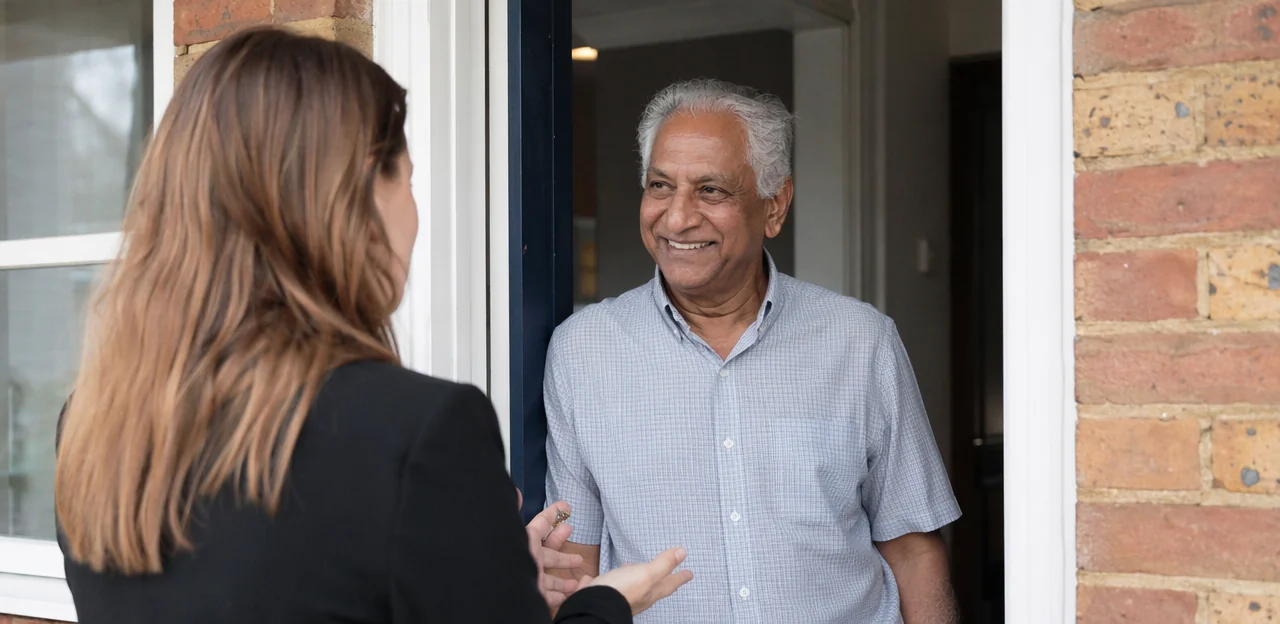
Getting residents to share honest, timely feedback is essential for improving housing services, but encouraging them to respond consistently is often easier said than done. Low participation can leave housing providers, property managers, and resident experience teams making decisions based on incomplete data, missed issues, or the views of only a small portion of the community. That is why improving your resident feedback response rate is not just a survey challenge, but a critical part of delivering better living experiences.
Whether you manage social housing, private rentals, student accommodation, or mixed-use residential properties, the way you ask for feedback can have a major impact on how often residents engage. From survey timing and question design to communication channels, incentives, and follow-up, small changes can lead to significantly better results. In some cases, tools such as Tapsy, which make it easier for residents to give feedback at the point of experience, can also help remove friction and boost participation.
In this article, we will explore practical strategies to increase response rates, improve survey design, reduce barriers to participation, and turn resident feedback into more actionable insights for housing teams.
Why resident feedback response rates matter in housing

A higher resident feedback response rate gives housing teams a clearer, more representative view of what residents actually experience day to day. When more people respond, patterns are easier to trust and less likely to be skewed by only the most dissatisfied or most engaged residents.
- More reliable data: Stronger housing survey response rates reduce bias and improve confidence in trends.
- Better service planning: Teams can prioritise repairs, communication, cleaning, safety, and amenities based on real resident insight.
- Smarter operational decisions: Asset, housing, and customer service teams can act faster, allocate budgets more effectively, and measure whether changes work.
To improve results, keep surveys short, timely, and linked to specific service moments.
Common barriers that reduce participation
Several resident survey barriers can quietly lower your resident feedback response rate. The most common include:
- Survey fatigue: Residents receive too many requests, so each new survey feels easy to ignore. Keep surveys short and limit frequency.
- Lack of trust: If residents believe nothing changes, low survey participation is inevitable. Share actions taken from past feedback.
- Poor timing: Sending surveys during busy periods, rent cycles, or after unresolved issues reduces engagement.
- Inaccessible formats: Long forms, mobile-unfriendly layouts, or language barriers exclude people who want to respond.
- Unclear value: Residents need to know why their input matters and how it improves services.
Tools like Tapsy can help capture feedback at the right moment with less friction.
What a good response rate looks like
A strong resident feedback response rate depends on context, not a single universal target. Your survey response rate benchmark should reflect:
- Survey type: Annual satisfaction surveys often see lower rates than short post-repair or move-in surveys.
- Channel: SMS and QR-based feedback may outperform email or paper in convenience-driven settings.
- Resident population: Age, language needs, digital access, and tenancy length all affect participation.
- Relationship strength: Higher trust usually leads to better housing resident engagement and stronger response rates.
As a practical resident survey benchmark, compare similar properties, touchpoints, and audiences over time. Focus on steady improvement, not perfection. Tools like Tapsy can help capture faster, in-the-moment responses at key housing touchpoints.
Design surveys residents are more likely to complete

Keep surveys short, clear, and relevant
If you want to improve resident feedback response rate, make the survey easy to finish in under two minutes. Long, vague forms create friction and increase drop-off, especially on mobile.
Use these survey design best practices:
- Limit the number of questions: Aim for 3–5 focused questions in most short resident surveys.
- Use plain language: Avoid jargon, technical terms, or double-barrelled questions that confuse residents.
- Ask one thing at a time: Keep each question specific, such as cleanliness, maintenance speed, or safety.
- Explain the purpose: Tell residents why you are asking and how their feedback will be used.
- Only ask relevant questions: Tailor surveys to the resident’s recent experience or location.
A concise, purposeful survey helps improve survey completion rate by reducing effort and making every question feel worth answering.
Use accessible and inclusive question design
To improve your resident feedback response rate, make every survey easy to understand, complete, and trust. Accessible surveys remove barriers, while inclusive survey design helps more residents feel represented and able to respond.
- Keep language simple: Aim for a clear reading level, avoid jargon, and use short questions with one idea at a time.
- Offer translation options: Use multilingual resident surveys so residents can answer in their preferred language.
- Design for mobile first: Use large tap targets, short answer fields, and minimal scrolling so surveys work well on phones.
- Support accessibility needs: Ensure screen-reader compatibility, strong color contrast, and readable font sizes.
- Use culturally inclusive wording: Avoid assumptions about household structure, identity, income, or background.
If you use a tool like Tapsy, make sure the survey flow stays short and accessible at every touchpoint.
Ask questions that lead to useful action
Strong survey question design makes it easier to improve your resident feedback response rate and collect insights teams can actually use. Keep each resident experience survey focused, short, and relevant to the service or location residents just experienced.
- Start with 1–3 rating-scale questions to measure satisfaction, ease, or cleanliness quickly.
- Add one optional open-text question such as “What should we improve first?” to capture context without creating friction.
- Keep topics specific and timely so residents are not asked about issues they did not experience.
- Avoid asking everything at once; separate maintenance, safety, amenities, and communication into targeted surveys or touchpoints.
- Make every question actionable by linking it to a team, process, or follow-up step.
This balance helps residents feel their time is respected while giving housing teams actionable resident feedback they can prioritize and act on fast.
Improve outreach, timing, and survey delivery

Choose the right channels for different resident groups
Improving your resident feedback response rate starts with matching outreach to how residents actually communicate. A strong multichannel survey distribution plan helps you reach more people without over-relying on one method.
- Email: Best for detailed surveys, annual satisfaction studies, and residents who regularly use digital services.
- SMS resident surveys: Ideal for short pulse surveys, repair follow-ups, and quick reminders. They work well when mobile access is high.
- Phone: Useful for older residents, vulnerable groups, or when feedback needs clarification.
- Paper surveys: Still important where digital access or confidence is limited.
- Portal messages: Effective for residents already active in tenant portals or housing apps.
- QR codes: Place in lobbies, lifts, laundry rooms, and reception areas for fast, in-the-moment feedback. Tools like Tapsy can support this approach.
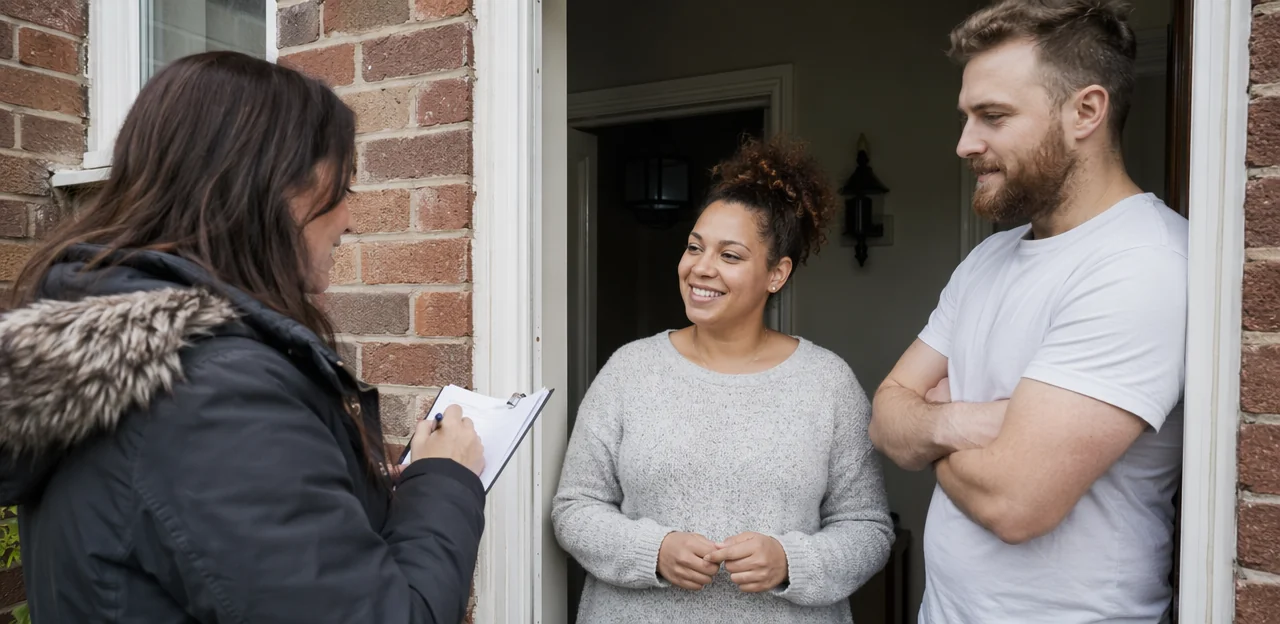
- In-person outreach: Valuable at community events, inspections, or tenancy visits.
Review response patterns regularly and adapt your housing communication channels by resident segment.
Send surveys at the moments that matter
To improve your resident feedback response rate, ask for feedback when the experience is still fresh. Well-timed transactional surveys feel more relevant, are easier to answer, and produce more accurate insights than generic quarterly questionnaires.
Focus your survey timing around key resident touchpoints, such as:
- After repairs: Send post-repair resident feedback requests within 24 hours to measure satisfaction with speed, communication, and quality of work.
- At move-in: Capture first impressions on onboarding, property condition, and key handover.
- At tenancy milestones: Check in after 3, 6, or 12 months to spot emerging issues before they escalate.
- After complaints are resolved: Measure whether the resident feels heard and whether the outcome met expectations.
- Following community events: Ask what residents valued and what would improve future attendance.
Keep each survey short, specific, and tied to one interaction for the best results.
Write invitations and reminders that increase opens
Strong invitations can raise your resident feedback response rate before anyone even sees the first question. Use these survey invitation best practices to increase survey open rates without creating fatigue:
- Write clear subject lines: Keep them short, specific, and relevant, such as “Tell us about your building experience” or “2-minute resident survey.”
- Use a respectful, human tone: Explain why feedback matters, how it will be used, and what residents can expect.
- Personalize where possible: Include the resident’s name, building, or recent service interaction to make the request feel relevant.
- Add a clear deadline: A realistic end date creates urgency and helps residents prioritize responding.
- Follow a simple survey reminder strategy: Send one reminder halfway through and a final reminder 24–48 hours before closing.
If you use tools like Tapsy, keep messages short and friction-free to match the fast feedback experience.
Build trust so residents feel feedback is worth giving

Explain why the survey matters and how data will be used
To improve your resident feedback response rate, tell residents exactly why the survey exists, what decisions it will influence, and how their input will be handled. Clear feedback transparency builds survey trust and reduces the fear that responses will be ignored or used unfairly.
- State the purpose upfront: Explain whether feedback will shape repairs, staffing, safety improvements, or community services.
- Address resident data privacy: Say what data is collected, whether responses are anonymous, and who can access them.
- Be clear about confidentiality: Separate personal details from survey answers where possible.
- Set expectations: Share what happens next, when results will be reviewed, and how updates will be communicated.
Tools like Tapsy can also help make collection and follow-up more transparent.
Close the loop with visible action
To improve your resident feedback response rate, residents need to see that their input leads to real change. When people feel heard, they are far more likely to respond again.
- Share results clearly: Publish short updates in email newsletters, noticeboards, portals, or resident apps summarising key themes and survey findings.
- Show what changed: Highlight specific improvements made, such as repairs completed, cleaning schedules adjusted, or communication processes improved. This is essential for acting on resident feedback.
- Thank residents openly: A simple thank-you message reinforces trust and supports a stronger resident engagement strategy.
- Report back regularly: Consistent updates help close the feedback loop and build confidence that participation matters.
Tools like Tapsy can also help teams capture feedback and communicate actions faster at key resident touchpoints.
Use incentives carefully and ethically
Survey incentives can lift your resident feedback response rate, especially for short pulse surveys, post-maintenance feedback, or hard-to-reach groups. The key is to use ethical incentives that encourage participation without influencing answers.
- Choose low-pressure rewards: small gift cards, prize draws, rent-account credits, or community perks often work best.
- Keep rewards modest: incentives should thank residents for their time, not feel coercive.
- Offer equal access: make sure all eligible residents have the same chance to participate, including offline options.
- Avoid bias: reward completion, not positive ratings or specific responses.
- Be transparent: clearly explain eligibility, deadlines, and how rewards are distributed.
Tools like Tapsy can support simple, fair reward flows that help increase resident participation without adding friction.
Measure, test, and improve your response rate strategy

Track the metrics behind survey performance
To improve your resident feedback response rate, measure each stage of the survey journey, not just final submissions. Strong survey performance metrics help you spot where residents drop off and what to optimize.
- Delivery rate: Confirms emails or SMS surveys are reaching residents successfully.
- Open rate: Shows whether your subject line, sender name, or timing is working.
- Click-through rate: Measures how many residents start the survey after opening.
- Completion rate: Tracks how many finish the survey once they begin.
- Partial completion: Reveals where questions feel too long, unclear, or irrelevant.
- Response rate by segment: Use response rate analysis by building, tenancy type, age group, or contact channel to identify patterns.
Review these metrics regularly to refine survey design, timing, and follow-up.
Segment results to find gaps and opportunities
Use survey segmentation to see who is responding and who is missing. A strong resident feedback response rate matters most when it reflects the full community, not just the easiest-to-reach residents.
Compare participation across:
- Property or scheme: identify buildings with low engagement or recurring service issues
- Tenure type: compare social rent, shared ownership, leasehold, or private rent
- Resident demographics: review age group, household type, and preferred language
- Channel: measure SMS, email, paper, phone, QR, or in-person response rates
- Service journey: track feedback after repairs, move-in, complaints, or tenancy changes
This helps you spot underrepresented voices, improve outreach, and collect more representative feedback. Tools like Tapsy can also help capture responses at key touchpoints.
Run simple tests to improve future surveys
A consistent survey improvement strategy starts with small, measurable experiments. Use A/B testing surveys to learn what drives a higher resident feedback response rate over time.
- Test subject lines: Compare clear, benefit-led wording against shorter, direct options.
- Test send times: Try weekday mornings, evenings, or just after key resident interactions.
- Test survey length: Measure completion rates for 3-question versus 8-question formats.
- Test channel mix: Compare email, SMS, QR codes in shared spaces, or a blended approach.
Track open rates, starts, completions, and drop-off points. Then apply the winning version to your next campaign to steadily optimize survey response rate and build a smarter long-term feedback process.
Create a practical housing feedback plan
Build a repeatable survey calendar
A clear survey calendar helps you collect insight regularly while protecting the resident feedback response rate from over-surveying. Build your resident feedback program around three layers:
- Annual surveys: Use once a year for broad satisfaction, trust, and priority themes.
- Pulse surveys: Send short pulse surveys monthly or quarterly to track changes on key issues.
- Transactional surveys: Trigger these after repairs, move-ins, inspections, or service requests.
Set rules for frequency, audience rotation, and survey length. Keep most surveys under 3–5 questions, and suppress invites when residents have recently responded.
Assign ownership across teams
Improving resident feedback response rate should never sit with one department alone. Strong feedback ownership comes from clear cross-team roles:
- Resident experience team: design surveys, monitor sentiment, and spot recurring themes.
- Housing operations: act on service issues, building standards, and day-to-day resident concerns.
- Repairs teams: close the loop quickly on maintenance feedback and update residents on progress.
- Communications: promote surveys, simplify messaging, and time requests effectively.
- Leadership: set targets, remove blockers, and hold teams accountable.
Shared dashboards, SLAs, and regular review meetings help every team contribute consistently.
Checklist of best practices to implement now
Use this survey best practices checklist to improve your resident feedback response rate quickly:
- Keep surveys short: aim for 3–5 questions and one optional comment box.
- Send requests at the right moment, such as after maintenance, move-in, or a service interaction.
- Make access easy with mobile-friendly links, QR codes, or touchpoint tools like Tapsy.
- Write clear reminders with one simple call to action.
- Offer a small incentive where appropriate.
- Close the loop: share what changed because residents responded.
This practical housing feedback checklist can help increase resident feedback response rate fast.
Conclusion
Improving your resident feedback response rate is not about sending more surveys—it’s about making feedback easier, faster, and more relevant at every stage of the resident journey. When housing providers keep surveys short, ask questions at the right moments, communicate the value of responding, and act visibly on the results, residents are far more likely to participate again. Clear timing, mobile-friendly formats, trust-building communication, and consistent follow-up all play a major role in turning occasional responses into ongoing engagement.
A stronger resident feedback response rate also leads to better decision-making. With more reliable input, housing teams can identify recurring maintenance issues, improve shared spaces, strengthen communication, and deliver a better overall resident experience. Just as importantly, closing the loop shows residents that their voices matter—building trust and encouraging future feedback.
The next step is to review your current survey process and identify where friction exists. Simplify your questions, test new channels such as SMS or QR codes, and monitor which touchpoints generate the highest engagement. If you need a practical way to capture in-the-moment feedback in housing environments, tools like Tapsy can help streamline the process.
Start small, measure results, and keep optimizing. The more accessible and actionable your approach becomes, the more your resident feedback response rate will grow.
Frequently Asked Questions
- Why is a higher resident feedback response rate important in housing?
A higher response rate gives housing teams a more representative view of resident experiences. It reduces the risk of decisions being shaped only by the most dissatisfied or most engaged residents. Better participation supports stronger service planning, faster operational decisions, and more reliable trend analysis.
- What usually causes low participation in resident surveys?
Common barriers include survey fatigue, poor timing, lack of trust, inaccessible formats, and unclear value. Residents are less likely to respond if they receive too many requests, struggle to use the survey on mobile, or believe nothing will change. Clear communication and lower-friction survey design help address these issues.
- What is considered a good resident survey response rate?
A good response rate depends on the survey type, channel, resident population, and level of trust. Short post-repair or move-in surveys may perform differently from annual satisfaction surveys. A practical approach is to compare similar properties, touchpoints, and audiences over time and focus on steady improvement.
- How long should a resident survey be to improve completion?
Most resident surveys should be short enough to finish in under two minutes. A strong target is usually 3 to 5 focused questions, with one optional comment box if needed. Keeping surveys concise reduces drop-off and makes them easier to complete on mobile devices.
- What makes survey questions more useful for housing teams?
Useful questions are specific, timely, and linked to a clear action or team. Starting with 1 to 3 rating-scale questions and adding one optional open-text question can capture both measurable feedback and context. It also helps to separate topics like repairs, safety, and communication instead of asking everything at once.
- How can housing providers make surveys more accessible and inclusive?
Surveys should use simple language, mobile-first design, and support for accessibility needs such as screen readers, readable font sizes, and strong color contrast. Offering translation options helps residents respond in their preferred language. Inclusive wording also avoids assumptions about household structure, identity, income, or background.
- Which feedback channels work best for different resident groups?
Different channels suit different audiences and situations. Email works well for detailed surveys, SMS is useful for short pulse surveys and repair follow-ups, and paper or phone can support residents with limited digital access. QR codes, portal messages, and in-person outreach can also help reach residents at the right moment.
- When should resident feedback requests be sent?
Feedback requests work best when they are tied to a recent experience. Good moments include within 24 hours after repairs, at move-in, at tenancy milestones, after complaints are resolved, or following community events. Timely surveys feel more relevant and usually produce more accurate responses.
- How should survey invitations and reminders be written?
Invitations should use clear subject lines, a respectful tone, and a simple explanation of why the feedback matters. Personalizing the message with a resident name, building, or recent service interaction can make it feel more relevant. A practical reminder approach is one follow-up halfway through and a final reminder 24 to 48 hours before closing.
- How do you build trust so residents feel feedback is worth giving?
Trust grows when residents understand the purpose of the survey, how their data will be used, and whether responses are anonymous or confidential. It also helps to explain what happens next and when updates will be shared. Transparency reduces concerns that feedback will be ignored or handled unfairly.
- What does it mean to close the feedback loop with residents?
Closing the loop means showing residents what was learned and what changed because of their feedback. Teams can share results through newsletters, noticeboards, portals, or apps and highlight specific improvements such as repairs completed or cleaning schedules adjusted. Regular updates make residents more likely to participate again.
- Should incentives be used to increase resident survey responses?
Incentives can help, especially for short pulse surveys, post-maintenance feedback, or harder-to-reach groups, but they should be used carefully. Rewards should be modest, available equally to eligible residents, and tied to completion rather than positive ratings. Clear rules on eligibility, deadlines, and distribution help keep the process fair.
- Which metrics should be tracked to improve survey performance?
It is useful to measure delivery rate, open rate, click-through rate, completion rate, and partial completion. These metrics show where residents drop off and what may need to be improved in timing, messaging, or survey design. Response rates should also be reviewed by segment to identify patterns across buildings, channels, or resident groups.
- Why is segmenting survey results important in housing?
Segmentation helps show who is responding and who is missing, so feedback reflects the full community rather than only the easiest-to-reach residents. Useful comparisons include property or scheme, tenure type, demographics, channel, and service journey. This makes it easier to spot underrepresented voices and improve outreach.
- How can tools like Tapsy help increase resident feedback response rates?
Tools like Tapsy can help reduce friction by making it easier to collect feedback at the point of experience. They can support approaches such as QR-based feedback and faster, in-the-moment responses at key housing touchpoints. Keeping the flow short, accessible, and tied to specific interactions helps improve participation.