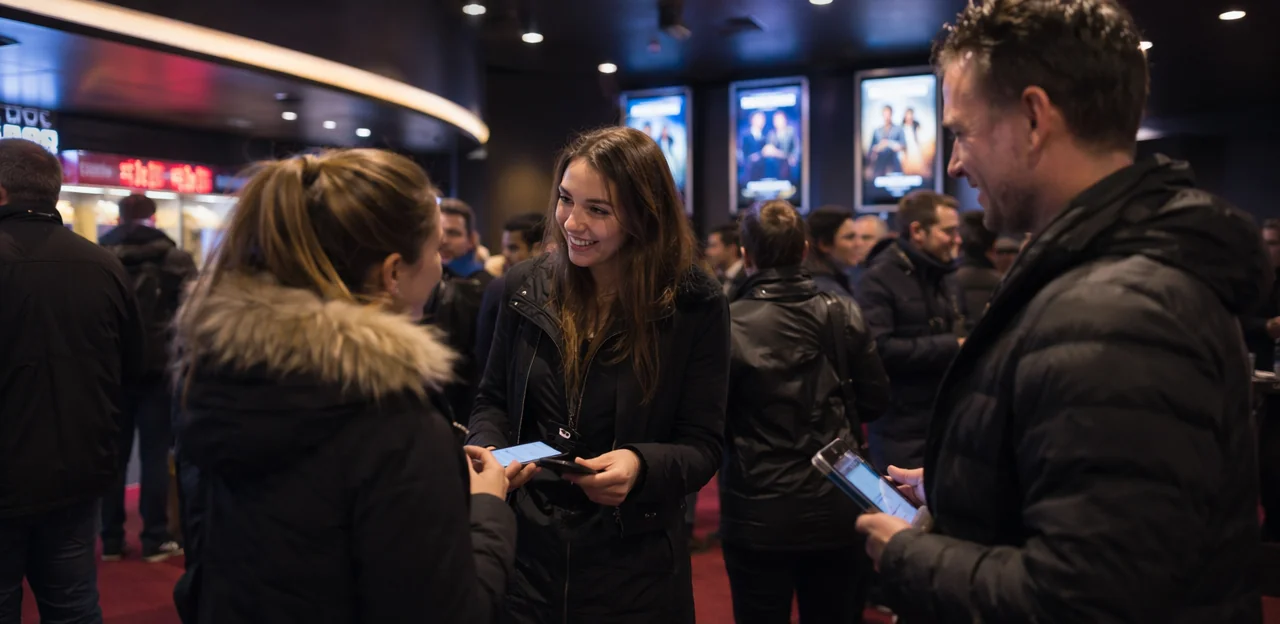
Opening weekend can make or break the momentum behind a new film, special screening, or live cinema event. Audiences arrive with high expectations, emotions run strong, and every detail, from ticketing and concessions to sound quality and seating comfort, shapes how they remember the experience. That is exactly why a well-planned cinema feedback campaign matters: it helps cinemas capture real audience reactions while the experience is still fresh and turn those insights into immediate improvements.
Whether you are launching a blockbuster premiere, hosting a themed marathon, or promoting a one-night event, feedback should be more than an afterthought. A smart cinema feedback campaign can reveal what delighted guests, what caused friction, and what encourages them to return for the next release. It can also help cinema teams respond quickly, protect reputation, and build stronger audience loyalty over time.
In this article, we will explore how to design a feedback campaign around a new release or event, including the best moments to ask for input, the right channels to use, and the types of questions that generate useful responses. We will also look at how tools such as QR codes, email follow-ups, and real-time engagement platforms like Tapsy can support a smoother, more actionable audience feedback strategy.
Why a cinema feedback campaign matters for new releases and events

Connect audience feedback to business and experience goals
A well-timed cinema feedback campaign helps cinemas turn audience opinions into practical improvements and measurable results. During a launch, premiere, themed screening, or live event, feedback reveals what guests expected, what delighted them, and where friction affected the audience experience or overall event experience.
- Understand expectations: Learn what matters most, from sound quality and seating comfort to queue times, food offers, and themed extras.
- Improve service fast: Spot recurring issues early and fix them before they lead to complaints or poor reviews.
- Support revenue goals: Use insights to refine upsells, concessions, premium packages, and future event programming.
- Build loyalty: When guests see changes based on their input, they are more likely to return and recommend your cinema.
Real-time tools such as Tapsy can make feedback collection faster and more actionable.
Identify the best moments to gather feedback
A strong cinema feedback campaign works best when you collect insights at multiple touchpoints, not just after the credits roll.
- Before booking or arrival: Use short polls on booking pages, confirmation emails, or social media to learn what audiences expect from the film, event format, pricing, or concessions.
- During the visit: Capture quick cinema customer feedback at natural pauses, such as after ticket collection, during intermission, or near concession areas, to spot service issues in real time.
- Immediately after the screening: Send a post-screening survey while the experience is fresh. Ask about picture and sound quality, comfort, staff, and overall enjoyment.
- Follow-up later: Email or SMS within 24–48 hours to gather deeper moviegoer feedback and measure likelihood to return or recommend.
Set campaign objectives and success metrics
Before launching a cinema feedback campaign, define clear, measurable outcomes so your team knows what success looks like. Focus on a small set of practical cinema survey metrics tied to the guest experience and business impact:
- Response rate: Set a target by channel, such as email, QR code, or in-venue prompt.
- Satisfaction score: Measure overall enjoyment of the film, event, seating, sound, and cleanliness.
- NPS for cinemas: Ask how likely guests are to recommend your cinema to friends or family.
- Concession feedback: Track ratings for food quality, speed of service, pricing, and queue times.
- Repeat visit intent: Measure whether attendees plan to return for another release or event.
Strong feedback campaign goals should be specific, time-bound, and easy to compare across screenings, formats, or audience segments.
Plan your cinema feedback campaign before launch

Segment audiences by release type and event format
Strong cinema audience segmentation makes every cinema feedback campaign more relevant and improves response quality. Match questions, timing, and incentives to the screening type:
- Blockbuster releases: Ask about trailers, queue times, premium formats, and concession speed to support film release marketing decisions.
- Family screenings: Keep surveys short and mobile-friendly; focus on seat comfort, child-friendly facilities, and snack bundles.
- Arthouse films: Use open-text prompts to capture nuanced reactions, programming preferences, and likely word-of-mouth.
- Live broadcasts: Measure sound, picture sync, and event atmosphere immediately after the screening.
- Fan events: Ask about merchandise, themed activations, cosplay, and community experience for richer event audience insights.
- Private screenings: Prioritise booking ease, hosting support, catering, and value perception.
Tools like Tapsy can help trigger real-time, format-specific feedback flows.
Choose the right channels for feedback collection
A strong cinema feedback campaign works best when you match channels to audience habits and timing. Use a mix of cinema survey channels to capture both instant reactions and more considered responses:
- Email surveys: Best sent a few hours after the screening for detailed feedback, especially from loyalty members and advance bookers.
- SMS survey for cinemas: Ideal within 1–2 hours of exit. Short links and high open rates make SMS perfect for quick ratings.
- QR code feedback: Place codes in-lobby, at concessions, and on seat-back cards to capture in-the-moment impressions.
- App notifications: Great for frequent guests who already engage with your cinema app.
- Website pop-ups: Useful right after ticket purchase or post-event browsing.
- Social media prompts: Best for buzz, reactions, and event-specific sentiment, but less reliable for structured data.
Tools like Tapsy can help streamline real-time, location-based collection.
Prepare staff, systems, and incentives
A strong cinema feedback campaign works best when teams and tools are aligned before opening night.
- Brief front-of-house teams: Train ushers, box office, and concessions staff to invite feedback at natural moments, such as ticket collection or after the screening. Strong cinema staff engagement increases trust and response rates.
- Connect your cinema CRM and ticketing system: Use booking data to trigger post-visit surveys by email or SMS, segment audiences by film, time slot, or event type, and personalise follow-ups.
- Keep incentives simple: Effective survey incentive ideas include a small discount on the next visit, bonus loyalty points, or entry into a prize draw.
- Track participation daily: Monitor completion rates and adjust staff prompts, timing, or reward messaging quickly.
Tools such as Tapsy can also support real-time, reward-led feedback collection.
Create survey questions that deliver useful audience insights

Ask about the full cinema and event experience
A strong cinema feedback campaign should measure the entire guest journey, not just the film itself. Keep your cinema experience survey short and focused by covering the moments that most affect movie theater customer satisfaction:
- Booking: Was online or in-person ticket purchase quick and easy?
- Arrival: Was parking, signage, and entry smooth?
- Queue times: How long did guests wait for tickets, concessions, or entry?
- Seating comfort: Were seats clean, comfortable, and easy to access?
- Screen and sound quality: Did picture clarity, brightness, and audio meet expectations?
- Concessions: Were food options, speed of service, and value satisfactory?
- Cleanliness: Were the lobby, screens, toilets, and seating areas well maintained?
- Staff helpfulness: Were team members friendly, visible, and able to resolve issues?
Use clear rating scales plus 1–2 open-ended event feedback questions to capture improvement ideas without increasing survey drop-off.
Capture release-specific and event-specific feedback
A strong cinema feedback campaign should go beyond generic satisfaction scores and ask what mattered for this title or occasion. Use short, targeted questions such as:
- Trailers and pre-show content: Did the trailers match the film or event audience? Were there too many ads before the main feature?
- Themed activations: Ask whether photo ops, props, themed food, or lobby experiences added value or felt gimmicky.
- Special guests: For a special event survey, measure how Q&As, cast appearances, or live introductions affected enjoyment.
- Premium formats: Capture new release feedback on IMAX, Dolby, 4DX, recliner seating, and whether the premium cinema experience felt worth the upgrade.
- Accessibility: Ask about captions, audio description, wheelchair access, sensory considerations, and ease of booking accessible seats.
- Expectations vs reality: Find out what guests expected before arrival and whether the event delivered.
Tools like Tapsy can help collect this feedback in real time while the experience is still fresh.
Balance quantitative scores with open-text responses
A strong cinema feedback campaign should blend structured data with audience voice. This gives you clear benchmarks while uncovering the “why” behind each score.
- Use rating scales to measure key moments consistently, such as booking, concessions, sound quality, seating comfort, and overall satisfaction.
- Add multiple-choice customer feedback questions to identify patterns fast, for example: “What most influenced your experience?” with options like trailers, staff service, screen quality, or crowd atmosphere.
- Include one or two open-comment prompts such as “What stood out most about the event?” or “How could we improve your next visit?”
Following survey design best practices, keep quantitative questions short and place open text at the end. Then use audience sentiment analysis to group comments into themes, helping your cinema spot measurable trends and richer emotional insights.
Promote the campaign and maximize response rates

Use on-site prompts and digital follow-ups
To increase survey response rate without interrupting the visit, build your cinema feedback campaign into natural touchpoints before guests leave and shortly after the show.
- Foyer signage: Place clear QR-code posters near exits, concessions, and ticket checks with a simple call to action.
- Screen slides: Run a short pre-show or end-card slide inviting guests to share post-visit feedback in under a minute.
- Receipts and tickets: Add a survey link or QR code to printed and digital receipts.
- Email reminders: Send a concise follow-up within 24 hours while the experience is fresh.
- App messages: Use push notifications sparingly to support your wider cinema marketing campaign.
Keep messaging short, mobile-friendly, and incentive-led where appropriate.
Personalize messaging for different audience segments
A stronger cinema feedback campaign starts with smart audience targeting. Different guests respond to different value propositions, so tailor your personalized survey invitations by segment:
- Families: Highlight shorter surveys, child-friendly rewards, or family ticket discounts.
- Cinema loyalty program members: Reference past visits, thank them for their loyalty, and offer bonus points or early access perks.
- Premium ticket buyers: Use more exclusive messaging focused on comfort, VIP service, or upgraded concessions.
- Event attendees: Mention the specific premiere, screening, or live event they attended, and offer incentives tied to similar future experiences.
Use CRM or booking data to match timing, tone, and rewards to each group for higher response rates and more useful feedback.
Avoid common feedback campaign mistakes
A strong cinema feedback campaign can fail if the experience feels frustrating or irrelevant. Follow these customer feedback best practices to avoid common survey mistakes:
- Keep surveys short: Limit questions to the essentials. Long forms reduce completion rates, especially after a film or event.
- Ask at the right moment: Send requests soon after the screening, while reactions are fresh, but avoid interrupting key moments like trailers or exit flow.
- Make incentives clear: If you offer a reward, explain exactly what guests get and when.
- Use a mobile-friendly feedback form: Most cinema guests respond on phones, so forms must load fast and be easy to tap through.
- Explain the value: Tell audiences how their feedback improves seating, snacks, programming, or event experiences.
Analyze results and turn feedback into action

Track patterns across screenings, formats, and audience groups
A strong cinema feedback campaign becomes far more useful when you compare results across key variables, not just overall ratings. Use cinema data analysis to break responses down by:
- Film title or event type: compare standard releases, live broadcasts, premieres, and themed nights
- Time slot: identify whether evening, matinee, or weekend screenings affect satisfaction
- Screen format: assess differences between IMAX, 3D, premium large format, and standard screens
- Customer segment: review feedback from families, loyalty members, students, or first-time visitors
This approach reveals audience feedback insights that highlight recurring issues, such as sound complaints in one format or lower service scores during peak sessions. Over time, these comparisons improve screening performance by guiding staffing, scheduling, pricing, and presentation decisions.
Prioritize improvements that impact satisfaction and revenue
Use your cinema feedback campaign to rank issues by two factors: how strongly they affect guest happiness and how often they influence spend or return visits. Focus first on changes that deliver fast, visible wins:
- Staffing: Add team members at peak times, retrain on queue management, and improve usher support.
- Concessions: Fix slow service, expand popular items, and test bundles that raise per-head spend.
- Seat comfort and accessibility: Replace damaged seats, improve legroom where possible, and act on hearing, wheelchair, and captioning feedback.
- Event programming: Use audience comments to shape themed screenings, Q&As, family sessions, or premium experiences.
- Communications: Clarify start times, parking, offers, and booking updates across email, SMS, and social.
This approach helps improve audience satisfaction, drives cinema operations improvement, and strengthens customer retention for cinemas.
Close the loop with audiences and internal teams
A strong cinema feedback campaign should not end when responses are collected. To close the feedback loop, share key findings with both customers and staff so people can see that feedback led to action. This builds customer trust and strengthens cinema team communication across front-of-house, concessions, and management.
- Thank respondents promptly: Send a short follow-up email, app message, or social post acknowledging their time.
- Share what you learned: Highlight common themes such as queue times, seat comfort, sound levels, or event pacing.
- Show what changed: Be specific: “We added more pre-show staff” or “We adjusted screening-day signage.”
- Brief internal teams: Give staff simple summaries and next steps so everyone delivers a consistent response.
Tools like Tapsy can help make this process faster and more visible.
Build a repeatable feedback strategy for future releases and events

Create a reusable campaign framework
Build your cinema feedback campaign around a repeatable system so each release or event is faster to launch and easier to compare.
- Create a feedback campaign template with fixed stages: pre-launch, opening weekend, mid-run, and post-event follow-up.
- Set a standard survey workflow for QR codes, email, SMS, and in-venue prompts, with triggers for each audience touchpoint.
- Prepare a survey question bank with core questions on booking, concessions, comfort, trailers, and overall satisfaction, plus event-specific add-ons.
- Use reporting dashboards to track response rate, sentiment, NPS, and recurring issues.
This structure strengthens your cinema marketing strategy while keeping campaigns consistent, scalable, and easy to adapt.
Integrate feedback with loyalty and audience development
A strong cinema feedback campaign should feed directly into your retention plan, not sit in a reporting dashboard. Use feedback to strengthen audience development, refine cinema loyalty marketing, and build a smarter customer engagement strategy.
- Segment audiences by behavior: Identify families, horror fans, premium-seat bookers, or event-goers, then tailor follow-up offers.
- Reward participation: Offer loyalty points, concession discounts, or early access to future screenings in exchange for feedback.
- Personalize re-engagement: Use survey responses to send relevant film recommendations, memberships, or event invitations.
- Spot growth opportunities: Track which experiences drive repeat visits and use that insight to shape long-term programming and membership campaigns.
Measure long-term campaign impact
To understand whether your cinema feedback campaign is driving meaningful change, track results beyond opening weekend. Use campaign performance measurement to compare pre- and post-change data over 30, 60, and 90 days.
- Monitor repeat attendance by checking how many guests return after programming, pricing, seating, or concession changes.
- Review star ratings, review volume, and sentiment themes to spot shifts in audience perception.
- Track customer satisfaction trends through follow-up surveys, NPS, and complaint resolution rates.
- Measure event performance over time, including ticket sales, occupancy, spend per head, and audience engagement for similar screenings.
If possible, use a tool like Tapsy to centralize feedback and sentiment data for easier trend analysis.
Conclusion
A successful cinema feedback campaign can do far more than collect opinions—it can shape a better audience experience, strengthen loyalty, and help cinemas make smarter decisions around every new release or special event. By setting clear goals, choosing the right touchpoints, asking concise and relevant questions, and acting on feedback quickly, cinemas can turn one-off visits into lasting relationships. Timing also matters: gathering responses before, during, and after the event gives a fuller picture of what audiences truly value, from booking and concessions to sound, seating, and overall atmosphere.
Most importantly, the best cinema feedback campaign doesn’t end when the survey closes. The real value comes from analyzing trends, responding to issues, and using insights to improve future screenings, premieres, and themed events. When guests feel heard, they are more likely to return, recommend your venue, and engage again.
Now is the time to put your strategy into action. Build a simple feedback flow, promote it across your customer journey, and review results consistently after each release or event. If you want to streamline real-time engagement and audience insights, tools like Tapsy can help support a more interactive approach. For best results, create a repeatable campaign template, track performance over time, and keep refining your audience experience with every showing.
Frequently Asked Questions
- What is a cinema feedback campaign?
A cinema feedback campaign is a structured way to collect audience reactions around a new release, special screening, or live event. It helps cinemas understand what guests expected, what worked well, and where friction affected the experience.
- Why is feedback especially important during opening weekend or a special event?
Opening weekend and one-off events carry high expectations, and small issues can shape how guests remember the visit. Fast feedback helps cinema teams fix problems quickly, protect reputation, and improve the audience experience while momentum is still building.
- When should cinemas ask guests for feedback?
The strongest approach collects feedback at multiple moments before, during, and after the visit. Useful touchpoints include booking pages, confirmation emails, intermission, concession areas, immediately after the screening, and follow-ups within 24–48 hours.
- Which metrics should a cinema track in a feedback campaign?
Useful metrics include response rate, satisfaction score, NPS for cinemas, concession feedback, and repeat visit intent. These measures help teams compare performance across channels, screenings, formats, and audience segments.
- How should feedback campaigns differ for blockbuster releases, family screenings, and live broadcasts?
Different formats need different questions, timing, and incentives. Blockbusters may focus on queues and premium formats, family screenings should stay short and mobile-friendly, and live broadcasts should measure sound, picture sync, and atmosphere right after the event.
- What feedback channels work best for cinemas?
A mix of channels usually works best because each one suits a different moment. Email surveys are useful for detailed responses, SMS is strong for quick ratings soon after exit, QR codes capture in-the-moment feedback, and app notifications or website prompts can support regular guests.
- How can cinema staff help improve response rates?
Front-of-house teams can invite feedback at natural moments such as ticket collection or after the screening. Clear staff briefings, daily participation tracking, and aligned systems make the process more consistent and increase trust with guests.
- What incentives can encourage more guests to complete a cinema survey?
Simple incentives work best, such as a small discount on the next visit, bonus loyalty points, or entry into a prize draw. The reward should be clearly explained so guests know exactly what they will receive and when.
- What questions should a cinema survey include?
A useful survey covers the full guest journey, including booking, arrival, queue times, seating comfort, screen and sound quality, concessions, cleanliness, and staff helpfulness. It should also include one or two open-ended prompts to capture improvement ideas without making the survey too long.
- How can cinemas collect feedback that is specific to a release or event?
Add targeted questions about trailers, pre-show content, themed activations, special guests, premium formats, accessibility, and whether expectations matched reality. These prompts reveal what mattered for that specific title or event instead of relying only on general satisfaction scores.
- Should a cinema survey use ratings, multiple-choice questions, or open comments?
The best surveys combine all three in a balanced way. Rating scales create consistent benchmarks, multiple-choice questions help identify patterns quickly, and open comments explain why guests felt the way they did.
- How can cinemas promote a feedback campaign without disrupting the guest experience?
Use natural touchpoints such as foyer signage, screen slides, receipts, tickets, email reminders, and occasional app messages. Messaging should stay short, mobile-friendly, and timed so it does not interrupt trailers, the screening, or exit flow.
- What common mistakes reduce cinema survey completion rates?
Long surveys, poor timing, unclear incentives, and forms that do not work well on phones can all reduce participation. It also helps to explain why feedback matters, such as improving seating, snacks, programming, or event experiences.
- How should cinemas analyze feedback after a release or event?
Results are more useful when compared across film title or event type, time slot, screen format, and customer segment. This makes it easier to spot recurring issues, prioritize improvements, and guide decisions on staffing, scheduling, pricing, and presentation.
- How can tools like Tapsy support a cinema feedback campaign?
Tools like Tapsy can support real-time, location-based, and format-specific feedback collection. They can also help streamline reward-led participation, centralize sentiment data, and make follow-up actions more visible to teams and audiences.