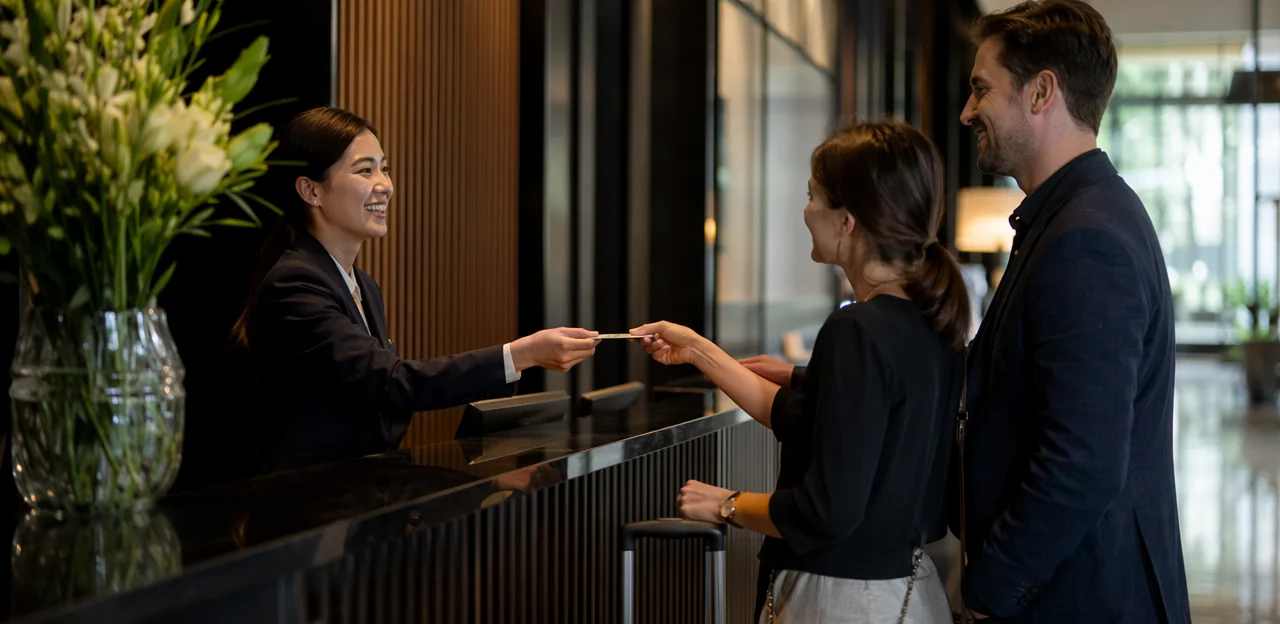
A great stay can be undone by one unresolved issue. A noisy room, a slow check-in, or a missed housekeeping request may seem minor at first, but if hotels only learn about it after departure, the chance to recover the experience is already gone. That is why in stay feedback is becoming essential for modern hospitality brands focused on service recovery, loyalty, and stronger guest relationships.
Unlike traditional customer feedback surveys sent after checkout, in-stay feedback helps hotels capture concerns while guests are still on property and willing to engage. With the right guest feedback tool or guest feedback software, teams can spot problems early, respond faster, and turn potential dissatisfaction into a positive impression. From a simple digital feedback form to more advanced customer feedback tools powered by AI and analytics, hotels now have better ways to collect meaningful customer feedback and actionable user feedback in real time.
This article explores how in-stay feedback works, why it matters for guest experience, and how hotels can use the right systems and processes to fix issues before checkout. It will also look at the role of technology, staff response, and data-driven insight in creating faster resolutions, better reviews, and more memorable stays.
Why In-Stay Feedback Matters in Modern Hotel Operations
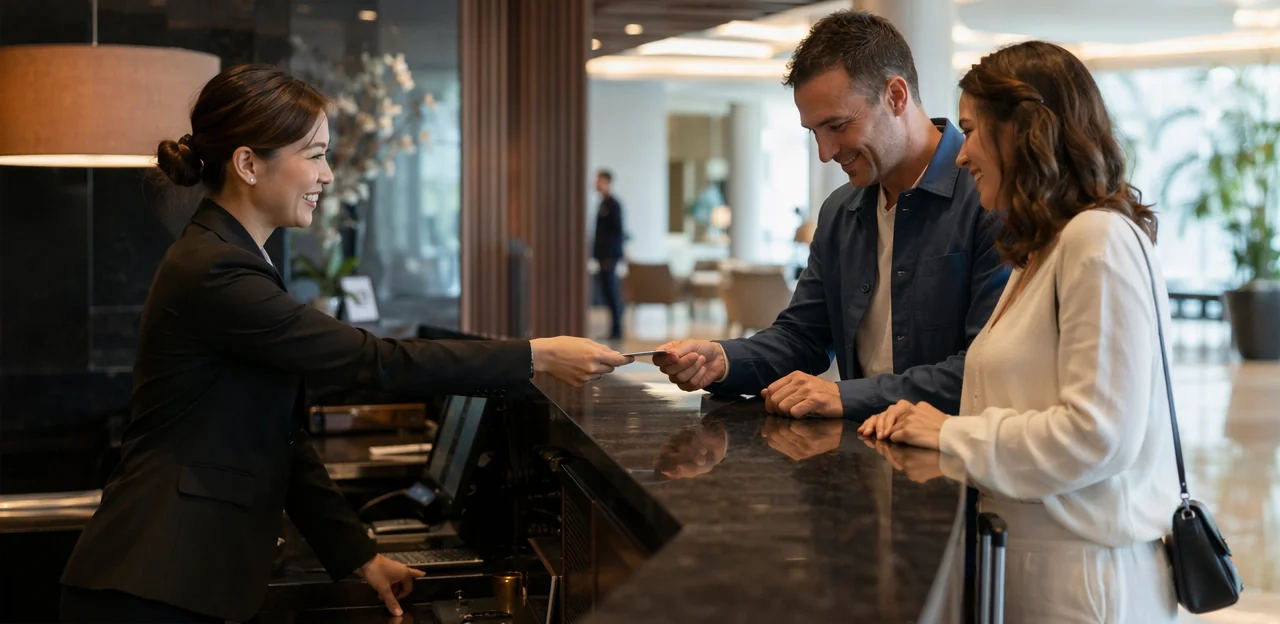
What in stay feedback means for hotels
In stay feedback is guest input collected during the hotel experience, not after departure. Instead of waiting for post-stay reviews or traditional customer feedback surveys sent by email, hotels gather real-time customer feedback at key touchpoints, such as check-in, after housekeeping, or following a restaurant visit.
This matters because problems are still fixable while the guest is on property. With the right guest feedback tool or guest feedback software, teams can spot issues early and recover service before checkout.
- Post-stay reviews are public and often too late to resolve the issue.
- Customer feedback surveys sent later usually have lower response rates.
- An in-room feedback form or mobile prompt captures immediate user feedback.
- Modern customer feedback tools help staff act fast, improve satisfaction, and protect reputation.
The cost of waiting until checkout
When hotels wait until checkout or post-stay customer feedback surveys, they lose the chance to fix problems while the guest is still on property. A slow user feedback loop turns small service issues into lasting damage to the guest experience.
- Unresolved complaints become public reviews: A room issue, slow service, or cleanliness concern may end up on Google or OTA sites instead of being solved privately.
- Recovery opportunities disappear: Without in stay feedback, staff cannot act fast with a room move, amenity, or apology.
- Repeat business drops: Guests who feel ignored rarely return, even if they never submit a formal feedback form.
Hotels need a real-time guest feedback tool or guest feedback software to capture customer feedback early, support service recovery, and protect loyalty. The right customer feedback tools help teams act before frustration becomes reputation loss.
How real-time feedback supports service recovery
In stay feedback gives hotels a chance to solve problems while the guest is still on property, not after checkout when the damage is already done. With a responsive guest feedback tool or guest feedback software, teams can capture customer feedback through a quick feedback form, QR code, or room-based prompt and trigger instant alerts to the right department.
- A housekeeping complaint can be routed immediately for a room refresh.
- A dining issue can prompt a manager visit before the next meal period.
- A maintenance problem can be escalated before it affects the full stay.
- Poor user feedback scores can trigger proactive follow-up from guest services.
Unlike delayed customer feedback surveys, real-time customer feedback tools support faster service recovery, reduce negative reviews, and increase the chances of turning a frustrated guest into a loyal one.
How Hotels Collect In-Stay Feedback Effectively

Best channels for gathering guest input
To make in stay feedback useful, hotels should match the channel to the guest moment and keep every feedback form short, mobile-friendly, and easy to complete.
- SMS links: Best after check-in or after a service interaction. SMS gets seen quickly and works well for fast customer feedback surveys like “How was your arrival?”
- QR codes: Ideal in rooms, elevators, restaurants, and spa areas. Guests can scan and open a mobile web feedback form instantly, making this a low-friction guest feedback tool.
- In-room tablets: Best for full-stay service requests, issue reporting, and richer user feedback while guests are relaxing in the room.
- Messaging apps: Great for real-time customer feedback and service recovery during the stay.
- Email prompts: Better for mid-stay check-ins or longer comments, especially for business travelers.
- Mobile web forms: Flexible and effective across all touchpoints, especially when powered by guest feedback software or broader customer feedback tools such as Tapsy.
Designing short, high-response customer feedback surveys
Effective in stay feedback depends on keeping every feedback form fast, relevant, and easy to complete. The best customer feedback surveys take under 30 seconds and focus on issues staff can fix before checkout.
- Use 2-4 questions max: Start with one rating question, one diagnostic question, and one optional open-text field.
- Choose simple rating scales: A 1-5 satisfaction scale works well for room comfort, cleanliness, or service speed. Use consistent scales across your guest feedback software for cleaner reporting.
- Ask actionable questions: Focus on areas teams can resolve immediately, such as noise, housekeeping, Wi-Fi, or breakfast experience.
- Add a targeted open prompt: Use prompts like, “What can we improve right now?” to capture useful user feedback without overwhelming guests.
- Time it well: Send or trigger surveys after check-in, after first service use, or midway through the stay via a guest feedback tool or other customer feedback tools.
Short surveys generate better customer feedback and faster service recovery.
Choosing the right guest feedback software
To make in stay feedback effective, hotels need a guest feedback software platform that helps teams spot issues early and act fast, not just collect comments after departure. The best systems turn every response into a service recovery opportunity.
When comparing a guest feedback tool, look for:
- Automation: Send the right customer feedback surveys at key moments, such as after check-in, room service, or spa visits.
- Multilingual support: Essential for international guests so more people can complete a feedback form comfortably.
- Integrations: Connect with PMS, CRM, POS, and ticketing systems to turn customer feedback into action.
- Mobile usability: Guests should be able to share user feedback easily on their phones without friction.
- Analytics: Strong dashboards help teams identify trends, recurring complaints, and satisfaction patterns.
- Real-time alerting: Immediate notifications let staff resolve problems before checkout.
The right customer feedback tools do more than gather data—they enable faster decisions, better recovery, and stronger guest loyalty.
Turning Feedback Into Fast Operational Action

Routing issues to the right teams in real time
Effective in stay feedback only works when each response reaches the team that can act on it immediately. A strong guest feedback software setup should route issues by category, location, and urgency so nothing sits unnoticed.
- Front desk: room change requests, billing concerns, noise complaints
- Housekeeping: missed cleaning, extra towels, minibar restocking
- Maintenance: broken AC, plumbing leaks, lighting or Wi-Fi failures
- Food and beverage: late room service, incorrect orders, dietary issues
- Management: repeat complaints, low satisfaction scores, VIP escalations
The best guest feedback tool uses workflows and escalation rules to turn a simple feedback form into action. For example, urgent customer feedback can trigger instant alerts, while unresolved user feedback escalates to supervisors after set time limits. Integrated customer feedback tools and customer feedback surveys help hotels respond faster, recover service, and protect guest satisfaction before checkout.
Closing the loop with guests before checkout
Collecting in stay feedback only creates value when hotels act on it visibly and quickly. To strengthen guest experience and support effective service recovery, teams should close the loop before departure:
- Acknowledge concerns fast: When customer feedback arrives through a guest feedback tool, feedback form, or guest feedback software, respond within minutes with a clear thank-you and apology where appropriate.
- Share progress updates: Let guests know what is being done, who is handling it, and when they can expect a fix. This turns user feedback into reassurance instead of frustration.
- Confirm resolution: Before checkout, verify that the issue was solved and ask if anything else is needed. Short follow-ups or targeted customer feedback surveys can help.
Proactive communication builds trust, shows genuine care, and helps customer feedback tools deliver better outcomes.
Using AI and analytics to prioritize recovery
AI & analytics turn in stay feedback into clear recovery priorities instead of a backlog of comments. A modern guest feedback tool or guest feedback software can analyze customer feedback surveys, open-text responses, and each feedback form in real time to:
- detect sentiment and urgency
- categorize complaints by theme, such as cleanliness, noise, Wi-Fi, or staff service
- identify repeat issues by room type, shift, or location
- flag high-risk stays based on negative language, low scores, or repeated user feedback
This helps teams act faster and more consistently. For example, if customer feedback shows multiple complaints about air conditioning on one floor, maintenance can be dispatched before more guests are affected. Dashboards from customer feedback tools also help managers route issues to the right department, set response SLAs, and track whether recovery actions improve satisfaction over time.
Common Hotel Use Cases for In-Stay Feedback

Room quality, cleanliness, and maintenance issues
Effective in stay feedback helps hotels catch room problems while there is still time to fix them. A simple mobile feedback form sent shortly after check-in, or triggered by a QR/NFC guest feedback tool, can surface issues before they damage the guest experience.
- Ask targeted questions about noise, HVAC performance, Wi-Fi speed, cleanliness, and missing amenities.
- Route responses through guest feedback software to housekeeping, maintenance, or the front desk in real time.
- Use customer feedback surveys with photo upload options so staff can verify problems quickly.
- Track recurring user feedback to spot patterns and improve service standards across rooms.
Fast action on customer feedback turns complaints into service recovery and better reviews.
Food, beverage, and amenity experience monitoring
In stay feedback helps hotels fix service gaps while guests are still using on-property amenities, not after checkout when recovery is too late. A well-timed guest feedback tool can trigger short customer feedback surveys after breakfast, dinner, spa treatments, or pool visits, turning live user feedback into immediate action.
- Send a simple feedback form via QR, NFC, or SMS right after the experience.
- Use guest feedback software to alert staff instantly about cold food, slow service, limited breakfast options, or spa cleanliness concerns.
- Route customer feedback to the right team so managers can resolve issues during the stay.
- Track patterns with customer feedback tools to improve menus, staffing, amenity quality, and repeat satisfaction.
This workflow makes service recovery faster, more personal, and more effective.
VIP, group, and long-stay guest management
For VIPs, corporate travelers, event attendees, and extended-stay guests, in stay feedback has a higher recovery value because one resolved issue can protect significant revenue and loyalty. Hotels can use guest feedback software and other customer feedback tools to flag priority guests, route alerts instantly, and personalize service before dissatisfaction escalates.
- Trigger customer feedback surveys by segment: VIP, group block, business traveler, or long-stay guest.
- Use a simple feedback form or mobile guest feedback tool after key moments like check-in, first night, meeting setup, or housekeeping.
- Turn user feedback and broader customer feedback into tailored follow-up, such as room changes, amenity recovery, workspace adjustments, or event support.
This approach strengthens the overall guest experience while helping teams act fast where it matters most.
Best Practices for Higher Response Rates and Better Data

When to ask for feedback during the stay
Timing is what makes in stay feedback useful rather than reactive. Ask at moments when guests can still benefit from a fix:
- After check-in: Send a short feedback form within 30–60 minutes to catch room, cleanliness, or arrival issues early.
- After the first night: This is ideal for deeper customer feedback on sleep quality, noise, temperature, and comfort.
- After dining or spa use: Trigger quick customer feedback surveys while the experience is fresh and specific.
- After a service interaction: Housekeeping, maintenance, or concierge requests are perfect moments for user feedback.
The best guest feedback tool or guest feedback software uses these timing triggers to improve response quality, make customer feedback tools more actionable, and support faster service recovery.
How to ask questions guests will actually answer
Strong in stay feedback starts with a short, clear, mobile-first feedback form that feels easy to complete in the moment. To improve response rates and get better customer feedback, focus on:
- Keep the tone human: Use friendly, conversational wording instead of formal survey language.
- Be brief: Ask 2–4 focused questions so guests do not abandon the form.
- Personalize by touchpoint: Tailor prompts to housekeeping, breakfast, check-in, or spa visits.
- Design for mobile: Large buttons, one-tap ratings, and minimal typing help any guest feedback tool perform better.
Simple customer feedback surveys generate more useful user feedback because guests answer faster and more honestly. The best guest feedback software and customer feedback tools remove friction, helping hotels capture clearer insights before checkout.
Privacy, consent, and data handling considerations
Trust is essential to effective in stay feedback. Hotels should explain what data a feedback form, customer feedback surveys, or guest feedback tool collects, why it is needed, and how long it will be stored. Clear opt-in language helps guests feel in control, especially when a guest feedback software or customer feedback tools request contact details for follow-up.
- Use transparent consent notices before collecting user feedback or personal data.
- Keep customer feedback requests proportionate: only ask for information needed to resolve issues.
- Secure all feedback data with access controls, encryption, and defined retention policies.
- Choose guest feedback software that supports compliance and protects brand credibility.
Responsible customer feedback practices strengthen trust, improve response quality, and reinforce a hotel’s reputation.
Measuring Success and Building a Long-Term Feedback Strategy

Key metrics hotels should track
To make in stay feedback actionable, hotels should monitor a focused set of KPIs tied to service recovery and revenue goals:
- Response rate: Measure how many guests complete a feedback form or short customer feedback surveys through your guest feedback tool.
- Resolution time: Track how quickly teams acknowledge and fix issues after customer feedback is submitted.
- Issue category trends: Use AI & analytics in guest feedback software to spot recurring themes like housekeeping, Wi-Fi, or noise.
- Recovery satisfaction: Ask for quick user feedback after a fix to confirm the guest feels heard.
- Review improvement: Compare post-stay ratings and public reviews before and after using customer feedback tools.
- Repeat booking impact: Link resolved complaints to rebookings, loyalty sign-ups, and lifetime value.
Connecting in-stay insights to post-stay improvement
To turn in stay feedback into lasting operational gains, hotels should combine real-time responses with reviews, customer feedback surveys, and internal service reports. This creates a fuller picture of where issues begin, how often they happen, and which teams need support.
- Compare in-stay comments with post-stay reviews to spot recurring service gaps.
- Use guest feedback software and other customer feedback tools to tag themes like housekeeping delays, check-in friction, or breakfast quality.
- Match each feedback form submission and user feedback trend with staffing levels, shift patterns, and incident logs.
- Turn insights into better training, smarter scheduling, and service redesign.
A strong guest feedback tool or Tapsy-style workflow helps hotels act on customer feedback before problems become repeat complaints.
Creating a culture of proactive guest experience
Turning in stay feedback into a lasting advantage starts with culture, not just technology. Hotels that excel treat every response as a chance to improve guest experience and strengthen service recovery before checkout.
- Lead from the top: Managers should review customer feedback daily and act on patterns surfaced by a guest feedback tool or guest feedback software.
- Train staff to respond fast: Teams need clear playbooks for handling issues raised through a feedback form, user feedback, or short customer feedback surveys.
- Build accountability: Assign owners to each issue, track resolution times, and use customer feedback tools to close the loop with guests.
This makes feedback an operational habit, not a one-off tactic.
Conclusion
In today’s hospitality landscape, waiting until checkout to learn what went wrong is simply too late. A strong in stay feedback strategy gives hotels the chance to spot service gaps early, respond in real time, and turn potential complaints into positive guest experiences. Whether it’s a room issue, a dining concern, or a missed expectation, timely customer feedback helps teams recover faster, protect reviews, and build loyalty before the guest leaves the property.
The most effective approach combines simple, accessible touchpoints with the right guest feedback tool or guest feedback software to make sharing easy. From a quick digital feedback form to targeted customer feedback surveys, hotels can gather meaningful user feedback without adding friction to the guest journey. With modern customer feedback tools, teams can also track patterns, prioritize urgent issues, and use insights to improve operations over time.
The next step is clear: review your current process, identify where guests can share concerns during their stay, and implement an in stay feedback system that supports immediate action. Explore best practices for service recovery, train staff to respond quickly, and consider solutions such as Tapsy if you want a simple, real-time way to capture and act on guest insight. Hotels that listen sooner are the ones guests remember longer.
Frequently Asked Questions
- What is in-stay feedback in a hotel?
In-stay feedback is guest input collected during the stay rather than after departure. Hotels use it at moments like check-in, after housekeeping, or after dining so issues can be fixed before checkout.
- Why is in-stay feedback more useful than post-stay surveys?
It gives hotel teams a chance to recover service while the guest is still on property. Post-stay reviews and delayed surveys often arrive too late to solve the problem and may have lower response rates.
- What kinds of guest issues can hotels resolve through real-time feedback?
Hotels can address room noise, missed housekeeping, broken AC, Wi-Fi failures, slow service, dining problems, and cleanliness concerns. Real-time alerts help the right team respond before the issue affects the full stay.
- Which channels work best for collecting in-stay feedback?
Useful channels include SMS links, QR codes, in-room tablets, messaging apps, email prompts, and mobile web forms. The best choice depends on the guest moment, but each option should be short, mobile-friendly, and easy to complete.
- How long should an in-stay feedback survey be?
The most effective surveys take under 30 seconds and usually include only 2 to 4 questions. A simple structure is one rating question, one diagnostic question, and one optional open-text field.
- What questions should hotels ask in an in-stay feedback form?
Hotels should ask about issues staff can fix immediately, such as room comfort, cleanliness, noise, Wi-Fi, or breakfast experience. A targeted prompt like "What can we improve right now?" can capture useful comments without creating friction.
- What features should hotels look for in guest feedback software?
Key features include automation, multilingual support, integrations with systems like PMS or CRM, strong mobile usability, analytics, and real-time alerts. The goal is not just to collect comments but to turn responses into fast operational action.
- How should hotels route guest feedback to the right department?
Issues should be routed by category, location, and urgency. Front desk teams can handle room changes and billing, housekeeping can address cleaning requests, maintenance can fix technical problems, and management can take repeat complaints or VIP escalations.
- What does it mean to close the loop with guests before checkout?
Closing the loop means acknowledging the concern quickly, sharing progress updates, and confirming the issue was resolved before departure. This shows the guest that the hotel listened and acted, which supports trust and service recovery.
- How can AI and analytics improve in-stay service recovery?
AI and analytics can detect sentiment, identify urgency, categorize complaints, and flag repeat issues by room type, shift, or location. That helps managers prioritize the most important problems and dispatch teams before more guests are affected.
- When is the best time to ask guests for feedback during their stay?
Strong moments include 30 to 60 minutes after check-in, after the first night, after dining or spa use, and after a service interaction. These touchpoints make feedback more actionable because guests can still benefit from a fix.
- How can hotels increase response rates for in-stay feedback?
Hotels can improve response rates by keeping forms short, using a human tone, personalizing questions by touchpoint, and designing for mobile with large buttons and one-tap ratings. Reducing effort makes guests more likely to respond honestly and quickly.
- How can in-stay feedback help with food, beverage, and amenity experiences?
Hotels can trigger short surveys after breakfast, dinner, spa treatments, or pool visits to catch service gaps while the experience is still happening. Staff can then respond to issues like cold food, slow service, or cleanliness concerns during the stay.
- Why is in-stay feedback especially important for VIP, group, and long-stay guests?
These segments have higher recovery value because one resolved issue can protect significant revenue and loyalty. Hotels can trigger feedback by guest segment and use the responses to provide tailored follow-up such as room changes, workspace adjustments, or event support.
- What metrics should hotels track to measure the success of an in-stay feedback program?
Hotels should monitor response rate, resolution time, issue category trends, recovery satisfaction, review improvement, and repeat booking impact. These metrics show whether feedback is being captured, acted on quickly, and translated into better guest outcomes.