
A delivery isn’t finished when the package reaches the doorstep—it’s finished when the customer decides the experience was good enough to trust again. In home delivery, that final impression is shaped by the details customers notice immediately: Was the order on time? Was it accurate? Did the packaging arrive intact? Was the handoff smooth and professional? These moments define delivery quality, yet many businesses still rely on delayed surveys or complaints to understand what went wrong.
That’s why last mile feedback has become such an important part of the customer experience. By collecting feedback after every order, businesses can capture honest reactions while the experience is still fresh, spot recurring issues faster, and respond before dissatisfaction turns into churn. Instead of guessing whether a problem came from fulfillment, packaging, or the driver handoff, teams can measure what actually happened on each delivery.
This article explores how to build a smarter feedback loop for home delivery, what metrics matter most after every order, and how real-time insights can improve both operational performance and customer loyalty. We’ll also look at practical ways brands can gather post-delivery feedback efficiently, including tools like Tapsy, which help teams turn every order into a measurable quality checkpoint.
Why last mile feedback matters in home delivery
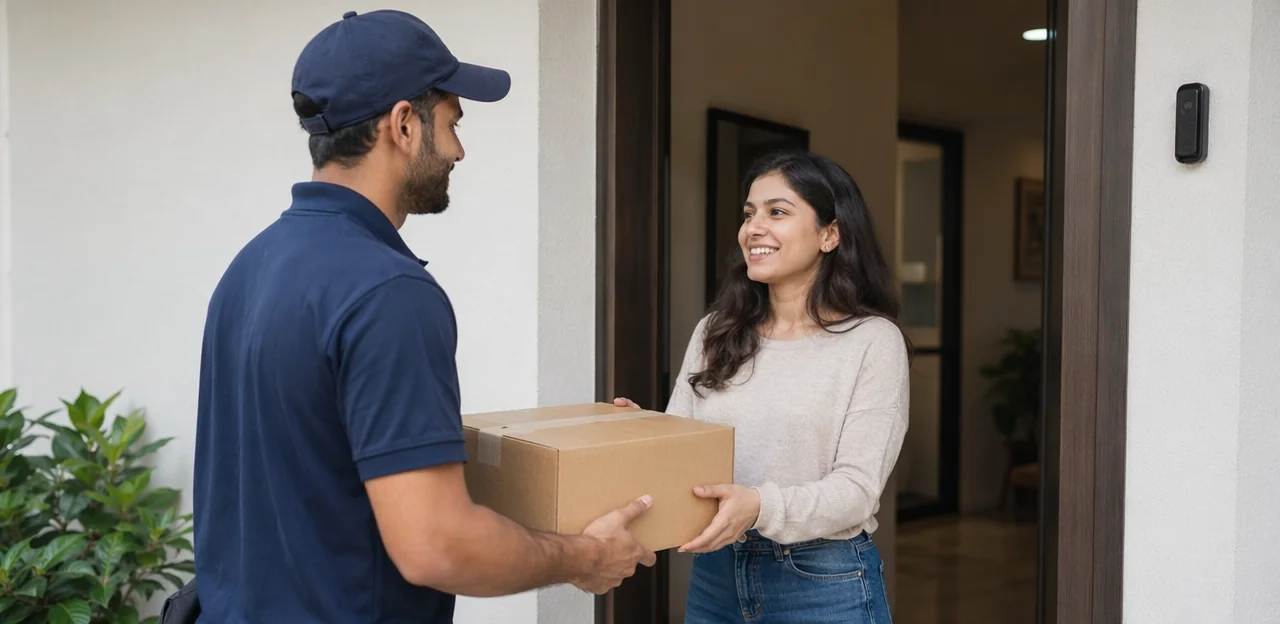
The last mile as the defining customer experience moment
The final handoff is often what customers remember most. Warehousing, routing, and dispatch may matter operationally, but the delivery experience is judged by what the customer actually sees at the door.
- On-time arrival: Meeting the promised window builds trust instantly.
- Clear communication: Accurate ETAs, delay alerts, and delivery confirmation reduce frustration.
- Driver professionalism: Courtesy, appearance, and careful handoff shape brand perception.
- Package condition: Damaged, missing, or poorly handled items can outweigh an otherwise smooth order journey.
That is why last mile feedback is essential. Capture feedback after every order to identify patterns by driver, route, or time slot and improve the moments that define the overall customer experience.
What delivery quality really means after every order
Delivery quality is the full customer outcome, not just a package marked “delivered.” Strong last mile feedback should measure the parts of order delivery performance customers actually notice:
- Timeliness: Did it arrive in the promised window?
- Accuracy: Were the right items, quantities, and instructions followed?
- Communication: Were updates clear, timely, and helpful?
- Convenience: Was the handoff easy, safe, and friction-free?
- Proof of delivery: Is there reliable confirmation, photo, or signature?
- Issue resolution: If something went wrong, was it fixed quickly?
Useful post-delivery feedback turns these signals into action, helping teams improve true delivery quality instead of relying on delivery status alone.
Business risks of not collecting feedback consistently
Without consistent last mile feedback, delivery teams operate on assumptions instead of evidence. That creates costly blind spots:
- Hidden service failures: Missed, damaged, or late orders go unreported until delivery complaints pile up on review sites or social media.
- Higher support costs: Delayed feedback turns simple recovery into refunds, repeat contacts, and escalations.
- Lower customer retention: Unresolved delivery service issues quietly push customers to competitors before your team sees the pattern.
- Bad performance decisions: Without order-level insight, businesses may misjudge carrier, route, or driver performance and fix the wrong problem.
To reduce risk, collect feedback after every order and trigger fast alerts for low ratings. Tools like Tapsy can help capture issues while the experience is still fresh.
What to measure with a last mile feedback program
Core metrics to track after every delivery
To make last mile feedback useful, track both operational delivery KPIs and customer-reported experience metrics. Operational KPIs show what happened; feedback shows how the customer felt about it.
- Delivery satisfaction score: an overall rating of the delivery experience, useful for spotting trends fast.
- CSAT delivery: measures satisfaction with a specific order, usually right after drop-off.
- NPS: shows long-term loyalty by asking how likely customers are to recommend your service.
- On-time delivery perception: compares internal punctuality data with whether the customer felt the order arrived on time.
- First-attempt success: tracks whether delivery was completed without reattempts or failed handoffs.
- Communication quality: measures updates, ETA accuracy, and driver communication clarity.
- Issue rate: captures damaged items, missing products, wrong orders, or poor handoff experiences.
Review these metrics by route, driver, time slot, and location to turn feedback into action.
Questions that reveal real delivery quality issues
To make last mile feedback useful, keep each post-purchase survey short and tied to the specific order while the experience is still fresh. The best delivery survey questions uncover exact friction points your team can fix fast:
- Was the delivery on time?
Use a simple yes/no or 1–5 scale, then ask for the reason if late. - Was the package handled carefully?
Identify damage, leaks, crushed items, or poor packaging. - Was the driver courteous?
Measure professionalism, communication, and handoff quality. - Was tracking accurate?
Find gaps between ETA updates and the actual arrival time.
Add one optional open-text field: “What went wrong?” This keeps your customer feedback survey high-response while still capturing detail. Tools like Tapsy can help trigger fast, order-level feedback and route issues for recovery.
Balancing quantitative scores with qualitative comments
Strong last mile feedback programs combine numbers with context. Ratings show patterns at scale, while qualitative feedback explains why scores rise or fall. A 3.8/5 delivery rating may signal a problem, but only comments reveal whether the issue was lateness, unclear driver updates, damaged packaging, or ignored drop-off instructions.
To turn delivery feedback data into action:
- Track score trends by route, driver, time slot, and location
- Use customer comments analysis to tag recurring themes:
- Lateness
- Missed instructions
- Damaged goods
- Poor communication
- Compare comment themes against low ratings to find root causes faster
- Share tagged insights with operations, support, and driver teams for targeted fixes
Tools like Tapsy can help capture both quick ratings and open-text responses immediately after delivery, when details are still fresh.
How to collect last mile feedback after every order
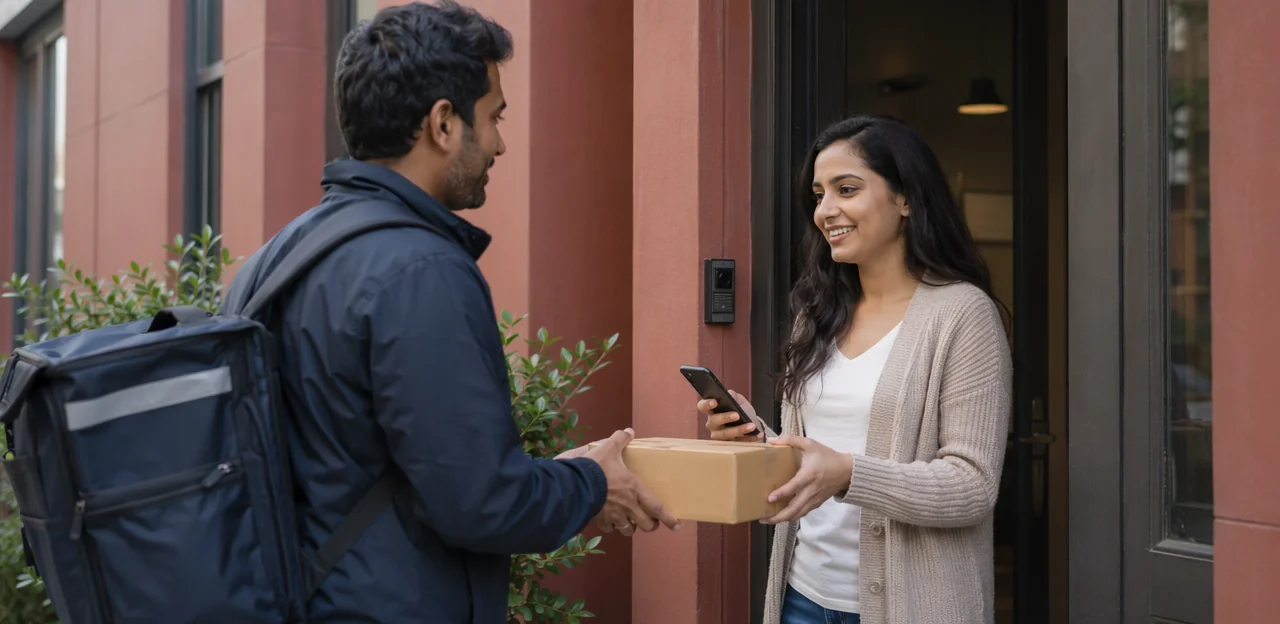
Choosing the right feedback channels
The best delivery feedback channels balance speed, visibility, and low effort, so you can capture last mile feedback while the experience is still fresh.
- SMS delivery survey: Best for fast response rates. Text messages are seen quickly and work well for home delivery because customers do not need to log in or open an app.
- Email feedback request: Better for longer comments and branded follow-up, but response rates are usually lower and slower.
- App notifications: Effective if customers already use your app regularly; weak if app adoption is low.
- Web forms: Useful as the survey destination, but not ideal as the first touchpoint on their own.
- QR codes on delivery confirmations: Convenient for in-person handoff or package inserts. Tools like Tapsy can make this frictionless.
For most home delivery brands, SMS plus QR offers the best mix of immediacy and convenience.
Timing feedback requests for higher response rates
To improve survey response rates, ask for last mile feedback soon after the order is delivered, while details like punctuality, packaging, and driver interaction are still fresh. Strong post-delivery survey timing usually means:
- Within 5–30 minutes: Best for food, grocery, and urgent deliveries
- Within 1–3 hours: Works well for retail or non-perishable orders
- Within 24 hours: Useful as a final reminder, not the first request
Keep customer feedback timing tight, but avoid over-contacting customers:
- Send one short survey immediately after proof of delivery.
- If there’s no response, send one reminder only within 24 hours.
- Use ultra-short formats for every order, then trigger longer follow-ups only for low scores or key segments.
Tools like Tapsy can help capture fast, low-friction delivery feedback.
Designing a low-friction feedback experience
To capture more last mile feedback, make the survey feel effortless and relevant right after delivery.
- Keep it under a minute: Limit the flow to 1–3 questions so customers can finish fast.
- Prioritize mobile survey design: Use large tap targets, single-column layouts, and minimal typing for easy completion on any phone.
- Start with rating scales: A 5-star or 1–5 scale works well for speed, order accuracy, driver professionalism, and delivery timing.
- Add one optional comment field: A short open text box lets customers explain issues without making the customer feedback form feel heavy.
- Use personalized order context: Pre-fill details like order number, delivery time, or store location to make frictionless feedback feel relevant and trustworthy.
Tools like Tapsy can help teams deploy fast, no-app post-delivery surveys.
Turning delivery feedback into operational improvement

Identifying patterns by route, driver, region, or carrier
To make last mile feedback useful, segment responses by the variables that shape delivery outcomes. This turns scattered complaints into clear delivery performance analysis you can act on.
- By route or delivery zone: Spot repeated issues like delays, missed handoffs, or damaged items in specific neighborhoods.
- By time slot: Compare morning, evening, and peak-hour windows to uncover staffing or traffic-related problems.
- By driver, team, or depot: Identify coaching needs, process gaps, or high-performing teams worth replicating.
- By carrier or partner: Track carrier performance across on-time delivery, professionalism, and package condition.
This approach makes route optimization feedback measurable. Instead of reacting to anecdotal complaints, businesses can set benchmarks, monitor trends, and assign accountability. Tools like Tapsy can help capture and compare post-delivery feedback across routes, partners, and regions in real time.
Closing the loop with customers and internal teams
Collecting last mile feedback is only useful when teams act on it fast. A strong closed-loop feedback process should turn low ratings into immediate follow-up and operational improvement.
- Respond quickly: Trigger alerts for low scores, damaged orders, late deliveries, or missing items. Contact the customer within minutes with a clear apology, status update, and next step.
- Recover the experience: Use structured service recovery playbooks for refunds, credits, replacements, or redelivery. Fast customer complaint resolution can prevent churn and rebuild trust.
- Route insights internally: Share tagged feedback with operations, customer support, and logistics teams so each issue reaches the right owner.
- Track recurring patterns: Review trends by route, driver, time slot, and location to fix root causes, not just single incidents.
Tools like Tapsy can help teams capture issues in real time and speed up recovery.
Using feedback to improve training and SOPs
Consistent last mile feedback should feed directly into continuous improvement, not just reporting. When the same issues appear repeatedly, use them to strengthen driver training, refine delivery SOPs, and tighten last mile operations.
- Driver coaching: Turn recurring complaints about lateness, missed handoffs, or poor etiquette into targeted coaching modules and ride-along reviews.
- Delivery instructions: If customers often mention hard-to-find addresses or gate access problems, update order prompts and proof-of-delivery steps.
- Packaging standards: Track comments about spills, crushed items, or temperature loss to improve packing methods and material choices.
- Communication scripts: Use feedback to standardize SMS updates, delay notices, and arrival messaging for clearer customer expectations.
- Exception handling: Build SOPs for damaged items, failed deliveries, and missing orders so teams respond faster and more consistently.
Tools like Tapsy can help surface these patterns quickly after each order.
Technology and dashboards for measuring delivery quality

Integrating feedback with order and delivery systems
To make last mile feedback useful, connect your survey or rating tool directly to the systems that already manage each delivery. This ensures every response is tied to a real order, route, and handoff event.
- Sync with delivery management software and dispatch tools to attach feedback to driver, route, time slot, and exception status.
- Use order tracking data to trigger surveys after key milestones such as delivered, delayed, failed attempt, or rescheduled.
- Enable CRM integration so support teams can view feedback alongside customer history and follow up faster.
- Link proof-of-delivery records, photos, signatures, or timestamps to verify what happened. Platforms like Tapsy can help capture and route this feedback quickly.
Building dashboards that show actionable trends
A strong delivery dashboard turns last mile feedback into clear next steps, not just charts. Keep feedback reporting focused on the metrics teams can act on quickly:
- Response rate: track survey completion by order volume, channel, and time window
- Satisfaction trends: monitor CSAT, NPS, or rating changes over time
- Issue categories: surface top problems like lateness, damage, missing items, or driver behavior
- Geographic hotspots: map recurring complaints by zone, route, or postcode
- Carrier or driver performance: compare partners to spot coaching or service gaps
Use simple visuals—trend lines, heat maps, and color-coded scorecards—so operations teams can make fast decisions. Good customer experience analytics should highlight where intervention is needed first.
Using automation and alerts to catch service failures early
Automation turns last mile feedback into an early-warning system instead of a weekly report. Set up automated feedback alerts to flag:
- low satisfaction scores below your target threshold
- negative comments mentioning late, damaged, missing, or rude delivery experiences
- repeated issues tied to the same route, driver, time slot, or location
- sudden drops in scores that suggest a wider operational problem
With real-time delivery monitoring, support and operations teams can step in fast with refunds, replacements, driver coaching, or route fixes before complaints spread. This kind of customer experience automation helps reduce churn, protect brand trust, and surface patterns quickly. Tools like Tapsy can help route urgent feedback to the right team immediately.
Best practices for a scalable last mile feedback strategy

Setting benchmarks and goals for continuous improvement
To turn last mile feedback into action, start with a 30–90 day baseline for core metrics such as on-time delivery, damaged orders, driver rating, and post-delivery CSAT. Then set:
- Delivery benchmarks by market, service level, and delivery partner
- Acceptable thresholds for minimum performance, such as CSAT above 4.5/5 or complaint rates below 2%
- Customer satisfaction goals tied to specific outcomes, like fewer late deliveries or better handoff experience
- Improvement targets by segment, for example raising weekend delivery scores in one city by 10%
Review results monthly or quarterly to spot trends, reset priorities, and keep continuous improvement moving. Tools like Tapsy can help teams compare performance and act faster.
Avoiding common mistakes in feedback collection and analysis
To make last mile feedback useful, avoid these common traps in delivery experience measurement:
- Asking too many questions: Keep surveys short. One to three rating questions plus an optional comment often outperform long forms and reduce survey mistakes.
- Collecting feedback without action: Close the loop quickly. Low scores should trigger alerts, follow-up, and service recovery.
- Ignoring low-response bias: Don’t assume silent customers are satisfied. Compare responses by route, time slot, and order type to spot hidden issues.
- Mixing product and delivery problems: Separate damaged, missing, or incorrect items from driver, timing, and handoff issues to avoid feedback analysis errors.
Tools like Tapsy can help route issues to the right team faster.
Creating a customer-centric home delivery feedback culture
A strong customer-centric delivery culture starts when leadership treats last mile feedback as a core performance signal, not just a support metric. Align teams around shared customer experience KPIs such as on-time delivery, order accuracy, issue resolution speed, and satisfaction scores.
- Leadership: Set clear goals and review feedback trends alongside operational metrics.
- Frontline teams: Use customer comments to improve packaging, communication, and service recovery.
- Delivery partners: Track route- and driver-level insights to coach performance and reduce repeat issues.
This approach strengthens customer loyalty, improves your home delivery strategy, and helps teams make smarter, faster operational decisions. Tools like Tapsy can help capture feedback while the delivery experience is still fresh.
Conclusion
In home delivery, the final handoff shapes the entire customer experience. That is why last mile feedback is so valuable: it captures what happened while the delivery is still fresh in the customer’s mind. By measuring delivery quality after every order, businesses can spot recurring issues such as delays, damaged items, missing products, poor driver interactions, or confusing handoffs—and fix them before they become patterns that hurt loyalty.
A strong last mile feedback strategy does more than collect ratings. It creates a closed-loop process for service recovery, operational improvement, and long-term retention. When feedback is tied to routes, time windows, locations, and delivery teams, it becomes easier to identify root causes, coach teams, and improve consistency at scale. Just as importantly, fast follow-up shows customers that their experience matters.
The next step is to make feedback simple, immediate, and actionable. Use short post-delivery surveys, clear issue categories, and real-time alerts so your team can respond quickly. If you want to streamline this process, tools like Tapsy can help collect post-delivery feedback and turn issues into recovery opportunities.
Start building a better delivery experience today by making last mile feedback part of every order. The faster you listen, the faster you improve.
Frequently Asked Questions
- What is last mile feedback in home delivery?
Last mile feedback is customer feedback collected right after a delivery is completed. It measures what the customer actually experienced at the doorstep, such as timing, package condition, communication, and driver professionalism.
- Why should businesses collect feedback after every order instead of waiting for complaints?
Collecting feedback after every order helps teams capture honest reactions while the experience is still fresh. It also reveals recurring issues earlier, before they turn into support escalations, public complaints, or customer churn.
- What parts of delivery quality should be measured after each order?
Delivery quality should include timeliness, accuracy, communication, convenience, proof of delivery, and issue resolution. These are the parts of the experience customers notice directly, not just whether an order was marked delivered.
- Which metrics are most useful in a last mile feedback program?
Useful metrics include delivery satisfaction score, CSAT for the specific delivery, NPS, on-time delivery perception, first-attempt success, communication quality, and issue rate. Reviewing them by route, driver, time slot, and location makes the data more actionable.
- What survey questions best uncover delivery problems?
Short questions work best, such as whether the delivery was on time, whether the package was handled carefully, whether the driver was courteous, and whether tracking was accurate. Adding one optional open-text question like “What went wrong?” helps capture detail without making the survey heavy.
- How do quantitative scores and customer comments work together?
Ratings make it easy to spot patterns at scale, but comments explain the reason behind the score. A low rating becomes much more useful when comments show whether the issue was lateness, damaged packaging, poor communication, or missed instructions.
- What feedback channels are best for post-delivery surveys?
SMS is presented as the best option for fast response rates because customers can reply without logging in or opening an app. QR codes are also useful for in-person handoff or package inserts, while email, app notifications, and web forms can support specific use cases.
- When is the best time to ask for delivery feedback?
The best timing is soon after delivery, while details are still fresh. The recommended windows are within 5–30 minutes for food, grocery, and urgent deliveries, within 1–3 hours for retail or non-perishable orders, and within 24 hours only as a reminder.
- How can a business design a low-friction delivery feedback survey?
Keep the survey under a minute and limit it to 1–3 questions. Use mobile-friendly layouts, start with simple rating scales, and include only one optional comment field, ideally with personalized order details already filled in.
- How should delivery feedback be segmented to find root causes?
Responses should be reviewed by route, delivery zone, time slot, driver, team, depot, carrier, or region. This makes it easier to identify whether repeated issues come from specific neighborhoods, staffing windows, partners, or individual performance gaps.
- What does closing the loop on delivery feedback involve?
Closing the loop means acting quickly on low ratings and reported issues. Teams should trigger alerts, contact the customer with an apology and next step, use service recovery options like refunds or replacements, and share tagged issues with the right internal owners.
- How can feedback improve driver training and delivery SOPs?
Recurring complaints can be turned into targeted coaching on lateness, missed handoffs, or poor etiquette. Feedback can also improve delivery instructions, packaging standards, communication scripts, and exception-handling procedures for damaged or missing orders.
- Why should feedback tools be integrated with order and delivery systems?
Integration ties each response to a real order, route, driver, time slot, and delivery event. It also allows surveys to be triggered by milestones like delivered, delayed, failed attempt, or rescheduled, while giving support teams more context for follow-up.
- What should a dashboard for delivery quality include?
A useful dashboard should show response rate, satisfaction trends, issue categories, geographic hotspots, and carrier or driver performance. Simple visuals like trend lines, heat maps, and scorecards help operations teams see where action is needed first.
- What common mistakes should teams avoid when collecting last mile feedback?
Common mistakes include asking too many questions, collecting feedback without acting on it, ignoring low-response bias, and mixing product issues with delivery issues. Keeping surveys short and routing problems to the right team makes the feedback more useful.