Most resident complaints do not appear out of nowhere. They build quietly through small frustrations: a broken light left unresolved, repeated noise issues, unclear communication, or shared spaces that never seem quite clean enough. By the time a formal complaint is submitted, trust has often already been damaged. That is why property management feedback matters so much. When housing providers create simple, timely ways for residents to share concerns early, they can spot patterns faster, respond before issues escalate, and strengthen the overall resident experience.
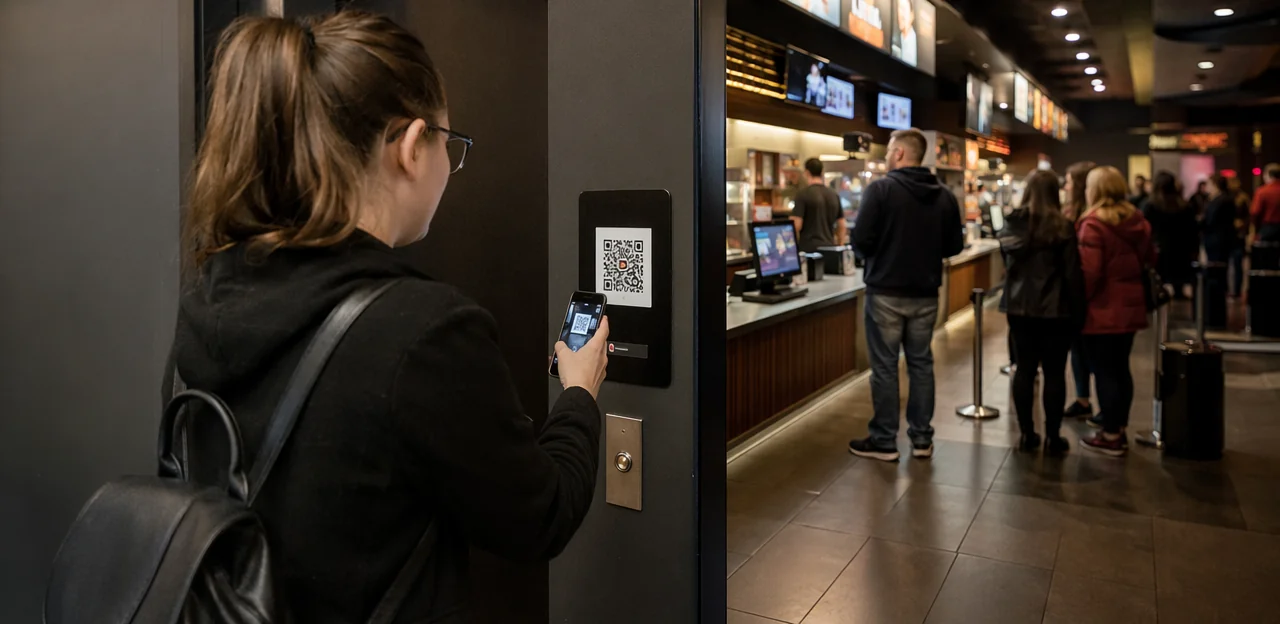
In housing and property operations, listening well is not just a customer service task. It is a core part of service recovery, operational efficiency, and long-term resident satisfaction. The challenge is making feedback easy to give, easy to route, and actionable for the right teams at the right time. In some cases, tools like Tapsy can help capture feedback directly at key touchpoints, such as entrances, shared amenities, or maintenance areas, while the experience is still fresh.
This article explores how to collect better resident insight before dissatisfaction turns into formal complaints. It will cover why early feedback is often missed, how to design effective feedback channels, and what property teams can do to act quickly, close the loop, and build stronger resident trust.
Why property management feedback matters in housing operations
The cost of hearing from residents too late
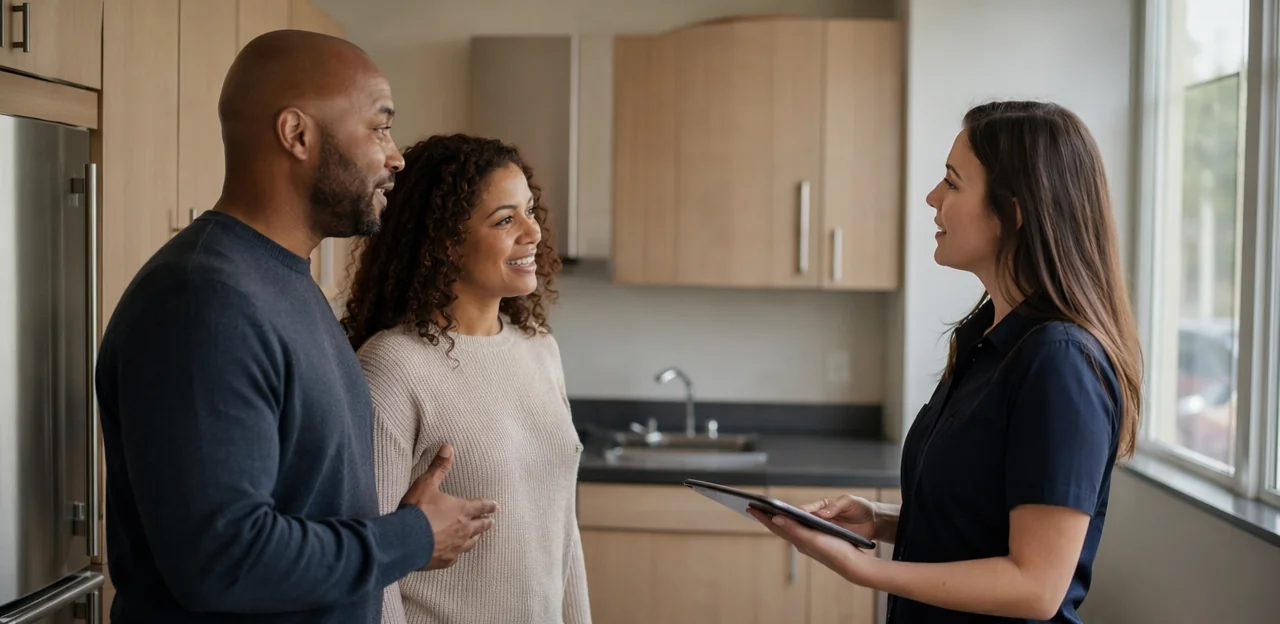
When residents feel ignored, small service issues rarely stay small. A delayed repair, unclear update, or unmet promise can quickly turn frustration into formal resident complaints that consume time across teams.
- Unresolved maintenance issues can escalate into safety concerns, repeat callouts, and emergency repairs that cost more than early intervention.
- Poor communication creates uncertainty, making residents feel dismissed even when work is underway.
- Missed expectations damage trust, reduce satisfaction, and increase churn risk where choice exists.
- In housing operations, late feedback often means more staff time spent on complaint handling, compensation, and reputation management.
Strong property management feedback processes help teams spot patterns early, act before problems escalate, and protect both resident experience and operational efficiency.
How early feedback improves service recovery
Early property management feedback gives housing teams a chance to act before frustration turns into formal complaints. When resident feedback is captured close to the moment an issue happens, teams can spot patterns, prioritize urgent cases, and start service recovery faster.
- Intervene sooner: Quick alerts about noise, cleanliness, repairs, or safety concerns help staff address problems before they affect more residents.
- Resolve issues faster: Real-time input reduces delays, improves triage, and routes requests to the right team immediately.
- Strengthen complaint prevention: Proactive follow-up shows residents they are heard, which builds trust and lowers escalation risk.
- Improve operations: Repeated feedback highlights recurring service gaps, helping managers fix root causes, not just symptoms.
Tools like Tapsy can help capture timely feedback at key property touchpoints.
Residents are far more likely to stay cooperative when they believe their voice leads to action. Strong property management feedback processes improve resident experience by showing people they are heard early, not only when problems become formal complaints.
- Feeling heard builds resident trust: A quick acknowledgement and clear next step reduce frustration and uncertainty.
- Good communication protects tenant satisfaction: Updates on timelines, delays, and resolutions help residents feel informed rather than ignored.
- Respect drives engagement: Polite, consistent interactions make residents more willing to report issues early and work with staff on solutions.
- Visible follow-through matters: When teams close the loop and explain what changed, feedback becomes part of everyday service improvement.
Simple tools, including touchpoint-based options like Tapsy, can help teams capture concerns before they escalate.
Where to collect resident feedback before complaints escalate
Key touchpoints across the resident journey
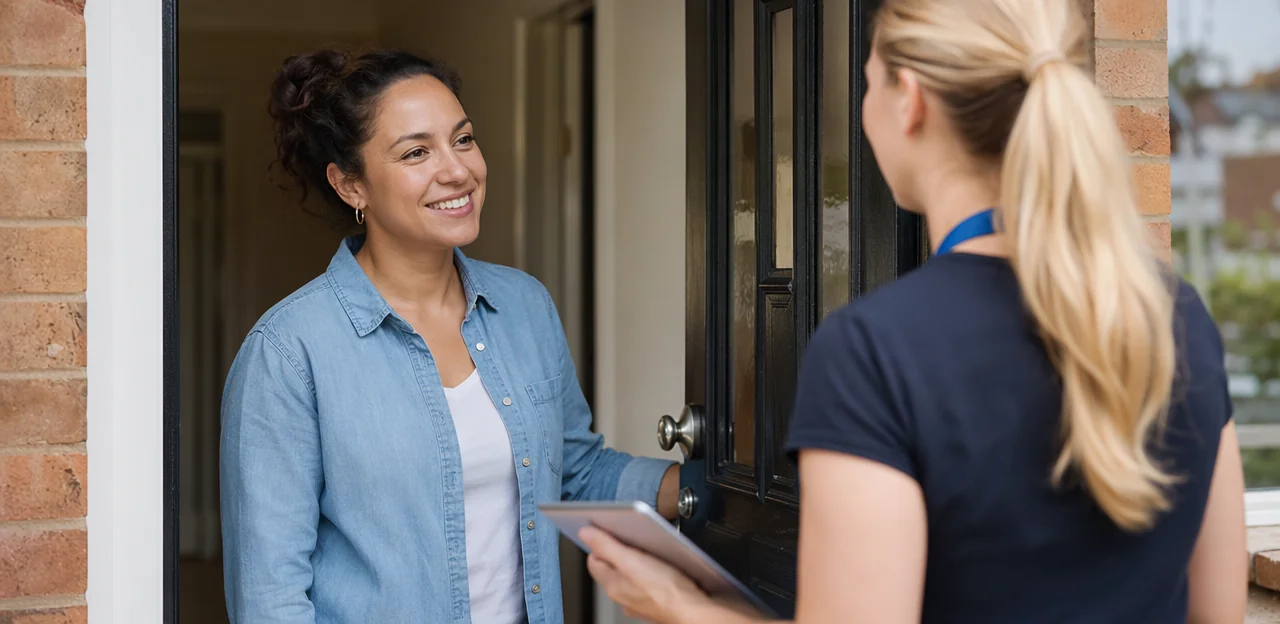
To improve property management feedback, ask for input at the moments when residents are most likely to notice friction or service quality. Mapping feedback to the resident journey helps teams act before issues become formal complaints.
- Move-in: Check first impressions, handover clarity, cleanliness, and welcome communication.
- After repairs: Ask whether the issue was fixed fully, on time, and with respectful communication.
- Routine inspections: Capture concerns about safety, maintenance, and shared spaces.
- Rent interactions: Use payment reminders, arrears conversations, or billing queries as sensitive tenant touchpoints for service feedback.
- Renewals: Learn what drives satisfaction, loyalty, or intent to leave.
- Closed service requests: Send a short follow-up within 24 hours while the experience is fresh.
Short, timely housing feedback requests usually outperform long surveys.
Choosing the right feedback channels
The best feedback channels are the ones residents will actually use in the moment. For effective property management feedback, match the channel to the situation, urgency, and resident preference:
- Resident surveys: Best for structured insights, trend tracking, and benchmarking satisfaction over time.
- SMS: Ideal for quick check-ins after repairs or move-in, with high open rates.
- Phone calls: Useful for sensitive issues, vulnerable residents, or complex service recovery.
- Email: Good for detailed updates, follow-up questions, and documented tenant communication.
- Resident portals: Convenient for ongoing issue logging, but only if the portal is easy to access.
- In-person conversations: Valuable for building trust and spotting concerns early.
- Community meetings: Helpful for shared-area issues and broader resident priorities.
Use a mix of channels, review response rates, and simplify wherever possible.
Reaching residents who are less likely to speak up
Strong property management feedback systems should not rely only on the loudest voices. Some residents stay silent because they are vulnerable, time-poor, digitally excluded, or already disengaged.
Use inclusive communication and proactive tenant outreach to uncover hidden risks:
- Offer multiple channels: phone, SMS, printed cards, in-person visits, and simple online forms.
- Translate messages and use plain language for residents with limited English or literacy barriers.
- Ask for feedback at natural touchpoints, such as repairs, move-ins, rent queries, or community events.
- Train frontline teams to notice hesitation, repeated missed appointments, or sudden silence.
- Follow up with residents who stopped responding after a poor experience.
Short, no-app tools at building touchpoints, such as Tapsy, can also support wider resident engagement by making feedback quick and accessible.
How to design a property management feedback process that works

Ask simple questions that reveal real issues
Strong property management feedback starts with low-effort questions residents can answer in seconds. Good resident survey design avoids long forms and vague prompts. Instead, use short, specific feedback questions that uncover friction before it turns into a formal complaint.
- Ask about one experience at a time: “Was the laundry room clean today?” is better than “How satisfied are you with building services?”
- Use plain language and avoid internal terms residents may not understand.
- Include a rating question plus one optional follow-up: “What was the main issue?”
- Focus on recurring pain points such as cleanliness, noise, repairs, safety, communication, and response times.
- Ask expectation-based questions: “Did this meet what you were told to expect?”
- Keep comment boxes optional to reduce drop-off while still capturing useful tenant insights.
If possible, collect responses at the moment of experience. Tools like Tapsy can make in-the-moment feedback easier at shared touchpoints.
Set triggers and escalation paths for urgent concerns
A strong property management feedback system should do more than collect comments; it should detect risk early and move urgent issues into action. Build simple rules into your property management process so serious responses never sit in a general inbox.
- Define red-flag triggers: Automatically flag low satisfaction scores, keywords such as “unsafe,” “leak,” “mould,” “no heat,” or “ignored,” and repeat reports from the same building or unit.
- Create clear issue triage rules: Route safety concerns to on-call staff immediately, send repair-related feedback to maintenance, and assign communication failures to resident services or site managers.
- Set response time standards: For example, safety alerts within 15 minutes, essential repairs within 2 hours, and service complaints the same day.
- Track ownership and closure: Every alert should have a named owner, status update, and follow-up message to reduce complaint escalation.
Tools like Tapsy can help teams trigger real-time alerts directly from resident touchpoints.
Close the loop with residents consistently
Collecting property management feedback is only valuable if residents see what happens next. To close the loop, every piece of feedback should trigger a clear response, even when the fix takes time. A quick acknowledgment shows residents they have been heard, while transparent updates build trust and reinforce service accountability.
- Acknowledge feedback promptly: confirm receipt and thank residents for raising the issue.
- Share next steps: explain who is handling it, expected timelines, and what residents can expect.
- Provide resident follow-up: once action is taken, confirm the outcome and invite further input if needed.
- Track recurring themes: use follow-up data to show where service improvement is happening and where gaps remain.
This process turns feedback into visible action. It reduces frustration, prevents repeated complaints, and proves that resident voices influence decisions. Tools like Tapsy can help teams capture issues quickly and support timely follow-up across shared spaces and service touchpoints.
Using feedback data to improve service recovery and performance

Spot patterns before they become complaint trends
Effective property management feedback only adds value when teams turn responses into early warning signals. Strong feedback analysis should segment resident input by:
- Property or block: reveal location-specific issues such as recurring cleanliness, heating, or access problems
- Contractor: compare repair quality, missed appointments, and repeat visits
- Issue type: track themes like noise, damp, lifts, safety, or communication
- Team: identify where handoffs, response times, or service standards are slipping
- Timeframe: review weekly and monthly changes to catch emerging complaint trends
Look for repeated low scores, similar comments, and spikes after specific jobs or policy changes. This helps expose operational weaknesses before they damage trust. Tools such as dashboards or touchpoint platforms like Tapsy can support faster visibility into operational performance and earlier intervention.
Turn resident feedback into operational action
Collecting property management feedback only matters if teams turn it into clear service changes. Use recurring themes, response times, and location-based trends to guide operational improvement across daily housing services:
- Repair workflows: Flag repeat issues, shorten triage times, and prioritise repairs by urgency, building, or contractor.
- Communication standards: Identify where updates are unclear, then set response-time targets, message templates, and escalation rules.
- Staffing levels: Use peak complaint periods and service gaps to adjust rotas, training, and front-line coverage.
- Contractor management: Compare feedback by supplier to spot delays, poor workmanship, or missed appointments.
- Resident-facing policies: Review rules that create friction, such as access, reporting processes, or appointment windows.
These property management insights support faster housing service improvement and help prevent small frustrations from becoming formal complaints.
Measure the impact of changes over time
To improve property management feedback, track a small set of consistent resident satisfaction metrics each month and review trends by building, service type, and team. This helps you spot what is improving and where issues still trigger complaints.
Key service KPIs to monitor include:
- Response times: how quickly residents receive a first reply after reporting an issue
- Repeat contacts: how often residents must follow up about the same problem
- Complaint volumes: total formal complaints and changes over time for clear complaint reduction
- Satisfaction scores: post-service ratings, CSAT, or short pulse surveys after key interactions
- Resolution rates: percentage of issues fully resolved on first contact or within target timescales
Use simple dashboards to compare before-and-after results. Tools like Tapsy can help capture timely feedback at the moment service issues happen.
Common mistakes that make feedback programs fail

Collecting feedback without acting on it
A property management feedback process only works if residents can see results. Repeated surveys without visible action create survey fatigue and growing resident frustration, making future responses less honest and less frequent.
- Close the loop: acknowledge feedback quickly and explain next steps.
- Share outcomes: tell residents what changed, what is in progress, and why.
- Prioritize recurring themes instead of launching more surveys.
- Assign owners and timelines so each feedback program leads to action.
Even a simple update board or tool like Tapsy can help show residents their voices matter.
Relying only on formal complaints data
Formal complaints show where problems have already escalated, but they rarely capture the full resident voice. Many residents never file a complaint, even when service issues persist, so complaint logs often miss early warning signs such as repeated minor repairs, poor communication, or cleanliness concerns.
- Capture informal feedback at key touchpoints, not just after failures
- Track recurring low-level comments for patterns by building or service
- Use property management feedback channels like short pulse surveys, on-site QR prompts, or staff check-ins
This helps teams act earlier, reduce escalation, and improve resident experience proactively.
Treating feedback as a silo instead of an operations tool
When property management feedback sits in a separate inbox or survey platform, teams miss the chance to act early. In effective housing management, feedback should support an operations strategy that connects frontline insight to action:
- route repair-related comments directly to maintenance workflows
- flag service issues for customer service follow-up and recovery
- surface safety or compliance risks to the right managers immediately
- include trends in leadership reporting to drive cross-functional improvement
Tools like Tapsy can help capture and route feedback at the point of experience.
Best practices for building a resident-first feedback culture

Train frontline teams to listen and respond well
Strong property management feedback systems depend on what happens in the first conversation. Effective frontline training should help staff notice emotional cues such as frustration, confusion, or anxiety, not just the practical issue being reported. Coach teams to:
- Listen for tone and urgency as well as facts
- Document concerns accurately, including location, timeline, impact, and promised next steps
- Use empathetic communication that acknowledges the resident’s experience without becoming defensive
- Respond with clarity and urgency, explaining what will happen, who owns the issue, and when updates will come
Simple scripts, role-play, and tools like Tapsy can strengthen consistent resident support.
Make feedback part of everyday operations
To turn property management feedback into action, build listening into the routines your teams already follow:
- Daily workflows: Add quick resident check-ins after maintenance visits, move-ins, inspections, and amenity use.
- Team meetings: Review recurring themes, urgent issues, and closed-loop follow-ups in weekly huddles.
- Service reviews: Compare feedback by building, contractor, service type, and time period to spot patterns.
- Leadership dashboards: Track response times, satisfaction trends, and repeat issues so leaders can prioritise resources.
This approach strengthens your resident feedback strategy, supports continuous improvement, and helps property operations make decisions based on real resident experience, not just formal complaints.
Create a practical roadmap for implementation
Use a simple implementation plan to turn property management feedback into action:
- Set clear goals: Decide what you want to improve first, such as maintenance response, cleanliness, or move-in experience.
- Choose the right channels: Combine SMS, email, resident portals, QR codes in shared spaces, and in-person prompts to build an accessible feedback system.
- Keep questions short: Ask 2–4 focused questions, plus one open comment box for context.
- Assign ownership: Route feedback to the right team with deadlines for follow-up.
- Review results regularly: Track trends weekly, flag urgent issues fast, and adjust questions, channels, or workflows based on what residents actually use.
Conclusion
In property management, the difference between a minor issue and a formal complaint often comes down to timing. When housing teams create simple, accessible ways for residents to share concerns early, they gain the chance to act before frustration builds, trust erodes, or service failures become harder to resolve. That is why effective property management feedback should be proactive, visible, and embedded into everyday resident touchpoints.
The key is to collect feedback while experiences are still fresh, make it easy to report issues, and ensure teams can respond quickly with clear ownership and follow-through. From shared spaces and maintenance requests to move-in journeys and amenity planning, strong feedback loops help operators spot patterns, prioritize improvements, and strengthen the overall resident experience.
Now is the time to review your current listening strategy. Audit where residents experience friction, identify gaps in your feedback process, and put in place tools that surface concerns in real time. If you are looking for a practical example, solutions like Tapsy can help housing teams capture property management feedback directly at key service moments.
To move forward, consider creating a resident feedback action plan, tracking response times, and regularly sharing outcomes with residents. Better property management feedback does more than reduce complaints — it builds confidence, loyalty, and better communities.
Frequently Asked Questions
- Why is property management feedback important before residents file formal complaints?
Most complaints build from small frustrations such as unresolved repairs, noise, unclear communication, or unclean shared spaces. Early feedback helps housing teams spot patterns sooner, respond before issues escalate, and protect trust as well as operational efficiency.
- What problems can happen when housing teams hear from residents too late?
Delayed feedback can turn minor service issues into safety concerns, repeat callouts, emergency repairs, and formal complaint handling. It also increases staff time spent on compensation, reputation management, and resolving damaged resident trust.
- How does early resident feedback improve service recovery?
Feedback collected close to the moment of the issue helps teams intervene sooner and route urgent cases to the right people faster. It also supports better triage, quicker follow-up, and more proactive communication that reduces escalation risk.
- Which resident touchpoints are best for collecting feedback?
Useful moments include move-in, after repairs, during routine inspections, around rent interactions, at renewals, and shortly after a service request is closed. Short follow-ups sent within 24 hours often work well because the experience is still fresh.
- What feedback channels should property managers use?
A mix of channels works best, including surveys, SMS, phone calls, email, resident portals, in-person conversations, and community meetings. The right choice depends on the situation, urgency, and what residents are most likely to use easily in the moment.
- How can property teams reach residents who are less likely to speak up?
Use inclusive communication with multiple options such as phone, SMS, printed cards, in-person visits, and simple online forms. Plain language, translated messages, and proactive follow-up after poor experiences can help uncover concerns that would otherwise stay hidden.
- What kinds of questions should a property management feedback form ask?
Questions should be short, specific, and focused on one experience at a time, such as whether a laundry room was clean that day. A rating plus one optional follow-up question about the main issue can reveal problems without creating a long survey.
- How should urgent resident concerns be escalated?
Teams should define red-flag triggers such as very low scores, keywords like unsafe, leak, mould, no heat, or ignored, and repeated reports from the same location. Clear triage rules, response time standards, and named ownership help ensure serious issues are acted on quickly.
- What does it mean to close the loop with residents?
Closing the loop means acknowledging feedback promptly, explaining next steps, and following up once action has been taken. Consistent updates show residents they have been heard and make service improvement visible.
- How can feedback data be used to spot complaint trends early?
Resident input can be segmented by property, contractor, issue type, team, and timeframe to reveal recurring weaknesses. Repeated low scores, similar comments, and spikes after certain jobs or policy changes can act as early warning signals.
- What operational changes can property managers make from resident feedback?
Feedback can guide improvements to repair workflows, communication standards, staffing levels, contractor management, and resident-facing policies. Using recurring themes and response-time patterns helps teams fix root causes instead of only reacting to symptoms.
- Which metrics should housing teams track to measure improvement?
Useful measures include response times, repeat contacts, complaint volumes, satisfaction scores, and resolution rates. Reviewing these consistently by building, service type, and team helps show what is improving and where gaps remain.
- Why is relying only on formal complaints data a mistake?
Formal complaints usually show problems after they have already escalated. Many residents never submit a complaint, so teams can miss early signs such as repeated minor repairs, poor communication, or cleanliness issues unless they collect informal feedback too.
- How should frontline staff be trained to support better resident feedback?
Frontline teams should be trained to notice tone, urgency, frustration, confusion, and anxiety as well as the practical issue being reported. They also need to document concerns clearly, communicate empathetically, and explain ownership, next steps, and update timelines.
- How can tools like Tapsy fit into a property management feedback process?
Tools like Tapsy can help capture feedback directly at key touchpoints such as entrances, shared amenities, maintenance areas, and other service moments. They can also support real-time alerts and faster routing so teams can respond while the experience is still fresh.