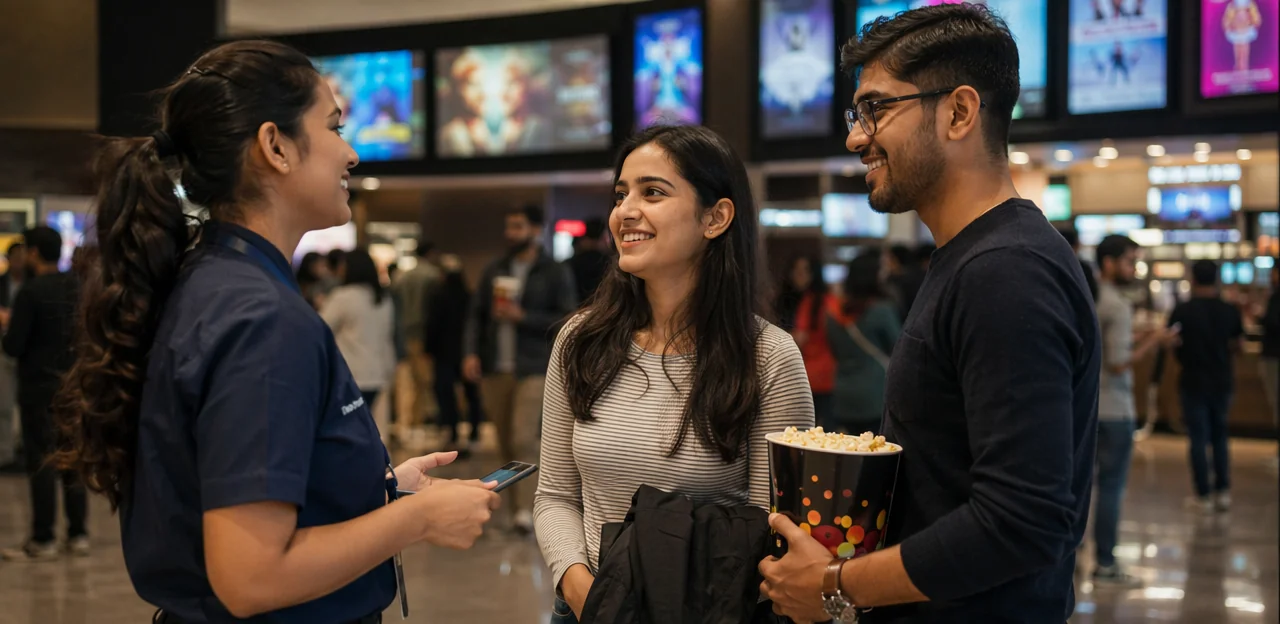
A packed auditorium, a smooth concession line, crisp sound, spotless seats—these details shape whether a night at the cinema feels memorable or disappointing. Yet many operators still rely on delayed surveys or scattered online reviews, missing the small but meaningful signals that reveal what audiences actually experience in the moment. That is where moviegoer feedback becomes far more than a customer service metric: it becomes a practical tool for improving daily operations.
Short comments like “too cold,” “sound was muffled,” or “queue moved slowly” may seem minor on their own, but together they can point to recurring issues that affect satisfaction, repeat visits, and revenue. For cinemas, the real opportunity lies in turning these quick reactions into clear actions—whether that means adjusting auditorium conditions, improving staffing, refining concession service, or responding faster to problems before guests leave unhappy.
This article explores how cinemas can collect better feedback, identify operational patterns hidden inside brief audience comments, and use those insights to improve the overall customer experience. It will also look at how real-time tools, including solutions like Tapsy, can help teams capture feedback at the right touchpoints and transform audience sentiment into measurable service improvements.
Why moviegoer feedback matters for cinema operations

The link between audience experience and repeat visits
Moviegoer feedback is one of the clearest signals of how well a cinema is meeting expectations. Short comments about sound, seating, cleanliness, queues, or concessions reveal what shapes the overall audience experience—and whether guests will return.
- Satisfaction drives retention: Positive experiences increase the likelihood of repeat bookings and stronger cinema customer loyalty.
- Small issues affect revenue: A poor seat, long concession wait, or weak air conditioning can turn a one-time guest into a lost customer.
- Better experiences fuel word-of-mouth: Satisfied guests recommend cinemas to friends, family, and online communities.
Acting quickly on feedback helps cinemas improve each visit, raise retention, and grow customer lifetime value. Tools like Tapsy can help capture and respond to issues in real time.
What short comments reveal that scores alone miss
Numerical ratings show that something went wrong, but moviegoer feedback explains what and where to fix. Short open-text responses turn vague dissatisfaction into operational insight, helping teams spot recurring issues that scores alone hide.
- Queues: customer comments often pinpoint whether delays happen at ticketing, concessions, or entry checks.
- Audio and comfort: guests may mention muffled dialogue, volume spikes, cold auditoriums, or uncomfortable seating.
- Cleanliness: cinema feedback analysis can reveal patterns like sticky floors, dirty cup holders, or restrooms slipping after peak shows.
- Consistency: repeated wording across comments helps identify branch-, screen-, or shift-specific problems.
Used well, these comments support faster fixes, clearer staff priorities, and better showtime experiences.
Common feedback themes in cinemas
The most useful moviegoer feedback usually falls into a few repeatable categories. Tracking these themes helps teams turn short comments into practical fixes that improve the movie theater experience and strengthen cinema customer feedback programs.
- Ticketing: booking errors, slow checkout, unclear seat selection, and refund issues
- Concessions: queue times, pricing, food freshness, stock availability, and combo value
- Staff service: friendliness, speed, problem resolution, and consistency across shifts
- Auditorium comfort: seat quality, legroom, temperature, cleanliness, sound, and screen quality
- Accessibility: wheelchair access, captions, hearing support, and clear wayfinding
- Showtime scheduling: start-time accuracy, trailer length, film variety, and convenient session times
Tools like Tapsy can help capture these insights in real time at key touchpoints.
How cinemas can collect better moviegoer feedback
Best feedback channels across the customer journey
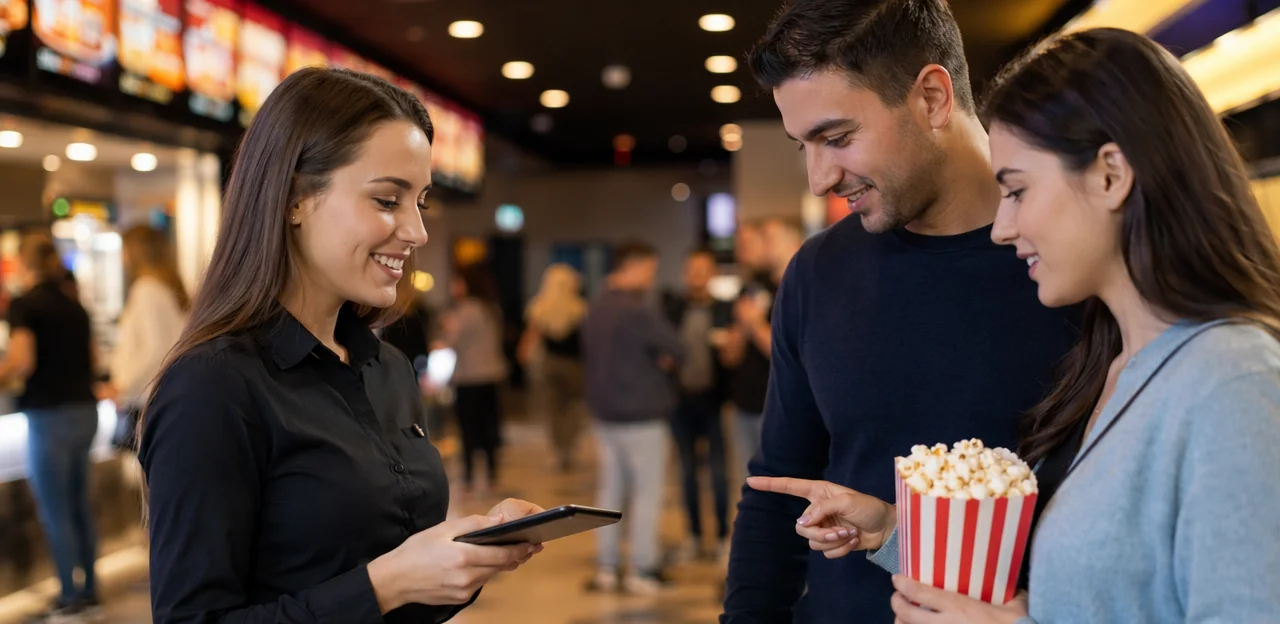
To collect moviegoer feedback effectively, match each channel to the moment of the visit:
- Online booking: Add one-click questions after checkout to learn why guests chose a film, time, or seat type.
- In-cinema kiosk prompts: Use short rating requests at ticketing, concessions, or exits to capture fresh reactions on queues, snacks, comfort, and cleanliness.
- Post-visit email follow-ups: Send surveys within 24 hours to measure overall satisfaction, likelihood to return, and staff experience.
- Mobile apps: Use push notifications for fast pulse checks and loyalty-linked responses.
- Social media listening: Monitor mentions, tags, and reviews to spot recurring issues or praise trends.
The best cinema survey methods combine real-time touchpoints with follow-up surveys for richer, more actionable moviegoer feedback.
How to encourage short, useful comments
To improve moviegoer feedback, ask for short comment feedback at the moment guests can still remember the experience clearly. Keep prompts simple, specific, and limited to one topic so responses stay actionable.
- Ask at the right time: after ticket pickup, after concessions, or at auditorium exit.
- Use focused customer feedback questions:
- “How was the sound and picture tonight?”
- “Was your seat comfortable and clean?”
- “How long did you wait for snacks?”
- Invite one short follow-up: “What should we fix first?”
- Avoid survey fatigue: use 1–3 taps plus one optional comment box, not long forms.
- Make comments operational: offer categories like cleanliness, queues, temperature, or staff helpfulness.
Tools like Tapsy can help collect these quick cinema responses in real time.
To improve feedback data quality, cinemas need more than a high response count—they need balanced input. A strong customer feedback strategy should ensure moviegoer feedback reflects different audience types, not just the loudest or most loyal guests.
- Sample across segments: actively collect comments from regulars, families, premium-format guests, and first-time visitors.
- Vary timing: gather feedback on weekdays, weekends, matinees, late shows, opening nights, and quieter periods.
- Compare locations: review results by branch, auditorium type, and neighborhood to spot local patterns.
- Use consistent prompts: ask the same core questions everywhere so responses stay comparable.
Tools like QR touchpoints or platforms such as Tapsy can help cinemas capture broader, more representative feedback in the moment.
Turning short comments into actionable operational insights

Categorizing feedback by operational area
To turn moviegoer feedback into action, create a simple feedback categorization system that maps each comment to the part of the experience it affects. This makes trends easier to spot and supports faster cinema operations improvement.
- Staffing: friendliness, helpfulness, speed at ticketing or usher points
- Food service: taste, freshness, stock availability, pricing, wait times
- Projection quality: sound levels, screen brightness, focus, temperature, seating comfort
- Cleanliness: auditoriums, restrooms, seats, lobby floors, spill response
- Accessibility: wheelchair access, hearing support, signage, companion seating
- Queue management: box office lines, concessions congestion, entry delays
Use tags consistently, then add sub-tags like location, showtime, and shift. For example, “long popcorn line” becomes Queue Management > Concessions > Friday 7 PM. Tools such as Tapsy can help capture and route tagged issues in real time.
Identifying root causes behind recurring complaints
Short comments like “lines were too long” or “snacks took forever” only describe the symptom. To turn moviegoer feedback into real operational improvements, cinemas need consistent root cause analysis that connects comments to what was happening behind the counter.
- Group similar complaints by theme, time, screen, and shift.
- Match feedback with operational data such as staffing schedules, transaction times, stockouts, and queue length.
- Look for repeat patterns:
- Slow concession service during peak periods may point to understaffing
- Confusing menu boards can increase decision time
- POS lag or payment issues can create hidden bottlenecks
- Ask “why” multiple times to move beyond the first explanation.
For example, if guests repeatedly mention slow service, the real issue may not be staff effort but scheduling gaps, menu complexity, or outdated systems. Tools like Tapsy can help capture feedback at the exact touchpoint where problems occur.
Prioritizing fixes by impact and feasibility
To prioritize customer feedback effectively, cinemas should sort moviegoer feedback using a simple impact-feasibility matrix. This helps teams focus on issues that damage the guest experience and revenue fastest.
- Start with frequency
- Flag repeated complaints about cleanliness, sound, seating, queues, or concessions.
- High-frequency issues usually signal systemic problems, not one-off incidents.
- Measure business impact
- Prioritize problems that affect satisfaction, repeat visits, upsells, and online reviews.
- For example, poor sound or long snack lines can directly reduce return rates and concession sales.
- Assess ease of fixing
- Separate quick wins, such as clearer signage or staff redeployment, from larger capital upgrades.
- Rank by urgency
- Fix high-frequency, high-impact, easy-to-solve issues first.
Tools like Tapsy can help cinemas capture real-time patterns and turn them into smarter cinema service improvements.
Applying moviegoer feedback across key cinema touchpoints
Improving concessions, queues, and front-of-house service
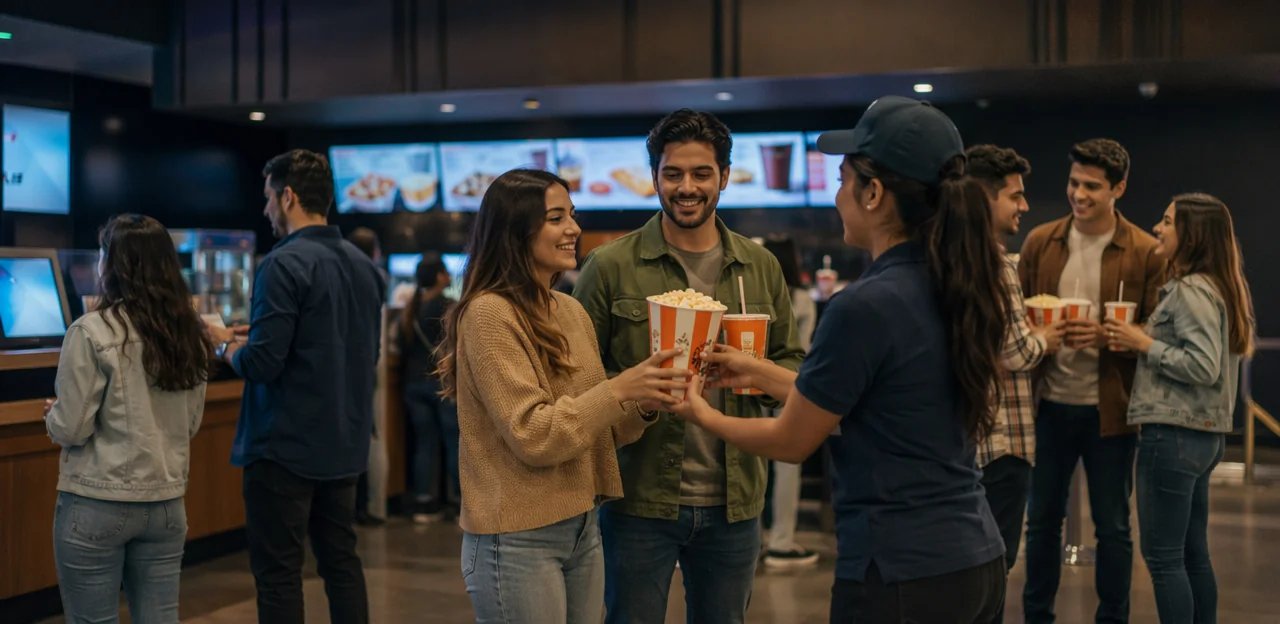
Short, specific moviegoer feedback often reveals where pre-show friction starts. Comments like “line moved too slowly” or “too many options at peak time” can directly improve the concessions experience and queue management cinema teams rely on.
- Adjust staffing by demand: Match team size to peak arrival windows, blockbuster openings, and interval surges.
- Redesign queues: Use clearer signage, separate collection and ordering lines, and add express lanes for simple purchases.
- Simplify the menu: Reduce slow-selling items during busy periods and highlight bestsellers, bundles, and fast-prep options.
- Improve upsell flow: Train staff to suggest one relevant add-on instead of multiple offers that slow service.
- Strengthen service training: Focus on speed, accuracy, greeting standards, and handling pressure calmly.
Tools like Tapsy can help capture quick, in-the-moment feedback at concession touchpoints.
Enhancing auditorium comfort and presentation quality
Short, specific moviegoer feedback often reveals the fastest wins for improving the auditorium experience and overall cinema presentation quality. Comments like “too cold,” “muffled dialogue,” or “sticky armrests” should be grouped by auditorium, showtime, and seat zone to spot repeat issues.
- Seating: Track complaints about broken recliners, legroom, or worn cushions to prioritize repairs and replacement cycles.
- Temperature: Use repeated hot/cold comments to adjust HVAC settings by screen and time of day.
- Sound and screen: Reports of low volume, distortion, dim projection, or blurry visuals should trigger calibration checks before peak sessions.
- Cleanliness: Feedback on floors, cupholders, and restrooms can refine cleaning rounds between screenings.
Set alert thresholds for recurring comments, and use tools like Tapsy to capture in-the-moment issues before they affect more guests.
Using feedback to refine scheduling, pricing, and accessibility
Short, specific moviegoer feedback can directly improve programming and the accessible cinema experience. Instead of treating comments as isolated opinions, cinemas should group them by theme and act on repeat patterns:
- Cinema scheduling: Track requests for later weekday shows, more matinees, or extra screenings for high-demand titles. Match feedback with attendance data to adjust underperforming slots.
- Premium pricing: If guests say IMAX, recliner, or 3D upgrades feel overpriced, review whether added benefits are clear enough and test bundles or off-peak pricing.
- Family-friendly offerings: Comments about stroller space, earlier start times, or child snack bundles can shape family-focused screenings and packages.
- Accessibility services: Repeated requests for captioned screenings, audio description, wheelchair spaces, or easier booking highlight where access gaps remain.
Tools like Tapsy can help capture this feedback in real time, while issues are still actionable.
Building a feedback-to-action process that teams can follow

Creating ownership across managers and frontline staff
To turn moviegoer feedback into action, define who reviews what, how fast, and what happens next. Strong customer experience management depends on clear handoffs and visible cinema staff accountability.
- Assign daily owners: Duty managers review all incoming feedback by shift, while department leads own categories such as concessions, projection, cleaning, and box office.
- Set escalation rules: Route urgent issues like safety risks, equipment failures, or severe cleanliness complaints to the relevant manager immediately, with response-time targets.
- Map actions by department: Each team should know which fixes it owns, what it must report back on, and when unresolved issues move upward.
- Track closure: Use a shared log or tools like Tapsy to monitor status, accountability, and follow-through.
Closing the loop with moviegoers
Collecting moviegoer feedback only creates value when guests see that their comments lead to action. To close the feedback loop, cinemas should acknowledge input quickly and clearly communicate what changed, whether that means cleaner auditoriums, faster concession service, or better temperature control.
- Acknowledge feedback promptly: A short thank-you message or follow-up shows guests they were heard.
- Share visible improvements: Use email, app notifications, signage, or social posts to explain what was fixed.
- Be specific: “You asked for shorter snack lines; we added a second peak-time register.”
This transparency builds customer trust, strengthens brand perception, and makes moviegoers more likely to share feedback again. Tools like Tapsy can help make that process faster and more consistent.
Tracking KPIs to measure improvement
To turn moviegoer feedback into measurable action, cinemas should track a focused set of customer experience KPIs and feedback performance metrics:
- Complaint volume: Monitor how many issues are reported per screen, showtime, or location.
- Sentiment trends: Track whether comments are becoming more positive, neutral, or negative over time.
- Repeat visits: Measure whether guests who leave feedback return more often after improvements.
- Concession spend: Compare snack and drink sales before and after operational changes.
- NPS: Use Net Promoter Score to gauge loyalty and likelihood to recommend.
- Resolution time: Track how quickly teams fix issues like cleanliness, temperature, seating, or sound.
Tools such as Tapsy can help cinemas capture and monitor these signals in real time.
Best practices and pitfalls when using moviegoer feedback
What successful cinemas do differently
High-performing operators treat moviegoer feedback as a live operations tool, not a monthly summary. Their cinema best practices usually include:
- Fast issue triage: route complaints about sound, temperature, cleanliness, or queues to the right team during the same shift.
- Regular reporting: review weekly patterns by screen, showtime, and concession area to spot repeat problems.
- Staff coaching: use short comments in team huddles to reinforce service standards and recovery steps.
- Test small fixes quickly: adjust staffing, signage, cleaning rounds, or snack layouts, then measure results.
These customer feedback best practices help cinemas improve faster and more consistently.
Mistakes to avoid when interpreting comments
When reviewing moviegoer feedback, avoid common feedback analysis mistakes that lead to poor decisions:
- Overreacting to one-off complaints: A single comment about sound, seating, or queues may reflect an isolated incident, not a system-wide issue. Look for patterns across showtimes, auditoriums, and staff shifts before changing operations.
- Ignoring silent customers: Many dissatisfied guests never leave comments. Balance vocal feedback with ratings, repeat-visit data, and on-site observations.
- Using feedback only for marketing: Strong customer comments interpretation should improve staffing, cleaning, concessions, and maintenance—not just boost review scores.
Tools like Tapsy can help capture fresher, more operationally useful signals.
A simple action plan for continuous improvement
Use this practical continuous improvement process to turn moviegoer feedback into better operations and a stronger movie theater customer experience:
- Collect feedback fast: Ask 1–3 short questions at exits, concessions, and restrooms while the visit is fresh.
- Group recurring themes: Tag comments by sound, seating, cleanliness, queues, staff, and snacks.
- Prioritize fixes: Focus first on issues that appear often or damage satisfaction most.
- Assign action owners: Give each improvement a deadline and responsible team.
- Review results weekly: Track score changes, repeat complaints, and resolved issues. Tools like Tapsy can help streamline this cycle.
Conclusion
In the end, the most valuable insights often come in the shortest form. A quick note about muffled sound, slow concessions, uncomfortable seating, or restroom cleanliness can reveal exactly where the cinema experience is breaking down. When operators treat moviegoer feedback as real-time operational data rather than passive commentary, they can fix issues faster, improve staff response, and create smoother, more enjoyable visits from box office to end credits.
The key is to make feedback easy to capture, simple to categorize, and actionable across teams. Short comments become far more powerful when they are linked to specific touchpoints, showtimes, or locations, helping cinemas spot patterns, prioritize improvements, and measure the impact of changes over time. That is how moviegoer feedback moves from anecdotal opinion to a practical driver of audience experience and customer experience.
Now is the time to audit your current feedback process and identify where you may be missing timely, useful audience insight. Explore tools, workflows, and touchpoint-based strategies that help your team respond before small frustrations become lost repeat visits. For cinemas looking for a simple example, solutions like Tapsy can help capture instant feedback at key moments. Start turning moviegoer feedback into operational improvements today—and build a cinema experience audiences want to return to.
Frequently Asked Questions
- What is moviegoer feedback in a cinema operations context?
Moviegoer feedback is the short, direct input guests give about their experience, such as comments on sound, seating, cleanliness, queues, or concessions. In cinema operations, it works as practical day-to-day guidance for fixing service issues, improving visits, and supporting repeat business.
- Why do short audience comments matter more than ratings alone?
Ratings can show that something went wrong, but short comments explain what happened and where it happened. A note like “sound was muffled” or “queue moved slowly” gives teams a clearer starting point for operational fixes than a score by itself.
- What kinds of cinema issues usually appear in moviegoer feedback?
Common themes include ticketing problems, concession wait times, staff service, auditorium comfort, cleanliness, accessibility, and showtime scheduling. These recurring categories help teams organize comments into issues they can actually act on.
- Which feedback channels work best across the cinema customer journey?
Useful channels include post-booking questions online, in-cinema kiosk prompts, post-visit email surveys, mobile app notifications, and social media listening. The strongest approach combines real-time touchpoints during the visit with follow-up feedback after the visit.
- How can cinemas encourage guests to leave short, useful comments?
Ask at the right moment, such as after ticket pickup, after concessions, or at the auditorium exit, while the experience is still fresh. Keep prompts simple and focused, use only a few taps plus an optional comment box, and ask operational questions like what should be fixed first.
- How can a cinema make sure feedback is representative and not just from the loudest guests?
Collect comments across different audience types, including regulars, families, premium-format guests, and first-time visitors. It also helps to vary timing across weekdays, weekends, matinees, late shows, and different locations while using consistent core questions.
- How should cinemas categorize moviegoer feedback so teams can act on it?
A simple tagging system should map each comment to an operational area such as staffing, food service, projection quality, cleanliness, accessibility, or queue management. Adding sub-tags like location, showtime, and shift makes it easier to spot patterns and route issues to the right team.
- How do cinemas find the root cause behind repeated complaints?
Start by grouping similar comments by theme, time, screen, and shift, then compare them with operational data like staffing schedules, transaction times, stockouts, and queue length. Repeated complaints about slow service, for example, may point to understaffing, menu complexity, or system delays rather than staff effort alone.
- What is the best way to prioritize fixes from moviegoer feedback?
Use a simple impact-feasibility approach: look at how often an issue appears, how much it affects satisfaction or revenue, how easy it is to fix, and how urgent it is. High-frequency, high-impact problems that are easy to solve should usually be handled first.
- How can feedback improve concessions and front-of-house service?
Comments about slow lines, confusing options, or service delays can guide staffing changes, queue redesign, menu simplification, and better upsell flow. Front-of-house teams can also use this input to improve greeting standards, speed, and accuracy during busy periods.
- How can cinemas use feedback to improve auditorium comfort and presentation quality?
Repeated comments about temperature, seating, sound, screen brightness, or cleanliness should be grouped by auditorium, showtime, and seat zone. That makes it easier to trigger repairs, adjust HVAC settings, schedule calibration checks, and refine cleaning rounds between screenings.
- Can moviegoer feedback help with scheduling, pricing, and accessibility decisions?
Yes. Requests for later weekday shows, more matinees, clearer value in premium formats, or better access options like captions and wheelchair spaces can guide programming and service adjustments when patterns repeat.
- What does a strong feedback-to-action process look like for cinema teams?
It starts with clear ownership: duty managers review incoming feedback, department leads handle their categories, and urgent issues are escalated with response-time targets. A shared log or similar tracking process helps teams monitor status, accountability, and closure.
- Why is closing the loop with moviegoers important?
Acknowledging feedback and showing what changed helps guests feel heard and builds trust. Clear updates about improvements, such as shorter snack lines or better temperature control, also make people more likely to share feedback again.
- What mistakes should cinemas avoid when interpreting moviegoer comments?
Do not overreact to one-off complaints without checking for patterns across showtimes, auditoriums, or shifts. It is also important not to ignore silent customers or treat feedback only as a marketing tool instead of using it to improve staffing, cleaning, concessions, and maintenance.